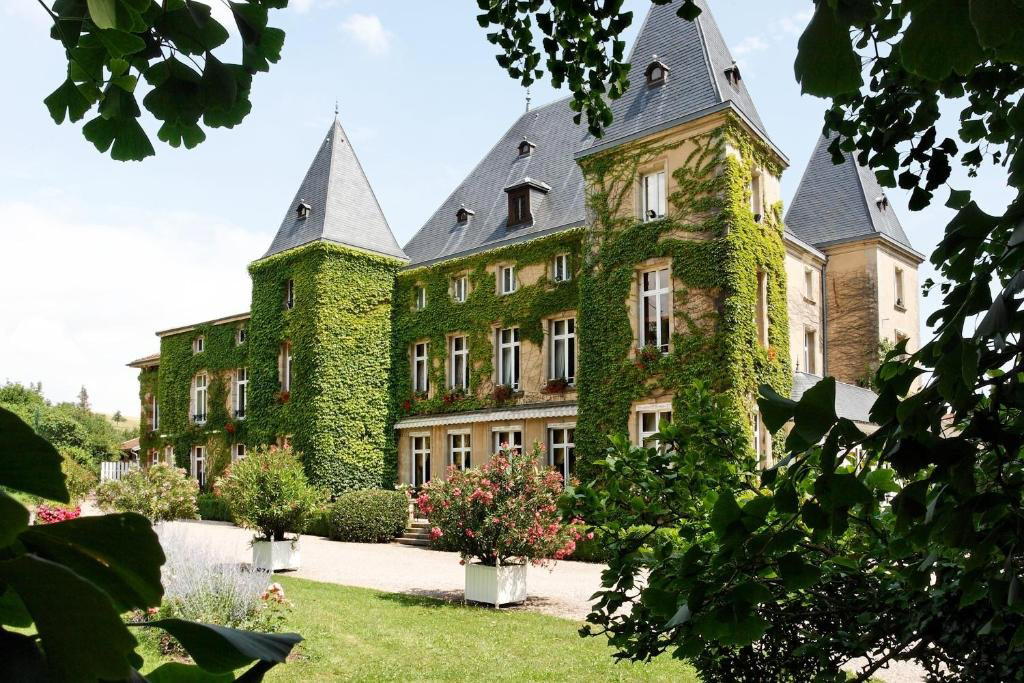
On a quiet street a short walk from Nancy's Place Stanislas, La Table du Bon Roi Stanislas carries the weight of Lorraine's dining heritage into a contemporary setting. The restaurant's name anchors it firmly to the city's eighteenth-century history, positioning it within Nancy's more formal, occasion-driven dining tier. For visitors seeking a meal that reflects the region's culinary character alongside its architectural grandeur, this address warrants attention.
Pearl is the En Primeur Club membership app — saves, bookings, and concierge access live there. Same editors, same standards.
- Address
- 7 Rue Gustave Simon, 54000 Nancy, France
- Phone
- +33383353652
- Website
- latabledestan.com
- Directions
- Get directions
 Saves & bookings on Pearl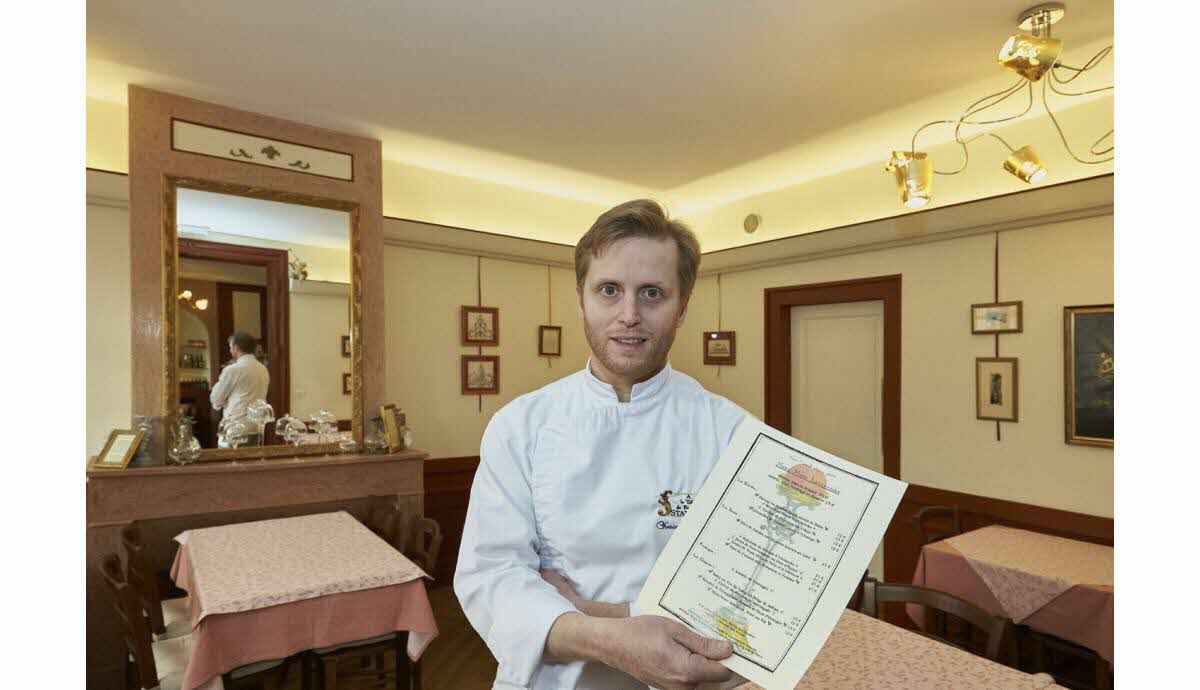
Dining in the Shadow of Stanislas
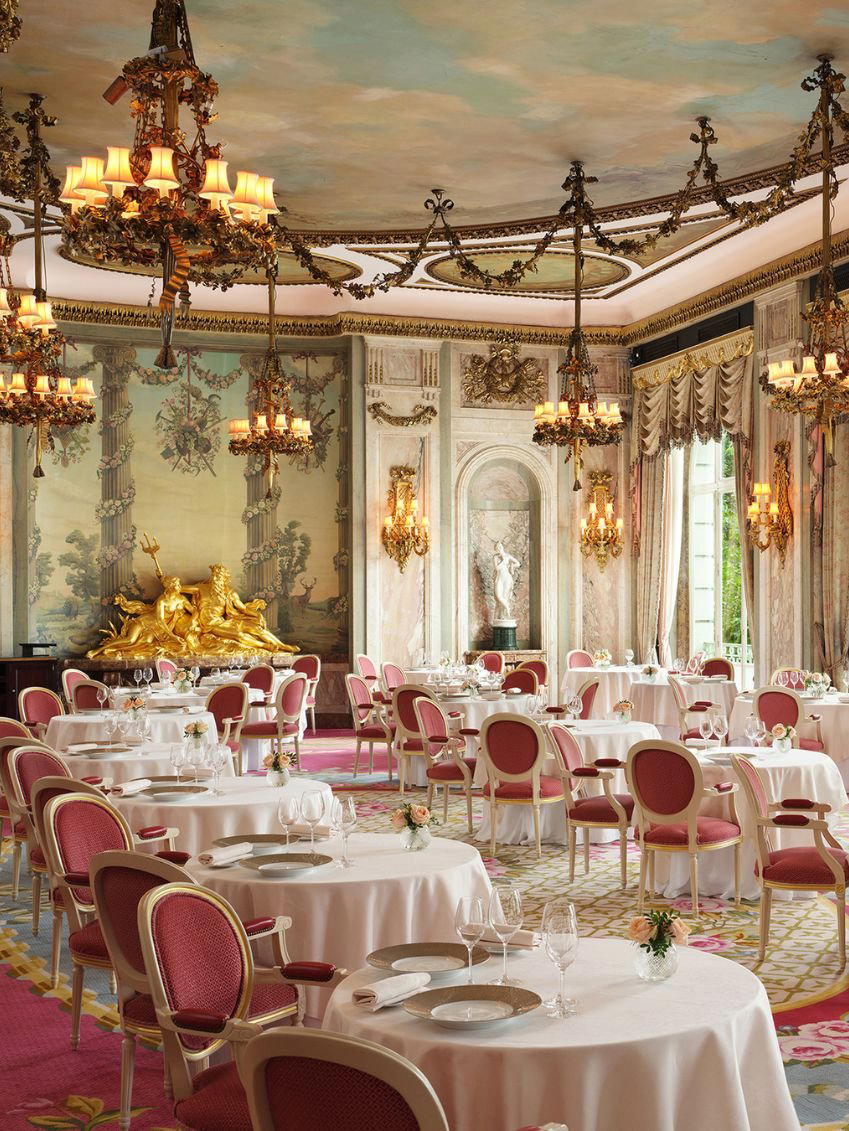
Nancy is a city whose built environment sets an unusually high bar for the experiences inside it. The Place Stanislas, a UNESCO-listed square of gilded ironwork and neoclassical symmetry, creates an expectation that the restaurants nearby will match its register, formal, considered, rooted in occasion rather than convenience. La Table du Bon Roi Stanislas is a restaurant in Nancy, France, on Rue Gustave Simon and priced around $65 per person. It operates within that expectation. The name itself is a deliberate invocation of Stanislas Leszczyński, the Polish-born Duke of Lorraine whose patronage shaped the city's eighteenth-century golden age, and that reference is not decorative. It signals a dining room that treats the meal as a cultural act, not merely a transaction.
Lorraine as a culinary region occupies an interesting position in the French hierarchy. It is not Burgundy, whose wines and produce have achieved global shorthand. It is not Alsace, whose Germanic-inflected cooking attracts dedicated food tourists from across Europe. Lorraine sits quieter, its quiche, mirabelle plum preparations, and game traditions forming a coherent regional identity that is frequently overlooked from the outside but deeply embedded locally. Restaurants that take that tradition seriously, rather than gesturing toward it while serving a generic modern French menu, are the addresses worth seeking in Nancy. La Table du Bon Roi Stanislas positions itself within that more deliberate, regionally anchored tier.
The Ritual of the French Formal Meal
France's formal dining tradition is built on pacing as much as cooking. The multi-course meal, whether a menu du marché at a bistrot or a longer degustation format at a more ambitious table, follows rhythms that have been refined across generations: the arrival of the amuse, the considered gap between courses, the cheese board that slows the evening before dessert, the coffee that signals the meal is complete rather than merely finished. At restaurants that carry historic names and address serious occasions, those rhythms tend to be enforced rather than suggested. The diner who arrives expecting to eat and leave in forty-five minutes will find the format resistant to that approach.
This pacing discipline is worth understanding before booking. That format exists not as inefficiency but as the architecture of the experience itself. The gap between courses is where the conversation happens, where the wine is evaluated, where the evening takes its shape. Visitors accustomed to the faster rhythms of contemporary dining in cities like New York, where even ambitious tasting menu formats at venues such as Le Bernardin or Atomix operate under different spatial and commercial pressures, should approach the Lorraine formal table on its own terms.
Nancy's Position in the French Fine Dining Conversation
France's Michelin-starred geography tends to concentrate attention on Paris, Lyon, the Côte d'Azur, and Alsace. Addresses such as Alléno Paris au Pavillon Ledoyen, Mirazur in Menton, Troisgros in Ouches, and Bras in Laguiole attract international attention precisely because they operate in well-documented culinary geographies. The Alsace corridor, anchored by institutions like Auberge de l'Ill in Illhaeusern and Au Crocodile in Strasbourg, sits close enough to Nancy to make regional comparisons relevant. Nancy itself has historically been overshadowed in that comparison, despite carrying genuine culinary traditions and a restaurant culture that serves a university city with significant local demand for serious dining.
That gap between reputation and reality is, for the well-organised traveller, an asset. Cities that sit slightly outside the critical spotlight tend to offer formal dining experiences at price points that major gastronomic destinations have left behind. The Champagne region's Assiette Champenoise in Reims demonstrates that Grand Est addresses can hold their own against national competition. Nancy's leading tables operate in a similar register: ambitious by local standards, accessible by Parisian pricing logic, and underbooked relative to the quality of what they offer.
What to Expect from the Address
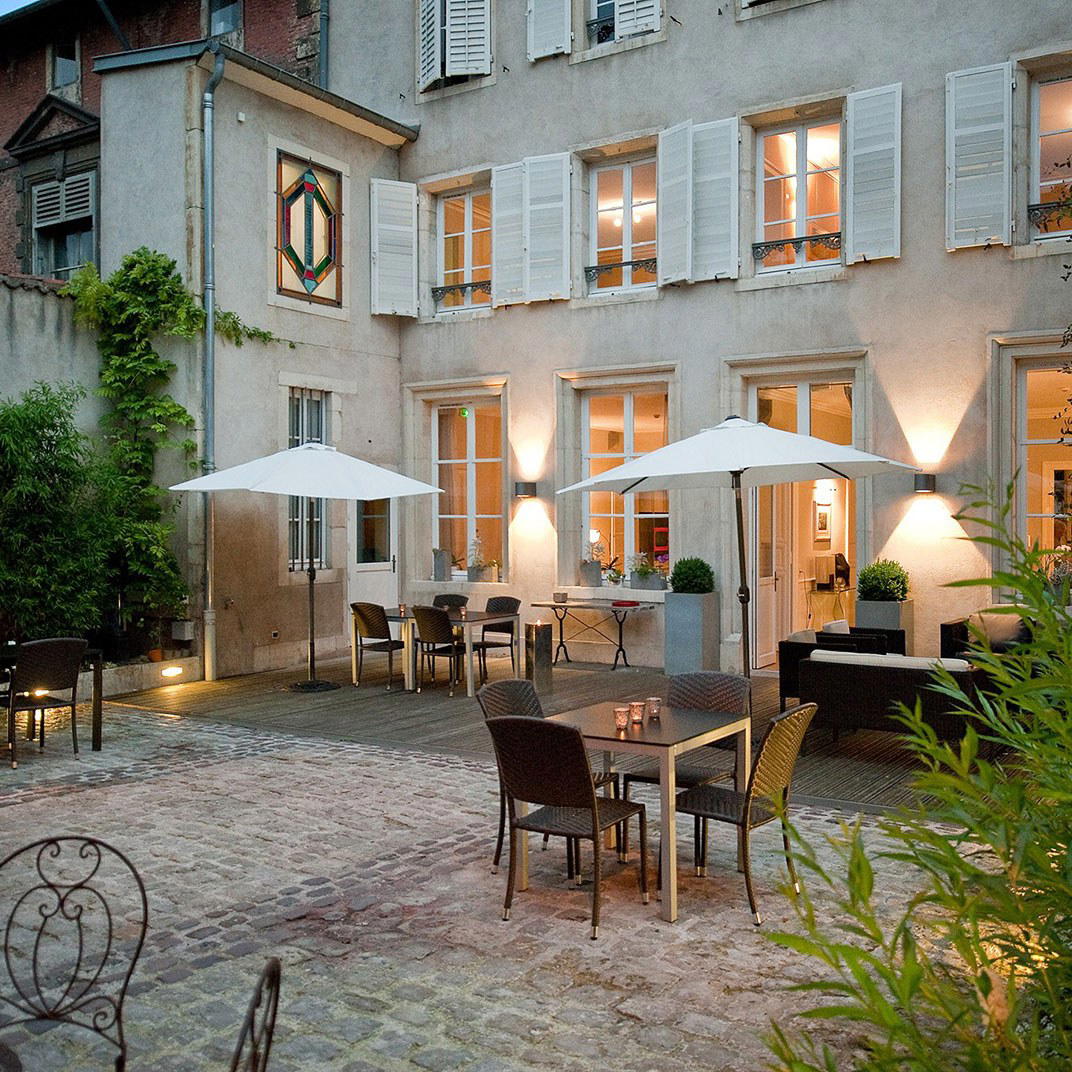
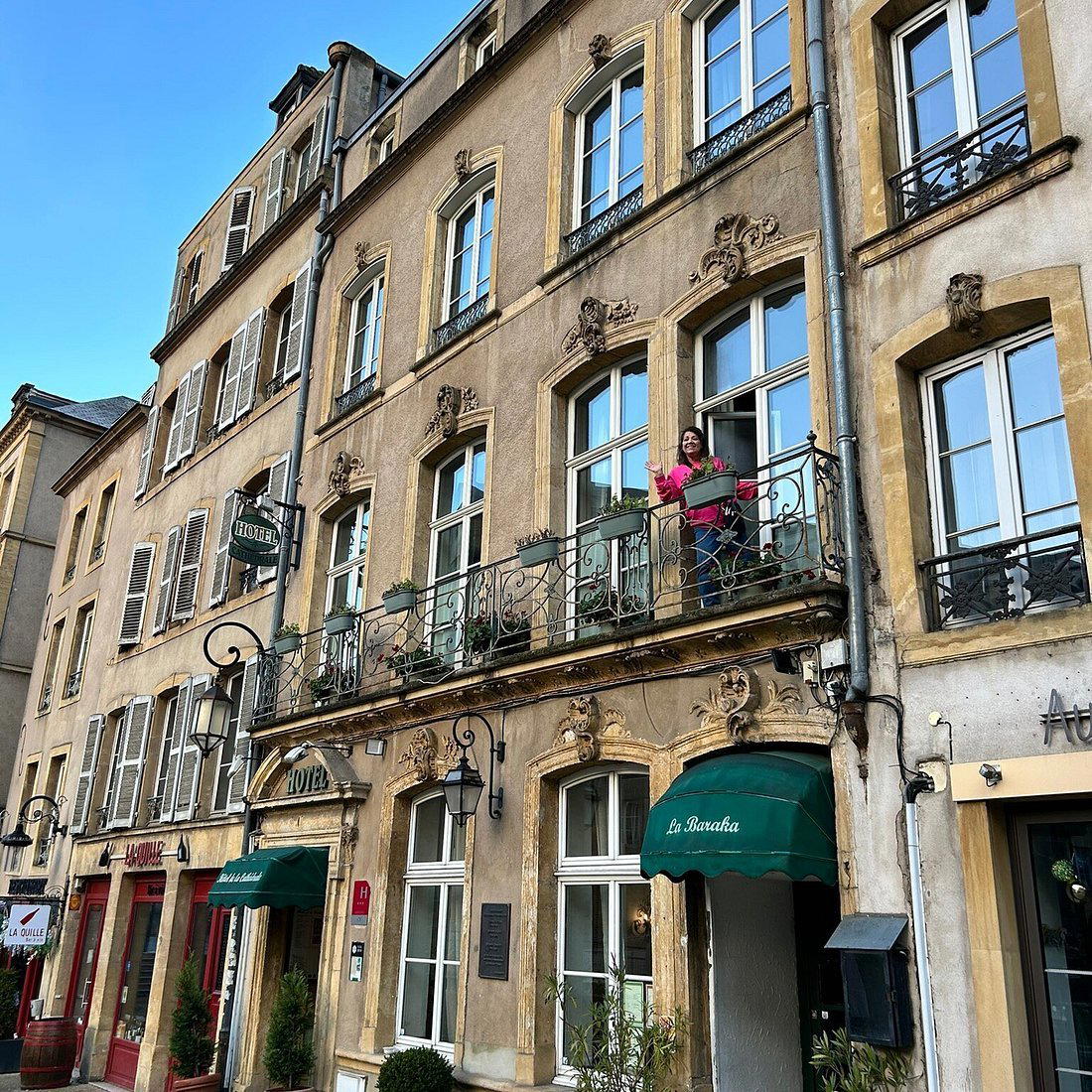
Rue Gustave Simon is a residential side street in Nancy's central arrondissement, close enough to the Place Stanislas and the Place de la Carrière to draw visitors who have spent the afternoon walking the city's formal gardens and baroque facades. The proximity to those landmarks is not incidental: the restaurant's name and address together signal a particular audience, one that has come to Nancy for its heritage and expects the evening meal to extend rather than interrupt that register.
Restaurants in this positioning tier across provincial French cities typically operate with a formality in service that has become rarer in contemporary dining. Tablecloths, structured menus with clear course progression, a wine list organised by region rather than variety, these are the conventions of the French occasion restaurant, and they persist in cities like Nancy because the local demand for them remains. For visitors from culinary destinations where that format has been largely replaced by counter dining and small-plate formats, the current direction of travel in Lyon's casual tier, for instance, or the default mode of newer Paris openings, the traditional multi-course meal at a regional table can read as refreshingly deliberate. At establishments aligned with the legacy of Paul Bocuse's Auberge du Pont de Collonges or the mountain formality of Flocons de Sel in Megève, that structured approach carries its own authority. La Table du Bon Roi Stanislas occupies a provincial version of that space. Closer to AM par Alexandre Mazzia's insistence on format discipline than to the casual flexibility of Nancy's bistrot tier, it is a meal planned in advance rather than discovered spontaneously.
Planning Your Visit
Visitors arriving by train from Paris via TGV reach Nancy in approximately ninety minutes, making it a viable day-trip or short-stay destination from the capital. The restaurant's central address on Rue Gustave Simon puts it within easy walking distance of the main hotels clustered around the Place Stanislas. Given the venue's positioning as a formal, occasion-driven table, advance reservation is the reliable approach: Nancy's leading restaurant tier draws both local celebrations and travelling diners, and availability at this level is not predictable without a booking.
Cuisine and Awards Snapshot
Comparable venues nearby, for context on price, style, and recognition.
| Venue | Cuisine | Price | Notes |
|---|---|---|---|
| La Table du Bon Roi StanislasThis venue — the venue you are viewing | Historical French-Polish Lorraine Cuisine | $$$$ | Not listed |
| V Four | French Bistro | $$$ | vieille ville |
| TT Histoire | Modern French-Armenian Fusion Bistronomie | $$$ | Place Stanislas |
| Au Grand Sérieux | Traditional French Bistro | $$ | Centre-ville |
| Excelsior | Classic French Brasserie | $$$ | near Gare de Nancy |
| Vins et Tartines | French Tartine Bistro & Wine Cave | $$ | centre-ville |
Continue exploring
More in Nancy
Restaurants in Nancy
Browse all →

At a Glance
- Historic
- Cozy
- Elegant
- Classic
- Intimate
- Special Occasion
- Date Night
- Historic Building
- Extensive Wine List
Current opening hours
- Monday
- 7:15–9:15 PM
- Tuesday
- 12:15–1:15 PM, 7:15–9:15 PM
- Wednesday
- Closed
- Thursday
- 12:15–1:15 PM, 7:15–9:15 PM
- Friday
- 12:15–1:15 PM, 7:15–9:15 PM
- Saturday
- 12:15–1:15 PM, 7:15–9:15 PM
- Sunday
- 12:15–1:15 PM
Hours can change for holidays and private events. Last verified .
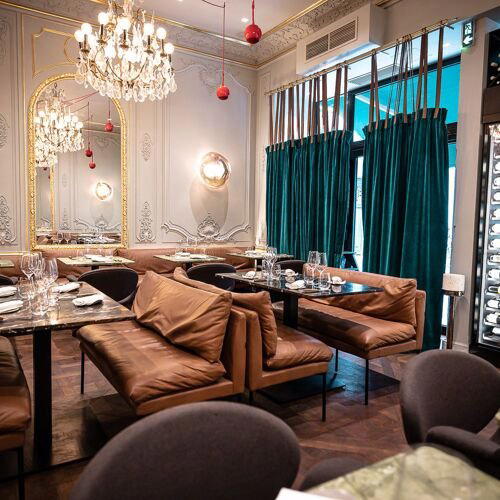
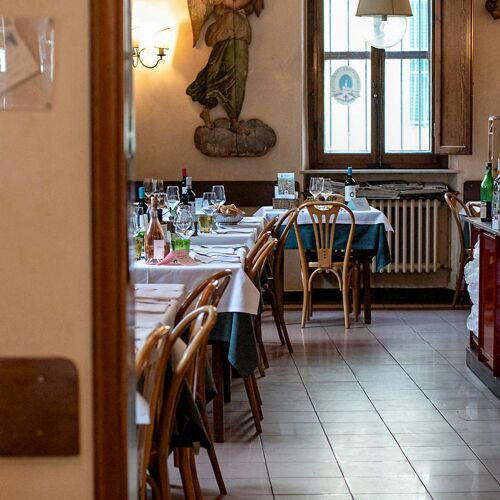
Cozy and welcoming with simple interior design evoking historical warmth.