Tsunami

Our verdict
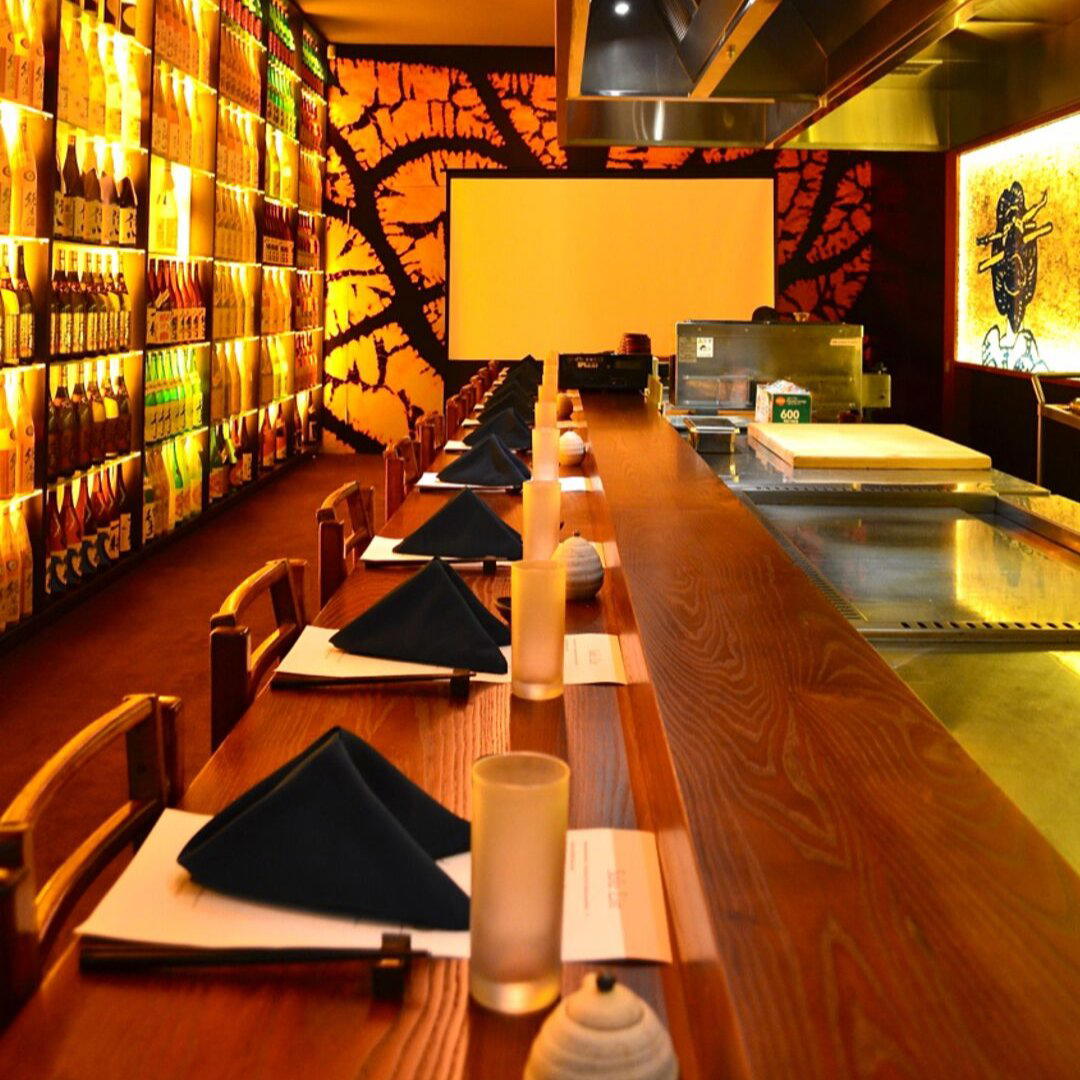
A Mosman Park fixture for more than two decades, Tsunami operates two distinct formats under one roof: Tsunami Izakaya, a Japanese fusion dining room lined with carefully sourced wines, sakes, and whiskies, and Tsunami Ko, a teppanyaki bar where live cooking is part of the arrangement. The restaurant holds a 2-Star Accreditation from the World of Fine Wine London Awards.

Pearl is the En Primeur Club membership app — saves, bookings, and concierge access live there. Same editors, same standards.
- Address
- 20 Glyde St, Mosman Park WA 6012, Australia
- Phone
- +61 422 780 661
- Hours
- Mon–Tue ClosedWed–Sun 5–10 PM
- Website
- tsunamisushi.com.au
- Directions
- Get directions
The menu
What to order
- Wagyu steak
- Signature nigiri
- Teppanyaki seafood
Two Decades on Glyde Street
Perth's western suburbs have never been short of neighbourhood restaurants that outlast their moment, but longevity on the scale Tsunami has achieved on Glyde Street requires something more than location. The suburb of Mosman Park sits along the Swan River corridor, a residential stretch that rewards locals willing to seek out serious dining without the theatre of the CBD. Tsunami has occupied that position for over twenty years, long enough to have watched entire restaurant generations open and close around it. That kind of tenure, in any market, reflects consistent demand rather than novelty.
The physical arrangement matters to understanding how the restaurant works. Glyde Street's low-rise character means arriving at Tsunami feels unhurried. Inside, walls lined with bottles — wine, sake, whisky sourced from producers both local and international — set the visual tone before a dish arrives. In warmer months, the garden seating, framed by climbing vines and small lights, operates as a separate register from the interior dining room. These are not interchangeable spaces. The garden is quieter, more suited to a longer evening; the interior carries the ambient warmth of a wine-heavy room that has been opened and restocked regularly for two decades.
The Sourcing Logic Behind the Beverage Program
Japanese restaurants across Australia frequently treat their beverage programs as an afterthought, domestic wine lists that happen to sit alongside sake menus assembled from a handful of standard imports. Tsunami's approach is different in structure if not always in visibility. The bottles that line the walls are not decorative. They represent a sourcing logic that tracks with the restaurant's positioning as a Japanese fusion operation rather than a strictly traditional one: the list spans geography in a way that reflects the fusion premise, pulling from wine regions, sake breweries, and whisky distilleries across Japan and beyond.
The distinction matters for how Australia's more considered Japanese restaurants have evolved. Venues like Brae in Birregurra and Saint Peter in Sydney have built reputations partly on supply-chain discipline, tracing ingredients to specific producers and making those relationships legible to the diner. In beverage-forward Japanese dining, that same logic applies to what fills the glass. A sake sourced directly from a smaller regional brewery in Niigata or Kyoto tells a different story than a mass-distributed label. Whether the whisky comes from a Speyside distillery or a Japanese house like Nikka or Suntory changes not just the flavour profile but the conversation at the table. Tsunami's wall of bottles is, in this reading, an argument about sourcing made visible.
Two Formats, One Address
The structure of Tsunami Ko and Tsunami Izakaya sitting within the same building reflects a format that has become more common in Australian Japanese dining but remains uncommon in the western suburbs of Perth. Teppanyaki, as a dining format, carries significant logistical demands: the theatre of a flat iron grill requires both trained execution and a room configured around the performance. Tsunami Ko handles this as a dinner-with-a-show arrangement, where the cooking surface is the focal point and the meal unfolds in sequence around it.
Izakaya dining operates on a different rhythm. The Japanese izakaya tradition is built around sharing, around eating and drinking in a mode that does not resolve cleanly into courses. Tsunami Izakaya draws on that tradition while filtering it through a fusion menu, which means the plate boundaries are more Western in structure even as the flavour references stay Japanese. This dual-format model is not unique to Tsunami in the broader Australian context, venues in Melbourne's Japanese dining corridor operate similar splits, but in Mosman Park, it makes Tsunami the clearest point of reference for Japanese dining at the suburban premium tier. For a broader view of what the suburb offers across categories, see [our full Mosman Park restaurants guide]().
Where Tsunami Sits in the Australian Japanese Dining Picture
Australian Japanese dining has developed distinct tiers over the past fifteen years. At one end, omakase counters in Sydney and Melbourne now compete on sourcing credentials and chef lineage with counters in Tokyo. At the other, fast-casual Japanese formats have expanded into every suburban centre. The middle tier, restaurants offering full-service Japanese dining with serious beverage programs, not omakase pricing, not fast-casual format, is where the more interesting critical questions sit. This is the tier in which sourcing discipline, menu coherence, and longevity determine real standing.
Tsunami's 2-Star Accreditation from the World of Fine Wine London Awards places it inside a recognised framework of quality assessment, specifically on the wine and beverage side. For a restaurant whose physical identity is partly defined by bottles on walls, an accreditation from a body that adjudicates fine wine is a meaningful credential rather than a generic quality signal. It positions Tsunami closer to venues like Carlton Wine Rooms in Carlton or Hentley Farm in Seppeltsfield in terms of beverage seriousness, even if the cuisine categories differ entirely.
Among Australia's more carefully constructed dining rooms, Flower Drum in Melbourne, Amaru in Armadale, Bacchus in Brisbane, Agrarian Kitchen in Hobart, the common thread is that each has built its standing on a coherent point of view sustained over time. Twenty years of operation is an editorial argument in itself. It rules out the possibility that Tsunami's standing is a function of novelty, which in contemporary restaurant culture is a more rigorous test than any single award cycle.
Planning Your Visit
Tsunami is located at 20 Glyde St, Mosman Park WA 6012. Given its twenty-year tenure and the dual-format setup, demand on weekend evenings tends to be consistent, booking ahead is the sensible approach for either the teppanyaki bar or the izakaya dining room, particularly if you have a preference for garden seating, which cannot be guaranteed without advance arrangement. The beverage list's depth makes it worth arriving with enough time to consider options before ordering food. If sake or Japanese whisky is the interest, the sourcing range across the list rewards a conversation with staff about what has come in recently.
For those spending more time in the area, [our full Mosman Park bars guide]() and [our full Mosman Park hotels guide]() cover adjacent options. Broader itinerary context is available through our full Mosman Park experiences guide and [our full Mosman Park wineries guide]().
Among Australia's ingredient-focused dining rooms, Dan Arnold in Fortitude Valley, Kadota in Daylesford, 400 Gradi in Brunswick East, or internationally at venues like Le Bernardin in New York City and Emeril's in New Orleans, the standard for sourcing transparency continues to rise. Tsunami's two-decade presence in Mosman Park puts it in a different competitive frame from any of these, but the underlying question is the same: does the sourcing logic justify the positioning? The World of Fine Wine accreditation suggests, at minimum, that the beverage program does.
Frequently asked questions
Can I bring kids to Tsunami?
Tsunami Ko's teppanyaki format — where chefs cook at the table — tends to work well for families with older children who can engage with the theatre of it. The Izakaya side, with its wine- and sake-lined walls and more intimate atmosphere, leans toward an adult dining experience. Specific age policies are not published, so it's worth confirming directly when booking.
What's the vibe at Tsunami?
Glyde Street regulars describe two distinct registers under the same roof: the garden at Tsunami Izakaya, covered by vines and lit with fairy lights, reads as quietly romantic, while the teppanyaki bar at Tsunami Ko carries the energy of live cooking performance. The beverage program — sake, whisky, and wine sourced from Japan and beyond — adds a collector's-cellar feel to the room.
Does Tsunami have a Michelin star or similar recognition?
Tsunami has received recognition including: Tsunami offers an authentic Japanese dining experience, in a romantic and unique atmosphere. Dine inside amongst the walls filled with wine, sake and whisky, specially sourced from near and far, or in the garden sheltered by the vines and t….
What's the signature dish at Tsunami?
The safest approach is to check directly with the restaurant, where the menu has evolved across more than twenty years of operation.
What's the address for Tsunami?
Tsunami is located at 20 Glyde St, Mosman Park WA 6012, Australia, Mosman Park.
Is Tsunami reservation-only?
No booking policy is listed publicly, but a venue operating two formats — Tsunami Ko's teppanyaki bar and Tsunami Izakaya — across a twenty-year tenure draws consistent demand, particularly on weekend evenings. Booking ahead is advisable, especially for the teppanyaki counter where seating is format-specific.
What is Tsunami known for?
Tsunami has held its position on Glyde Street in Mosman Park for over twenty years, operating two formats: Tsunami Izakaya for Japanese fusion dining and Tsunami Ko for teppanyaki. It holds a 2-Star Accreditation from the World of Fine Wine Awards, with a beverage program built around sake, Japanese whisky, and wine sourced from Japan and internationally.
A Quick Peer Check
| Venue | Cuisine | Awards |
|---|---|---|
| TsunamiThis venue — the venue you are viewing | Japanese Izakaya & Teppanyaki | Not listed |
| Brae | Modern Australian | World's 50 Best |
| Flower Drum | Cantonese | World's 50 Best |
| Saint Peter | Australian Seafood | World's 50 Best |
| Rockpool | Australian Cuisine | World's 50 Best |
| Attica | Australian Modern | World's 50 Best |
Recognition history
Dated appearances from independent guides and award organizations, with the underlying list record or original source where available.
World's Best Wine Lists Awards WBWL Category Winner
World's Best Wine Lists Awards
Full recognition history (2 entries)
World's Best Wine Lists Awards WBWL 2-Star
World's Best Wine Lists Awards
Continue exploring
More in Mosman Park
Restaurants in Mosman Park
Browse all →
Bars in Mosman Park
Browse all →
Hotels in Mosman Park
Browse all →
Wineries in Mosman Park
Browse all →
Details
- Intimate
- Elegant
- Special Occasion
- Date Night
- Celebration
- Group Dining
- Open Kitchen
- Sake Program
- Local Sourcing
- Small Plates
- A La Carte
- Sake
- Vegetarian Friendly
Current opening hours
- Monday
- Closed
- Tuesday
- Closed
- Wednesday
- 5–10 PM
- Thursday
- 5–10 PM
- Friday
- 5–10 PM
- Saturday
- 5–10 PM
- Sunday
- 5–10 PM
Hours can change for holidays and private events. Last verified .
Intimate Japanese atmosphere with lit murals, warm lighting, and lively teppanyaki grill entertainment.