
Star Wine List
Our verdict
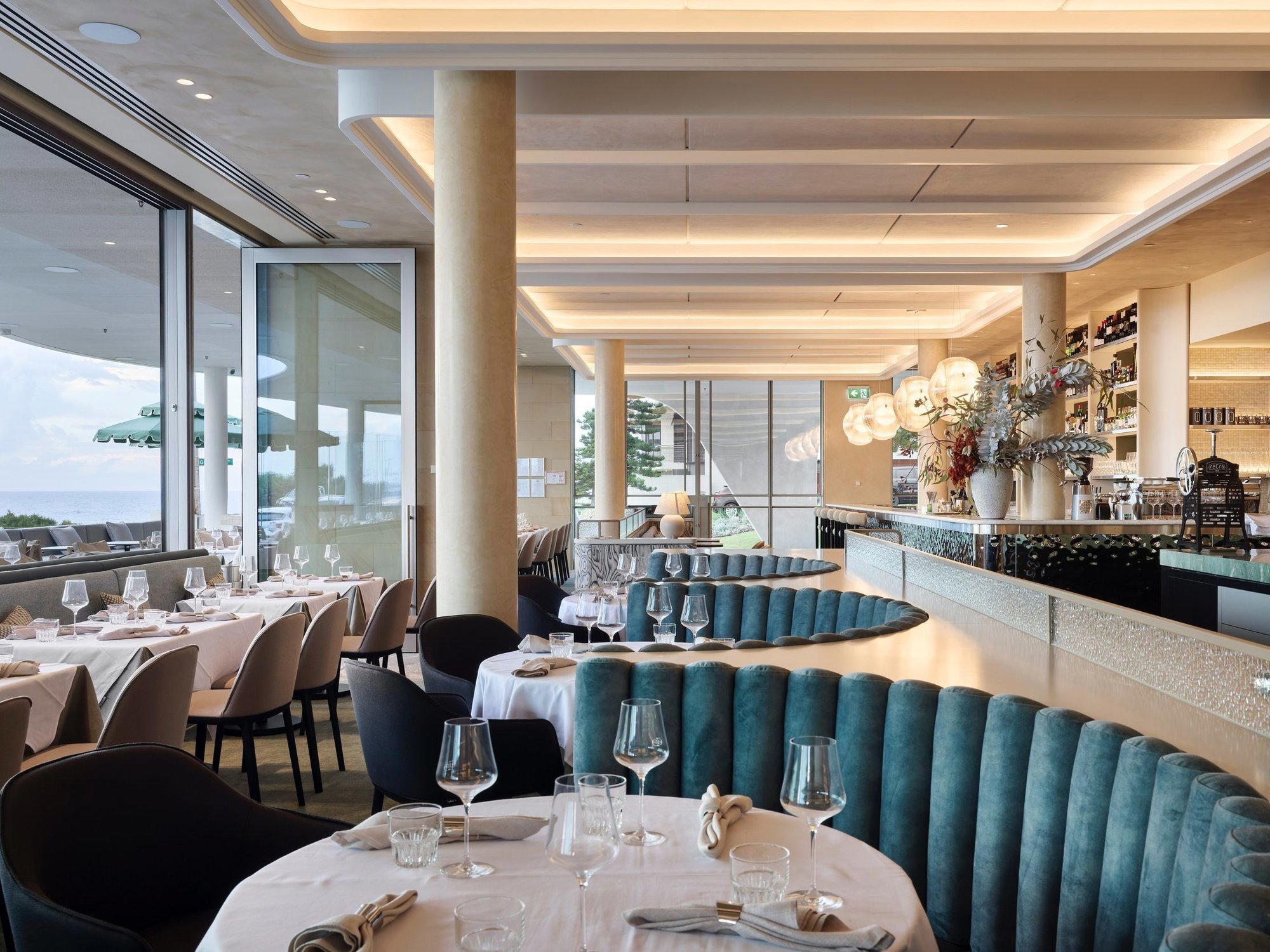
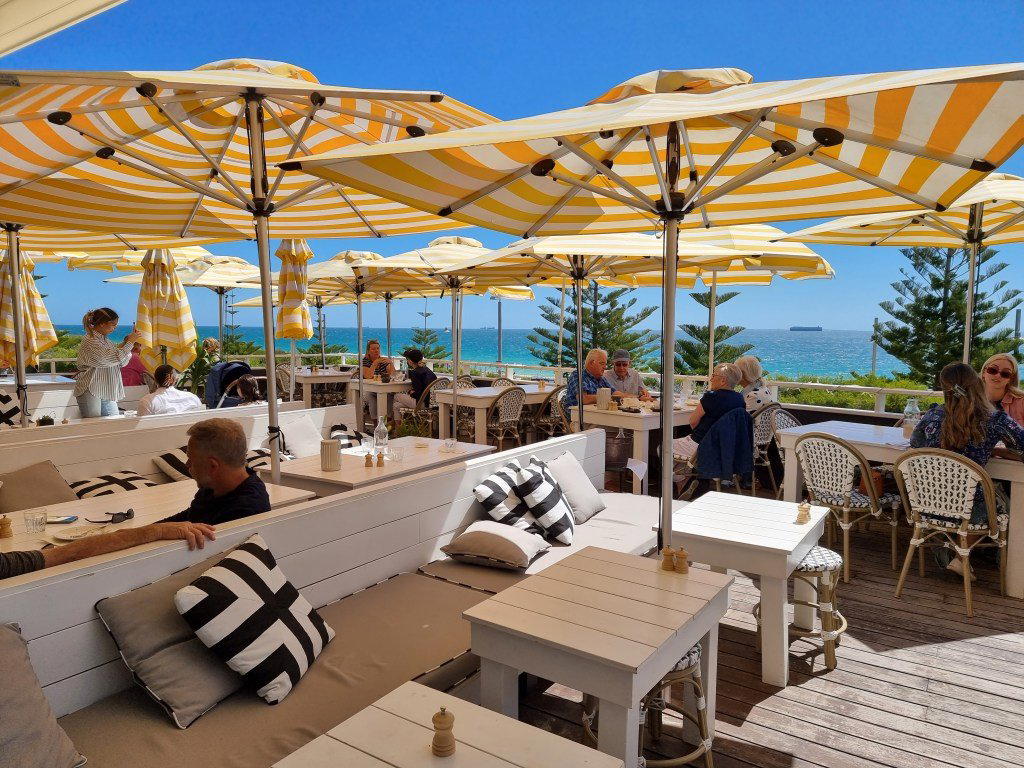
On Marine Parade in Cottesloe, Il Lido Italian Canteen occupies a position where the Indian Ocean sets the backdrop for Italian-inflected cooking. The canteen format signals a relaxed, all-day approach to Italian staples in one of Perth's most coastal suburbs. It sits within a dining strip that rewards walkers arriving from the beach as much as those making a reservation.

Pearl is the En Primeur Club membership app, where members save venues, book tables and use the concierge.
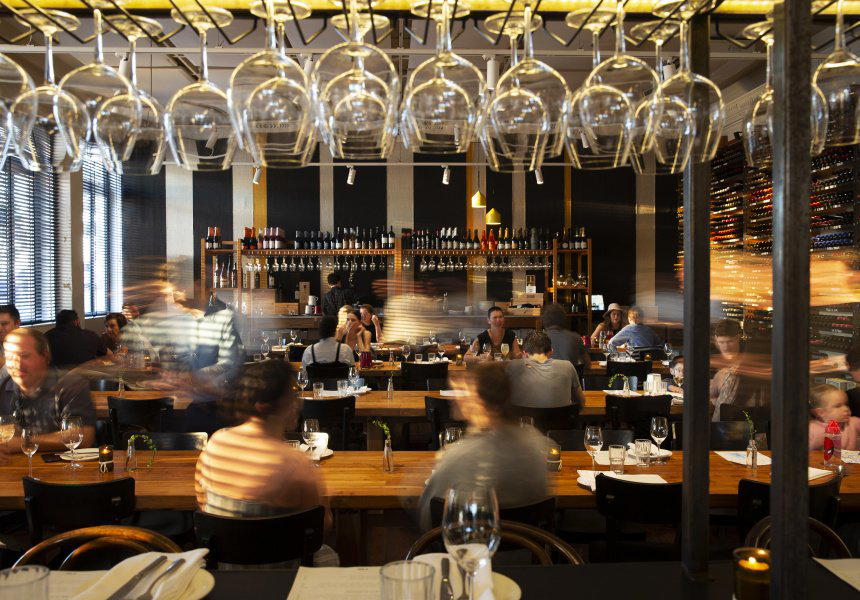
The menu
What to order
- Spaghetti allo Scoglio
- Orecchiette with sausage
- Risotto Milanese with tiger prawns
Where the Indian Ocean Meets the Italian Table
Marine Parade in Cottesloe is one of the few dining addresses in Australia where the Pacific light, salt-heavy and horizontal, arrives as a genuine ingredient. Il Lido Italian Canteen sits at number 88 on that strip, close enough to the water that the breeze is a constant presence and the sky through the windows shifts from white to amber over the course of an evening. The canteen label is deliberate: this is not Cottesloe's formal dining proposition but rather a room that borrows the Italian trattoria model, tables close together, the menu reading like a document of the seasons rather than a fixed monument.
Coastal Italian cooking in this part of the world occupies a specific position. It sits between the fine-dining structures of, say, Ormeggio at The Spit in Mosman and the more relaxed canteen registers that have spread along Australia's beachside suburbs over the last decade. Il Lido operates in that middle tier: structured enough to attract diners making a proper evening of it, loose enough that arriving in board shorts would not look conspicuously wrong in the early evening. For full context on what Cottesloe's dining scene offers across price points and formats, see our full Cottesloe restaurants guide.
Italian Cooking Through a West Australian Larder
The Italian canteen format, transplanted to coastal Western Australia, creates an interesting sourcing question. Italian cooking is at its most coherent when the ingredients belong to the place, when the olive oil comes from trees nearby, when the seafood was in the water that morning, when the vegetables reflect what is actually growing. That logic applies with particular force in Cottesloe, where the Indian Ocean fishery provides access to species that have no Italian precedent but adapt naturally to Italian technique.
Western Australia's south-west coast is one of the country's most productive wild-catch zones, with species including pink snapper, dhufish, and marron forming a regional identity distinct from anything you would encounter in, say, Sydney or Melbourne. Italian kitchens that operate here tend to make a choice: treat these local species as substitutes for Mediterranean originals, or acknowledge that the geography demands its own approach. The canteen model generally favours the latter, simpler preparations, fewer interventions, the product doing more of the work. This is the same logic that animates destination kitchens like Pipit in Pottsville and Provenance in Beechworth, where the sourcing relationship with local producers is made visible rather than hidden behind classical technique.
Western Australia's Margaret River and Swan Valley regions also provide a wine and produce infrastructure that Italian-leaning kitchens draw on heavily. The olive oils, stone fruits, and market vegetables available to Perth-area restaurants come from within a few hours' drive, and the state's Italian diaspora has maintained a small but serious tradition of Italian-style smallgoods, cheese, and pasta production that predates the current farm-to-table moment. For Italian cooking in particular, this local-Italian overlap is productive: the ingredients are not Italian, but the sensibility that values provenance and seasonal rhythm translates directly.
This regional sourcing dynamic is what separates Australian Italian from its northern-hemisphere counterparts. At Wills Domain in Yallingup, less than three hours south, the kitchen operates with a similar philosophy of Western Australian produce inflected by European culinary grammar. The comparison is instructive: canteen-format Italian in this part of the world tends to earn its credibility through sourcing transparency rather than through classical fidelity.
The Cottesloe Dining Context
Cottesloe's dining strip functions differently from a city-centre restaurant precinct. Foot traffic here is genuinely pedestrian, people walk from the beach, from the car parks on the hill, from the stretch of Marine Parade that connects the suburb's low-rise hotel blocks. Timing matters more than in a restaurant precinct: the early-evening window between the beach crowd thinning out and the dinner reservation wave arriving is when the strip is at its most animated. Il Lido, positioned on Marine Parade, sits at the centre of that pattern.
The suburb does not generate the critical density of a Surry Hills or a Fitzroy, which means individual venues carry more weight in the local identity. Vans anchors the strip's more casual end; Il Lido takes a middle position that bridges the beach-bar register and something more considered. For diners arriving from outside Western Australia, the comparison set to hold in mind is less Sydney or Melbourne and more the mid-format coastal Italian rooms that have proliferated along Queensland's Whitsunday coast and in South Australia's Glenelg, venues where the setting does genuine editorial work and the kitchen focuses on not getting in the way.
That said, the standard of Italian cooking in Australian coastal settings has risen sharply over the past decade. Kitchens that once treated "Italian" as a genre shorthand for pasta and pizza have increasingly engaged with the depth of regional Italian cuisine. The shift is visible in Australia's more technically ambitious restaurants, from Brae in Birregurra to Attica in Melbourne, but it has filtered into the canteen tier as well, raising expectations around pasta quality, house-made bread, and the sourcing standards for charcuterie and cheese.
Planning Your Visit
Il Lido sits at 88 Marine Parade, Cottesloe, on foot from the beach steps, it is a short walk north along the parade. Cottesloe Beach itself is served by the Cottesloe train station on the Fremantle line, roughly a ten-minute walk from the restaurant. Given the suburb's limited parking on busy weekend afternoons, the train option is worth considering for Friday and Saturday evenings. The canteen format implies a walk-in-friendly policy for at least part of the room, though booking ahead for dinner on summer weekends is advisable given the popularity of the Marine Parade strip during the October-to-April season. Western Australia's long summer evenings mean alfresco seating, if available, remains comfortable until well past 8pm for much of the year.
Frequently asked questions
Would Il Lido Italian Canteen be comfortable with kids?
The canteen format at 88 Marine Parade lends itself to a relaxed, drop-in atmosphere that tends to suit families. Cottesloe's dining strip draws a genuinely pedestrian crowd, beachgoers, locals, and day visitors, which sets a relaxed tone rather than a hushed fine-dining one.
Is Il Lido Italian Canteen formal or casual?
The 'canteen' designation in the name signals the format: this is not a white-tablecloth establishment. Located on Marine Parade in Cottesloe, the venue sits within a coastal dining strip where the prevailing mood is relaxed and the foot traffic arrives straight from the beach. Dress accordingly, polished casual fits the setting.
Does Il Lido Italian Canteen use local Western Australian produce in its Italian cooking?
The Italian canteen model at Cottesloe places it directly in dialogue with one of Australia's most productive food regions, Western Australia supplies premium seafood, olive oil, and stone fruit that align naturally with Italian cooking's core logic. The Marine Parade address, steps from the Indian Ocean, makes local seafood an obvious reference point. For specific sourcing details, the venue is the authoritative source.
What do people recommend at Il Lido Italian Canteen?
What the Italian canteen format typically prioritises is a concise, produce-led menu where pasta and shared plates anchor the offering, a reasonable expectation given the coastal West Australian setting and Italian cooking tradition.
Where is Il Lido Italian Canteen in Cottesloe?
Il Lido Italian Canteen is located at 88 Marine Parade, Cottesloe WA 6011, Australia, Cottesloe.
| Venue | Cuisine | Price | Awards |
|---|---|---|---|
| Il Lido Italian CanteenThis venue (the venue you are viewing) | Modern Italian Canteen | $30–50 | Star Wine List |
| Brae | Modern Australian Seasonal Tasting Menu | $200–300 | World's 50 Best #44 · La Liste Top Restaurants |
| Attica | Modern Australian Indigenous Fine Dining | $300–500 | World's 50 Best #20 · La Liste Top Restaurants |
| Flower Drum | Fine Dining Cantonese | $50–100 | World's 50 Best #33 · Star Wine List |
| Rockpool | Modern Australian Steakhouse | $150–200 | World's 50 Best #49 · La Liste Top Restaurants |
| Saint Peter | Modern Australian Seafood | $150–200 | World's 50 Best #66 · La Liste Top Restaurants |
Recognition history
Dated appearances from independent guides and award organizations, with the underlying list record or original source where available.
Star Wine List
Star Wine List
Continue exploring
More in Cottesloe
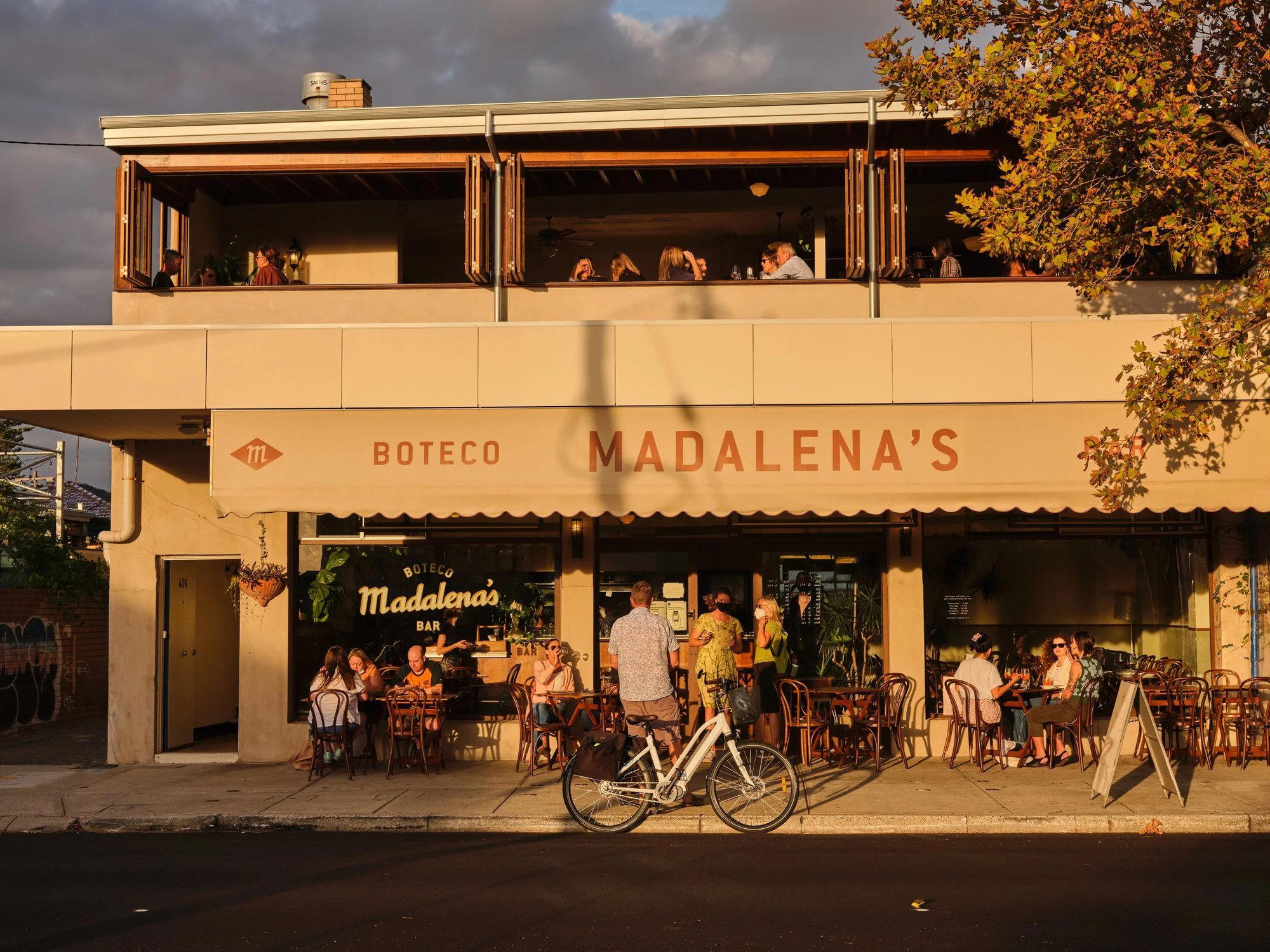
Restaurants in Cottesloe
All restaurants in Cottesloe →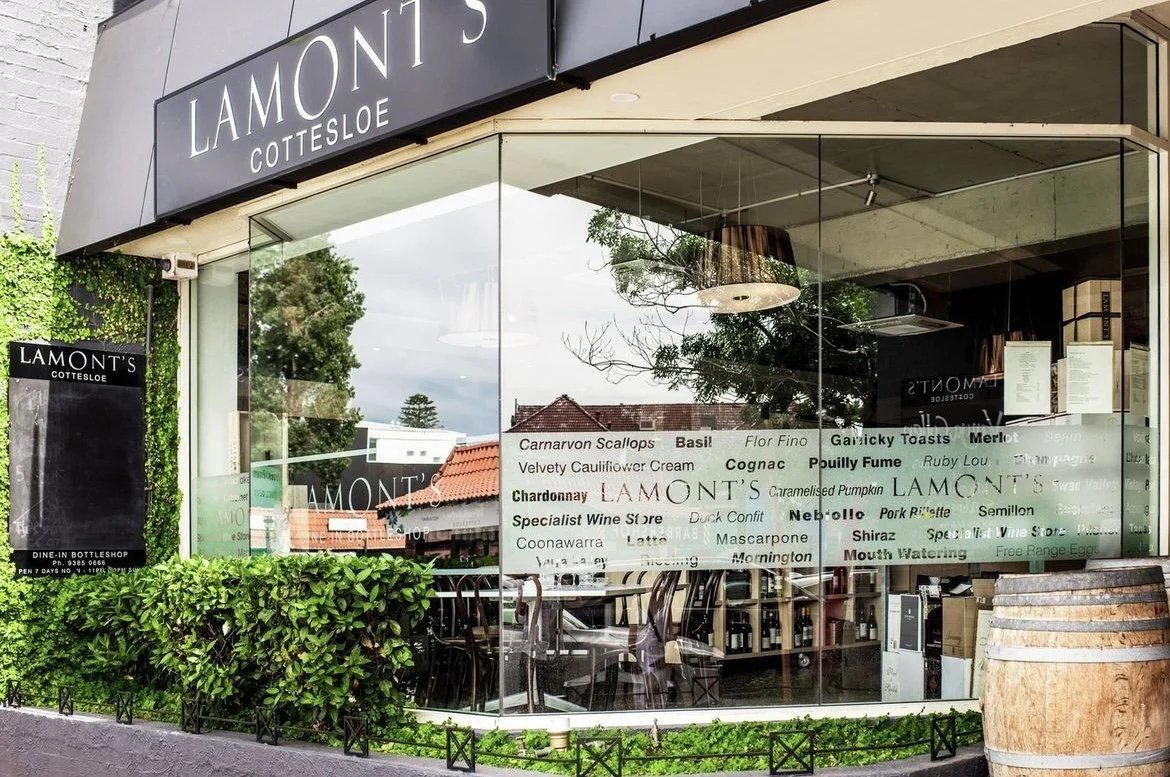
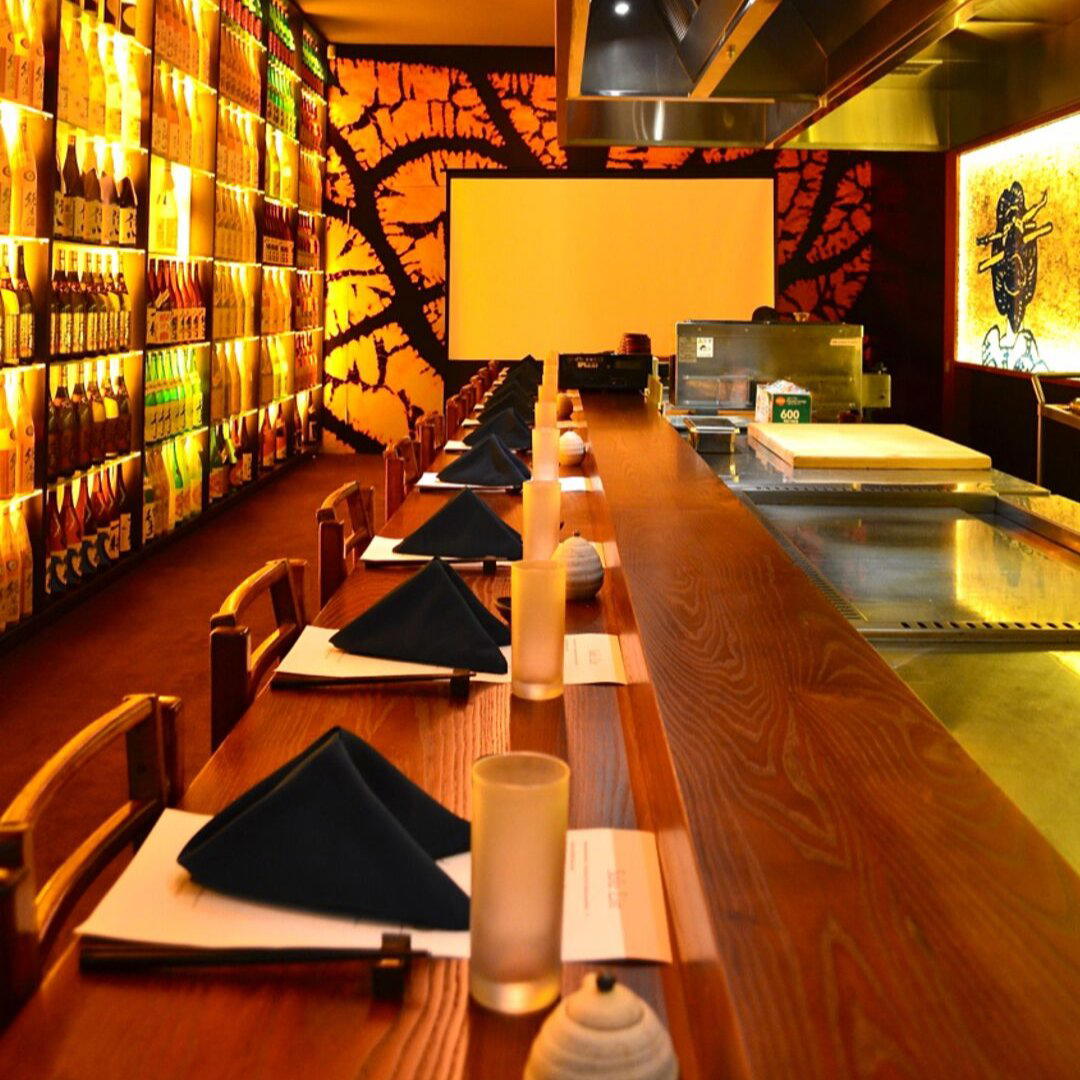
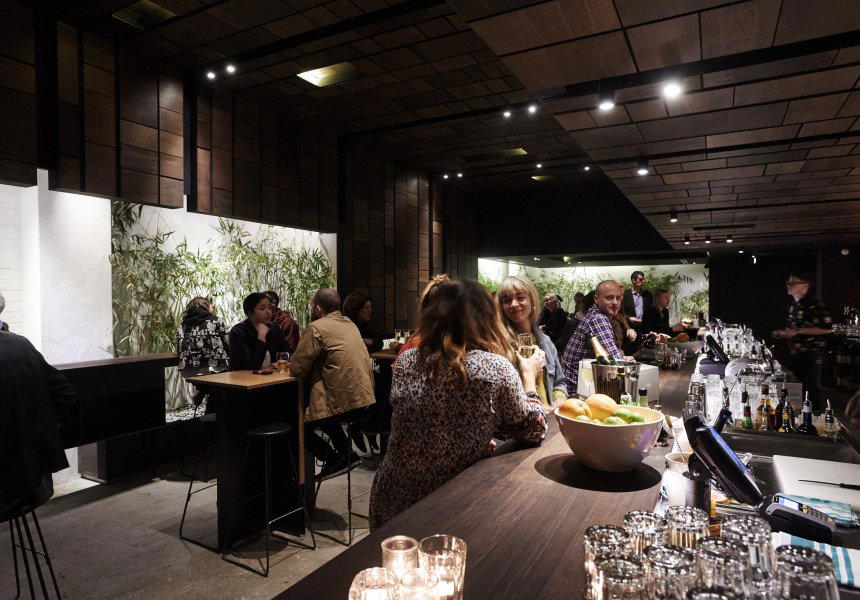
Bars in Cottesloe
Browse all →
Hotels in Cottesloe
All hotels in Cottesloe →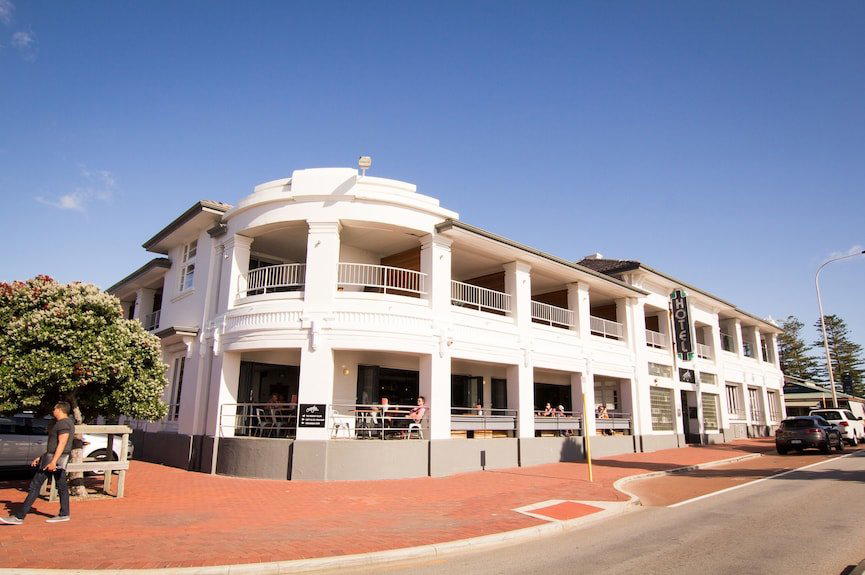
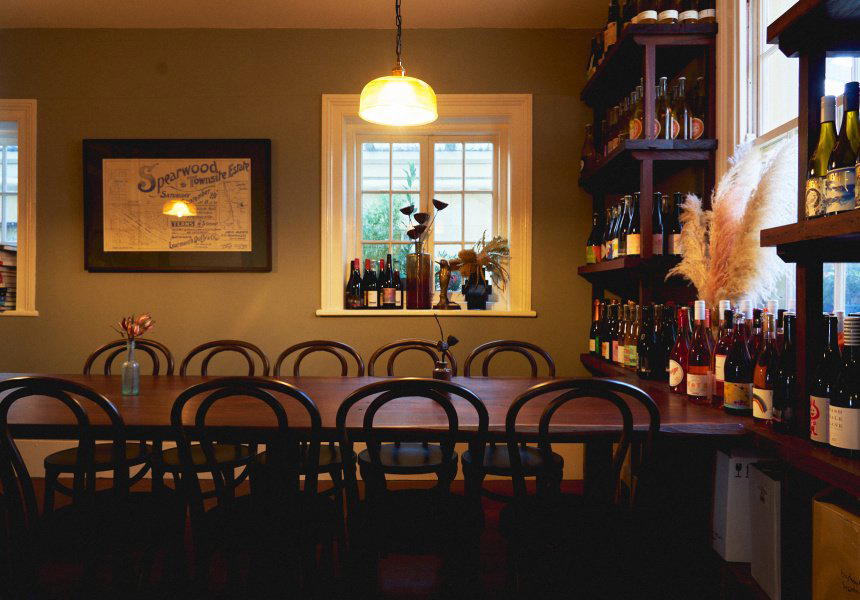
Wineries in Cottesloe
Browse all →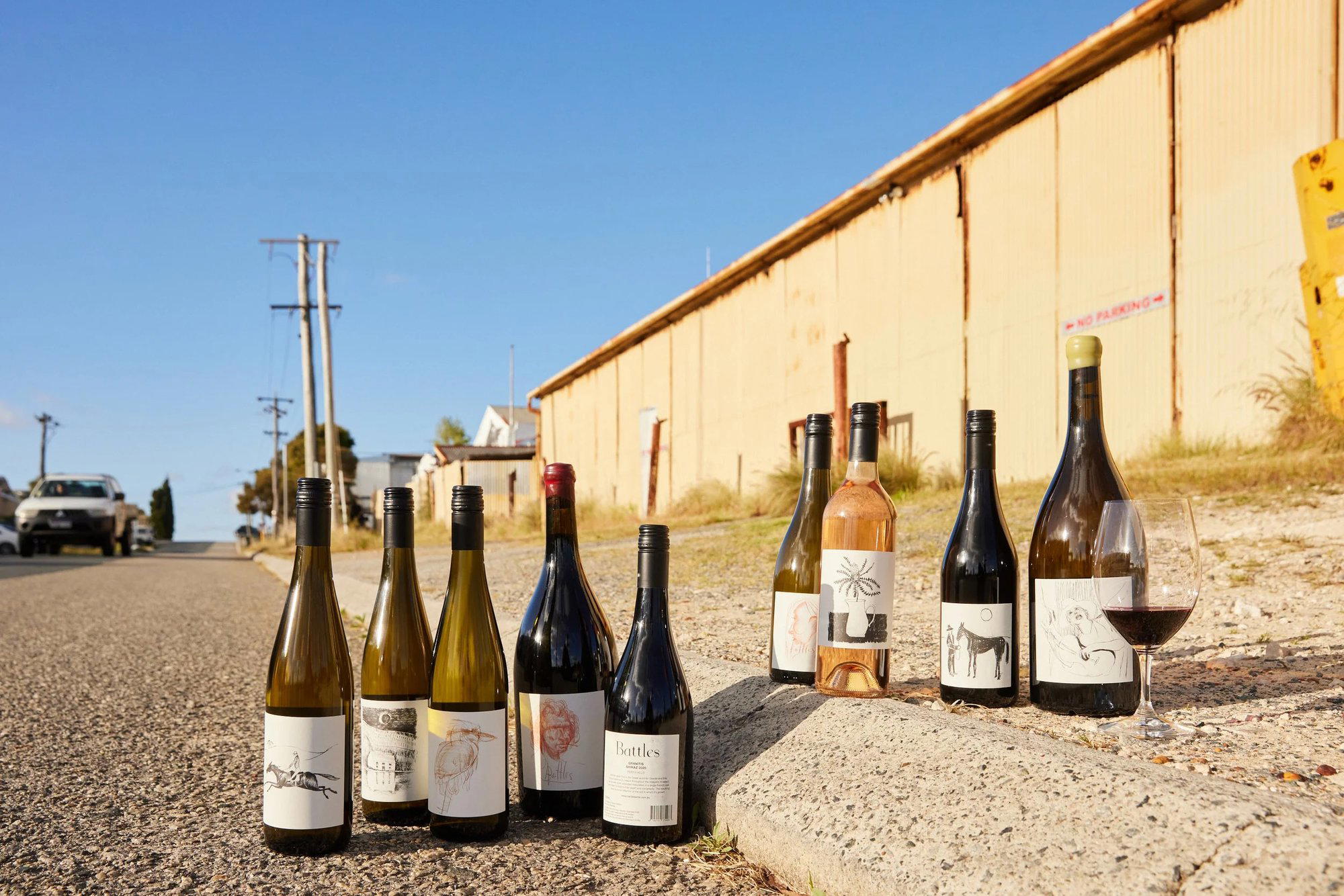
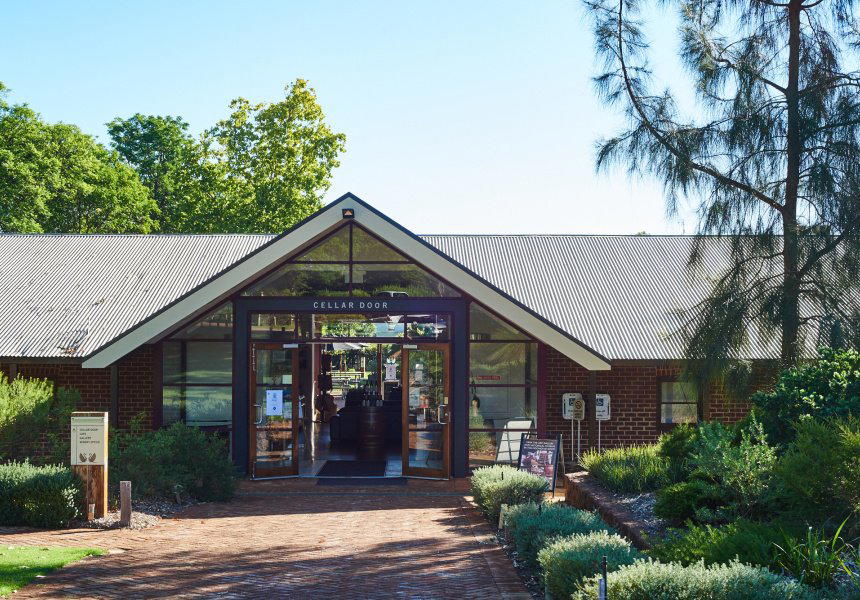
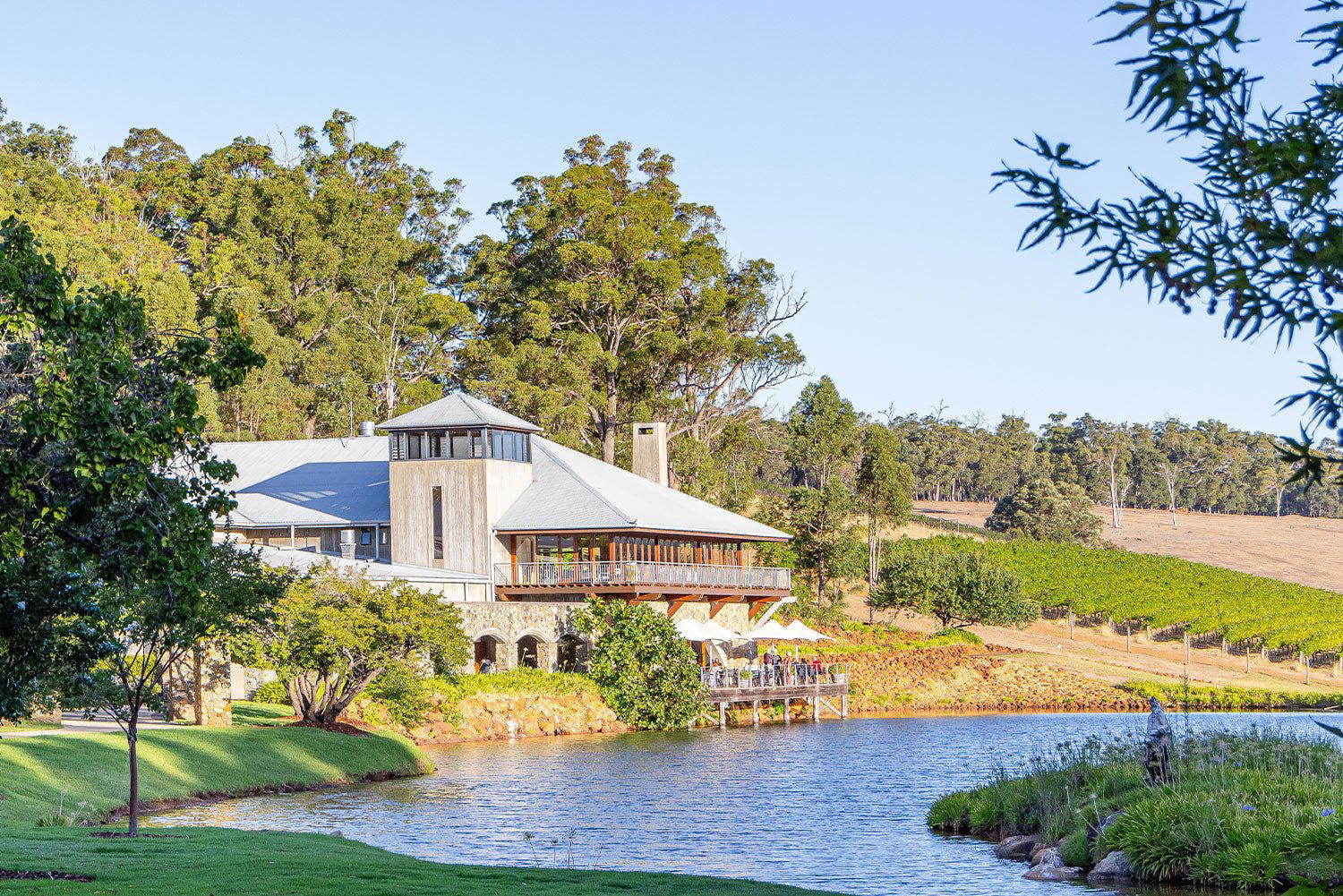
Details
- Lively
- Trendy
- Rustic
- Group Dining
- Celebration
- Brunch
- Casual Hangout
- Waterfront
- Open Kitchen
- Historic Building
- Extensive Wine List
- Local Sourcing
- Waterfront
- A La Carte
- Small Plates
- Wine
- Vegetarian Friendly
- Vegan Options
- Gluten Free Options
Current opening hours
- Monday
- 6:30 AM–11:30 PM
- Tuesday
- 6:30 AM–11:30 PM
- Wednesday
- 6:30 AM–11:30 PM
- Thursday
- 6:30 AM–11:30 PM
- Friday
- 6:30 AM–11:30 PM
- Saturday
- 6:30 AM–11:30 PM
- Sunday
- 6:30 AM–11:30 PM
Hours can change for holidays and private events. Hours as of .
Breezy, party atmosphere with warm buzz, low intimate lighting, and a laid-back beachside feel.