
Tabelog 100 #3
Our verdict
Tsugumi belongs to Tokyo’s compact, design-conscious Chinese dining tier, where counter seats, private rooms, wine service, and hybrid technique matter as much as genre labels. Its Nishiazabu setting, Tabelog Chinese Tokyo 100 selection for 2026, and 18-seat layout place it in a quieter register than the city’s louder destination dining rooms.

Pearl is the En Primeur Club membership app, where members save venues, book tables and use the concierge.
The menu
What to order
- Karasumi rice vermicelli (bottarga beehoon)
- Shark fin in golden collagen soup
- Premium shark fin course dishes
Tokyo gives certain dining rooms a quieter rhythm than the city’s late-night glare: lower voices, measured pacing, and restaurants that make intention part of the choreography. Tsugumi sits within that mood, best understood through Tokyo’s broader premium dining culture rather than spectacle. The useful signal is not excess description, but the way the restaurant is positioned for diners looking for a considered dinner in the city.
Tokyo’s Chinese dining scene no longer fits old categories. Cantonese banquet formality, Sichuan heat, Shanghai inflection, Japanese seasonality, and tasting formats now overlap across the city’s serious rooms. The useful distinction is not “Chinese” versus “creative,” but whether the restaurant is built for volume, ceremony, or close-control cooking. Tsugumi belongs in that conversation: listed in the Chinese, Creative, Innovative categories and selected for Tabelog Hyakumeiten recognition in 2026, placing it inside Tokyo’s competitive Chinese category rather than as a vague fusion claim.
A Tokyo restaurant shaped for controlled-course Chinese cooking
Tokyo rewards restaurants that step away from street-level noise without losing city energy. Its dining identity is built less on casual discovery than appointments, careful pacing, and rooms used for business dinners as well as personal occasions. Tsugumi’s appeal is therefore best read through format and intent: a Tokyo restaurant where the evening is expected to be planned, paced, and focused.
The restaurant aligns with Tokyo’s premium format culture, where sushi, tempura, yakitori, kappo, and newer Chinese rooms often share the same concern for sequence and detail. At the same time, Tsugumi still speaks to Chinese dining’s social function: shared attention, group rhythm, and a sense of occasion. That tension is the point. Tsugumi offers another way to read premium dining in Tokyo, without reducing the experience to a single familiar template.
The Tokyo comparison helps. Sushi Kinoshita belongs to the sushi-counter economy. Yakitori Hirako works through skewers, smoke, and sequence. Yakiniku Ten and Nishiazabu Yakiniku X occupy the beef-led side of the city’s after-dark dining culture. Tsugumi gives Tokyo another premium option: Chinese, Creative, Innovative dining within a contemporary restaurant format rather than a simple category label.
Chinese, creative, innovative, and the Tokyo habit of bending cuisine around seasonality
Category labels here, Chinese, Creative, Innovative, say less than the service signals around them. The description points to a modern Tokyo pattern: inherited culinary grammar reworked through contemporary sequencing, careful pacing, and a dining style that does not need to announce itself loudly. Tsugumi reads as part of that evolution, where category and format are held in productive tension.
This is where restaurant identity and menu direction meet. A Chinese meal in Tokyo can feel connected to the city’s precision-led dining culture, not because the cuisine changes identity, but because attention shifts from abundance alone to cadence, detail, and context. Tsugumi does not need exaggerated claims to signal seriousness; in Tokyo, category-specific recognition and diner reputation can be more useful than a louder narrative.
The 2026 Tabelog Hyakumeiten selection is the hard credential. Tabelog’s Hyakumeiten lists matter in Japan because they identify category strength across cities and cuisines rather than simply echoing international fine-dining hierarchies. A 3.68 score also sits in a range domestic diners read more seriously than visitors might assume, given how tightly Japanese review scores cluster.
For travelers comparing dinner styles, this is not the same decision as choosing casual meals, themed cafés, grilled seafood, yakitori, or a broad dinner elsewhere in the city. Tokyo rewards precise intent, and Tsugumi suits diners who want a composed Chinese, Creative, Innovative meal in Tokyo rather than a one-night survey of the city.
How to read it within a wider Tokyo itinerary
The strongest use case is a dinner where category and pacing matter: a pair, a small group, or a business meal that benefits from a more composed restaurant choice. The listed dinner budget of JPY 15,000 - JPY 19,999 reinforces that reading, placing Tsugumi in a premium but legible Tokyo bracket. Diners should confirm practical details directly before booking, especially when planning for groups or special arrangements.
Because Tokyo dining is fragmented by neighborhood and format, Tsugumi works as one Tokyo point in a larger plan rather than a universal answer. Use Our full Tokyo restaurants guide to compare it with sushi, yakitori, curry, cafés, and counter formats; Our full Tokyo hotels guide to place it against where the night begins and ends; Our full Tokyo bars guide for cocktail and sake context; and Our full Tokyo wineries guide and Our full Tokyo experiences guide to widen the itinerary beyond restaurants.
Travelers building a Japan-wide dining route can apply the same category discipline outside Tokyo: compare Tsugumi with other regional dining rooms, café culture, curry specialists, and Japanese restaurants without assuming one format explains the whole country. For Japanese food culture refracted abroad, overseas examples show how reference points change once they leave Japan, but Tsugumi is best understood first within Tokyo’s own premium dining language.
The editorial read is clear: Tsugumi is for diners interested in how Tokyo frames Chinese dining through category, pacing, and contemporary restaurant format. The 2026 Tabelog Hyakumeiten selection provides category-specific trust, while the listed dinner budget gives practical context. In a city crowded with louder claims, that combination is more useful than excess description.
Frequently asked questions
What days is Tsugumi closed?
Confirm Tsugumi’s current opening days and hours directly with the restaurant before visiting.
Where is Tsugumi located?
Tokyo.
Is Tsugumi expensive?
Pricing at Tsugumi is listed as JPY 15,000 - JPY 19,999 for dinner.
What is Tsugumi known for?
Tsugumi is known as a Tokyo restaurant in the Chinese, Creative, Innovative categories, selected for Tabelog Hyakumeiten recognition in 2026.
Comparable Options
Comparable venues by price and recognition.
| Venue | Cuisine | Price | Awards | Notes |
|---|---|---|---|---|
| TsugumiThis venue (the venue you are viewing) | Modern Chinese Tasting Menu | $150–200 | Tabelog 100 #3 | Not listed |
| Kasumitei Matsubara | Kaiseki | $150–200 | Not listed | Not listed |
| Yakiniku Ten | Yakiniku | Not listed | Not listed | Not listed |
| Sushi Kinoshita | Seasonal Japanese & Edomae Sushi Omakase | $200–300 | Tabelog 100 #70 | JPY 40,000 - JPY 49,999 |
| Yakitori Hirako | Modern farm-to-table yakitori omakase | $100–150 | Tabelog 100 #32 | JPY 15,000 - JPY 19,999 |
| Nishiazabu Yakiniku X | Luxury Yakiniku with Tajima Wagyu | $200–300 | Tabelog 100 #65 | Not listed |
Recognition history
Dated appearances from independent guides and award organizations, with the underlying list record or original source where available.
Tabelog 100 #3 · No. 3
Tabelog · Tabelog 100 - Chinese cuisine - TOKYO - 2026
Continue exploring
More in Tokyo
Restaurants in Tokyo
All restaurants in Tokyo →

Bars in Tokyo
All bars in Tokyo →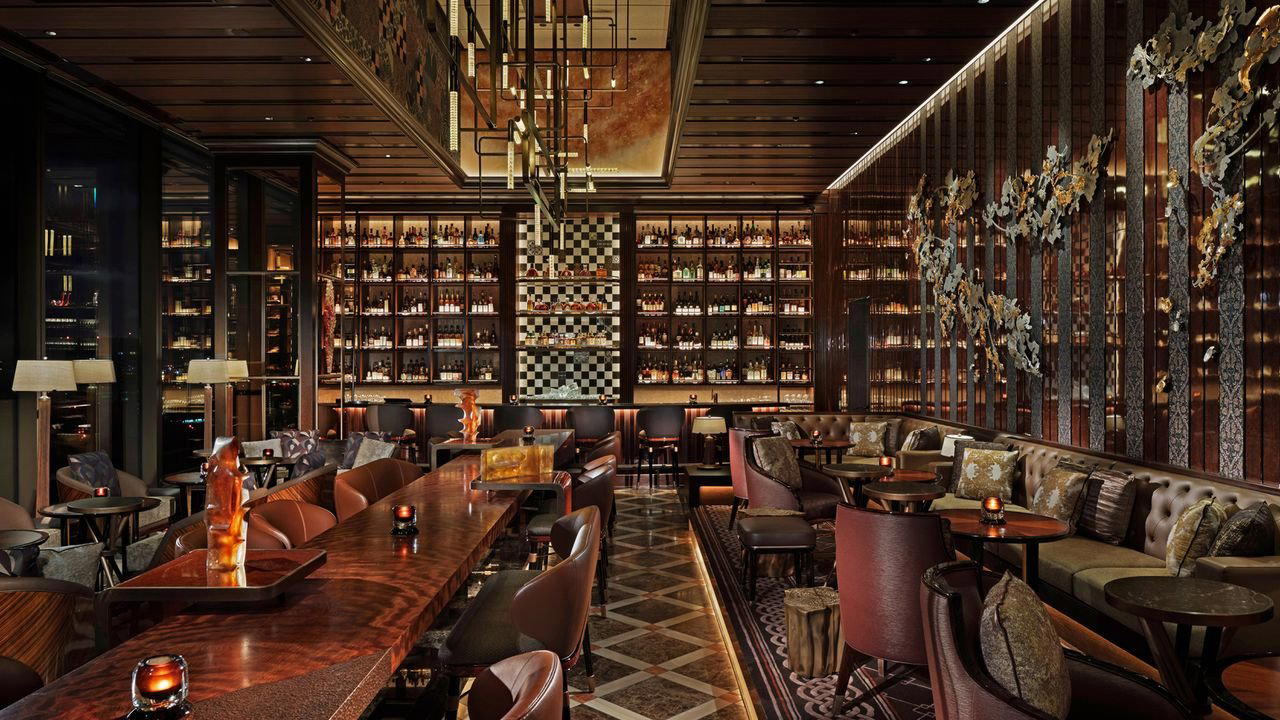




Details
- Elegant
- Intimate
- Sophisticated
- Date Night
- Business Dinner
- Celebration
- Special Occasion
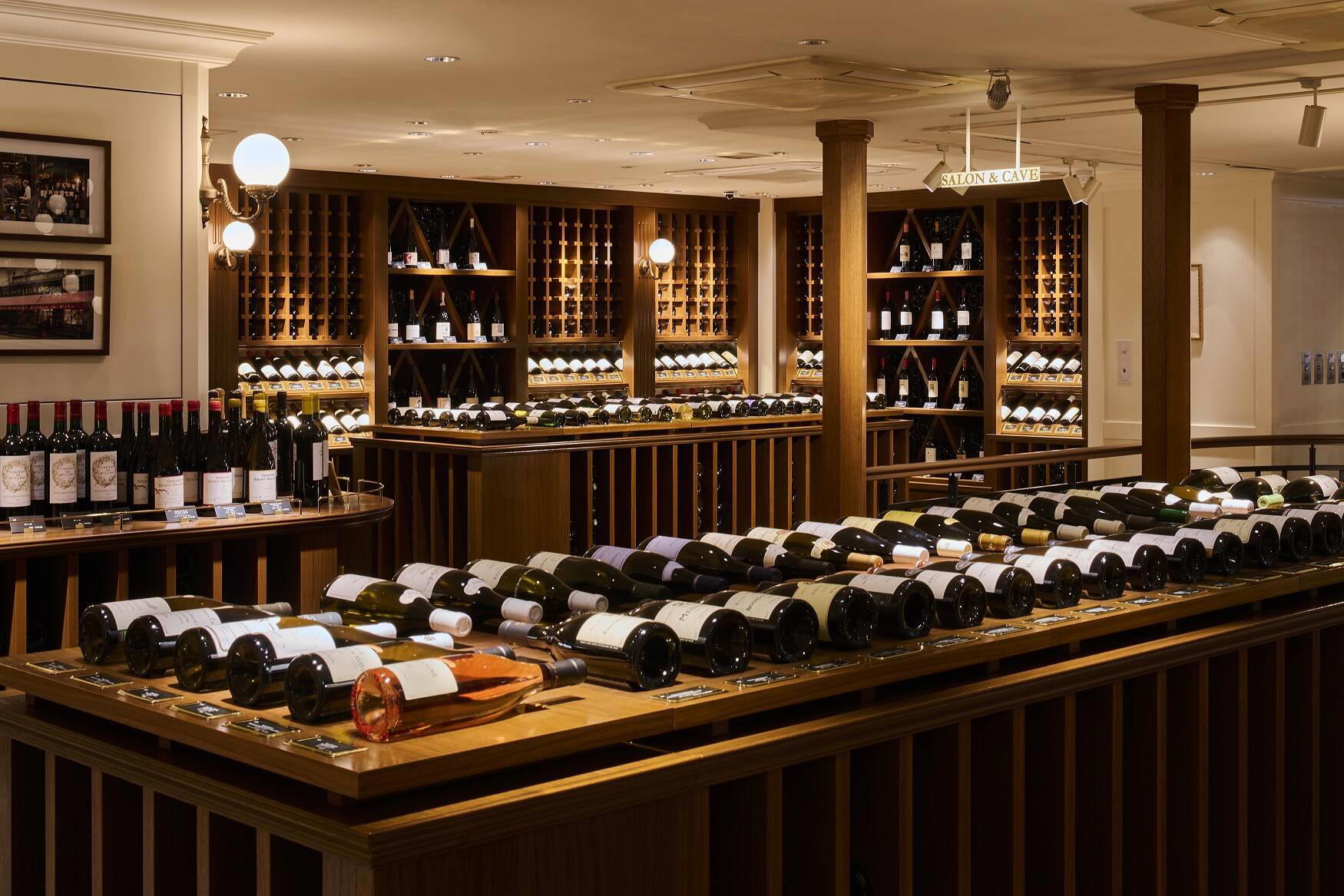
- Wine Cellar
- Standalone
- Extensive Wine List
- Tasting Menu
- Set Menu
- Prix Fixe
- Wine
Current opening hours
- Monday
- 6–11 PM
- Tuesday
- 6–11 PM
- Wednesday
- 6–11 PM
- Thursday
- 6–11 PM
- Friday
- 6–11 PM
- Saturday
- 6–11 PM
- Sunday
- Closed
Hours can change for holidays and private events. Hours as of .
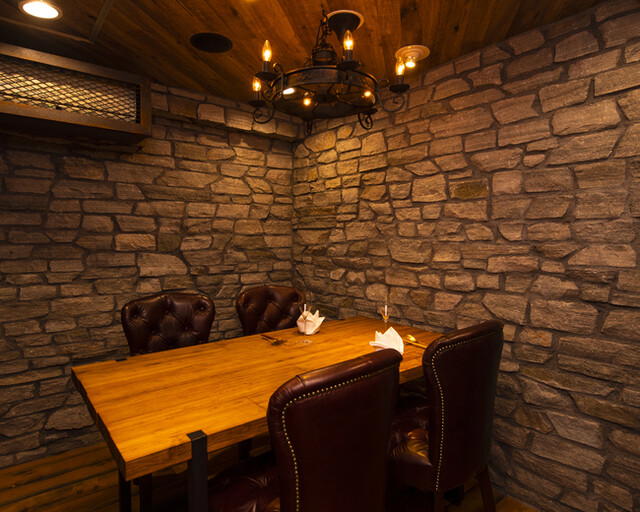
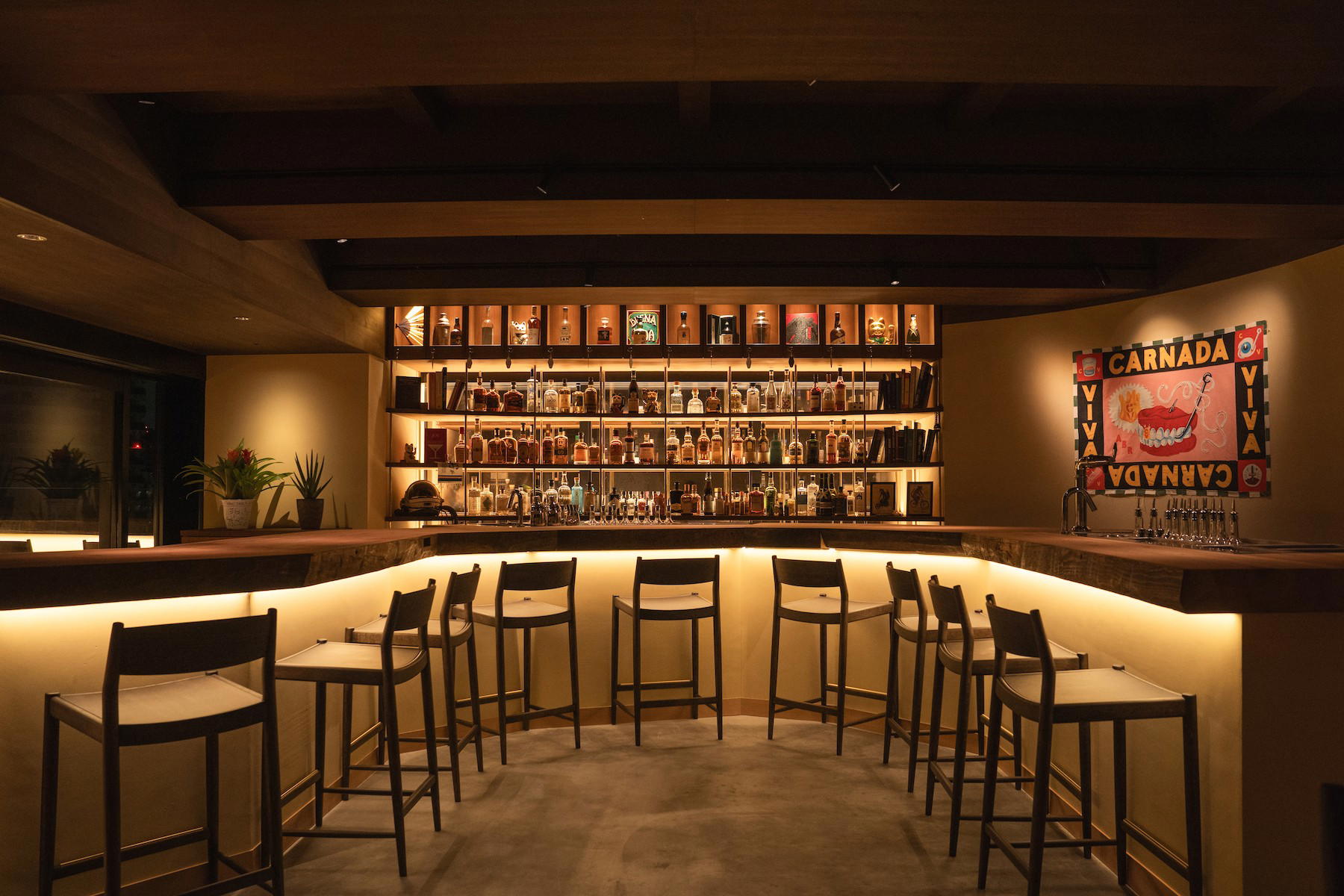
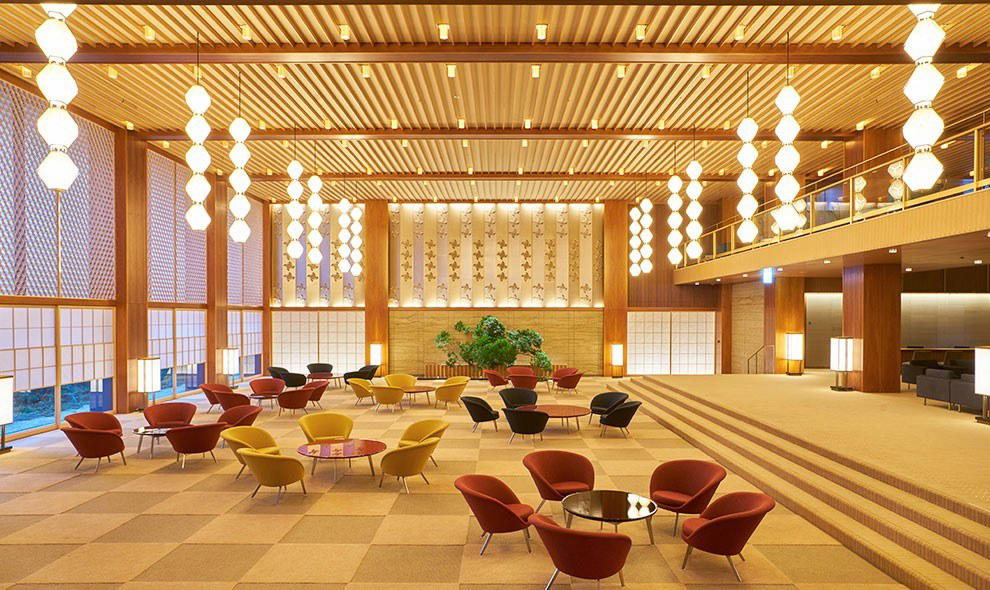
An intimate, quietly luxurious dining room with refined modern decor, subdued lighting and a calm, special-occasion atmosphere suited to relaxed, course-based Chinese dining.