Tsarske Selo sits on Lavrska Street in Kyiv's Pechersk district, a neighbourhood defined by the Kyiv-Pechersk Lavra monastery complex and its centuries of Orthodox heritage. The address alone positions the restaurant within one of the city's most historically dense corridors, where Ukrainian cultural identity runs close to the surface. For visitors oriented around that context, it warrants a place on the itinerary.
Pearl is the En Primeur Club membership app — saves, bookings, and concierge access live there. Same editors, same standards.
- Address
- Lavrska St, 22, Kyiv, Ukraine, 02000
- Phone
- +380674341122
- Website
- tsarske.kiev.ua
- Directions
- Get directions
 Saves & bookings on Pearl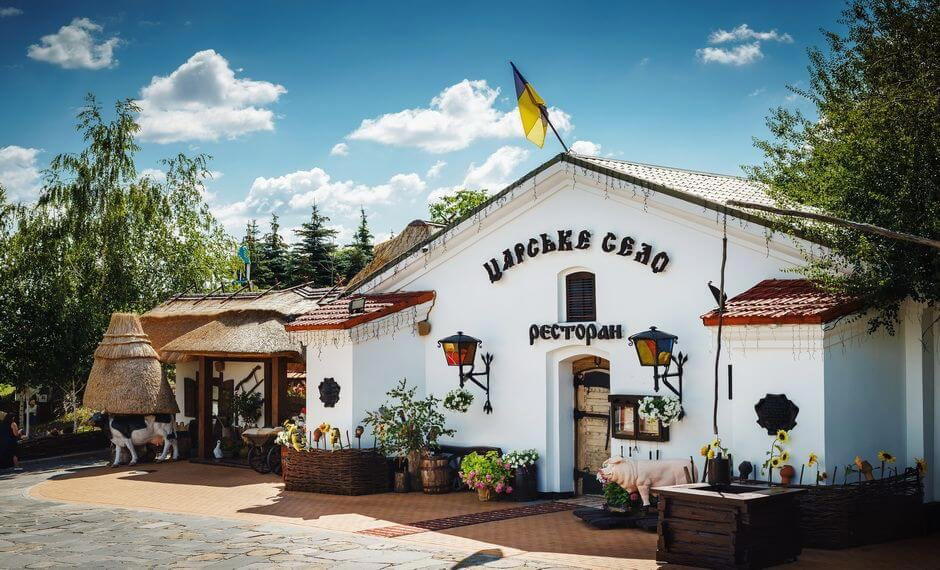
Dining at the Edge of the Lavra
Pechersk, the hilltop district that descends toward the Dnipro in a sequence of monastery walls, cave churches, and Soviet-era ministry buildings, is not where Kyiv's restaurant scene typically concentrates its energy. The majority of the city's dining activity runs through Podil's river-level streets and the Shevchenkivskyi district's café-dense blocks. Pechersk plays a different role: it is where Kyiv's historical and spiritual weight sits heaviest, and Tsarske Selo at Lavrska Street 22 occupies that gravity directly. The address places the restaurant in immediate proximity to the Kyiv-Pechersk Lavra, the UNESCO-listed monastery complex that has anchored Orthodox Christian life in this part of Europe since the eleventh century. That context is not incidental to the dining experience here — it shapes the cultural register the restaurant inhabits.
Ukrainian restaurant culture in the post-Maidan decade has moved in several directions simultaneously. In central Kyiv, venues like Al Fresco (Tuscan Italian) and BAO Modern Chinese Cuisine have leaned into international formats, while others have committed to a reassertion of Ukrainian culinary identity as a form of cultural positioning. The latter movement is the more politically resonant one: in a period when the question of what Ukrainian culture is and how it differs from its neighbours has become existential, what ends up on a plate carries meaning beyond the meal itself. Restaurants in historically significant parts of the city, particularly those operating under names that invoke pre-Soviet Ukrainian life, participate in that reassertion whether they frame it explicitly or not.
The Cultural Weight of the Address
The name Tsarske Selo — translating roughly as Tsar's Village, carries its own historical layering. In the Ukrainian context, the phrase recalls a relationship with imperial power that the country has spent two centuries working through. Using the phrase now, in a Kyiv operating under wartime conditions and engaged in a systematic reassessment of its Soviet and Tsarist inheritance, gives the name an ironic or reclamatory charge that would not have read the same way a decade ago. Whether that reading is intentional is less important than the fact that it exists: a restaurant on Lavrska Street, metres from the Lavra, trading under an imperial-era phrase, inevitably lands inside that conversation.
Kyiv's broader dining geography is worth understanding for anyone approaching Tsarske Selo as part of a wider itinerary. The city's most-discussed restaurants cluster elsewhere: 32 JazzClub operates in a different neighbourhood register, and Barbara Bar and Asia Bar and Grill represent the city's more internationalist hospitality tier. Pechersk dining, by contrast, tends to draw a mix of monastery visitors, government-district professionals, and tourists whose itineraries are organised around the Lavra complex rather than the city's nightlife or contemporary food scene. That audience shapes what restaurants in this corridor tend to offer: settings that reference Ukrainian heritage, menus that anchor in recognisable national dishes, and an atmosphere calibrated toward occasion dining rather than casual drop-in eating.
Ukrainian Table Traditions and What They Mean Here
Ukrainian cuisine as a formal category has historically been underrepresented in the international critical conversation, partly because of Soviet-era flattening of regional distinctions and partly because the country's most celebrated dishes, borscht, varenyky, holubtsi, were frequently attributed elsewhere or dismissed as peasant food unworthy of fine dining treatment. That assessment has shifted in the past decade, accelerated by a generation of Ukrainian chefs and restaurateurs who have treated the country's culinary heritage with the same seriousness that Nordic or Basque cooking received from their respective advocates. Restaurants positioned in culturally significant Kyiv addresses participate in this rehabilitation by default, since the setting frames the food in terms of heritage and continuity rather than novelty.
For international visitors, the relevant comparison is not with other Ukrainian restaurants they have encountered abroad, where the category is almost always represented by diaspora cooking adapted to different supply chains and different audiences. The version in Kyiv, particularly in a district as historically loaded as Pechersk, operates from the source, drawing on seasonal produce from Ukrainian agricultural regions that have no easy equivalent outside the country. That specificity is what restaurants in this category offer that their international counterparts cannot replicate. For context on how Ukrainian dining traditions vary by region, venues like Maiak in Odesa, Delikacia in Ivano-Frankivsk, and Kovcheg in Ternopil illustrate how significantly the cuisine shifts between the country's eastern, western, and central regions.
Planning a Visit
Tsarske Selo's address at Lavrska Street 22 places it within walking distance of the Kyiv-Pechersk Lavra entrance, making it a logical stop for visitors spending a morning or afternoon at the monastery complex. The Pechersk district is accessible via the Arsenalna metro station, widely noted as one of the deepest metro stations in the world at roughly 105 metres below street level, a logistical detail that is itself part of the Kyiv experience. From Arsenalna, the walk to the Lavra area takes approximately ten to fifteen minutes on foot through a neighbourhood that shifts from urban main road to monastery-wall streetscape within a few blocks.
For visitors building a wider Ukrainian dining itinerary, the EP Club guide covers the full range: our full Kyiv restaurants guide maps the city's current dining options by neighbourhood and category. Beyond Kyiv, the country's restaurant culture extends to compelling addresses in Valentino in Lviv, Cafe de Vino in Lutsk, Melange in Rivne, and Don Omar in Kharkiv, each operating in a distinct regional context. For those whose travel extends to unusual Ukrainian destinations, Hotel Desyatka in Chornobyl and Pronto Pitsa in Chernivtsi represent the breadth of the country's hospitality offer.
At a Glance
- Classic
- Cozy
- Historic
- Family
- Group Dining
- Celebration
- Live Music
- Historic Building
- Garden
- Local Sourcing
- Garden
Current opening hours
- Monday
- 10 AM–11 PM
- Tuesday
- 10 AM–11 PM
- Wednesday
- 10 AM–11 PM
- Thursday
- 10 AM–11 PM
- Friday
- 10 AM–11 PM
- Saturday
- 10 AM–11 PM
- Sunday
- 10 AM–11 PM
Hours can change for holidays and private events. Last verified .
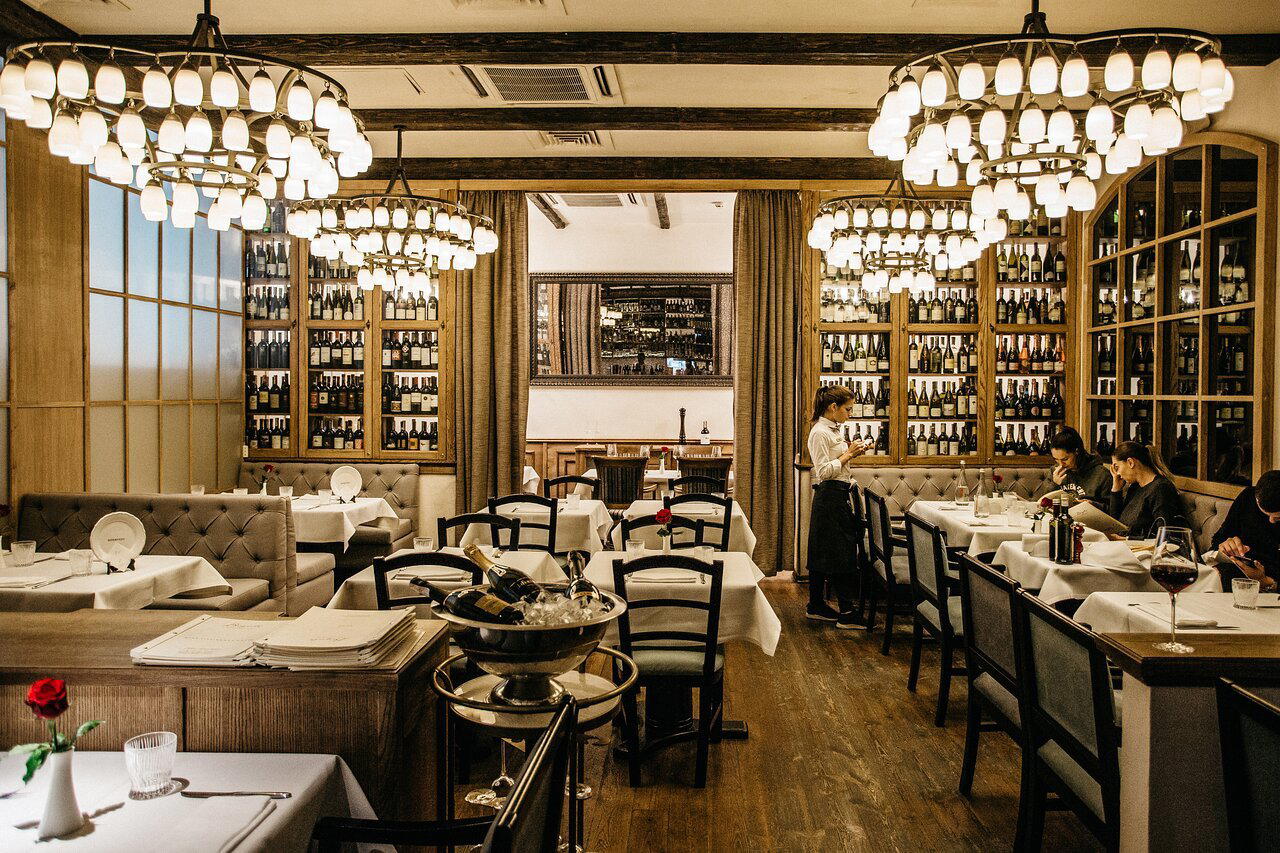
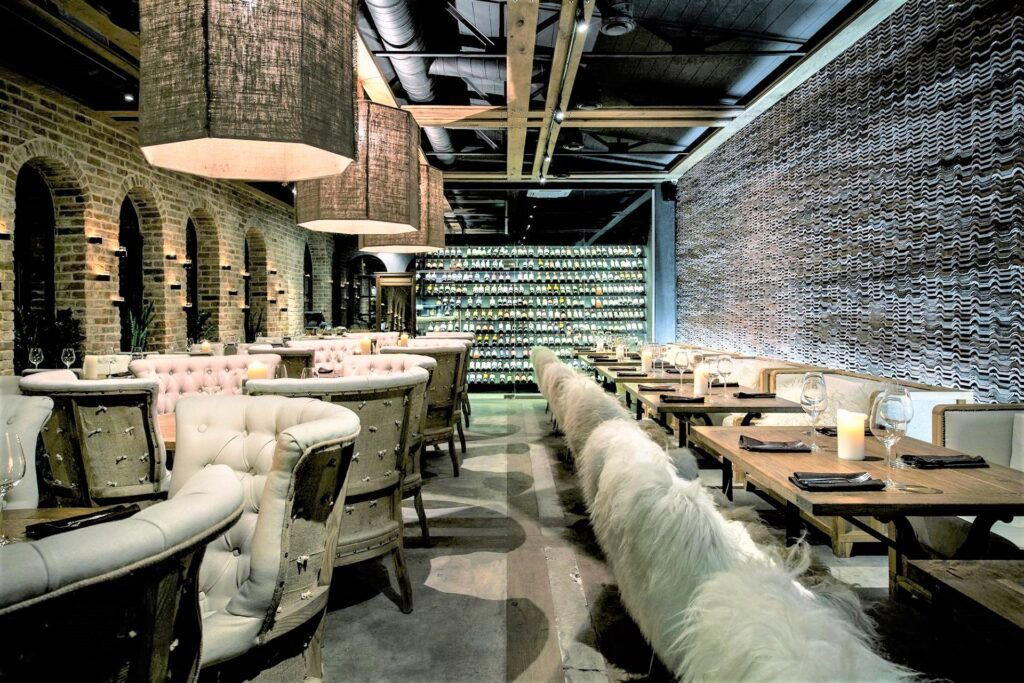
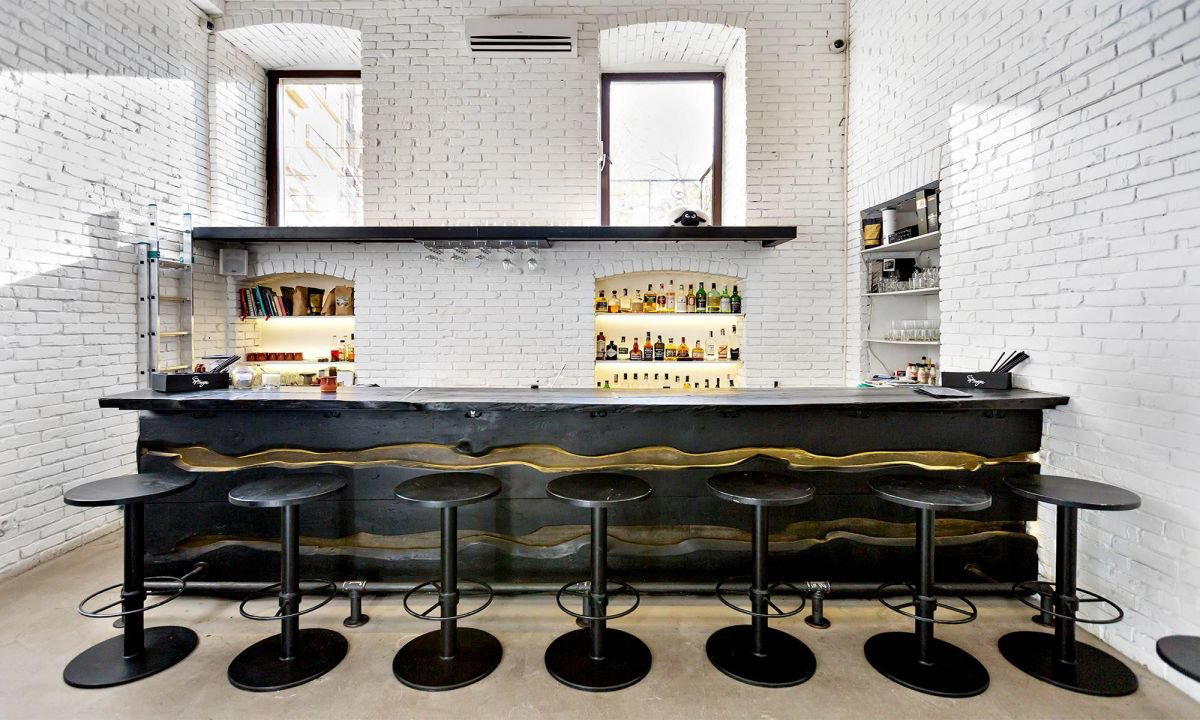
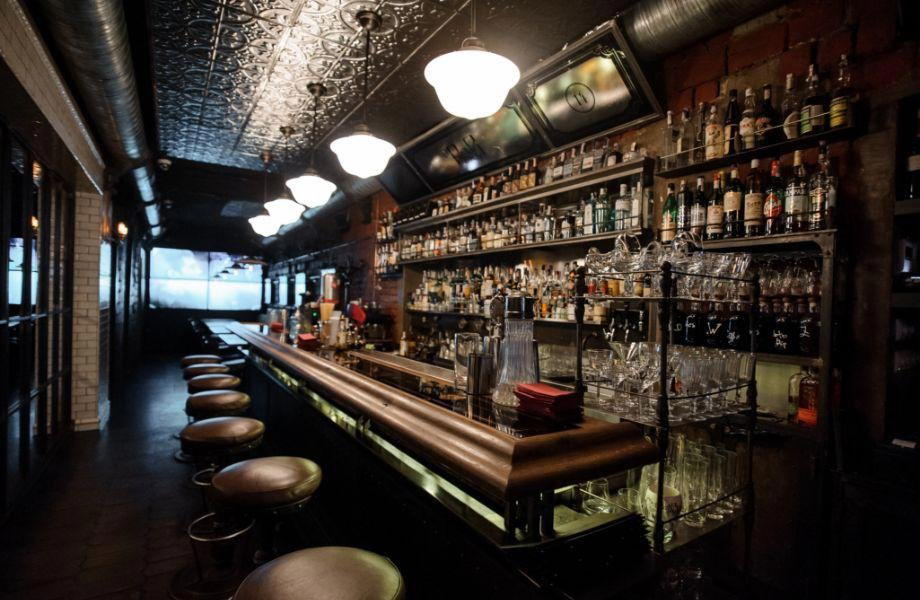
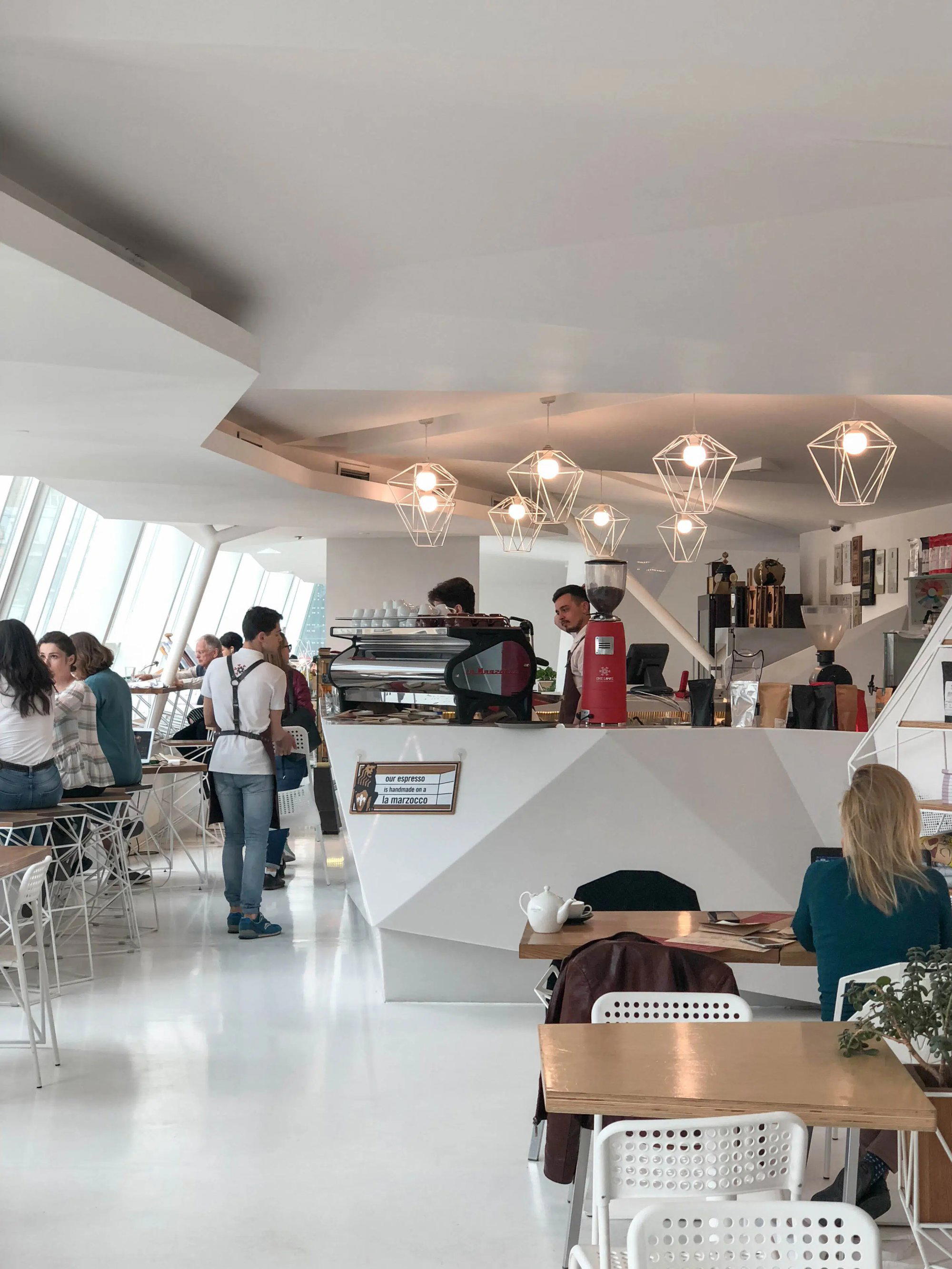
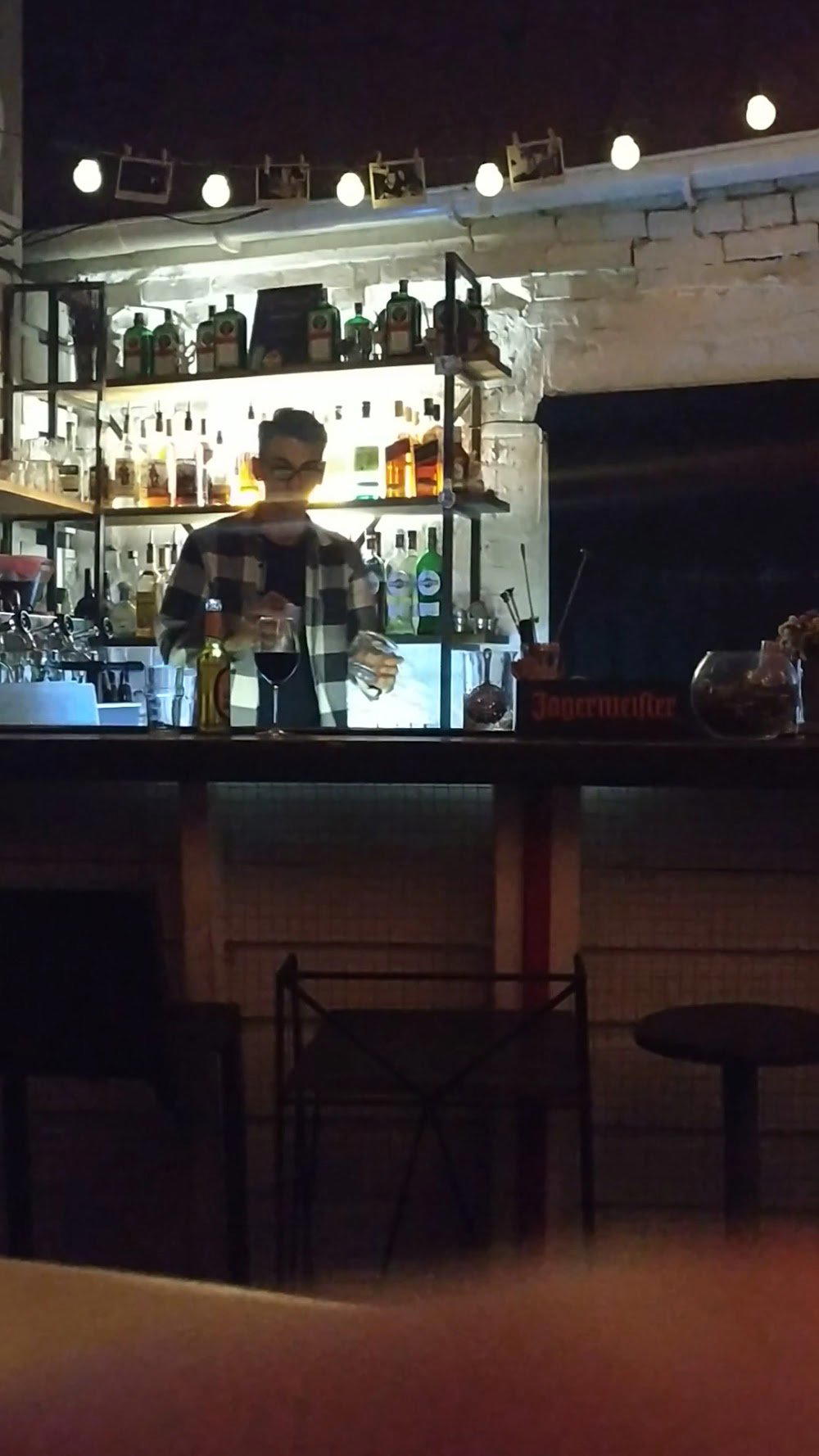
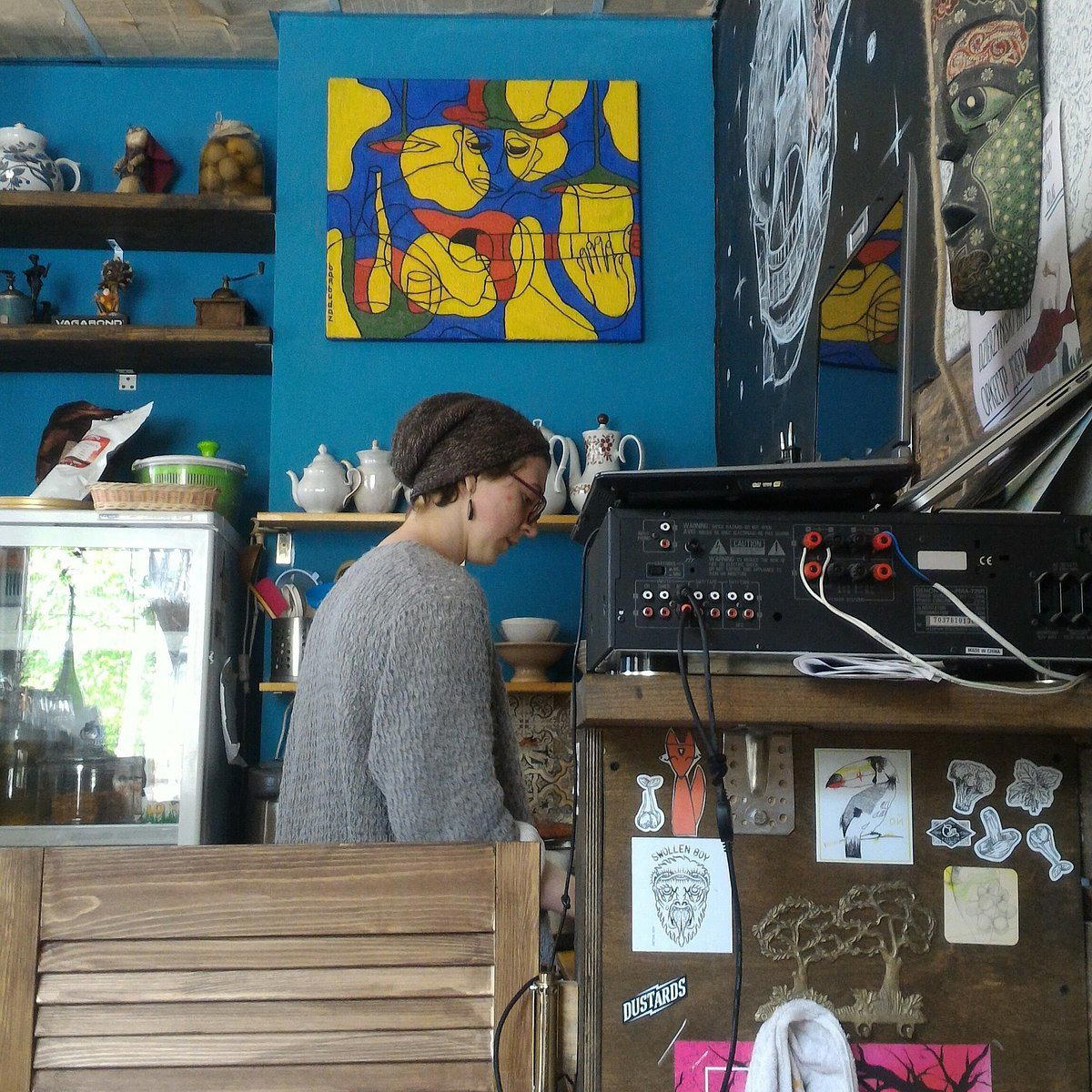
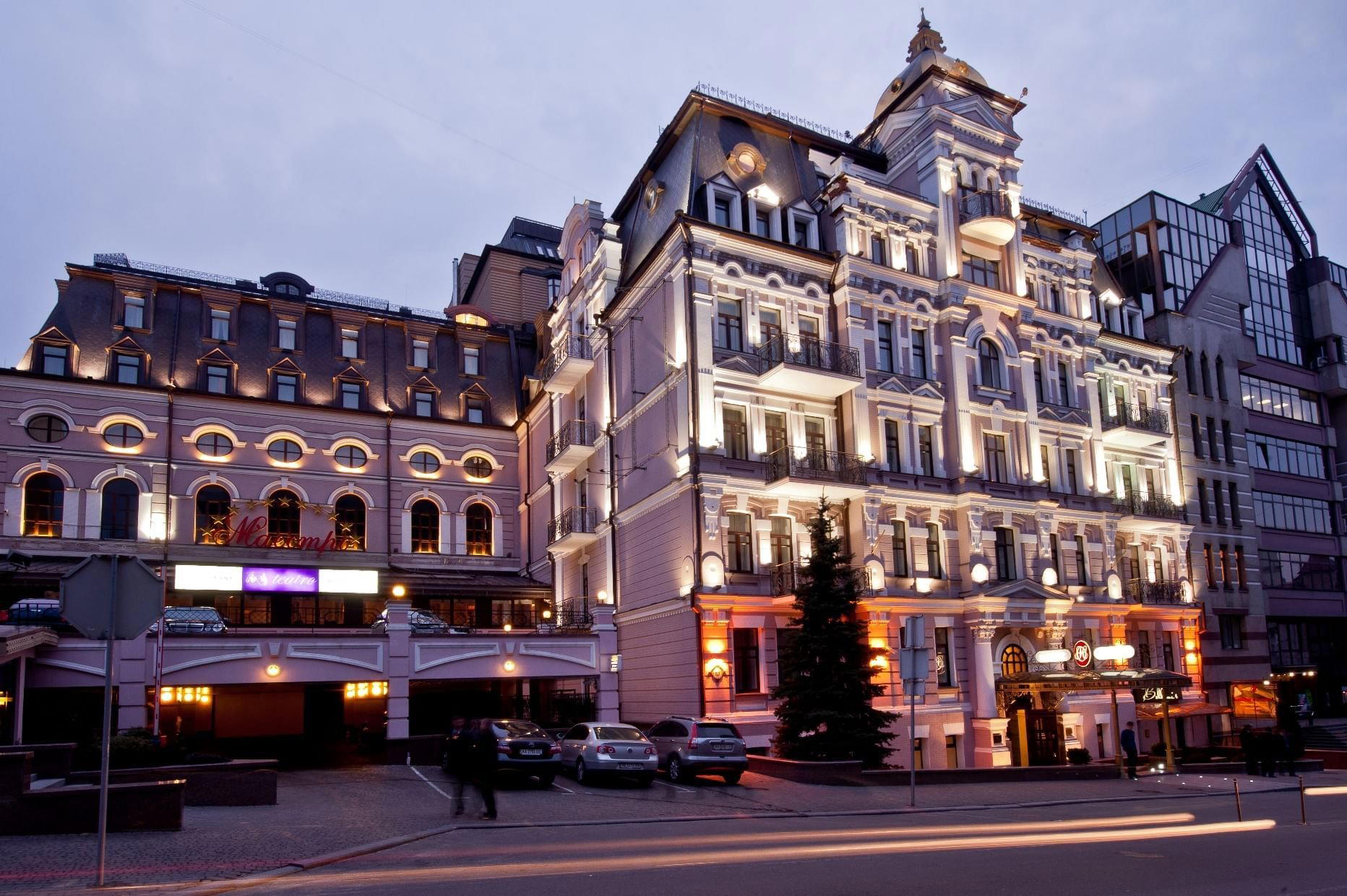
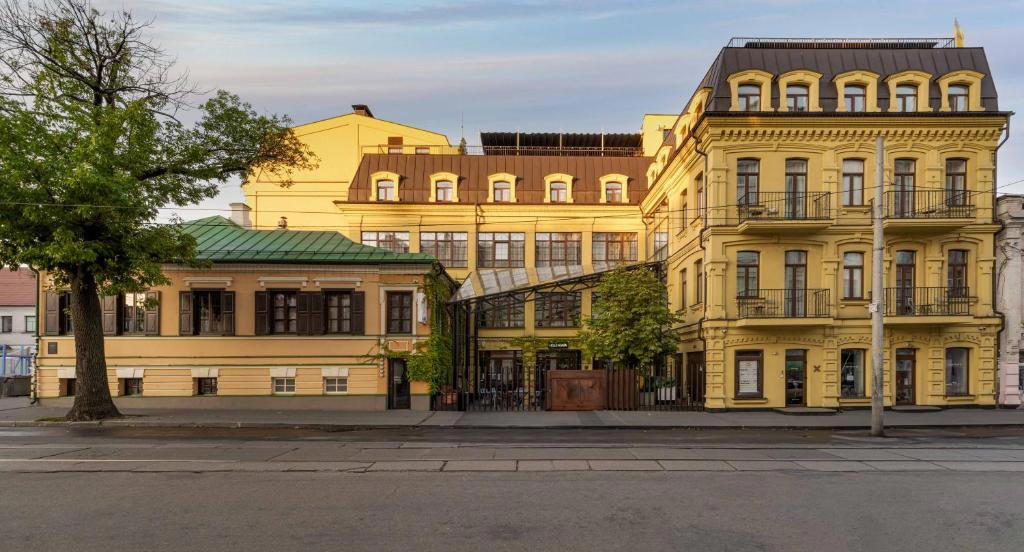
Warm and inviting atmosphere with traditional decor, live music, and cozy areas like the front room, attic, and mill.
Know Before You Go
- Getting there
- Lavrska St, 22, Kyiv, Ukraine, 02000