Trattoria Valona
Our verdict
Trattoria Valona occupies a quiet address on South York Road in Hatboro, Pennsylvania, where Italian trattoria cooking connects a suburban Montgomery County community to the sourcing traditions that define the genre at its most grounded. The format sits in a well-established bracket of neighborhood Italian dining that prioritizes ingredient provenance over spectacle, making it a consistent reference point for the area.

Pearl is the En Primeur Club membership app — saves, bookings, and concierge access live there. Same editors, same standards.
- Address
- 420 S York Rd, Hatboro, PA 19040
- Phone
- (267) 282-5434
- Hours
- Mon ClosedTue–Thu 4–9 PMFri–Sat 4–10 PMSun 12–8 PM
- Website
- trattoriavalona.net
- Directions
- Get directions
- Booking
- Book on OpenTable
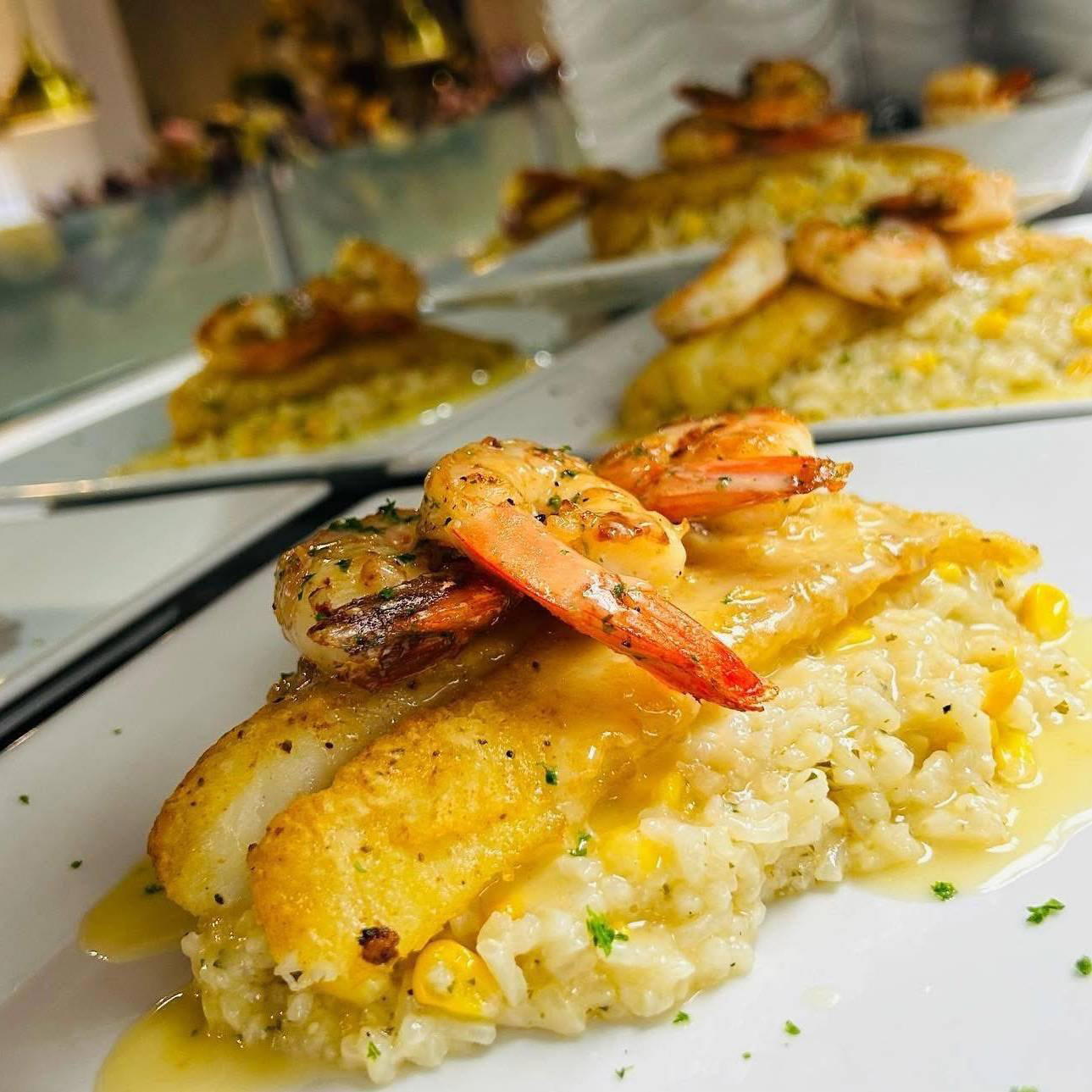
The menu
What to order
- Sicilian Arancini
- Homemade Meatballs
- Crispy Fried Calamari
South York Road and the Trattoria Tradition
The trattoria as a format has always been defined by its relationship to ingredients rather than to performance. Where fine-dining Italian shifted toward tasting menus and architectural plating through the 1990s and 2000s, the trattoria held its ground: seasonal produce, regional curing and cheesemaking traditions, and cooking that treats the ingredient as the point rather than the canvas. Hatboro, a small borough in Montgomery County roughly twenty miles north of Philadelphia along the old York Road corridor, sits within reach of some of the most productive agricultural land in the mid-Atlantic. That geography matters when assessing a trattoria's supply chain, because the Italian tradition at its most coherent depends on proximity between kitchen and source.
Trattoria Valona, at 420 S York Rd, operates inside that broader trattoria logic. The address places it in a walkable stretch of Hatboro's commercial spine, accessible from the Hatboro SEPTA Regional Rail station on the Warminster Line, which connects directly to Center City Philadelphia.
Ingredient Sourcing and the Mid-Atlantic Advantage
The Italian trattoria tradition, as practiced in its American adaptation, has branched into two distinct modes. One path follows the white-tablecloth Italian-American lineage: heavy sauces, large portions, and a menu that reads as comfort architecture. The other tracks closer to the regional Italian model, where the menu shifts with what's available, proteins arrive from named producers, and the kitchen treats the pasta course as a vehicle for whatever the season offers. The mid-Atlantic region, with its established network of small farms across Bucks and Chester counties, Lancaster, and the upper Delaware Valley, gives any kitchen paying attention a genuine sourcing advantage over urban counterparts working through broader distribution.
This is the context in which ingredient-led Italian cooking in this corridor is worth understanding. Properties like Blue Hill at Stone Barns in Tarrytown have demonstrated, at the upper end of the market, how farm-proximate kitchens can build an entire culinary identity around sourcing discipline. At the trattoria level, that same principle applies with less ceremony and more frequency: the question is whether the kitchen's relationships with producers translate into what arrives on the plate.
Hatboro's position on the York Road corridor, one of the original colonial routes connecting Philadelphia to points north, means the town has historically been a waypoint rather than a destination. That character shapes the dining culture: restaurants here tend to serve their community first, without the pressure of tourism cycles that affect urban neighborhoods. For an ingredient-focused trattoria, that stability can be an operational advantage, allowing menu planning around producer relationships rather than around what will photograph well for visitors.
The Trattoria in a Broader American Italian Context
American Italian dining at the premium end has seen a meaningful repositioning over the past decade. Restaurants like Frasca Food and Wine in Boulder built their reputations on rigorous regional specificity, applying Friulian wine and food logic to a Colorado context. At the other end of the price spectrum, 8 1/2 Otto e Mezzo Bombana in Hong Kong demonstrated how Italian fine dining transplanted abroad can command serious international recognition. Neither model describes the neighborhood trattoria, which operates in a different register entirely: lower price tolerance, higher visit frequency, and a guest relationship built on repetition rather than occasion.
That repetition is precisely what the trattoria format depends on. A guest who visits once for a special occasion is evaluating a single experience against their expectations. A guest who returns every few weeks is evaluating consistency, seasonal responsiveness, and whether the kitchen's sourcing claims hold up over time. The latter is a harder test, and it's the one that separates a trattoria with genuine ingredient discipline from one that simply signals it.
For comparison, destination-level American restaurants with sourcing at their core, among them Single Thread Farm in Healdsburg and Addison in San Diego, invest heavily in documented producer relationships that function as part of the editorial identity of the restaurant. At the trattoria scale, that documentation rarely exists in public form, but the underlying logic is the same: where ingredients come from determines what the food can be.
Planning a Visit to Trattoria Valona
Trattoria Valona sits at 420 S York Rd in Hatboro, PA 19040, a short walk from the Hatboro station on SEPTA's Warminster Regional Rail line, making it reachable from Philadelphia without a car. For visitors coming from further afield, the restaurant sits within reasonable driving distance of both Center City Philadelphia and the northern suburbs of Bucks County. For further context on dining in the area, our full Hatboro restaurants guide maps the broader local picture.
How Trattoria Valona Fits the Regional Picture
Across the American dining spectrum, the venues drawing the most sustained critical attention tend to sit at price points and formats far removed from the neighborhood trattoria. Le Bernardin in New York City, Alinea in Chicago, Lazy Bear in San Francisco, Providence in Los Angeles, The French Laundry in Napa, Atomix in New York City, The Inn at Little Washington, Bacchanalia in Atlanta, Brutø in Denver, Causa in Washington D.C., Emeril's in New Orleans, and ITAMAE in Miami all operate in a different tier of investment, recognition, and expectation. The trattoria model isn't competing with those formats; it's filling a different gap in the dining ecosystem, one defined by accessibility, regularity, and community anchoring rather than occasion dining.
In a suburban borough like Hatboro, that role carries real weight. The Italian trattoria that gets sourcing right becomes part of how a community understands what food can be, without requiring its guests to travel into the city or commit to tasting-menu pricing. That's a less glamorous contribution than a Michelin star, but it's not a lesser one.
Frequently asked questions
Would Trattoria Valona be comfortable with kids?
The trattoria format, rooted in relaxed neighbourhood dining rather than formal service, generally skews family-friendly. Trattoria Valona's address on S York Rd in Hatboro puts it in a residential corridor where that kind of welcome is the norm rather than the exception.
How would you describe the vibe at Trattoria Valona?
The trattoria format by definition sits closer to a host's dining room than to a formal restaurant: the expectation is convivial and unhurried rather than choreographed. At 420 S York Rd in Hatboro, the surrounding neighbourhood reinforces that register.
Is Trattoria Valona easy to reach without a car from the Philadelphia area?
The restaurant sits at 420 S York Rd in Hatboro, PA 19040, within walking distance of the Hatboro station on SEPTA's Warminster Regional Rail line. That makes it one of the few suburban Italian spots in Montgomery County reachable directly by train from Center City Philadelphia without a transfer. Journey time from Jefferson Station runs approximately 40 minutes on the Warminster line.
What's the signature dish at Trattoria Valona?
The trattoria tradition generally anchors its menu around a short list of repeated preparations tied to ingredient availability, so asking the kitchen directly about the night's focus dishes is the most reliable approach. Calling ahead or checking at the Hatboro location on S York Rd will give you the clearest picture.
Comparison Snapshot
Comparable venues nearby, for context on price, style, and recognition.
| Venue | Cuisine | Price | Notes |
|---|---|---|---|
| Trattoria ValonaThis venue — the venue you are viewing | Authentic Italian Trattoria | $30–50 | Not listed |
| La Viola Bistro | Authentic Abruzzo Italian | $30–50 | Rittenhouse Square |
| Adoro | Classic Italian BYOB | $20–30 | Southwark |
| PIZZATA PIZZERIA & BIRRERIA | Italian Pizzeria | $20–30 | East Passyunk Crossing |
| LaScala's | Modern Italian-American | $20–30 | Old City |
| Gran Caffe L'Aquila | Authentic Abruzzese Italian | Not listed | Rittenhouse Square |
Continue exploring
More in Hatboro
Restaurants in Hatboro
Browse all →
Bars in Hatboro
Browse all →
Hotels in Hatboro
Browse all →

Wineries in Hatboro
Browse all →
Details
- Cozy
- Intimate
- Rustic
- Date Night
- Family
- Celebration
- Open Kitchen
- Byob
- Local Sourcing
- A La Carte
- Byob
- Vegetarian Friendly
Current opening hours
- Monday
- Closed
- Tuesday
- 4–9 PM
- Wednesday
- 4–9 PM
- Thursday
- 4–9 PM
- Friday
- 4–10 PM
- Saturday
- 4–10 PM
- Sunday
- 12–8 PM
Hours can change for holidays and private events. Last verified .
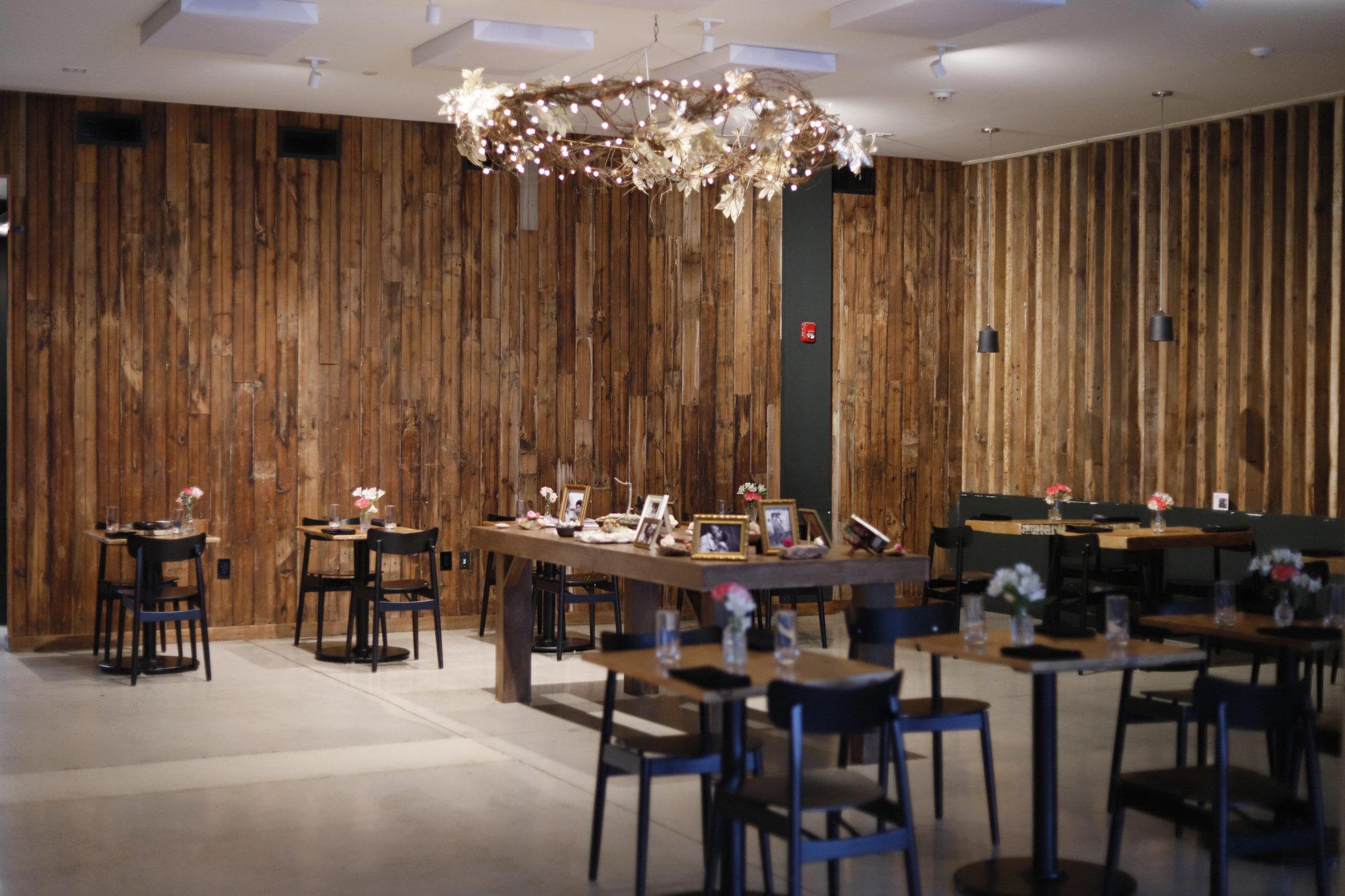
Quaint dining room with open kitchen providing a comforting, home-like atmosphere.