Trader Vic's
One of Atlanta's most enduring dining institutions, Trader Vic's at 255 Courtland St NE has outlasted decades of shifting food culture by doing what Polynesian-American tiki traditions do at their most committed: holding a theatrical contract with the guest that has little interest in trend cycles. The room, the drinks program, and the mood operate as a coherent atmospheric argument, one Atlanta's downtown dining scene has repeatedly failed to replicate elsewhere.
Pearl is the En Primeur Club membership app — saves, bookings, and concierge access live there. Same editors, same standards.
- Address
- 255 Courtland St NE, Atlanta, GA 30303
- Phone
- +14042216339
- Website
- tradervicsatl.com
- Directions
- Get directions
 Saves & bookings on Pearl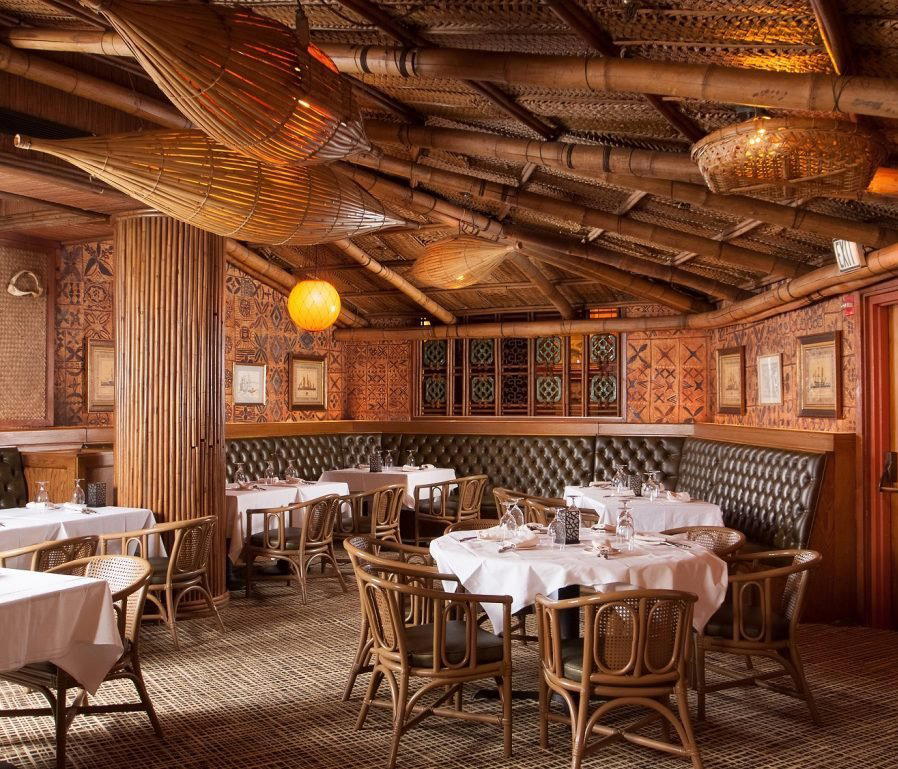
A Room That Has Refused to Apologize for Itself
There is a particular kind of American dining institution that survives not by reinvention but by doubling down. Trader Vic's is a restaurant in Atlanta, known for Polynesian Fusion Tiki cuisine, at 255 Courtland St NE. The tiki-and-Polynesian format it helped popularize in the mid-twentieth century has remained a durable part of the American restaurant canon. The Atlanta outpost has weathered each of those cycles with the consistency of a brand that understands its own identity.
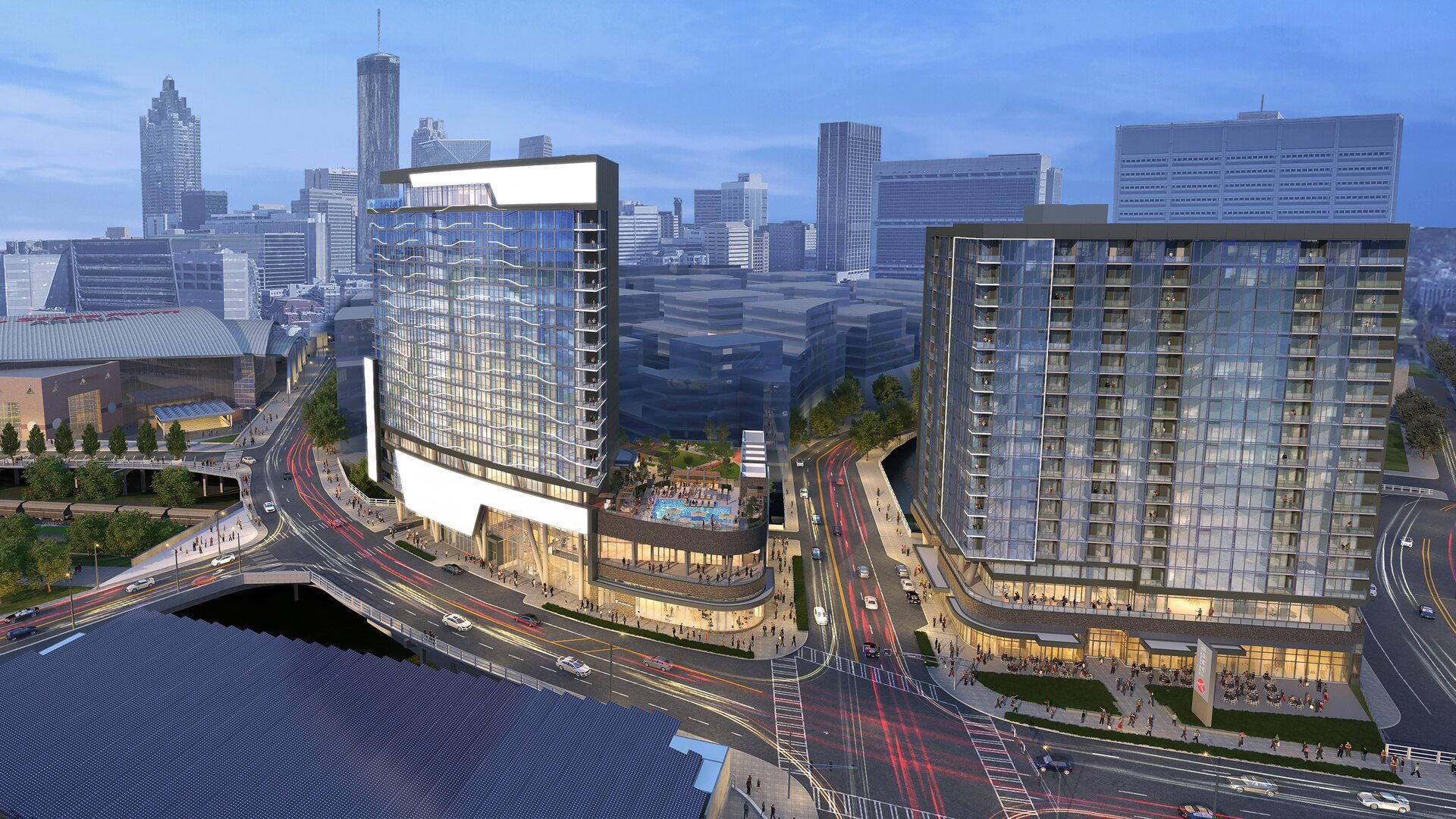
The neighborhood has cycled through development booms tied to convention traffic, sports infrastructure, and hotel construction, leaving a dining scene that is more logistically convenient than editorially coherent. Most of Atlanta's critical attention has migrated to neighborhoods like Westside and Inman Park, where venues such as Bacchanalia and Lazy Betty have anchored serious New American and contemporary programming. Against that backdrop, Trader Vic's sits in its own competitive category: it is not competing with the prix-fixe tasting-menu tier that Atlas or Mujō occupy, nor with the hyperlocal sourcing programs that define the city's more progressive restaurants. It competes on atmosphere, on the specific pleasure of a room that commits fully to a concept and does not hedge.
The Evolution of a Tiki Institution
The Trader Vic's brand traces to Victor Bergeron's Oakland original from 1934, and the story of how it spread, contracted, and adapted across the decades is instructive for understanding what the Atlanta location represents today. At its commercial height, the restaurant operated dozens of locations globally, installed in major hotel properties and serving a mid-century appetite for fantasy geography: the idea of Polynesia filtered through rum drinks, lacquered wood, and woven wall panels. That format peaked, then contracted sharply as dining culture shifted toward authenticity and regional specificity in the 1980s and 1990s. Locations closed. The brand became a reference point for nostalgic camp rather than serious dining.
What happened next is the more interesting editorial story. The tiki revival of the 2000s and 2010s, driven partly by craft cocktail culture's interest in forgotten techniques and mid-century drink architecture, returned the format to respectability among a specific audience. Bars began treating the Mai Tai as a document of technique rather than a relic of bad taste. That shift gave surviving the restaurant locations a new framing: not embarrassing holdovers, but reference points in a lineage that serious drinkers were actively reexamining. The Mai Tai, for which the brand claims authorship, became a talking point again. For anyone tracking how American cocktail culture has moved from hidden-door speakeasy formats toward transparent historical programs, the restaurant drinks list reads as primary source material rather than anachronism.
The Atlanta location's longevity inside this arc is worth noting plainly. Downtown dining addresses with heavy hotel dependency often fail to develop the independent identity that sustains them through cycles of visitor traffic. The restaurant has maintained relevance by being categorically clear: it offers a format you cannot approximate at Hayakawa or Staplehouse or any of the city's more critically credentialed addresses. That singularity of format, rather than any particular culinary ambition, is what places it on Atlanta's dining map at all.
Where It Sits in the Atlanta Dining Picture
Atlanta's serious restaurant tier has consolidated around a handful of proven formats. New American tasting menus with wine programs priced at the $$$$ tier dominate critical conversation. The city's Japanese dining has developed genuine depth, with omakase and contemporary Japanese formats attracting the kind of attention that used to require a flight to New York. In that context, Polynesian-American dining is almost categorically absent as a serious format, which means the restaurant occupies the space by default and by duration. It is the kind of position that invites both loyalty and skepticism: loyal guests value consistency and atmosphere; skeptics point to a format that was never primarily about culinary precision.
Compared to the restaurants drawing critical energy in Atlanta right now, the restaurant operates at a different frequency. Lazy Betty and Bacchanalia are destinations for guests whose primary interest is what arrives on the plate. The restaurant is a destination for guests whose primary interest is the totality of the evening, the room, the drink in hand, the specific mood that a committed atmospheric concept creates. Those are different restaurants serving different needs, and conflating them leads to misaligned expectations on both sides.
For context outside Atlanta, the category of long-running American restaurant institutions with strong brand identities and hotel adjacency includes a comparable set that ranges from Emeril's in New Orleans to older dining rooms attached to major city hotels. The comparison is not culinary equivalence but rather category equivalence: places where the institution itself is part of what you are consuming.
Planning Your Visit
The 255 Courtland St NE address places the restaurant in the heart of Atlanta's downtown hotel district, within walking distance of major convention and event infrastructure. This matters for timing: the room fills differently on convention weeks versus quieter stretches, and the energy of a full dining room committed to the atmospheric premise is part of the experience in a way that does not apply to more kitchen-focused venues. Visiting during a lighter week gives more access to the room on its own terms.
For guests building a broader Atlanta itinerary, the downtown location works as an evening anchor when other plans are already in the area. Guests whose primary dining interests run toward the city's dining scene will find other Atlanta options better suited to a kitchen-first evening. The restaurant earns its place on that map for reasons distinct from what makes Atlas or Mujō worth planning around.
| Venue | Format | Price Tier | Primary Draw |
|---|---|---|---|
| Atlas | Modern European / New American | $$$$ | Fine dining, wine program, hotel dining at high tier |
| Bacchanalia | New American | $$$$ | Tasting menu, sourcing-focused kitchen |
| Lazy Betty | Contemporary | $$$$ | Chef-driven tasting format, critical recognition |
Recognition Snapshot
Comparable venues nearby, for context on price, style, and recognition.
| Venue | Cuisine | Price | Notes |
|---|---|---|---|
| Trader Vic'sThis venue — the venue you are viewing | Polynesian Fusion Tiki | $$$ | Not listed |
| MCK | Global Fusion Tapas | $$$ | Buckhead |
| Botica | Mexican-Spanish Fusion | $$$ | Buckhead |
| Poor Calvin's | Asian Fusion with Southern Influences | $$$ | Midtown Atlanta |
| Bene Korean BBQ | Upscale Korean BBQ | $$$ | Lindbergh |
| Swan Coach House | Classic Southern Lunch | $$$ | Buckhead |
At a Glance
- Well Known
- Whimsical
- Lively
- Classic
- Date Night
- Celebration
- Group Dining
- Late Night
- Live Music
- Historic Building
- Private Dining
- Hotel Restaurant
- Craft Cocktails
Current opening hours
- Monday
- Closed
- Tuesday
- 5–10:30 PM
- Wednesday
- 5–10:30 PM
- Thursday
- 5–10:30 PM
- Friday
- 5–10:30 PM
- Saturday
- 5–10:30 PM
- Sunday
- Closed
Hours can change for holidays and private events. Last verified .
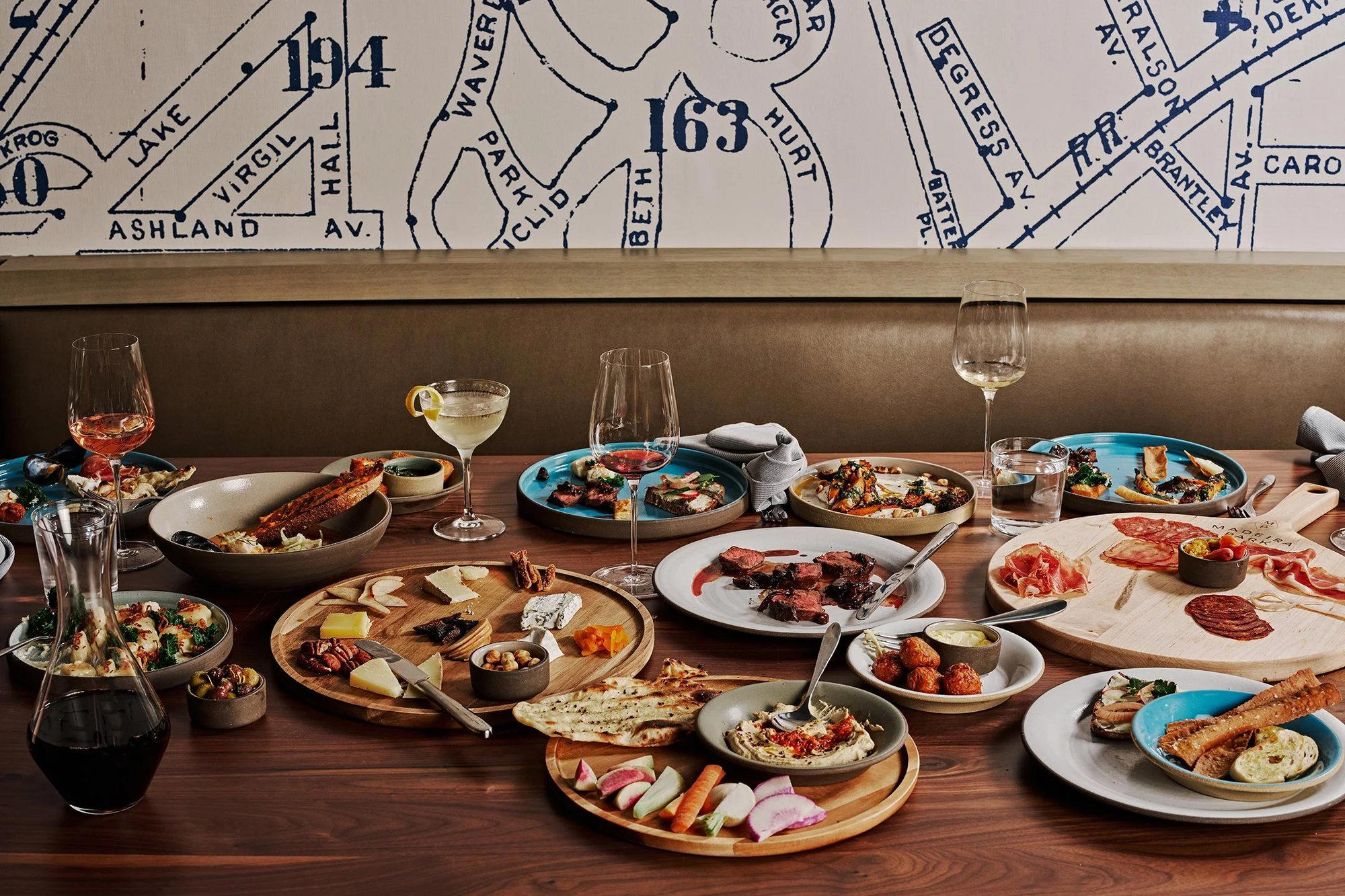
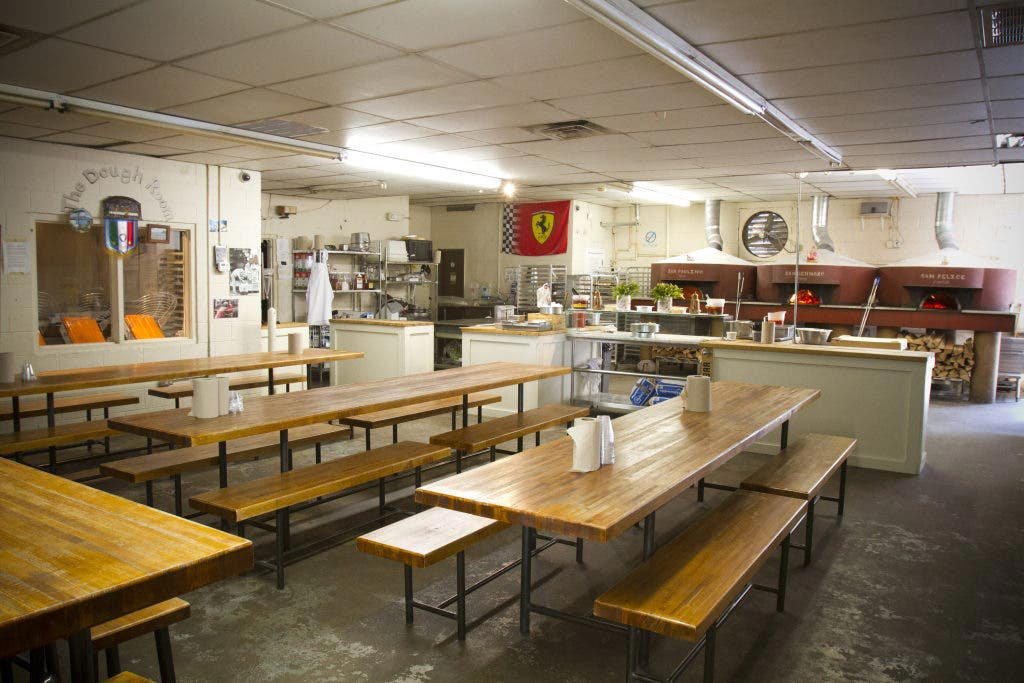
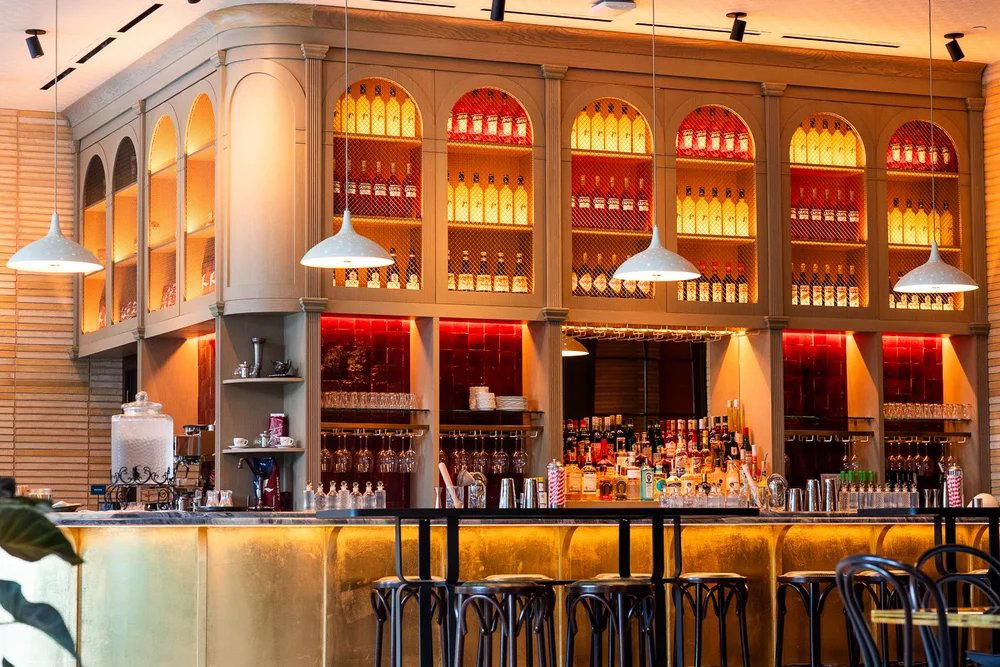
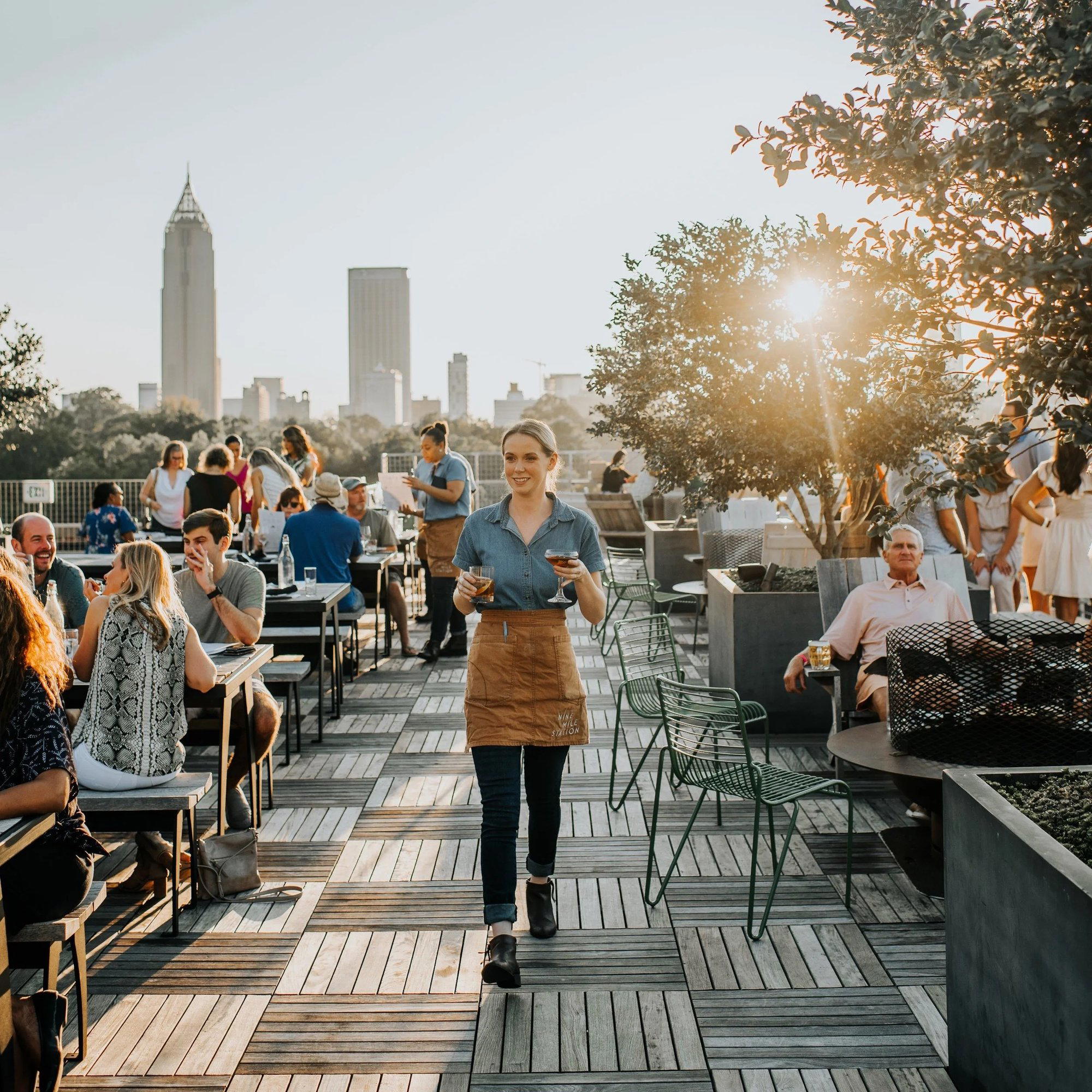
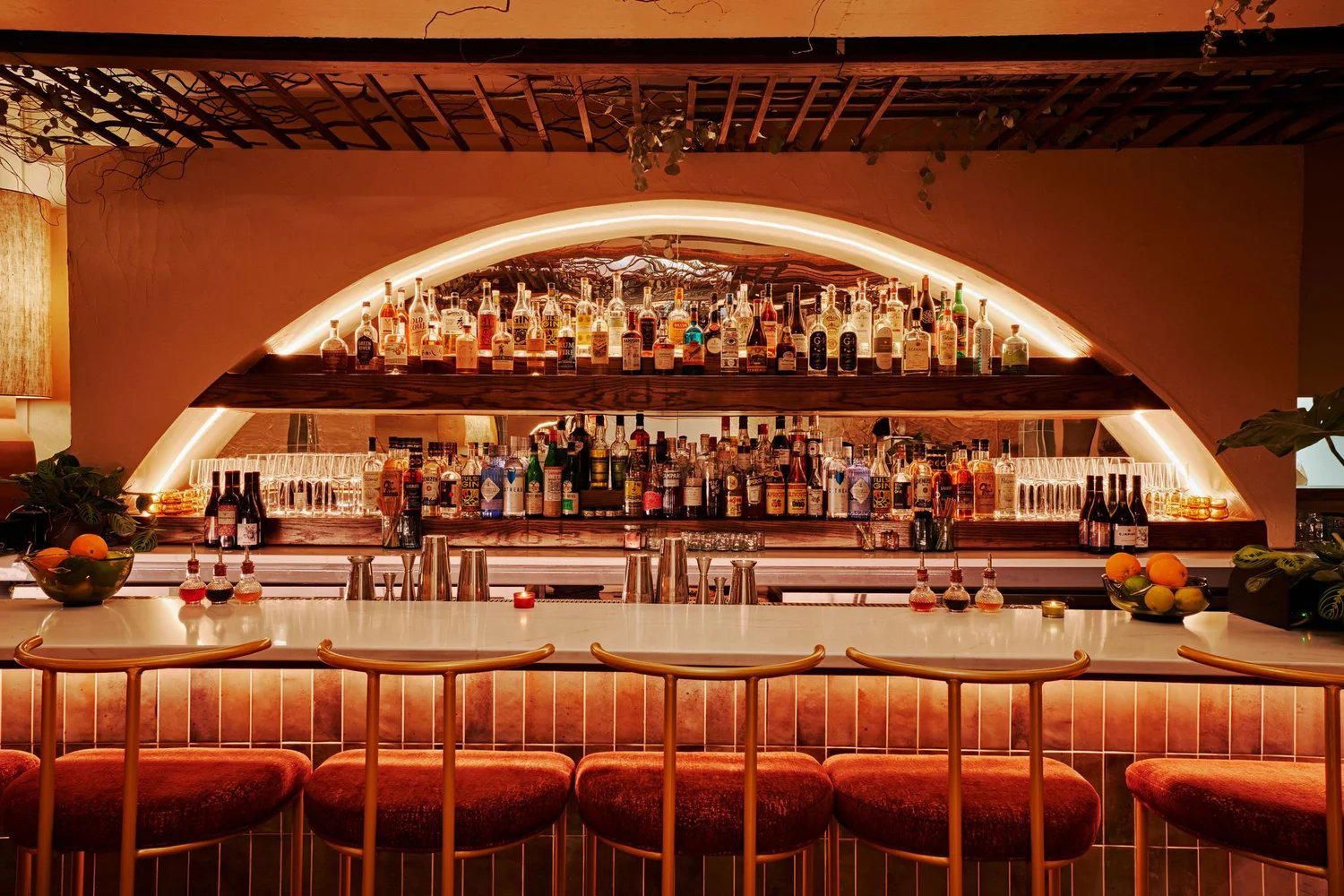
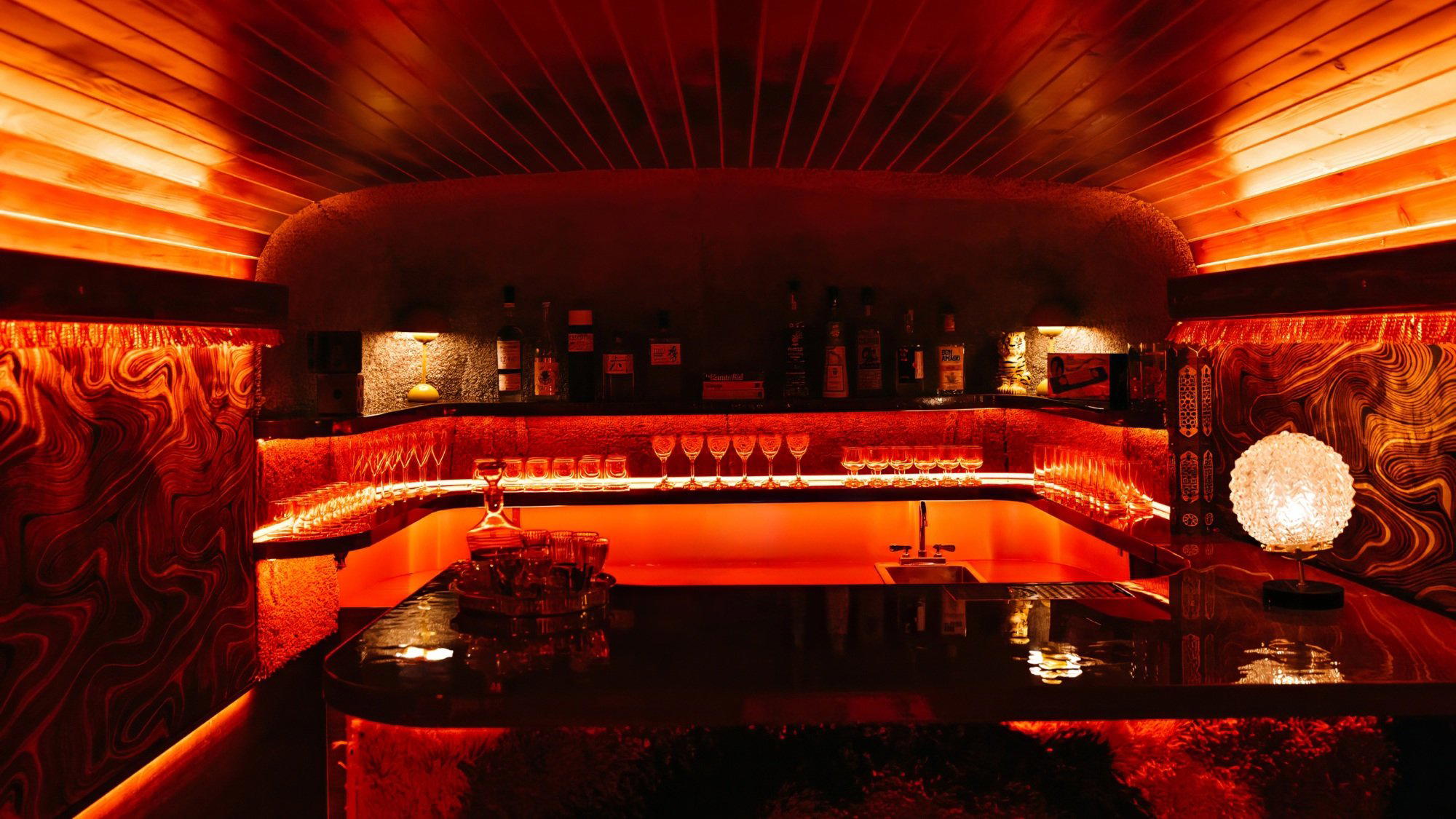
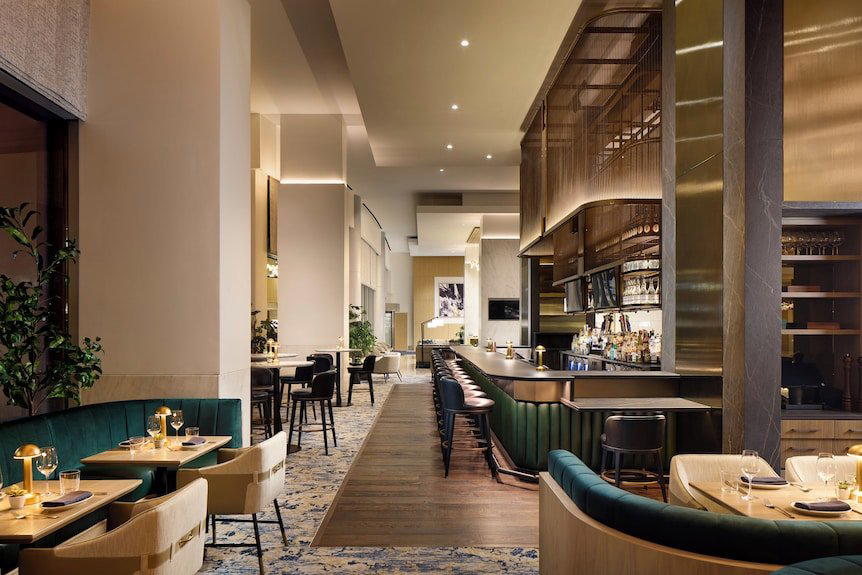
Tropical island escape with dim lighting, tiki torches, bamboo decor, and tantalizing wood oven aromas creating a memorable exotic atmosphere.