Townhouse
Townhouse occupies a quiet address on Doyle Street in Emeryville, sitting at the intersection of East Bay neighborhood dining and the kind of considered, multi-course format that rewards patience. The room and menu place it within a category of California restaurants where the progression of the meal matters as much as any single dish. For the East Bay, that is a meaningful distinction.
- Address
- 5862 Doyle St, Emeryville, CA 94608
- Phone
- +15106526151
- Website
- townhouseemeryville.com
- Directions
- Get directions
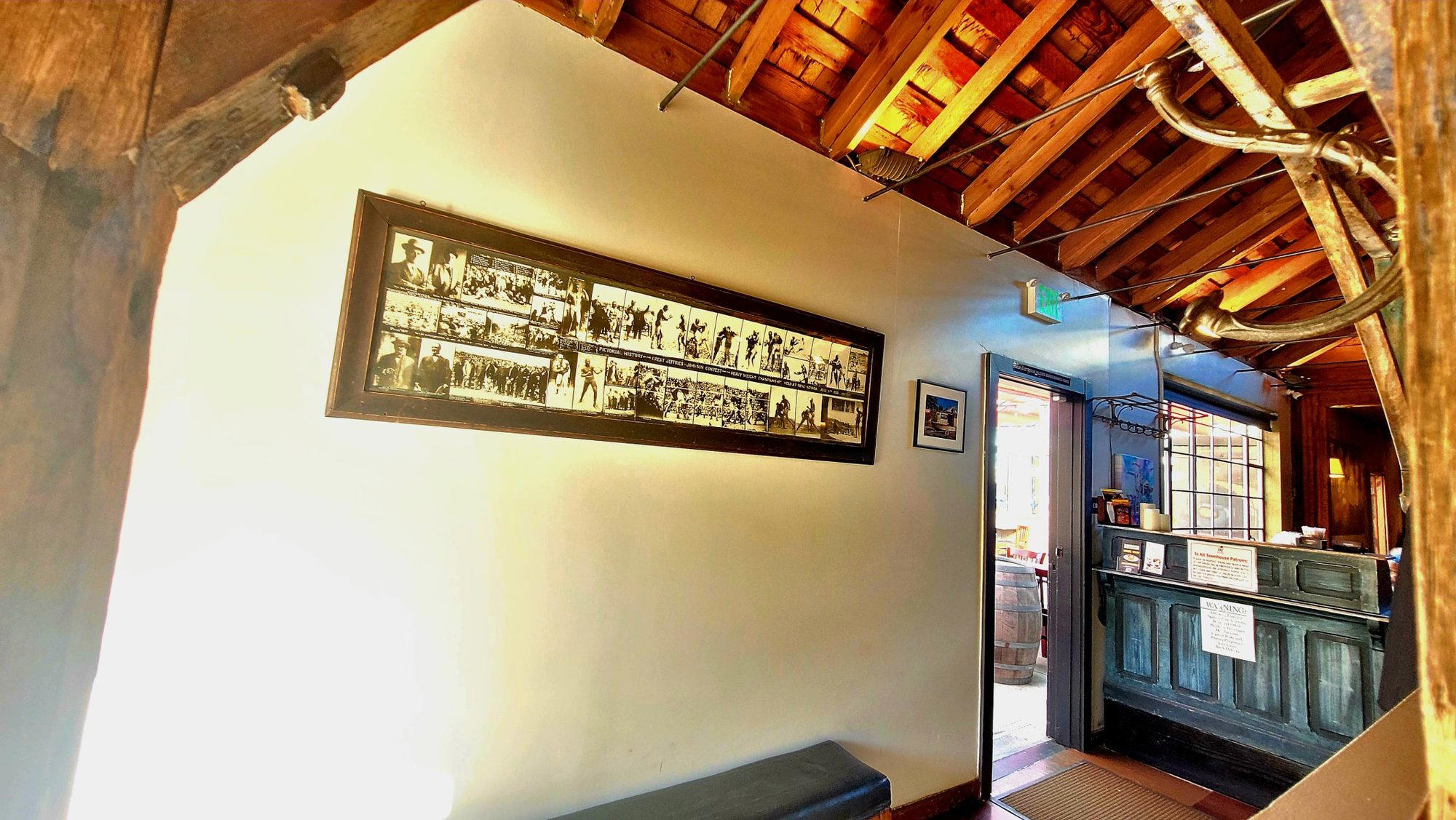
A Street-Level Address in a City That Rewards Attention
Emeryville sits between Oakland and Berkeley in a way that makes it easy to overlook. It is not a dining destination the way the Temescal corridor or Rockridge are, and it does not carry the culinary weight of the Ferry Building side of the Bay. That specific positioning, though, is part of what gives a restaurant like Townhouse on Doyle Street its particular character. In cities where the dining scene is densely mapped and heavily reviewed, addresses like this one tend to exist for the people who already know. Emeryville's restaurant options span a wide register, from Denny's and casual spots like Good To Eat to the banquet-scale operations of Hong Kong East Ocean and Hong Kong East Ocean Seafood Restaurant, with Flores Emeryville adding a more contemporary Mexican perspective. Townhouse is a casual California Comfort Cuisine restaurant at 5862 Doyle Street in Emeryville, with a recommended reservation policy and a typical price of about $35 per person. Townhouse at 5862 Doyle Street holds a different position in that set, one where the structure of the meal itself is the proposition.
How the Meal Moves
Across California's serious dining rooms, a recognizable logic has taken hold over the past decade. The menu is not a list of options so much as a sequence, and the kitchen's job is to move the diner through that sequence with enough coherence that the final course feels like an earned conclusion rather than an arbitrary stop. This format, associated in its most demanding expression with places like The French Laundry in Napa or Single Thread Farm in Healdsburg, has filtered down through the California dining economy in ways that affect how mid-tier and neighborhood restaurants think about their menus, even when the price point and ambition differ substantially.
At Townhouse, the format follows that logic without the ceremony or the price architecture of a destination tasting menu. The early courses in a progression like this function as calibration, establishing the kitchen's palate preferences and the diner's expectations. Whether that means a lighter, acidic opening, something raw or cured, or a warm starter built around local produce, the intent is the same across restaurants that think structurally about their food. The middle of the meal carries the weight, where protein and technique become more direct statements. A kitchen reveals its actual disposition here, and the gap between restaurants that have genuine command of this middle section and those that coast on a good first impression is usually audible in how a table talks during those courses. The final savory course and the transition to dessert are where pacing and restraint matter most. Restaurants at Lazy Bear in San Francisco or Alinea in Chicago manage this transition with considerable deliberateness. At a neighborhood level, the same principles apply even when the stakes and the ticket price do not.
The East Bay Context and What It Means for a Room Like This
East Bay dining has historically operated at a lower decibel level than San Francisco proper. The neighborhood restaurants that have earned lasting reputations here tend to do so through consistency and a close relationship with a local clientele rather than through the kind of critical event that drives reservations from across the Bay. This is not a limitation. It is a structural feature of how the East Bay restaurant economy works, and it shapes what kind of experience a room like Townhouse is built to deliver. The guests are more likely to be regulars than visitors, more interested in a reliable meal than a performance, and more attuned to value over spectacle.
Nationally, the restaurants that have made the California tasting-progression format famous occupy a different tier entirely. Providence in Los Angeles, Addison in San Diego, and Le Bernardin in New York City each represent the format at its most resource-intensive expression. So do international examples like 8 1/2 Otto e Mezzo Bombana in Hong Kong and Atomix in New York City. Further down the price register, places like Emeril's in New Orleans or Blue Hill at Stone Barns in Tarrytown or The Inn at Little Washington in Washington each occupy distinct positions in the broader American fine-dining conversation. Townhouse occupies none of those tiers. It operates at the neighborhood level, which in the East Bay means something specific: a room where the goal is a well-executed dinner rather than a landmark occasion.
What to Expect When You Visit
The address on Doyle Street is residential in character, which sets the physical tone before you reach the door. Emeryville does not have the foot traffic or the street-level energy of downtown Oakland or Berkeley's Shattuck Avenue. Arriving at Townhouse feels like arriving at a destination rather than stumbling across it mid-walk, and that intentionality carries into the room itself. Restaurants in this position, slightly removed from the main circuits and dependent on guests who have chosen them specifically, tend to run their dining rooms with a different kind of attentiveness than high-turnover operations. The service dynamic follows from the guest relationship: people here know where they are and why.
For practical planning, the Doyle Street location is accessible by car and close enough to the Bay Bridge corridor that it reads as a reasonable dinner destination for visitors staying in San Francisco who want to cross the Bay. Emeryville's parking tends to be easier than the core East Bay neighborhoods, which is a practical argument for the address even if it is not a romantic one.
Accolades, Compared
Comparable venues nearby, for context on price, style, and recognition.
| Venue | Cuisine | Price | Notes |
|---|---|---|---|
| TownhouseThis venue — the venue you are viewing | California Comfort Cuisine | $$ | Not listed |
| Rudy's Can't Fail Cafe | American Comfort Diner | $ | Emeryville |
| Mumu Hot Pot | Chinese Hot Pot | $$ | Bay Street Emeryville |
| Denny's | Classic American Diner | $ | Emeryville |
| Nyum Bai | Cambodian Street Food | $$ | Emeryville |
| Pasta Pomodoro | Italian Pasta | $$ | Emeryville |
Continue exploring
More in Emeryville
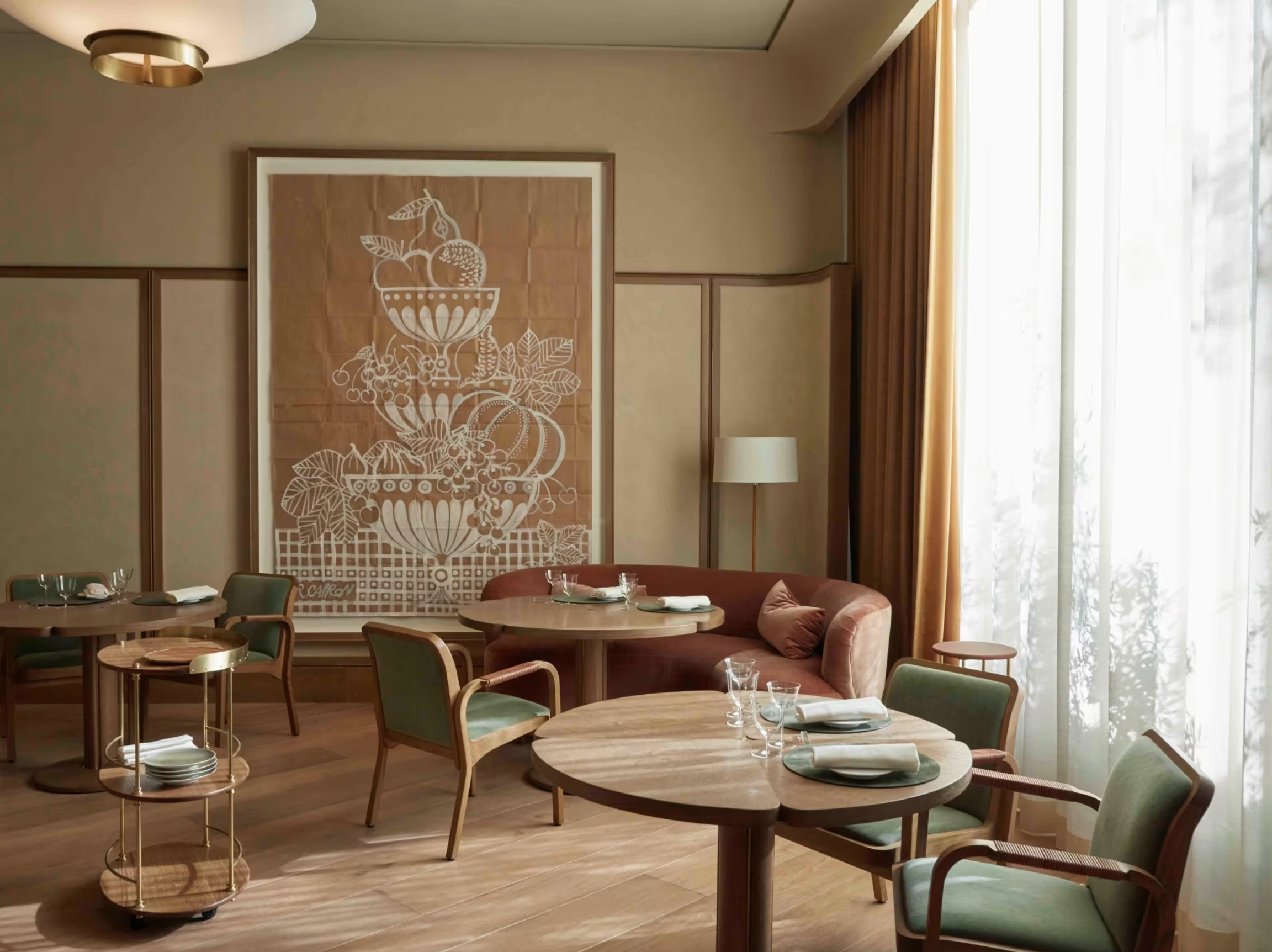
Restaurants in Emeryville
Browse all →
Bars in Emeryville
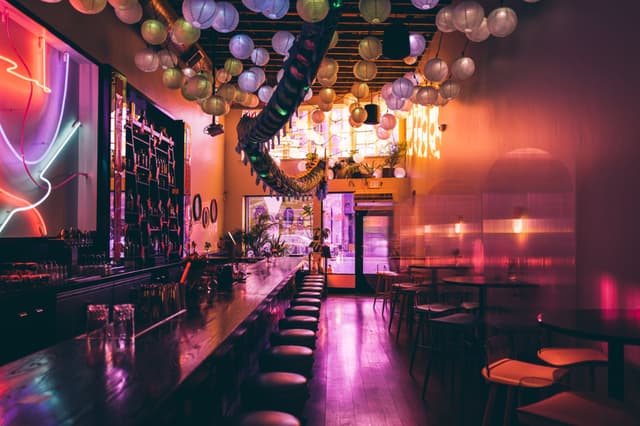
Browse all →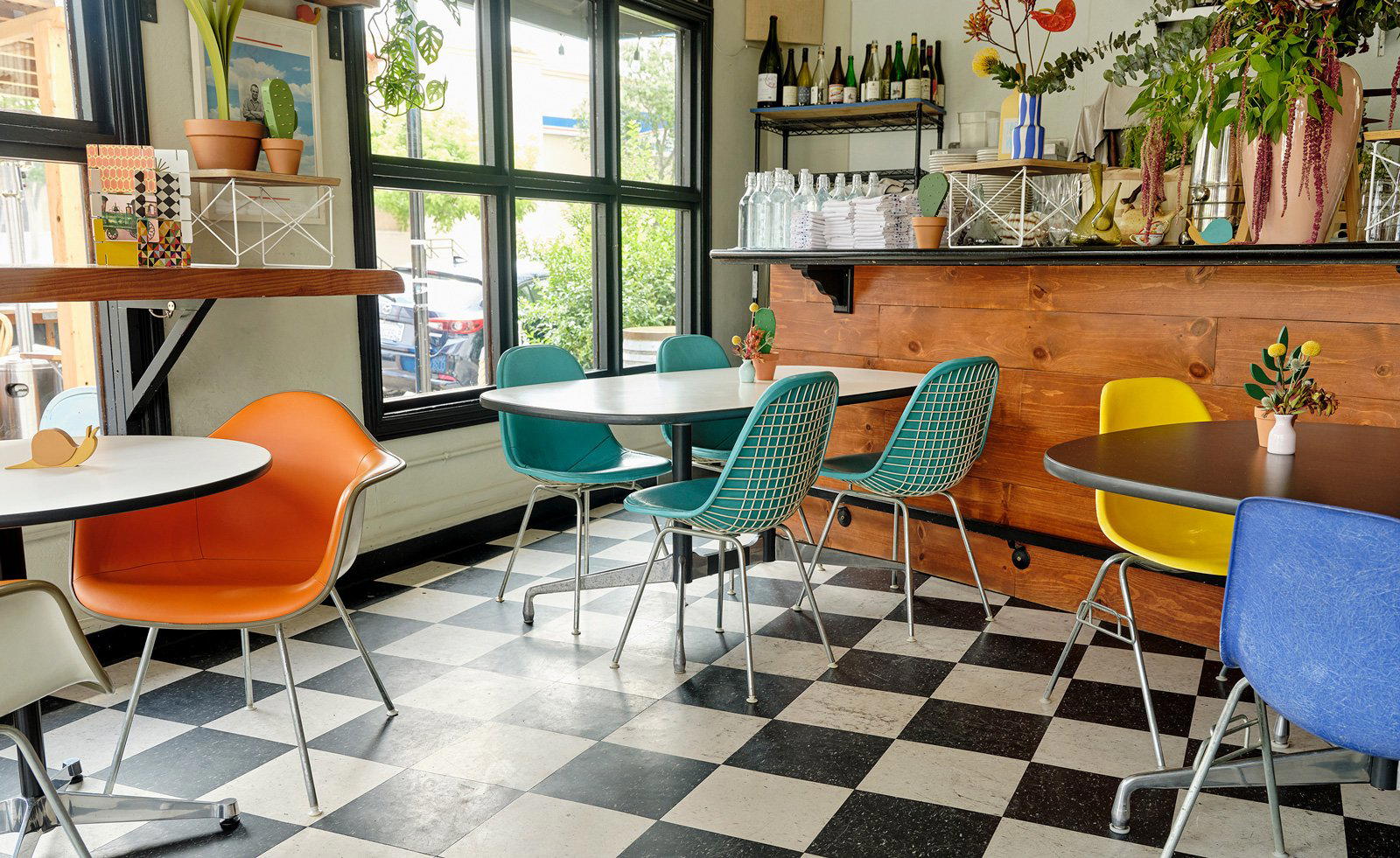
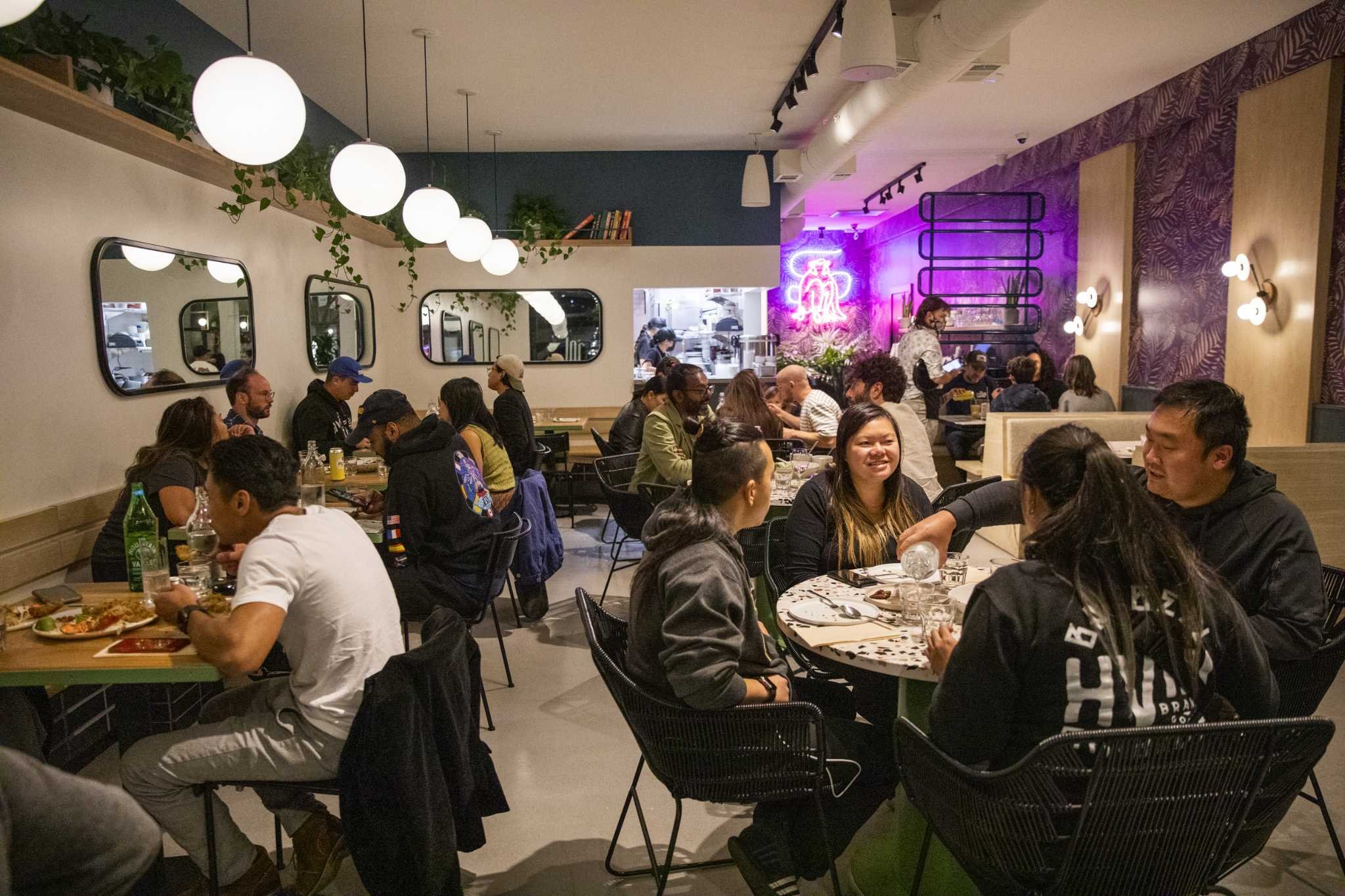
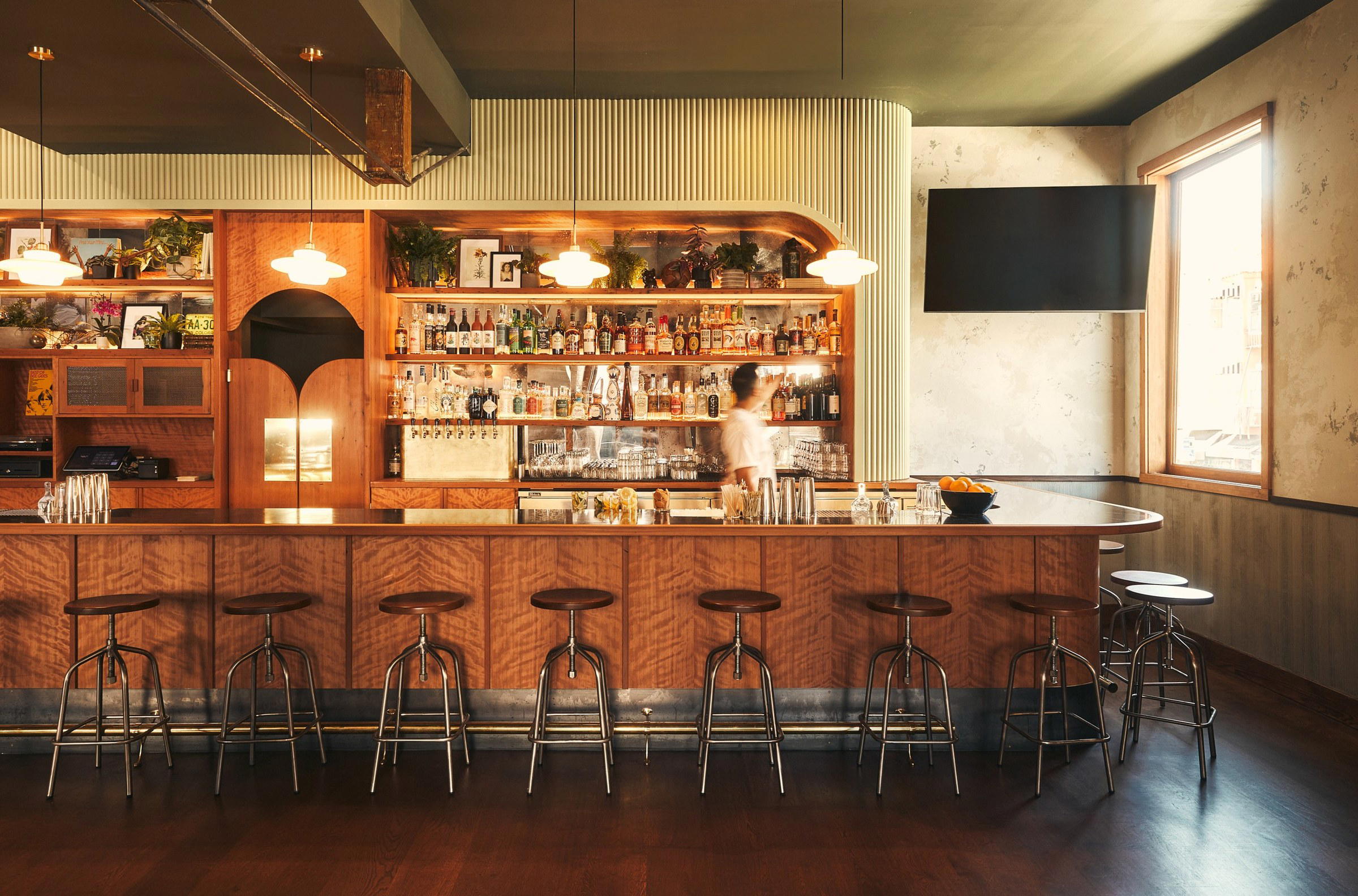
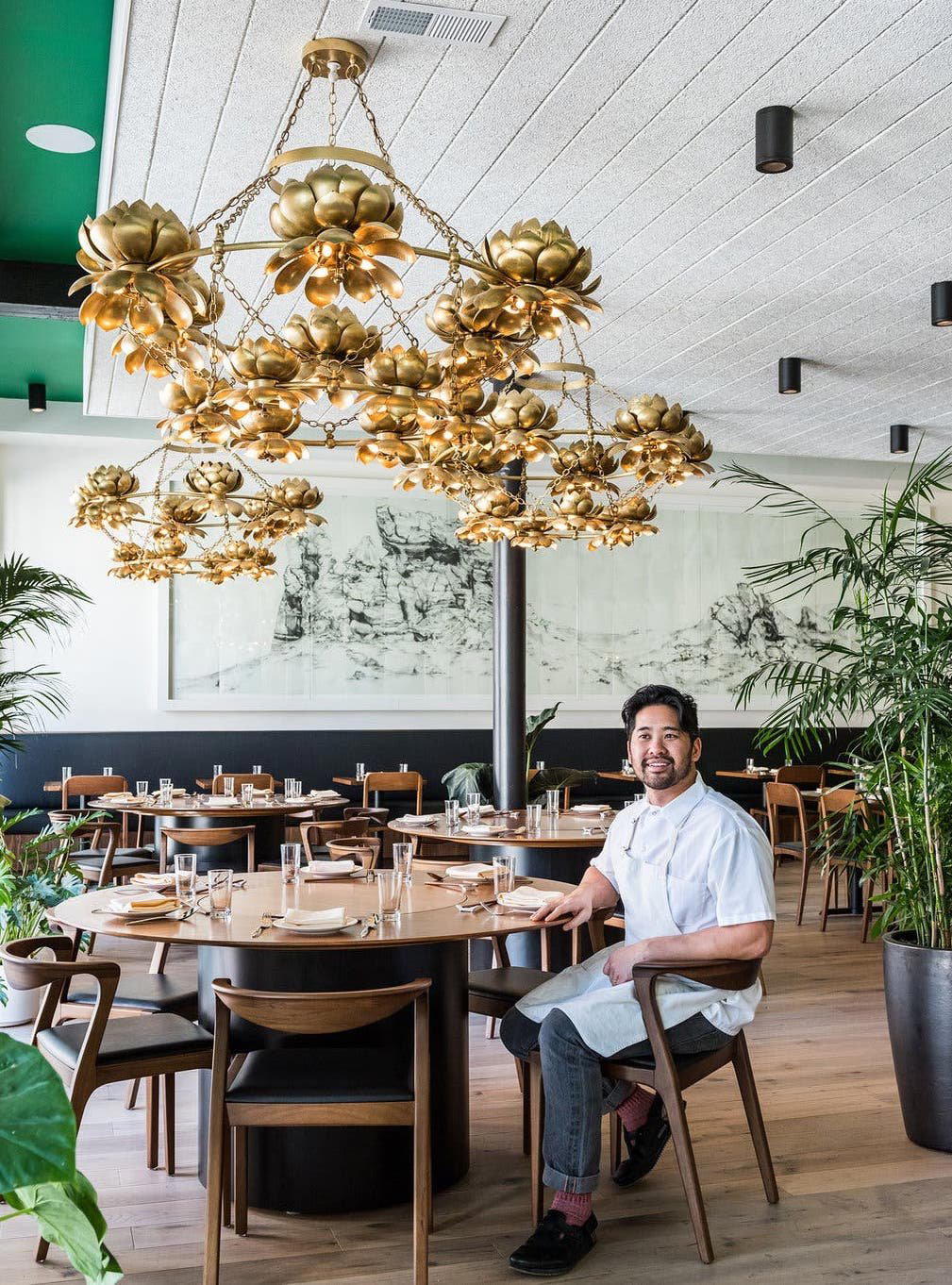
Hotels in Emeryville
Browse all →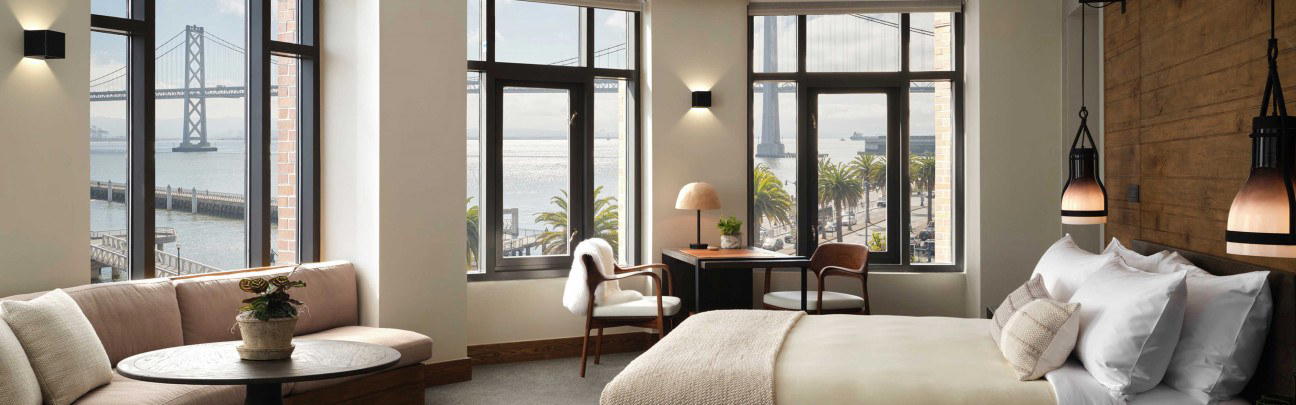
At a Glance
- Well Known
- Rustic
- Classic
- Lively
- Casual Hangout
- Group Dining
- After Work
- Date Night
- Historic Building
- Standalone
- Open Kitchen
- Craft Cocktails
- Beer Program
- Extensive Wine List
- Local Sourcing
Current opening hours
- Monday
- 2–9 PM
- Tuesday
- 2–9 PM
- Wednesday
- 2–9 PM
- Thursday
- 2–9 PM
- Friday
- 2–9 PM
- Saturday
- 2–9 PM
- Sunday
- Closed
Hours can change for holidays and private events. Last verified .
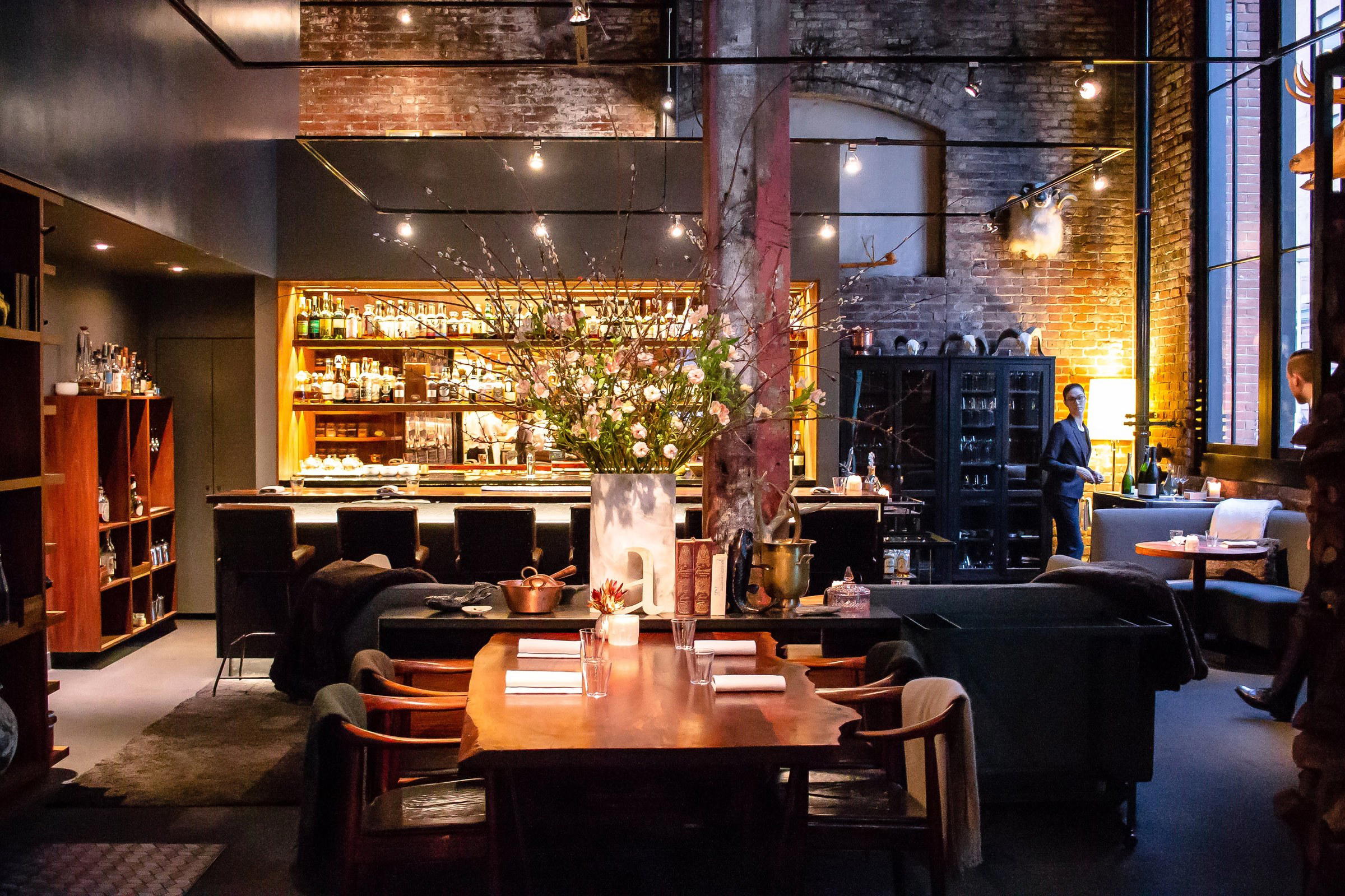
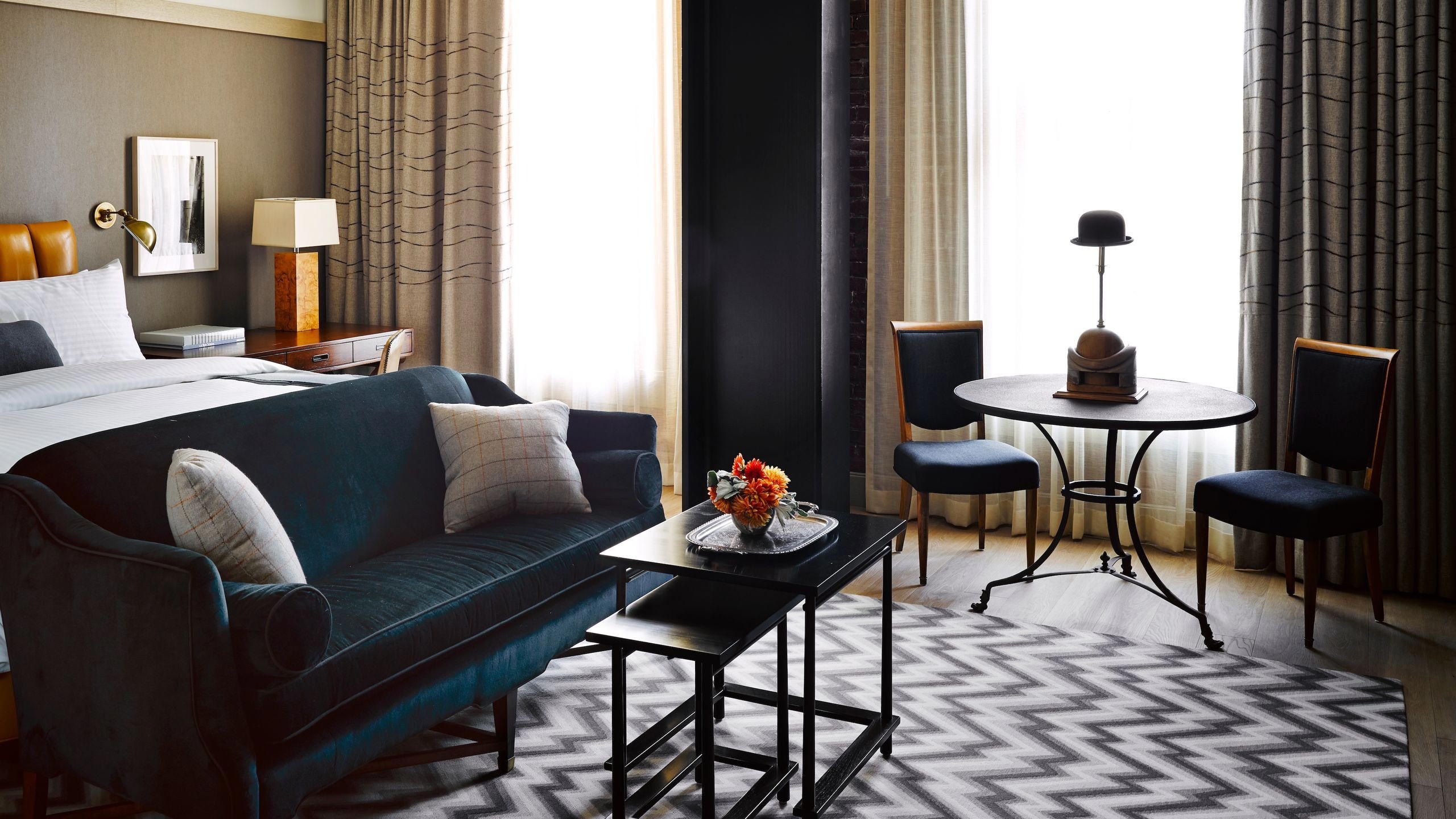
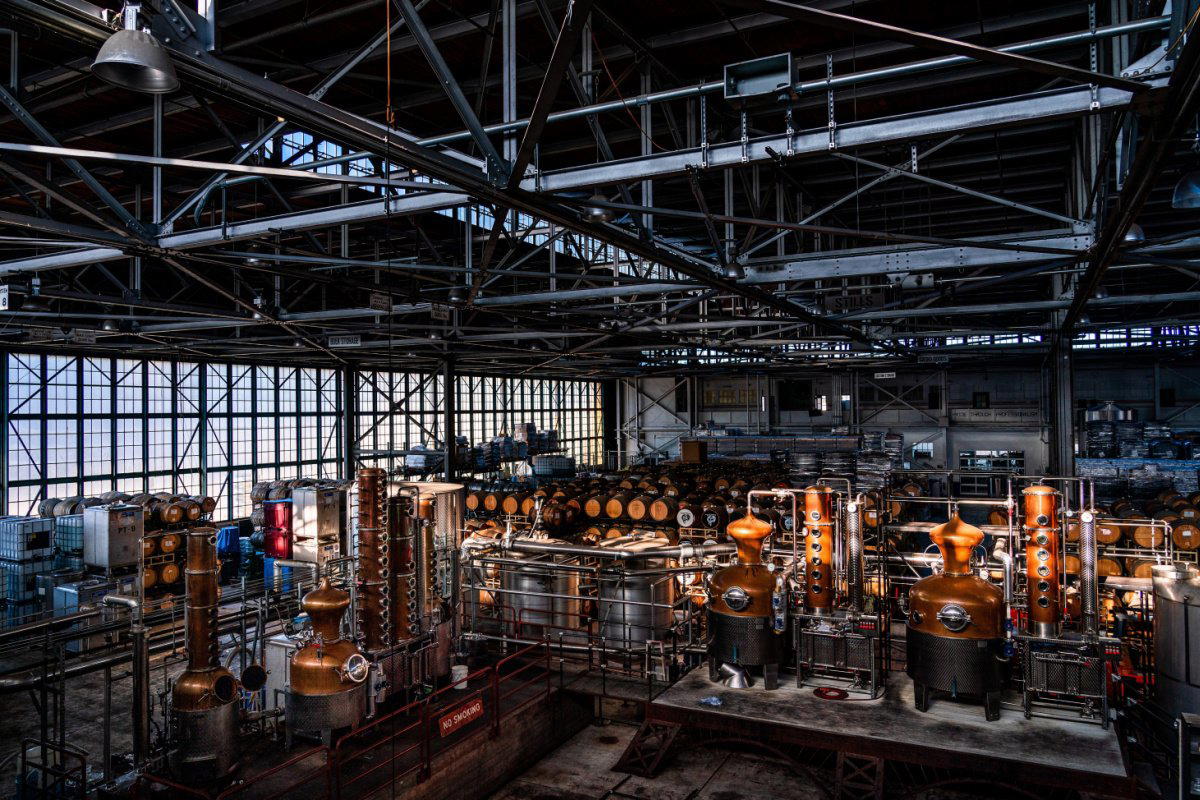
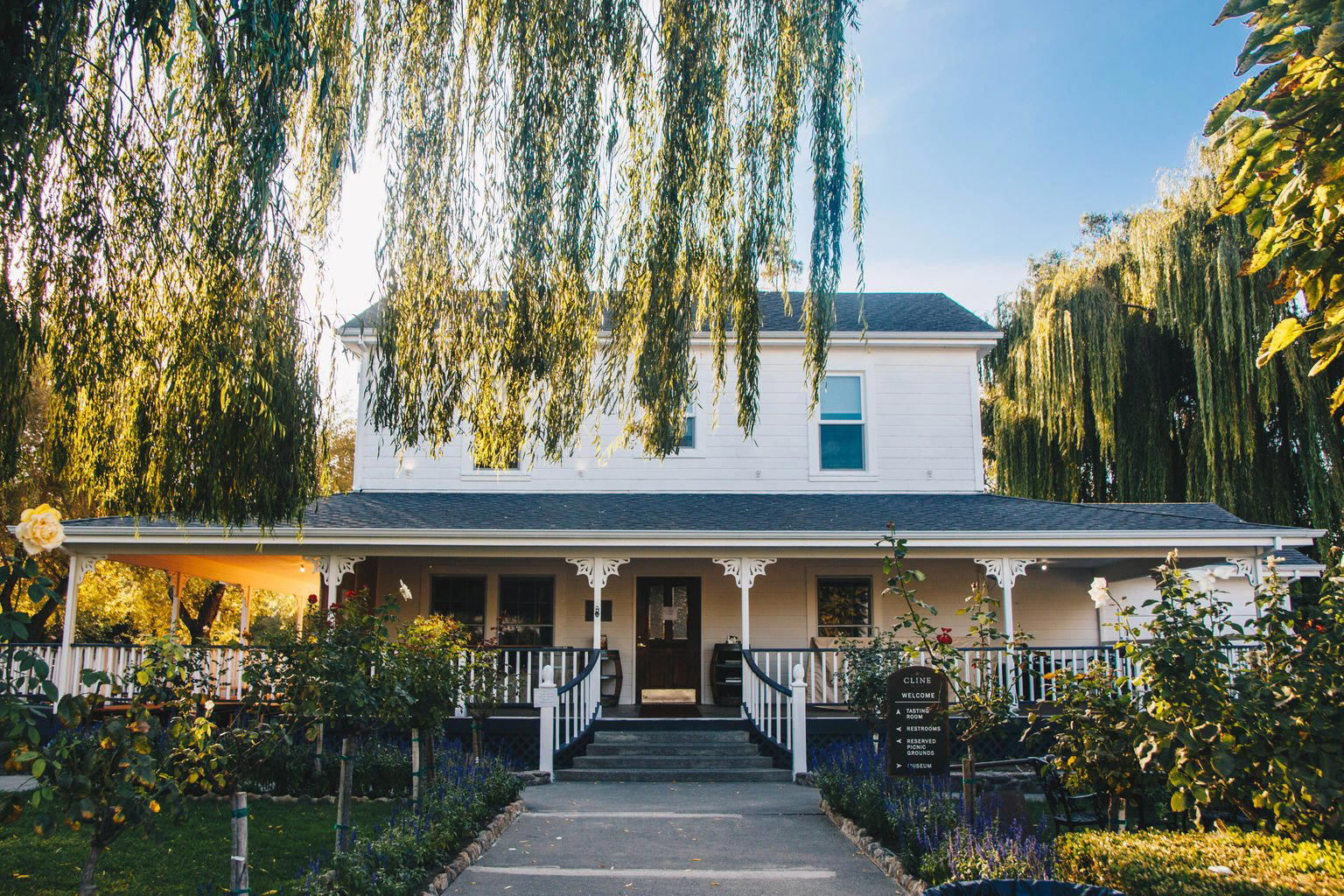
Modern industrial interior with rustic charm; warm lighting and a welcoming atmosphere despite the deliberately preserved dilapidated exterior that has become the restaurant's trademark.