Toscana 49
Toscana 49 occupies a specific position in Midtown East's Italian dining circuit, drawing on the neighbourhood's long tradition of hosting business-focused, regionally grounded Italian kitchens. Situated at 143 E 49th St, it operates in a price tier and format that competes with the area's more established Italian rooms rather than the city's tasting-menu circuit.
Pearl is the En Primeur Club membership app — saves, bookings, and concierge access live there. Same editors, same standards.
- Address
- 143 E 49th St, New York, NY 10017
- Phone
- +12122560190
- Website
- toscana49.com
- Directions
- Get directions
 Saves & bookings on Pearl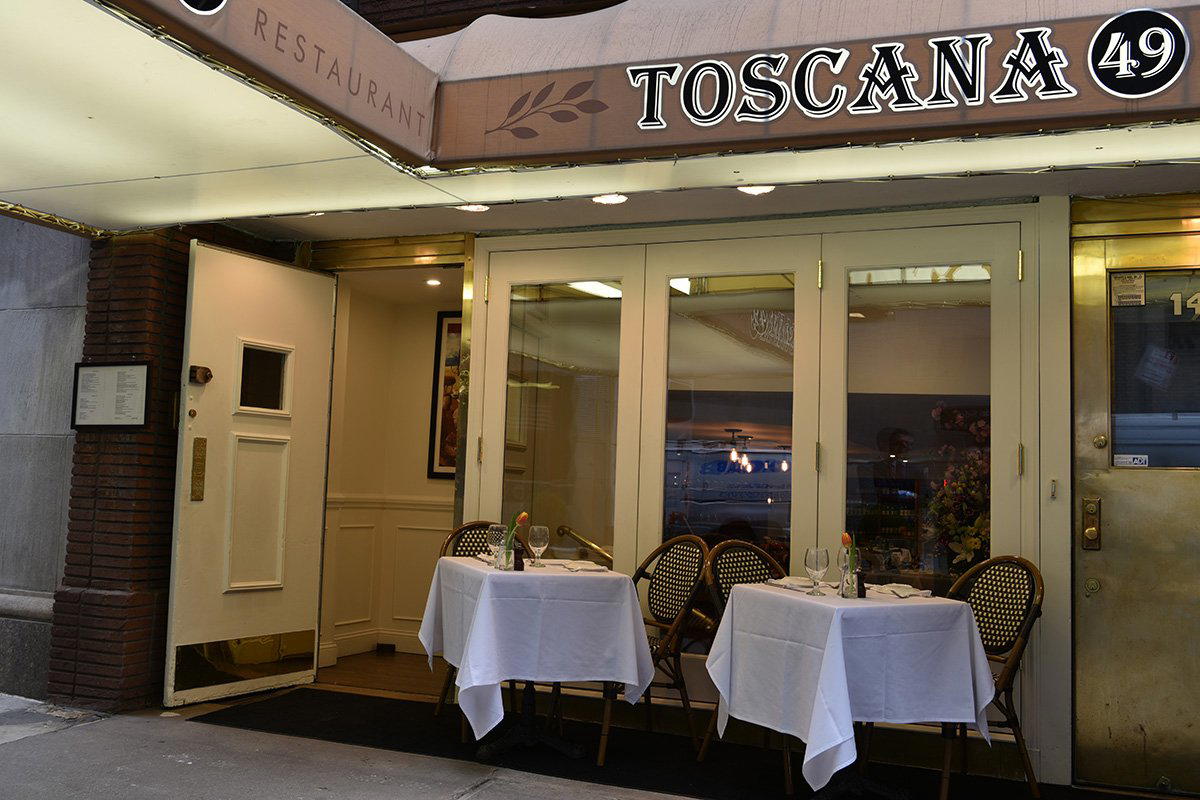
Midtown's Italian Dining Argument
If you are going to commit an evening to Italian food in New York City, the choice of neighbourhood matters almost as much as the choice of restaurant. The far West Side has its white-tablecloth Continental holdouts. The West Village runs younger and louder. Midtown East, the corridor that runs through the 40s and 50s between Lexington and Fifth, has historically carried a different character: Italian rooms that earn their keep from proximity to corporate headquarters, consulates, and the old-money apartment buildings of Sutton Place. These are kitchens that survive on consistency rather than novelty, where a returning client expects the same seared branzino he had six months ago and gets it. Toscana 49, at 143 E 49th St, operates inside that tradition.
That framing is not a dismissal. The Midtown East Italian model has produced some of the city's most durable dining rooms, and durability in New York requires cooking that holds up under the scrutiny of guests who have eaten comparable food in the source regions. The neighbourhood's Italian restaurants tend to source with a degree of seriousness precisely because their clientele has been to Tuscany, Umbria, and the Veneto, and will notice when the olive oil is wrong.
The Sourcing Logic Behind Tuscan-Inflected Kitchens
Tuscan cooking, more than almost any other Italian regional tradition, is built around the argument that the ingredient is the dish. The canonical examples are not complicated preparations: bistecca alla Fiorentina is a Chianina steer, heat, salt, and resting time. Ribollita is Tuscan kale, cannellini beans, and stale bread assembled with patience. Pappardelle al cinghiale is wild boar and handmade pasta. In each case, the sourcing decision determines the outcome more decisively than technique.
New York kitchens working in this tradition face a specific supply problem. Authentic Chianina beef is largely unavailable outside Italy under that designation, so Tuscan-style restaurants in the United States typically work with domestic dry-aged beef from comparable heritage breeds, or import specific cured products, aged cheeses, and olive oils under protected designation of origin status to anchor the menu's credibility. The truffles that appear on autumn menus in Tuscan-inflected kitchens throughout the city are typically sourced from Oregon, Australia, or occasionally imported from Umbria or Périgord, with the price point shifting accordingly. A kitchen's willingness to specify origin, on the menu, through the server, in response to a direct question, is usually the clearest signal of how seriously it takes the sourcing framework.
For context on how sourcing-led kitchens operate at the far end of the price spectrum, the farm-to-table model taken to its most documented extreme in the United States is visible at properties like Single Thread Farm in Healdsburg and Blue Hill at Stone Barns in Tarrytown, where the supply chain is vertically integrated into the property itself. Tuscan-style restaurants in Midtown operate at a different scale and with a different mandate, but the underlying logic, that named, traceable ingredients produce better food, runs through both ends of the market.
Where Toscana 49 Sits in the comparable set
Midtown East Italian restaurants compete within a fairly defined range. The neighbourhood supports formal dining rooms with extensive wine lists weighted toward Tuscany and Piedmont, and a clientele that treats a $150-per-person dinner as a workday transaction rather than a special occasion. That positions these kitchens differently from the tasting-menu circuit that runs through Le Bernardin, Per Se, or Masa, each of which demands a different kind of commitment from the diner in terms of time, format, and price.
The more instructive comparisons for Toscana 49 are with the neighbourhood's own comparable set: Italian rooms with a regional focus, a la carte menus, and a wine list that can support both a quick business lunch and a longer client dinner. That format is not the format of Atomix or Jungsik New York, which operate in the progressive tasting-menu tier. It is the format of a specific kind of Italian restaurant that New York has always needed and periodically undervalues.
Across the United States, the restaurants that have brought critical attention to regional Italian sourcing and technique, Bacchanalia in Atlanta, Addison in San Diego, the broader farm-sourcing movement documented at Lazy Bear in San Francisco and Alinea in Chicago, have tended to operate outside the traditional power-lunch framework. New York's Midtown Italian rooms are a different species, but they carry their own institutional weight in the city's dining culture.
Planning a Visit
The restaurant is located at 143 E 49th St, in the block between Lexington and Third Avenues, a few minutes' walk from the 51st Street subway station on the 6 line and roughly equidistant from Grand Central Terminal. The address puts it in a part of Midtown that is reliably walkable from the major Midtown East hotels and office towers.
For reference points at the high end of the city's Italian and European formal dining spectrum internationally, Alain Ducasse at Louis XV in Monte Carlo and 8½ Otto e Mezzo Bombana in Hong Kong represent what Italian-influenced formal dining looks like when it operates at the three-Michelin-star level outside Italy itself. The Midtown East model is a different proposition: less theatrical, more transactional, and more deeply embedded in the rhythm of a working city.
Useful reference points include The French Laundry in Napa, Providence in Los Angeles, Emeril's in New Orleans, and The Inn at Little Washington in Washington, each of which operates in a distinct regional register and price tier.
A Tight Comparison
Comparable venues nearby, for context on price, style, and recognition.
| Venue | Cuisine | Price | Notes |
|---|---|---|---|
| Toscana 49This venue — the venue you are viewing | Not listed | $$$ | Not listed |
| Bar Rocco | Not listed | $$$ | Midtown-Times Square, Italian American Brasserie |
| Stella 34 Trattoria | Not listed | $$$ | Midtown-Times Square, Modern Italian Trattoria |
| Il Pastaio | Not listed | $$$ | Midtown South-Flatiron-Union Square, Housemade Italian Pasta Bar |
| Gjelina | Greenwich Village, Coastal Italian | $$$ | Not listed |
| Ramerino | Not listed | $$$ | Midtown-Times Square, Italian Prime Steakhouse |
Continue exploring
More in New York City
Restaurants in New York City
Browse all →
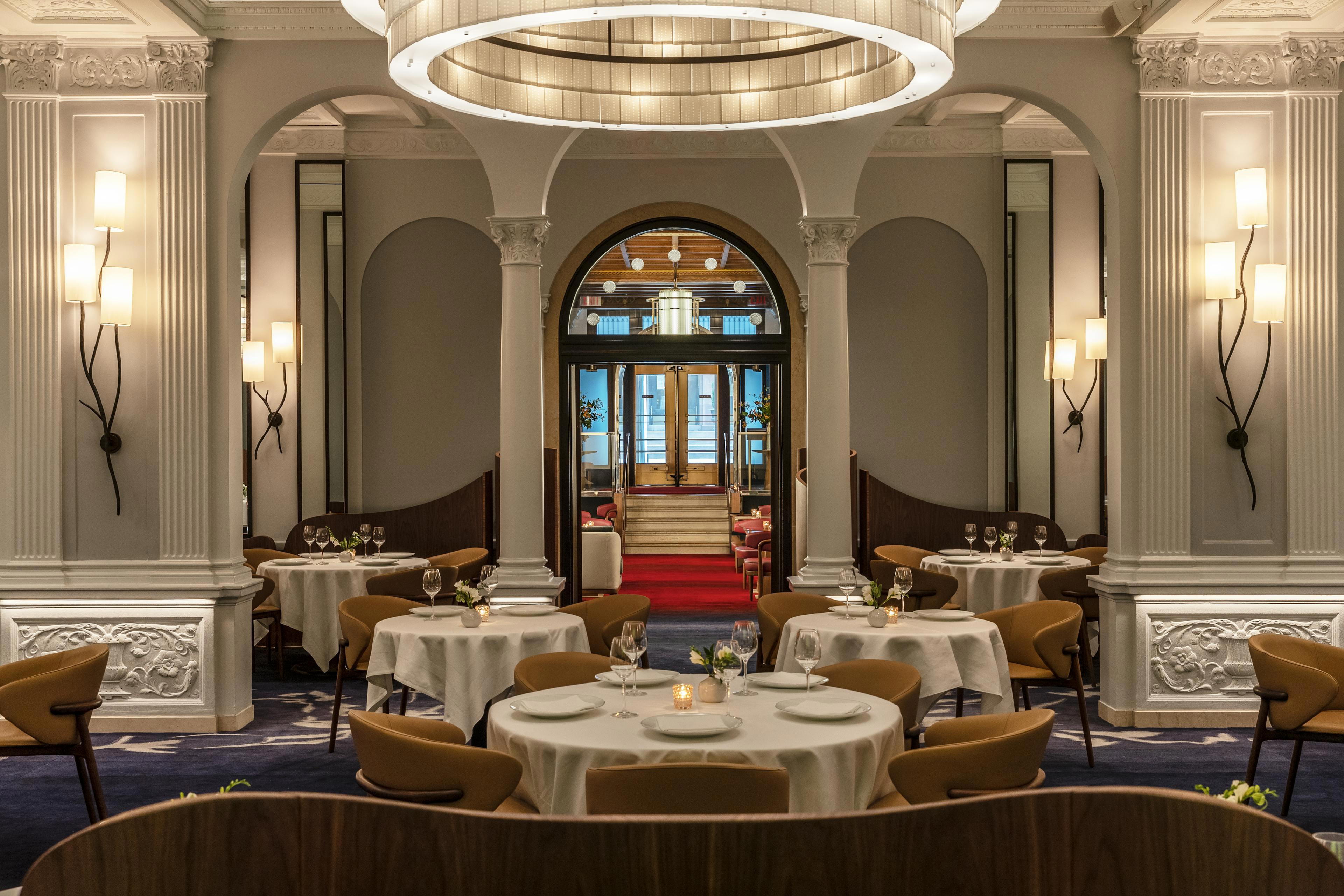
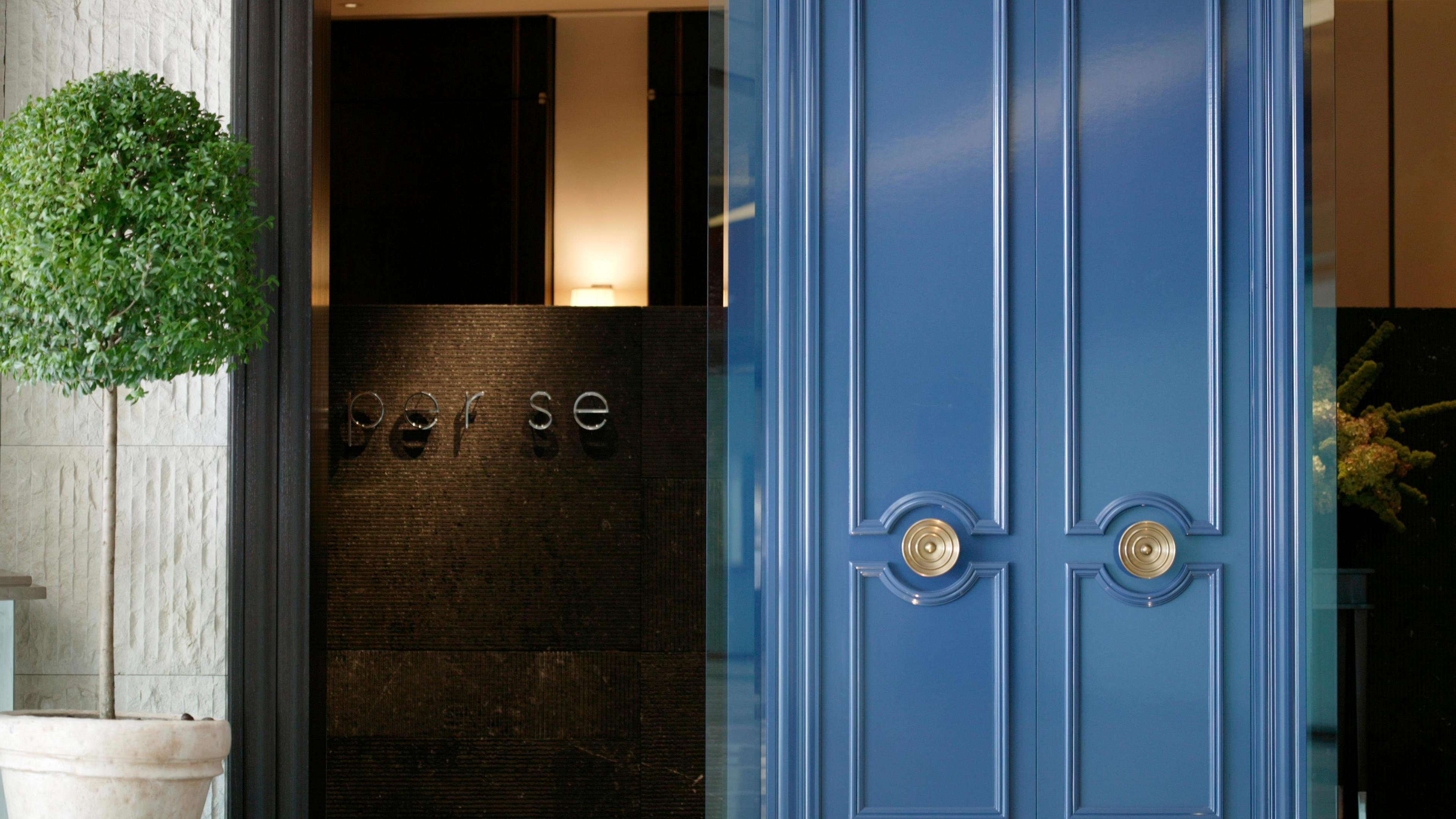
Bars in New York City
Browse all →



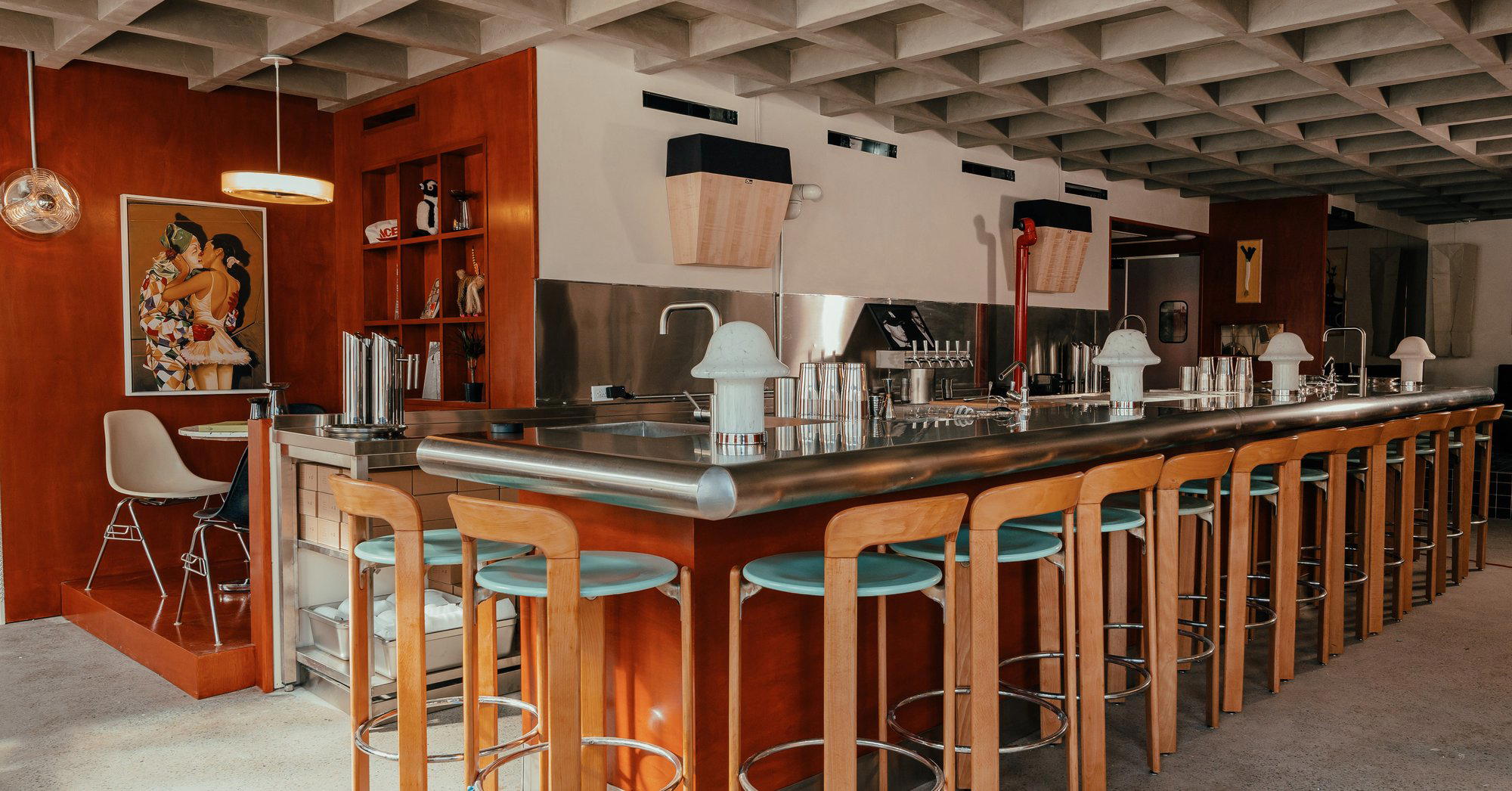
Hotels in New York City
Browse all →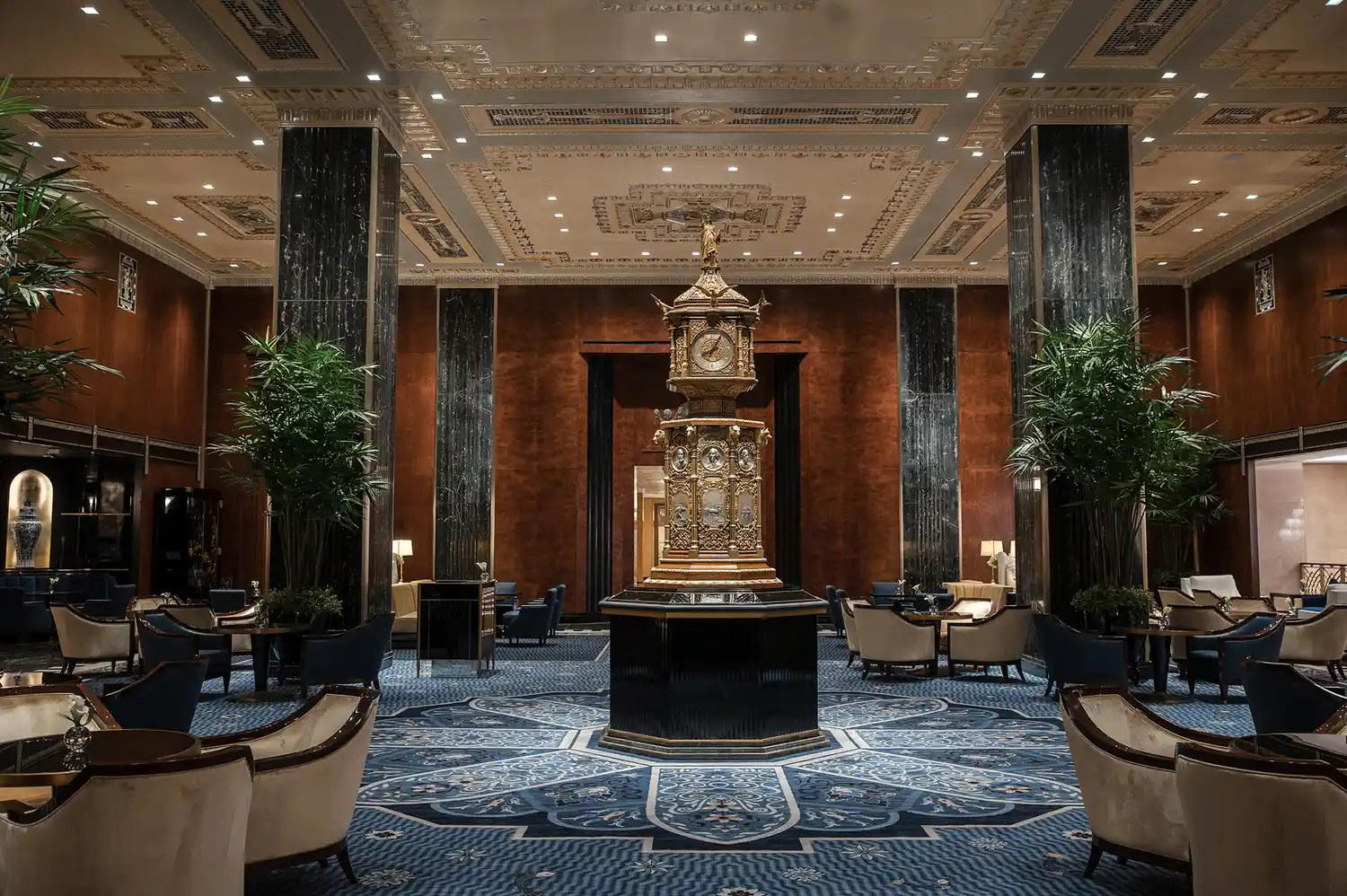






At a Glance
- Cozy
- Elegant
- Intimate
- Classic
- Date Night
- Business Dinner
- Special Occasion
- Standalone
- Extensive Wine List
- Local Sourcing
Current opening hours
- Monday
- 12–10 PM
- Tuesday
- 12–10 PM
- Wednesday
- 12–10 PM
- Thursday
- 12–10 PM
- Friday
- 12–10 PM
- Saturday
- 12–10 PM
- Sunday
- 12–10 PM
Hours can change for holidays and private events. Last verified .
Cozy and elegant retreat from city bustle with warm inviting atmosphere.