Tosca


1 Michelin Star · Wine Spectator Best of Award of Excellence
Our verdict
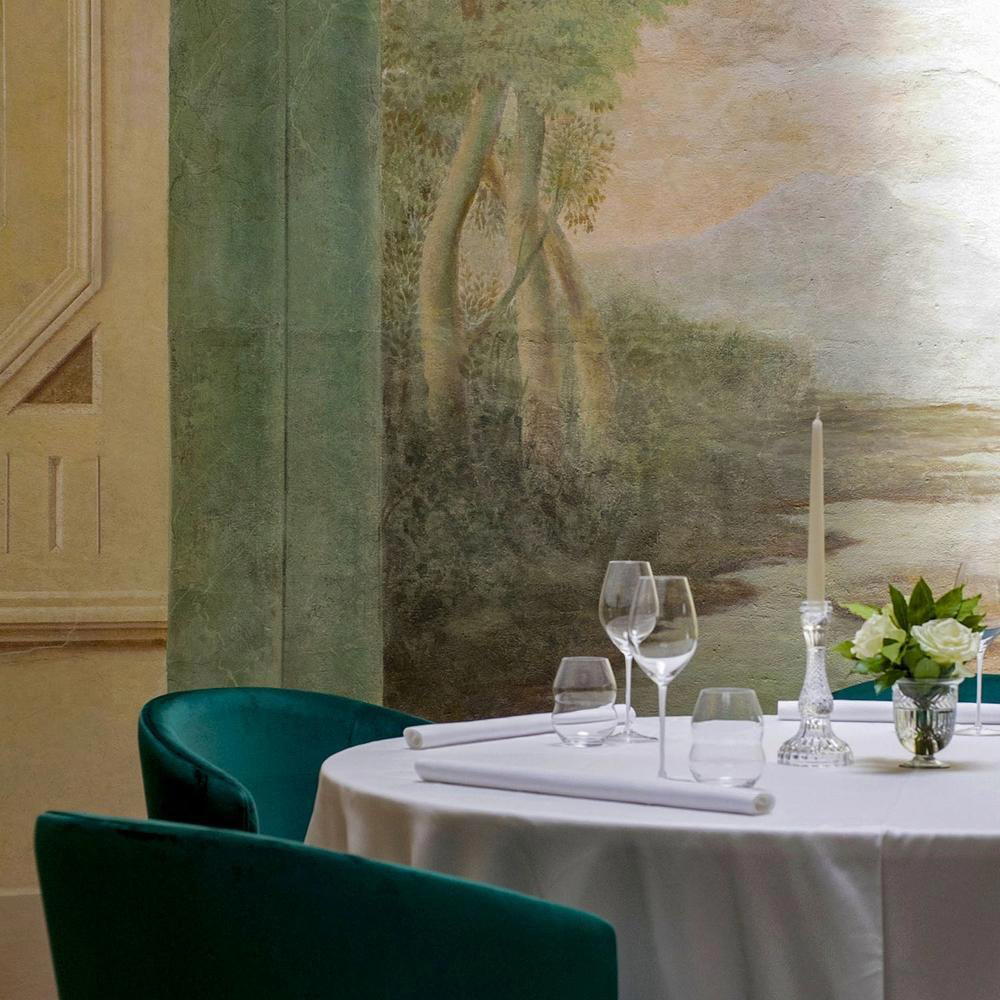
A Michelin-starred Tuscan restaurant in Geneva's Eaux-Vives neighbourhood, Tosca holds a distinct position among the city's Italian dining options: focused, ingredient-led cooking from Chef Ivan Baretti, a wine list of 2,300 references with particular depth in Tuscany, and a room dressed in frescoes and velvet that signals a deliberate commitment to the traditions it serves.

Pearl is the En Primeur Club membership app, where members save venues, book tables and use the concierge.
The menu
What to order
- Pork_belly_pasta
- Mushroom_risotto
- Ravioli
- Tiramisu
Eaux-Vives and the Case for Regional Italian Seriousness
Geneva's fine dining map has historically tilted French, with Italian cooking occupying a secondary tier that rarely matched the ambition of the cuisine's leading European expressions. That has shifted. Eaux-Vives, the residential quartier stretching east of the Rhône, has become the address for Italians who cook with the precision the city's dining room expectations demand. Tosca, on Rue de la Mairie, sits at the top of that shift: a Michelin one-star operation, awarded in 2024, that treats Tuscan cooking not as a crowd-pleasing category but as a discipline with its own grammar and seasonal logic.
The distinction matters when comparing the Italian options available at this price tier in Geneva. Il Lago operates at the same €€€€ bracket inside the Four Seasons and plays to an international hotel register. Tosca is a standalone room, smaller in scale and more single-minded in its regional focus. That specificity is exactly what keeps a certain kind of diner returning.
What the Room Tells You Before the Menu Arrives
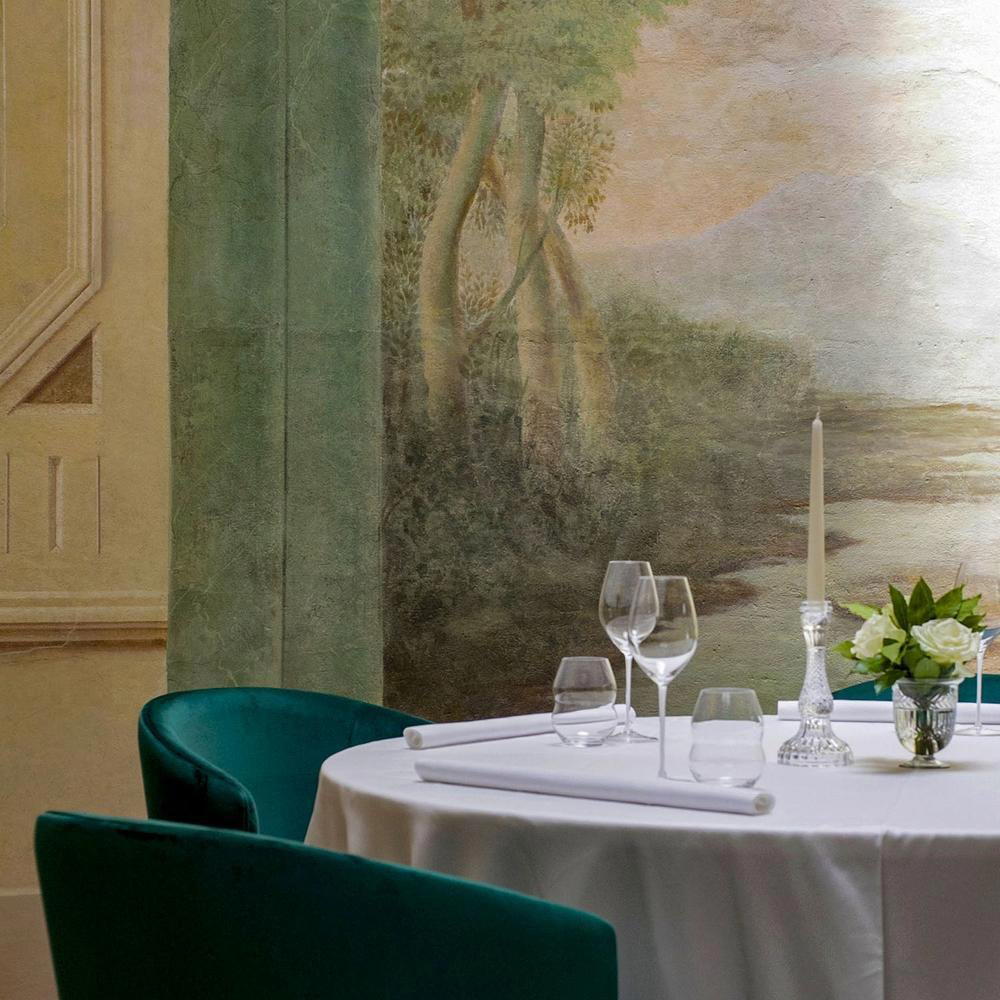
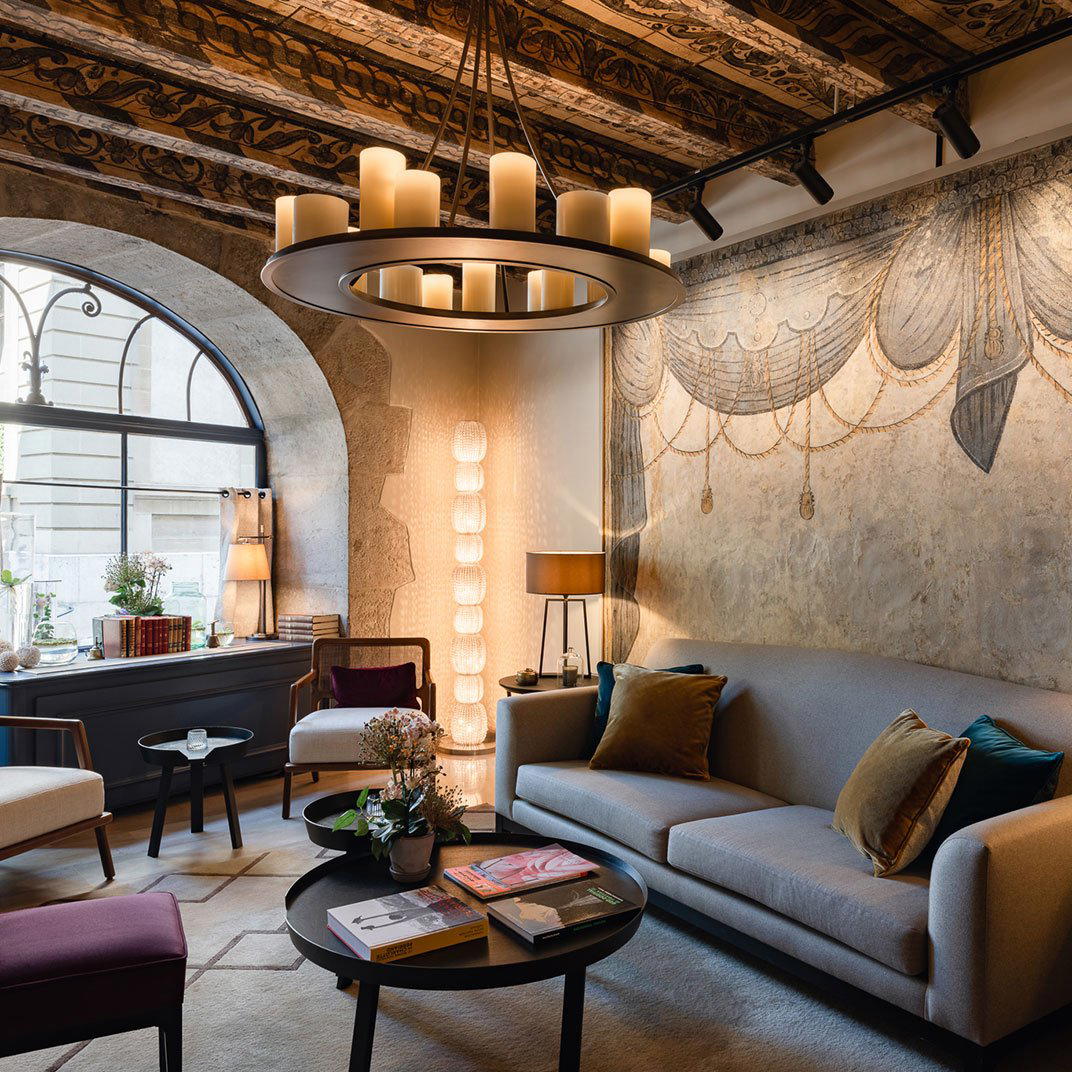
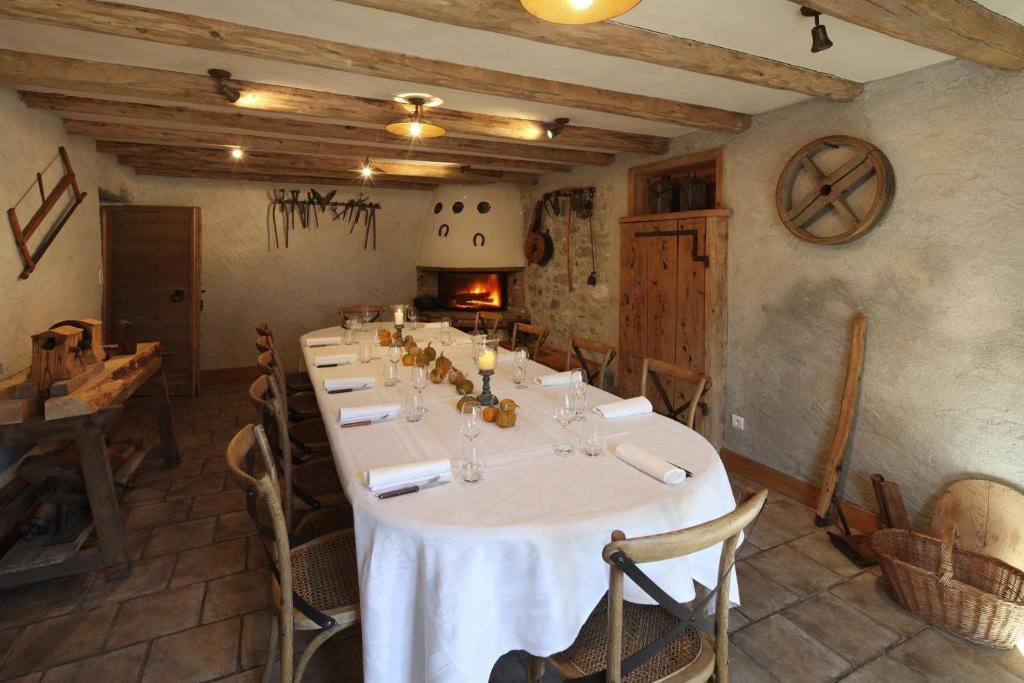
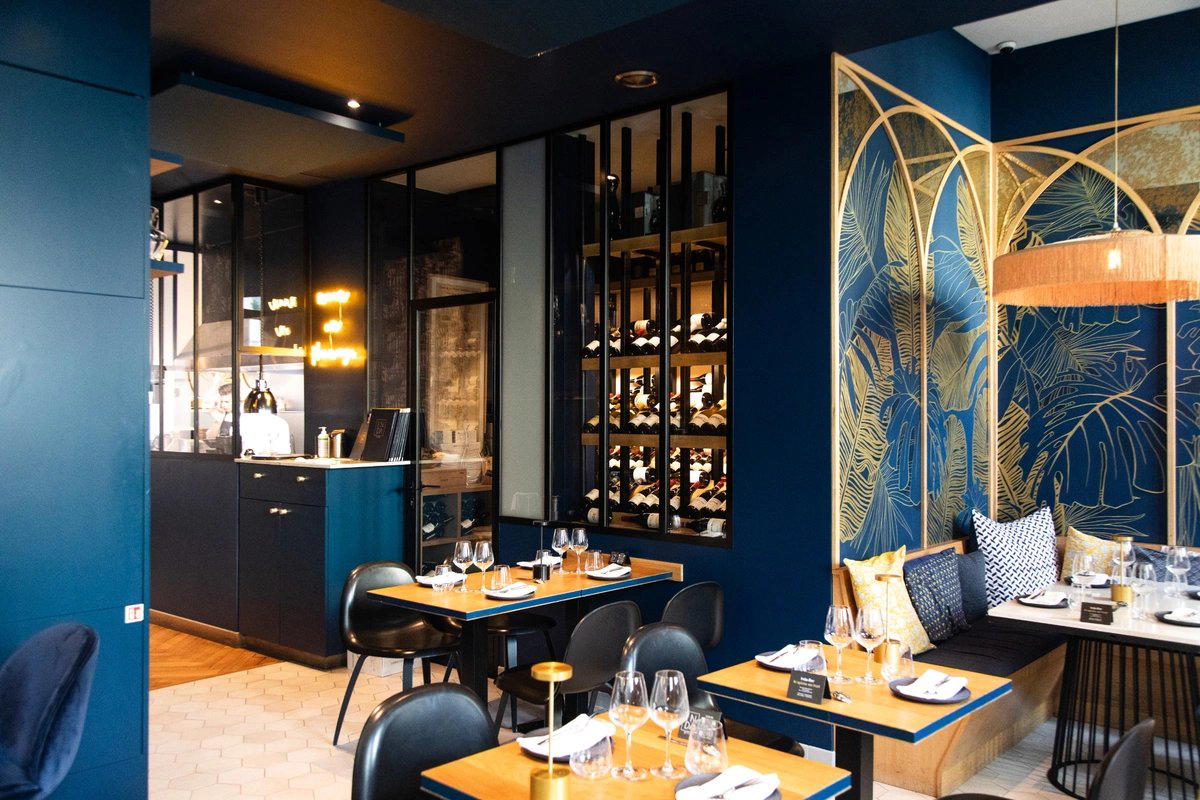
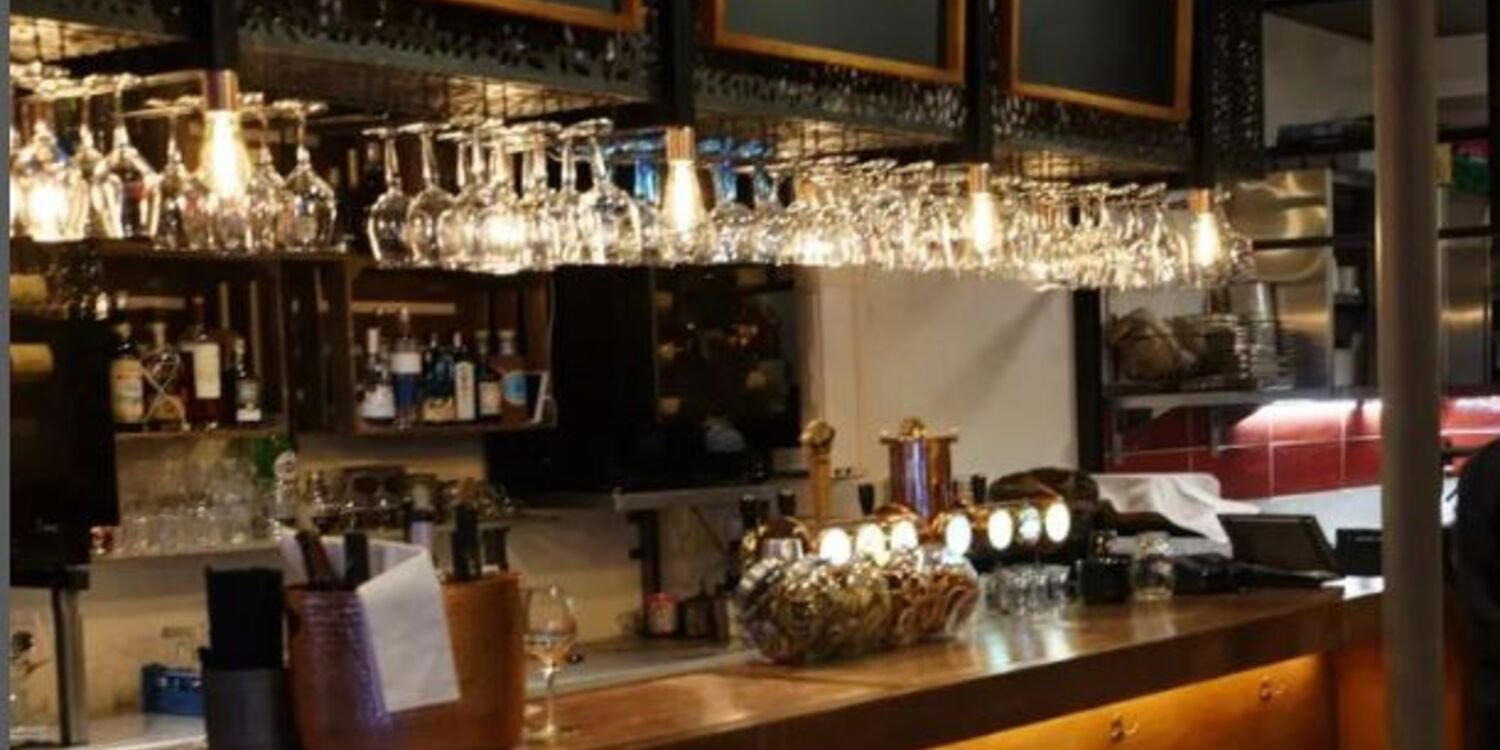
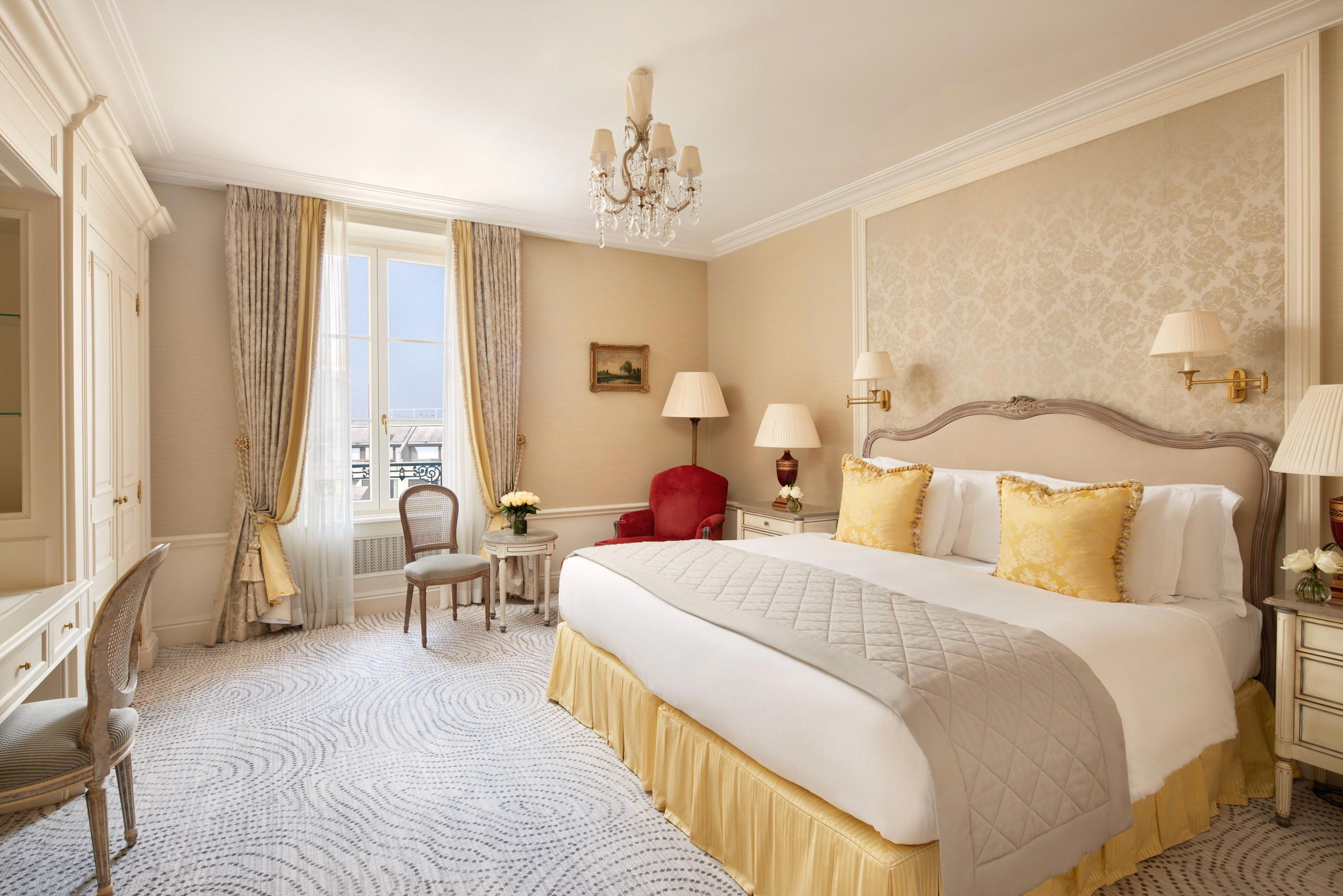
The physical environment at Tosca communicates its priorities before a dish is placed. Frescoes on the walls, antique books, velvet upholstered armchairs: the design vocabulary is deliberate and consistent, referencing the Florentine interiors that Tuscan cooking has historically occupied rather than a contemporary Nordic-minimalist neutrality. For regulars, this is part of the ritual. You know where you are. The room doesn't ask you to decode it.
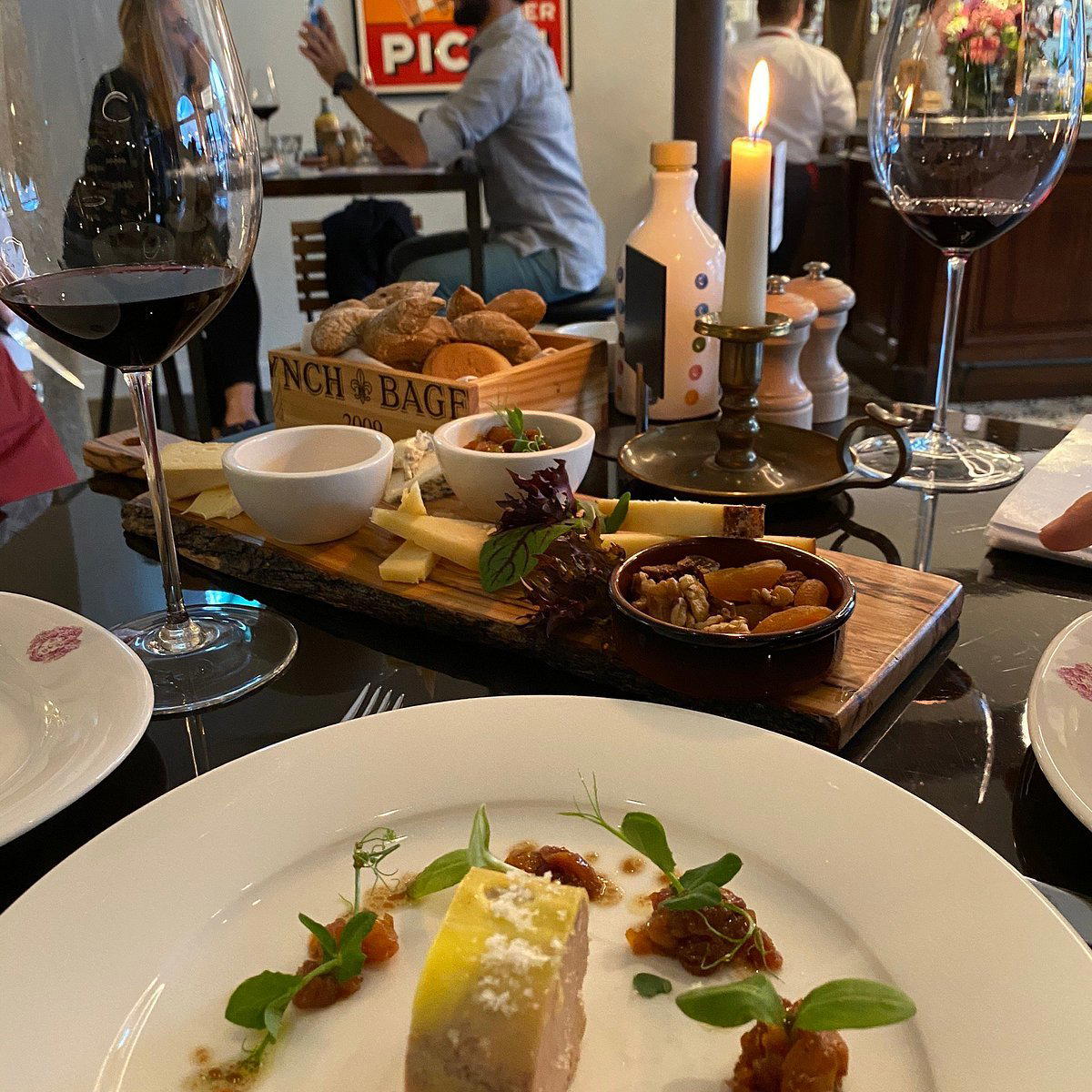
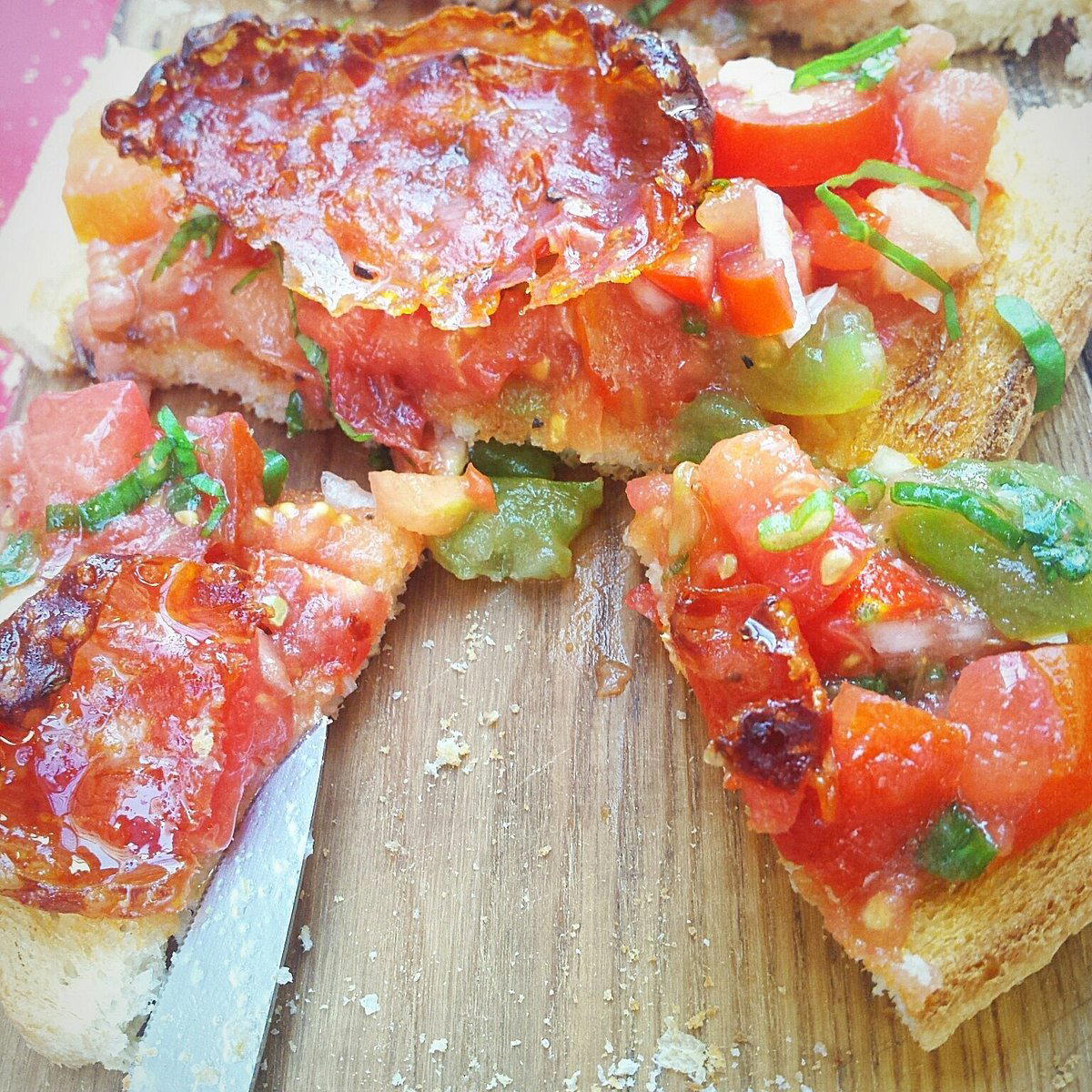
That stability of environment is a signal about the kitchen's priorities too. Tuscan cooking at its most serious is not a cuisine of transformation or spectacle; it is a cuisine of material quality, proportion, and restraint. The slow roasted pork and clementine preparations that the kitchen is known for are not dishes built around conceptual surprise. They are built around sourcing and timing, which is a harder discipline to sustain and a more reliable reason to return.
The Regulars' Rhythm
A Michelin one-star in Eaux-Vives draws two distinct audiences. The first visits once, drawn by the award and the neighbourhood's growing reputation. The second comes back. Tosca's format, with Tuesday through Friday lunch service from noon to 2 PM and dinner across Tuesday to Saturday from 7 PM to 10 PM, is structured around a working week in a way that suits Geneva's professional class: lunch for the deal tables, dinner for the celebrations and the standing reservations. Sunday and Monday closures reinforce this: this is a serious restaurant operating at a sustainable rhythm, not a seven-day hospitality machine.
The regulars at a room like this tend to order what they know works rather than what is newest on the menu. At Tosca, that means leaning into the kitchen's Florentine foundations: preparations where Italian ingredients, sourced carefully and handled with the contemporary edge that Chef Ivan Baretti's training at Arpège introduced, arrive in forms that feel familiar but executed at a level that removes the comparison to neighbourhood Italian. The wine list is an equal part of that ritual: 505 selections, 2,300 bottles in inventory, with California, Italy, and France as the primary strengths and Tuscan labels as the obvious anchor for the food. Wine Director Taylor Cahall manages a list priced at a mid-tier markup ($$), which by Geneva's standards represents genuine accessibility at this award level.
Tuscan Cooking in a Swiss Context
Switzerland's starred dining scene is concentrated in a handful of cantons, and the French-speaking west has historically leaned toward Gallic tradition. Hotel de Ville Crissier and Cheval Blanc by Peter Knogl in Basel represent the French fine dining axis that dominates the country's Michelin geography. Schloss Schauenstein in Fürstenau, Memories in Bad Ragaz, and 7132 Silver in Vals extend that pattern with a Swiss-alpine inflection. Tosca's Tuscan identity makes it an outlier within that national context, and that positioning is a competitive advantage: it competes for a specific diner rather than for every fine dining occasion.
Comparisons with starred Tuscan cooking in Italy are useful for calibrating expectations. Caino in Montemerano and L'Asinello in Castelnuovo Berardenga represent the regional benchmark on home territory. Tosca operates in translation, in a city whose dining expectations are shaped by international finance rather than agricultural terroir, and the Michelin recognition confirms that the translation holds.
The Wine List as Independent Argument
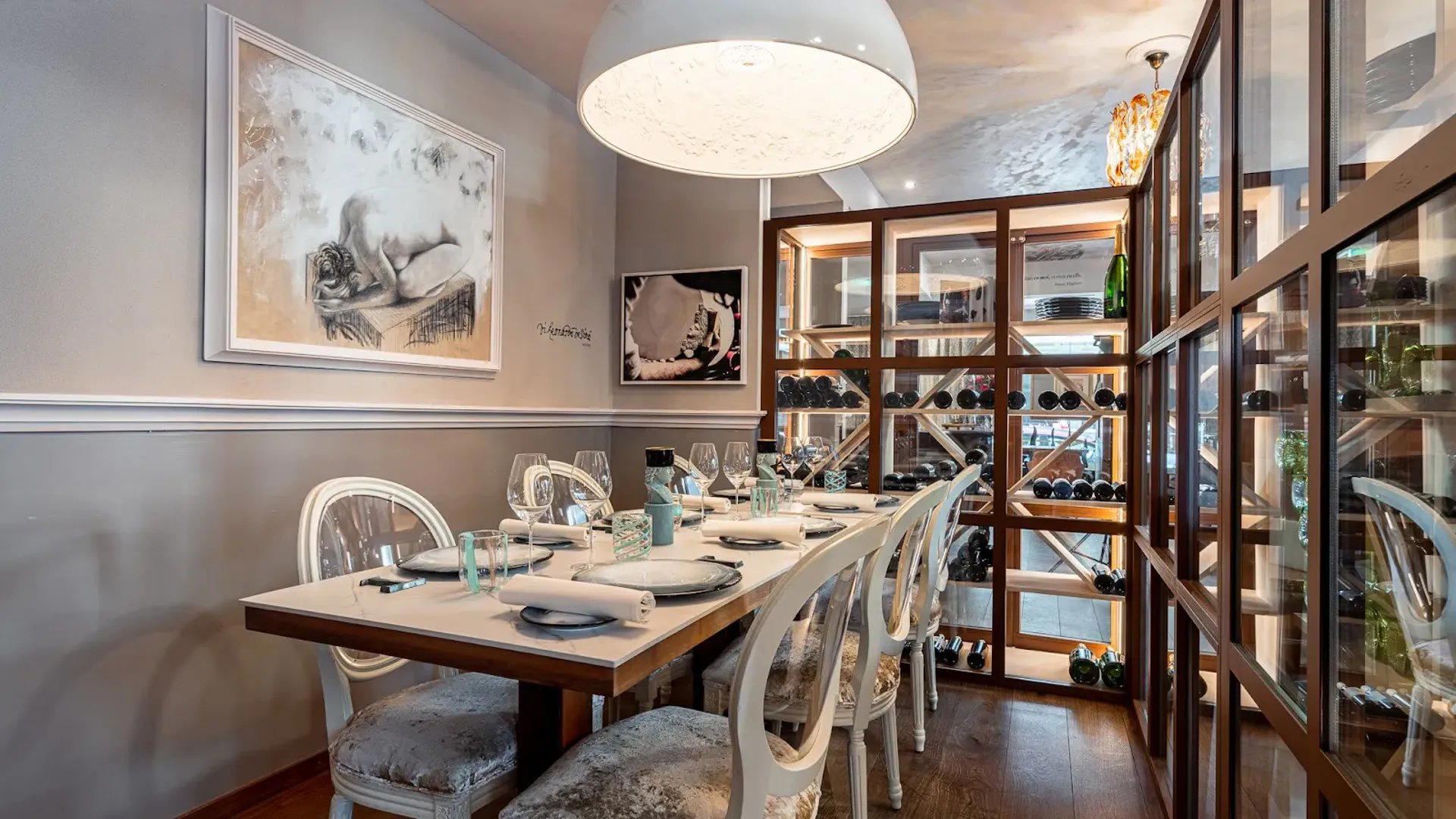
A 2,300-bottle inventory at a restaurant of Tosca's scale is a significant commitment. The list's three primary wine regions, California, Italy, France, cover the geography of Geneva's wine-literate clientele, while the Tuscan depth provides the obvious food pairing axis. The $$ pricing band (a range of pricing rather than a predominantly entry-level or premium-only list) means that both the table ordering a single bottle and the table building a sequence through the meal can find what they need without feeling that the list is calibrated against them.
For regulars, the wine list is a second menu. The depth at 505 selections means that a diner returning monthly will not exhaust the interesting options quickly, and the Tuscan focus aligns closely enough with the food that the kitchen-wine conversation runs in a consistent direction. This is the infrastructure of a restaurant that expects repeat visits rather than one-time occasions.
Geneva's Italian Tier and Where Tosca Sits
Geneva's €€€€ Italian dining is a small category. Tosca and Il Lago occupy the same price tier but address different occasions and different audiences. The broader fine dining context includes L'Atelier Robuchon at the French Contemporary end, alongside Arakel, L'Aparté, and La Micheline covering modern and Mediterranean registers at the €€€ level. Tosca's one-star status at €€€€ places it in a peer group defined by technical ambition rather than by Italian category broadly. That is a more demanding comparison set, and the restaurant has held its position in it.
For a comprehensive view of what Geneva's dining and broader hospitality scene offers, see our full Geneva restaurants guide, our full Geneva hotels guide, our full Geneva bars guide, our full Geneva wineries guide, and our full Geneva experiences guide. If Switzerland's wider dining geography is relevant, Colonnade in Lucerne is worth considering as a point of comparison in the German-speaking tier.
Planning a Visit
Tosca is at Rue de la Mairie 8 in the 1207 postal district of Geneva, in the heart of Eaux-Vives. Lunch runs Tuesday through Friday, noon to 2 PM; dinner runs Tuesday through Saturday, 7 PM to 10 PM. The restaurant is closed Sunday and Monday. The €€€€ pricing and Michelin recognition make advance booking advisable, particularly for dinner and weekend Saturday evenings when the Saturday-only dinner service concentrates demand. The food pricing at $$ for a typical two-course meal (excluding beverages and tip) is moderate relative to the €€€€ overall category, suggesting the kitchen keeps accessible entry points within the broader occasion spend.
Frequently asked questions
Does Tosca work for a family meal?
Tosca's Michelin-starred setting in Eaux-Vives is geared toward occasion dining rather than casual family gatherings. The frescoed room, velvet armchairs, and €€€€ price point signal a slower, more formal pace that suits adults on a dedicated evening out rather than a table with young children.
What's the overall feel of Tosca?
The room is quietly formal without being stiff: frescoes, antique books, and velvet upholstered armchairs create a Florentine interior logic that the food reinforces. It reads as a neighbourhood restaurant for a very particular neighbourhood, one where Geneva's Eaux-Vives crowd expects a Michelin star to feel earned rather than announced.
What distinctions does Tosca have?
Tosca has received recognition including: WINE: Wine Strengths: California, Italy, France Pricing: $$ i Wine pricing: Based on the list\'s general markup and high and low price points:$ has many bottles < $50;$$ has a range of pricing;$$$ has many $100+ bottles Selections: 505 Inve….
What do regulars order at Tosca?
The kitchen's documented strengths are slow-roasted pork and dishes built around a single seasonal ingredient, citrus preparations have been a recurring reference. With 505 selections and a 2,300-bottle cellar weighted toward Italy, Tuscany in particular, the wine order tends to arrive before the food decision for those who know the room.
Is Tosca focused on a specific cuisine style?
Is Tosca more mid-range or high-end?
Pricing at Tosca is listed as €€€€.
Peers in This Market
| Venue | Cuisine | Price | Awards | Notes |
|---|---|---|---|---|
| ToscaThis venue (the venue you are viewing) | Modern Tuscan Fine Dining | $100–150 | 1 Michelin Star · Wine Spectator Best of Award of Excellence | Not listed |
| Il Lago | Michelin-Starred Italian | $200–300 | 1 Michelin Star · Wine Spectator Best of Award of Excellence | Italian |
| Tsé Fung | Michelin-Starred Cantonese | Not listed | 1 Michelin Star · Falstaff Restaurant - 93 Falstaff Points | Chinese |
| Fiskebar | Nordic Seafood | $100–150 | Michelin Plate | Nordic - Seafood, Modern Cuisine |
| Le Jardinier | Contemporary Seasonal French | Not listed | Michelin Plate | French, French Contemporary |
| L'Atelier Robuchon | Modern French Fine Dining | $200–300 | 2 Michelin Stars · La Liste Top Restaurants | French Contemporary |
Recognition history
Dated appearances from independent guides and award organizations, with the underlying list record or original source where available.
Michelin 1 Star
Michelin
Wine Spectator Best of Award of Excellence
Wine Spectator
Full recognition history (3 entries)
Michelin 1 Star
Michelin