
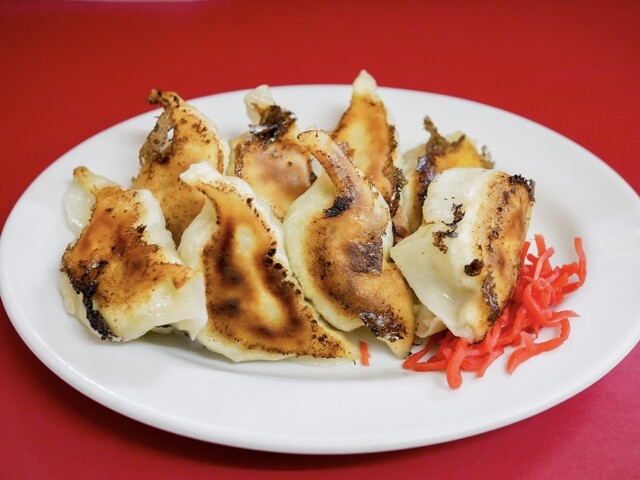
Tori Yuu gives Matsusaka a counterweight to the city’s beef-first dining reputation: chicken cooking with enough local pull to earn selection in Tabelog’s 2025 Chicken Cuisine 100. The appeal is less ceremony than focus, a small-scale room where sourcing, grill discipline, and everyday pricing put poultry at the centre of the meal.
Pearl is the En Primeur Club membership app — saves, bookings, and concierge access live there. Same editors, same standards.
- Address
- 三重県松阪市上川町2194-1
- Phone
- +81598284889
- Website
- tabelog.com
 Saves & bookings on Pearl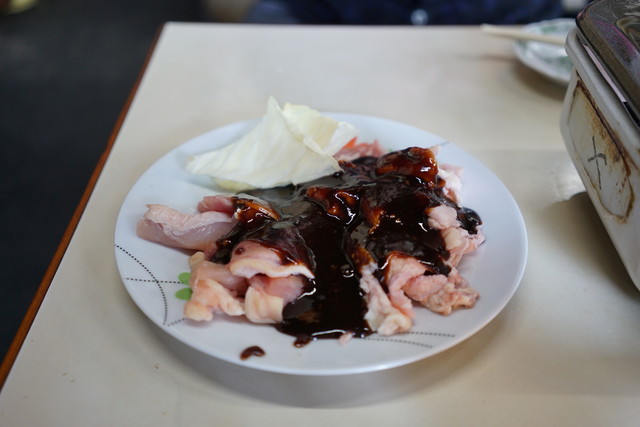
Approaching the eastern side of Matsusaka, the city’s dining story starts to loosen from the polished beef rooms and souvenir-shop sukiyaki narratives. The draw here is more local and less theatrical: smoke, poultry, and the kind of casual dining rhythm that suits repeat customers rather than destination checklists. Tori Yuu belongs to that quieter strand of the city’s food culture, where chicken cooking has to make its case in a place better known for marbled wagyu.
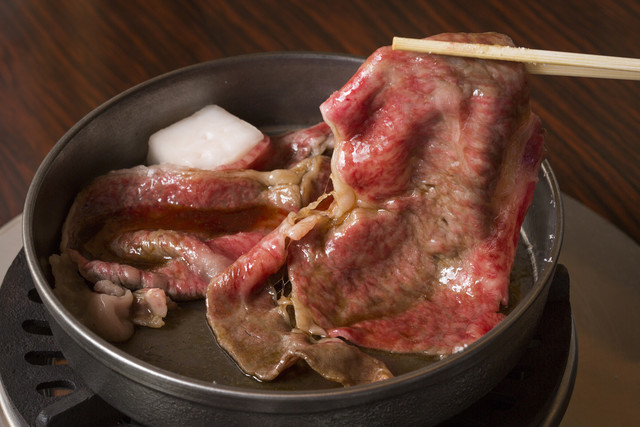
That contrast matters. Matsusaka’s restaurant identity is dominated by beef, from higher-ticket rooms such as Beef Club Noel to established sukiyaki and yakiniku addresses such as Gyugin Honten and Issho Bin Honten. Chicken has a different burden in this market. It cannot rely on the city’s brand mythology in the same way, so the argument shifts to handling: the quality of the bird, the control of heat, the confidence to keep the format direct.
Chicken cooking in a beef city
Tabelog’s 2025 Chicken Cuisine 100 selection places Tori Yuu inside a national category rather than only a Matsusaka one. That is a useful signal because chicken restaurants in Japan cover a wide field: yakitori counters, local bird specialists, casual set-meal houses, and charcoal-led shops where the line between everyday dinner and serious craft is thin. Selection in that list does not make the room formal; it confirms that the cooking has been noticed in a category where small differences in sourcing and grilling show quickly.
Ingredient sourcing is the editorial point here. In Japanese chicken cookery, breed, cut, fat, and freshness shape the meal before technique begins. The craft is not only in seasoning but in deciding how much intervention the ingredient needs. Compared with beef-focused Matsusaka dining, where marbling often announces itself before the first bite, chicken asks for closer attention: skin, texture, smoke, and the way leaner cuts keep moisture under heat.
That makes this a useful stop for travellers who want Matsusaka without repeating the same beef narrative at every meal. A city table built only around wagyu can become monotonous fast, especially over a short itinerary. Pairing a beef meal at Kitagawa or Issho Bin Honten with a chicken specialist gives the trip a clearer read on local dining habits rather than only the export-facing version of the city.
A small room, a direct format, and little room for disguise
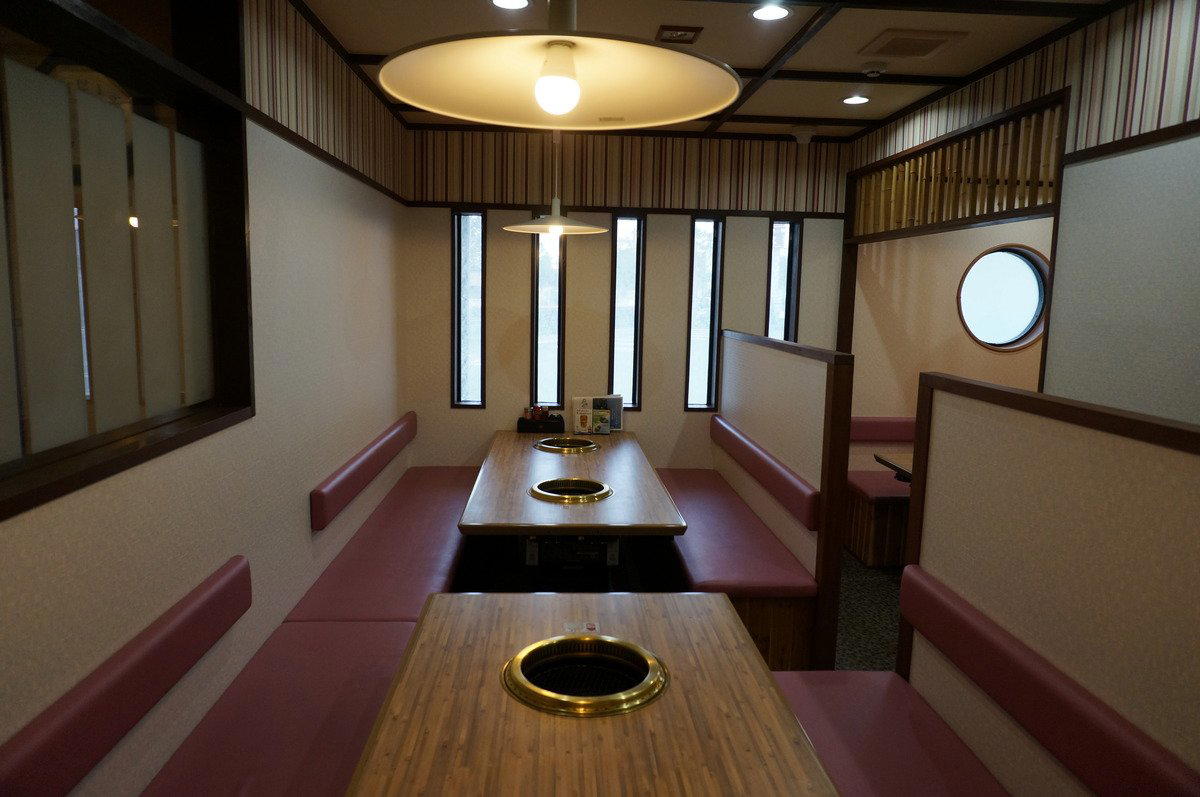
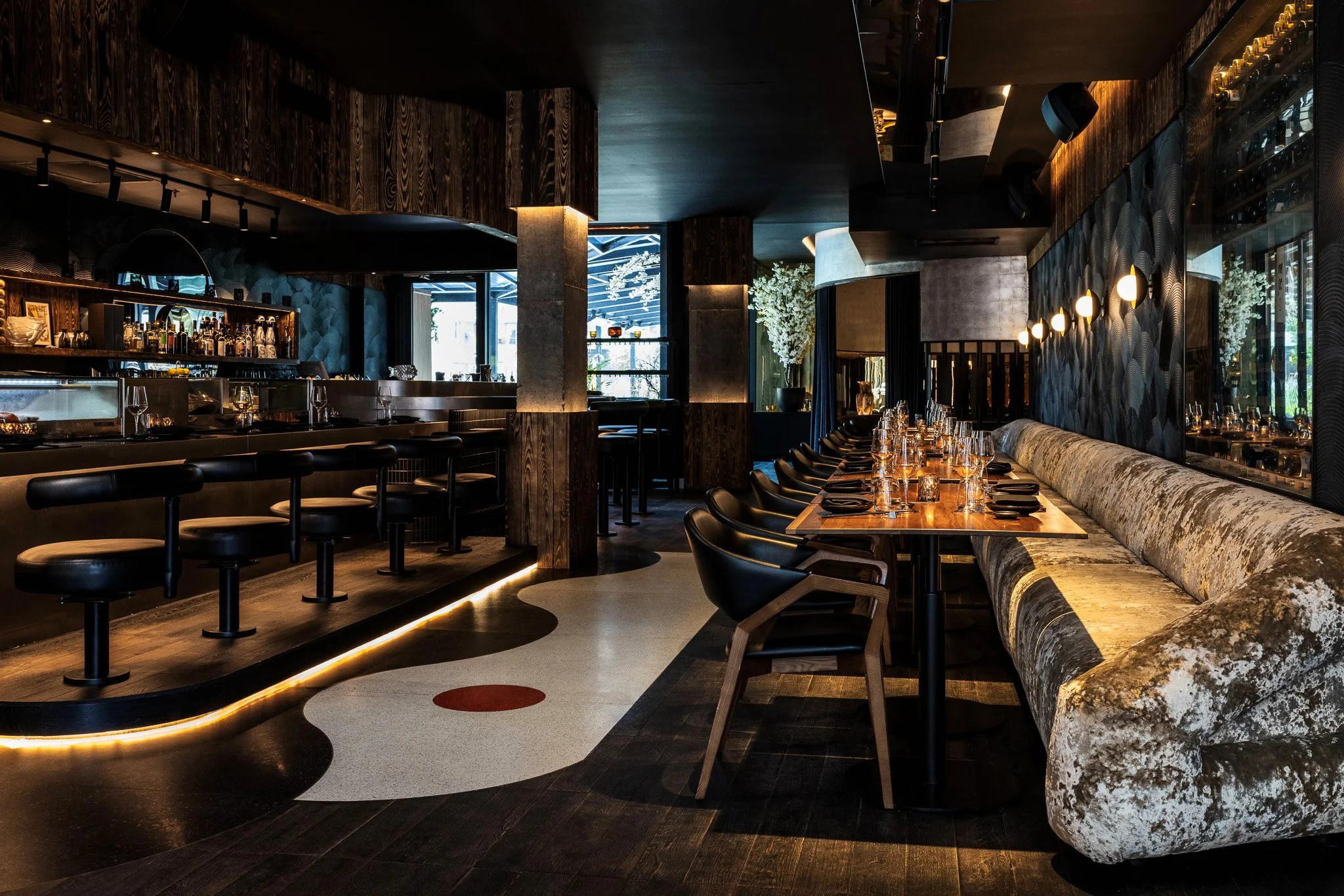
The room runs on a compact scale, with 20 seats, no private rooms, and private use available. That size matters because chicken cookery loses impact when production becomes too diffuse. A smaller dining room keeps the relationship between kitchen and table tight; it also means the experience is likely to feel closer to a neighbourhood specialist than a large-format restaurant built for tour groups.
The format suits friends more than ceremony. Matsusaka has restaurants where the occasion is the point, especially in the beef category, but chicken specialists tend to reward a different appetite: shared ordering, a relaxed pace, and enough informality that the meal can sit comfortably between lunch, dinner, and a casual night out. Tori Yuu’s non-smoking policy also changes the room for families and mixed-age groups, a practical detail that matters in small spaces.
Comparatively, the value signal is sharp. Matsusaka’s beef rooms can climb quickly, while poultry remains a more accessible way to eat with specificity rather than compromise. That does not make chicken a lesser choice. In a city where famous beef can dominate the spending plan, a recognised chicken address gives the itinerary balance and leaves room for other local meals, from Maeshima Shokudo to the broader set in our full Matsusaka restaurants guide.
How to place it in a Matsusaka itinerary
The smart use of this table is not as a substitute for Matsusaka beef but as a corrective to it. Build one meal around the city’s beef tradition, then use chicken to understand how local dining works when prestige is quieter and the cooking has to speak through timing. That contrast gives a better picture of the city than moving from one marbled-beef room to another.
Travel planning around Matsusaka also benefits from thinking beyond restaurants. The city is compact enough for food-led itineraries, but the experience changes depending on whether the stay is built around rail convenience, a ryokan-style base, or a broader Mie route. For lodging context, see our full Matsusaka hotels guide; for evening structure, our full Matsusaka bars guide maps the drinking side of the city. Wine is not the obvious lens here, but our full Matsusaka wineries guide and our full Matsusaka experiences guide help frame the wider trip.
For readers mapping Japanese casual dining more broadly, the restaurant sits in the same editorial conversation as other category-specific specialists where format is disciplined rather than ornate. That might mean beef sukiyaki at -Grilled beef Sukiyaki- KAMAKURA TANUKIAN 鎌倉 たぬき庵 in Kamakura, tuna and charcoal cooking at. 鮪と炭火焼き うお炭 秋葉原店 in Tokyo, or a tighter everyday format such as Onigiri Time in Pasadena. The common thread is not luxury signalling; it is a clear ingredient premise and a room built around doing one thing with consistency.
The verdict is simple: this is the Matsusaka meal to add when the itinerary needs poultry, smoke, and local proportion after beef. Its Tabelog 2025 Chicken Cuisine 100 selection gives it a credible national marker, while the small room and casual price tier keep the experience grounded. Travellers chasing ceremony should look elsewhere; travellers trying to understand how Matsusaka eats beyond wagyu should pay attention.
Further afield, EP Club’s Japan and diaspora dining notes include sharply defined casual formats such as.cafe in Osaka.know in Kumamoto, (Shoku) Vietnam in Kawasaki, [Curry Senmon Ten] Maruyama Kyoju. in Sapporo, and Jōdo Saké Bar in Los Angeles. They are not direct comparisons, but they make the same larger point: specificity often tells a traveller more than scale.
A Quick Peer Check
Comparable venues by cuisine and price in the same metro.
| Venue | Cuisine | Price | Notes |
|---|---|---|---|
| Tori YuuThis venue — the venue you are viewing | Japanese Chicken Yakiniku & Yakitori | $ | Not listed |
| Maeshima Shokudo | Matsusaka chicken yakiniku & Japanese grilled chicken | $ | / Okawachicho |
| Matsujirou no Mise Matsusaka honten | Honey specialty shop & ice cream | $ | Not listed |
| Tonkatsu Nozaki | Tonkatsu and Matsusaka Beef Cutlets | $$ | Nagatsuki-cho |
| 和田金 | Matsusaka Beef Japanese | Not listed | Matsusaka |
| Matsuzaka Kaizu Honten | Traditional Matsusaka beef sukiyaki & yakiniku | $$$$ | Ichibashocho / Matsusaka |
Recognition history
Dated appearances from independent guides and award organizations, with the underlying list record or original source where available.
Tabelog 100 #90 · No. 90
Tabelog · Tabelog 100 - Chicken cuisine - 2025
Continue exploring
More in Matsusaka
Restaurants in Matsusaka
Browse all →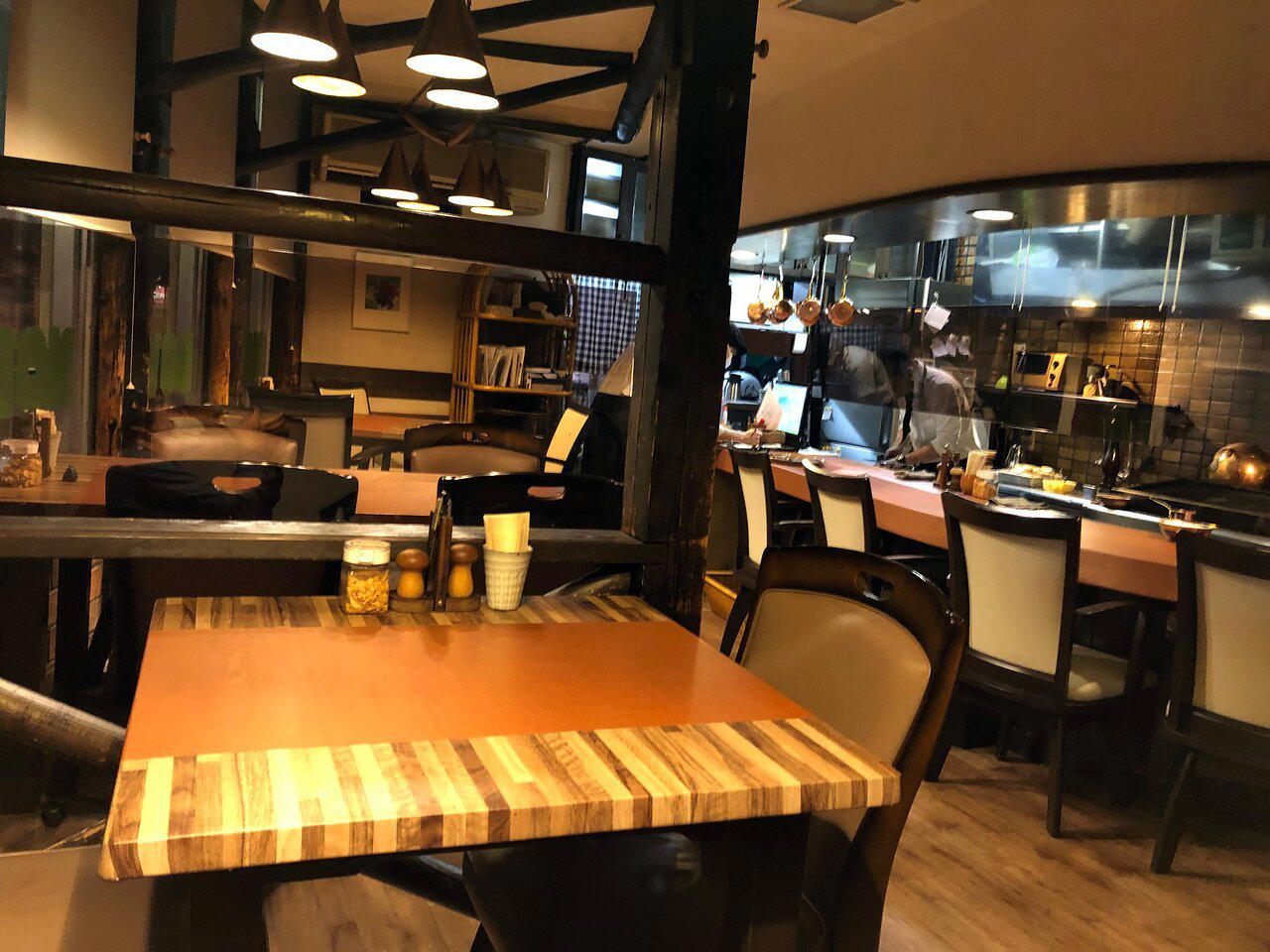
At a Glance
- Cozy
- Lively
- Rustic
- Casual Hangout
- Group Dining
- Solo
- Family
- Standalone