
Tonkatsu Nozaki gives Matsusaka a pork-cutlet counterpoint to the city’s beef-heavy dining identity. Its Tabelog Tonkatsu 100 selection in 2026 places it within Japan’s specialist katsu conversation, while the house-restaurant format keeps the experience closer to a local dining room than a destination tasting-menu room.
Pearl is the En Primeur Club membership app — saves, bookings, and concierge access live there. Same editors, same standards.
- Address
- 三重県松阪市長月町9
- Phone
- +81598239126
- Website
- tabelog.com
 Saves & bookings on Pearl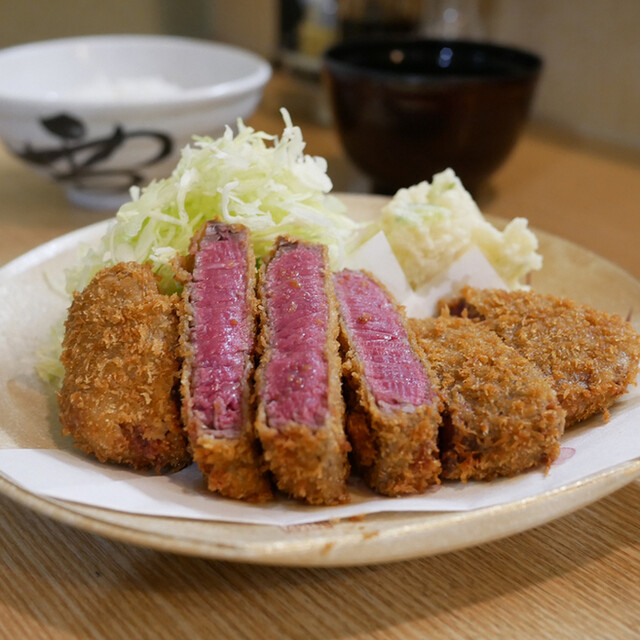
Approaching a house restaurant in Matsusaka changes the expectations before the first order is placed. This is not the theatrical Japan of hotel dining rooms or chef-counter ceremony; it is the quieter register of a regional specialist, where the room’s counter seating and tatami space point to a meal built around habit, repetition, and a narrow set of decisions. In a city whose name is more often attached to beef, Tonkatsu Nozaki works as a useful correction: Matsusaka’s serious eating is not only about marbled sukiyaki and steak, but also about the way frying, rice, cabbage, and pork can become a full regional argument.
Pork cutlet in a beef city
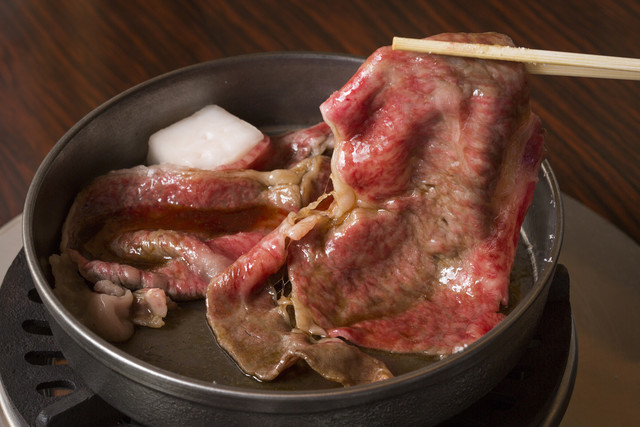
Matsusaka’s dining reputation is dominated by wagyu, and that gravitational pull is visible in the city’s serious restaurant circuit. Gyugin Honten, Issho Bin Honten, and Beef Club Noel all sit inside that beef-led conversation, with formats that make sense for a city known nationally for cattle. Tonkatsu Nozaki belongs to a different lane. Its category is tonkatsu and steak, but its recognition on the Tabelog 100 - Tonkatsu - 2026 list places the emphasis squarely on pork cutlet rather than Matsusaka’s default luxury vocabulary.
That distinction matters because tonkatsu is a craft of control rather than spectacle. The cooking depends on sourcing, thickness, breading, oil management, resting, and the timing between fryer and table. Unlike a long tasting menu, it does not have many courses in which to recover from an error. A serious tonkatsu restaurant is judged by a compact set of variables: meat quality, fat rendering, crust integrity, seasoning, rice, and the sharpness of the supporting plate. In that sense, the genre rewards restraint. It asks less of the diner’s imagination and more of the kitchen’s consistency.
The ingredient question is also why this address reads differently in Matsusaka. Beef restaurants in the city often sell provenance before technique; pork cutlet rooms have to make provenance and technique feel inseparable. The value is not merely in the cut of meat but in how it survives frying with its character intact. That is the editorial reason to pay attention here: the meal reframes a city known for beef through another protein and another form of Japanese precision.
A specialist format, not a sightseeing meal
Tonkatsu Nozaki’s repeated selection for Tabelog’s tonkatsu list, including 2017, 2018, 2019, 2021, 2022, 2024, and 2026, is the cleanest public signal of its place in the national katsu field. Tabelog’s Hyakumeiten lists tend to reward restaurants with strong category identity rather than broad luxury markers, which suits tonkatsu well. This is food culture built around specialists: pork cutlet houses, curry counters, yakitori rooms, soba shops, and eel restaurants whose reputations often exceed their footprint.
Within Matsusaka, that puts the restaurant into a useful contrast set. Maeshima Shokudo represents the city’s more casual meat-driven appetite, while Kitagawa and the beef houses speak to visitors who arrive with wagyu already in mind. The restaurant is a sharper choice for travelers who want the city without repeating the same beef narrative at every meal. It is not an alternative because beef is lacking; it is an alternative because Matsusaka’s dining culture becomes more interesting when pork cutlet is allowed into the frame.
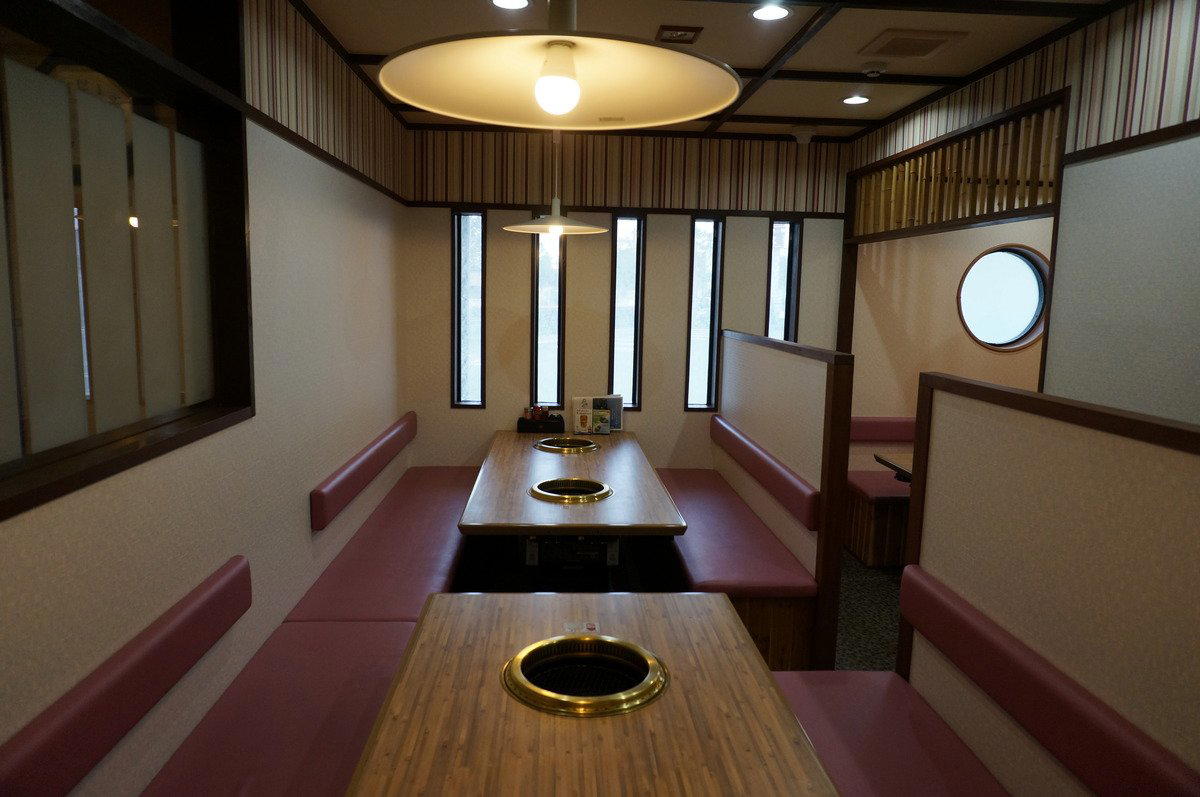
The drinks signal is modest but telling: sake and wine are listed, a pairing range that places the meal between everyday katsu comfort and a more considered dinner. Take-out is also part of the format, which reinforces the restaurant’s local utility rather than turning it into a closed dining ritual. The presence of counter seating and tatami rooms gives the experience two registers: direct and compact at the counter, more settled and social on tatami. That split says plenty about how tonkatsu functions in Japan, both as a solo meal and as a shared local habit.
How to place it in a Matsusaka itinerary
For a visitor building a food-focused stay, the smarter move is not to treat every meal as a wagyu appointment. Matsusaka rewards contrast. A beef meal at Issho Bin Honten or Beef Club Noel can carry the city’s headline reputation; a tonkatsu meal here supplies the counterpoint, especially for travelers interested in how Japanese regional cities sustain specialist restaurants outside the major tourism corridors.
There is also a broader Japan lesson in that choice. Serious dining outside Tokyo, Osaka, and Kyoto often lives in narrow formats rather than grand rooms. A traveler moving through the country can read a place through these specialists as clearly as through famous luxury restaurants: pork cutlet in Matsusaka, sukiyaki in Kamakura at -Grilled beef Sukiyaki- KAMAKURA TANUKIAN 鎌倉 たぬき庵 in Kamakura, charcoal and tuna formats such as. 鮪と炭火焼き うお炭 秋葉原店 in Tokyo, or small-format urban stops like.cafe in Osaka.know in Kumamoto, (Shoku) Vietnam in Kawasaki, and [Curry Senmon Ten] Maruyama Kyoju. in Sapporo. Even outside Japan, compact category focus travels well, as seen at Jōdo Saké Bar in Los Angeles and Onigiri Time in Pasadena.
Used this way, the restaurant is not simply a place to eat pork cutlet. It is a way to keep a Matsusaka itinerary from flattening into a single-ingredient trip. For more context across the city, see Our full Matsusaka restaurants guide, plus the companion guides to Our full Matsusaka hotels guide, Our full Matsusaka bars guide, Our full Matsusaka wineries guide, and Our full Matsusaka experiences guide. The restaurant’s appeal is clearest for diners who already understand the city’s beef fame and want the meal that complicates it.
Side-by-Side Snapshot
Comparable venues by cuisine and price in the same metro.
| Venue | Cuisine | Price | Notes |
|---|---|---|---|
| Tonkatsu NozakiThis venue — the venue you are viewing | Tonkatsu and Matsusaka Beef Cutlets | $$ | Not listed |
| Tori Yuu | Japanese Chicken Yakiniku & Yakitori | $ | / Matsusaka |
| Maeshima Shokudo | Matsusaka chicken yakiniku & Japanese grilled chicken | $ | / Okawachicho |
| Issho Bin Honten | Matsusaka Beef Yakiniku | $$$ | : Matsusaka |
| Gyugin Honten | Matsusaka beef sukiyaki & hotpot | $$$$ | Uomachi |
| 和田金 | Matsusaka Beef Japanese | Not listed | Matsusaka |
Recognition history
Dated appearances from independent guides and award organizations, with the underlying list record or original source where available.
Tabelog 100 #92 · No. 92
Tabelog · Tabelog 100 - Tonkatsu - 2026
Continue exploring
More in Matsusaka
Restaurants in Matsusaka
Browse all →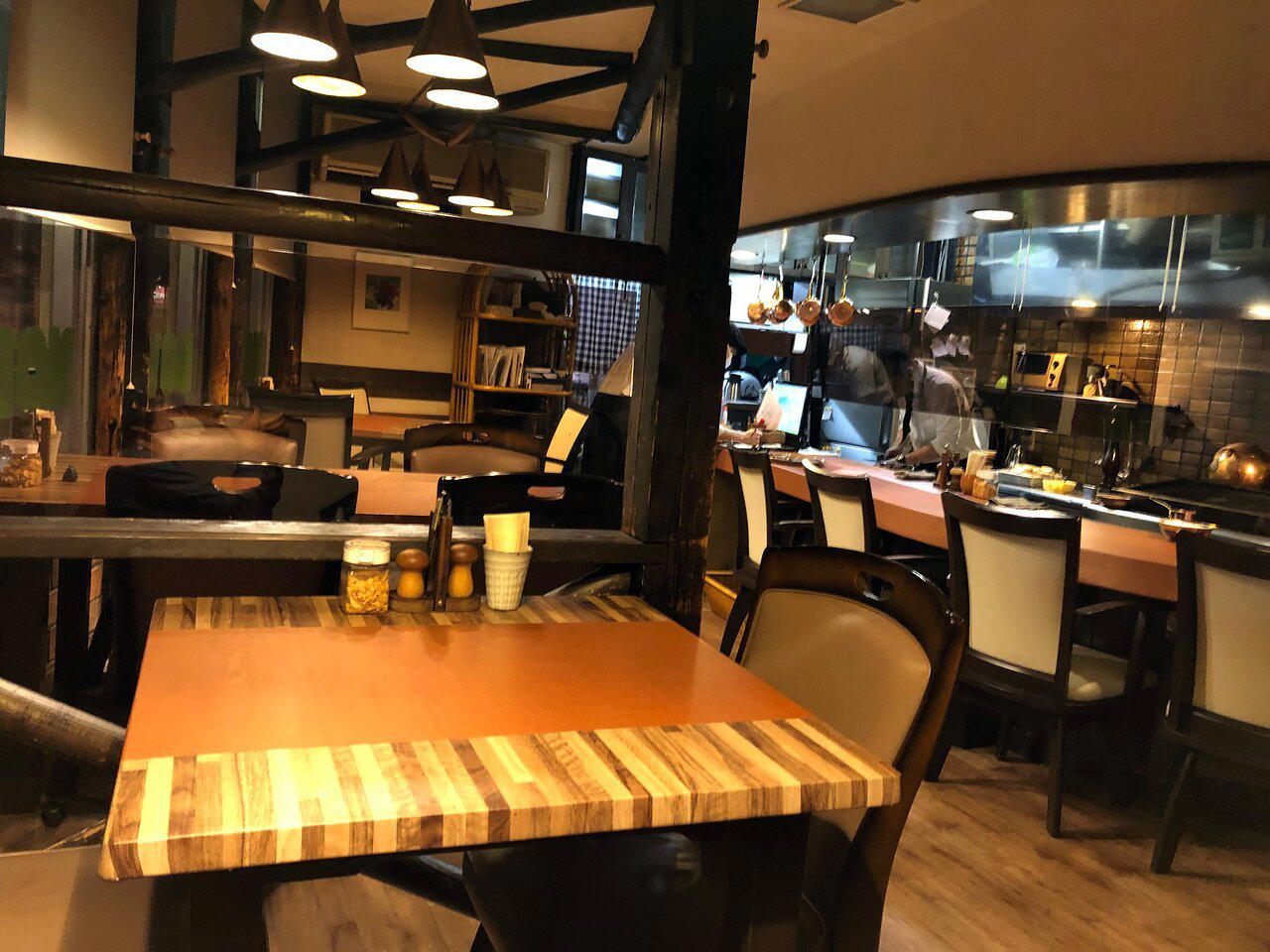
At a Glance
- Classic
- Cozy
- Rustic
- Casual Hangout
- Group Dining
- Solo
- Family
- After Work
- Standalone
- Sake Program
A classic, low-key house-restaurant with counter seats and tatami rooms, creating a cozy, neighborhood feel that focuses on expertly fried cutlets rather than design frills.