
Tori Manma puts Ube’s chicken cooking in a practical, drink-led izakaya frame rather than a luxury tasting-menu one. Its 2025 Tabelog 100 selection for chicken cuisine, 27-seat layout, counter and tatami options, and mid-range dinner pricing make it a useful read on how regional Japanese poultry restaurants compete on sourcing, format, and repeat local use.
Pearl is the En Primeur Club membership app — saves, bookings, and concierge access live there. Same editors, same standards.
- Address
- 山口県宇部市新町8-29 エースハイツ 1F
- Phone
- +81836211710
- Website
- torimanma.com
 Saves & bookings on Pearl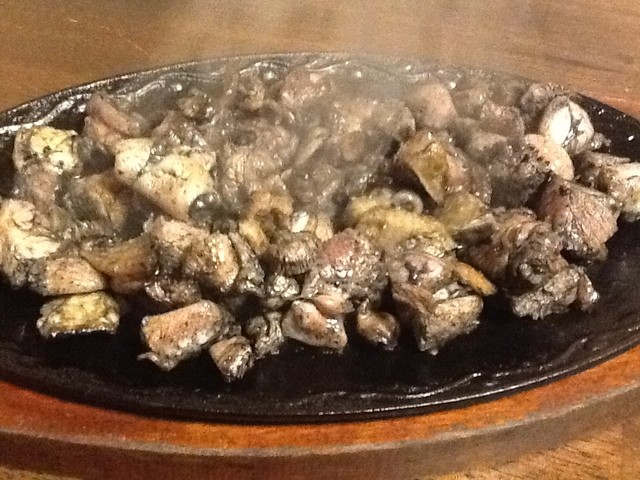
Approaching a small chicken-focused izakaya in Ube differs from arriving at a destination counter in Tokyo or Kyoto. The signal is not ceremony but a neighborhood room built for repeat use, with counter seats, tables, tatami space, and a drinks list that treats sake, shochu, wine, and cocktails as part of the meal. Here, chicken has to carry the evening: not wagyu, imported luxury seafood, or a chef’s tasting script, but the everyday bird handled with enough range to justify dinner.
That is the context for Tori Manma, a Yamaguchi restaurant selected for the 2025 Tabelog 100 in chicken cuisine. The award matters because Japan’s poultry cooking is broad: yakitori counters, oyako-don specialists, regional hot-pot houses, izakaya kitchens, and hybrid formats all compete inside the same loose category. In this field, judgment rests less on spectacle than on understanding cut, heat, sauce, rice, broth, and drinking tempo.
Chicken as the main argument, not a supporting dish
Chicken restaurants in Japan reveal seriousness through range. A narrow yakitori counter can focus on skewer sequence and charcoal control; an izakaya-leaning room must manage a wider brief, from grilled preparations to rice dishes and shared plates. Tori Manma is listed across chicken dishes, izakaya, and oyako-don, placing it in the second camp. For travelers, the meal is not only about one technique but how poultry moves from snack to centerpiece, and from individual order to group table.
The ingredient angle is simple but consequential: chicken is unforgiving when it anchors the menu. Texture, seasoning, and heat have less margin for error than richer red meat, and oyako-don depends on the relationship between egg, rice, stock, and chicken rather than visual drama. In Yamaguchi, where dining is less internationally amplified than in larger Japanese cities, a nationally recognized poultry specialist points to a quieter regional strength.
Ube’s restaurant scene rewards practicality. The city is not built around the inbound fine-dining traffic of Kyoto, Osaka, or Tokyo, so restaurants that gain attention often keep serving local habits: family meals, after-work drinking, small groups, and regulars who know the difference between a place that merely serves chicken and one that can sustain an evening around it. For a broader scan, Our full Ube restaurants guide is the better starting point; this address belongs to local dining rooms where format and sourcing discipline matter more than theatrical plating.
Where it sits in Ube's price and format map
The useful Ube comparison is not abstract luxury versus casual dining, but how much structure a meal imposes. maison owl sits far higher at dinner, JPY 50,000 to JPY 59,999, a different decision for serious dining itineraries. Yakitori Nishimura, listed at JPY 8,000 to JPY 9,999, reads closer in poultry logic but higher in spend. Tori Manma’s dinner range of JPY 5,000 to JPY 5,999 puts it in the middle: substantial enough for a planned meal, not so formal that the evening becomes single-purpose.
That middle position matters. Ube has polished, higher-spend restaurants, but its stronger everyday meals often sit in formats that absorb different uses. A 27-seat room with counter, table, and tatami seating gives flexible social grammar. Counter seats suit solo diners or pairs watching kitchen pace; tables suit drinks and shared plates; tatami space supports family or group meals that would feel constrained at a strict counter. Private-room availability for 10 to 20 people reinforces the point: this is poultry cooking for more than a narrow connoisseur audience.
For a wider Ube stay, adjacent planning matters more than one dinner choice. Our full Ube hotels guide helps with base selection, while Our full Ube bars guide, Our full Ube wineries guide, and Our full Ube experiences guide frame the city beyond the restaurant table. Within that frame, Tori Manma is less a trophy booking than a grounded look at regional Japanese chicken cuisine embedded in local dining life.
A regional izakaya decision with national-list evidence
Tabelog’s 2025 chicken-cuisine selection gives a clear trust signal, but the practical reading is stronger. This is not a Michelin-style tasting room where chef biography does the meal’s work. The evidence sits in category, price, seating, and format. Opened in 2003, the restaurant has run long enough to answer local demand rather than novelty. Its non-smoking policy, child-friendly listing, take-out availability, and payment options widen the audience without diluting the poultry focus.
Travelers comparing Japanese dining formats should separate this meal from luxury counter dining and generic izakaya grazing. The former often asks surrender to a sequence; the latter can drift into menu sprawl. Here, the clearer bet is a chicken-led izakaya dinner with enough structure to justify a planned Ube stop. Nearby listings such as アンコーラ and エヌ トロワ show the local field’s variety, but this restaurant’s poultry recognition gives it a sharper editorial identity.
Japan’s regional restaurant map explains why this matters. Many travelers read the country through major-city shorthand: sushi in Ginza, kaiseki in Kyoto, ramen in Fukuoka, cocktail bars in Tokyo. More interesting itineraries often come from smaller cities where narrow specialization survives because locals use it. It helps to compare formats rather than status alone: -Grilled beef Sukiyaki- KAMAKURA TANUKIAN 鎌倉 たぬき庵 in Kamakura speaks to beef ritual. 鮪と炭火焼き うお炭 秋葉原店 in Tokyo to tuna and charcoal.cafe in Osaka to urban café culture.know in Kumamoto to contemporary regional dining, (Shoku) Vietnam in Kawasaki to Vietnamese cooking in Japan, [Curry Senmon Ten] Maruyama Kyoju. in Sapporo to curry specialization, and [ki:] in Kyoto to Kyoto’s smaller-format dining culture. Outside Japan, Jōdo Saké Bar in Los Angeles and Onigiri Time in Pasadena show how Japanese drinking and rice-based formats translate abroad, but the Ube version is more revealing because it is rooted in routine rather than export aesthetics.
The editorial call is clear: choose the restaurant when the evening’s point is chicken as a regional Japanese specialty, not a luxury performance. The value sits at the intersection of award recognition, local usability, and a format that can handle counters, groups, and family meals without abandoning its central ingredient.
Comparable Spots, Quickly
Comparable venues by cuisine and price in the same metro.
| Venue | Cuisine | Price | Notes |
|---|---|---|---|
| Tori Manma | Chicken-focused Japanese Izakaya & Yakitori | $$ | Ube |
| アンコーラ | Italian Pizza and Pasta | $$ | Kusae |
| エヌ トロワ | Modern French with Local Ingredients | $$$ | 西岐波 |
| Yakitori Nishimura | Yakitori & Wine (Kyoto Takasaka Chicken) | $$$ | Ube |
| COCO'S | Japanese Family Restaurant | $$ | 文京町 |
| maison owl | Architectural French fine dining with wine-paired seasonal tasting menus | $$$$ | Nakaube |
Recognition history
Dated appearances from independent guides and award organizations, with the underlying list record or original source where available.
Tabelog 100 #56 · No. 56
Tabelog · Tabelog 100 - Chicken cuisine - 2025
Continue exploring
More in Ube
Restaurants in Ube
Browse all →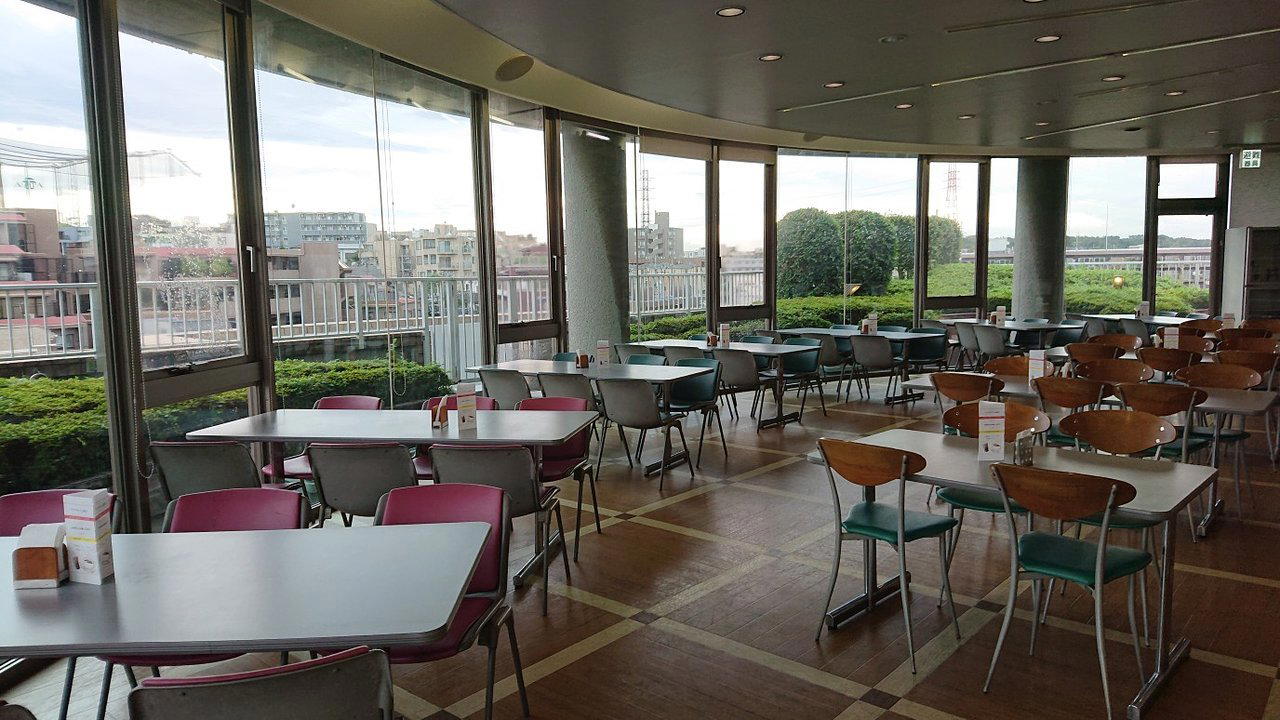
At a Glance
- Lively
- Cozy
- Classic
- After Work
- Group Dining
- Casual Hangout
- Late Night
- Solo
- Standalone
- Sake Program
- Beer Program
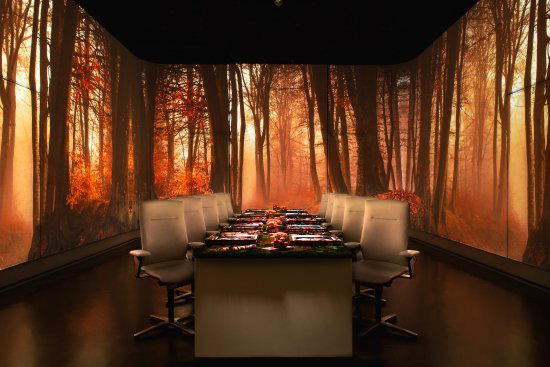
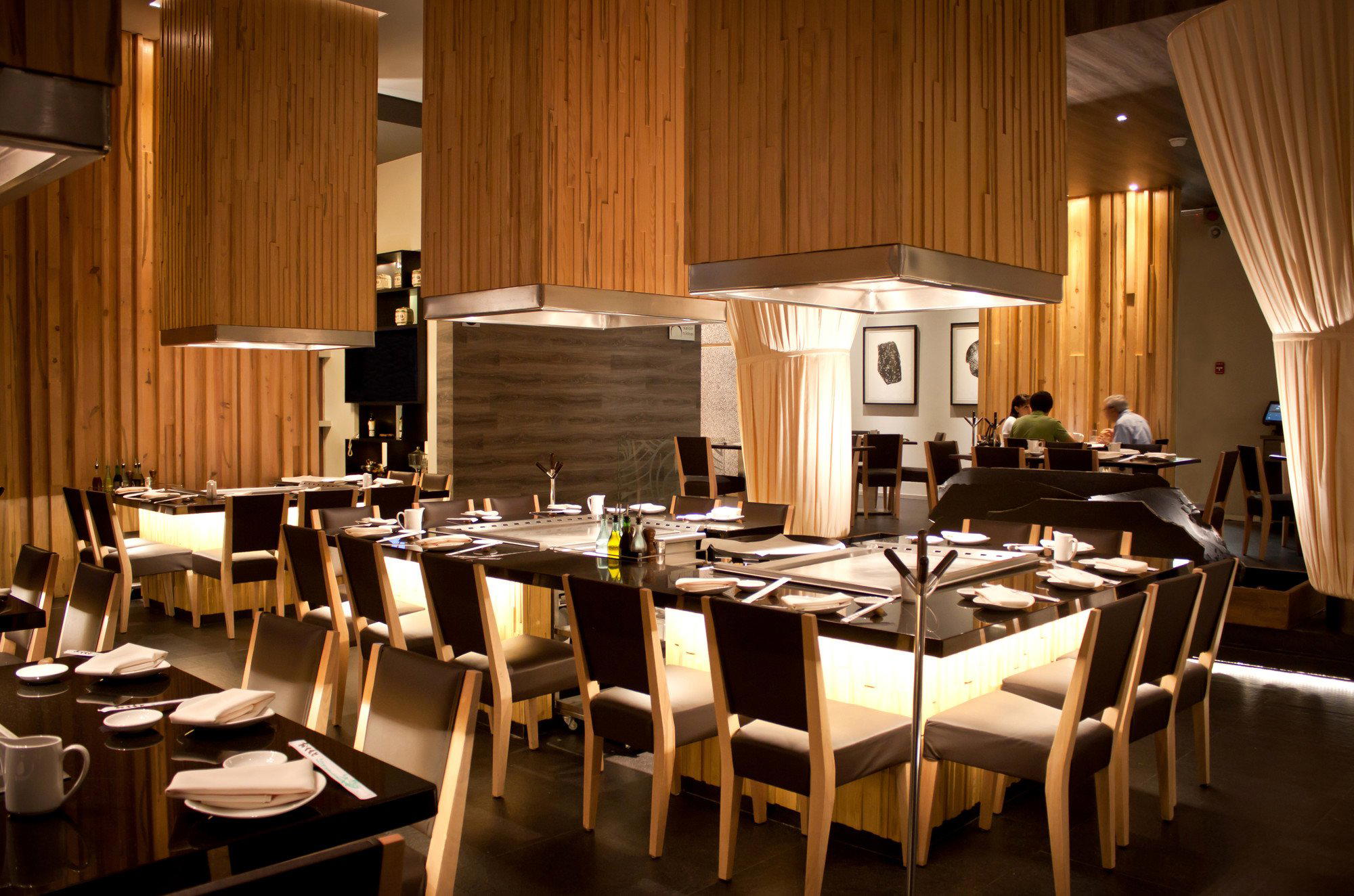
Traditional neighborhood izakaya atmosphere with a cozy, casual feel, lively in the evenings as guests share charcoal-grilled chicken and hot pot dishes over drinks.