
Tabelog 100 #2
Our verdict
Tori Ki Kamata ten belongs to Tokyo’s chicken-specialist tradition rather than the luxury omakase circuit: yakitori, chicken dishes, and mizutaki in a 44-seat room with counter seating and tatami space. Its selection for Tabelog 100 - Chicken cuisine - 2025 gives it a clear quality signal in a category where craft, thrift, and whole-bird cooking matter more than ceremony.

Pearl is the En Primeur Club membership app, where members save venues, book tables and use the concierge.
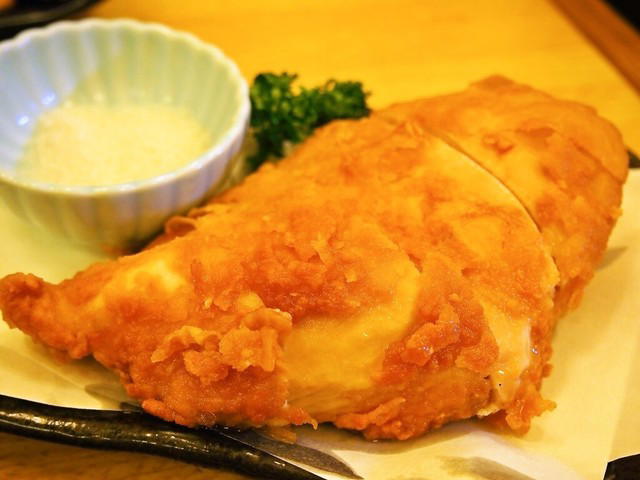
The menu
What to order
- Yakitori skewers
- Chicken dishes
- Mizutaki hotpot
Tokyo’s dining rhythm can be practical, city-based, and built for regulars who know what they want after work. Here, chicken cookery means more than yakitori as a grill format; it is portioning, heat control, and waste discipline, where the bird’s value depends on how many parts a kitchen can use confidently. Tori Ki Kamata ten fits that Tokyo lineage: chicken dishes, yakitori, and mizutaki under one roof.
The sustainability story is not imported luxury or farm-brand theatre. In Japanese chicken cuisine, economy has long been craft. Skewers turn small cuts into a sequence; hot pot gives the carcass, broth, and shared table their role; drinking culture stays close to the food rather than making pairings a separate performance. That is why a chicken specialist in Tokyo can matter to the city’s dining fabric as much as other dining rooms elsewhere in the city.
Tokyo chicken cookery, read through a city lens
Tokyo yakitori culture has several registers: chef-led counters where pacing dominates; local grills paced by the after-work crowd; and broader chicken restaurants combining grilled skewers with simmered or shared formats. Tori Ki Kamata ten sits in that wider field, often more revealing than the prestige end. It shows how chicken can anchor a full evening without elaborate plating or imported ingredients.
The Tabelog 100 - Chicken cuisine - 2025 selection matters because the category is crowded and highly local. A 3.59 Tabelog score puts the restaurant in a serious bracket for a Tokyo chicken specialist, especially in a city where small rating differences can signal a loyal, repeat audience. The award is not a Michelin-style international badge but a domestic recognition mechanism rooted in Japanese dining behaviour. For travellers, that distinction points to a place Tokyo diners track within a specific genre, not a room designed for global restaurant tourism.
Tokyo also changes expectations. This is a working city with dense local dining culture, not only a stage set for destination dining. Alongside Tokyo venues such as Grill Suzukou, HIIKI, and Maruyama Shokudo, this reads less as a generic quick stop and more as a chicken-focused evening room. Mi Rei adds contrast: Tokyo dining categories do not always map neatly to editorial importance, and category strength can matter as much as spend.
Why yakitori's low-waste logic still feels current
Restaurant environmental consciousness is often discussed through sourcing labels, but yakitori has long carried direct resource discipline. The format rewards kitchens that understand variance: different cuts, skin, offal, wings, and stock-making can all belong to one culinary economy, even when menus do not list every part in English. Mizutaki adds another layer. As a chicken hot pot tradition, it centres broth and shared eating, making the bird’s structure part of the meal rather than a by-product problem.
That is the broader lesson of restaurants like this in Tokyo. Sustainability can look less like a manifesto than a cuisine designed to waste little because waste was never the point. Chicken specialists can make production modestly visible, while shared dishes preserve a social grammar that suits the category. The editorial centre remains chicken cookery rather than a standalone performance around luxury or design.
There is also a useful correction for visitors who equate Tokyo dining with sushi counters or ramen queues. Chicken cuisine occupies a deep middle ground: accessible, technique-heavy, and resistant to easy translation. It can be casual in service while still demanding real kitchen judgement. This is not necessarily a cloistered tasting-menu environment; it is better understood as an urban room built around heat, broth, and repeated orders.
How to place it in a Tokyo itinerary
For an EP Club reader, Tori Ki Kamata ten is not about luxury signalling but category literacy. Tokyo’s restaurant culture becomes richer once chicken cuisine is treated as its own field rather than a backup between sushi and tempura. Its Tabelog 100 recognition and clear identity across chicken dishes, yakitori, and mizutaki make it legible for visitors, while the Tokyo setting keeps the context rooted in everyday dining rather than hotel-district convenience.
Readers building a wider Tokyo food map can use this as the chicken-cuisine anchor, then compare across genres through Our full Tokyo restaurants guide. Category-adjacent browsing can stay broad: look for other Tokyo dining rooms that show how the city moves between skewers, grilled dishes, casual meals, and specialist counters. For planning beyond dinner, the city guides for Tokyo hotels, Tokyo bars, Tokyo wineries, and Tokyo experiences help separate logistics from the meal.
Japan-wide comparisons sharpen the point. Other shared-table traditions, casual counters, cafe formats, curry specialists, and regional dining rooms all show how Japanese restaurant categories resist a single national shorthand. Abroad, Japanese food culture can change again when removed from the everyday systems that shaped it. Tori Ki Kamata ten is therefore best read from inside Tokyo’s own chicken-cuisine vocabulary rather than as a generic exportable idea.
The editorial read is clear: this is a Tokyo chicken specialist with enough recognition to justify making it part of a focused food itinerary, especially for travellers who care about the mechanics of a cuisine rather than only its luxury tier. Think not “special occasion restaurant” but “category-defining local format”: grill, hot pot, a shared room, and the old efficiency of chicken cookery as a complete meal.
Cost and Credentials
Comparable venues at the same tier for side-by-side context.
| Venue | Cuisine | Price | Awards | Notes |
|---|---|---|---|---|
| Tori Ki Kamata tenThis venue (the venue you are viewing) | Traditional Yakitori & Chicken Hotpot Izakaya | $20–30 | Tabelog 100 #2 | Not listed |
| Kayanoya (茅乃舎) | Japanese Regional Cuisine and Dashi | $10–20 | Not listed | Roppongi, Dashi Oden Japanese |
| 甚六 | Shinjuku Private Room Izakaya | Not listed | Not listed | Shibuya, Shinjuku Private Room Izakaya |
| Okonomiyaki Imari Ebisu | Okonomiyaki & Teppanyaki Izakaya | $30–50 | Tabelog 100 #18 | Shibuya, Okonomiyaki & Teppanyaki Izakaya |
| HIGASHIYA man | Traditional Japanese wagashi & manju shop | $10–20 | Tabelog 100 #83 | Minato, Traditional Japanese wagashi & manju shop |
| Tachibana | Traditional Japanese Wagashi Shop | $20–30 | Tabelog 100 #17 | Chūō, Traditional Japanese Wagashi Shop |
Recognition history
Dated appearances from independent guides and award organizations, with the underlying list record or original source where available.
Tabelog 100 #2 · No. 2
Tabelog · Tabelog 100 - Chicken cuisine - 2025
Continue exploring
More in Tokyo
Restaurants in Tokyo
All restaurants in Tokyo →
Bars in Tokyo
All bars in Tokyo →

Details
- Cozy
- Lively
- Classic
- After Work
- Casual Hangout
- Group Dining
- Solo
- Late Night
- Standalone
- Chefs Counter
- Sake Program
- Beer Program
- A La Carte
- Counter Dining
- Small Plates
- Sake
- Beer
Current opening hours
- Monday
- 5–11 PM
- Tuesday
- 5–11 PM
- Wednesday
- 5–11 PM
- Thursday
- 5–11 PM
- Friday
- 5–11 PM
- Saturday
- 5–11 PM
- Sunday
- Closed
Hours can change for holidays and private events. Hours as of .
A compact, classic Japanese yakitori shop with counter-focused seating, warm lighting, and a relaxed but lively izakaya atmosphere typical of a neighborhood low-profile address near the station.