
White Guide Sweden Restaurants - Fine Level
Our verdict
TorgEtt sits in Vemdalsskalet, the compact resort village that anchors Sweden's Härjedalen mountain district. Dining here lands at the intersection of alpine pragmatism and New Nordic sourcing instincts, where proximity to reindeer pasture, mountain forage, and cold-water fish shapes the plate more than any imported tradition. For visitors arriving after a day on the slopes, it offers a considered alternative to the resort canteen default.

Pearl is the En Primeur Club membership app, where members save venues, book tables and use the concierge.
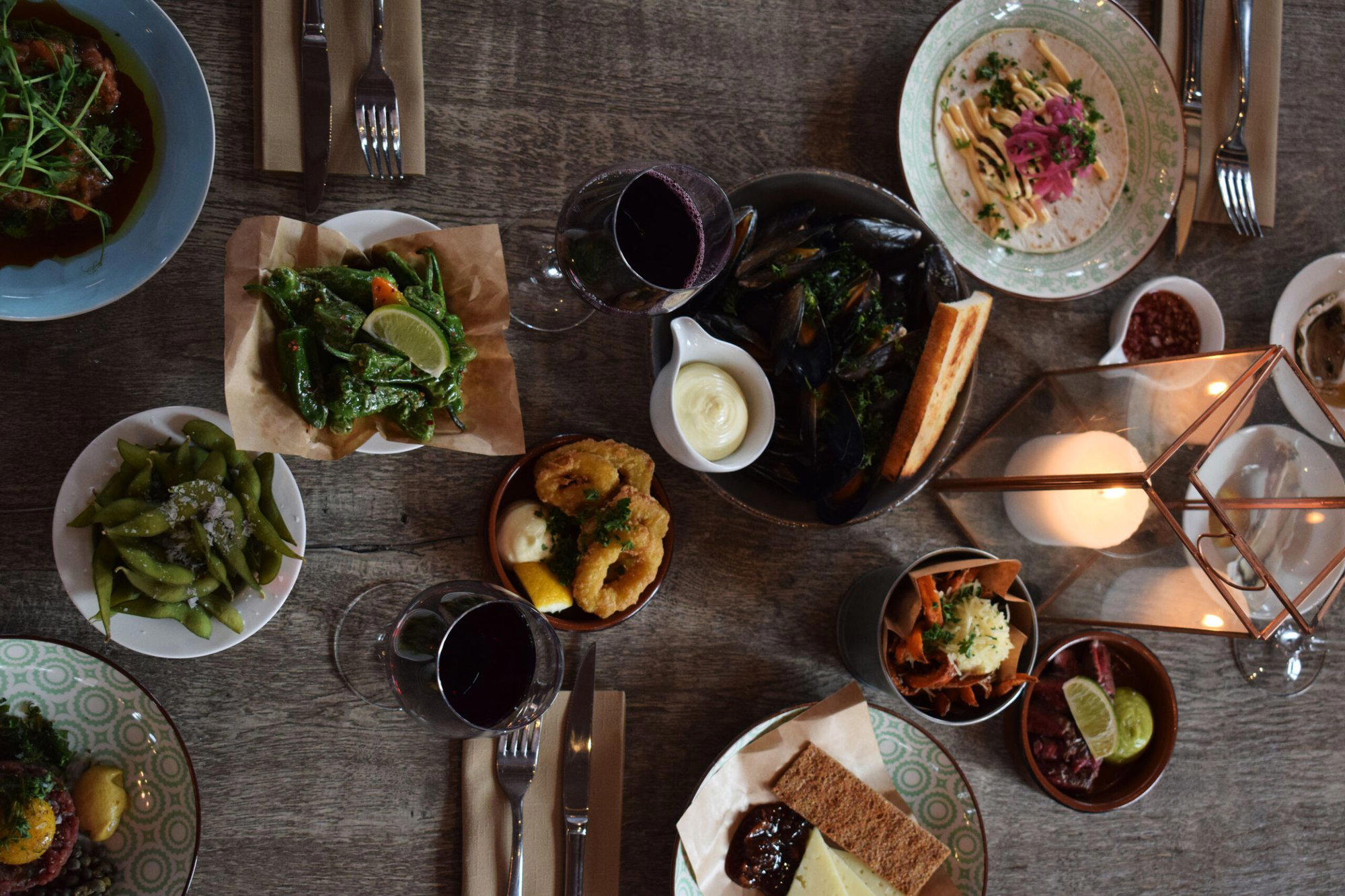
Eating at Altitude: The Sourcing Logic of Vemdalen's Table
Sweden's mountain corridor, the arc of fell and forest running through Härjedalen and Jämtland, has its own food logic, and it differs materially from what urban New Nordic kitchens in Stockholm or Malmö produce. The distance from a central market, the severity of the winters, and the particular ecology of sub-alpine terrain mean that what lands on the plate in a place like Vemdalsskalet is shaped first by geography, then by season, and only afterwards by culinary trend. TorgEtt, addressed at Vemdalsskalet Nya landsvägen 42 in the village that forms the social hub of the Vemdalen ski area, operates inside that logic. The context here is not a metropolitan fine-dining corridor of the kind you find at Frantzén in Stockholm or Vollmers in Malmö. It is a resort village of a few hundred permanent residents that swells dramatically during ski season, and the restaurants that sustain themselves across that cycle tend to anchor to what the surrounding landscape reliably produces.
Härjedalen sits at roughly the same latitude as southern Alaska. That fact alone does considerable editorial work. Reindeer graze on open fell above the treeline. Cold, clear rivers carry char and trout. The forest floor in the brief but intense summer months yields cloudberries, chanterelles, and a range of foraged material that disappears almost as quickly as it arrives. Kitchens in this region that take sourcing seriously work with a supplier network that is genuinely local in a way that many restaurants using the word cannot claim, not imported from a national wholesaler, but drawn from the immediate radius of farms and forest that surround the village. That proximity is not a marketing position; it is a practical reality of being this far from a major distribution hub.
The Setting at Vemdalsskalet
Vemdalsskalet is the purpose-built resort cluster within the broader Vemdalen area, and its atmosphere follows the rhythm of the mountain season. In the depths of winter, when the Scandinavian dark closes in early and the snowpack is metres deep, the village operates at full capacity, lift queues, après-ski rhythm, and the particular social intensity of a place where everyone has been cold and physical for most of the day. TorgEtt sits within that ecosystem, and the physical approach to it carries the textural cues of a Scandinavian mountain settlement: timber, low light, and the smell of cold air meeting warm interiors. The transition from outside to inside in this climate is not incidental; it is part of how a meal begins, the contrast between the fell and the table working in a way that no urban dining room can replicate.
Here, the venue receives guests who have arrived for the mountain and are looking for a meal that matches the character of the place. That is a different kind of brief, and kitchens that execute it well tend to favour directness over elaboration: ingredients with clear provenance, preparations that let the source material speak, and a format that suits people who have been outdoors for six or eight hours.
Where Nordic Mountain Kitchens Fit in Sweden's Restaurant Conversation
Sweden's most decorated restaurant addresses cluster in the south and along the west coast. The Michelin map for the country is weighted toward Stockholm, Gothenburg, and Malmö, with individual exceptions pushing into smaller cities, 28+ in Gothenburg, ÄNG in Tvååker, Knystaforsen in Rydöbruk, PM & Vänner in Växjö. The far north and the mountain interior produce a different category of serious eating: not award-circuit restaurants, but places shaped by what their geography demands and what their seasonal visitor base sustains. Camp Ripan in Kiruna is the clearest example of a mountain-north venue that has built a food identity grounded in Sami culinary tradition and sub-arctic sourcing. Vemdalen, sitting well south of the Arctic Circle but deep into mountain terrain, occupies a similar conceptual position, a place where the food conversation is defined by the fell and the forest, not by metropolitan trend cycles.
Compared to the coastal Nordic creative kitchens or the urban tasting-menu addresses, mountain-region restaurants like those in the Vemdalen area operate with different constraints and different strengths. The constraints are obvious: limited supply chains, short growing seasons, a visitor base that turns over rapidly. The strengths are less commonly articulated: direct access to some of Sweden's most distinctive primary ingredients, a clientele that arrives with an appetite sharpened by physical activity, and an absence of the competitive pressure to signal sophistication through technical complexity. Some of the most direct, ingredient-honest cooking in Scandinavia happens in places that never appear on a Michelin list. That is a useful frame for approaching a venue like TorgEtt.
Planning a Visit to Vemdalen
Vemdalen is a drive destination. The nearest major city is Östersund, roughly 150 kilometres to the north-west, and the area is most naturally reached by car from central Sweden, a journey of around four to five hours from Stockholm depending on the route. The ski season runs from approximately late November through April, and the village operates at its fullest capacity during Swedish school holiday periods: Christmas, the February sportlov break, and Easter. Visiting outside peak weeks means a quieter village and, in some cases, more attentive service, though it also means verifying that specific venues are operating on their full schedule. The brief summer period, when hiking replaces skiing, brings a different visitor profile and a sourcing calendar that shifts entirely toward fresh forage and river fish. For context on the broader Vemdalen dining and hospitality scene, see our full Vemdalen restaurants guide.
Those comparing mountain resort dining more broadly across Sweden's hospitality range will find useful reference points in venues operating at different price tiers and formats: Adrian Restaurang in Borås, Brasserie Park in Jönköping, Enoteket in Norrköping, Lilla Bjers in Visby, John's Place in Varberg, and Veto in Örebro each represent different regional Swedish dining registers. For those arriving from international markets with reference points in destination fine dining, Le Bernardin in New York City and Atomix in New York City illustrate the opposite pole of the spectrum, tightly controlled tasting formats built for maximum critical scrutiny. Vemdalen is not that, and does not try to be. Its value proposition is geographic specificity and the particular pleasure of eating well in a place that is genuinely remote.
Frequently asked questions
Does TorgEtt work for a family meal?
Vemdalsskalet is a resort destination built around seasonal mountain activity, and the dining venues in the cluster generally serve a broad guest mix that includes families. TorgEtt sits at Nya landsvägen 42 within that resort core, making it accessible without a separate drive.
What is the atmosphere like at TorgEtt?
Vemdalsskalet operates on the rhythm of the mountain season, busiest during winter ski periods and the summer fell-walking months, quieter in the shoulder gaps between. TorgEtt occupies that resort context at Nya landsvägen 42, which typically means a relaxed, post-mountain energy rather than formal dining-room protocol. The fell-country setting shapes the tone as much as the interior does.
What should I order at TorgEtt?
Sweden's mountain corridor, covering Härjedalen and Jämtland, has a distinct sourcing logic built around reindeer, game, freshwater fish, and foraged produce from the surrounding fell environment. Venues in this region tend to reflect that larder rather than importing a southern Swedish restaurant template.
Comparison Snapshot
Comparable venues nearby, for context on price, style, and recognition.
| Venue | Cuisine | Price | Awards | Notes |
|---|---|---|---|---|
| TorgEttThis venue (the venue you are viewing) | Modern Swedish Fine Dining | $50–100 | White Guide Sweden Restaurants - Fine Level | Not listed |
| Skoogs Krog & Logi | Swedish Bistro | Not listed | Star Wine List · White Guide Sweden Restaurants - Masters Level | Funäsdalen |
| Jazzköket | Modern Swedish Bistro | Not listed | Not listed | city center |
| Fryksås Hotell & Gestgifveri | Swedish Fine Dining with Local Ingredients | $50–100 | Star Wine List | Fryksås |
| Icehotel Restaurant | Modern Swedish Fine Dining with Ice Presentation | Not listed | White Guide Sweden Restaurants - Very Fine Level | Jukkasjarvi |
| Nästgårds Bua | Seasonal Nordic small plates & wine bar | $30–50 | Falstaff Wine Bar - Listed · White Guide Sweden Restaurants - Very Fine Level | City Center |
Recognition history
Dated appearances from independent guides and award organizations, with the underlying list record or original source where available.
White Guide Sweden Restaurants - Fine Level
White Guide
Details
- Cozy
- Elegant
- Rustic
- Date Night
- Special Occasion
- Open Kitchen
- Extensive Wine List
- Local Sourcing
- Mountain
- Street Scene
- A La Carte
- Small Plates
Current opening hours
- Monday
- 5–9 PM
- Tuesday
- 5–9 PM
- Wednesday
- 5–9 PM
- Thursday
- 5–9 PM
- Friday
- 5–9 PM
- Saturday
- 5–9 PM
- Sunday
- 5–9 PM
Hours can change for holidays and private events. Last verified .
Warm mountain atmosphere enhanced by an open fireplace.