Icehotel Restaurant

White Guide Sweden Restaurants - Very Fine Level
Our verdict
Dining inside the Icehotel at Jukkasjärvi means eating in a room carved from the frozen Torne River, where sub-zero temperatures shape every element of the experience, from glassware to plate temperature. The kitchen draws on Arctic Lapland's short-season ingredients, positioning it among Sweden's most geographically specific dining formats. It is a long way from Stockholm's fine-dining corridor, and deliberately so.

Pearl is the En Primeur Club membership app — saves, bookings, and concierge access live there. Same editors, same standards.
- Address
- Marknadsvägen, Jukkasjärvi
- Directions
- Get directions
The menu
What to order
- Reindeer_filet
- Ice_menu
When the Room Is Made of River
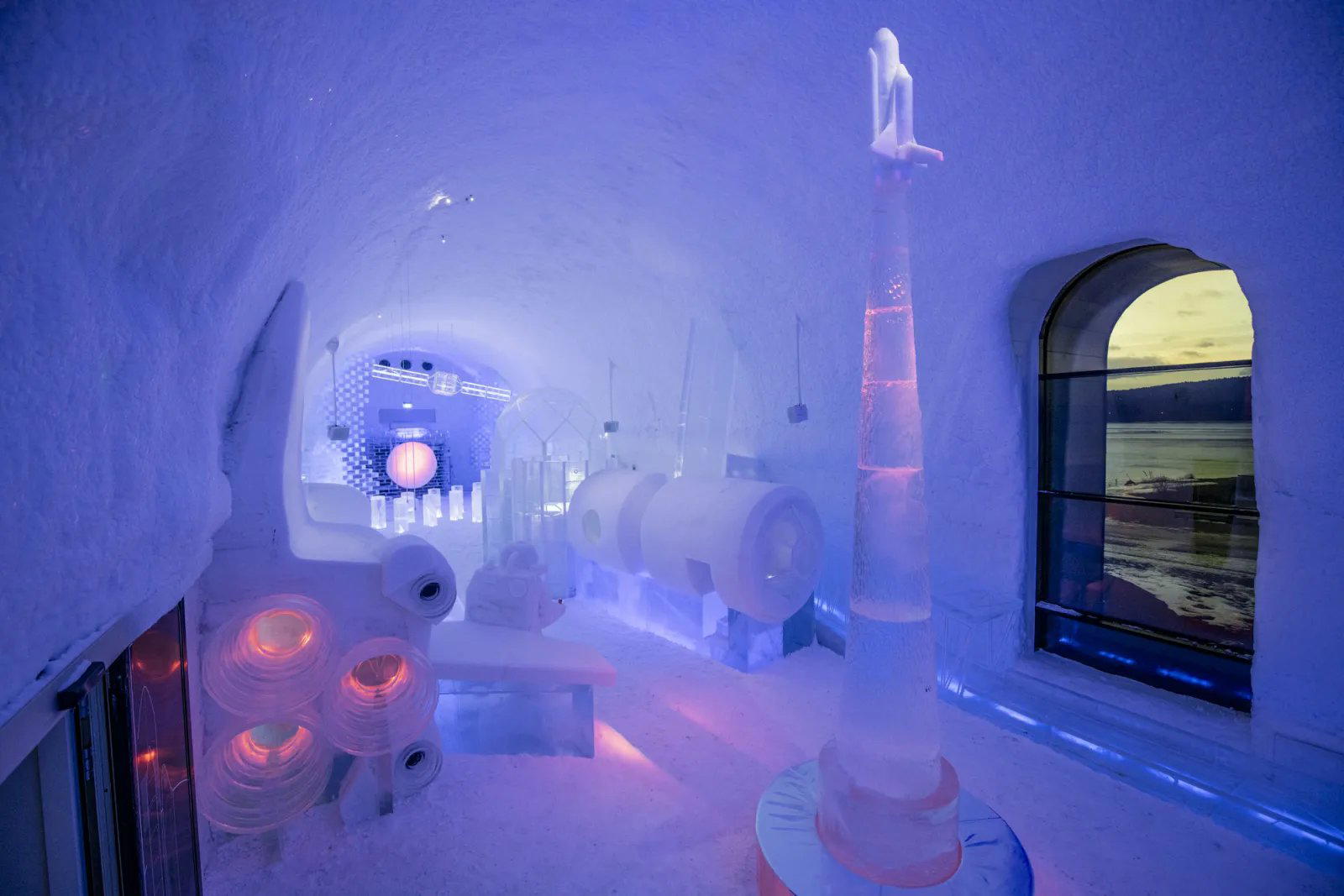
Most dining rooms are fixed. The one at Icehotel in Jukkasjärvi, 200 kilometres above the Arctic Circle in Swedish Lapland, is rebuilt from scratch each winter using ice cut from the Torne River, then returns to that same river each spring. That annual cycle is not a novelty hook — it is the structural fact around which everything else, including the food, must respond. The serving vessels, the pacing of courses, the temperature at which dishes arrive: all of it is calibrated to a room that holds steady at around minus five degrees Celsius. Guests eat in down jackets and thermal layers, seated on ice blocks covered with reindeer hides. It is, by any measure, an extreme dining environment, and the kitchen's job is to make that environment feel intentional rather than merely hostile.
Jukkasjärvi itself is a village of fewer than a thousand residents, reachable by flying into Kiruna and covering the remaining 17 kilometres by road. The Swedish far north has a short window for this kind of experience: the ice structure exists from roughly December through April, depending on temperatures, and dinner in the ice dining room sits within that seasonal constraint. Visitors who want to combine the restaurant with overnight accommodation in an art suite — also carved from ice, should plan well ahead, as winter availability compresses quickly once the season opens. For a broader orientation to eating and staying in the region, our full Jukkasjärvi restaurants guide covers the options across price points and formats.
Arctic Ingredients as Structural Argument
Sweden's New Nordic movement, which produced restaurants like Vollmers in Malmö and VYN in Simrishamn, built its credibility on hyper-local sourcing and seasonal discipline. In the urban south, that often means foragers and small farms operating within a day's drive. At the Icehotel kitchen, the sourcing argument is more literal: ingredients come from one of the most sparsely populated regions in Europe, where the growing season barely exists and the food culture has been shaped by centuries of necessity. Reindeer, Arctic char from cold-water rivers, cloudberries harvested at the edge of summer, local lingonberries, and foraged plants from the boreal forest are not imported interpretations of Nordic cuisine, they are what this landscape actually produces.
That specificity matters when comparing the Icehotel dining format to the broader Swedish fine-dining circuit. Frantzén in Stockholm or ÄNG in Tvååker operate in the upper register of Swedish cooking with elaborate tasting menus and year-round access. The Icehotel kitchen operates on a different axis entirely: its authority comes from geographical isolation and seasonal scarcity rather than from chef pedigree or tasting-menu architecture. That is not a lesser claim, it is a different one, and understanding that distinction shapes whether the experience delivers on its terms.
Cloudberries, for instance, are to Lapland what Burgundy's Pinot Noir is to a specific set of parcels: the climate and soil conditions that produce them cannot be replicated further south. Cold-smoked or cured preparations of Arctic char benefit from the same logic, the fish has a flavour profile shaped by the rivers it swims in, and the cold-preservation techniques used in the region predate modern refrigeration by centuries. When a kitchen in this location builds dishes around those materials, it is making a sourcing argument that no restaurant in Stockholm or Gothenburg can replicate on the same terms.
The Swedish Far North in Context
Sweden's dining reputation is concentrated in its southern cities. Michelin coverage clusters in Stockholm, Gothenburg, and Malmö, Signum in Mölnlycke, 28+ in Gothenburg, and Knystaforsen in Rydöbruk all sit within that southern corridor. The far north has a thinner critical infrastructure, which means restaurants like the Icehotel kitchen and Camp Ripan in Kiruna are evaluated differently, less by formal award systems and more by the coherence of the concept and the quality of local sourcing.
That does not make northern Swedish dining a lesser category. It makes it a different one, where the metrics are site-specificity and seasonal integrity rather than technique-forward refinement. Comparable frameworks exist in other extreme-geography dining contexts globally: remote tasting-menu experiences in Iceland, high-altitude restaurants in the Peruvian Andes, or the sourcing-led formats that have emerged in Arctic Norway. The Icehotel dining room sits inside that international conversation, not merely the Swedish one. For comparison, Le Bernardin in New York City or Atomix in New York City represent the urban fine-dining pole against which geographically extreme formats like this define their distinctiveness.
Within Sweden's wider restaurant spectrum, properties like Lilla Bjers in Visby, PM & Vänner in Växjö, and Enoteket in Norrköping each make strong sourcing arguments within their own regional contexts. The Icehotel kitchen's claim is simply more absolute: no other dining room in Sweden operates inside the same climatic and geographical constraints, which means the sourcing conversation starts from a position that cannot be contested on its own terms.
Planning the Visit
The ice dining room is a winter-only experience, open from December through April in most years, subject to the Torne River's freeze cycle. Kiruna Airport handles direct flights from Stockholm Arlanda, and the 17-kilometre transfer to Jukkasjärvi is manageable by taxi or arranged transfer. The cold inside the dining room is constant and significant: appropriate clothing is non-negotiable, and most operators provide guidance on layering before guests are seated. Reservations for the ice dining experience should be made well in advance of any winter travel to the region, particularly around the Christmas and New Year period and during the peak northern lights window from January through March. Adjacent properties including Brasserie Park in Jonköping, Adrian Restaurang in Borås, John's Place in Varberg, and Veto in Örebro represent the southern Swedish alternative for those building a multi-stop itinerary through the country.
Frequently asked questions
Is Icehotel Restaurant okay with children?
The sub-zero dining room in Jukkasjärvi, positioned 200 kilometres above the Arctic Circle, is a poor fit for young children. The temperature inside the ice structure stays below freezing throughout service, and the remote location demands layered cold-weather gear throughout the meal. This is an adult-oriented concept in a physically demanding environment.
What's the overall feel of Icehotel Restaurant?
The dining room sits at the extreme experiential end of Sweden's restaurant spectrum, far removed from the urban fine-dining template that defines Stockholm, Gothenburg, and Malmö. The room itself is rebuilt each winter from blocks cut from the Torne River, so the physical setting changes year to year. Expect a deliberately austere, architecturally driven atmosphere where the structure is as much the subject as the food.
How long is the Icehotel Restaurant dining room open each year, and what determines its schedule?
The ice dining room is a seasonal structure that opens in December and runs through approximately April, depending on the freeze and thaw cycle of the Torne River in Jukkasjärvi. Blocks cut from the river each autumn form the walls, ceiling, and furniture, so the room's existence is directly tied to natural ice conditions. Guests planning a visit should confirm the current season's opening dates with the hotel before booking travel through Kiruna Airport, the nearest international gateway.
What do people recommend at Icehotel Restaurant?
Given the kitchen's location in Swedish Lapland, dishes centred on the region's core ingredients — Arctic char, reindeer, and foraged northern berries — represent the strongest expression of what the restaurant can offer. These ingredients align with the New Nordic sourcing framework that has defined Sweden's most credible regional cooking over the past two decades. Specific menu details vary by season and are best confirmed directly with the Jukkasjärvi property.
What's Icehotel Restaurant's location?
Icehotel Restaurant is located at Marknadsvägen, Jukkasjärvi, Jukkasjarvi.
Side-by-Side Snapshot
Comparable venues nearby, for context on price, style, and recognition.
| Venue | Cuisine | Price | Awards | Notes |
|---|---|---|---|---|
| Icehotel RestaurantThis venue — the venue you are viewing | Modern Swedish Fine Dining with Ice Presentation | Not listed | White Guide Sweden Restaurants - Very Fine Level | Not listed |
| Brasserie Elverket | Swedish Brasserie | Not listed | Star Wine List | Östermalm |
| Vinberga Vinkiosk | Seasonal Swedish Wine Bar | $50–100 | White Guide Sweden Restaurants - Very Fine Level · Falstaff Wine Bar - Listed | Karlskrona |
| At Six | Modern Nordic Brasserie | $50–100 | Not listed | Norrmalm |
| Vita Amandi | Modern Swedish Fine Dining | Not listed | White Guide Sweden Restaurants - Very Fine Level | Nässjö |
| Brogatan | European Bistro with French & Nordic Influences | Not listed | Star Wine List | Malmö Centrum |
Recognition history
Dated appearances from independent guides and award organizations, with the underlying list record or original source where available.
White Guide Sweden Restaurants - Very Fine Level
White Guide
Continue exploring
More in Jukkasjarvi
Restaurants in Jukkasjarvi
Browse all →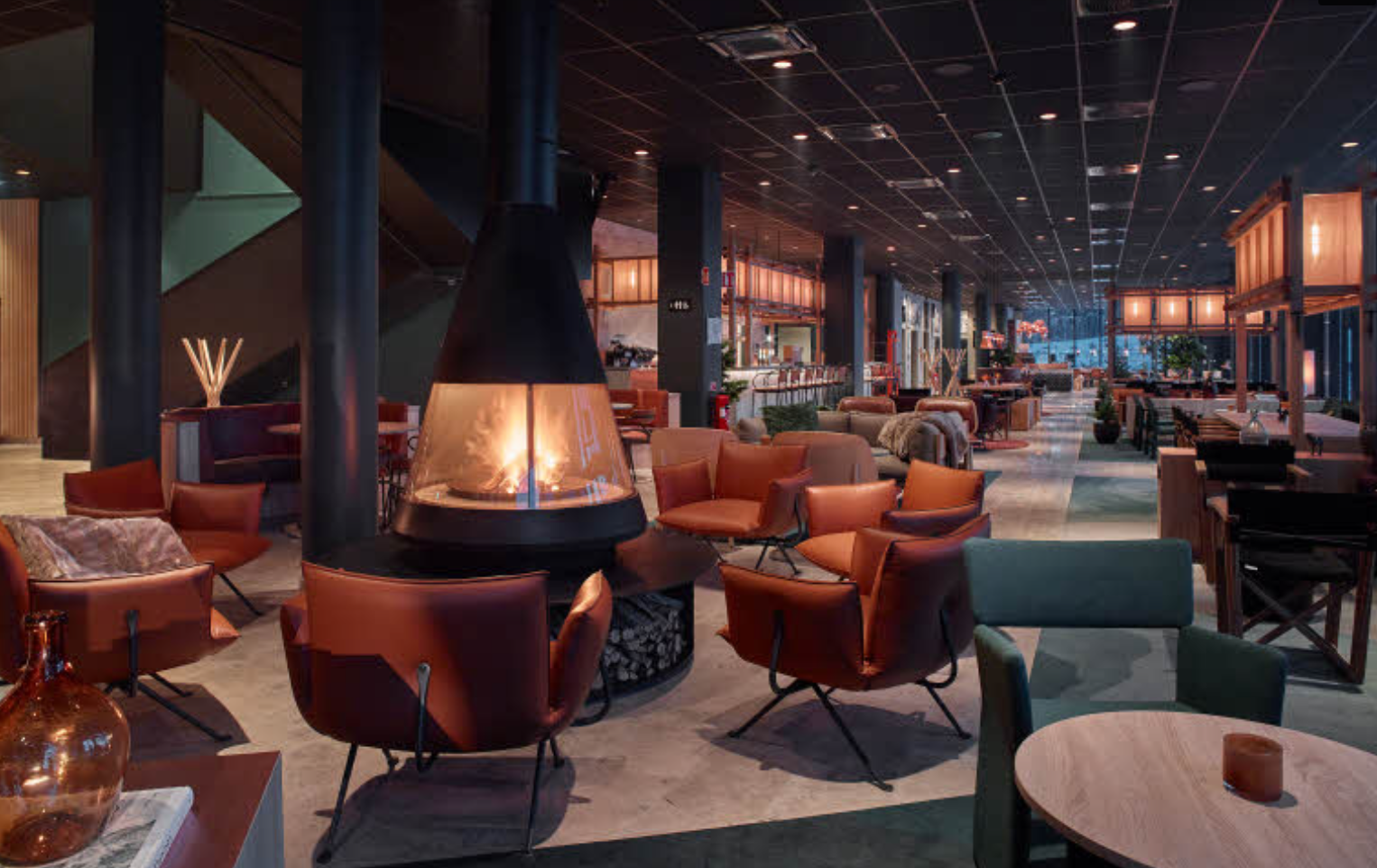
Hotels in Jukkasjarvi
Browse all →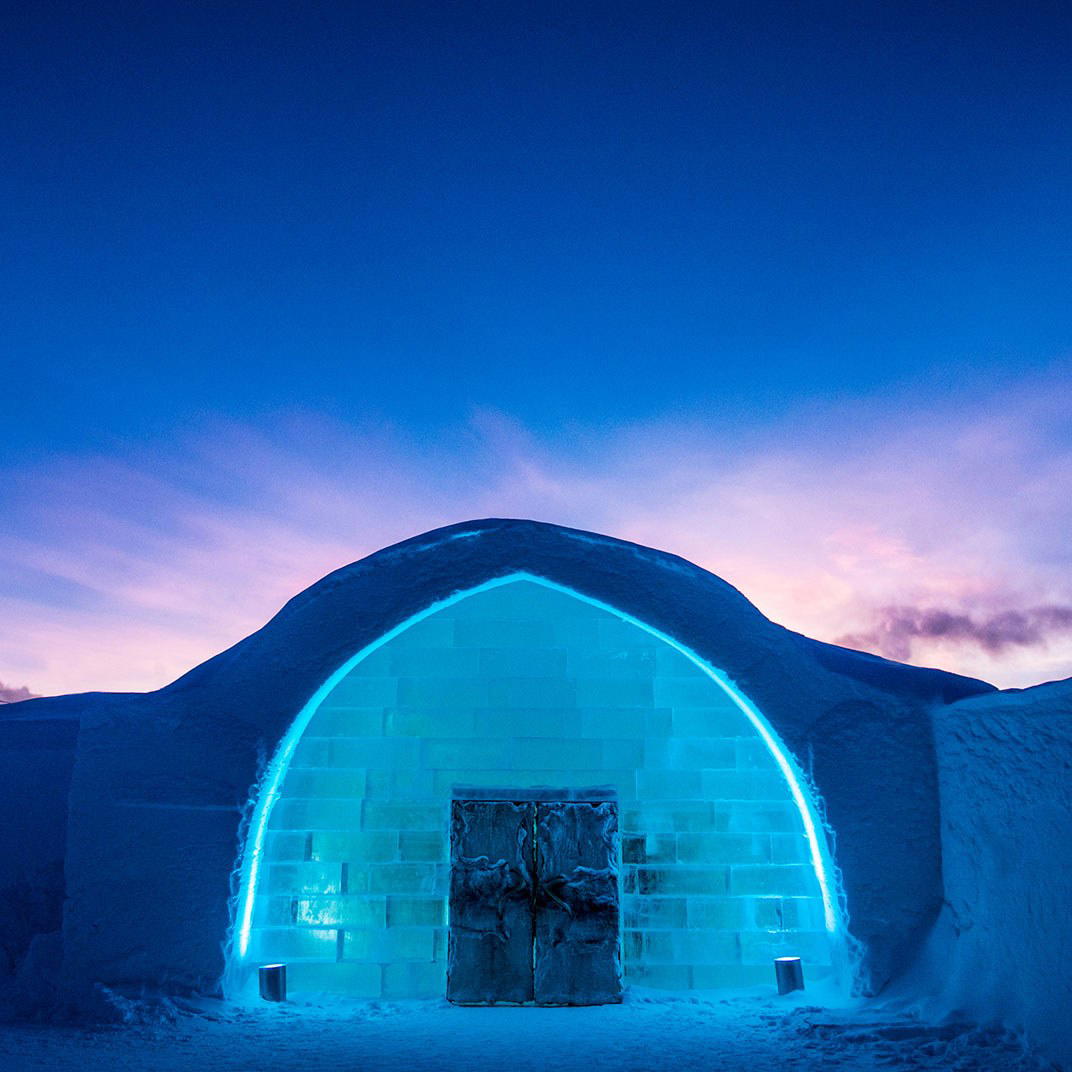
Details
- Scenic
- Elegant
- Rustic
- Well Known
- Whimsical
- Special Occasion
- Celebration
- Hotel Restaurant
- Design Destination
- Extensive Wine List
- Local Sourcing
- Tasting Menu
- A La Carte
- Vegetarian Friendly
- Vegan Options
- Gluten Free Options
Warm and cozy atmosphere in a classic interior with distinctive northern light ceiling and Sami decorations.