Tabelog 100 #76
Our verdict
Toranomon Okanoeisen belongs to Tokyo’s old-line wagashi circuit rather than the city’s tasting-menu economy: a take-out sweet shop known for daifuku and dorayaki, recognised in Tabelog’s Japanese sweets and sweets-cafe Tokyo 100 selection for 2023. Its appeal is logistical as much as culinary: a business-district address, daytime rhythm, and cash-only habits make planning matter more than ceremony.

Pearl is the En Primeur Club membership app, where members save venues, book tables and use the concierge.
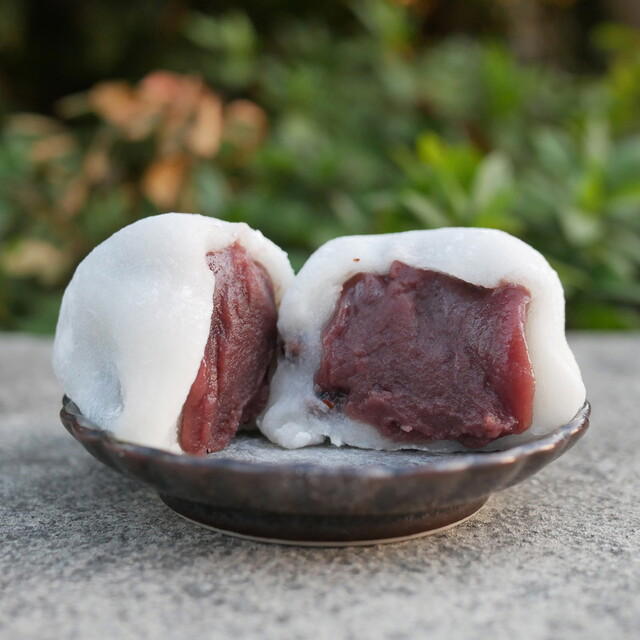
Tokyo changes texture by the block: glass towers, office traffic, and side streets where older food businesses keep a working-day tempo. Here, wagashi is not a dessert-course afterthought but a separate Tokyo habit: bought in the morning or at lunch, carried back to an office, taken home as a small gift, or saved for tea. Toranomon Okanoeisen sits inside that tradition, with daifuku and dorayaki placing it in the practical, portable end of Japanese sweets rather than salon-style plated desserts.
Tokyo’s premium dining conversation often leans toward counters, tasting menus, and chef-led rooms. Wagashi works differently. Its signals are quieter: narrow category focus, repeat local traffic, and the discipline of sweets designed to travel. Recognition in Tabelog’s Hyakumeiten selection in 2023 gives the shop a public marker in a crowded field, but the more useful reading is category placement. This is not competing with reservation-led rooms such as Kanda or specialist restaurants such as SUKIYAKI ASAI. It belongs to the smaller errands that define eating in Tokyo between reservations.
Wagashi in Tokyo works on office-hour discipline, not dinner-theatre pacing
The central question is format. Many travellers plan Tokyo around evening seats, but wagashi rewards another itinerary: daytime timing, low ceremony, and specialist shops that may take only minutes. Tokyo’s sweets culture is tied to movement. A daifuku or dorayaki purchase has none of the duration of a restaurant meal, yet it can reveal just as much about the city’s food standards. The craft sits in restraint, shelf life, wrapping, portion, and consistency rather than performance.
That matters for planning. A visitor moving through Tokyo can treat this as a precise stop rather than a destination meal. The city connects daily food errands with a dense restaurant map: dining at LE PRISTINE TOKYO, meals at Unis, and casual cross-currents such as CHICKEN RICE CLUB. Wagashi gives that map a different register: less about staying in one room, more about how Tokyo uses small purchases to punctuate the day.
The Tabelog score of 3.73 is useful because Japanese sweets shops tend to earn attention through repeat use rather than spectacle. A 2023 Hyakumeiten selection confirms the shop is judged within its own tradition, not through borrowed fine-dining prestige. The listed categories, Japanese traditional sweets, daifuku, and dorayaki, keep expectations in the correct lane: classic confections, not a broad menu or counter chasing visual novelty.
Daifuku and dorayaki keep the focus on carry-out craft
Daifuku and dorayaki are useful measures of a wagashi shop because they leave little room for distraction. Daifuku depends on the balance between rice cake and bean paste; dorayaki on the relationship between pancake and filling. Without naming a house recipe or inventing a signature item, the category explains the standard: compact sweets built on texture, sweetness control, and freshness. In Tokyo, where many food counters and specialist shops compete for attention, a specialist must be clear about what it does.
Toranomon Okanoeisen’s take-out format puts that clarity first. There is no need to frame the visit like a restaurant sitting, and that is the point. Tokyo’s food culture is unusually strong at the edges of formal meals: simple counters, coffee rooms, confections, and lunch sets all carry serious craft without demanding an evening commitment. Readers building a broader Tokyo itinerary can place this stop beside casual and specialist dining elsewhere in the city. The common thread is not price tier; it is specificity.
Payment and service customs also belong to the experience. Tokyo still has many specialist food shops where speed, exactness, and local routine matter more than hospitality theatre, which can surprise travellers trained by hotel concierges and English-language reservation platforms. The better approach is to read the visit as a purchase from a craft category with its own etiquette: decide quickly, respect the queue, and understand that packaging and takeaway are part of the form.
How to fit it into a Tokyo food day
The smart use of Toranomon Okanoeisen is as a daytime anchor in Tokyo, especially for travellers already moving through the city’s dining map. It pairs naturally with a schedule that leaves dinner for a more formal restaurant and uses the afternoon for smaller food stops. The shop’s value is not measured by length of stay, but by how efficiently it adds wagashi to a trip otherwise dominated by sushi counters, beef restaurants, izakaya, and hotel bars.
For a deeper city plan, use it as a reminder that Tokyo is not a single dining category. Our full Tokyo restaurants guide maps meals across the city, while our full Tokyo hotels guide, full Tokyo bars guide, full Tokyo wineries guide, and full Tokyo experiences guide connect food stops with the rest of the day. Travellers extending the same lens beyond the capital can compare specialist Japanese and Japan-adjacent formats generically, from compact sweets shops and casual counters to format-driven rooms built around a single idea. Even outside Japan, the appeal of compact, format-driven eating can be understood without relying on a long sitting or a formal reservation.
The editorial verdict is simple: this is a disciplined wagashi stop for travellers who care about Tokyo’s food culture beyond restaurant reservations. The recognition helps validate the visit, but the stronger reason to go is the category itself. A city that can support serious sweets shops alongside formal dining rooms is a city where the small purchase deserves attention.
Frequently asked questions
How do I find Toranomon Okanoeisen?
Tokyo.
What's the pricing like at Toranomon Okanoeisen?
Pricing at Toranomon Okanoeisen is listed as - JPY 999.
Is Toranomon Okanoeisen open every day?
Published operating hours are not provided in the available venue details; check directly before visiting.
What is Toranomon Okanoeisen known for?
Toranomon Okanoeisen is known for Japanese traditional sweets, including daifuku and dorayaki, in Tokyo.
The Short List
Comparable venues for context, by category and price tier.
| Venue | Cuisine | Price | Awards | Notes |
|---|---|---|---|---|
| Toranomon OkanoeisenThis venue (the venue you are viewing) | Traditional Japanese Wagashi & Daifuku | $1–10 | Tabelog 100 #76 | Not listed |
| Kanda | Contemporary Kaiseki | $100–150 | 3 Michelin Stars · La Liste Top Restaurants | Kaiseki, Japanese |
| SUKIYAKI ASAI | Traditional Omi Beef Sukiyaki | $200–300 | Michelin Plate | Sukiyaki |
| Unis | Modern French | Not listed | Michelin Plate · Tabelog Bronze #498 | French |
| LE PRISTINE TOKYO | New Italian | $150–200 | Michelin Plate | Contemporary |
| CHICKEN RICE CLUB | Hainanese Chicken Rice | $20–30 | Not listed | Not listed |
Recognition history
Dated appearances from independent guides and award organizations, with the underlying list record or original source where available.
Tabelog 100 #76 · No. 76
Tabelog · Tabelog 100 - Japanese traditional sweets / Japanese sweets cafe - TOKYO - 2023