
Tabelog 100 #73
Our verdict
Tonjiru Tachibana makes a case for Myoko’s everyday cooking as serious dining: pork miso soup treated not as a side dish, but as the reason to travel. Its Tabelog 100 Diner selections in 2024 and 2026 place a humble cafeteria format inside Japan’s broader conversation about regional comfort food, sourcing, and value.

Pearl is the En Primeur Club membership app — saves, bookings, and concierge access live there. Same editors, same standards.
- Address
- 2 Chome-3-10 Kurihara, Myoko, Niigata 944-0007, Japan
- Phone
- +81 255-72-2450
- Hours
- Mon–Tue ClosedWed–Sat 10:30 AM–2:30 PM, 4:30–6:30 PMSun 10:30 AM–4 PM
- Website
- tontachi.com
- Directions
- Get directions
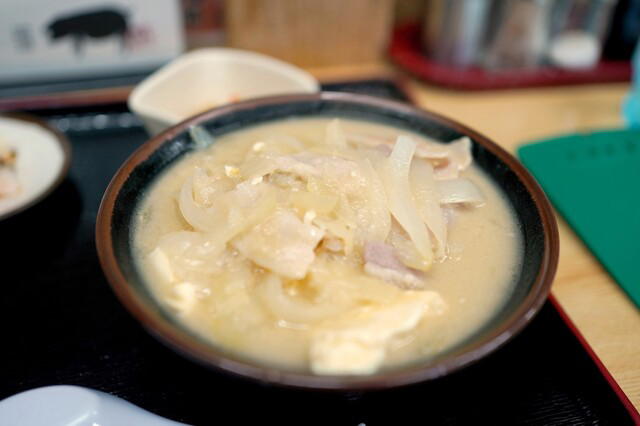
The menu
What to order
- Tonjiru set meal
- Tonjiru ramen
- Pork miso soup with rice
Approaching a casual dining room in Myoko is different from arriving at a tasting counter in Tokyo or a lacquered ryotei in Kyoto. The cues are practical: an everyday rhythm, straightforward service, and the kind of room where the meal’s authority comes from repetition rather than ceremony. Tonjiru Tachibana belongs to that category of Japanese dining where the main event is not luxury technique but a clear, accessible format built for regular use as much as destination planning.
That matters in this part of Japan. Myoko is snow country, and a place where cooking can read through warmth, comfort, and agricultural directness rather than urban gloss. A modest meal can carry weight when handled with discipline: seasoning for depth, texture for satisfaction, and rice or noodles as quiet anchors. The point is not novelty. The point is that a dining format many travelers treat as background can become the center of a meal.
A casual meal as the main argument
Japan’s everyday dining culture is often underestimated by travelers who arrive chasing sushi counters, kaiseki rooms, and ramen queues. Yet the casual dining room is where regional appetite is often clearest. Tonjiru Tachibana’s inclusion in Tabelog Hyakumeiten recognition for 2026 is useful because it recognizes that this tier has its own standards: consistency, clarity of purpose, accessibility, and a format that serves regulars as much as destination diners.
The restaurant’s category spread, cafeteria, ramen, and tsukemen, places it in a familiar Japanese overlap zone where soup, noodles, rice, and set-meal logic share space. The defining signal is the narrowness of the experience rather than any luxury posture. In a national dining culture that often rewards specialization, that focus is not minor. It aligns the meal with other single-subject Japanese formats where depth comes from limiting the field rather than expanding it.
Ingredient focus is the useful lens here because everyday cooking has nowhere to hide. Seasoning is not a garnish; it determines salt, aroma, and backbone. Noodles, rice, soup, and side dishes need enough structure to make the meal feel complete without theatricality. In Myoko, where mountain weather shapes the table, a simple dining room can read as practical winter food as much as restaurant cooking. The pleasure is in a meal calibrated for appetite, weather, and repetition.
Compared with other named options in the Myoko conversation, the position is specific. Shokudo New Misa, Menya Agosuke, Unagi Senmonten Honda, Gangitei, and Mûrir each frame the area differently, while Tonjiru Tachibana sits firmly in a casual, accessible register. That comparison clarifies the appeal: this is not a splurge model or a chef-driven dégustation. It is a low-friction regional meal with enough external recognition to justify planning around it when eating through Myoko.
The room suits solo diners, families, and snow-country appetites
The format is part of the editorial value. This is the kind of venue that reads as practical rather than ceremonial, closer to a public dining room than a special-occasion enclosure. That makes it easier to fold into a day of travel, skiing, rail movement, or simple local eating, without asking the meal to carry the burden of a long, formal reservation.
That public quality suits the food. Casual Japanese dining is communal in spirit even when eaten alone, associated with home kitchens, workday lunches, ski-town hunger, and cold-weather practicality. Myoko’s mountain setting gives that logic extra force. The area is better known to many international travelers for snow than for restaurants, but the dining pattern is worth reading on its own terms: filling dishes, local habits, and restaurants that serve residents first can tell a sharper story than imported luxury cues.
Recognition from Tabelog does not turn the experience formal. It sharpens expectations. A venue recognized by Tabelog needs to be judged against the everyday-dining category, not against fine dining. The relevant questions are direct: Does the specialization make sense? Does the room fit the use case? Does the meal express its region? On those terms, Tonjiru Tachibana is compelling because its subject is ordinary enough to reveal the kitchen’s discipline.
How to place it in a Myoko itinerary
For travelers building a food-led route through the region, this is a strong daytime or early-evening anchor rather than a long, wine-paired night. The planning logic is simple: treat it as a regional meal with a clear purpose, then build the rest of the day around Myoko’s mountain schedule, rail access, or nearby hotel base. The venue is especially relevant for diners who want a Japanese meal that does not translate itself into luxury language.
It also broadens the way Myoko should be read. The city’s restaurant conversation is not only about post-ski calories or casual noodle stops; it includes specialist places where a familiar format carries enough identity to draw attention beyond the immediate area. For broader planning, see Our full Myoko restaurants guide, then pair meals with Our full Myoko hotels guide, Our full Myoko bars guide, Our full Myoko wineries guide, and Our full Myoko experiences guide.
Readers mapping casual Japanese dining across cities can compare the category more widely through other everyday dining rooms, noodle counters, cafés, curry specialists, casual meat-focused restaurants, mountain huts, sake bars, and onigiri shops. The useful comparison is not a name-by-name trophy list but the way modest formats become memorable when they are specific, repeatable, and rooted in local appetite.
Frequently asked questions
Is Tonjiru Tachibana suitable for children?
Tonjiru Tachibana is a casual dining venue in Myoko. Check the venue's official channels for the latest details before visiting with children.
What should I expect atmosphere-wise at Tonjiru Tachibana?
Expect a practical diner setting rather than a formal dining room. The public categories list it as cafeteria, ramen, and tsukemen, which points to an accessible Japanese meal suited to straightforward regional dining.
Is Tonjiru Tachibana more mid-range or high-end?
Pricing at Tonjiru Tachibana is listed as JPY 1,000 - JPY 1,999.
When is Tonjiru Tachibana open?
Check Tonjiru Tachibana's official channels for current opening days and hours before planning a visit.
Where do I go for Tonjiru Tachibana?
Myoko.
Fast Comparison
Comparable venues by cuisine and price in the same metro.
| Venue | Cuisine | Price | Awards | Notes |
|---|---|---|---|---|
| Tonjiru TachibanaThis venue — the venue you are viewing | Pork miso soup and ramen specialist | $1–10 | Tabelog 100 #73 | Not listed |
| Syokudoh TANUKI (食堂たぬき) | Traditional Japanese Canteen | $10–20 | Not listed | Myoko City |
| Izakaya Kolha | Japanese Izakaya | Not listed | Not listed | Akakura |
| St. Anton (レストラン サンアントン) | Grill Cuisine | Not listed | Not listed | Myoko City |
| Montagne (モンタニュ) | Japanese Casual Ski Lodge | $10–20 | Not listed | 妙高高原 |
| のれん/ Noren Akakura Sushi | Authentic Japanese Sushi with European Flair | Not listed | Not listed | Akakura |
Recognition history
Dated appearances from independent guides and award organizations, with the underlying list record or original source where available.
Tabelog 100 #73 · No. 73
Tabelog · Tabelog 100 - Diner - 2026
Continue exploring
More in Myoko
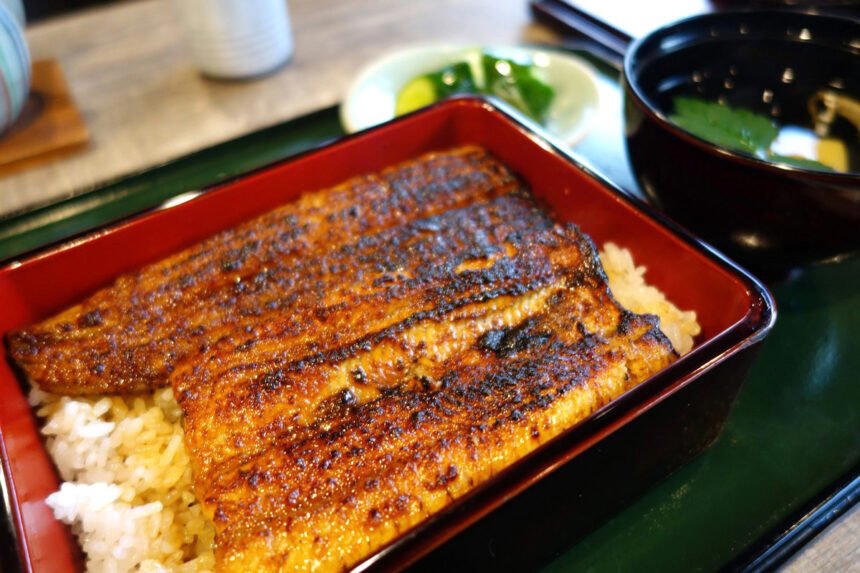
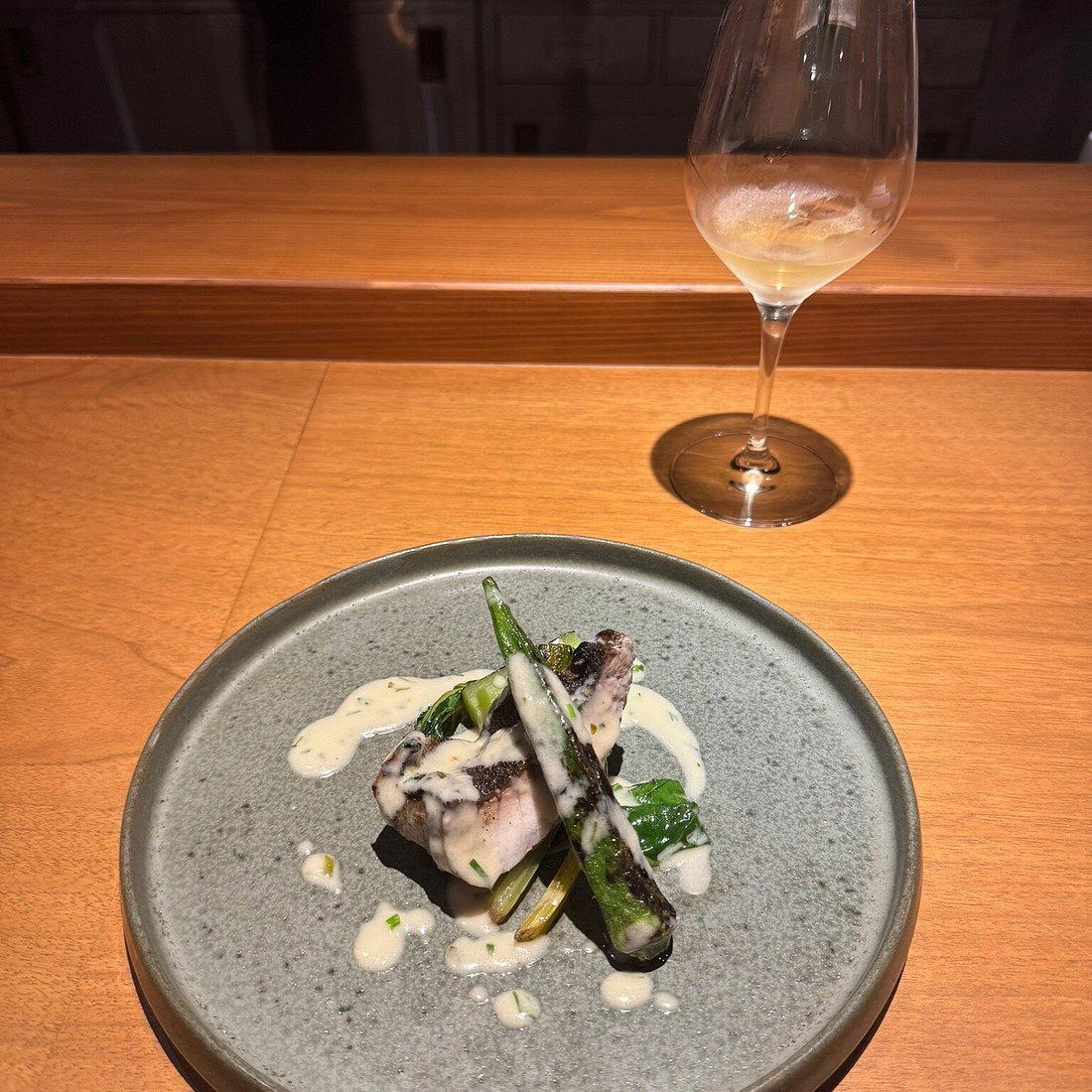
Restaurants in Myoko
Browse all →
Hotels in Myoko
Browse all →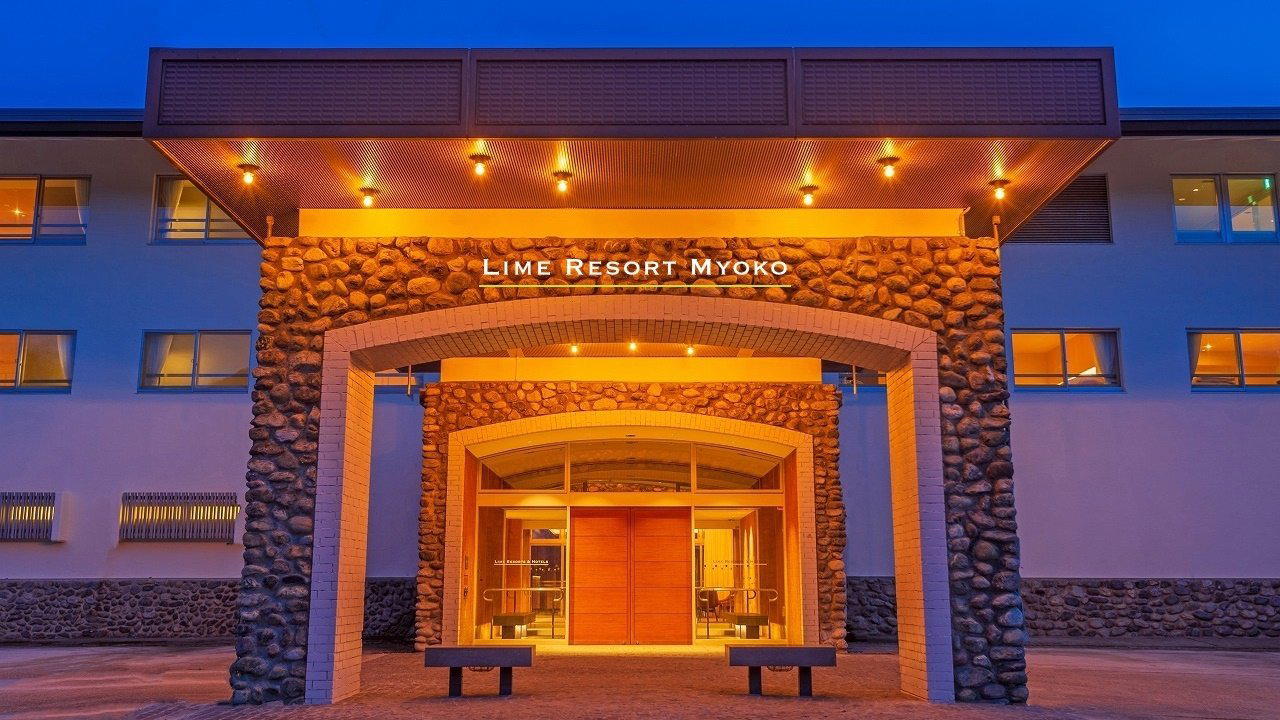
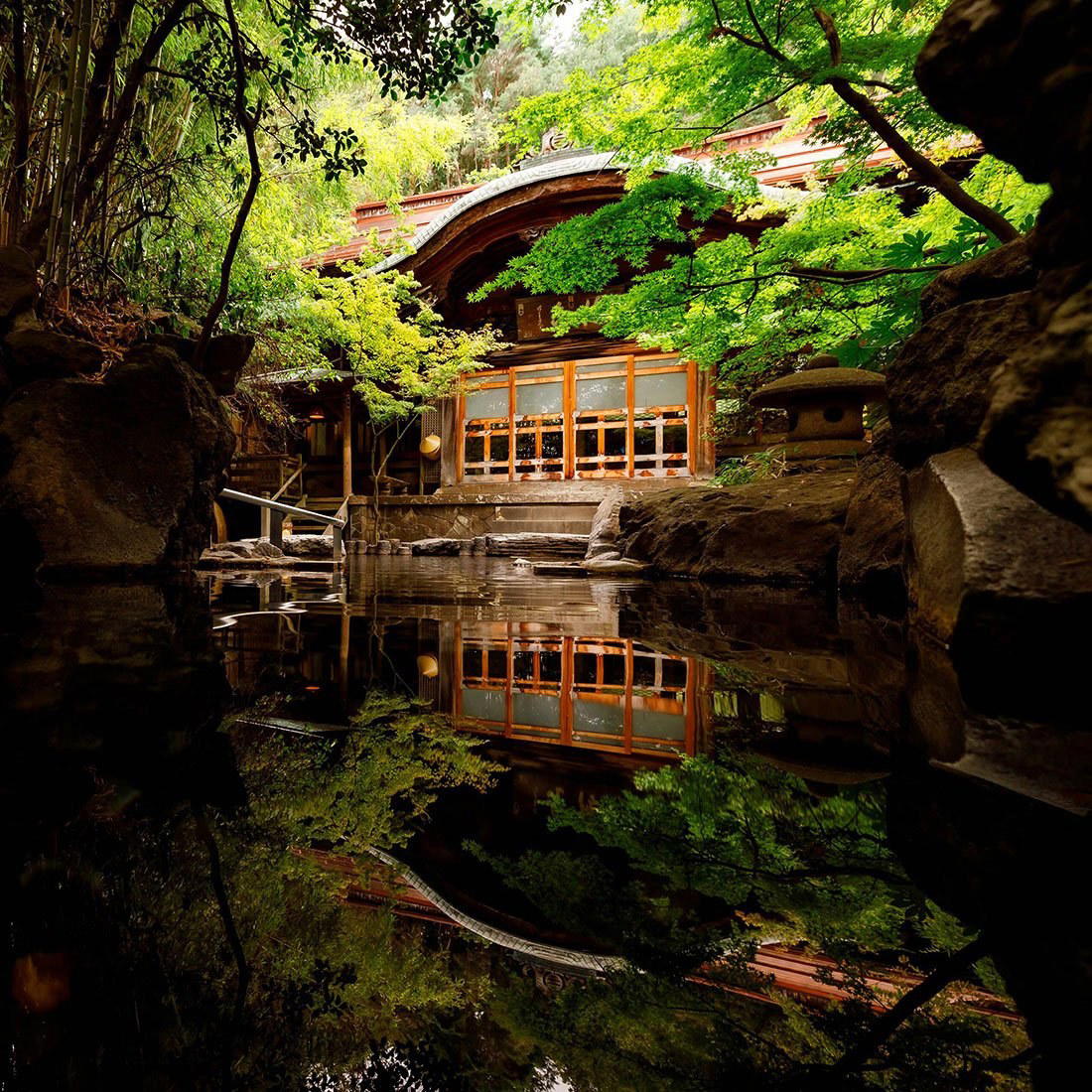
Wineries in Myoko
Browse all →
Details
- Cozy
- Classic
- Rustic
- Solo
- Family
- Casual Hangout
- Group Dining
- After Work
- Late Night
- Standalone
- A La Carte
- Set Menu
Current opening hours
- Monday
- Closed
- Tuesday
- Closed
- Wednesday
- 10:30 AM–2:30 PM, 4:30–6:30 PM
- Thursday
- 10:30 AM–2:30 PM, 4:30–6:30 PM
- Friday
- 10:30 AM–2:30 PM, 4:30–6:30 PM
- Saturday
- 10:30 AM–2:30 PM, 4:30–6:30 PM
- Sunday
- 10:30 AM–4 PM
Hours can change for holidays and private events. Last verified .