TONG-D
TONG-D at 156 County Rd sits in Barrington, Rhode Island, a town where the dining scene has historically punched below its demographic weight. The address alone signals something worth investigating: a suburb that largely cedes ambition to Providence now has a venue drawing comparisons to regionalist American tables that take ingredient sourcing seriously. Whether the kitchen delivers on that promise is the question worth answering before you drive out.
Pearl is the En Primeur Club membership app — saves, bookings, and concierge access live there. Same editors, same standards.
- Address
- 156 County Rd, Barrington, RI 02806
- Phone
- +14012892998
- Website
- tongdrestaurant.com
 Saves & bookings on Pearl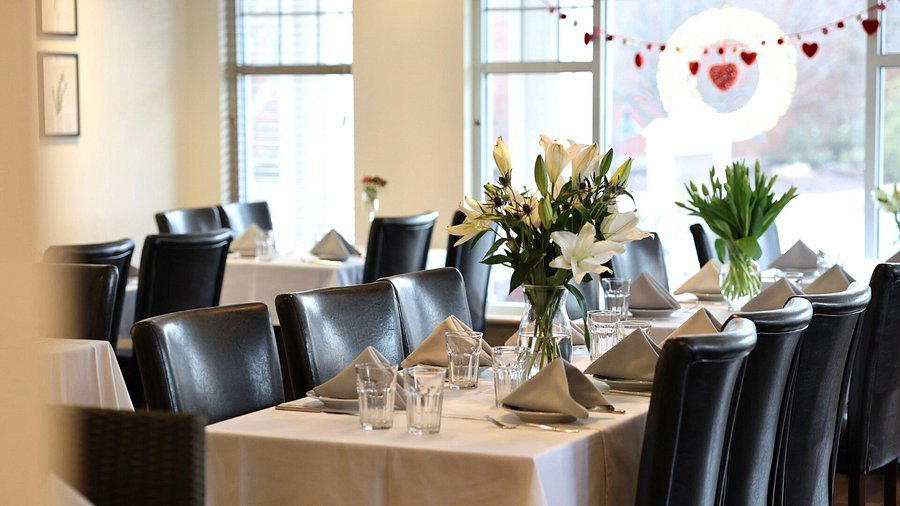
A Rhode Island Suburb and the Case for Serious Eating Outside Providence
Most serious dining in Rhode Island begins and ends in Providence. The capital's Federal Hill corridor and its downtown restaurant corridor have long absorbed the state's culinary ambition, leaving suburbs like Barrington to operate in a lower register of neighborhood bistros and family-run staples. That calculus is shifting, slowly, and TONG-D at 156 County Rd represents the kind of signal worth tracking: a venue in an unlikely zip code that appears to be operating with a different set of priorities than its neighbors.
Barrington sits on the eastern shore of Narragansett Bay, hemmed in by water and the commuter logic that defines much of East Bay Rhode Island. Its restaurant stock trends toward approachable and unpretentious, a format that suits the town's residential character. Francesca's Famiglia and The Barrington Boar occupy the more established end of that local market. TONG-D lands somewhere different, at least in intent.
Where the Food Comes From
The editorial angle that matters most at a venue like TONG-D is provenance. Across the American dining scene, ingredient sourcing has split into two camps: the rhetorical, where farm names appear on menus as branding without meaningful supply-chain depth, and the structural, where proximity to source material actually shapes what the kitchen can and cannot cook on a given day. The most credible American tables in this tradition include Blue Hill at Stone Barns in Tarrytown, where the farm and the restaurant share a campus, and Single Thread Farm in Healdsburg, where the farming operation drives the menu calendar rather than the other way around. These are extreme cases, but they anchor one end of a spectrum that every sourcing-led kitchen implicitly positions itself against.
New England has particular geographic advantages in this conversation. Rhode Island sits within reach of some of the East Coast's more interesting small-scale agricultural operations, cold-water aquaculture from Narragansett Bay, and a growing network of farms in the surrounding counties that supply kitchens from Providence outward. Barrington's position, closer to the bay's aquaculture zones than many Providence addresses, is a structural asset for any kitchen that chooses to use it.
TONG-D's address at 156 County Rd places it in Barrington. That format, low-visibility location, purposeful sourcing intent, tends to self-select for a certain kind of operator. The comparison set is not the Providence fine-dining corridor but rather the regionalist American tables that have found traction in unexpected zip codes: Lazy Bear in San Francisco, which built a following before it had a permanent address, or Brutø in Denver, which operates with a chef-driven sourcing program in a city not historically associated with that format.
The Broader American Sourcing Conversation
American fine dining has spent the better part of two decades working through the tension between technical ambition and ingredient fidelity. The kitchens that have resolved it most convincingly tend to do so by building the menu around what the supply chain makes available rather than imposing a fixed format onto seasonal ingredients. The French Laundry in Napa and Alinea in Chicago represent different answers to that question, with Alinea prioritizing technical vocabulary and The French Laundry maintaining a closer relationship with its garden and local producers. Le Bernardin in New York City built its reputation on sourcing discipline in a specific category, seafood, and has held that position for decades. Providence in Los Angeles operates in the same seafood-sourcing tradition on the West Coast.
The Korean-American dining conversation adds another dimension. Atomix in New York City has demonstrated that rigorous ingredient sourcing and a specific cultural framework are not in tension, and the result is one of the most credible fine-dining programs in the country. The name TONG-D itself carries phonetic and cultural resonance that suggests a kitchen working within or adjacent to Korean culinary tradition, though without confirmed menu or chef data, that reading is provisional.
For comparable sourcing-led programs across the country, Bacchanalia in Atlanta and Addison in San Diego both operate with defined relationships to regional producers. The Inn at Little Washington has maintained an ingredient-led identity across decades in a similarly suburban-rural context. Emeril's in New Orleans built its identity partly on the specificity of Louisiana sourcing. Causa in Washington, D.C. draws on Peruvian ingredient traditions as a sourcing framework. Each of these demonstrates that geographic distance from a major dining capital does not disqualify a kitchen from operating at a high level, provided the supply relationships are genuine and the cooking is equal to the ingredients.
Planning a Visit
TONG-D is located at 156 County Rd, Barrington, RI 02806, on the East Bay corridor that runs between Providence and Bristol. Barrington is accessible by car from Providence in under twenty minutes and sits close enough to the bay that sourcing from local aquaculture operations is logistically plausible rather than merely aspirational. Hours, pricing, and reservations should be checked directly with the restaurant. Advance reservations are recommended. For visitors coming from further afield, Providence makes a logical base, with a wider range of accommodation options and its own dining scene worth a day or two of exploration before or after an East Bay excursion.
In Context: Similar Options
Comparable venues nearby, for context on price, style, and recognition.
| Venue | Cuisine | Price | Awards | Notes |
|---|---|---|---|---|
| TONG-DThis venue — the venue you are viewing | Elevated Thai & Asian | $$ | , | |
| Rasoi | Modern Regional Indian | $$ | , | Pawtucket |
| Perro Salado | Creative Mexican Seaside | $$ | , | Historic Downtown |
| Revolution | American Gastropub | $$ | , | Pawtuxet Village |
| Iggy's Boardwalk | Rhode Island Seafood Clam Shack | $$ | , | Oakland Beach |
| Bee's Thai Cuisine | Authentic Thai | $$ | , | Fox Point |
Continue exploring
More in Barrington
Restaurants in Barrington
Browse all →
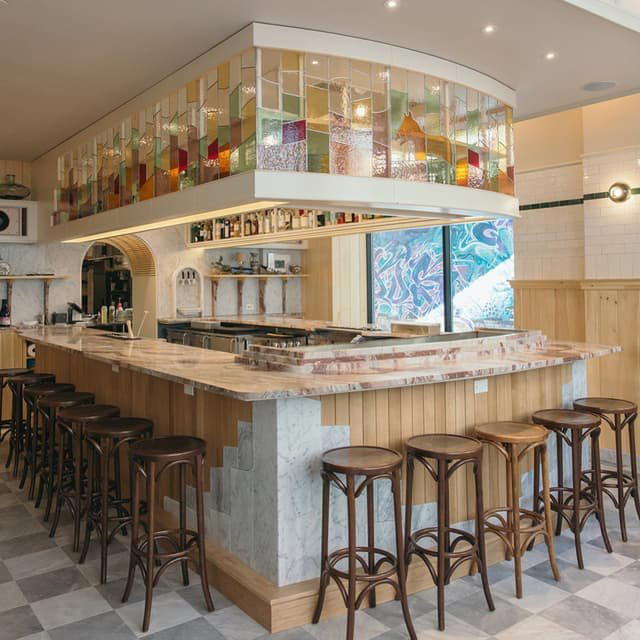
Bars in Barrington
Browse all →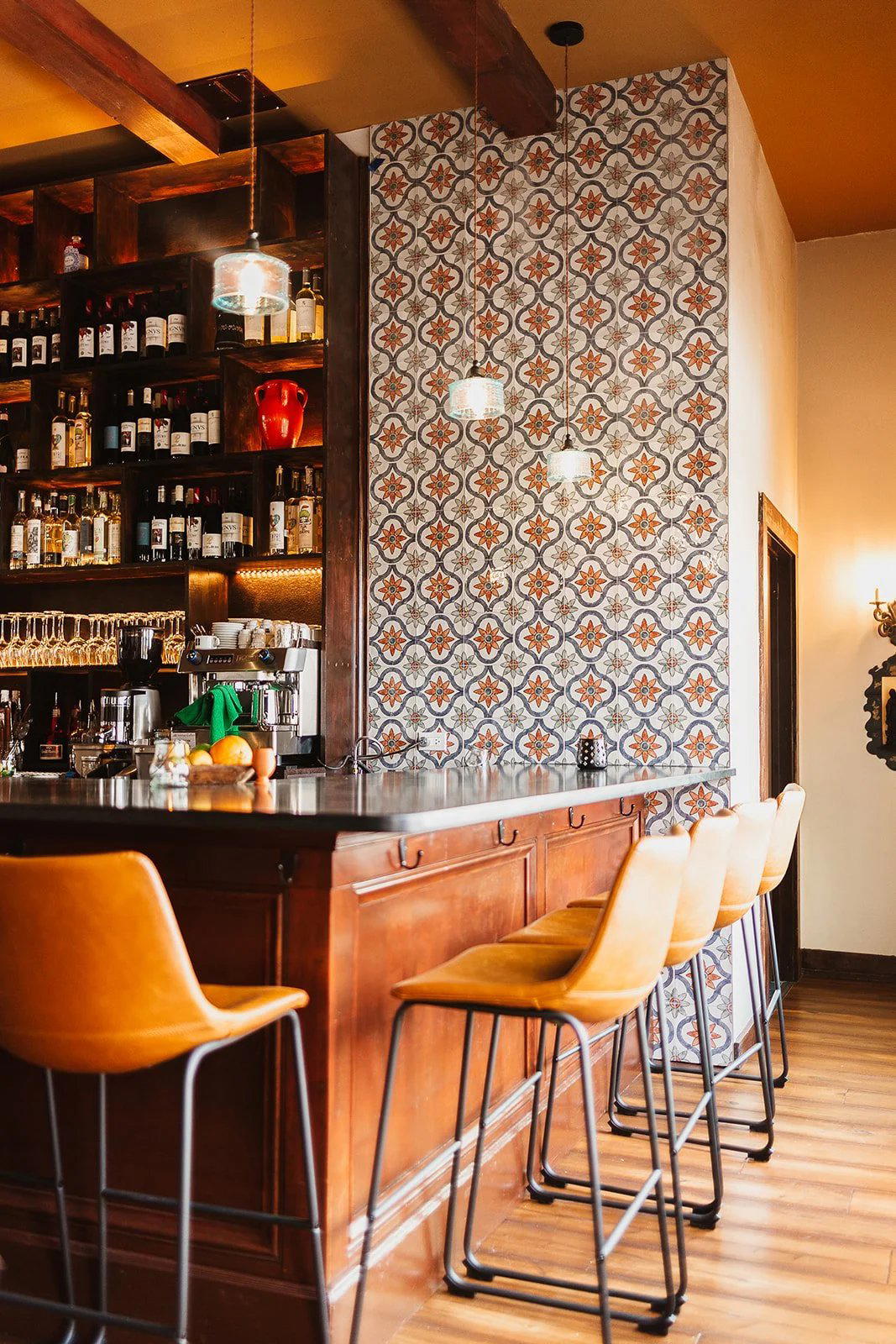
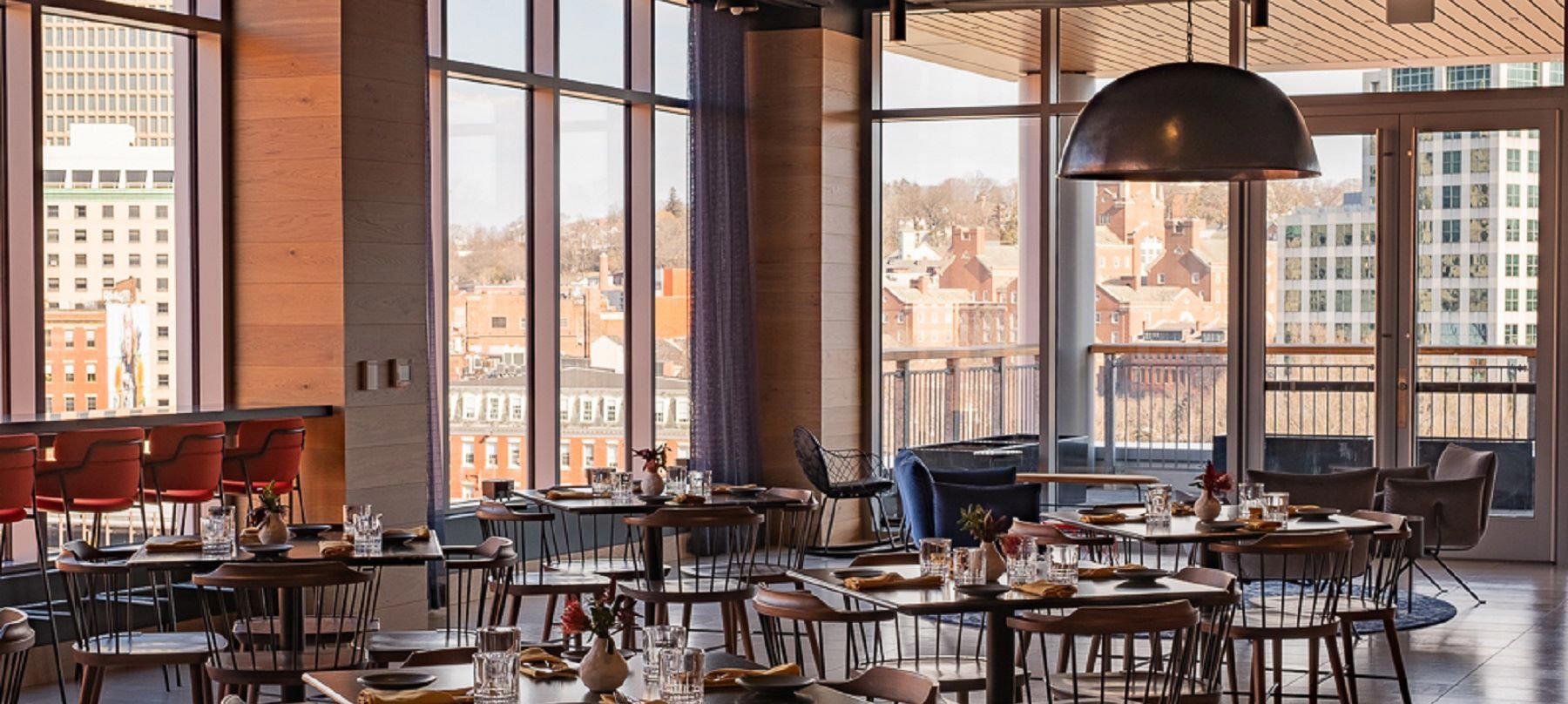
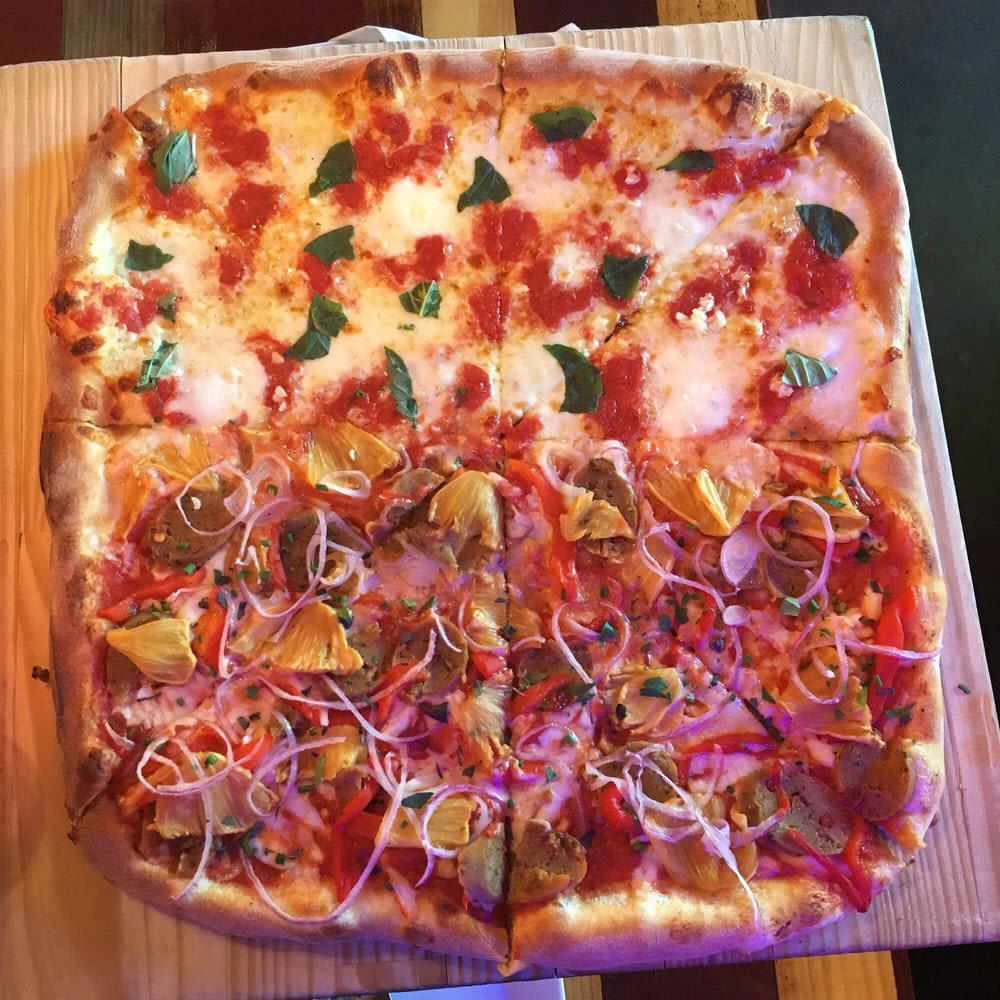
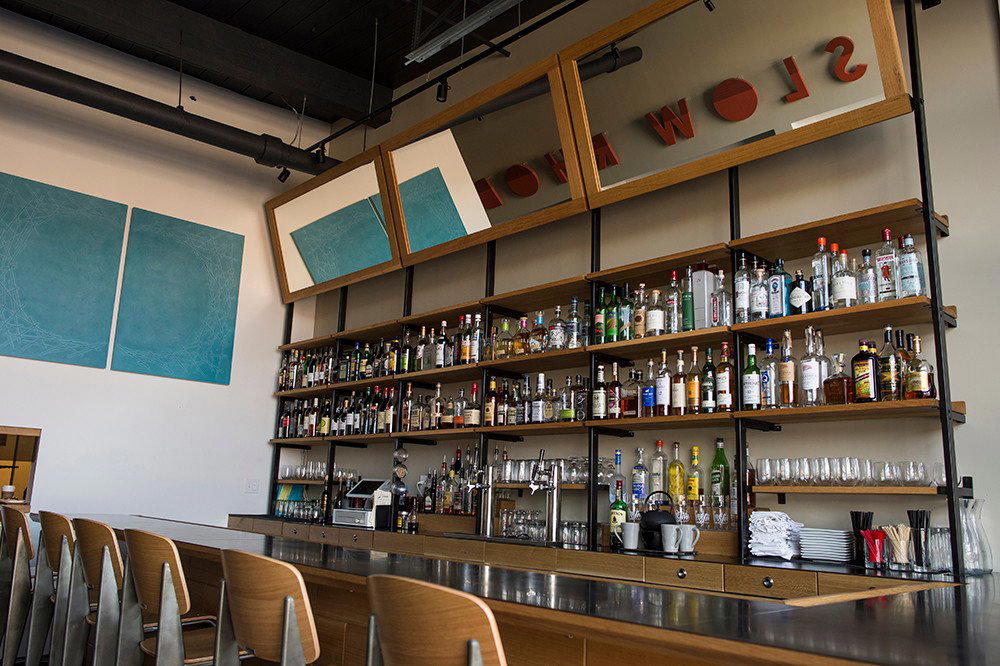
At a Glance
- Cozy
- Modern
- Date Night
- Casual Hangout
- Craft Cocktails
- Local Sourcing
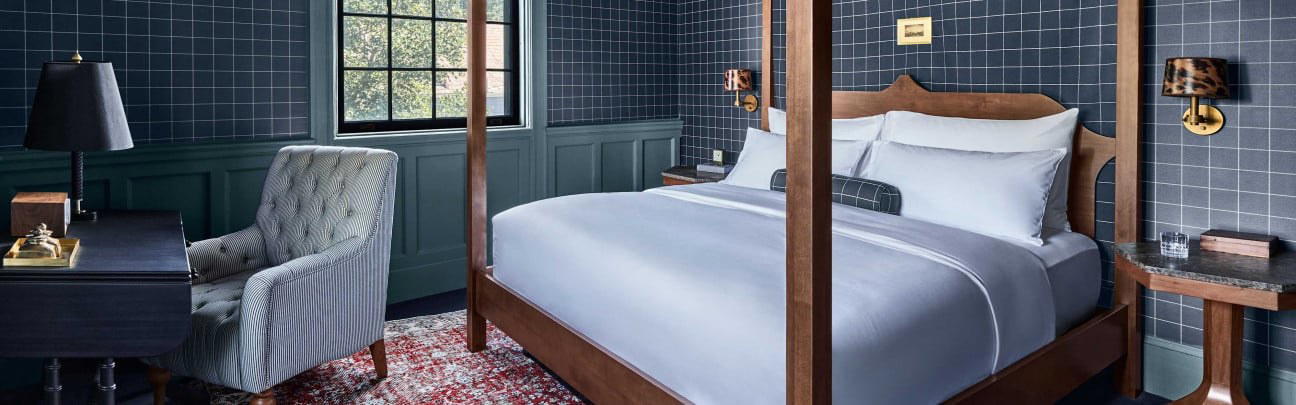
Warm and welcoming space with a casual dining atmosphere.