Tom Brown at The Capital



1 Michelin Star · AA Rosettes 3 Rosettes · The Best Chef One Knife
Our verdict
Tom Brown returned to The Capital Hotel in Knightsbridge in 2025, bringing the seafood-focused precision that built his reputation at Cornerstone in Hackney. The intimate dining room suits both discreet business lunches and considered celebratory dinners. Dishes such as cuttlefish 'cacio e pepe' and turbot with courgettes signal a kitchen that treats prime ingredients as the argument, not the decoration.

Pearl is the En Primeur Club membership app, where members save venues, book tables and use the concierge.

The menu
What to order
- Cuttlefish ‘cacio e pepe’
- Monkfish with chicken butter sauce
- Mackerel Tartare
If You Eat One Seafood-Led Tasting Menu in London This Year, Make It This One
London's fine dining circuit is weighted toward broad European frameworks: the French classicism of Restaurant Gordon Ramsay, the ambitious modernism of Sketch's Lecture Room, the produce-led naturalism of CORE by Clare Smyth. What it has less of is a serious restaurant built almost entirely around seafood, where the sourcing logic, the menu architecture, and the cooking technique all point in the same direction. Tom Brown at The Capital, which opened in 2025, fills that gap with unusual clarity.
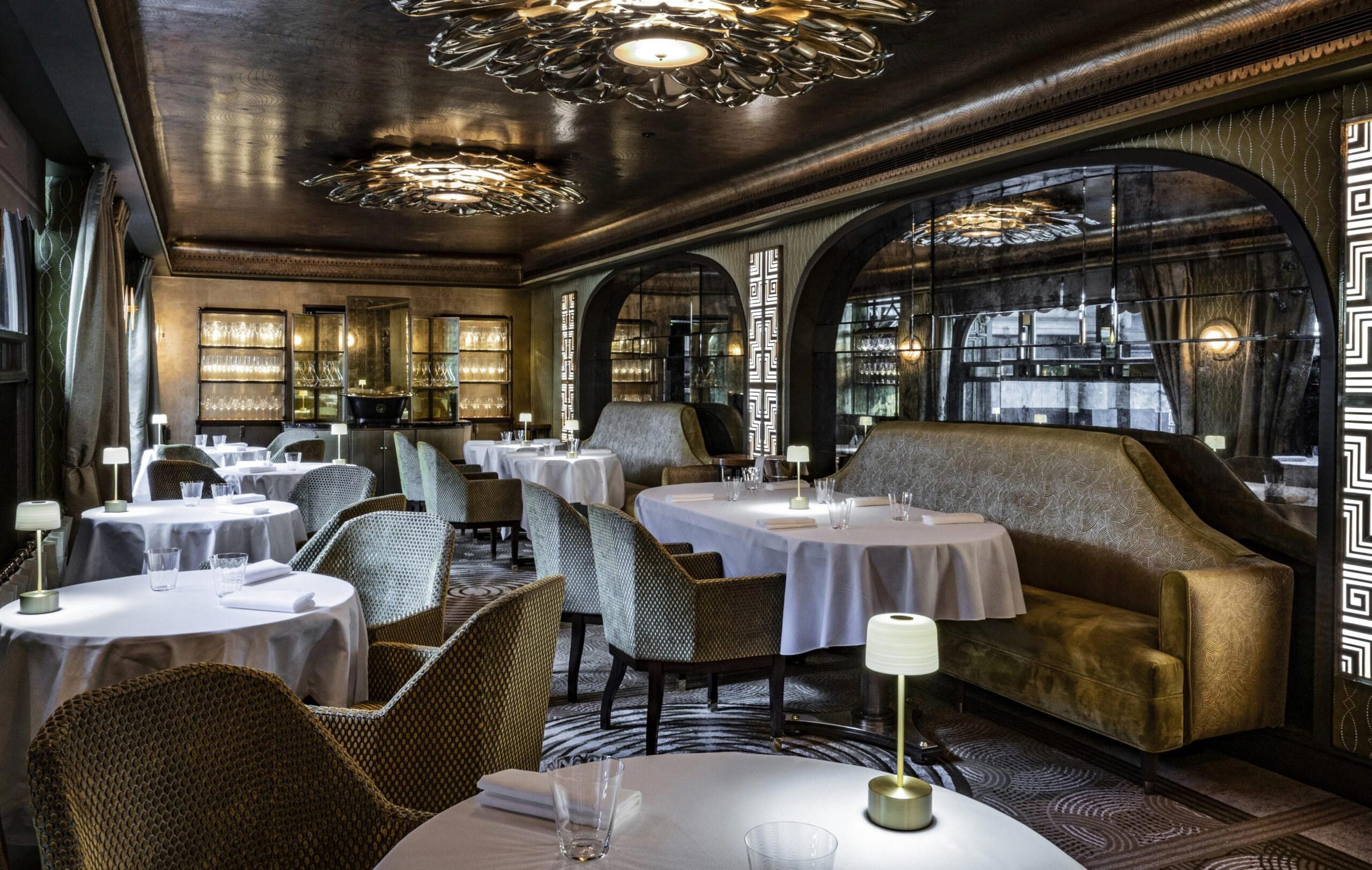
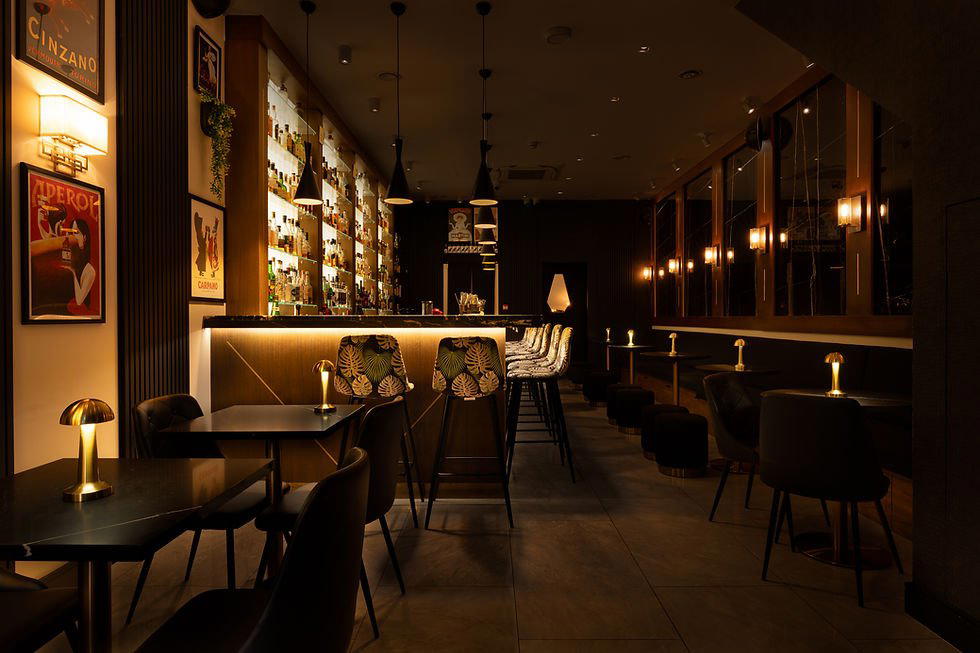
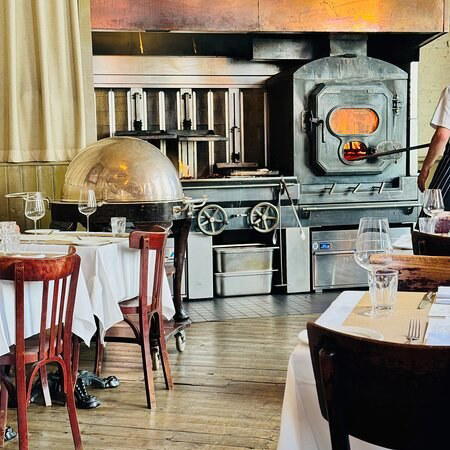
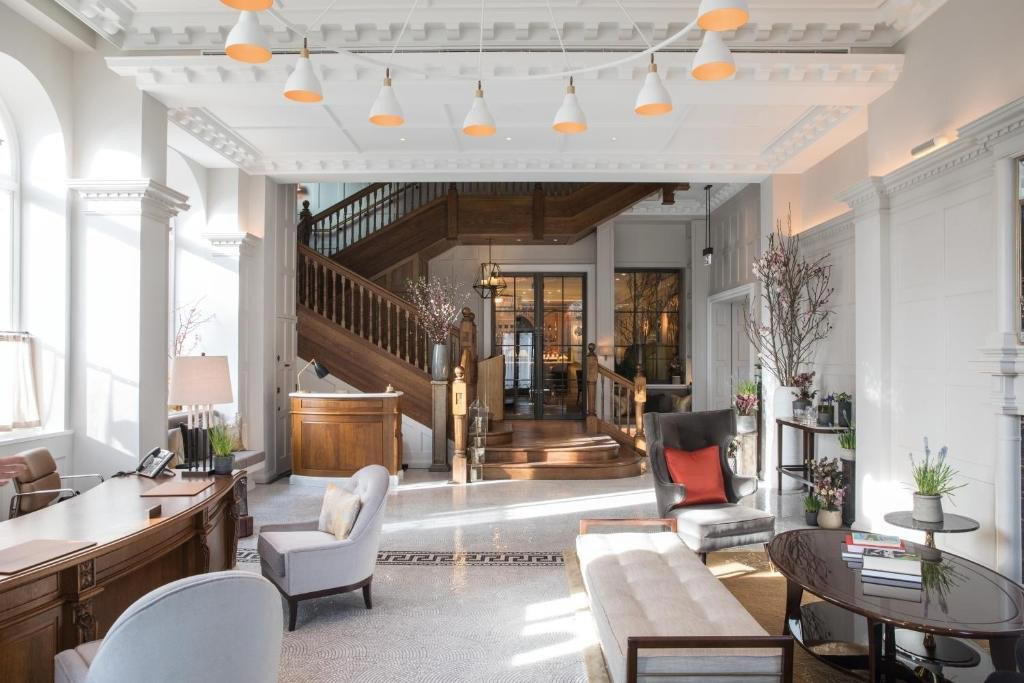
The setting is Knightsbridge, SW3, in a hotel that has housed serious cooking before. The dining room reads intimate and composed, the kind of space where the silence between courses matters as much as the courses themselves. It is precisely the environment where a kitchen's confidence either holds or collapses. Here, it holds.
Seafood as a Culinary Argument, Not a Theme
The broader British fine dining conversation has moved steadily toward ingredient primacy over the past decade. At The Ledbury, produce from the kitchen garden increasingly shapes the menu structure. At Dinner by Heston Blumenthal, the logic runs through historical British recipes. Tom Brown's framework is different: the sea is not a category on the menu but the organising principle of the entire enterprise.
This matters from a sustainability standpoint in ways that restaurant criticism rarely addresses directly. A kitchen that builds its identity around seafood is, whether by design or necessity, forced to engage with supply chain questions more acutely than most. Which fish is in season? Which stocks are under pressure? Which catching method leaves the least impact? These are not rhetorical questions in a kitchen of this kind; they are operational constraints that shape the menu in real time. The emphasis on turbot, a line-caught flatfish whose quality is highly seasonal, and on cuttlefish, a cephalopod with relatively low environmental overhead, suggests a kitchen that has thought about sourcing at the species level rather than simply buying premium.
Cuttlefish 'cacio e pepe' is the kind of dish that earns its place on a menu by making an argument. It borrows a Roman pasta format and applies it to a creature that British kitchens have historically underused, despite the fact that cuttlefish is abundant in UK and European waters, has a short life cycle, and reproduces prolifically. Using it in a preparation that references a globally recognised dish framework is a quiet piece of programming: it tells a first-time diner that this is not obscure ingredient theatre, but it also signals that the kitchen is not defaulting to the obvious.
Turbot with courgettes operates at the other end of the register. Turbot is one of the most expensive flatfish in European waters, a fish whose quality at the table depends almost entirely on the quality of the sourcing and the precision of the cooking. Pairing it with courgettes, a vegetable that reads seasonal and grounded rather than luxurious, frames the dish as a study in balance rather than abundance. That distinction matters: the leading seafood restaurants do not pile luxury on luxury. They use restraint as a form of argument.
London's top-tier dining has spent the last several years becoming more expensive and, in many cases, more conceptually demanding. The city now has multiple restaurants operating at a level comparable to the leading addresses in New York or internationally recognised tasting menu formats. Within that cluster, Tom Brown at The Capital occupies a specific position: serious technique, ingredient-driven logic, a smaller dining room than the hotel-restaurant flagships, and a culinary identity that is narrower and more defined than its direct competitors.
The comparison set in Knightsbridge and the immediate surrounding neighbourhoods includes hotel dining rooms that operate across broader European frameworks. What distinguishes this room is the focus. Where CORE by Clare Smyth moves across a full range of British produce, and where the kitchen at The Ledbury ranges across modern European technique and garden produce, Brown's menu arrives at a tighter brief. That compression of scope is a choice, and it comes with both rewards and constraints: the kitchen is less exposed to ingredient seasonality gaps, but it asks more of its sourcing relationships.
For diners considering this room against the broader UK fine dining circuit, the comparison extends beyond London. Coastal-focused tasting menu formats have found their most compelling expressions at places like Moor Hall and L'Enclume, both of which operate in closer proximity to their supply chains. Working at this level in central London requires more deliberate sourcing infrastructure. That Tom Brown has chosen Knightsbridge rather than a coastal or rural setting is a statement of intent: this kitchen is bringing the supply chain to the city, not the other way around.
The Knightsbridge Context
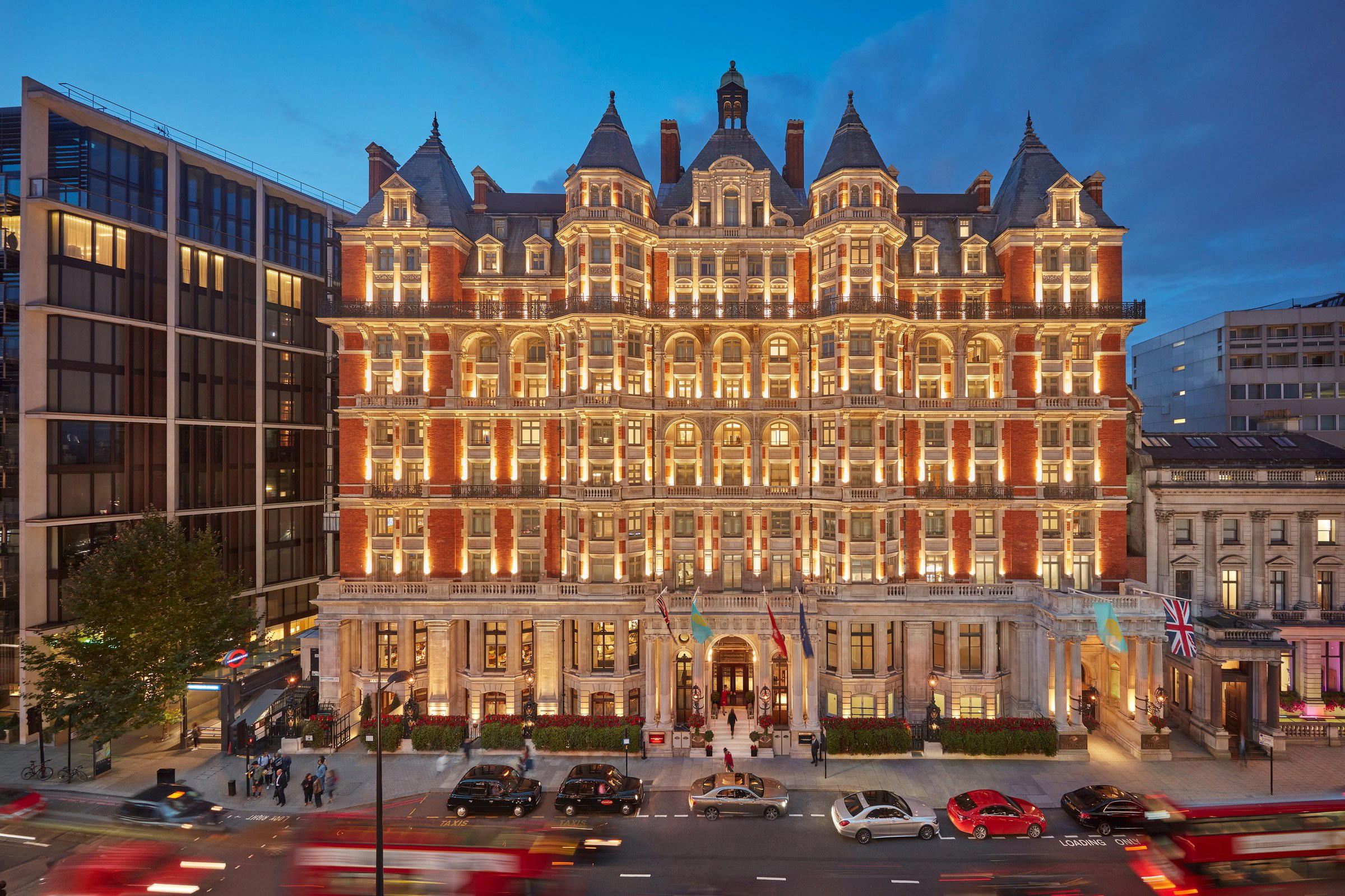
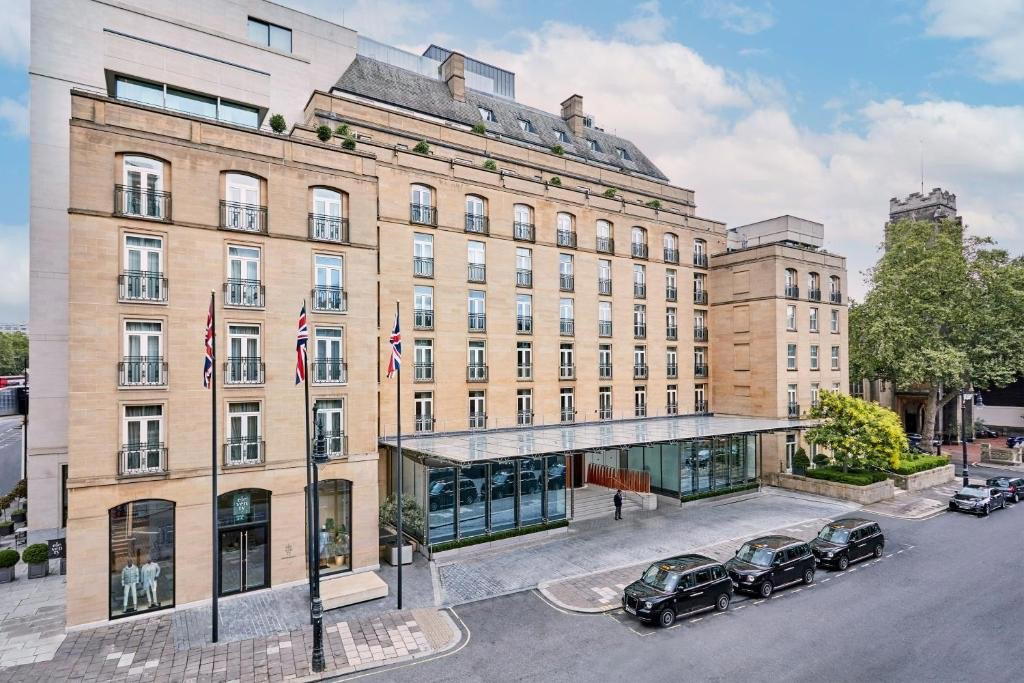
The Capital Hotel sits on Basil Street, a short walk from Harrods and positioned within one of London's highest-density concentrations of hotel dining. The neighbourhood draws a mix of long-stay international visitors, corporate accounts, and local residents who treat the area's restaurants as a regular rotation rather than a destination occasion. That audience is comfortable with formality but not dependent on it, which fits the tone of Tom Brown's room: structured without being stiff, precise without being cold.
The hotel's history with serious cooking gives the room a built-in context. For guests staying in the area, this is not a venue that requires explanation or persuasion. For those travelling across London specifically for the table, it sits within easy reach of South Kensington and Sloane Square stations, with the practical advantage of a hotel address for those combining dinner with an overnight stay. Our full London hotels guide covers the wider accommodation options in the area, and our full London restaurants guide maps the broader dining circuit across all neighbourhoods.
For those exploring the wider UK fine dining scene, comparable addresses with different regional perspectives include Gidleigh Park in Chagford, Hand and Flowers in Marlow, Le Manoir aux Quat' Saisons, and The Fat Duck in Bray. Each takes a different position on the spectrum between classical and contemporary British cooking. For drinking beyond dinner, our London bars guide, London wineries guide, and London experiences guide cover the adjacent circuit.
Planning Your Visit
| Venue | Cuisine Focus | Price Tier | Setting | Booking Lead Time |
|---|---|---|---|---|
| Tom Brown at The Capital | Seafood-led modern British | ££££ | Intimate hotel dining room, Knightsbridge | Advance booking advised (2025 opening) |
| CORE by Clare Smyth | Modern British | ££££ | Townhouse, Notting Hill | Several weeks minimum |
| The Ledbury | Modern European | ££££ | Neighbourhood restaurant, Notting Hill | Several weeks minimum |
| Restaurant Gordon Ramsay | Contemporary European, French | ££££ | Chelsea townhouse | Several weeks minimum |
| Dinner by Heston Blumenthal | Modern British, Traditional British | ££££ | Hotel dining room, Knightsbridge | Several weeks minimum |
Frequently asked questions
Is there a head chef associated with Tom Brown at The Capital?
The chef associated with Tom Brown at The Capital is Tom Brown.
What kind of recognition has Tom Brown at The Capital received?
Tom Brown at The Capital has received recognition including: After running his own restaurant Cornerstone in Hackney, Chef Tom Brown returned in 2025 to the genteel surroundings of The Capital Hotel, the place where his reputation was first established. The dining room is intimate, immaculate and per….
What should I order at Tom Brown at The Capital?
Tom Brown's kitchen is built around seafood as its primary argument, so the dishes that best express the menu's identity are those where the ingredient leads. The cuttlefish 'cacio e pepe' is one of the more inventive expressions on record, applying a pasta-kitchen framework to a seafood subject. Turbot served with courgettes represents the other register: prime ingredient, precise treatment, minimal distraction.
Where do I go for Tom Brown at The Capital?
Tom Brown at The Capital is located at 22-24 Basil St, London SW3 1AT, United Kingdom, London.
Do they take walk-ins at Tom Brown at The Capital?
The dining room at 22-24 Basil Street is described as intimate, which limits covers and makes advance booking the practical approach. Tom Brown carries a following from his years at Cornerstone in Hackney, and the 2025 return to The Capital has drawn attention from London's fine dining circuit. A reservation is the safer route, particularly for dinner or weekend lunch.
Cuisine and Recognition
A quick snapshot of similar venues for side-by-side context.
| Venue | Cuisine | Price | Awards | Notes |
|---|---|---|---|---|
| Tom Brown at The CapitalThis venue (the venue you are viewing) | Modern Seafood Fine Dining | $100–150 | 1 Michelin Star · AA Rosettes 3 Rosettes | Not listed |
| The Ledbury | Modern British Fine Dining | $300–500 | 3 Michelin Stars · World's 50 Best #42 | Modern European, Modern Cuisine |
| Sketch, The Lecture Room and Library | Modern French Fine Dining | $200–300 | 3 Michelin Stars · World's 50 Best #18 | Modern French |
| CORE by Clare Smyth | Modern British Fine Dining | $150–200 | 3 Michelin Stars · World's 50 Best #97 | Modern British |
| Restaurant Gordon Ramsay | French Fine Dining | $200–300 | 3 Michelin Stars · World's 50 Best #13 | Contemporary European, French |
| Dinner by Heston Blumenthal | Historic British Fine Dining | $200–300 | 2 Michelin Stars · World's 50 Best #45 | Modern British, Traditional British |
Recognition history
Dated appearances from independent guides and award organizations, with the underlying list record or original source where available.
Michelin 1 Star
Michelin
AA Rosettes 3 Rosettes
AA Rosettes
The Best Chef One Knife
The Best Chef
Continue exploring
More in London
Restaurants in London
All restaurants in London →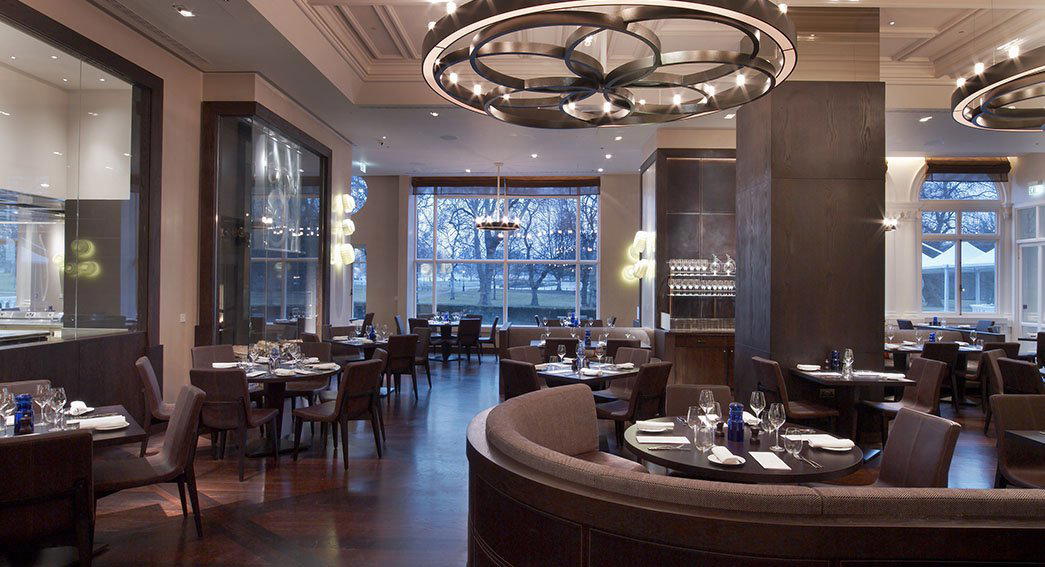
Bars in London
All bars in London →

Details
- Elegant
- Intimate
- Sophisticated
- Modern
- Special Occasion
- Date Night
- Business Dinner
- Hotel Restaurant
- Open Kitchen
- Extensive Wine List
- Sommelier Led
- Sustainable Seafood
- Tasting Menu
- A La Carte
- Wine
- Gluten Free Options
- Allergy Accommodating
Current opening hours
- Monday
- Closed
- Tuesday
- 12–9:30 p.m.
- Wednesday
- 12–9:30 p.m.
- Thursday
- 12–9:30 p.m.
- Friday
- 12–9:30 p.m.
- Saturday
- 12–9:30 p.m.
- Sunday
- Closed
Hours can change for holidays and private events. Hours as of .
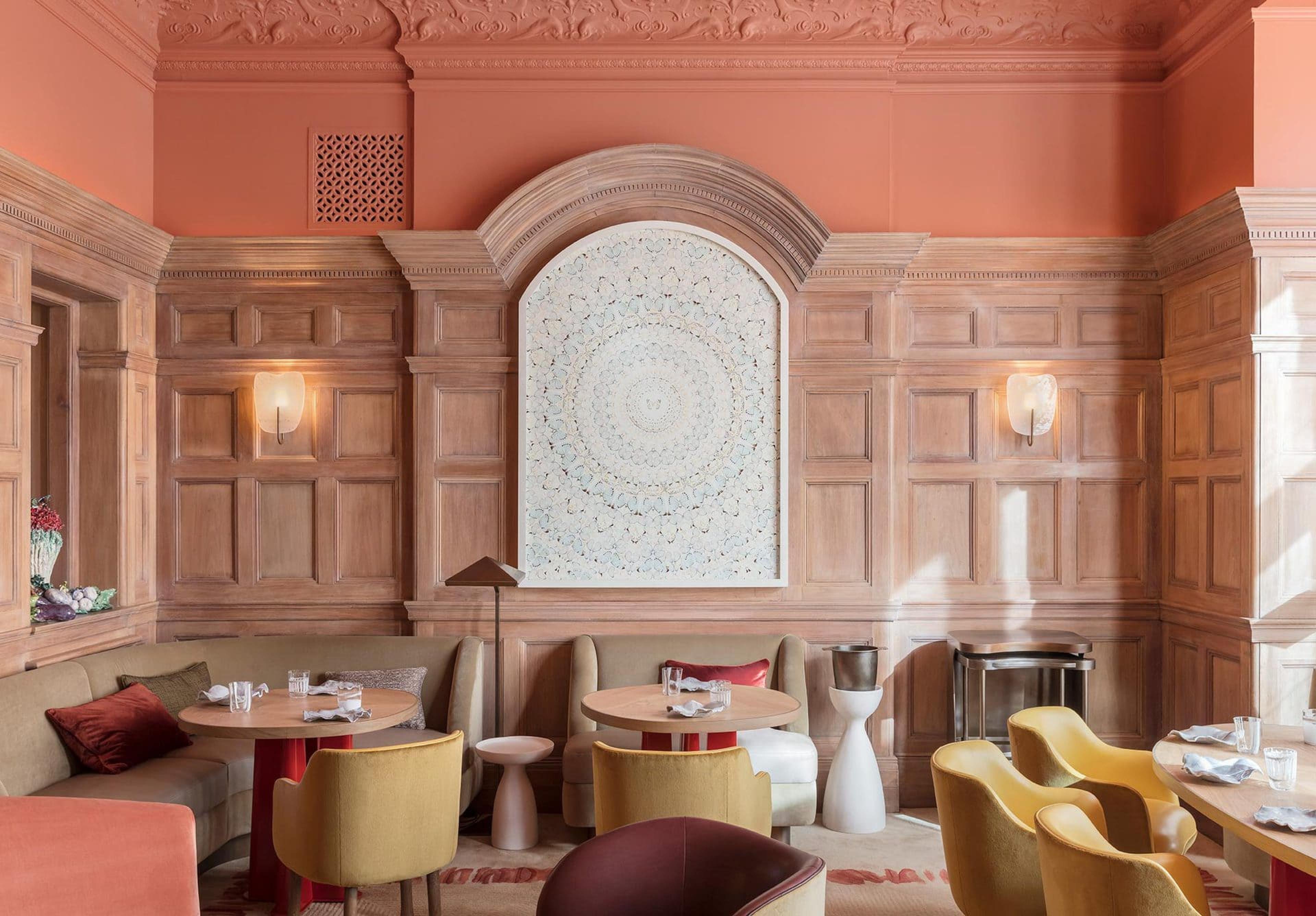
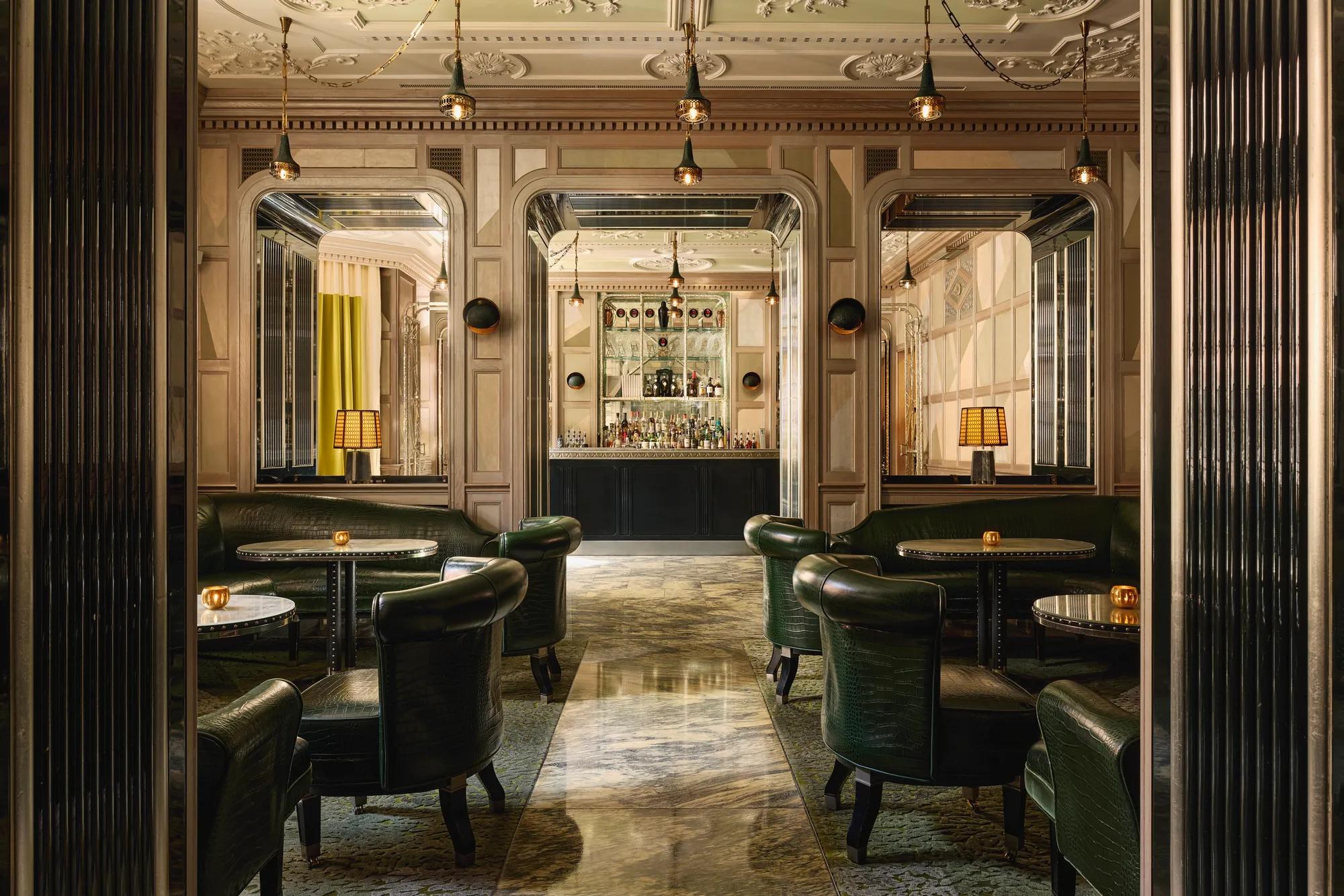
Light and fresh with green furnishings, high ceilings, tall windows, stylish wallpaper, and a warm, refined atmosphere.