Tokyo Wako Arcadia
Our verdict
Tokyo Wako brings Japanese shabu-shabu and sukiyaki tradition to Arcadia's dense Asian dining corridor, sitting in a price tier above the neighborhood's casual noodle houses and below the city's top omakase counters. The menu architecture centers on tableside hot pot cooking, a format that rewards patience and places the quality of the broth and protein sourcing at the center of every meal. Book ahead, particularly on weekends.

Pearl is the En Primeur Club membership app, where members save venues, book tables and use the concierge.
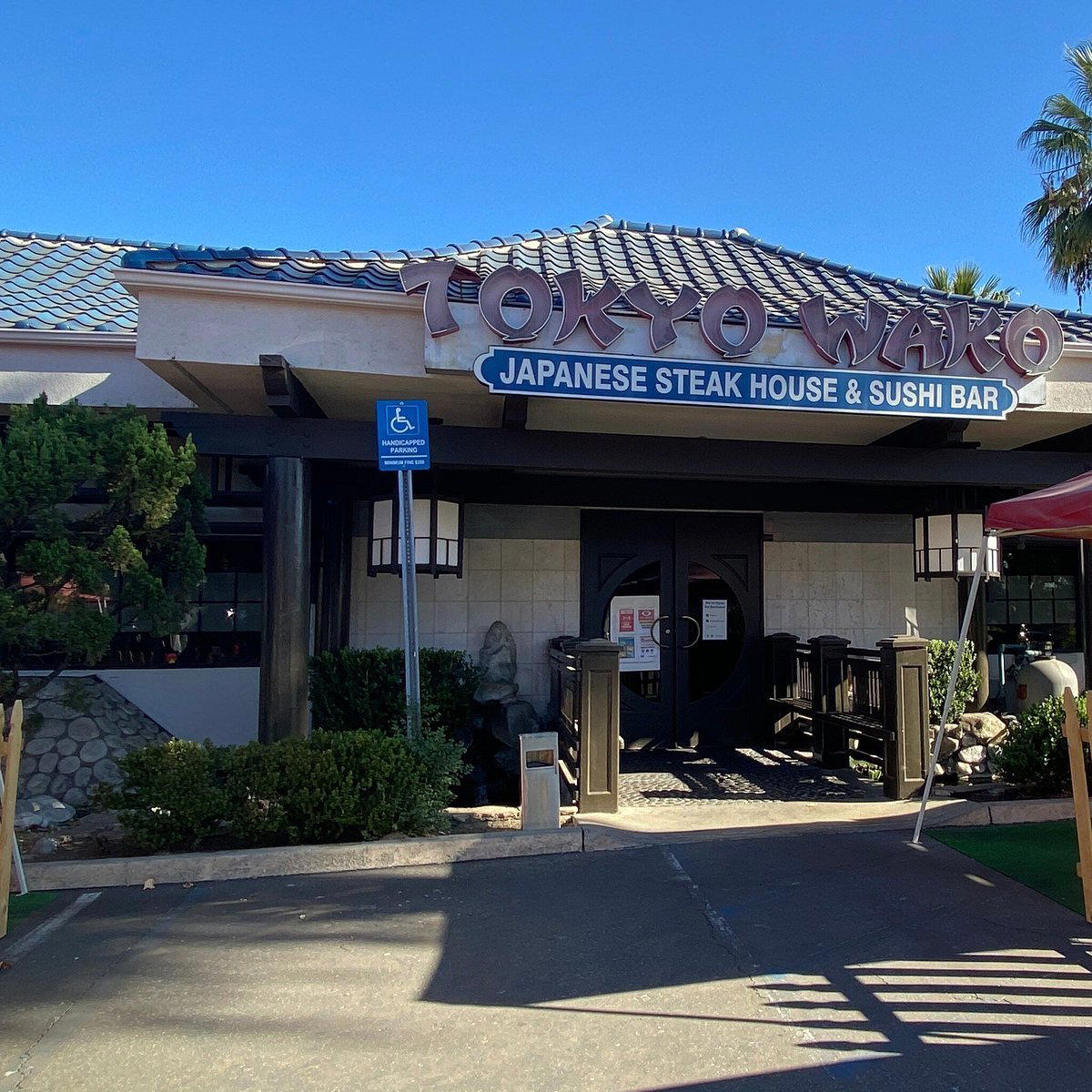
Where Arcadia's Japanese Hot Pot Tradition Meets the San Gabriel Valley's Dining Density
Arcadia's East Huntington Drive corridor has evolved into one of the most concentrated Asian dining strips in the continental United States, stacking Japanese, Sichuan, Cantonese, and Taiwanese formats within a few blocks of each other. Within that environment, Tokyo Wako Arcadia occupies a specific and legible position: a Japanese hot pot specialist operating in a mid-to-upper price bracket that sits above the neighborhood's casual noodle houses, such as Blue Magpie, and well below the reservation-only omakase tier represented locally by Sushi Kisen. That positioning is not accidental. Shabu-shabu and sukiyaki restaurants in the San Gabriel Valley target a demographic that wants high-quality protein in a communal format without the ceremony of a counter-service omakase, and Tokyo Wako fills that gap with a menu built around the logic of the Japanese hot pot tradition rather than around a chef's personal narrative.
The Architecture of a Shabu-Shabu Menu
In Japan, the shabu-shabu format arrived in Osaka in the early 1950s and spread into a national institution by organizing its menu around a simple hierarchy: broth first, protein tier second, vegetable and tofu accompaniments third. That structure has remained remarkably stable across decades and geographies, and it is the organizing logic behind any serious Japanese hot pot restaurant operating outside Japan today. The menu at a venue like Tokyo Wako reads as a direct expression of that hierarchy. Diners select a broth base, which determines the flavor register of the entire meal. They then choose a protein cut, typically differentiated by grade and marbling, which sets the price point. Everything else, from the ponzu dipping sauce to the sesame-based tare, exists as a finishing layer rather than a foundation.
What this menu architecture reveals about a restaurant is instructive. A hot pot program that leads with broth quality and protein sourcing signals that the kitchen understands the format's internal logic. The tableside cooking element transfers significant responsibility to the diner, which means the restaurant's job is to source well, prepare the components correctly, and set the table conditions, temperature of the broth, freshness of the protein, sharpness of the slicing, so that the diner cannot easily make an error. Compare this to the plate-service model at nearby Chef Tony, where the kitchen retains full control of execution, or the dumpling-forward format at Din Tai Fung Dumpling House, where precision is embedded in the production process rather than delegated to the table. Hot pot is a fundamentally different hospitality contract, and the menu architecture at Tokyo Wako reflects that.
How Tokyo Wako Sits in Arcadia's Competitive Set
The San Gabriel Valley dining scene has attracted serious critical attention over the past decade, largely because of the density and specificity of its Chinese restaurants. Chengdu Impression draws Sichuan specialists from across Los Angeles, and Chang's Garden has established a reputation for northern Chinese cooking with a loyal regional following. Against that backdrop, Japanese specialists like Tokyo Wako operate as a counterpoint to the area's dominant Cantonese and Sichuan identity, offering a different flavor register and a different meal structure. The hot pot format also appeals across cultural lines in a way that highly regionalized Chinese cooking sometimes does not, which gives Japanese hot pot restaurants in this corridor a broader potential audience.
Nationally, the premium end of the Japanese dining spectrum in the United States is anchored by tasting-menu counters in major urban centers: Atomix in New York City on the Korean-Japanese intersection, Providence in Los Angeles leading the California seafood-Japanese conversation. At a different price point and with a different mission, venues like Tokyo Wako serve the function of keeping Japanese dining culture accessible and repeatable, a role that matters for how a cuisine sustains itself in diaspora communities. The comparison is not about competitive ranking but about how different tiers of the same broad tradition serve different social and culinary functions. The same dynamic plays out in the fine dining tier, where Le Bernardin in New York City, The French Laundry in Napa, and Alinea in Chicago represent the ceremonial apex of their respective traditions, while mid-tier specialists maintain the daily practice of those cuisines at a broader scale.
Planning a Visit
Arcadia's dining corridor is accessible from central Los Angeles via the 210 freeway and sits near the Arcadia Metro station on the Gold Line, making it reachable without a car from Pasadena or downtown LA. Weekend evenings on East Huntington Drive draw significant crowds across multiple restaurants, and hot pot venues specifically tend to fill tables faster than plate-service equivalents because of the longer average dining time per table. Planning for a weekday visit or arriving early on weekends reduces the likelihood of a wait. The broader Arcadia dining corridor, covered in our full Arcadia restaurants guide, offers enough options across formats that a weekday visit can anchor a longer evening across multiple stops.
For travelers building a Southern California itinerary that includes serious Japanese dining, Tokyo Wako represents the accessible, communal end of the spectrum. Those pursuing the tasting-menu tier should look toward Addison in San Diego or Providence in Los Angeles for Michelin-recognized programs. For comparable farm-to-table ambition with a different geographic context, Single Thread Farm in Healdsburg and Blue Hill at Stone Barns in Tarrytown represent the format at its most considered. Tokyo Wako is not competing in that register; it is doing something else, and doing it within a neighborhood context that makes it worth understanding on its own terms.
Frequently asked questions
Where is Tokyo Wako Arcadia located?
Tokyo Wako Arcadia is located at 401 E Huntington Dr, Arcadia, CA 91006, Arcadia.
Is Tokyo Wako Arcadia a good option for group dining in the San Gabriel Valley?
The shabu-shabu format is inherently communal, built around a shared pot at the center of the table, which makes it well-suited to groups looking for an interactive meal structure. Tokyo Wako's address at 401 E Huntington Dr places it within Arcadia's primary Asian dining corridor, accessible from central Los Angeles via the 210 freeway and the Gold Line's Arcadia station. For parties with specific seating or private room requirements, contacting the venue directly before arrival is recommended.
What dish is Tokyo Wako Arcadia famous for?
Tokyo Wako is grounded in the shabu-shabu format, the Japanese hot pot tradition in which thinly sliced meat and vegetables are swirled briefly through simmering broth at the table. The concept originated in Osaka in the early 1950s and became a fixture of Japanese dining culture; Tokyo Wako brings that format to Arcadia's East Huntington Drive, one of the most concentrated Asian dining corridors in the continental United States.
How far ahead should I plan for Tokyo Wako Arcadia?
The San Gabriel Valley dining corridor draws consistent demand from across the greater Los Angeles area, with diners arriving via the 210 freeway and the nearby Arcadia Gold Line Metro station. Checking directly with Tokyo Wako at 401 E Huntington Dr, Arcadia, CA 91006 for current reservation availability before planning a visit is advisable, particularly on weekends when the corridor operates at its highest volume.
What's the defining dish or idea at Tokyo Wako Arcadia?
The organizing principle at Tokyo Wako is the shabu-shabu menu structure: guests select a broth, a protein tier, and accompanying vegetables, then cook at the table according to a format that has remained largely unchanged since its postwar Japanese origins. What distinguishes the Arcadia location is its placement within the SGV's competitive set, where diners can benchmark the format against a dense peer group of Japanese and broader Asian specialists along the same corridor.
Reputation First
Comparable venues nearby, for context on price, style, and recognition.
| Venue | Cuisine | Price | Notes |
|---|---|---|---|
| Tokyo Wako ArcadiaThis venue (the venue you are viewing) | Traditional Japanese Teppanyaki | $30–50 | Not listed |
| Din Tai Fung Dumpling House | Taiwanese Soup Dumplings & Noodles | $20–30 | Arcadia |
| Uncle Tetsu Cheesecake | Japanese Cheesecake Bakery | $10–20 | Santa Anita Mall |
| Nirvana | Authentic North Indian Punjabi Cuisine | $20–30 | Arcadia |
| Haidilao Hot Pot Arcadia | Chinese Hot Pot | $30–50 | Arcadia |
| Blue Magpie | Modern Taiwanese Fine Dining | Not listed | Arcadia |
Continue exploring
More in Arcadia
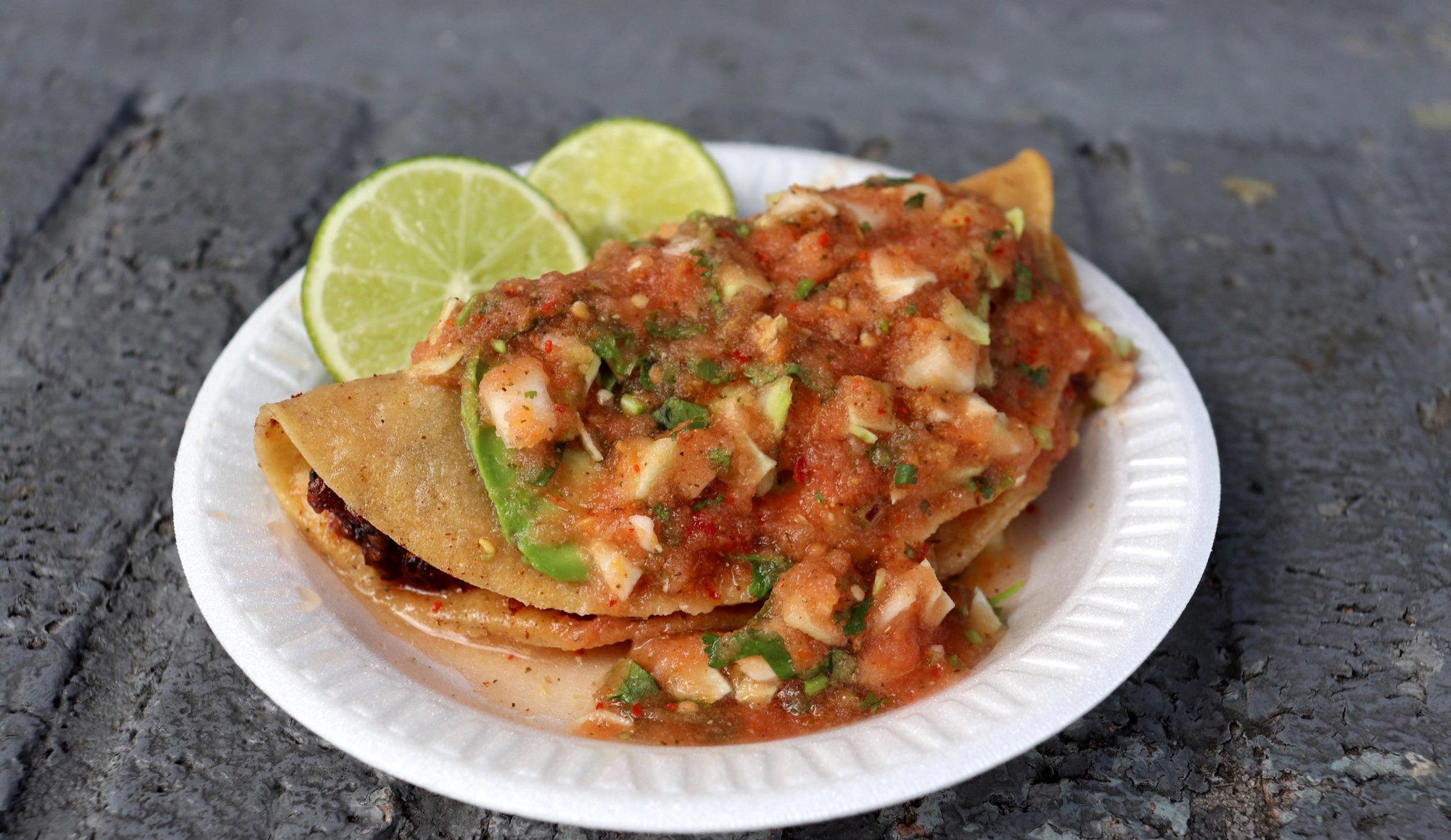
Restaurants in Arcadia
All restaurants in Arcadia →
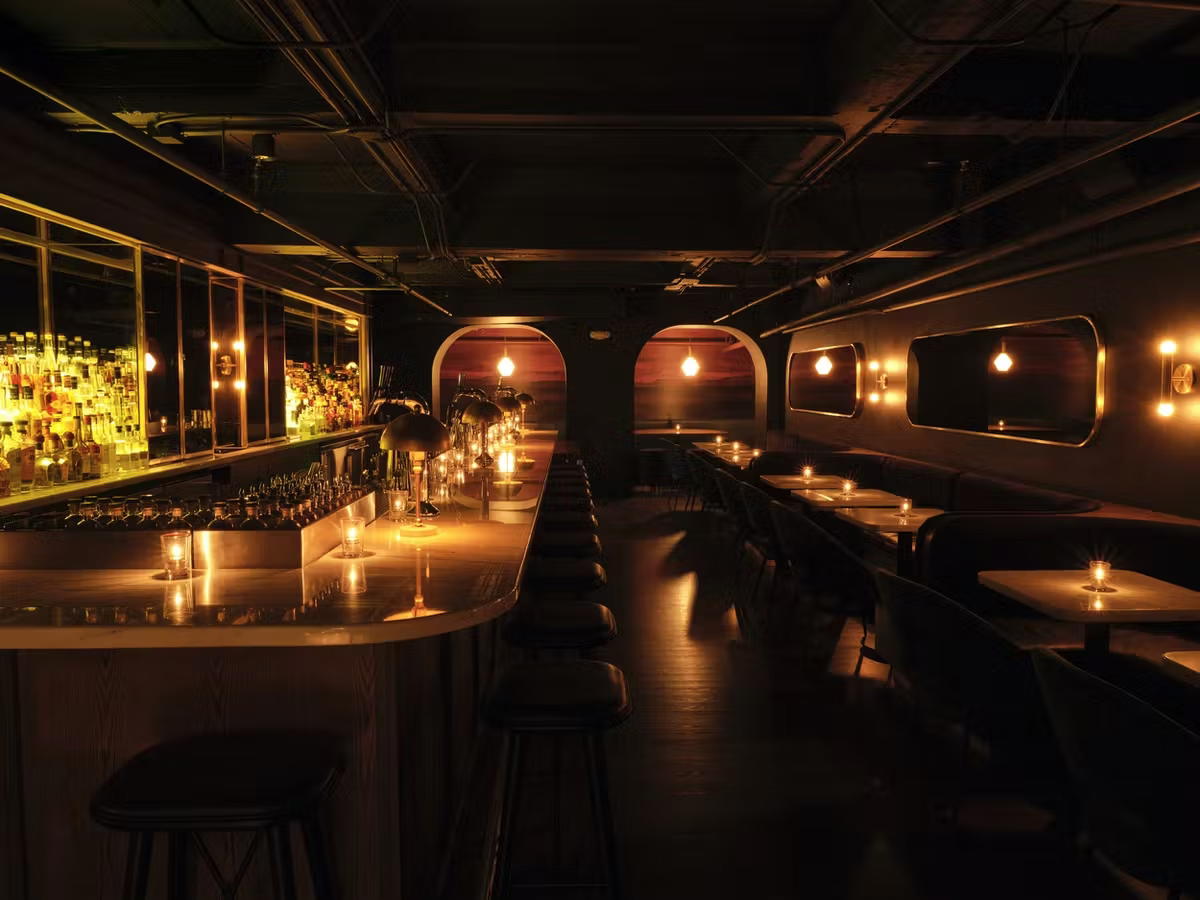
Bars in Arcadia
Browse all →
Hotels in Arcadia
Browse all →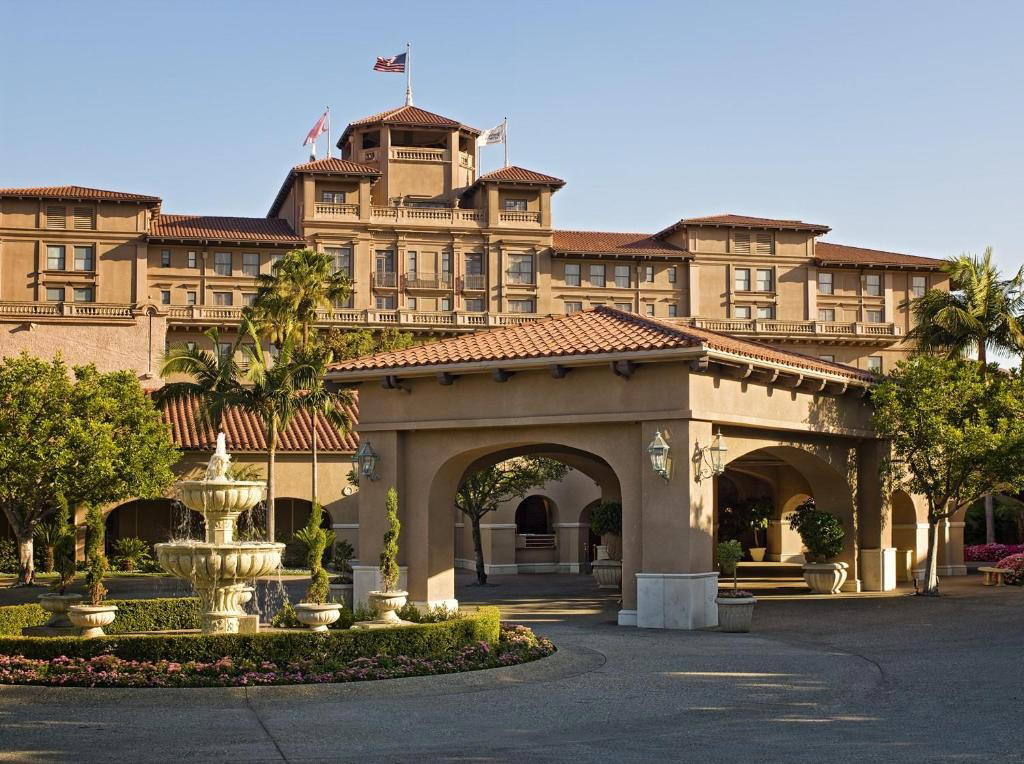
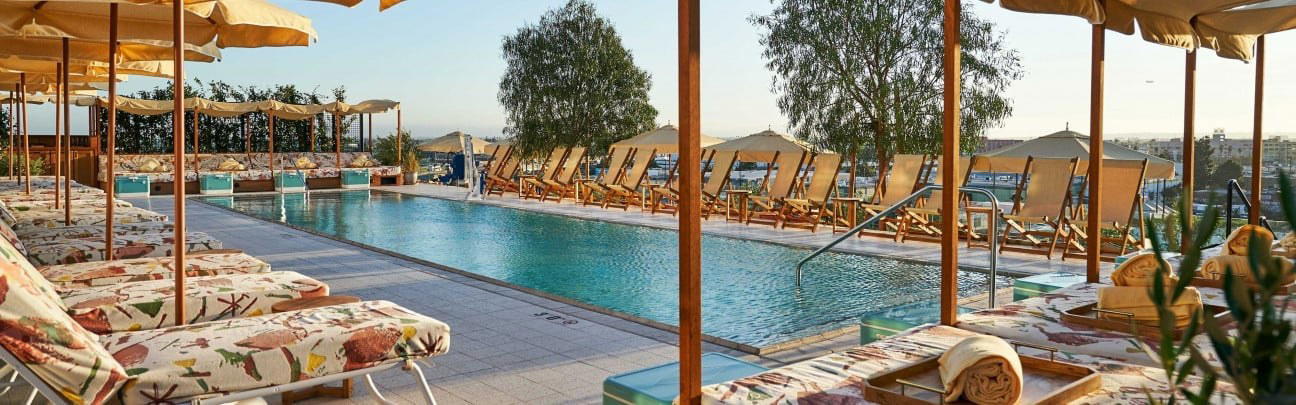
Wineries in Arcadia
Browse all →
Details
- Classic
- Lively
- Energetic
- Business Dinner
- Group Dining
- Celebration
- Special Occasion
- Open Kitchen
- Chefs Counter
- Beer Program
- A La Carte
- Family Style
- Beer
- Wine
Current opening hours
- Monday
- 12–2:30 PM, 4–9 PM
- Tuesday
- 12–2:30 PM, 4–9 PM
- Wednesday
- 12–2:30 PM, 4–9 PM
- Thursday
- 12–2:30 PM, 4–9 PM
- Friday
- 12–2:30 PM, 4–9 PM
- Saturday
- 12–2:30 PM, 4–9 PM
- Sunday
- 12–2:30 PM, 4–9 PM
Hours can change for holidays and private events. Hours as of .
Energetic and entertaining atmosphere with the sizzle and flames of teppanyaki grills creating a lively, interactive dining environment.