Blue Magpie
Our verdict
Blue Magpie sits on West Huntington Drive in Arcadia, a city where the density and range of Chinese regional cooking rivals any Chinatown on the West Coast. The address places it squarely in the corridor that has made the San Gabriel Valley a reference point for Chinese-American dining, where ingredient sourcing and regional specificity matter more than décor or buzz.

Pearl is the En Primeur Club membership app, where members save venues, book tables and use the concierge.
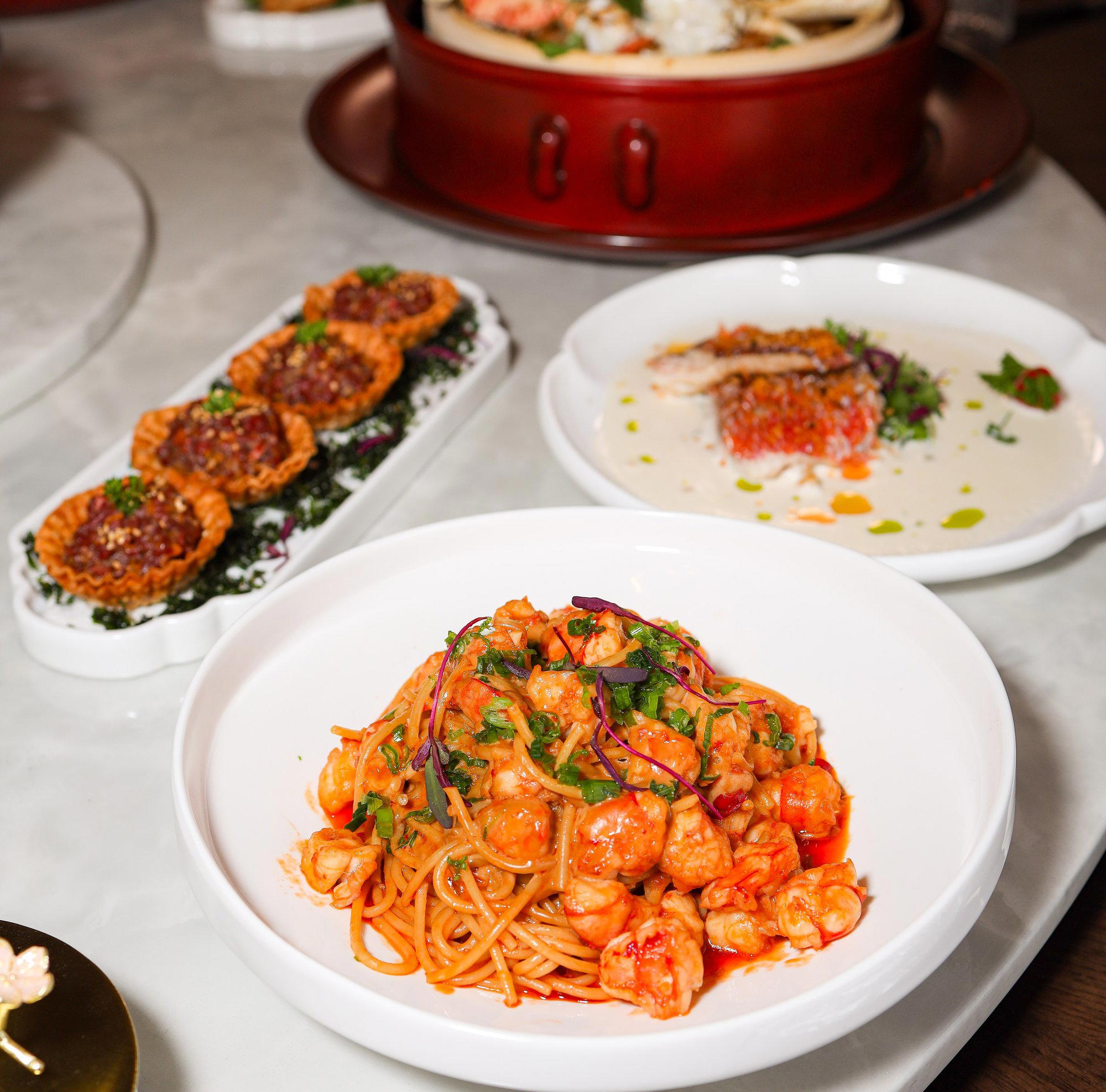
Arcadia's Dining Corridor and Where Blue Magpie Fits
West Huntington Drive is one of the more instructive stretches of road in Southern California if you want to understand how Chinese regional cooking has evolved in the United States. The San Gabriel Valley, of which Arcadia is one of the more polished nodes, has developed a dining density and regional breadth that draws serious eaters from Los Angeles proper, bypassing Chinatown entirely. Along this corridor you find everything from hand-pulled noodle shops priced at street-food levels to seafood houses operating at a price point and formality that would not look out of place in Hong Kong's Central district. Blue Magpie, at 41 W Huntington Dr, occupies this environment, where the competition is immediate and the diner base is sophisticated enough to notice when sourcing or execution slips.
That competitive pressure is worth understanding before arriving. Venues in this part of Arcadia are not competing against a national-chain baseline. They are competing against Chengdu Impression (Sichuan), which has set a benchmark for Sichuan regionalism in the valley, against Chef Tony (Chinese) at the mid-to-upper tier of Chinese seafood, and against Din Tai Fung Dumpling House, a globally recognized standard-bearer for Shanghainese-style dumplings with a queue to match its reputation. In this company, a venue earns its position through specificity, not generality.
The Ingredient Question: Why Sourcing Defines the San Gabriel Valley
The reason serious food writing about the San Gabriel Valley keeps returning to sourcing is that the valley's Chinese restaurant culture was built, in large part, by operators who brought supply chains with them. Specialty produce, imported sauces, regionally specific cuts and preparations that were unavailable or prohibitively expensive elsewhere in Southern California became accessible here because the volume of demand supported dedicated suppliers. This is a structural advantage that newer arrivals to the SGV dining scene inherit, but how well any individual venue uses it varies considerably.
For context: the farm-to-table sourcing conversation that occupies so much space in American fine dining, from Blue Hill at Stone Barns in Tarrytown to Single Thread Farm in Healdsburg, is in many respects a different version of a question that Chinese restaurants in the SGV have been answering for decades: does the ingredient on the plate reflect its origin, or has sourcing been compromised in the interest of margin? At the higher end of the Arcadia market, where Haidilao Hot Pot Arcadia commands loyalty through consistency of its broth bases and ingredients, and where venues like Chang's Garden have built long-term clientele on a reputation for quality over volume, that question is answered through daily practice rather than menu copywriting.
Reading the Room: Atmosphere Along the Huntington Corridor
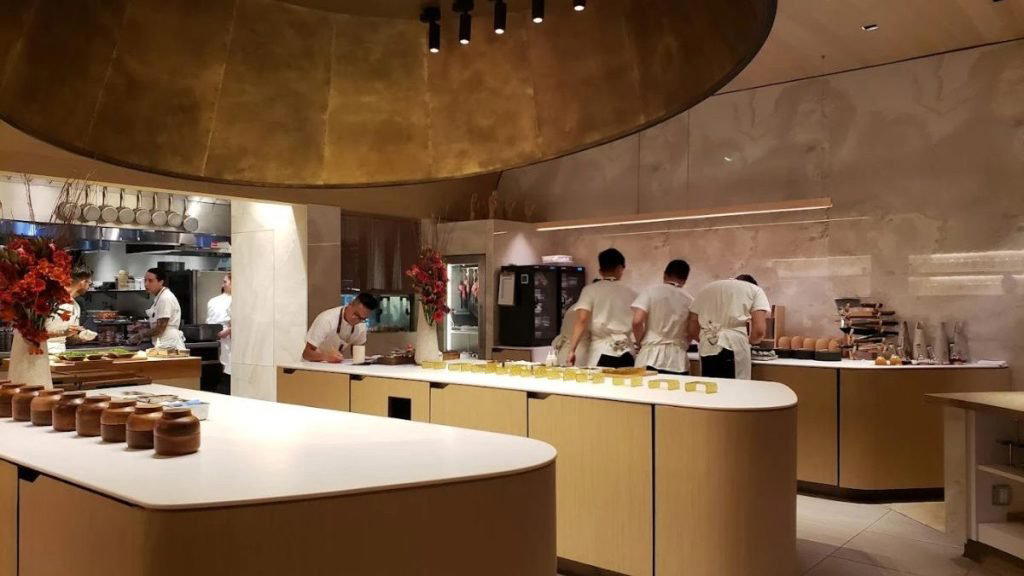
The physical character of dining on West Huntington Drive tends toward the functional rather than the theatrical. Strip-mall facades give way to interiors that range from the bare and efficient to the quietly formal, depending on the price tier. The corridor does not prioritize ambience as a competitive variable in the way that a Los Angeles restaurant in Silver Lake or West Hollywood might. What you feel walking into most venues here is a kind of workmanlike confidence: the room is set up to serve food, and the expectation is that the food will do the work.
This is not an accident of design poverty. It reflects a dining culture where the regular clientele, many of whom grew up eating the cuisines being served, are not there to be performed at. The implicit contract in much of the San Gabriel Valley's better Chinese dining is that sourcing and technique are the signal, not the room. Venues that have tried to compete primarily on interior design in this market have generally found that the customer base rebalances toward whichever kitchen is executing better that week.
That dynamic puts Blue Magpie in a context where what arrives at the table carries more weight than how the table is dressed. The address on Huntington, the density of competition within walking distance, and the sophistication of the regular diner base all point toward a venue that is evaluated on cooking rather than concept.
The Broader Frame: American Chinese Dining at Its Most Serious
For readers who typically track fine dining through a Michelin or James Beard lens, the San Gabriel Valley represents a parallel track that the award infrastructure has been slow to map. American venues recognized for sourcing-led, ingredient-forward cooking include Providence in Los Angeles, Smyth in Chicago, and at the coastal luxury end, Le Bernardin in New York City. The SGV Chinese dining corridor operates with a different set of credentials: longevity, repeat custom from a knowledgeable local base, and the ability to source ingredients that simply do not reach most American restaurant supply chains.
Internationally framed comparisons are useful here too. The sourcing-first ethos that defines venues like Atelier Moessmer Norbert Niederkofler in Brunico at the European end or Atomix in New York City for Korean fine dining is structurally similar to what the leading SGV Chinese kitchens have been practicing under less institutional visibility. The difference is that in Arcadia, the sourcing is often less legible to outside critics because it requires fluency in the regional specifics of the cuisine to evaluate correctly.
That gap in legibility is closing. Interest in SGV dining from food media based in Los Angeles has increased measurably over the past decade, and venues like Lazy Bear in San Francisco and Addison in San Diego have helped shift the California fine-dining conversation toward regional specificity in ways that benefit the SGV indirectly. The conversation is broader now, and the Arcadia corridor is part of it.
For a full orientation to what this part of Southern California offers, our full Arcadia restaurants guide maps the corridor by cuisine type, price tier, and booking difficulty.
Planning Your Visit
Blue Magpie is located at 41 W Huntington Dr, Arcadia, CA 91007, in the heart of the dining corridor that defines this part of the San Gabriel Valley. Parking along West Huntington Drive is generally accessible, with strip-mall lots serving most of the corridor's venues. Peak dining times on weekends run early, with the most active seatings between 6:00 and 8:00 pm; arriving before the corridor's general dinner peak gives you a cleaner read of the kitchen without the volume pressure.
Frequently asked questions
Is Blue Magpie suitable for children?
The West Huntington Drive corridor in Arcadia is a working dining stretch rather than a destination-event scene, which generally makes it low-pressure for families. Chinese regional restaurants along this corridor tend to accommodate tables of mixed ages without issue. That said, the menu focus at Blue Magpie is on serious regional cooking rather than Americanized dishes, so younger diners with narrow palates may find the range unfamiliar.
What's the vibe at Blue Magpie?
Blue Magpie sits on West Huntington Drive in Arcadia, a stretch where the physical environment runs functional rather than atmospheric, expect interiors organized around the food rather than the room. The San Gabriel Valley dining culture this corridor represents is built on cooking credibility, not décor spend. Conversations at neighboring tables are often in Mandarin or Cantonese, which signals the primary audience this kitchen is cooking for.
How does Blue Magpie compare to other Chinese restaurants along the San Gabriel Valley's Huntington Drive corridor?
Blue Magpie at 41 W Huntington Dr operates in that context, where the competition is measured by sourcing standards and regional authenticity rather than tasting-menu format or award recognition. For diners tracking Chinese cuisine through a fine-dining lens, the SGV corridor, and Arcadia specifically, represents a parallel standard worth understanding on its own terms.
What do people recommend at Blue Magpie?
What the San Gabriel Valley's Chinese restaurant culture has consistently rewarded along the Huntington corridor is sourcing precision and regional specificity over crowd-pleasing adaptations. Arriving without a fixed order in mind and asking what the kitchen is focused on that week is a reasonable approach at venues in this corridor.
Where is Blue Magpie in Arcadia?
Blue Magpie is located at 41 W Huntington Dr, Arcadia, CA 91007, Arcadia.
Comparable Venues
Comparable venues nearby, for context on price, style, and recognition.
| Venue | Cuisine | Price | Awards | Notes |
|---|---|---|---|---|
| Blue MagpieThis venue (the venue you are viewing) | Modern Taiwanese Fine Dining | Not listed | Not listed | Not listed |
| Chengdu Impression | Authentic Sichuan Cuisine | $30–50 | Not listed | Arcadia |
| LaoXi Noodle House | Shanxi-Style Handmade Noodles | $10–20 | Michelin Bib Gourmand | Arcadia |
| Side Chick | Hainan Chicken Rice | Not listed | Not listed | Santa Anita Mall |
| Sushi Kisen | Traditional Edomae Sushi Omakase | $50–100 | Michelin Plate · LA Times 101 Best Restaurants #41 | Arcadia |
| Din Tai Fung Dumpling House | Taiwanese Soup Dumplings & Noodles | $20–30 | Not listed | Arcadia |
Continue exploring
More in Arcadia
Restaurants in Arcadia
All restaurants in Arcadia →
Bars in Arcadia
Browse all →
Hotels in Arcadia
Browse all →
Wineries in Arcadia
Browse all →
Details
- Modern
- Elegant
- Sophisticated
- Date Night
- Special Occasion
- Business Dinner
- Private Dining
- Open Kitchen
- Sake Program
- A La Carte
- Small Plates
- Vegetarian Friendly
- Allergy Accommodating
Current opening hours
- Monday
- Closed
- Tuesday
- 11:30 AM–11 PM
- Wednesday
- 11:30 AM–11 PM
- Thursday
- 11:30 AM–11 PM
- Friday
- 11:30 AM–11 PM
- Saturday
- 11:30 AM–11 PM
- Sunday
- 11:30 AM–11 PM
Hours can change for holidays and private events. Hours as of .
Sleek, modern space with moderate noise and upscale aspirations.