Tokyo Tina occupies a corner of Chapel Street's mid-strip in Windsor, where the dining character shifts from high-concept fine dining toward neighbourhood venues with sharper edges. The menu draws on Japanese-leaning pan-Asian cooking in a format designed for sharing, placing it in a comparable set that rewards return visits rather than single-occasion formality.
Pearl is the En Primeur Club membership app — saves, bookings, and concierge access live there. Same editors, same standards.
- Address
- 66A Chapel St, Windsor VIC 3181, Australia
- Phone
- +61 3 9525 2774
- Website
- tokyotina.com.au
- Directions
- Get directions
 Saves & bookings on Pearl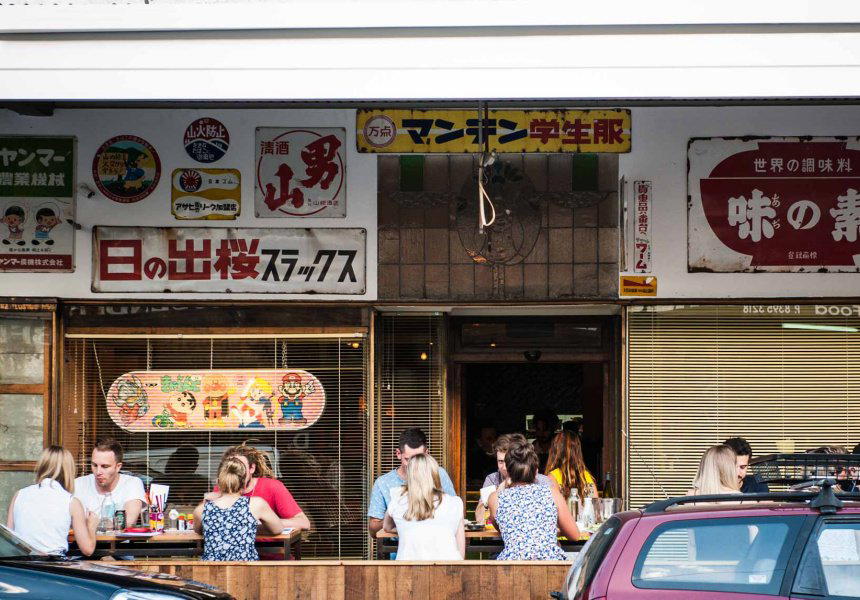
Chapel Street's Japanese-Leaning Share Plates Scene
Windsor's stretch of Chapel Street has developed a distinct dining personality over the past decade, one that sits between Prahran's market-driven produce culture and South Yarra's more formal restaurant tier. The venues that have found lasting traction here tend to share a few structural traits: menus built for sharing rather than sequential courses, a drinks program that treats the table as a whole rather than individual orders, and a room design that skews casual without signalling indifference. Tokyo Tina, at 66A Chapel Street, fits that pattern closely. It is a restaurant in Windsor, Melbourne, serving Modern Japanese Street Food Fusion, with. It represents a strand of Melbourne dining that has become increasingly confident: Japanese-inflected pan-Asian cooking delivered in a high-energy, share-plate format that owes more to the izakaya tradition than to the western tasting-menu model.
That izakaya logic, transplanted into a Melbourne neighbourhood context, has proven commercially durable across the city. You find versions of it in various inner-suburb venues, but the Chapel Street corridor gives it a specific demographic pressure: a younger dining crowd that expects flavour intensity, portion flexibility, and a room they can stay in for three hours without feeling surveilled. Tokyo Tina reads the brief accurately. The format sits in a peer group that includes other Windsor standbys, from the more Mediterranean-inflected Leading Meze Grill to the looser, eclectic register of Bubi's Awesome Eats, each of which approaches the casual-sharing format from a different culinary direction.
How the Menu Architecture Works
The structural logic of a menu tells you more about a restaurant's actual identity than its stated cuisine category. At venues in the Tokyo Tina mould, menus are typically organised around pace and portion size rather than protein or cooking method. The reader encounters small plates first, designed to arrive quickly and anchor the early momentum of the meal, followed by larger shared formats that slow the rhythm and shift the table toward conversation. Sauces and condiments are often foregrounded as finishing elements rather than buried under the protein, a technique borrowed from Japanese counter culture where accompaniments carry as much weight as the main ingredient.
This architecture produces a particular dining experience: the meal builds incrementally rather than arriving in a single formal wave, and the table negotiates the pace together. It rewards groups who arrive knowing roughly what they want and punishes those who expect a waiter-led, course-by-course cadence. For the right diner, the format is genuinely freeing. The kitchen can fire dishes across different temperature registers simultaneously without the sequence logic that constrains traditional Western service.
Pan-Asian menus of this type in Melbourne have also developed a distinct approach to heat and acid. Where earlier iterations of Japanese-influenced casual dining leaned heavily on umami as a one-note solution, the more considered versions now layer citrus, vinegar, and fermented elements to create complexity that holds across multiple dishes in a sitting. The drinks program, typically weighted toward low-ABV highballs, natural wine, and sake, is designed to work against this flavour intensity without overwhelming it.
Windsor as a Dining Context
Windsor sits in Melbourne's inner south, close enough to the CBD to draw a city crowd but far enough removed to sustain a neighbourhood-first identity. Chapel Street's dining strip has gone through several cycles of gentrification and contraction, and the venues that have survived multiple lease cycles tend to be those that built genuine local loyalty rather than relying on destination-dining foot traffic. That dynamic shapes what succeeds here: reliability, consistency, and a room that feels as comfortable on a Tuesday as it does on a Friday.
The broader Melbourne dining picture provides useful reference points. At the far end of the formality spectrum, venues like Attica in Melbourne and Brae in Birregurra define the tasting-menu, produce-obsessed pole of Australian fine dining. Rockpool in Sydney, Botanic in Adelaide, and Laura at Pt Leo Estate in Merricks anchor the premium end of Australian destination dining more broadly. The restaurant operates at a considerable remove from that tier, by design. The neighbourhood casual-share format is a different proposition entirely, and evaluating it against fine-dining benchmarks misreads what the restaurant is attempting.
Within Windsor specifically, the relevant comparable set includes Chimney Park Restaurant & Bar, Gladstone Commons, and East Side Mario's, each approaching the mid-market dining occasion from different angles.
Planning a Visit
Chapel Street venues in this category attract their heaviest traffic on Thursday through Saturday evenings, with weekend lunch also pulling a solid crowd in the warmer months. Arriving earlier in the week or booking the first sitting of the evening generally provides a quieter experience and faster service rhythm. The share-plate format means the meal can be calibrated to the group: smaller parties can graze across a broad selection without committing to oversized portions, while larger groups benefit from the format's natural flexibility.
Hentley Farm in Seppeltsfield, Provenance in Beechworth, Pipit in Pottsville, and Ormeggio at The Spit in Mosman each represent different regional expressions of serious Australian cooking. For international context, the structured informality of Lazy Bear in San Francisco and the technical precision of Le Bernardin in New York City show how different formats can serve equally committed dining cultures. Lizard Island Resort in Lizard Island represents the resort-dining pole of Australian hospitality, a useful contrast to the urban neighbourhood format the restaurant occupies.
- miso-glazed eggplant
- kingfish cones
- ramen
- poke
- crispy chicken with five spice
- Harvey Bay scallops
Where the Accolades Land
Comparable venues nearby, for context on price, style, and recognition.
| Venue | Cuisine | Price | Notes |
|---|---|---|---|
| Tokyo TinaThis venue — the venue you are viewing | Modern Japanese Street Food Fusion | $$ | Not listed |
| Journeyman | Australian Cafe Brunch | $$ | Windsor |
| Hawker Hall | Modern Singaporean & Malaysian Hawker | $$ | Windsor |
| Hanoi Hannah Express Lane | Traditional Vietnamese Hawker Street Food | $ | Windsor |
| Agnii | Modern Sri Lankan | $$$ | Windsor |
Continue exploring
More in Windsor
Restaurants in Windsor
Browse all →
Bars in Windsor
Browse all →
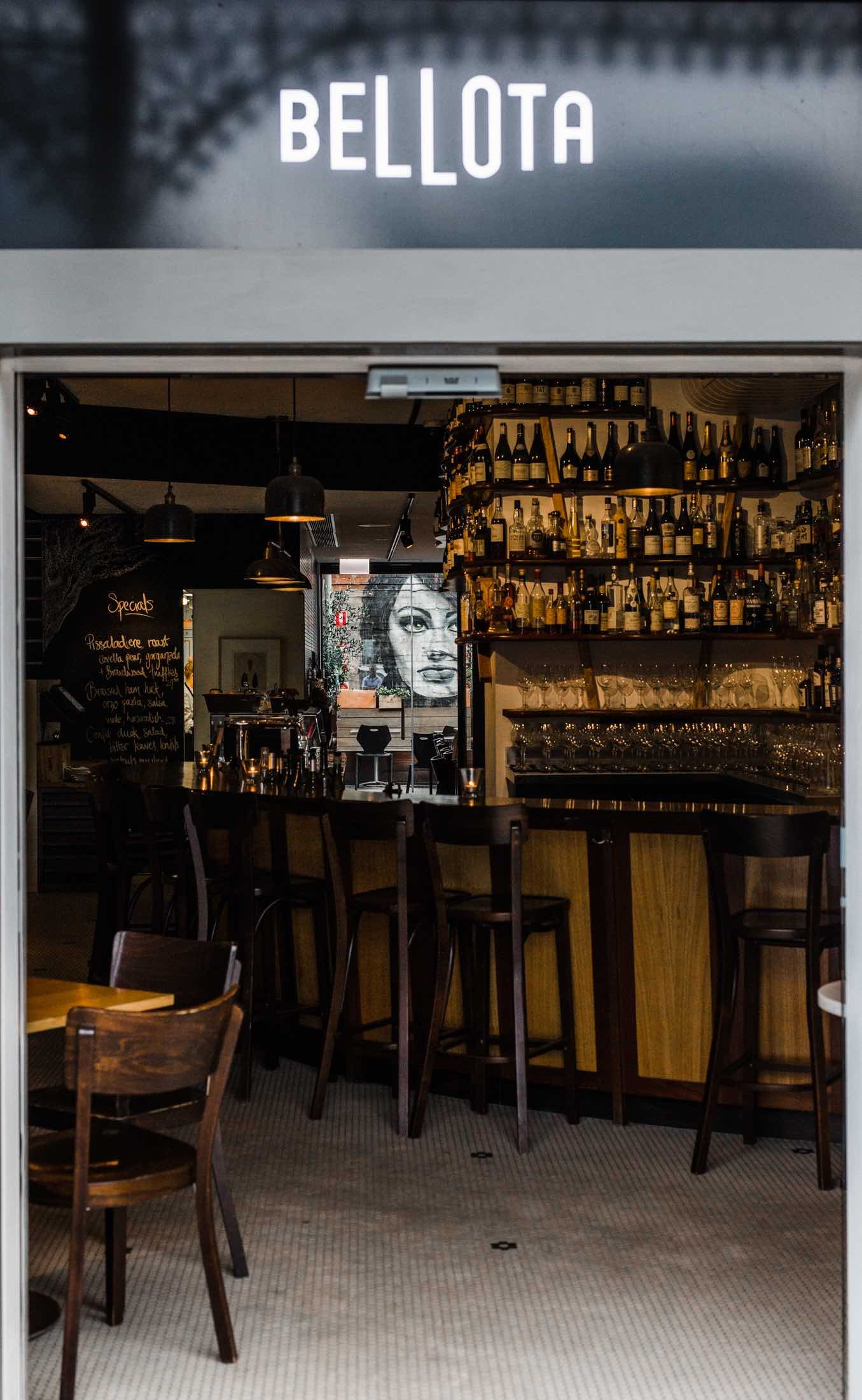
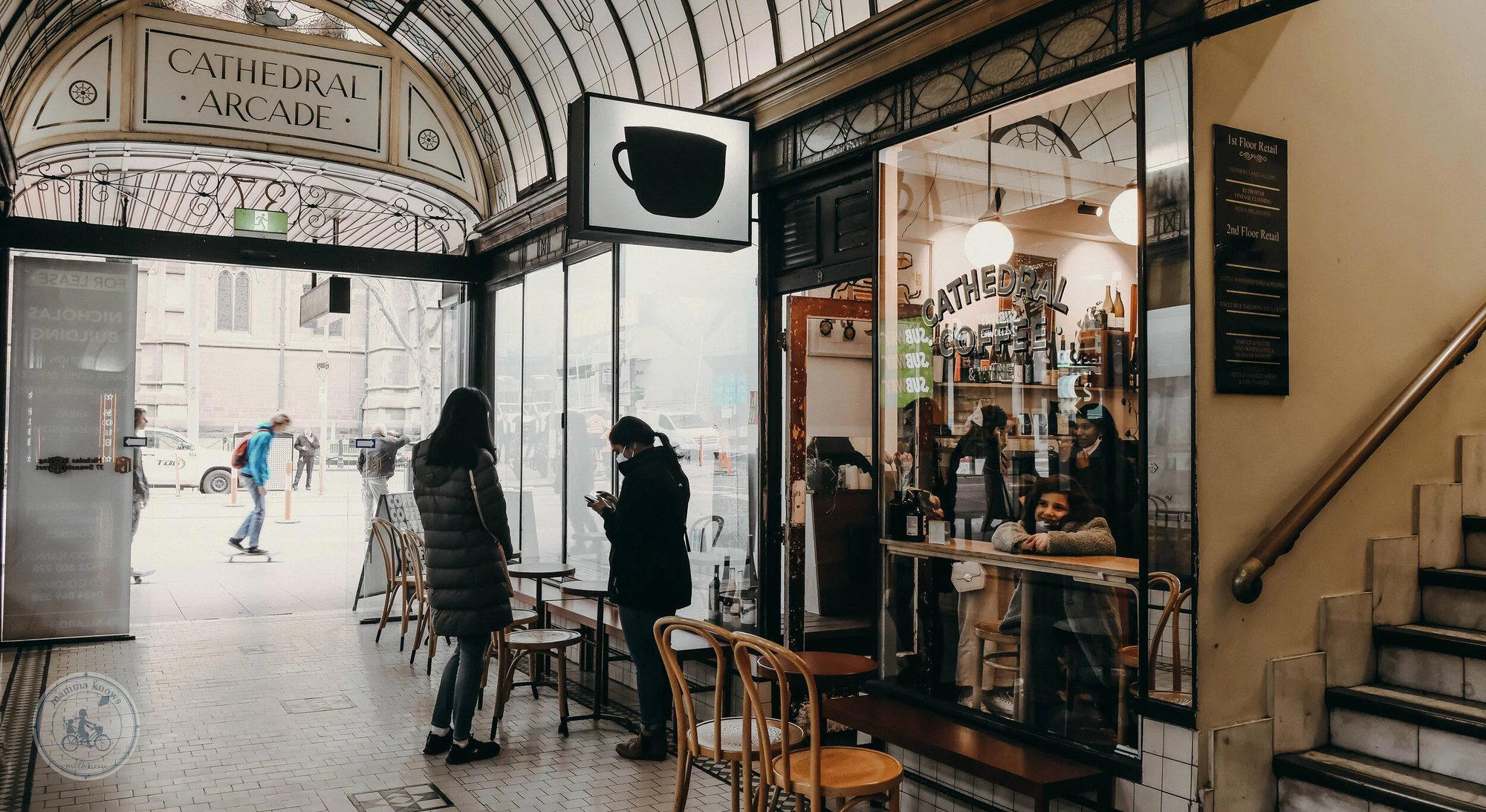
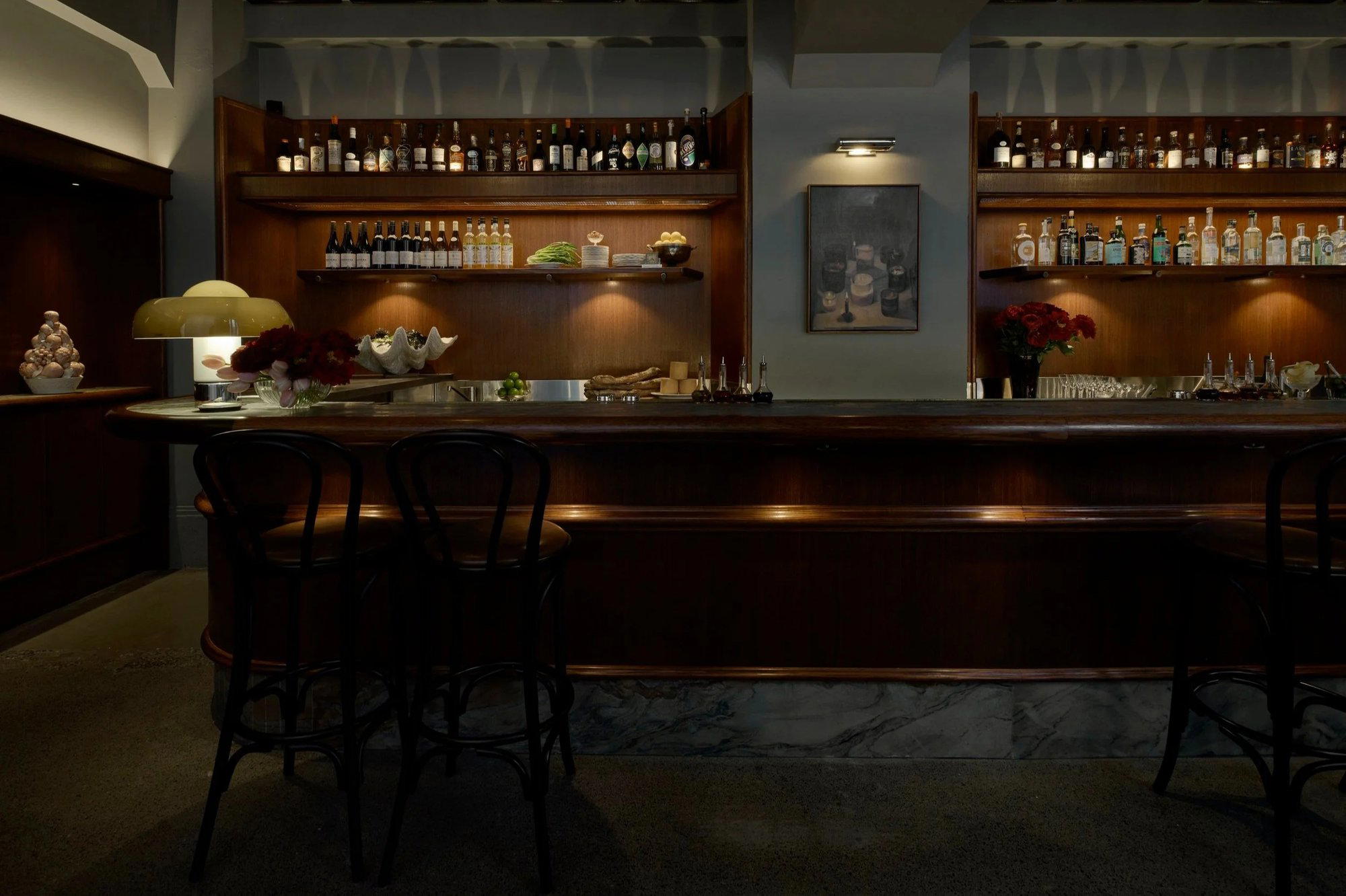
Hotels in Windsor
Browse all →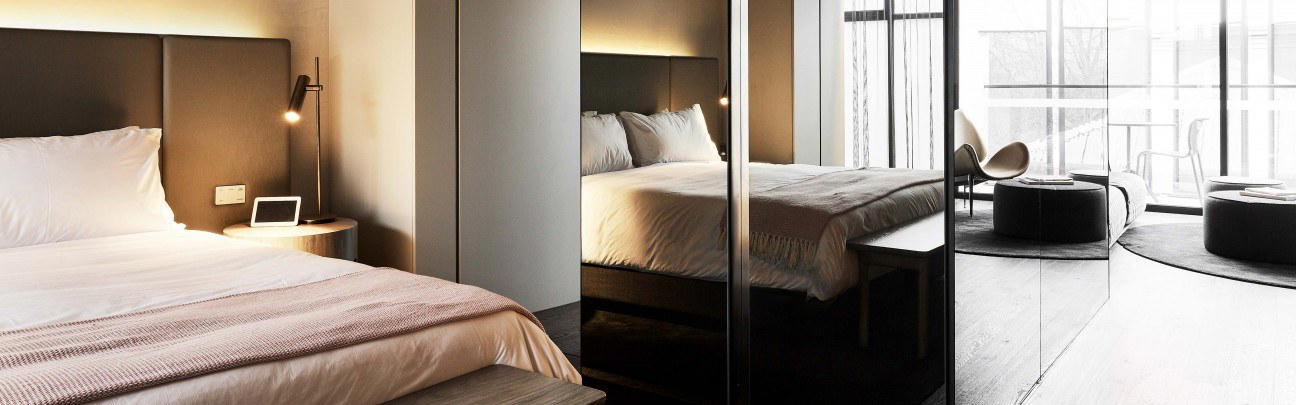
At a Glance
- Lively
- Modern
- Trendy
- Energetic
- Casual Hangout
- Group Dining
- After Work
- Late Night
- Private Dining
- Open Kitchen
- Standalone
- Craft Cocktails
- Sake Program
- Beer Program
- Local Sourcing
Current opening hours
- Monday
- 5–9 PM
- Tuesday
- 5–9 PM
- Wednesday
- 5–9 PM
- Thursday
- 5–9 PM
- Friday
- 5–10 PM
- Saturday
- 12–3:30 PM, 5–10 PM
- Sunday
- 12–3:30 PM, 5–9 PM
Hours can change for holidays and private events. Last verified .
Dark and buzzy atmosphere filled with Astro Boy pin-up posters and Japanese pop art, with crumbly walls and slatted timber evoking a fluorescent downtown Tokyo alleyway.