Tibby's New Orleans Kitchen
Our verdict
Tibby's New Orleans Kitchen brings the flavors of Louisiana to Winter Park, Florida, serving Creole and Cajun cooking along Aloma Avenue. The kitchen draws on the deep canon of New Orleans cuisine — roux-based stews, spiced proteins, and the kind of layered seasoning that takes years to calibrate. For residents and visitors alike, it functions as a reliable address for regional American cooking outside the city's more experimental dining tier.

Pearl is the En Primeur Club membership app — saves, bookings, and concierge access live there. Same editors, same standards.
- Address
- 2203 Aloma Ave, Winter Park, FL 32792
- Phone
- (407) 672-5753
- Hours
- Mon–Thu 11 AM–9 PMFri–Sat 11 AM–10 PMSun 10 AM–9 PM
- Website
- tibbys.com
- Directions
- Get directions
- Booking
- Book on OpenTable
The menu
What to order
- Po' Boys
- Gumbo
- Jambalaya
- Crawfish Pie
- Beignets
- Chicken & Waffles
Where Louisiana Cooking Lands in Central Florida
There is a particular register of American regional cooking — roux-dark, spice-calibrated, built on generations of technique — that does not translate easily when it travels. New Orleans cuisine is one of the most codified and historically specific food traditions in the country, and the distance between an authentic expression of it and a surface-level imitation tends to show quickly. Tibby's New Orleans Kitchen, at 2203 Aloma Ave in Winter Park, Florida, operates as one of the more direct answers to that challenge in Central Florida: a kitchen drawing on the Creole and Cajun canon without the theatrical framing that sometimes surrounds Southern cooking when it moves into tourist-adjacent markets.
Winter Park's dining scene has diversified considerably in recent years, with ambitious rooms like Soseki and Ômo by Jônt pulling the city toward the upper end of the contemporary tasting-menu format, and addresses like AVA MediterrAegean and Boca anchoring the mid-to-upper casual tier. Tibby's positions differently from all of them, occupying the space where regional American specificity matters more than format innovation.
The Arc of a Meal Built on Layered Technique
New Orleans cooking is, structurally, a cuisine of accumulation. The flavor profile of a properly made étouffée or gumbo does not arrive in a single note, it builds across a sequence of foundations: the roux held over heat until it darkens without burning, the trinity of onion, celery, and bell pepper cooked down to softness, the stock added in stages, the protein timed carefully against the sauce's progress. Understanding this is essential to understanding why the meal at a kitchen working honestly in this tradition tends to feel different from one simply applying Cajun seasoning as a flavoring shortcut.
The tasting progression at a well-run Creole or Cajun table typically moves from lighter, acid-forward openers, remoulade-dressed seafood, oyster preparations, or salad with pickled elements, through the heavier, roux-based centerpieces that define the cuisine's identity. Those centerpieces carry the most information about kitchen discipline: gumbo, jambalaya, and étouffée each require a specific relationship between fat, starch, and time that cannot be faked with seasoning alone. The meal resolves, traditionally, toward sweetness: beignets, bread pudding with whiskey sauce, or praline-inflected desserts that function as a direct counterpoint to the savory spice built up over earlier courses. A kitchen that can execute that arc coherently, not just plate recognizable dishes, is operating at a different level than one assembling a greatest-hits approximation.
For context on how this kind of progressive, tradition-grounded dining compares to formats built around similar narrative discipline, look at what Lazy Bear in San Francisco or Single Thread Farm in Healdsburg do with American regional sourcing and sequencing, both kitchens demonstrate how deeply American culinary traditions can support serious, structured meal design when the execution is honest about its roots.
Aloma Avenue and the Context of the Neighborhood
The Aloma Avenue corridor in Winter Park sits outside the more photographed stretch of Park Avenue, which draws the bulk of the city's food-and-drink attention. That separation is, in practice, an advantage for kitchens like Tibby's: lower real estate pressure, a more local customer base, and less of the tourist-oriented menu softening that can affect restaurants in high-visibility retail zones. The concentration of working neighborhood restaurants along Aloma includes 240 Rose Cafe, which anchors a similarly community-rooted format nearby. For the full picture of how these addresses fit into Winter Park's broader dining geography, the EP Club Winter Park restaurants guide covers the city's range from casual to fine-dining formats.
Regionally, Central Florida has historically operated as a market where consistency and portion value matter more to the local dining public than technical ambition. That context has shaped which cuisines thrive and which thin out: Italian and American formats hold well, Mediterranean has grown (as AVA MediterrAegean demonstrates), and Southern regional cooking, particularly Louisiana-rooted, has found an audience among both transplants from the Gulf Coast and diners drawn to the flavor depth that Creole technique produces. Tibby's sits in that pocket, where the demand is real and the competition from restaurants working the same territory is limited.
How It Sits Against the Wider American Dining Picture
American regional cooking has had an uneven moment. The past decade produced serious investment in tasting-menu formats drawing on local sourcing and chef biography, kitchens like Blue Hill at Stone Barns in Tarrytown, The French Laundry in Napa, Providence in Los Angeles, Addison in San Diego, The Inn at Little Washington, and Atomix in New York City each representing a different axis of that ambition. Internationally, rooms like 8 1/2 Otto e Mezzo Bombana in Hong Kong have demonstrated that regional culinary specificity, properly executed, travels across cultural contexts without losing coherence.
What Tibby's represents is a different, and arguably more durable, model: a kitchen committed to a specific American tradition rather than a format, operating in a mid-market register where fidelity to the source cuisine is the primary standard. That is not a lesser ambition, it is a different one, and in a city where experimental formats are increasingly well served by the rooms at the top of the market, the value of a reliably executed Creole kitchen is concrete rather than abstract.
Planning Your Visit
Tibby's New Orleans Kitchen is located at 2203 Aloma Ave, Winter Park, FL 32792. Given the neighborhood restaurant format and the local following that characterizes kitchens in this category, visiting mid-week tends to produce shorter waits and more attentive service than weekend peak hours. For current hours, reservation availability, and any menu updates, contacting the restaurant directly or checking for a current listing is the practical path, as details in this category can shift with the seasons and staffing. Dress is casual, in keeping with the register of the cuisine and the neighborhood setting.
Frequently asked questions
How do I find Tibby's New Orleans Kitchen?
Tibby's New Orleans Kitchen is located at 2203 Aloma Ave, Winter Park, FL 32792, Winter Park.
Does Tibby's New Orleans Kitchen in Winter Park serve authentic Louisiana food, or is it adapted for Florida tastes?
Louisiana cooking transplanted outside New Orleans faces consistent pressure to soften spice levels and simplify technique for broader audiences, but the Creole and Cajun tradition Tibby's draws on is structurally resistant to easy adaptation — roux-based dishes either carry the necessary depth or they don't. The kitchen's position on Aloma Ave in Winter Park, away from the city's more tourist-facing dining corridors, suggests it is serving a locally embedded audience with existing familiarity with the cuisine rather than a tourist-facing crowd expecting a diluted version.
What's the best thing to order at Tibby's New Orleans Kitchen?
Order into the roux-based dishes: gumbo, étouffée, and jambalaya are where Louisiana technique is most legible and most demanding to execute correctly. These are the preparations that separate a kitchen with genuine Creole and Cajun grounding from one working from shortcuts. Peripheral items may satisfy, but the core of the tradition is where Tibby's at 2203 Aloma Ave earns its position in Winter Park's dining corridor.
Is Tibby's New Orleans Kitchen reservation-only?
Tibby's operates in a neighborhood restaurant format on the Aloma Avenue corridor in Winter Park, a stretch that skews toward casual, walk-in traffic rather than the reservation-driven model of Park Avenue's more formal dining rooms. Arriving early or off-peak is the practical strategy, particularly on weekends when local demand for Louisiana-rooted cooking in Central Florida concentrates. Confirm current policy directly with the restaurant before visiting.
What's the signature at Tibby's New Orleans Kitchen?
In a Creole and Cajun kitchen, the signature lives in the roux: the depth of color achieved through time and heat, and the fat-to-flour ratio that determines whether a dish carries the complexity the tradition demands. At Tibby's in Winter Park, the gumbo and étouffée represent the clearest expression of that foundation. These are technically unforgiving dishes, and a kitchen's consistency with them defines its credibility within the genre.
Can Tibby's New Orleans Kitchen adjust for dietary needs?
Creole and Cajun cooking is built around shellfish, pork fat, and wheat-based roux, which limits meaningful accommodation for guests avoiding any of those categories. Some dishes within the Louisiana canon are naturally more flexible — red beans and rice, for instance, can be prepared without andouille — but the core preparations at a kitchen like Tibby's are structurally dependent on their traditional ingredients. Guests with specific dietary requirements should contact the restaurant at 2203 Aloma Ave, Winter Park, before visiting.
Is a meal at Tibby's New Orleans Kitchen worth the investment?
Properly executed Creole and Cajun cooking requires extended technique — roux development alone takes considerable time and attention — and sourcing ingredients like Gulf shellfish outside Louisiana adds to the operational cost. In Winter Park's dining market, a kitchen delivering that level of process at neighborhood pricing represents clear value against the effort required. The honest measure is whether the roux-based dishes hold their depth and calibration, which is where the kitchen's claim on the cuisine is made or lost.
Recognition Snapshot
Comparable venues nearby, for context on price, style, and recognition.
| Venue | Cuisine | Price | Awards | Notes |
|---|---|---|---|---|
| Tibby's New Orleans KitchenThis venue — the venue you are viewing | Authentic Cajun & Creole | $30–50 | Not listed | Not listed |
| Rome's Flavours | Authentic Italian | $20–30 | Not listed | Park Avenue |
| Boca | American Seasonal | Not listed | Not listed | Park Avenue |
| The Chapman | Florida-Centric Modern American Steakhouse | $50–100 | Not listed | Park Avenue, Winter Park |
| Grappolo Cucina Italiana | Authentic Italian Trattoria | $20–30 | Not listed | Park Avenue |
| The Wine Room on Park Avenue | Wine Bar with Small Plates | Not listed | Wine Spectator Best of Award of Excellence | Park Avenue |
Continue exploring
More in Winter Park
Restaurants in Winter Park
Browse all →
Bars in Winter Park
Browse all →

Details
- Lively
- Whimsical
- Rustic
- Energetic
- Brunch
- Group Dining
- Family
- Casual Hangout
- Celebration
- Live Music
- Private Dining
- Beer Program
- Craft Cocktails
- A La Carte
- Family Style
- Bottomless Mimosas
- Bloody Marys
- Sangria
- Gluten Free Options
Current opening hours
- Monday
- 11 AM–9 PM
- Tuesday
- 11 AM–9 PM
- Wednesday
- 11 AM–9 PM
- Thursday
- 11 AM–9 PM
- Friday
- 11 AM–10 PM
- Saturday
- 11 AM–10 PM
- Sunday
- 10 AM–9 PM
Hours can change for holidays and private events. Last verified .
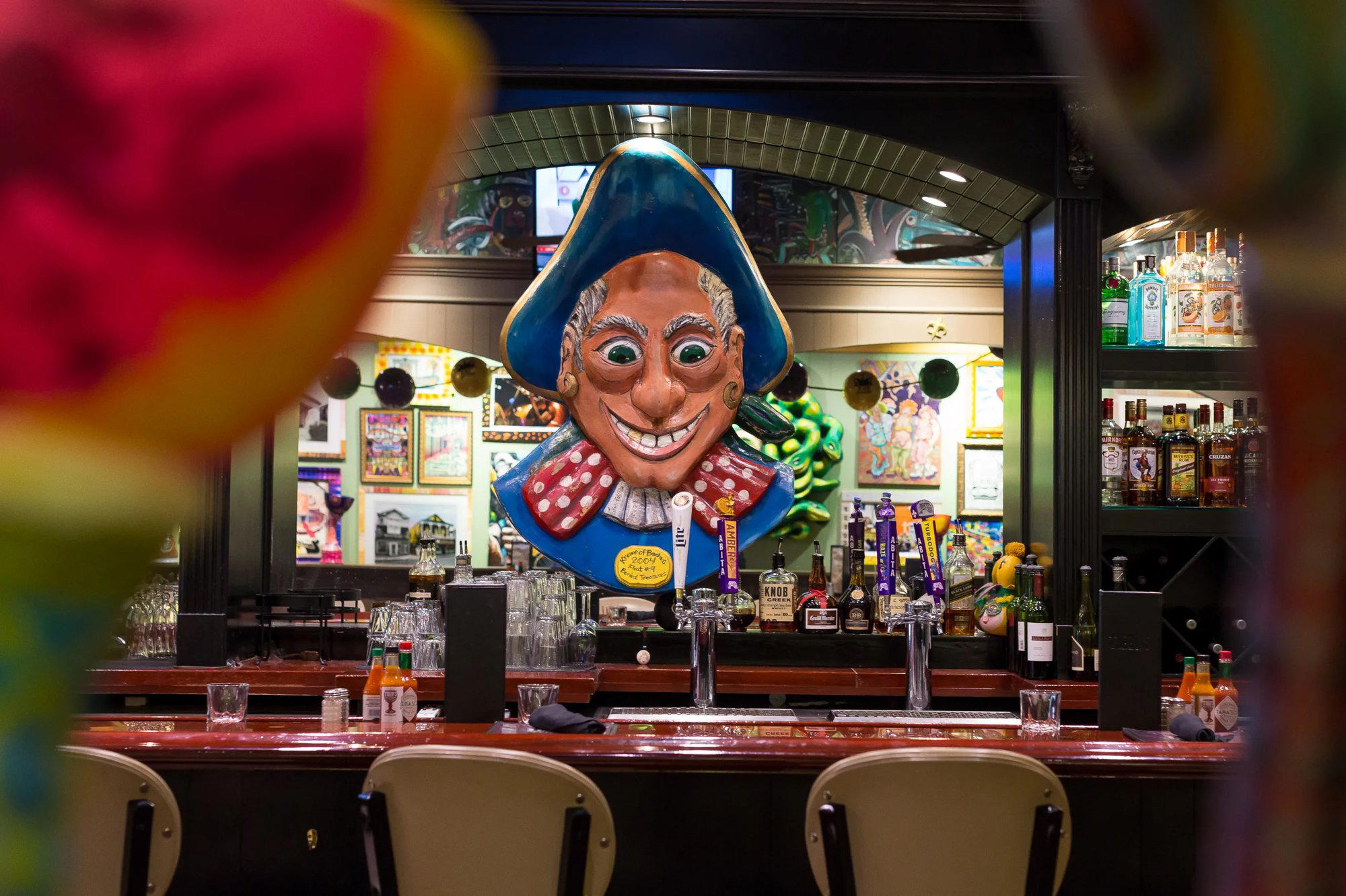
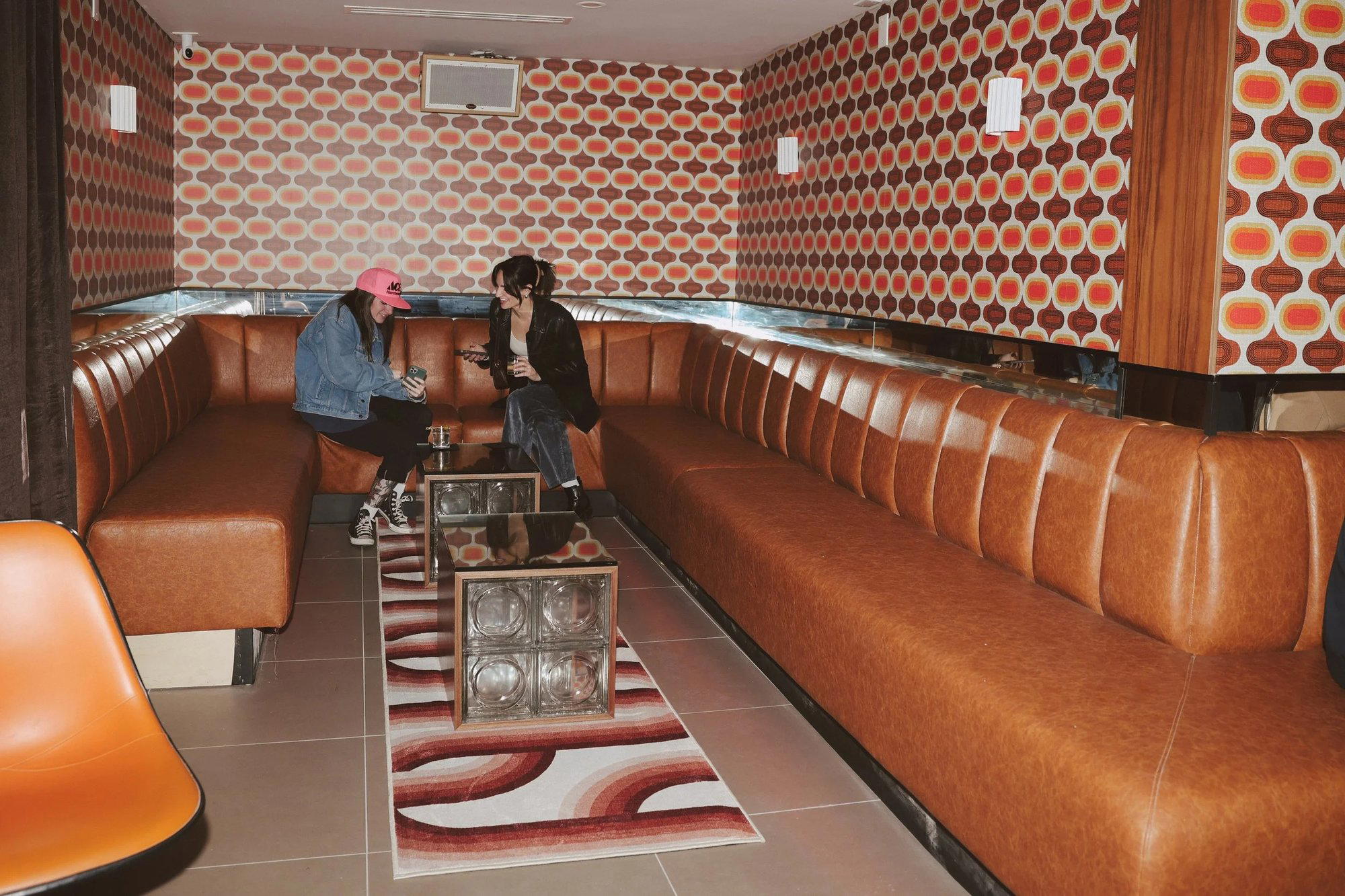
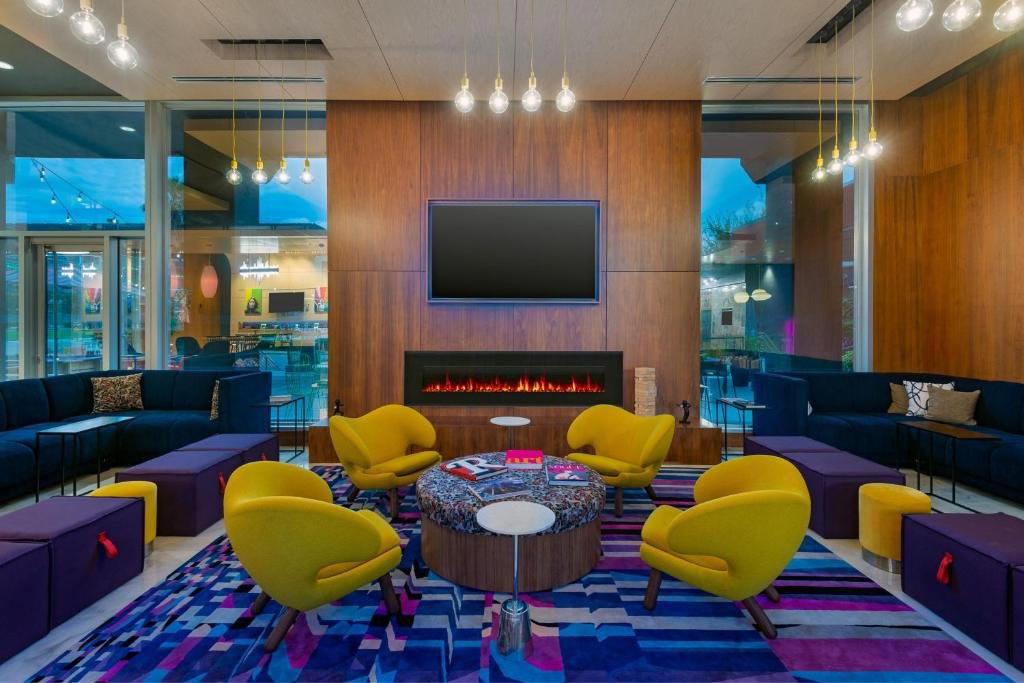
Lively New Orleans funk atmosphere with colorful art, festive decor, and lively energy that captures the spirit of the Big Easy.