The Chapman
On South Park Avenue, where Winter Park's dining scene splits between accessible neighbourhood staples and higher-concept tasting formats, The Chapman occupies a considered position in between. The address, the physical presence on one of Central Florida's most pedestrian-friendly corridors, and the surrounding competitive set all suggest a room with intentions beyond casual. A venue worth tracking for anyone moving through the Winter Park circuit.
 Discover on Pearl
Pearl is the En Primeur Club membership app — saves, bookings, and concierge access live there. Same editors, same standards.
- Address
- 500 S Park Ave, Winter Park, FL 32789
- Phone
- +14076351967
- Website
- opentable.com
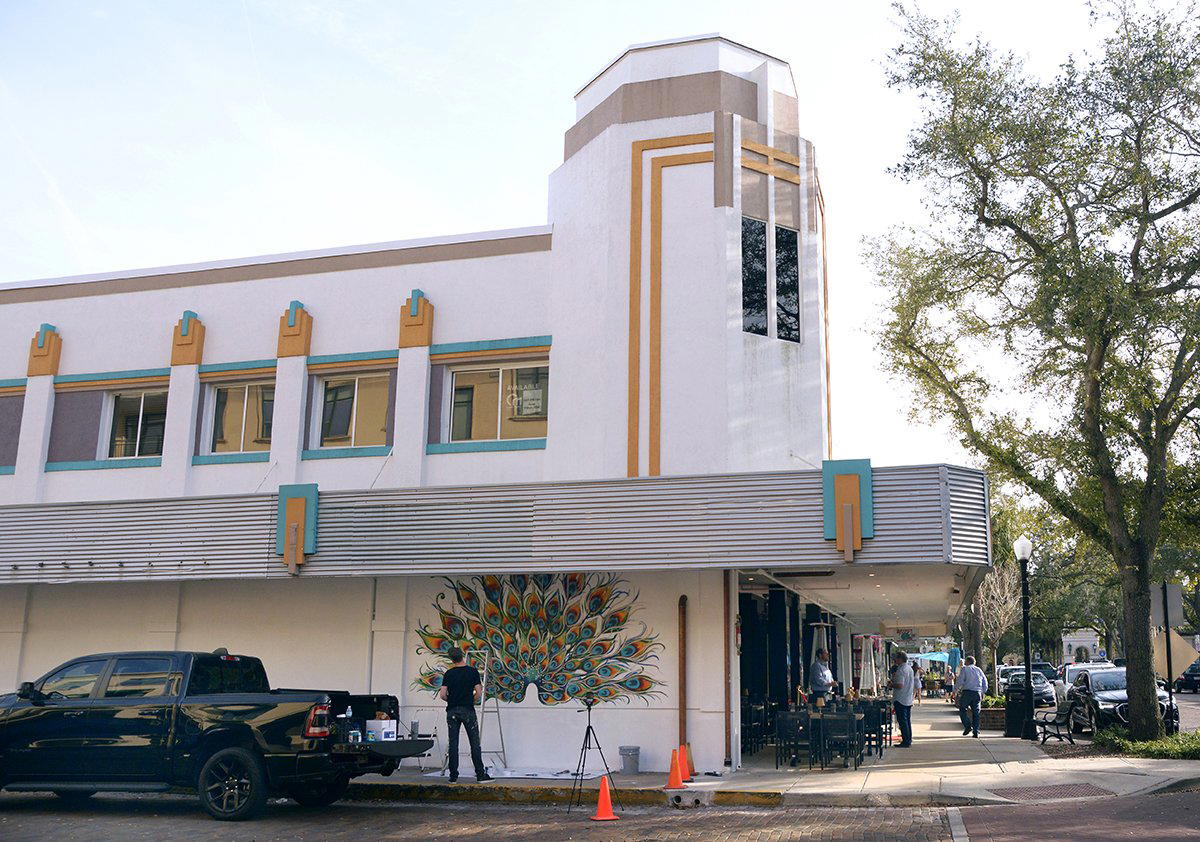
South Park Avenue and the Space Between Formats
South Park Avenue in Winter Park is one of the more legible dining streets in Central Florida: a tree-lined corridor where the restaurants and bars sit close to street level, storefronts readable from the pavement, foot traffic steady on weekend evenings. The address at 500 S Park Ave places The Chapman squarely on that strip, in a part of the city where the room itself does a lot of the communicating before a menu arrives. The Chapman is a Florida-Centric Modern American Steakhouse in Winter Park, with an average price point of about $75 per person. In a market where the premium tier has consolidated around a small number of high-investment interiors, the physical container of a restaurant carries more weight than it might in a denser, more anonymous city. What the space says on entry shapes the entire frame of the meal.
Winter Park's dining scene, taken as a whole, has developed along two fairly distinct tracks. One runs toward the neighbourhood-accessible end: Italian, Chinese, and casual American formats at mid-range price points, the kind of dining that fills a weeknight without requiring advance planning. The other track, smaller and more recent in its expansion, runs toward the $$$$-tier contemporary formats. Soseki and Ômo by Jônt sit firmly in that upper tier, both operating as serious tasting-format destinations with national-level ambitions. AVA MediterrAegean targets a similar price bracket from a Greek-focused perspective. The Chapman on Park Avenue sits within this broader conversation, in a zip code that has been adding dining weight faster than most of Florida's smaller cities.
What the Room Does
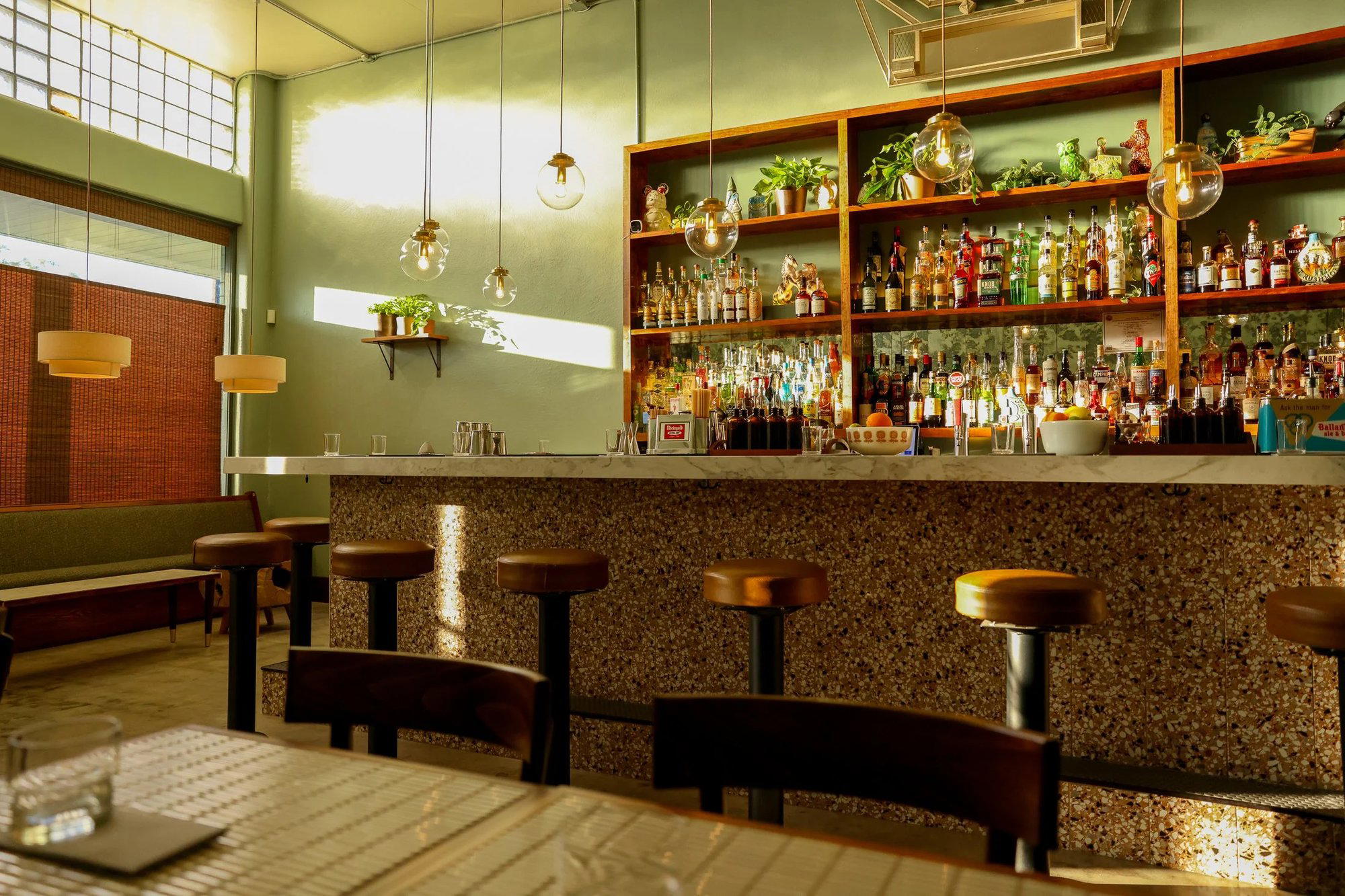
Design-led dining spaces in secondary American cities tend to follow one of two models. The first borrows from major metropolitan references, replicating the exposed-brick, dimmed-pendant aesthetic that reads as reliable premium across markets from Nashville to Phoenix. The second attempts something more specific to place, using local materiality, proportional restraint, or programmatic decisions about seating arrangement to create a room that feels grounded in its actual context rather than franchised from a trend. The better restaurants in the 500-seat-and-under tier in cities like Winter Park increasingly belong to the second category, because the first has become too recognizable as a formula to carry the weight of a premium price point.
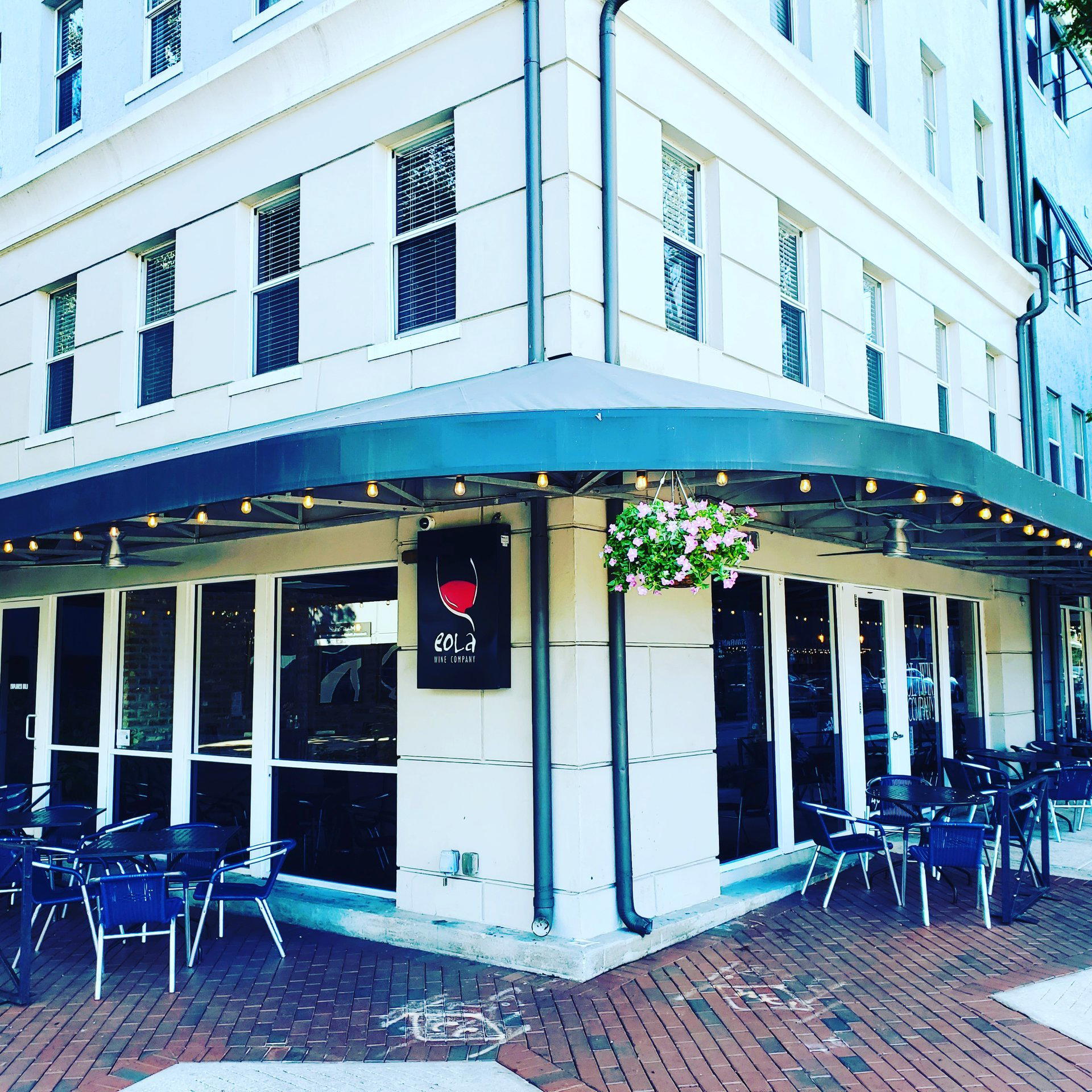
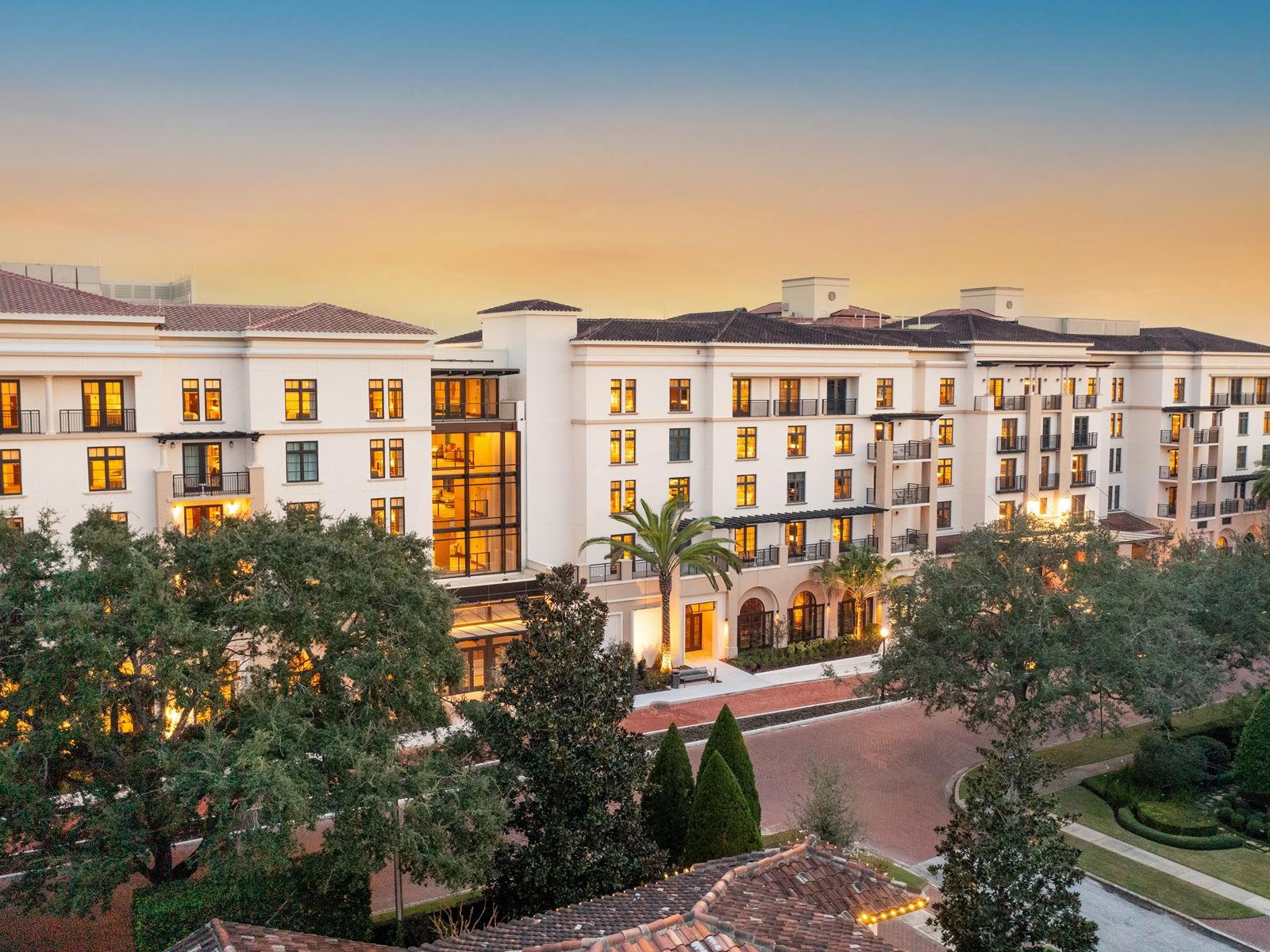
At 500 S Park Ave, the spatial relationship between the restaurant and the avenue outside is part of the design logic. Park Avenue properties in Winter Park tend to have shallow setbacks, which means the boundary between interior and exterior is porous in a way that suits the climate and the pedestrian culture of the street. A room that manages that transition well, using the avenue as a kind of borrowed scenery rather than something to screen out, has a material advantage over comparable spaces that turn inward. The physical environment at ground level on this stretch of the city does some of the hospitality work without the kitchen or the service team having to manufacture it.
Winter Park in a Wider American Context
For readers coming to Winter Park from cities with more established fine-dining circuits, the useful calibration is this: the top end of Winter Park's restaurant market is newer and thinner than the equivalent tier in a city like New Orleans, where Emeril's has operated for decades as a fixed reference point, or San Francisco, where Lazy Bear has had years to develop a distinct and documented format. The same distance separates it from the institutional weight of The French Laundry in Napa or the conceptual ambition of Alinea in Chicago. But that comparison cuts in both directions. Newer markets sometimes produce rooms and menus that haven't yet calcified into house style, where the kitchen is still making active decisions rather than executing an established formula. Single Thread Farm in Healdsburg showed what a committed, design-forward approach could achieve outside a major metropolitan anchor city. The precedent matters for how to read Winter Park's upper-tier ambitions.
Florida more broadly has developed a stronger premium dining conversation in the past decade, with properties across the state drawing comparisons to national programs at venues like Providence in Los Angeles, Addison in San Diego, and Atomix in New York City. The pressure that creates on a Park Avenue address in Winter Park is real: guests arriving with those reference points are calibrating the room, the service rhythm, and the menu against a national standard even when the kitchen hasn't positioned itself explicitly in that conversation.
The Park Avenue Position
For practical purposes, the South Park Avenue location means The Chapman benefits from proximity to Winter Park's retail and gallery corridor and sits within walking distance of the Hannibal Square and Rollins College precincts. The surrounding blocks draw an educated, travel-experienced dining public that has likely eaten at comparable rooms in other cities. That audience rewards specificity and penalizes generic execution more than a casual suburban crowd would. It also means the room operates in a neighbourhood context that supports a pre- or post-dinner street experience, which is not a trivial logistical advantage in a Florida city where most dining destinations are car-dependent.
Nearby on the same dining circuit, Boca and 240 Rose Cafe occupy different positions in the neighbourhood's offer, giving visitors a range of formats and price points within a short walk. The Chapman's address places it in the middle of that circuit rather than at its edge, which affects both foot-traffic dynamics and the expectations guests carry through the door.
Those planning a broader Florida dining trip might also reference Le Bernardin in New York City, Blue Hill at Stone Barns in Tarrytown, The Inn at Little Washington, and 8 1/2 Otto e Mezzo Bombana in Hong Kong as calibration points for how design and service interact at a higher tier of investment.
A Lean Comparison
Comparable venues nearby, for context on price, style, and recognition.
| Venue | Cuisine | Price | Notes |
|---|---|---|---|
| The ChapmanThis venue — the venue you are viewing | $$$$ | ||
| Chayote Barrio Kitchen | Winter Park Village, Nueva Mesa Latina | $$$ | |
| The Briarpatch | Park Avenue, Contemporary American Cafe | $$ | |
| Chez Vincent | Hannibal Square, Classic French Bistro | $$$$ | |
| 240 Rose Cafe | near Park Avenue, American Brunch Cafe | $$ | |
| BoVine Steakhouse | $$$$ | Historic Downtown Winter Park, Contemporary Steakhouse |
Continue exploring
More in Winter Park
Restaurants in Winter Park
Browse all →
Bars in Winter Park
Browse all →
At a Glance
- Elegant
- Sophisticated
- Modern
- Trendy
- Date Night
- Business Dinner
- Celebration
- Special Occasion
- Standalone
- Design Destination
- Craft Cocktails
- Beer Program
- Local Sourcing
- Farm To Table
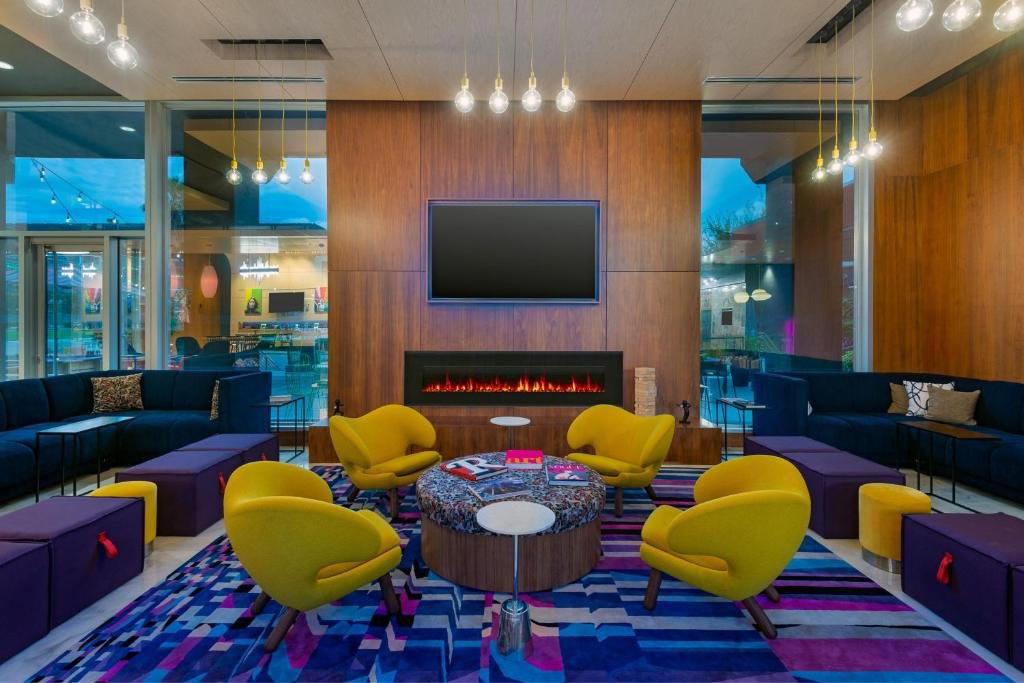
Warm, stylish, and artful with a distinctive Winter Park aesthetic; sophisticated and see-and-be-seen atmosphere with a mostly stylish crowd.