Thoroughbreds Chophouse
A chophouse on Myrtle Beach's North Kings Highway corridor, Thoroughbreds occupies the steakhouse tier where the Grand Strand's dining ambitions push past seafood-shack defaults. The format reads classic American: cut-driven, beef-forward, and built for a crowd that wants a proper dining room rather than a deck-and-bucket-of-shrimp evening. Among the area's sit-down options, it holds a distinct position in the mid-to-upper price bracket.
Pearl is the En Primeur Club membership app — saves, bookings, and concierge access live there. Same editors, same standards.
- Address
- 9706 N Kings Hwy, Myrtle Beach, SC 29572
- Phone
- +18434972636
- Website
- thoroughbredsrestaurant.com
- Directions
- Get directions
 Saves & bookings on Pearl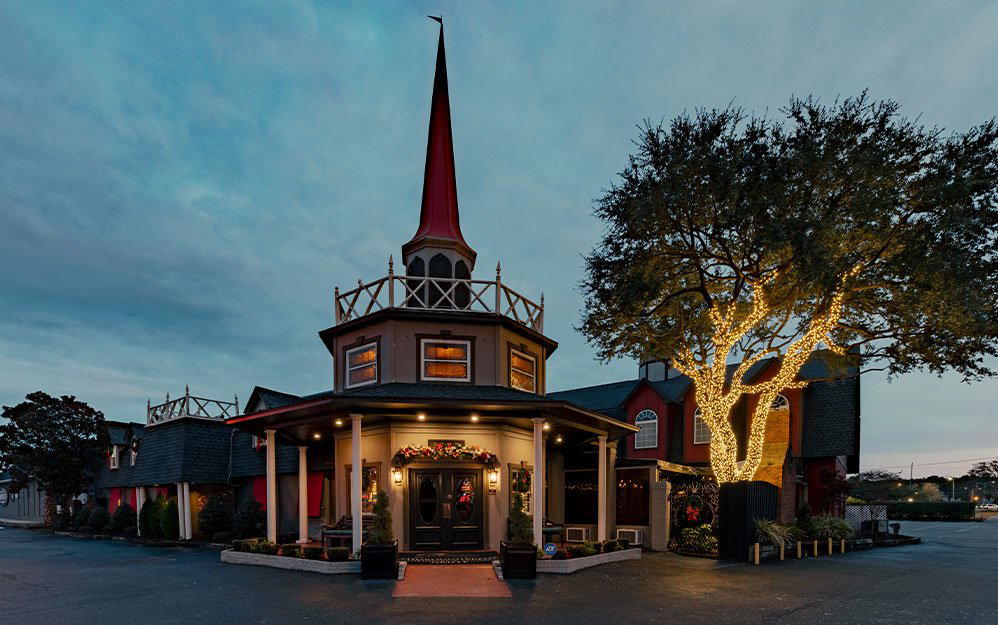
The Chophouse Format on the Grand Strand
Myrtle Beach has long been typed as a seafood town, the kind of coast where the default evening out involves a pile of steamed shellfish and a view of the Atlantic. That framing is accurate enough for much of the strip, but it obscures a secondary dining tier that has grown steadily along the North Kings Highway corridor: full-service, red-meat-forward restaurants built for multi-course evenings rather than casual turnovers. Thoroughbreds Chophouse at 9706 North Kings Highway sits in that category, occupying a stretch of the Grand Strand that functions as the area's closest approximation to a proper restaurant row.
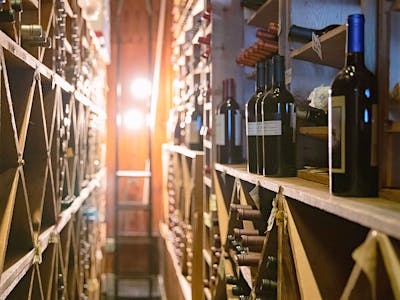
The chophouse format itself carries a specific set of expectations, tableside service, a menu anchored by beef cuts, a wine list with some depth, and a room designed to accommodate conversation rather than to rush covers. It is a format that travels well across American dining cities, and the leading versions of it are defined less by spectacle than by consistency: the quality of the primary ingredient, the reliability of the kitchen's timing, and the degree to which the room earns its price point. That is the standard against which any serious chophouse should be read, whether it is sitting inside a Manhattan hotel or on a South Carolina highway.
Where Thoroughbreds Sits in the Myrtle Beach Scene
Positioning within Myrtle Beach's dining options matters because the city's restaurant mix is unusually polarized. The volume category, chain seafood houses, all-you-can-eat buffets, and casual beach bars, is enormous and serves the resort economy's dominant logic. A smaller cluster of independents and mid-to-upper-tier restaurants operates in a different register, drawing locals and repeat visitors who want a more deliberate evening. Thoroughbreds belongs to this second group, alongside restaurants like Aspen Grille, Atmosphera Restaurant, and Bistro B, which collectively represent the more considered end of the local dining range.
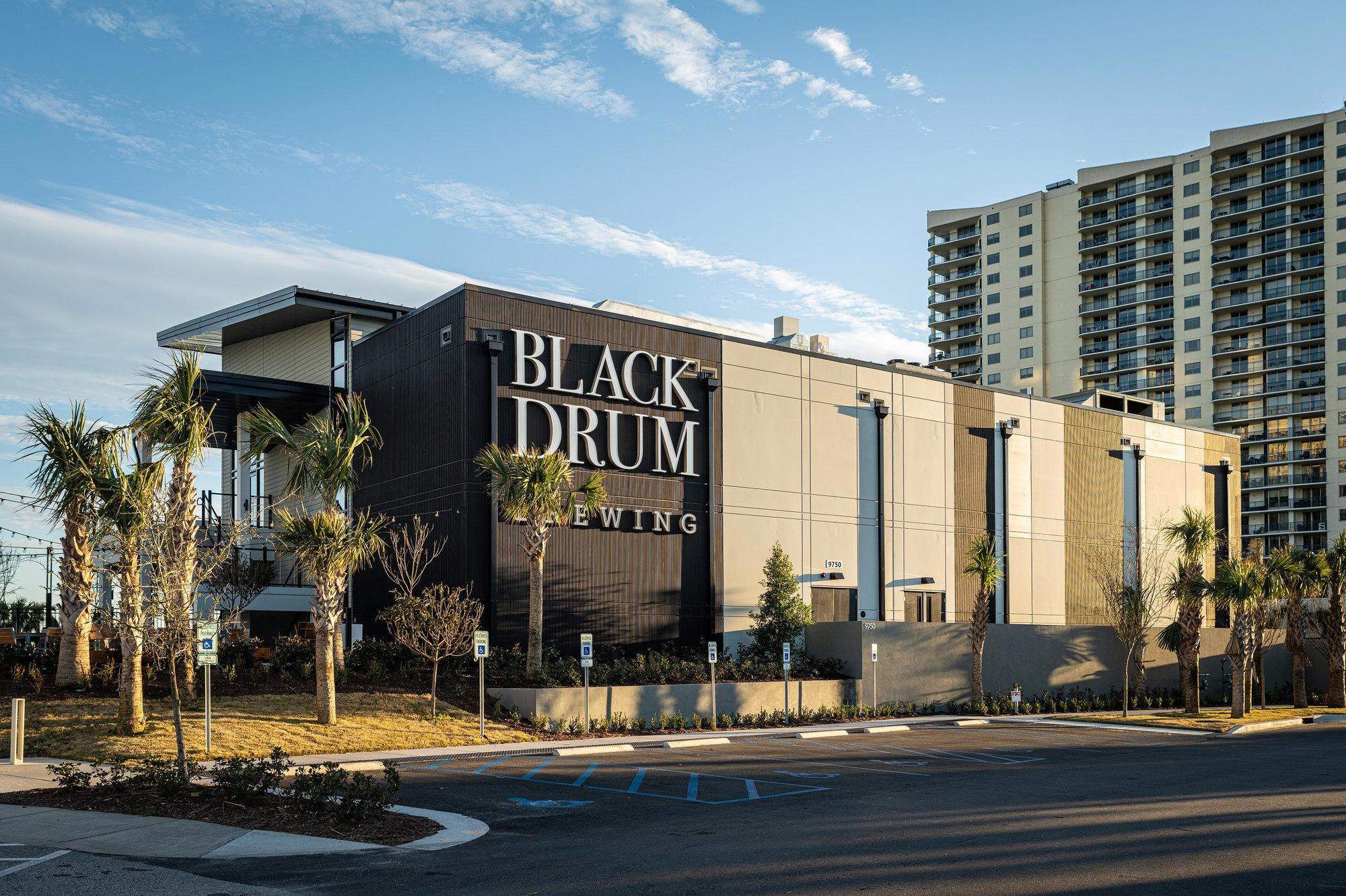
That comparable set is worth naming because it clarifies what Thoroughbreds is and is not competing with. It is not trying to replicate the casual waterfront experience of places like Black Drum or the European cafe register of Cafe Old Vienna. The chophouse format implies a different contract with the diner: a room built for occasion dining, a protein-forward menu where sourcing decisions carry weight, and a price point that signals intent.
Sourcing and the Sustainability Question in Steakhouse Dining
The American steakhouse has historically been the format least associated with environmental consciousness, a point that has come under increasing scrutiny as beef's carbon intensity has become a mainstream conversation rather than a niche concern. The response across the industry has split into roughly two approaches: operators who have engaged with sourcing transparency and reduced-waste kitchens as a genuine operational shift, and those who have added language to their menus without changing their supply chains. The distinction matters to a growing proportion of diners, including in resort markets where the visitor profile has shifted toward travelers who carry those priorities across contexts.
For chophouses specifically, the meaningful sourcing questions involve the provenance of primary cuts, whether beef is sourced from operations with verified land management practices, whether the supply chain is short enough to allow traceability, and whether the kitchen operates with a nose-to-tail ethic that reduces trim waste. These are harder commitments to make in a format where the business model is built around premium whole-muscle cuts, which is precisely why the restaurants that do them credibly tend to stand apart from their peers. Operations like Blue Hill at Stone Barns and Single Thread Farm in Healdsburg have made farm integration the structural premise of the restaurant itself, a standard that informs what serious sourcing looks like even at a different price tier and format.
What that means for a chophouse in a resort market is that the sourcing story, where it exists, functions both as an ethical signal and a quality signal. Diners who ask where the beef is from are usually also the diners best positioned to evaluate the answer. The growing presence of this question across all market segments, not just white-tablecloth destinations like The French Laundry or Le Bernardin, suggests that resort-market operators who invest in supply chain transparency early are positioning ahead of the curve rather than behind it.
The Room and the Experience
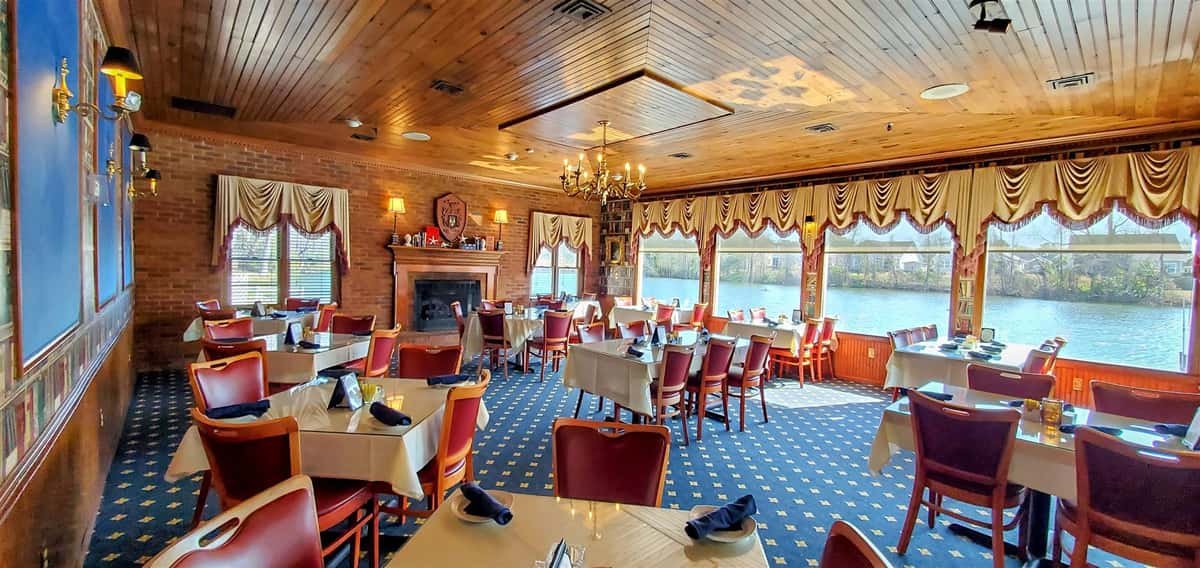
Approaching Thoroughbreds from North Kings Highway, the building reads as a deliberate break from the visual noise of the surrounding resort corridor, the signage and format signal a sit-down dining room rather than a fast-casual or themed entertainment concept. Inside, the chophouse archetype typically means low lighting, dark wood or leather appointments, and a room pitched at adult occasion dining rather than family-vacation volume. That physical environment is part of the format's value proposition: you are paying, in part, for a room that operates at a different register from the surrounding resort context.
The service model at a serious chophouse is similarly distinct. The leading versions run tableside with enough staff knowledge to discuss cuts, provenance, and preparation, not as a script but as genuine hospitality that reflects kitchen competence. That level of floor culture is hard to maintain in a high-turnover resort market, which is one reason why chophouses in beach destinations often disappoint relative to their urban counterparts. When they hold the standard, it reads clearly: the pacing is deliberate, the menu is explained with specificity, and the room feels earned at its price point.
Benchmarking Against the Category
Myrtle Beach does not have the restaurant density of cities where chophouses compete against a deep field of comparable operations. That relative scarcity gives an established chophouse more structural advantage than it would have in a market like Chicago, where Alinea and dozens of other serious dining options create a genuinely demanding competitive set. In San Francisco, Lazy Bear and the broader Hayes Valley and Mission dining corridor raise the bar for what occasion dining means. In San Diego, Addison sets a Michelin-recognized standard. In Los Angeles, Providence and the city's wider fine dining tier define the ceiling. In New York, Atomix operates in a category of precision and ambition that applies constant pressure to the broader market. Even internationally, operations like 8 1/2 Otto e Mezzo Bombana in Hong Kong show what sustained excellence across a long tenure looks like.
Thoroughbreds does not operate against that field. It operates against the alternatives available on a given evening in Myrtle Beach, which is a meaningfully different benchmark. Within that context, the chophouse format, when executed with care for sourcing, kitchen consistency, and floor hospitality, fills a gap that the resort market's dominant casual tier does not address. Visiting during the shoulder season, when the volume pressure of peak summer drops and kitchen teams can operate at their actual standard rather than at capacity-crisis pace, tends to produce a more representative experience. The stretch from late September through November and again in March brings the crowds down without closing the room, which is the practical window for getting full value from any mid-tier independent on the Grand Strand. For occasion dining or a deliberate evening away from the resort-strip defaults, the North Kings Highway chophouse tier earns its position in the local dining conversation. Thoroughbreds operates in a different tier, but the same underlying logic applies: specificity of ingredient, consistency of execution, and a room that justifies the spend.
Planning Your Visit
Thoroughbreds Chophouse is located at 9706 North Kings Highway, placing it in the northern section of the Myrtle Beach corridor, removed from particularly congested sections of Ocean Boulevard. Arriving by car is the practical approach given the area's layout. For reservations and menu information, contacting the restaurant directly is advisable.
The Essentials
Comparable venues nearby, for context on price, style, and recognition.
| Venue | Price | Notes |
|---|---|---|
| Thoroughbreds ChophouseThis venue — the venue you are viewing | $$$$ | Not listed |
| New York Prime | $$$$ | North Myrtle Beach, New York-Style Steakhouse |
| Café Amalfi | $$$ | Beach Club Drive, Italian with American Influences |
| Santorini Greek Kuzina | $$$ | North Kings Highway, Authentic Greek Mediterranean |
| Chestnut Hill | $$$ | Restaurant Row, American Steakhouse & Seafood |
| Koi | $$$ | Grande Dunes, Modern Japanese Sushi & Wagyu |
Continue exploring
More in Myrtle Beach
At a Glance
- Elegant
- Sophisticated
- Classic
- Special Occasion
- Date Night
- Celebration
- Extensive Wine List
Current opening hours
- Monday
- Closed
- Tuesday
- 4:30–9 PM
- Wednesday
- 4:30–9 PM
- Thursday
- 4:30–9 PM
- Friday
- 4:30–9 PM
- Saturday
- 4:30–9 PM
- Sunday
- Closed
Hours can change for holidays and private events. Last verified .
Sophisticated and classy atmosphere with warm, attentive service ideal for relaxing fine dining experiences and special occasions.