Our verdict
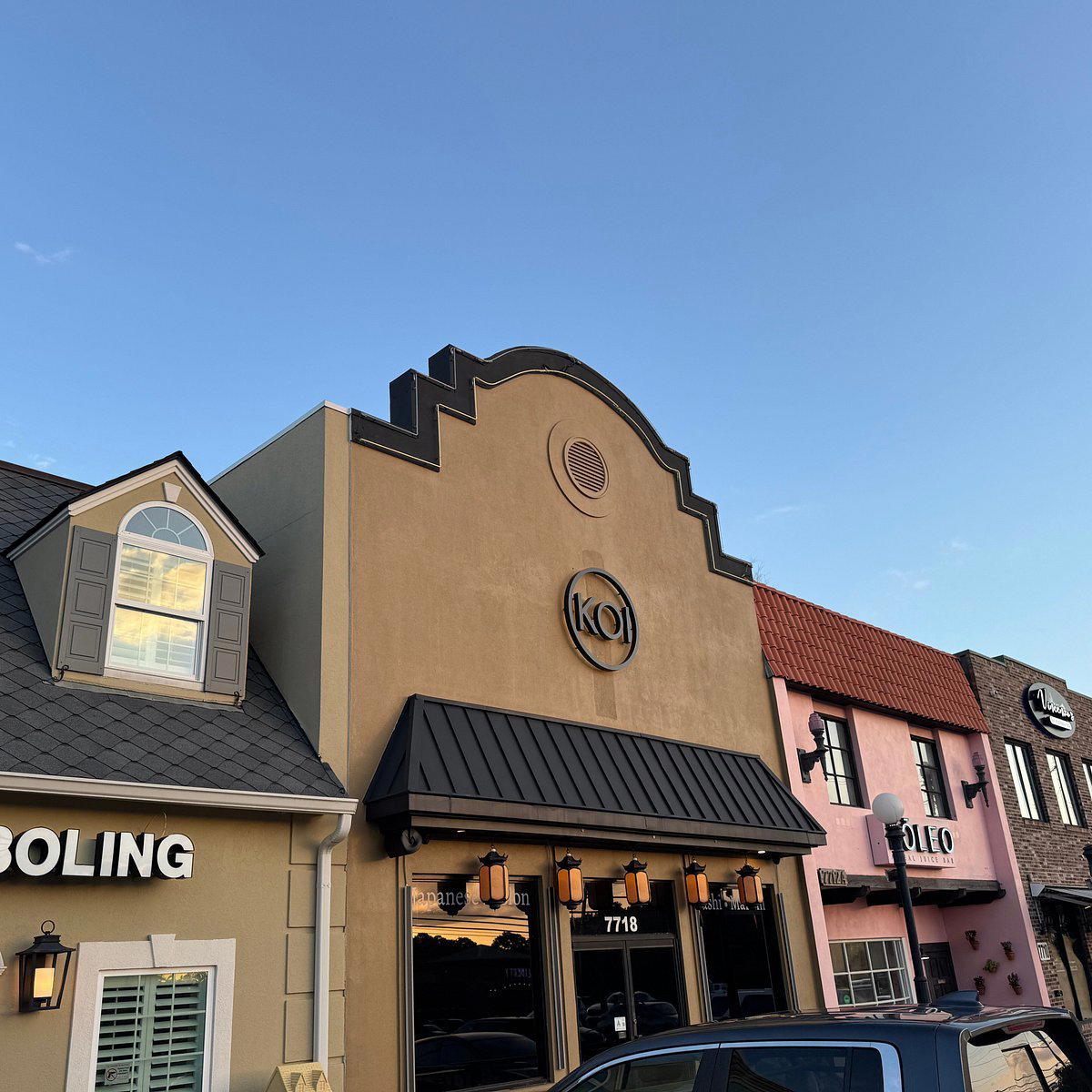
Koi sits on North Kings Highway in Myrtle Beach's restaurant corridor, where the city's dining scene has steadily moved beyond its fried-seafood-and-buffet defaults. The menu architecture here positions it within the broader shift toward shareable, cross-cultural formats that have reshaped casual fine dining along the Grand Strand over the past decade. A reference point for visitors tracking that evolution.
The menu
What to order
- Wagyu Beef Tacos
- Crab Cake
- Specialty Sushi Rolls
- Chilean Sea Bass
- Braised Short Rib
North Kings Highway and the Shift in Myrtle Beach Dining
Myrtle Beach's restaurant corridor along North Kings Highway has undergone a quiet but measurable change in character over the past decade. The dominant format for decades was the seafood buffet or the family-chain steakhouse, venues built around volume and familiarity. What has emerged alongside those pillars is a tier of mid-to-upper casual restaurants working with shareable formats, cross-cultural menus, and a higher degree of technique than the market historically demanded. Koi, at 7718 N Kings Hwy, sits within that emerging tier and reads as a local expression of a national trend: the pan-Asian or Asian-fusion format that has moved from coastal gateway cities into secondary and tertiary resort markets as diner expectations have broadened.
The address places Koi inside a stretch of North Myrtle Beach that draws both visitors staying in the hotel corridors to the north and locals who have grown increasingly selective about where they spend. That dual audience shapes the competitive context here. Venues on this stretch compete on a different register than the oceanfront tourist traps closer to the Boardwalk. The expectation among the local segment leans toward consistency and menu depth; the visitor segment often arrives with coastal-city reference points and some familiarity with sushi bars, Korean-influenced small plates, or Japanese-American fusion formats that have matured considerably in larger markets. For a fuller picture of how Koi sits within the wider Myrtle Beach dining scene, the EP Club Myrtle Beach restaurants guide maps the category across neighbourhoods and price tiers.
Menu Architecture as Market Signal
The pan-Asian and Asian-fusion format, when executed with care, uses its menu structure to do significant editorial work. A well-designed menu in this category doesn't just list dishes; it tells you something about the kitchen's priorities and the dining experience it is trying to build. The most considered examples in the format tend to organize around a logical progression: lighter, colder preparations (sashimi, crudo-adjacent dishes, cold apps) that open the palate, followed by cooked small plates with more structural complexity, followed by larger sharing formats or mains that anchor the table. This architecture, common to the better Asian-fusion venues that have drawn serious attention in larger markets, rewards the table that orders exploratorily rather than defensively.
At the national reference level, venues like Atomix in New York City have demonstrated how Asian-rooted tasting formats can operate at the highest tier of American fine dining, while more accessible expressions of the format have spread into resort and secondary markets. The question for any venue in a market like Myrtle Beach is whether the menu structure reflects genuine culinary logic or simply assembles familiar items under a pan-Asian umbrella for the sake of broad appeal. Those are different propositions, and discerning between them usually requires looking at the sequencing and internal coherence of the menu rather than the individual dish names.
For comparison across other dining formats in the Grand Strand area, venues like Aspen Grille, Atmosphera Restaurant, and Bistro B work within European-leaning frameworks that appeal to the same upper-casual diner segment. Black Drum and Cafe Old Vienna represent the regional seafood and continental ends of that same bracket. Koi occupies a different lane within the same general price conversation, which is part of what gives it a distinct position in the local dining map.
The Resort-Market Context for Asian-Fusion Dining
Understanding how this format travels into resort markets requires some calibration. The same cross-cultural, shareable-format dining that appears at Le Bernardin in New York City or in the tasting menus at Alinea in Chicago filters down through the dining ecosystem over time, arriving in resort corridors in a more accessible, less technically demanding form. That diffusion process is not dilution for its own sake; it reflects genuine demand from a traveling public that has become more culinarily literate. The same diner who has eaten at Lazy Bear in San Francisco or Providence in Los Angeles on business trips will seek out a competent sushi bar or Asian-fusion table when visiting Myrtle Beach for leisure, rather than defaulting to a chain steakhouse.
That shift in visitor expectation is exactly the market condition that supports a venue like Koi. It also means the standard of comparison in the mind of a significant portion of the customer base is set by venues operating at a considerably higher technical level than the local market historically required. This is both an opportunity and a pressure point for any mid-range Asian format restaurant in a resort corridor. Venues at the higher end of US dining, including Single Thread Farm in Healdsburg, The French Laundry in Napa, Blue Hill at Stone Barns in Tarrytown, Addison in San Diego, The Inn at Little Washington, Emeril's in New Orleans, and 8½ Otto e Mezzo Bombana in Hong Kong define the upper register of formal dining globally. Koi operates on an entirely different register and should be evaluated on the terms of its own market tier.
Planning Your Visit
Koi is located at 7718 N Kings Hwy, Myrtle Beach, SC 29572, within the North Myrtle Beach commercial strip that is most easily reached by car. The venue sits in a stretch with ample surrounding parking, which is the practical norm for this part of the corridor. Booking and hours information is best confirmed directly through the venue, as current hours and reservation policy were not available at time of publication. Visitors arriving during peak summer months, when the Grand Strand runs at high occupancy, should plan ahead rather than assuming walk-in availability, particularly on weekend evenings when the upper-casual tier in this area tends to fill. Off-peak shoulder seasons, particularly spring and early autumn, offer more flexibility on timing and typically shorter waits across the corridor.
Frequently asked questions
Where is Koi located?
Koi is located at 7718 N Kings Hwy, Myrtle Beach, SC 29572, Myrtle Beach.
Is Koi in Myrtle Beach a good option for a date night along North Kings Highway?
The pan-Asian format at Koi lends itself to the shared-plate dynamic that makes dinner a participatory event rather than parallel solo orders, which works in a date-night context. North Kings Highway in Myrtle Beach has shifted noticeably toward sit-down, experience-oriented dining over the past decade, and Koi sits within that tier.
What should I order at Koi?
Ask your server what seafood arrivals are freshest on the day you visit, that question is the most reliable filter in any Asian-fusion context where the menu spans raw and cooked preparations. Koi sits along the North Kings Highway corridor in Myrtle Beach, where proximity to coastal supply chains makes seafood-forward options a reasonable anchor for the meal. Shareable formats across appetisers and mains tend to show a kitchen's range better than ordering single-plate.
Can I walk in to Koi?
On weekend evenings during Myrtle Beach's peak summer season, walk-in availability at restaurants along North Kings Highway becomes unpredictable at the upper-casual tier. Calling ahead is the more reliable approach, though Koi's phone number is not currently listed in public directories. Arriving before 6 p.m. on weeknights gives you the clearest shot at a table without a wait.
What's the defining dish or idea at Koi?
In the pan-Asian and Asian-fusion format, the defining editorial idea is the balance between raw preparations, sashimi, crudo-adjacent dishes, and hot kitchen output across multiple proteins. Koi operates at 7718 N Kings Hwy, Myrtle Beach, within a resort-market context where that cross-cultural, shareable structure functions as both a crowd-management tool and a genuine expression of the format's range. The menu's breadth is the concept, not a single signature dish.
Can Koi accommodate dietary restrictions?
Asian-fusion menus carry structural flexibility for vegetarian and pescatarian diners because the format draws across vegetable, seafood, and meat preparations rather than centering one protein. That said, soy, sesame, shellfish, and gluten appear frequently across pan-Asian preparations, so diners with specific allergies should confirm with the kitchen directly. Koi is located at 7718 N Kings Hwy, Myrtle Beach, contact details are best sourced through a current local directory before your visit.
Standing Among Peers
| Venue | Cuisine | Price | Awards |
|---|---|---|---|
| KoiThis venue (the venue you are viewing) | Modern Japanese Sushi & Wagyu | Not listed | Not listed |
| Oak Prime | Modern American Steakhouse | Not listed | Michelin Plate |
| Café Amalfi | Italian with American Influences | $30–50 | Not listed |
| Carolina Roadhouse | American Steakhouse & Seafood | $30–50 | Not listed |
| Little Italy | Authentic Italian Pizza & Pasta | $20–30 | Not listed |
| Lombardo's Italian Restaurant | Authentic Italian Fine Dining | $30–50 | Not listed |
Continue exploring
More in Myrtle Beach
Details
- Cozy
- Elegant
- Modern
- Date Night
- Casual Hangout
- Group Dining
- Open Kitchen
- Standalone
- Sake Program
- Local Sourcing
- A La Carte
- Omakase
- Sake
- Cocktails
- Pescatarian Friendly
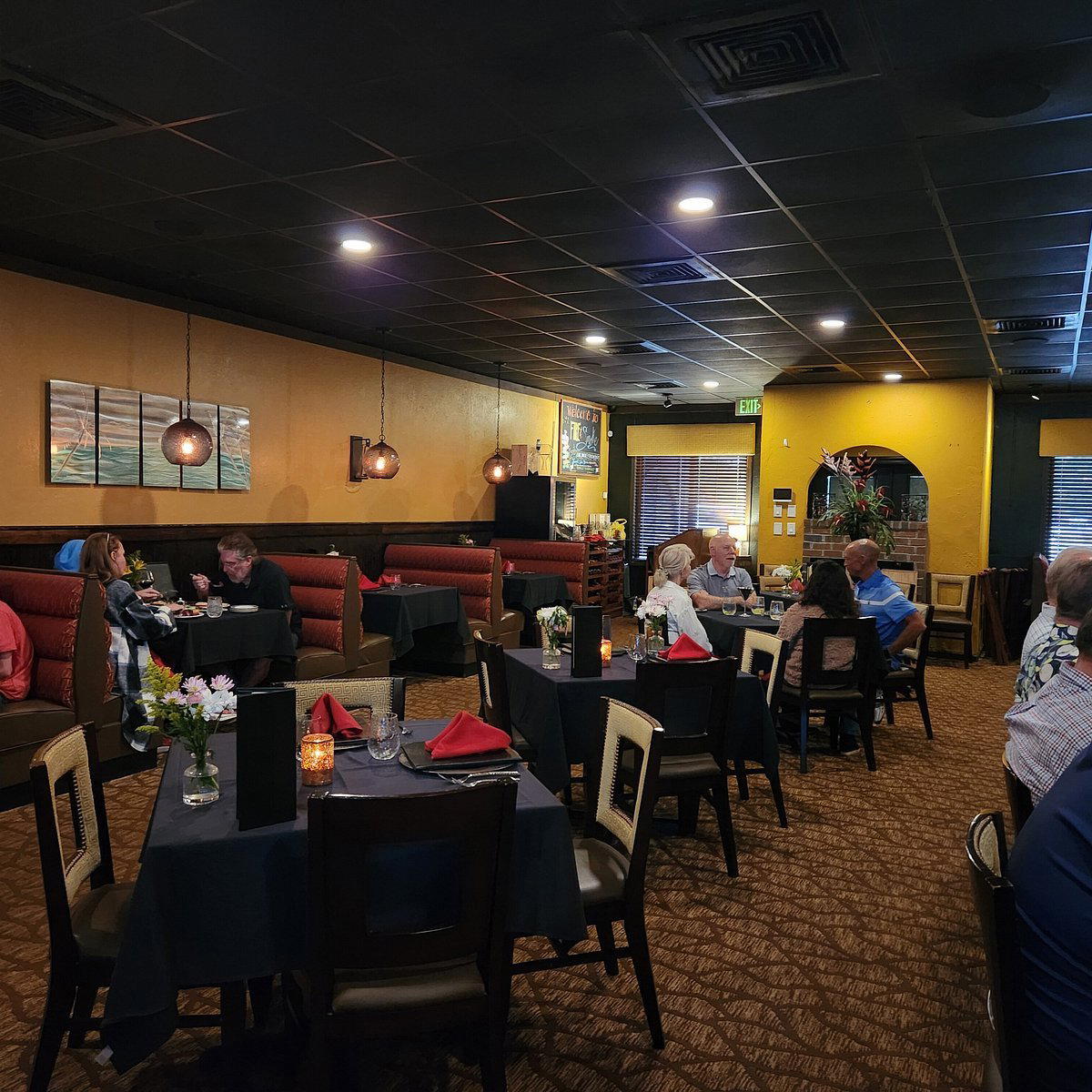
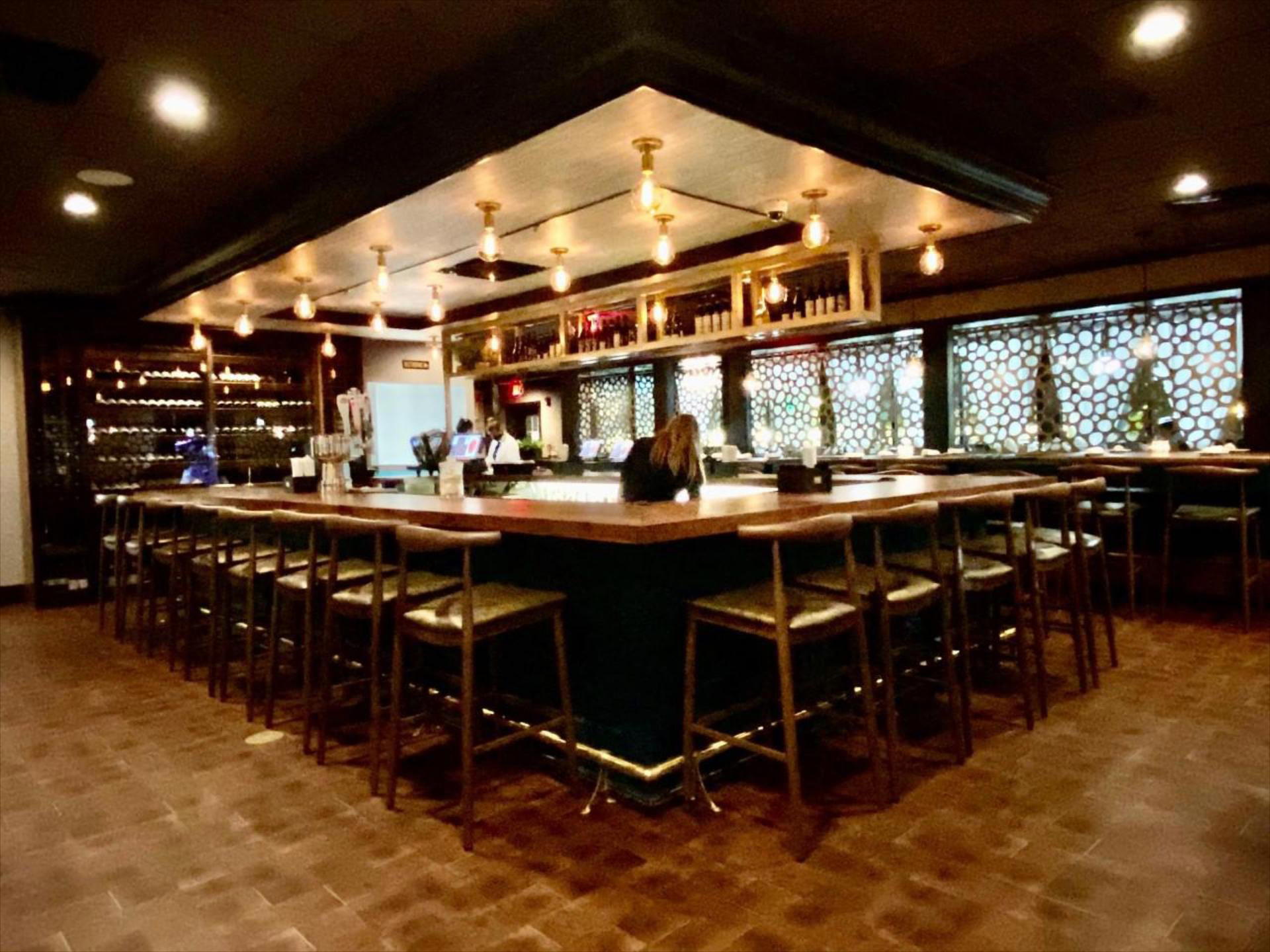
Warm and inviting setting with cozy ambiance and artfully plated dishes, creating a refined yet approachable dining experience.