
Michelin Plate · Black Pearl 1 Diamond
Our verdict
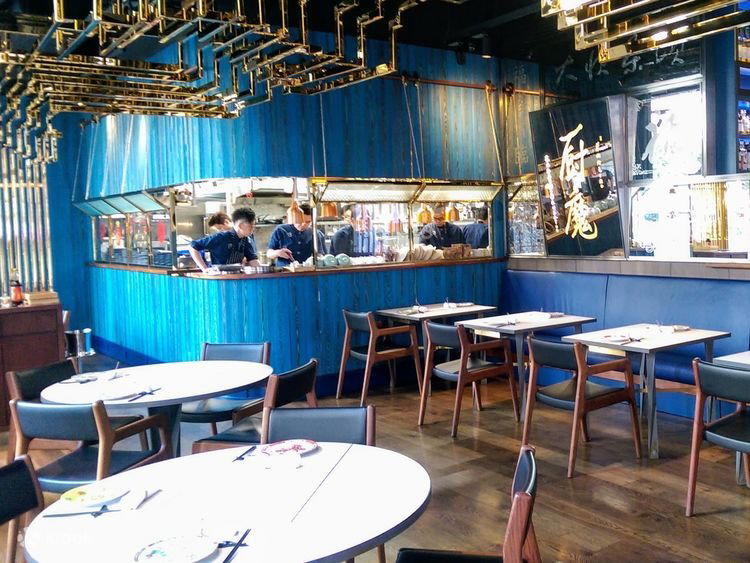
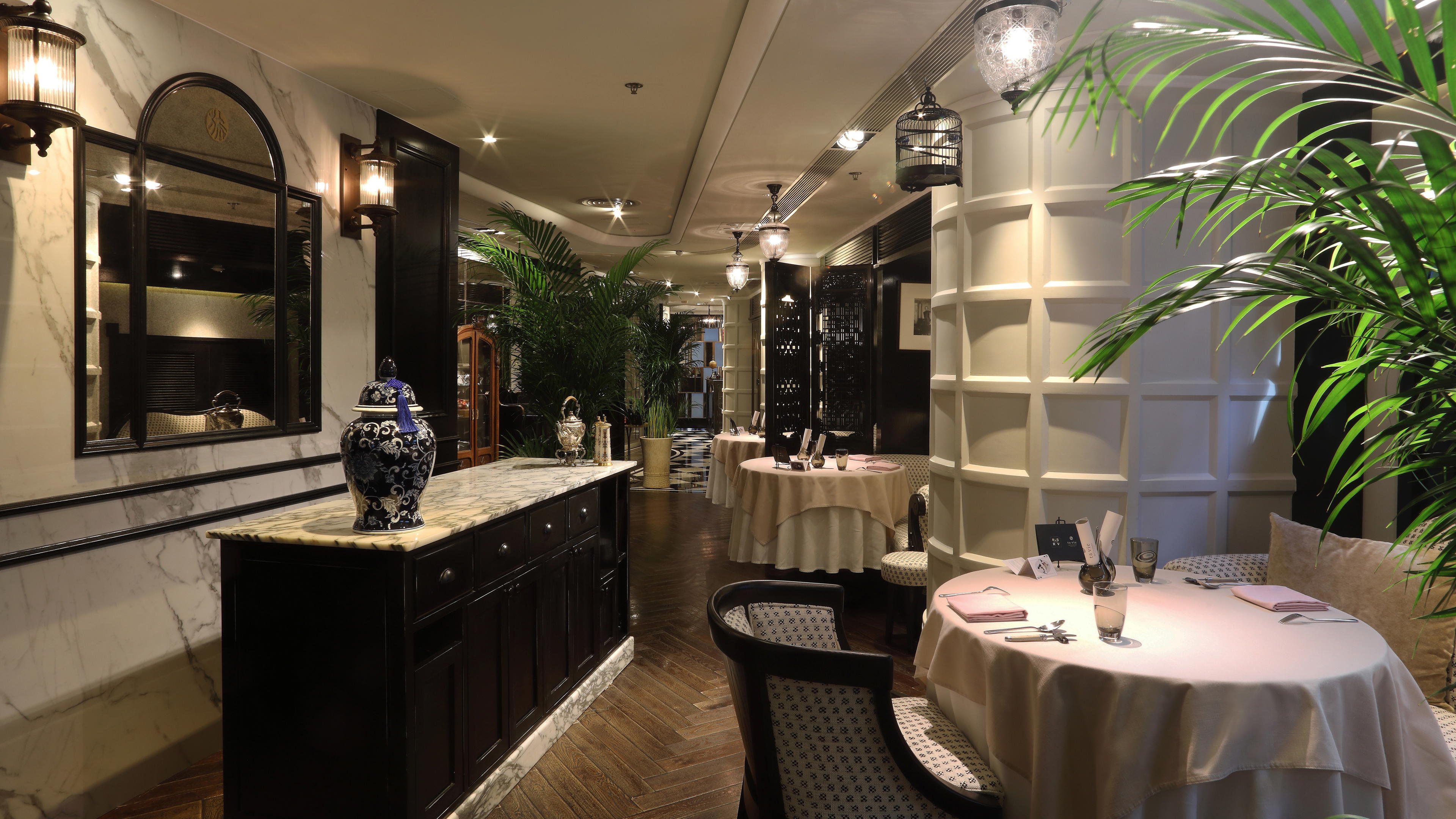
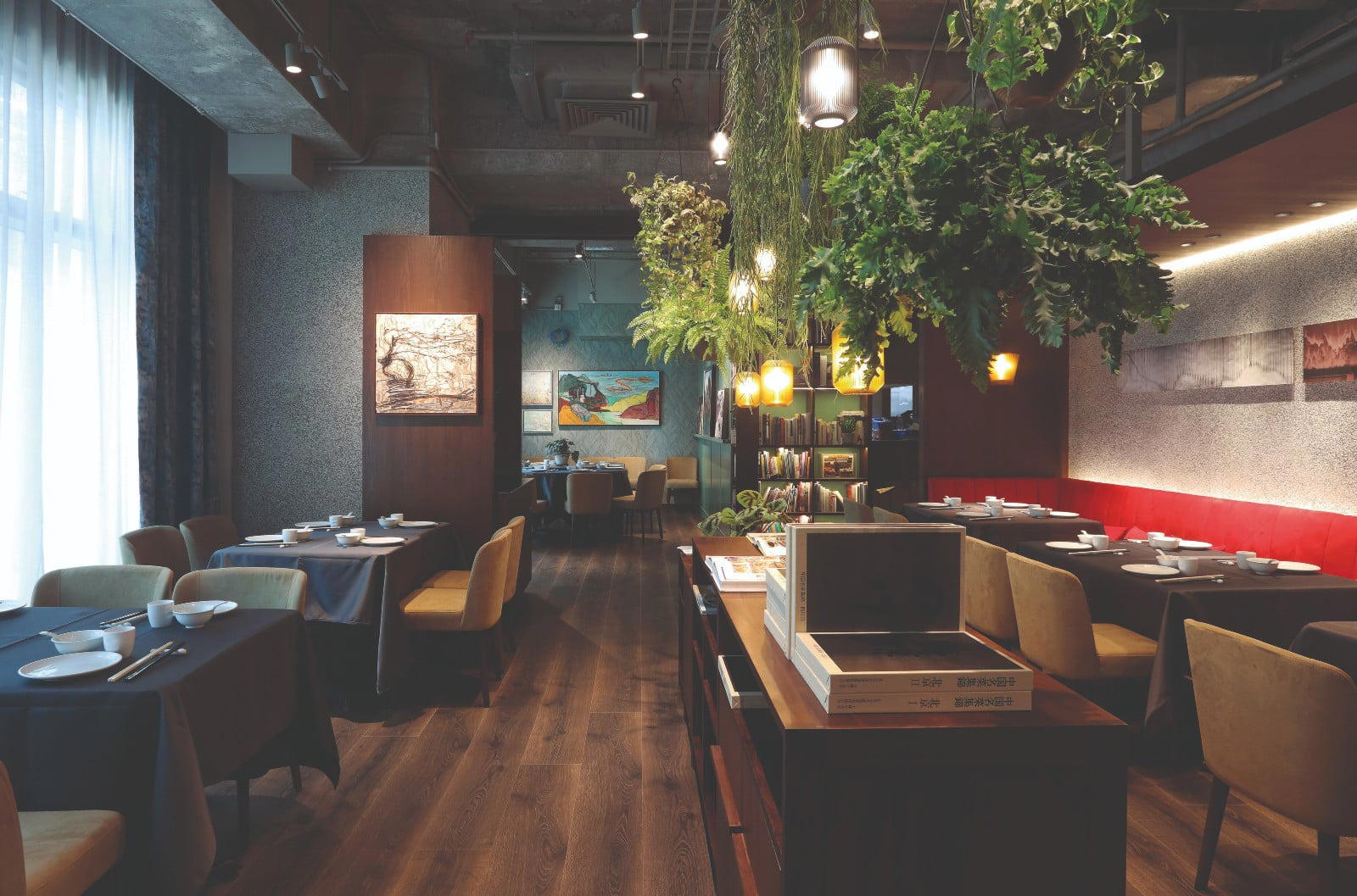
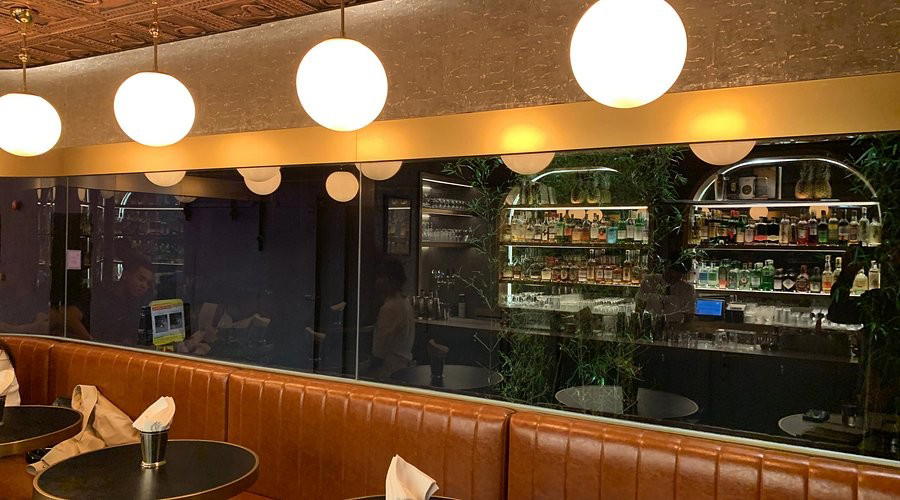
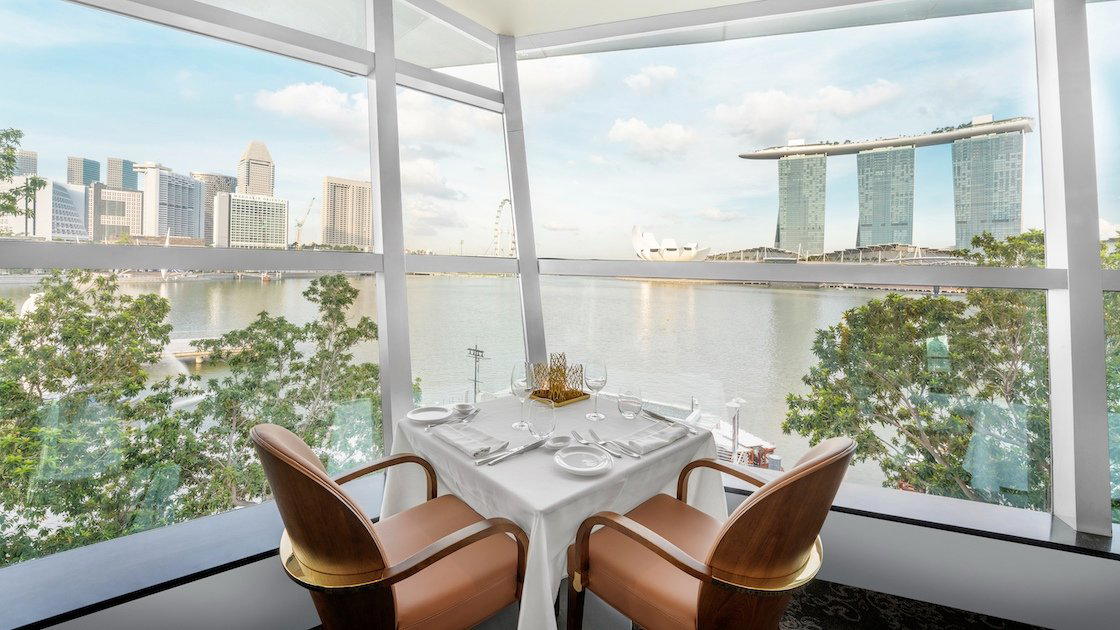
Sẽp occupies the 19th floor of a Central building on Pottinger Street, one of Hong Kong's most storied commercial corridors. The address places it inside a dining tier defined by elevation — both literal and competitive — where ingredient sourcing and kitchen discipline carry as much weight as the view. For travellers working through Central's restaurant scene, Sẽp represents a considered stop at altitude.

Pearl is the En Primeur Club membership app — saves, bookings, and concierge access live there. Same editors, same standards.
- Address
- Hong Kong, Central, Block, H Code, 45 Pottinger StreetHigh19/F
- Phone
- +852 2116 5433
- Hours
- Mon–Fri 12–2 PM, 5:30–11 PMSat 5:30–11 PMSun Closed
- Website
- sep-hk.com
- Directions
- Get directions
- Booking
- Book on SevenRooms
The menu
What to order
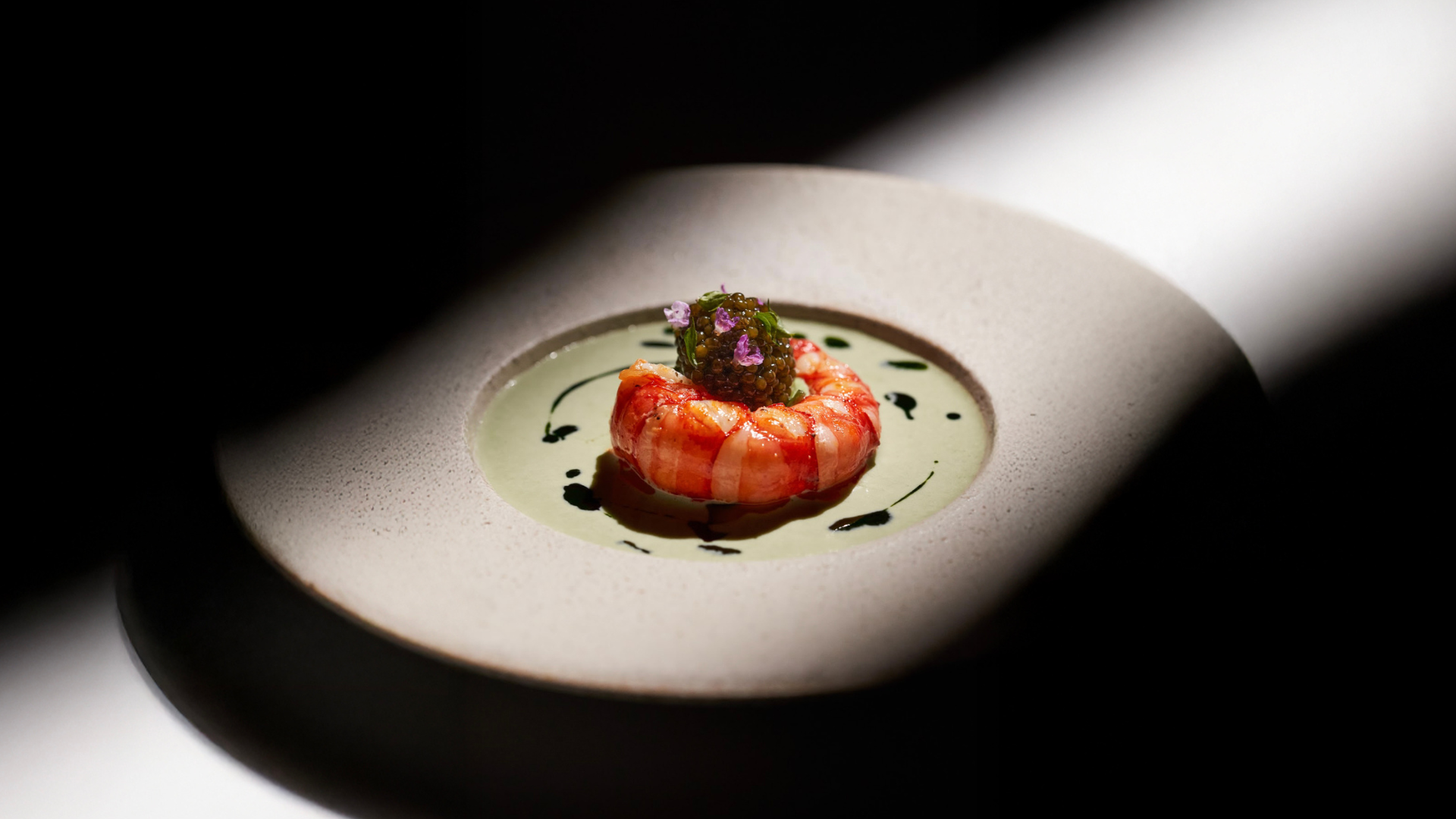
- Hoi An poulet with dry-aged local three-yellow chicken
- Bún bò Huế with premium black angus beef
- Mekong springroll
Pottinger Street at Height: What the Address Signals
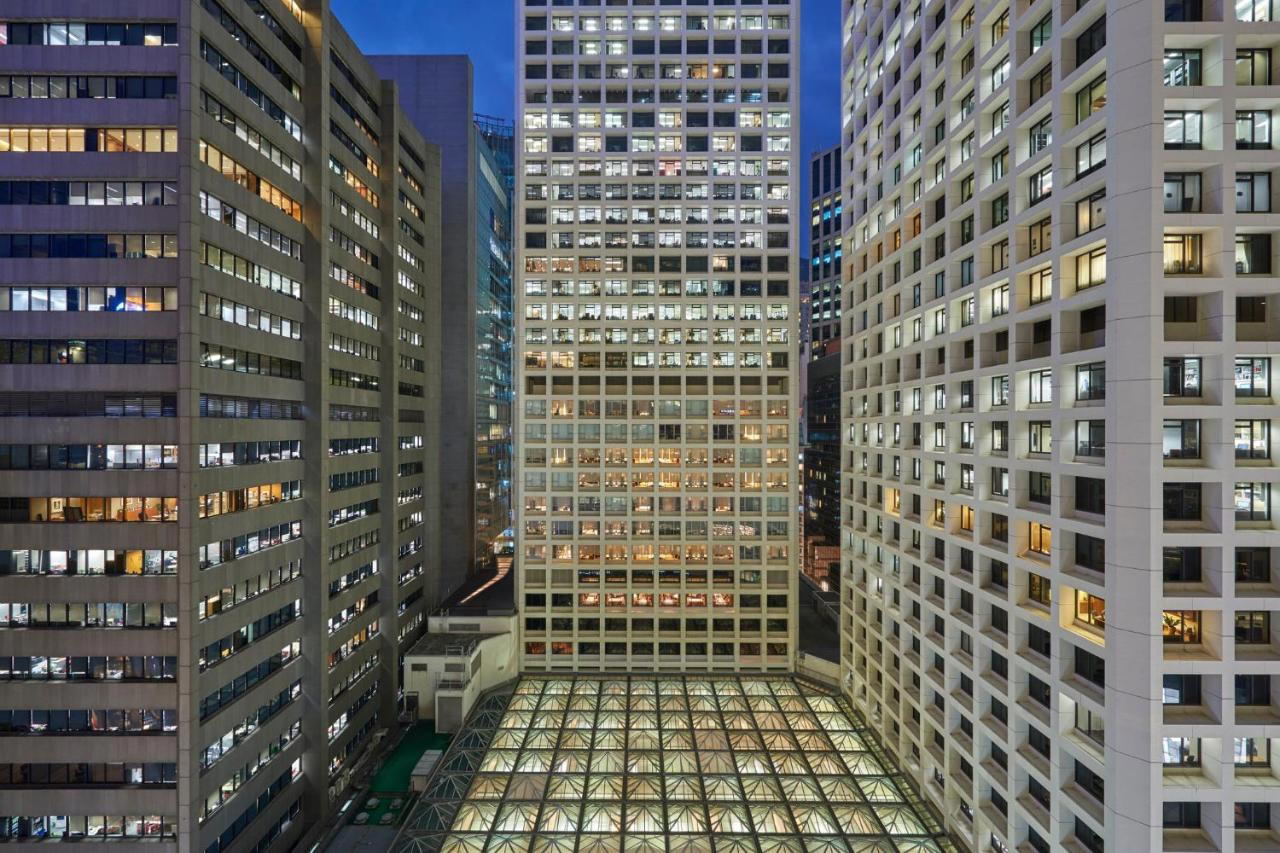
Pottinger Street has a particular role in Central's commercial geography. The stepped granite lane connects Queen's Road Central to Hollywood Road and has long served as a conduit between the district's financial core and its older, more layered cultural fabric. By the time a restaurant occupies the 19th floor of a building on this street, at the H Code address at number 45, it is making a deliberate statement about positioning. Height in Hong Kong dining is rarely incidental — it correlates with a certain kind of ambition, a willingness to absorb refined overhead in exchange for an address and an outlook that do the first part of the work before a single plate arrives.
Central and Western as a dining district has matured into something genuinely stratified. At one end sit the long-established European fine-dining rooms, among them 8½ Otto e Mezzo BOMBANA, which has anchored the Michelin-starred Italian category in this neighbourhood for years. At the other end, a newer generation of restaurants is arriving with tighter formats, more focused menus, and sourcing narratives that reflect a broader regional shift toward provenance transparency. Sẽp appears to occupy space somewhere in this evolving middle and upper tier, where the competition is defined less by category and more by the seriousness of the kitchen's relationship with its ingredients.
Why Sourcing Defines the Current Moment in Hong Kong Dining
Across Asia's most competitive restaurant cities — Tokyo, Singapore, Seoul, Hong Kong, the conversation has shifted meaningfully in the past decade from technique-as-spectacle toward ingredient accountability. In Hong Kong specifically, the tension between what can be sourced locally and what must be imported has always shaped the character of serious kitchens. The city sits at the intersection of some of the world's most productive agricultural and aquatic zones: the Pearl River Delta, the South China Sea, and supply chains that reach into Japan's fishing ports, Taiwan's highland farms, and Southeast Asia's spice corridors.
Restaurants that treat sourcing as a structural decision, not a marketing afterthought, tend to build menus that change in response to what is available rather than what is convenient. This seasonal responsiveness is one of the clearer signals that separates kitchens working at a higher level of discipline from those running fixed menus against fixed suppliers. In the broader Central dining scene, this approach is visible across several formats: the Thai-rooted sourcing rigour at Aaharn, the ingredient-led kitchen philosophy that defines venues operating at the sharper end of the neighbourhood's range, and the informal but no less considered approach at places like Bayi.
Sẽp, positioned at the 19th floor of H Code on Pottinger Street, enters this conversation from a vantage point that is both geographical and competitive.
Central at Altitude: The Experience of Dining High in This District
Hong Kong's relationship with vertical dining is well-documented. The city's density means that premium floor space is almost always found above the street rather than at it, and 19th-floor restaurants in Central operate in a specific experiential register. The approach to the venue matters: the lift, the transition from street-level noise to elevation, the reorientation of scale as the harbour or the hillside comes into frame. For venues that handle this transition well, the physical experience of arrival becomes part of the offering in ways that street-level rooms cannot replicate.
This vertical positioning also affects the practical logic of a visit. Central's dining corridor is walkable from MTR exits at Central and Sheung Wan stations, and Pottinger Street itself is a short walk from the main IFC complex. The 19th floor of H Code is accessible by lift within the building. Visitors arriving from other parts of Hong Kong, including those who have explored the more dispersed neighbourhood venues referenced in our full Central and Western restaurants guide, will find the location direct to reach on foot from the district's main transport nodes.
The comparison with other refined dining experiences across Hong Kong's wider geography is worth noting. The Former Jumbo Floating Restaurant in Aberdeen represented an earlier era of destination dining where the physical spectacle of the setting was inseparable from the experience. The current generation of high-floor Central restaurants tends to subordinate the drama of setting to the discipline of the kitchen, a meaningful shift in where the editorial weight falls.
Placing Sẽp in Hong Kong's Broader Restaurant Conversation
Hong Kong's restaurant scene in 2024 and into 2025 is navigating a period of recalibration. Post-pandemic consumption patterns, shifting expense-account cultures, and the continued departure of some international residents have created pressure on certain formats while creating opportunity for others. Mid-to-upper-tier restaurants with focused formats and clear sourcing identities have generally fared better in this environment than large, format-ambiguous rooms relying on volume.
Globally, the restaurants that have set the bar for sourcing-led, technique-disciplined cooking include reference points like Le Bernardin in New York City, where product provenance and handling are treated as primary variables, or Atomix in New York City, where the sourcing narrative is woven explicitly into the tasting format. In Hong Kong, venues that align with this international posture are increasingly visible in Central, where dining room ambitions and kitchen seriousness tend to reinforce each other.
Sẽp joins a Central scene that already includes format diversity at every level: the casual energy of AMMO, the approachable breadth of cafe TOO, and the more considered rooms at the top of the neighbourhood's competitive range. Beyond Central, Hong Kong's dining geography extends into districts with their own distinct characters, from Coconut Soup in Yau Tsim Mong to Lei Garden in Sha Tin and the more removed settings of One-ThirtyOne in Tai Po, each representing a different register of the city's appetite for considered dining.
Planning Your Visit
Sẽp is located on the 19th floor of H Code at 45 Pottinger Street, Central, Hong Kong. The building is accessible on foot from Central MTR station in under ten minutes, and the street itself connects two of the district's main pedestrian routes. Given the limited public information currently available on booking method, hours, and pricing, contacting the venue directly before visiting is the practical approach, particularly for visits planned around specific seasonal windows, when sourcing-led kitchens in this tier are most likely to be operating at the top of their range. Central's dining room demand is consistent year-round, but the months from October through February tend to bring the most settled weather for evening visits and the fullest engagement from kitchens working with autumn and winter produce.
Frequently asked questions
Where exactly is Sếp?
Sếp is located at Hong Kong, Central, Block, H Code, 45 Pottinger StreetHigh19/F, Central And Western.
What dish is Sẽp famous for?
Sẽp is positioned on the 19th floor of H Code at 45 Pottinger Street, Central — a deliberate address choice that suggests a kitchen oriented around the experience of height and place rather than a single headline plate. Check directly with the restaurant for current menu focus.
Can I walk in to Sếp?
Reservations are recommended for Sếp in Central And Western. Confirm current policy via the venue's official channels.
What's the defining dish or idea at Sếp?
Sếp is best approached by focusing on the core concept and signature offerings.
Comparable Spots
Comparable venues nearby, for context on price, style, and recognition.
| Venue | Cuisine | Price | Awards | Notes |
|---|---|---|---|---|
| SếpThis venue — the venue you are viewing | Modern Indochine Vietnamese with Wood-Fired Grill | $100–150 | Michelin Plate · Black Pearl 1 Diamond | Not listed |
| Above & Beyond | Modern Cantonese | $50–100 | Michelin Plate | Yau Tsim Mong South |
| Little Napoli | Authentic Neapolitan Pizza | $20–30 | Michelin Bib Gourmand · 50 Top Pizza Asia-Pacific #30 | Wan Chai |
| Hau Tak | Traditional Cantonese Dim Sum | Not listed | Michelin Plate | Wan Chai |
| Lucale | Modern Italian Trattoria | $50–100 | Michelin Plate · Gambero Rosso 2 Forchette | Western |
| La Rambla By Catalunya | Modern Catalan Spanish | Not listed | Not listed | Central |
Recognition history
Dated appearances from independent guides and award organizations, with the underlying list record or original source where available.
Michelin Plate
Michelin
Black Pearl 1 Diamond
Black Pearl
Opinionated About Dining Top Restaurants in Asia Recommended
Opinionated About Dining
Full recognition history (6 entries)
Black Pearl 1 Diamond
Black Pearl
Michelin Plate
Michelin
Michelin Plate
Michelin