← Guides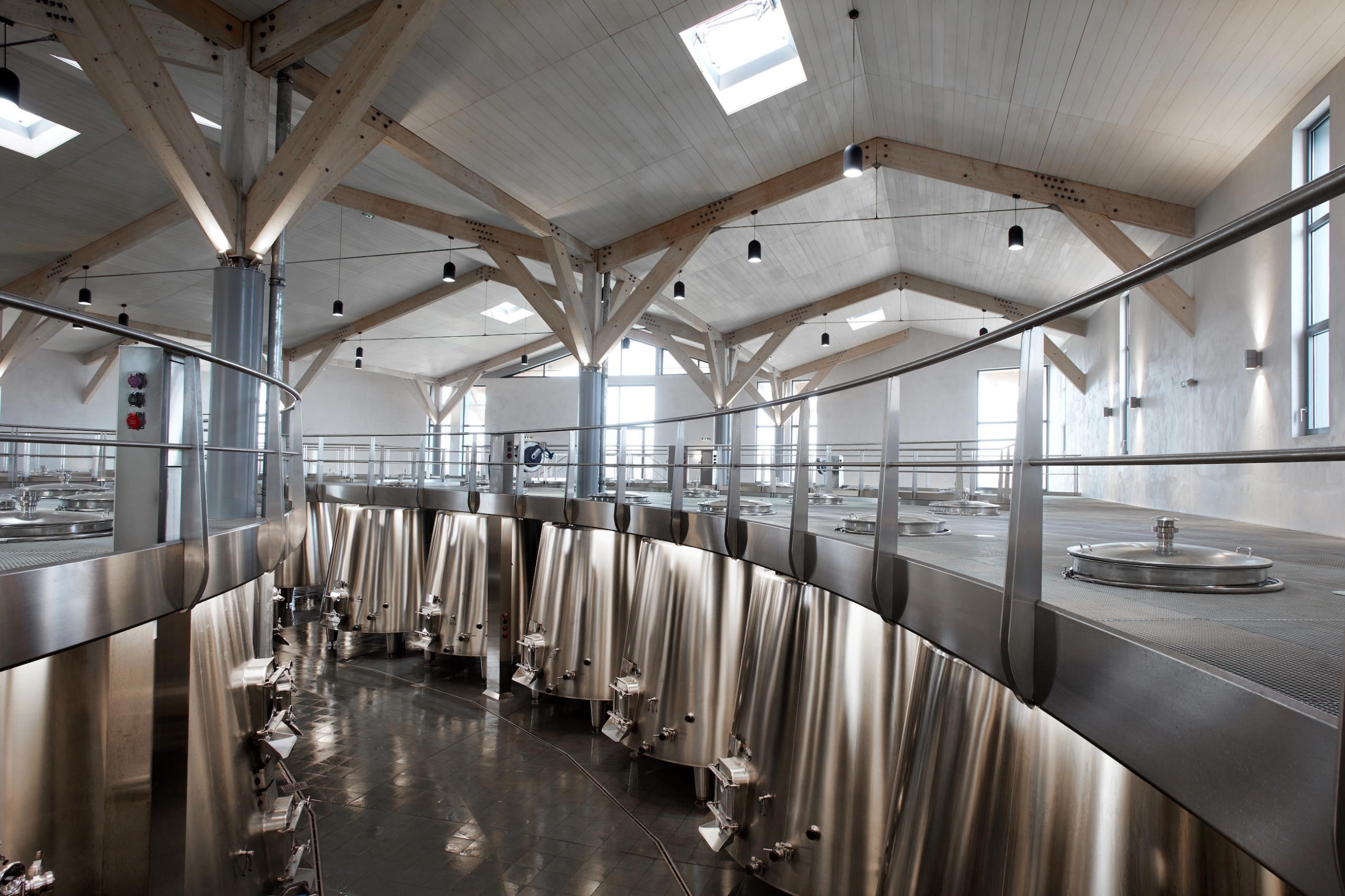
Vincent Millet’s 20 years at Calon Ségur now hinge on clay, Cabernet Sauvignon, and water management in Saint-Estèphe.
Vincent Millet’s 20 years at Calon Ségur now hinge on clay, Cabernet Sauvignon, and water management in Saint-Estèphe.
Vincent Millet’s Château Calon Ségur climate strategy begins beneath the gravel, where lacustrine clay gives the Saint-Estèphe Third Growth its most practical defence against hotter, drier seasons. Millet arrived at Château Calon Ségur in July 2006, and his 20 years as technical director now read as a study in water, Cabernet Sauvignon, and the slow redrawing of a 55-hectare vineyard (Decanter1).
The estate has the kind of credential collectors recognise before a cork is drawn: Château Calon Ségur is a Troisième Grand Cru Classé of 1855 in Saint-Estèphe, with 50ha planted and 45ha currently in production. Millet now focuses on the clay under Terrace 3, where he sees water reserves that can carry vines through dry spells in Bordeaux (Twinsbordeaux2).
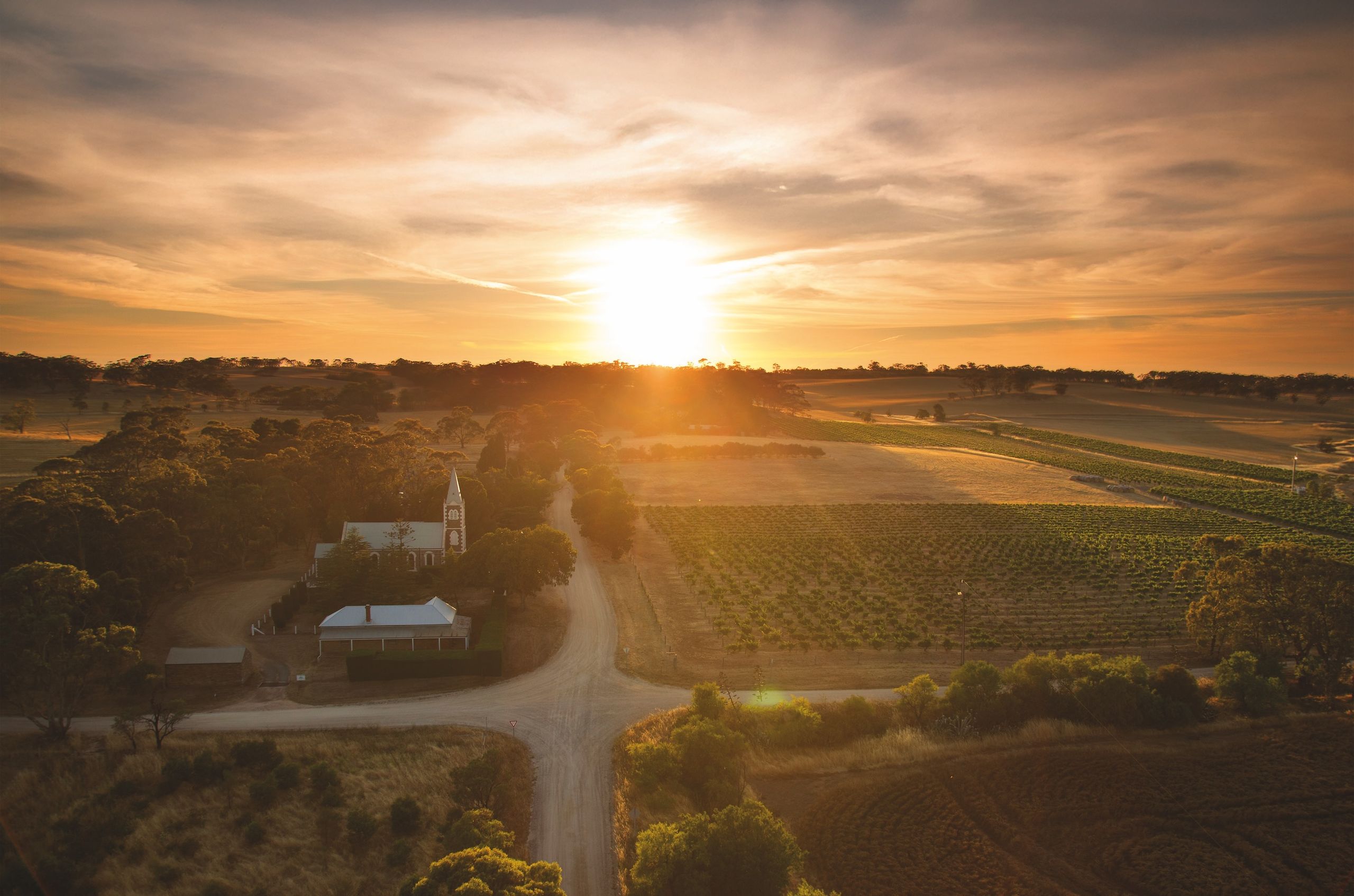
Millet’s attention has narrowed toward the ground under the vines, specifically Quaternary gravel over predominantly Tertiary clay subsoil, with lacustrine clay beneath parts of the gravel plateau. He points to Terrace 3, in the southern part of the estate near the historic wall, where Calon’s geologist has identified more argile lacustre, or lacustrine clay (Decanter1).
The better-known gravel layer of Terrace 4, running close to the Gironde estuary, has long drawn attention in the Médoc. Millet is concerned with the soil’s capacity to hold water when June and July are dry. It is our hydric reserve, he says of the clay.
The 2026 growing season put that reserve under pressure. After a wet winter replenished water reserves, spring and early summer turned hot and dry. Only 22mm of rain fell in June, and July brought 26mm. Millet also linked the lack of water, as in 2025, to small grapes.
August rain did not increase berry size. The estate received 42mm of rain during the first 25 days of the month, then another 49mm in the final six days. The berries did not swell, and Millet said the rain “certainly helped unblock ripening.”
Millet observed no significant yield differences between Calon’s soil types during the heat and water deficit, provided the vines had clay beneath them. On sandy soils, he said, “the vine suffers.”
By 2008, he had moved toward detailed parcel and intra-parcel selection, a decision that now sits at the centre of his work with Cabernet Sauvignon and clay-gravel soils (Decanter1).
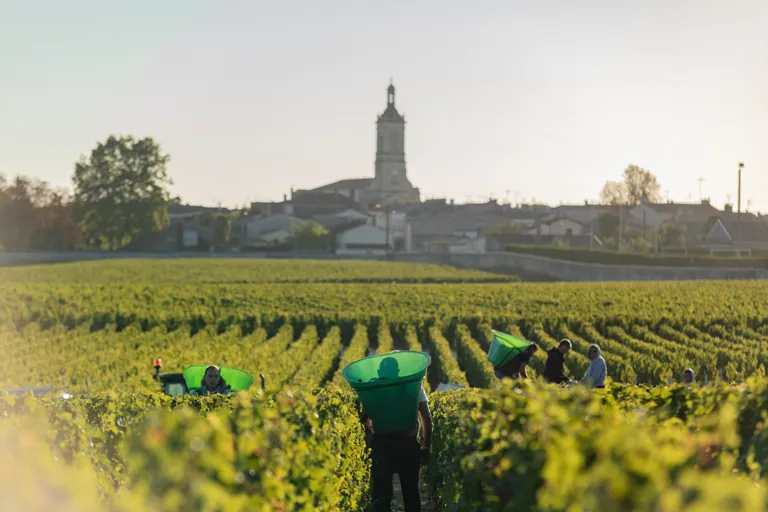
Millet’s work has unfolded through replanting, vine density, massal selection, clonal selection, and separate handling of blocks that once might have disappeared into larger lots. The estate’s average vine age is 22 years, and its planting density is 8,000 vines per hectare (Decanter1).
The current vineyard mix is 57% Cabernet Sauvignon, 34% Merlot, 7% Cabernet Franc, and 2% Petit Verdot. Millet describes Cabernet Sauvignon as around 56% to 57% of plantings today, with a plan to reach “roughly 70% by 2032,” following a quarter-century of vineyard decisions from 2008 to 2032 that will shape the future profile of the grand vin.
Millet has stated the preference directly: “I prefer the finesse of the Cabernet to the Merlot,” particularly Cabernet grown on Calon’s clay-gravel soils. Calon Ségur is moving toward more Cabernet Sauvignon because Millet believes that grape, on those soils, better carries the estate’s desired line.
Millet’s immediate focus is water management. If irrigation were required, subject to authorisation and depending on vine age, Calon has a possible resource in a natural reserve on the estate that collects winter rainwater.
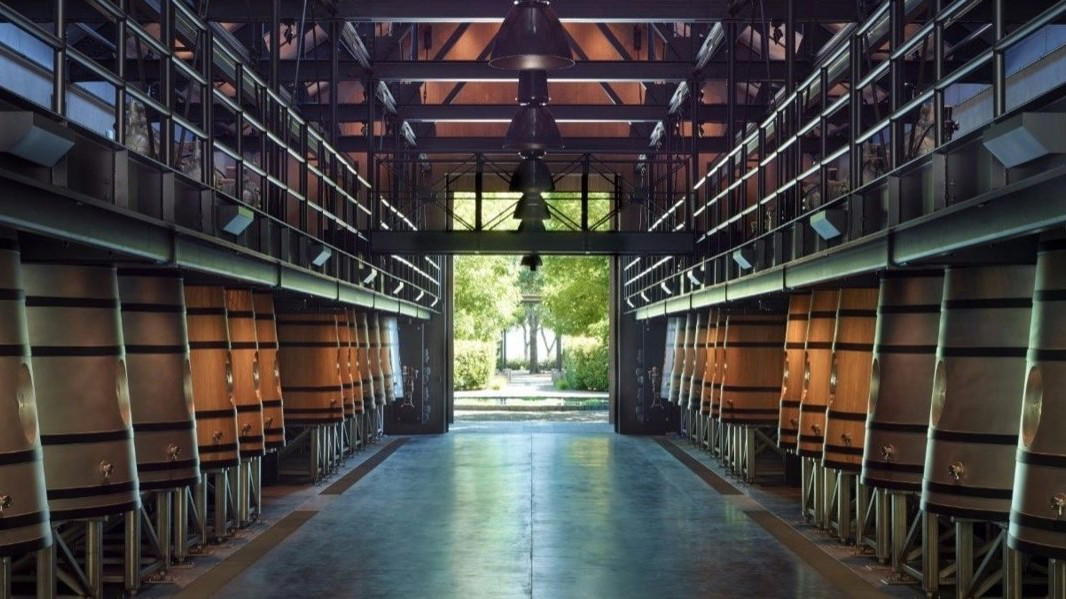
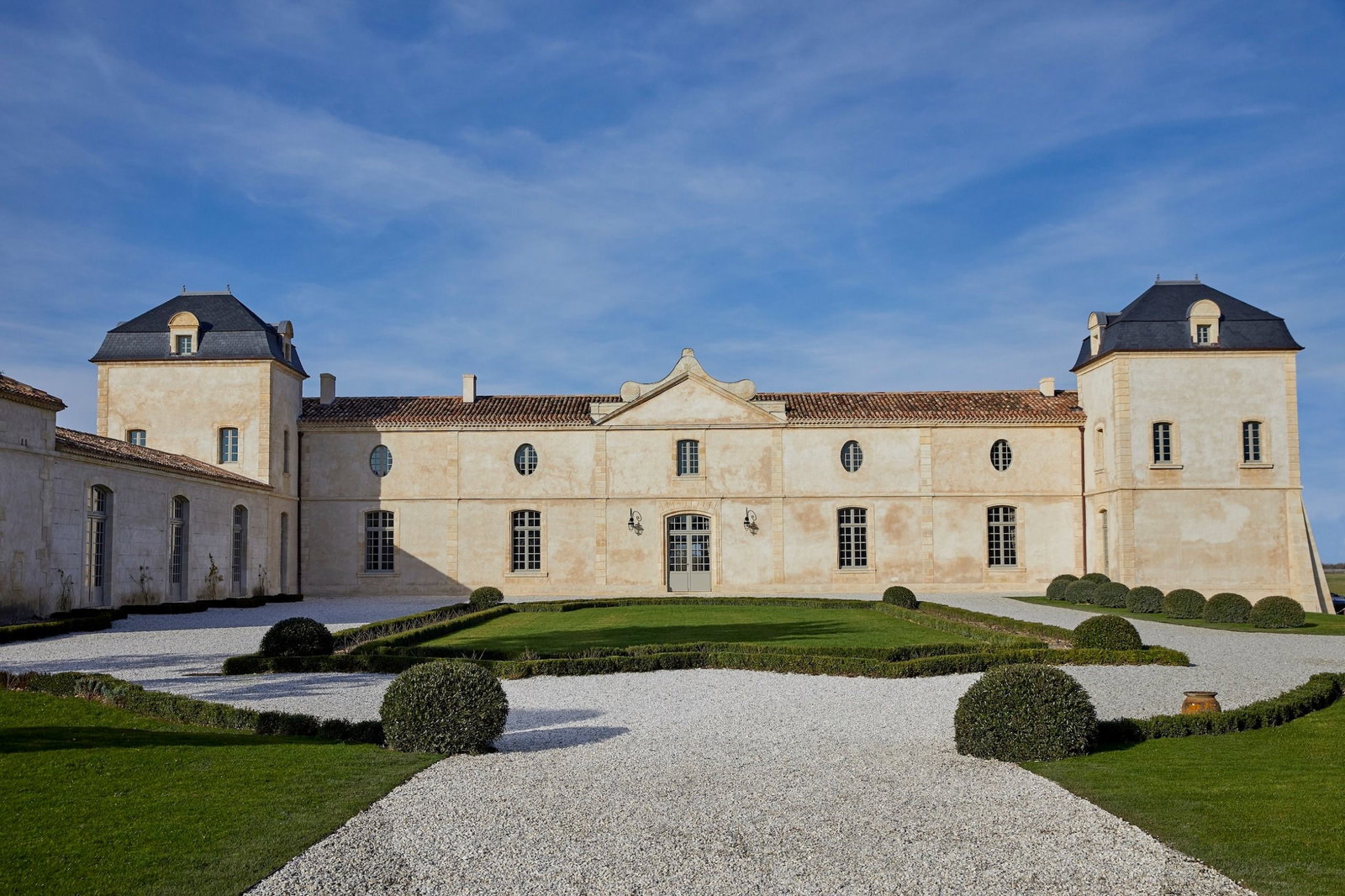
Suravenir, a subsidiary of Crédit Mutuel Arkéa, acquired Calon-Ségur and neighbouring Château Capbern from the Gasqueton family in 2012. Four years later, in 2016, a new gravity-fed vat room and renovated ageing cellar came into service. The new vat cellar became operational on September 26th, 2016, (Calon Segur3).
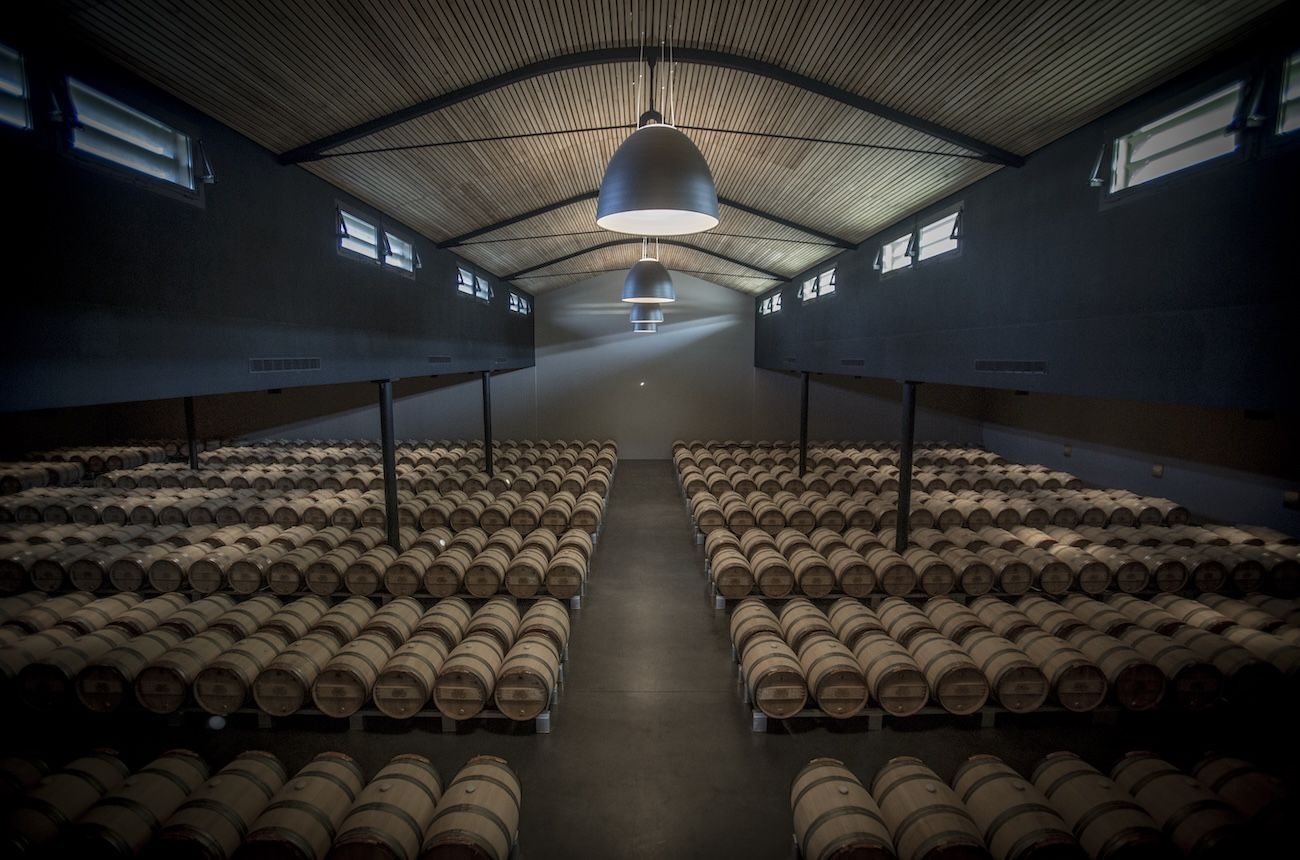
The new cellar did not increase production. It doubled the number of vats. Today, 75 stainless-steel vats, ranging from five to 120 hectolitres, let Millet and his team vinify grapes from individual plots, massal selections, and sections within a parcel separately.
Five-hectolitre vats can hold a small, specific lot that would lose its identity in a larger tank. A 120-hectolitre vat can serve a broader selection when the fruit warrants it. For a vineyard with clay variation, Cabernet replanting, and increasingly precise selection, that spread of vat sizes gives the cellar a sharper set of tools.
Grapes are destemmed, hand-sorted, and cooled before descending by gravity into stainless steel. The gravity-fed system reduces pump use and helps preserve intact berries before vinification.
The grand vin then ages for around 18 to 20 months. Consultant oenologist Éric Boissenot works with the estate, and the cellar’s separate-vat capacity gives the final blend more points of decision before that élevage is set. In a warm year, a parcel with clay-held water can be kept apart from a block that struggled; in a year with different pressure, the same map can guide a different choice.
The planned move to roughly 70% Cabernet Sauvignon by 2032 is the clearest numerical marker in Millet’s tenure. Merlot, Cabernet Franc, and Petit Verdot remain at the estate as the plan shifts the centre of gravity toward Cabernet grown on clay-gravel soils.
Calon’s soils include Quaternary gravel over predominantly Tertiary clay subsoil, with lacustrine clay beneath parts of the plateau, which gives that geology a new urgency in hot, dry seasons. Millet’s focus on water reserves gives that geology a new urgency in hot, dry seasons.
The estate’s vineyard footprint has changed little in extent, with 0.4 hectares acquired from Château Domeyne in 2026. Millet called that parcel a “logical extension” of Calon’s terroir. The estate acquired 0.4ha in a 55ha vineyard.
Cabernet Sauvignon’s rise at Calon Ségur also changes how collectors may read recent and future vintages from the estate. Wines from the post-2016 cellar period come from a regime with 75 stainless-steel vats and more precise parcel separation. Future vintages approaching 2032 should show the effect of a vineyard with a higher Cabernet proportion, provided the replanting plan continues on the stated path.
He is reworking the vineyard composition over decades, then giving the cellar enough small-vat capacity to preserve the differences that the vineyard delivers.
The vineyard, the blend, and the water question all meet in that point.
The heart on the label remains the bottle’s most visible sign. The estate’s modern identity is tied to the 18th-century Marquis de Ségur, the “Prince of Vines” who also owned Lafite and Latour and is credited with saying, “I make wine at Lafite and Latour, but my heart is at Calon.” For Millet, the less visible sign is the clay that carries water when the vine needs it.
His most telling career moment came in 2008, two years after he arrived, when he began separating Calon’s vineyard more closely by parcel and intra-parcel variation. That decision now connects directly to the 2016 cellar, the 75 vats, the higher Cabernet target, and the 2026 lesson from June, July, and August rainfall.
There is a human scale in the patience of that work. A technical director can change a sorting table in a season, and a Cabernet Sauvignon replanting programme takes years before the fruit becomes central to the grand vin. Millet’s 20 years at Calon Ségur give him the continuity to make that kind of vineyard argument and then test it through vintages with different water pressure.
Cabernet Sauvignon is rising from roughly 56% to 57% of plantings toward roughly 70% by 2032, clay is treated as a hydric reserve, 75 vats separate small lots, and the grand vin ages for 18 to 20 months.
Millet arrived in 2006, increased parcel focus from 2008, saw Suravenir acquire the estate in 2012, brought fruit into the new vat room in 2016, and is steering Cabernet Sauvignon toward a 2032 target.
The 2018 Château Calon Ségur currently appears in one retail listing at $191.85 for a 750ml bottle. That vintage comes after the 2016 cellar change and before the estate reaches its 2032 Cabernet target (Lagunacellar4).
Millet has named Cabernet proportion, parcel selection, and the clay-gravel relationship as elements he can control. The estate’s water story will matter most in hot, dry years, especially when early summer rainfall is low and August rain arrives too late to increase berry size. The 2026 pattern, with 22mm in June, 26mm in July, then 42mm and 49mm across August, gives a clear example of the pressure Millet is planning around.
In Saint-Estèphe, Calon Ségur is a classified growth adapting from inside its own vineyard rather than outside the appellation. The estate sits in the northern Médoc, in an appellation where clay can change the way Cabernet Sauvignon handles heat and water stress.
Millet’s work at Château Calon Ségur focuses on dates, vats, rainfall figures, and a technical director who has stayed long enough to see the clay prove its point.
Tagged
Get the App
Take the shortlist into the En Primeur Club app for concierge access, saved places, and the next step after discovery.
Get Exclusive AccessMore from the editors