← Guides
Jean-Charles Boisset buys Artesa from Raventós Codorníu, adding a 350-acre Napa estate and pyramid winery to his portfolio.
Jean-Charles Boisset buys Artesa from Raventós Codorníu, adding a 350-acre Napa estate and pyramid winery to his portfolio.
In September 1991, Raventós Codorníu put $23 million behind Codorníu Napa while California wine faced falling sales and mounting surpluses; now Jean-Charles Boisset has bought that same Carneros estate after US wine sales by volume fell by an estimated 2% in 2025. The Artesa winery acquisition gives Boisset a 350-acre Napa property with 155 acres planted across Los Carneros and Mt. Veeder, plus the pyramid-shaped winery that has long made Artesa one of the valley’s most recognizable visits.
The seller is Raventós Codorníu, the Spanish producer behind Artesa’s sparkling-wine inheritance. The buyer is Boisset Collection, already present in Napa and Sonoma through Raymond Vineyards, Flora Springs, Buena Vista Winery and DeLoach Vineyards. Financial terms were not disclosed. The timing is the detail collectors should sit with: Silicon Valley Bank’s 2026 State of the US Wine Industry report put the 2025 volume decline at an estimated 2%, and Boisset has chosen this moment to add acreage, architecture and hospitality capacity rather than wait for a softer landing.
The cleanest way to read the Artesa winery acquisition is as a counter-cycle estate play: buy the dirt, the facility and the brand while the market talks about excess inventory and thinner tasting-room traffic. Boisset has done this before in spirit, if not in identical form. His California portfolio includes properties with strong personalities, Raymond in Napa, Buena Vista in Sonoma, DeLoach in Russian River, and Artesa gives him a Carneros base with a sparkling-wine past and a visitor-facing building that needs no introduction from Highway 121.
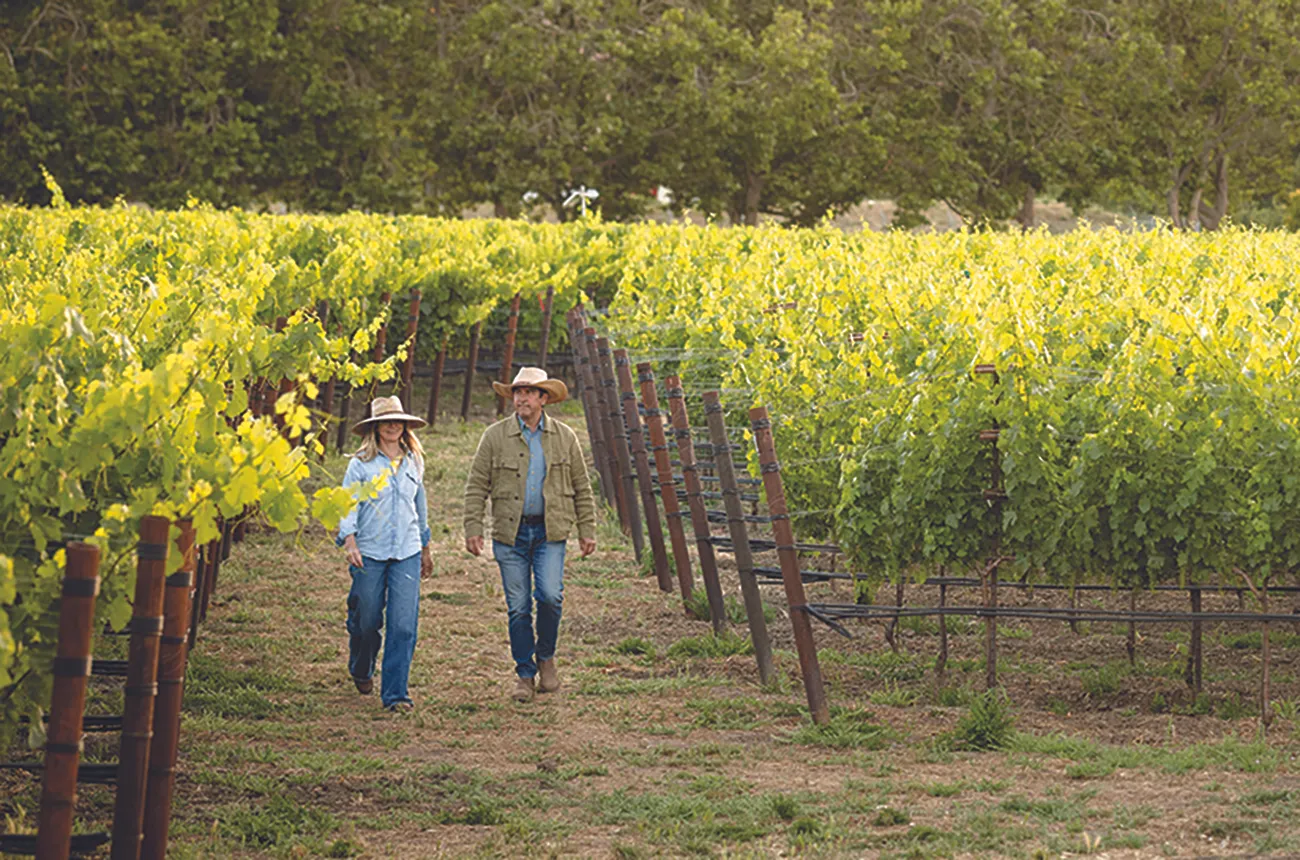
The historical rhyme matters. Raventós Codorníu established Codorníu Napa in September 1991, when the Los Angeles Times was writing about falling wine sales and surpluses while questioning a $23 million investment in a new winery devoted exclusively to sparkling wine. That earlier wager eventually became Artesa. Now Boisset is buying during another period when the industry’s short-term signals are not generous.
Boisset has pointed to Artesa’s cooler-climate vineyards, sparkling-wine heritage and future role as an estate home for JCB, connecting his Burgundian background with his California ambitions. Strip away the romance and the acquisition still has a hard commercial spine: Carneros vineyards, Mt. Veeder exposure, an established visitor destination and a winery permitted for producing about 190,000 cases annually.
That annual production permit is not a small footnote. It gives the property a scale few hospitality-led acquisitions can claim, and it tells you what institutional buyers still prize in Napa when the market is cautious: planted land, a licensed facility, an established brand and a building that can anchor travel demand. The Artesa winery acquisition is not simply a label purchase. It is a physical estate with room to shape both wine and visitation.
Artesa brings extraordinary cooler-climate vineyards, a sparkling wine heritage and an estate home for JCB where my Burgundian roots meet my California dreams1
Jean-Charles Boisset, California Vintner
Artesa’s vineyard footprint is split across Napa’s Los Carneros and Mt. Veeder appellations. That dual-appellation fact is more than map trivia. Los Carneros gives Napa one of its core cool-climate zones for Chardonnay and Pinot Noir, while Mt. Veeder brings mountain identity into the estate’s orbit. The acquisition includes 350 acres in total, with 155 acres planted, a number that puts the vineyard holdings at the center of the transaction rather than behind the tasting room.

Artesa has been known for sparkling wines as well as still Chardonnay and Pinot Noir. That makes the Carneros portion of the estate especially legible to collectors who follow cooler-climate California wines. The acquisition does not arrive with published details on future cuvées, vineyard-designate bottlings or changes to farming, so the prudent reading is patience: watch what Boisset chooses to bottle from the estate before assuming a stylistic turn.
The scarcity signal is sharper than the headline suggests. Large, planted Napa estates with hospitality architecture and an established brand do not circulate like single parcels or négociant labels. This sale removes a 350-acre property from the market and places it inside a portfolio already built around winery visits as much as bottle sales. If you track Napa land as closely as you track allocations, the planted-acre number is the part to underline.
That has consequences for how collectors may want to follow the property. If Boisset uses Artesa primarily as a cultural destination, the wines may become part of a broader hospitality experience. If he uses the vineyards as the anchor, particularly interesting releases will likely be those that make the Los Carneros and Mt. Veeder split visible in the glass. No release plan has been published, which makes the first Boisset-era bottlings the detail to track.
The winery itself is part of the asset. Artesa’s pyramid-shaped building has always given the estate a physical signature unusual even in Napa, where architecture often carries as much visitor expectation as the flight in the glass. In this deal, the facility is not decoration; it is a functioning winery, a tasting destination and a stage for the art-forward direction Boisset has outlined.
Boisset plans to turn Artesa into a destination for art, bringing together culture, food, wine and sensory experiences. That language fits his recent California pattern. In July, Boisset and his wife, winemaker Gina Gallo-Boisset, reopened Flora Springs Winery in St. Helena after an extensive redesign. Artesa now gives them a larger canvas in Carneros, with the added pull of a property already associated with visual drama.
The risk, of course, is execution. Napa visitors do not need another room dressed up around ordinary pours; the region is already full of expensive hospitality. Artesa’s advantage is that its story begins with sparkling wine, cool-climate vineyards and a building that visitors remember before they have seen the label again. If Boisset’s team can keep the wine program tethered to those facts, the art and sensory programming can amplify the estate rather than blur it.
Raventós Codorníu’s role should not be reduced to seller. As one of Spain’s oldest sparkling wine producers, it gave the original Codorníu Napa project its reason for being. The September 1991 launch was bold because the category focus was narrow and the market mood was weak. Boisset now inherits that history at a moment when sparkling wine heritage, Napa visitation and estate-grown cool-climate fruit can still create a coherent identity, if the bottle remains the center of gravity.
Collectors should not confuse an ownership change with an automatic change in wine quality. The transaction includes the brand, property, vineyards and winery, but the publicly available deal details do not specify new winemaking protocols, barrel programs, release calendars or pricing. That restraint matters. The next useful clues will come from what Boisset releases under the Artesa name, how he treats the sparkling program, and whether the estate’s Los Carneros and Mt. Veeder holdings are given clearer expression.
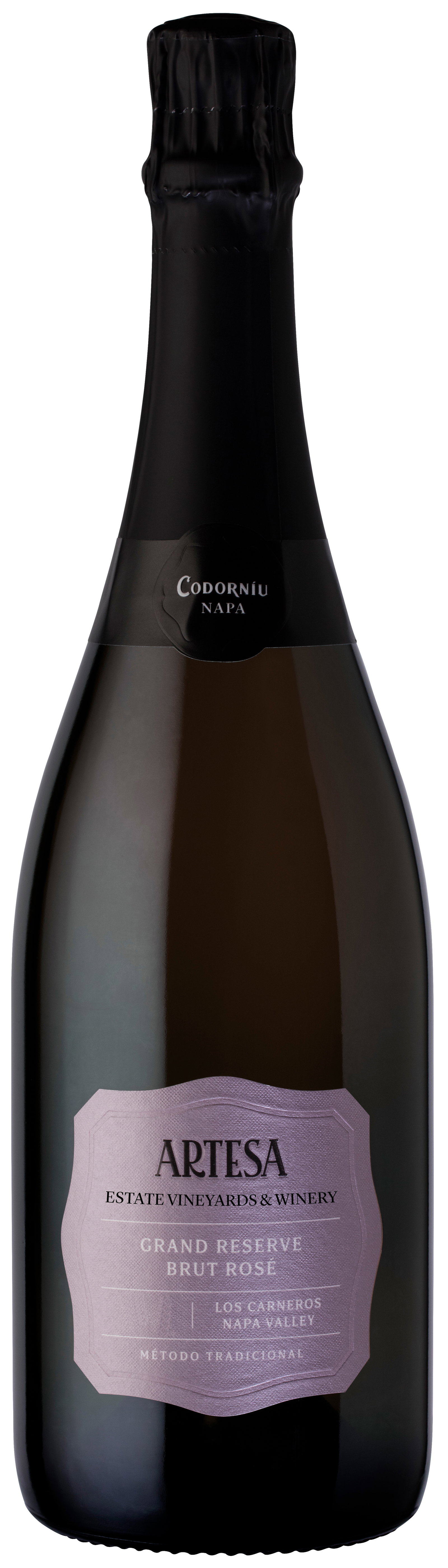
Still, the Artesa winery acquisition sends one concrete message: serious buyers continue to value Napa estates with land, visitor infrastructure and a history that stands apart even as headline sales data weaken. For a collector, that is useful because it separates short-term demand softness from the long-term appeal of certain physical assets. A label can be relaunched. A 350-acre property with 155 planted acres across two Napa appellations cannot be recreated by marketing spend.
Boisset’s existing California holdings give another clue, though not a guarantee. Raymond Vineyards, Flora Springs, Buena Vista Winery and DeLoach Vineyards all sit within a portfolio that treats heritage and hospitality as intertwined. Artesa fits that pattern but adds a cooler-climate and sparkling-wine dimension. The combination may sharpen Boisset Collection ’s Napa offer beyond Cabernet-centric expectations, especially for visitors who build trips around Chardonnay, Pinot Noir and sparkling wine.
The collector’s watchlist should be narrow. Look for whether Artesa continues to foreground sparkling wine; whether still Chardonnay and Pinot Noir remain central; whether Mt. Veeder fruit receives separate attention; and whether Boisset positions any future releases through allocation, club channels or tasting-room exclusives. None of those details has been announced, but each would tell you how the acquisition is moving from transaction to cellar relevance.
Artesa sits in Napa’s Los Carneros and Mt. Veeder orbit, with the pyramid-shaped winery forming the public face of the estate. The deal’s financial terms were not disclosed, and no detailed public transition calendar has been set out in the available transaction details. For visitors planning Napa travel, the immediate practical point is to treat Artesa as a property in transition under Boisset Collection rather than a fully recast estate.
That can be useful. Transitional periods often reveal what a new owner values first: signage, hospitality flow, art installations, tasting formats, wine-club language, vineyard naming, or the first shift in release hierarchy. Boisset has already said he wants Artesa to become a destination for art, with culture, food, wine and sensory experiences part of the plan. The details that follow will matter more than the announcement language.
For buyers, one disciplined approach is to separate current Artesa wines from future Boisset-era releases. The former belong to the Raventós Codorníu period; the latter will show how Boisset interprets Carneros fruit, sparkling-wine heritage and the estate’s Napa identity. If you collect across ownership changes, keep the line clean in your cellar notes. Vintage, ownership period and release channel may all become useful context later.
The larger Napa read is equally clear. Boisset has not bought Artesa because the 2025 volume data made the market easy to love; he has bought a physical estate that still carries scarcity, capacity and hospitality power. The first proof will not be a press release. It will be the first glass poured at the pyramid under Boisset stewardship, and whether Artesa’s cooler-climate vineyards speak more clearly because of it.
Get the App
Take the shortlist into the En Primeur Club app for concierge access, saved places, and the next step after discovery.
Get Exclusive AccessMore from the editors