
SCMP 100 Top Tables Restaurants
Our verdict
Sushi Koh sits in Central’s vertical dining belt, where Hong Kong’s Japanese counters compress Tokyo-style formality into a compact urban rhythm. The appeal is less spectacle than control: a quiet room, close counter work, and a sushi format that suits diners comparing precision-led Japanese meals across the city rather than chasing a loud night out.

Pearl is the En Primeur Club membership app, where members save venues, book tables and use the concierge.
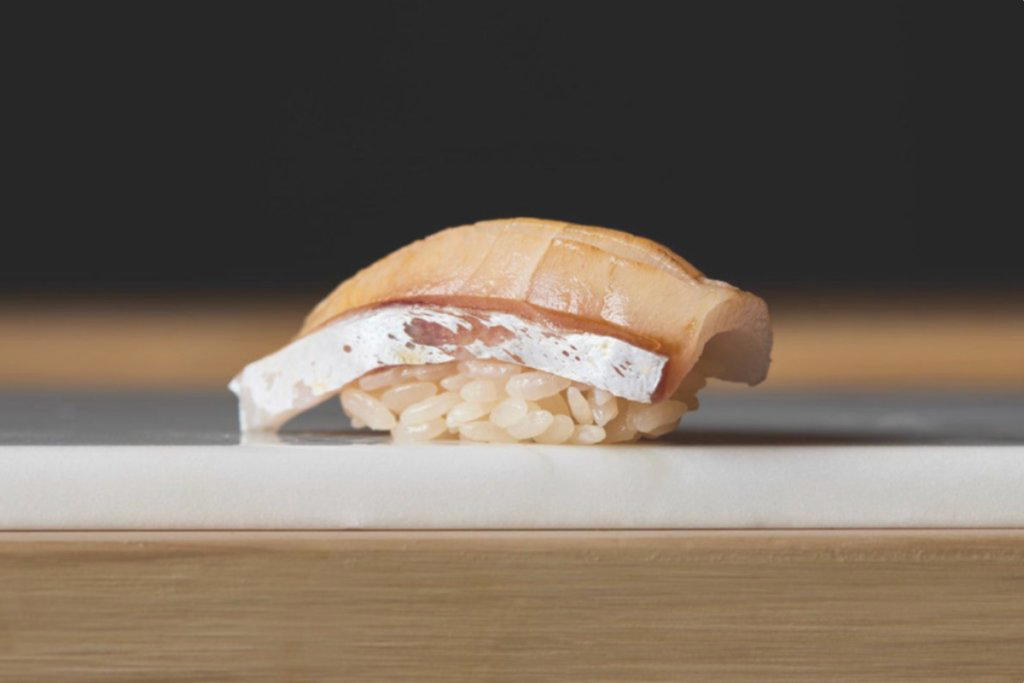
The menu
What to order
- Seasonal nigirizushi omakase
- Toyosu market sashimi selection
- Tamago
- Seasonal appetisers
Hong Kong changes tone quickly from one dining room to the next. At street level, the city has its compression of office traffic, escalators, delivery riders and after-work drinkers; inside its more focused rooms, some of that noise can give way to wood, ceramic, low voices and measured service. Sushi Koh belongs to this dense dining culture, where the transition from commercial Hong Kong to a meal built around sequence, timing and restraint is part of the appeal.
Hong Kong has long treated focused dining as both luxury import and local habit. Its serious rooms do not depend on romance of place; they work inside a market shaped by private dining rooms, finance-district schedules, specialist sourcing networks and guests who may compare one polished meal with another across the same day. The genre is sharper here: a restaurant must justify itself through pacing and ingredient discipline.
A Hong Kong room built for concentration rather than theatre
The sensory register is deliberately narrow. The room is judged by what it removes: excess music, visual clutter, loose pacing and unnecessary explanation. In a city where dining rooms often compete through design and view, restraint can be a corrective. Attention moves to the handoff between staff and guest, course rhythm and the pauses between bites.
Sushi Koh’s Hong Kong setting matters because the city rewards precision. This is not a leisurely resort context; it is a working urban core where lunch windows can be short, dinners may begin after late office exits, and a restaurant must serve guests who know the difference between a polished room and a decorative one. The format suits diners who want focus without stiffness.
The broader Hong Kong comparison is instructive. Sushi Fujimoto sits in the same refined-dining conversation, while Clarence, The Chinese Library, Sếp and Thomas & T’s show how the city spreads premium dining across different techniques, heritages and contemporary formats. Against that mix, Sushi Koh reads almost austere. Its luxury is not breadth; it is edit.
That edit is why the experience resists casual over-ordering. Dining at this level depends on progression: a measured start, a tightening middle, and a finish that leaves the palate clear rather than exhausted. Hong Kong diners accustomed to shared plates may find this discipline refreshing because it removes negotiation from the table.
How Hong Kong's dining scene frames the meal
The city’s restaurants split into casual rooms, high-volume operations, luxury dining and smaller specialist formats where the room does the heavy lifting. Sushi Koh sits in the specialist lane, so the meal should be approached as a controlled format, not a broad restaurant with something for everyone.
Hong Kong’s appetite for precise dining is partly logistical. Flights, trade routes and long-standing business links across the region have made many imported formats familiar reference points. But the city’s palate is not passive. It rewards clarity, freshness, service fluency and value calibrated against fierce competition. A focused room is measured not only against similar addresses, but also against private kitchens, tasting menus and high-performing casual places.
For a wider read, our full Hong Kong restaurants guide places focused dining rooms beside the city’s broader dining field. Nearby and related listings across Hong Kong map different versions of premium dining around the city.
The cross-category context matters because Hong Kong visitors rarely travel for one meal alone. Pairing a dinner with the right hotel, bar or cultural day changes the trip’s rhythm. Our full Hong Kong hotels guide, Our full Hong Kong bars guide, Our full Hong Kong wineries guide and Our full Hong Kong experiences guide frame that wider itinerary without treating dinner as an isolated event.
Who should choose this kind of meal
This is the right address for diners who value quiet concentration over performance. The room asks for attention and gives little to guests seeking a sprawling social table. Conversation can happen, but at lower volume; the point is not to dominate the room but to stay with the sequence. The atmosphere is closer to a chamber performance than a street-level rush, though Hong Kong’s speed remains just outside.
The choice also depends on how a visitor wants to read the city. One meal may explain Hong Kong through abundance, timing and shared-table grammar. A focused restaurant explains another part: fluency with imported luxury forms, impatience with weak execution, and a talent for compressing high-stakes dining into compact rooms within a crowded city.
Other Hong Kong listings underline those contrasts. Clarence, The Chinese Library, Sếp and Thomas & T’s each point to a different register of the city’s premium dining culture, while unnamed neighbourhood rooms across Hong Kong show how widely the city’s food habits spread. Beyond any single comparison, the point is that Hong Kong translates formats through local pace, expectation and competition.
The editorial case for Sushi Koh is not that it tries to be all things. Its usefulness lies in a narrower promise: a Hong Kong meal for guests who want the room to quiet down, the pacing to take over, and the city’s intensity held just outside the table’s edge.
Frequently asked questions
Can I bring kids to Sushi Koh?
Sushi Koh is in Hong Kong. The focused format suits children who can sit through a measured meal; it is less forgiving than a casual à la carte room.
What is the atmosphere like at Sushi Koh?
The Hong Kong setting points to a dining room built for concentration rather than noise. Sushi Koh reads as a focused room rather than a high-energy one.
What's Sushi Koh known for in terms of accolades?
Sushi Koh is listed in SCMP 100 Top Tables 2026 - Restaurants.
What are the operating hours at Sushi Koh?
Check directly with Sushi Koh for current operating hours, as schedules can change.
Peers Worth Knowing
Comparable venues by cuisine and price in the same metro.
| Venue | Cuisine | Price | Awards | Notes |
|---|---|---|---|---|
| Sushi KohThis venue (the venue you are viewing) | Edomae Omakase Sushi Counter | $200–300 | SCMP 100 Top Tables Restaurants | Not listed |
| Sushi Fujimoto | Edomae-Style Omakase | $300–500 | SCMP 100 Top Tables Restaurants · Black Pearl 1 Diamond | Sushi |
| Thomas & T’s | Japanese-French Omakase | $200–300 | SCMP 100 Top Tables Restaurants | Not listed |
| Clarence | Modern French Bistro | $50–100 | SCMP 100 Top Tables Restaurants | Not listed |
| Sếp | Modern Indochine Vietnamese with Wood-Fired Grill | $100–150 | Michelin Plate · Black Pearl 1 Diamond | Vietnamese |
| The Chinese Library | Modern Chinese Dim Sum & Fine Dining | $50–100 | Black Pearl 1 Diamond | Chinese |
Recognition history
Dated appearances from independent guides and award organizations, with the underlying list record or original source where available.
SCMP 100 Top Tables Restaurants
SCMP 100 Top Tables
Continue exploring
More in Hong Kong
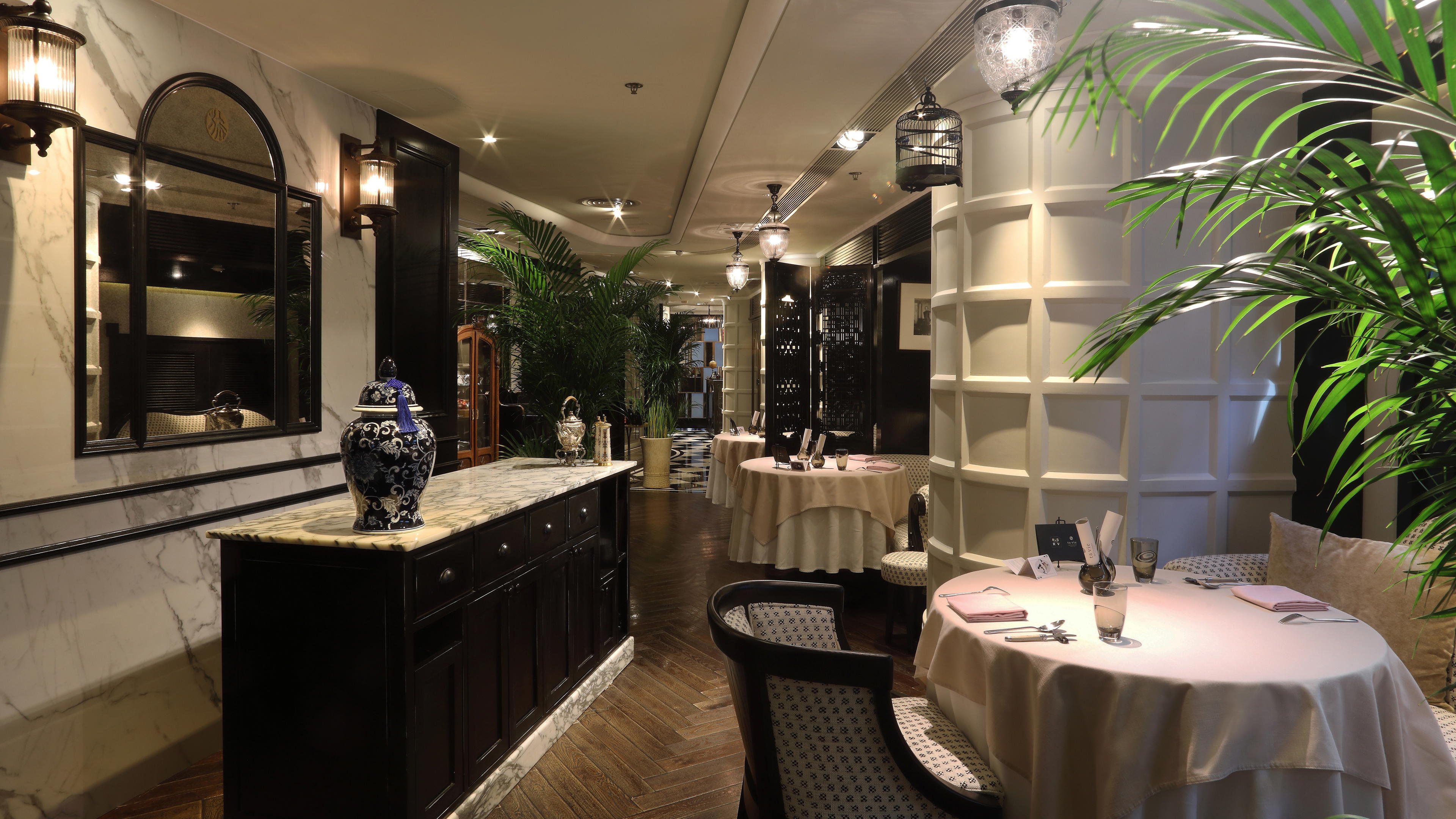
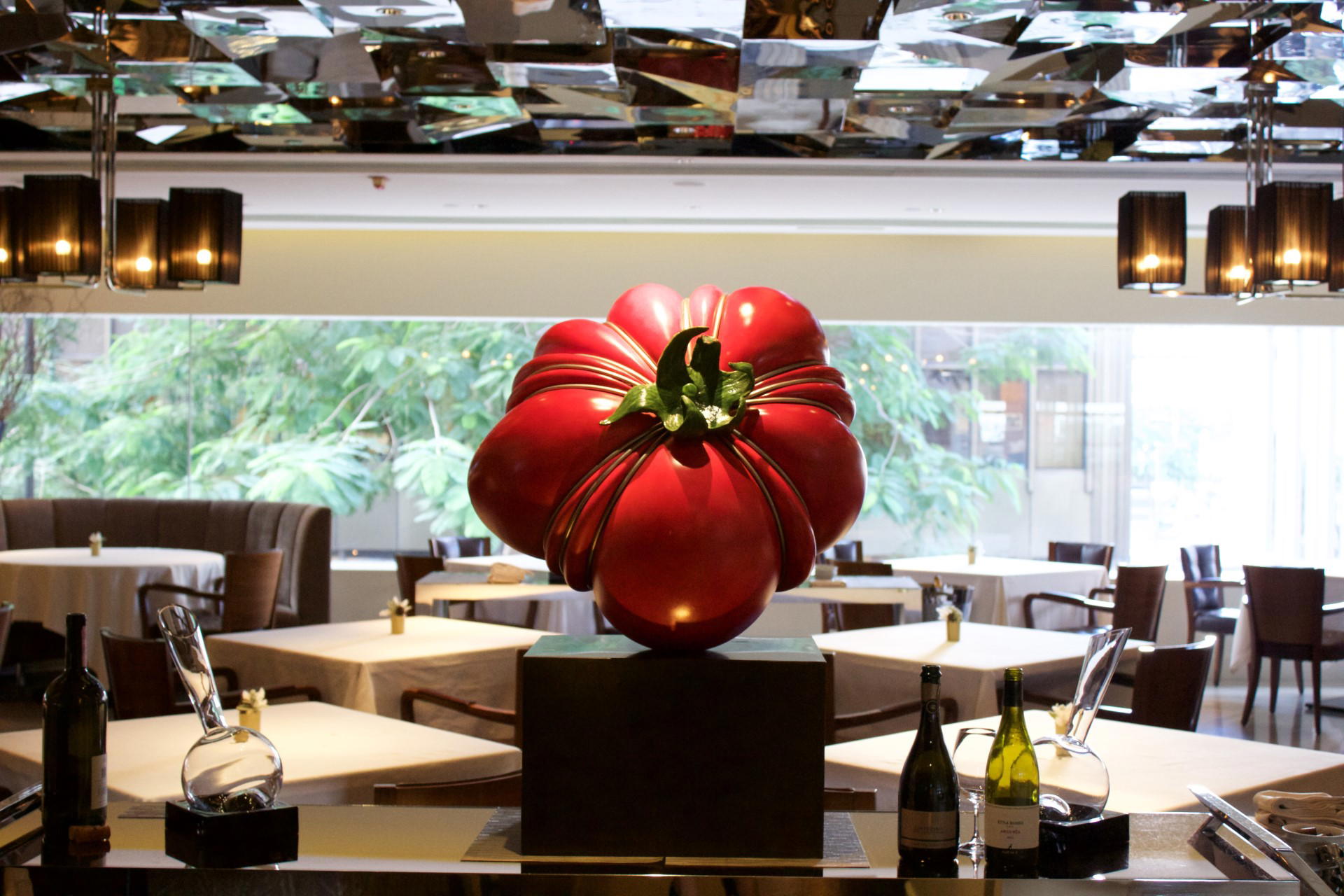
Restaurants in Hong Kong
All restaurants in Hong Kong →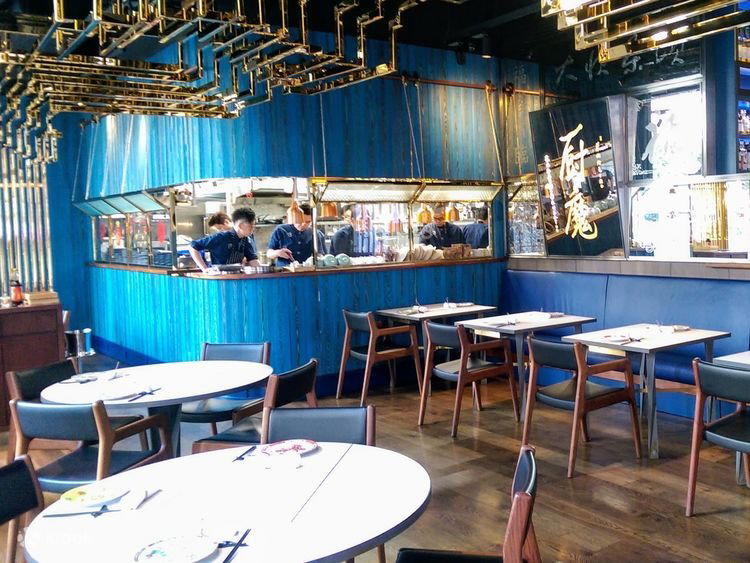
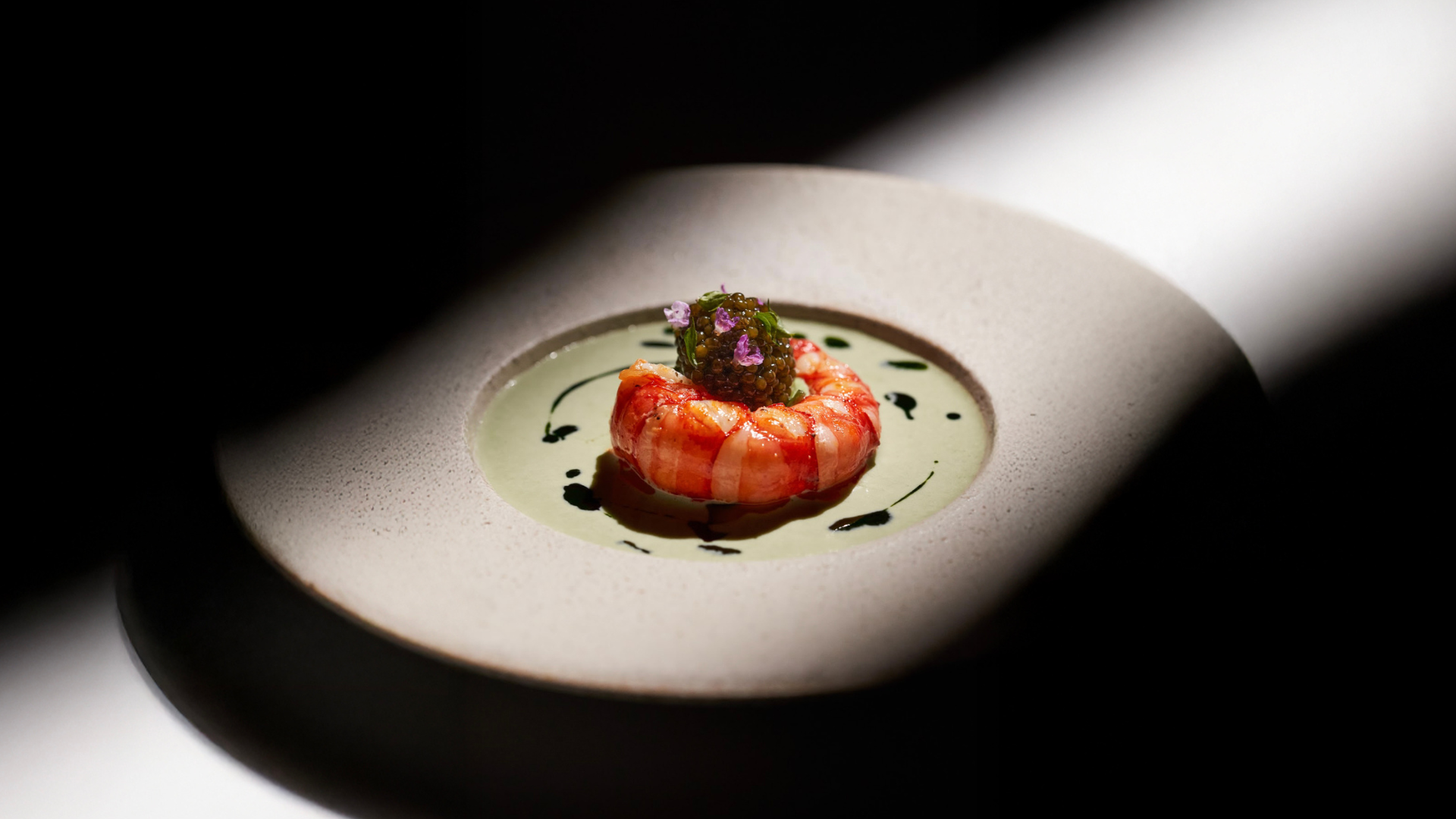
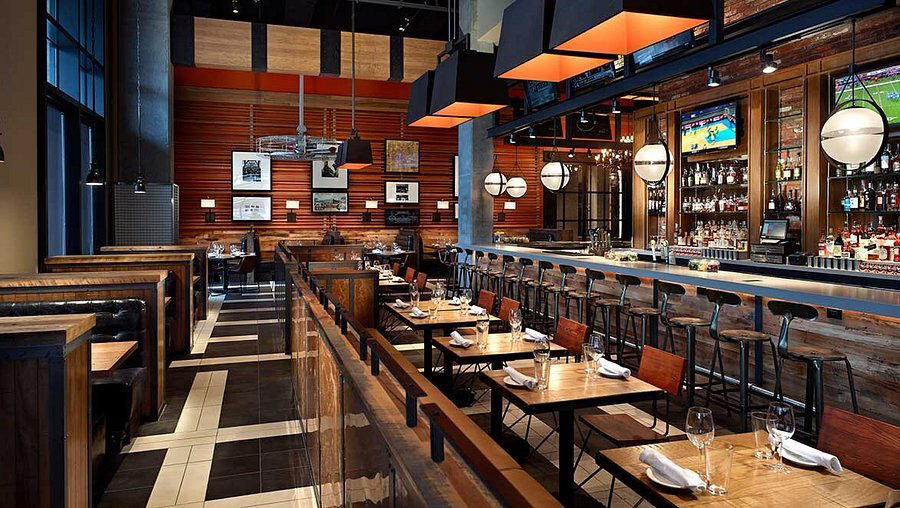
Bars in Hong Kong
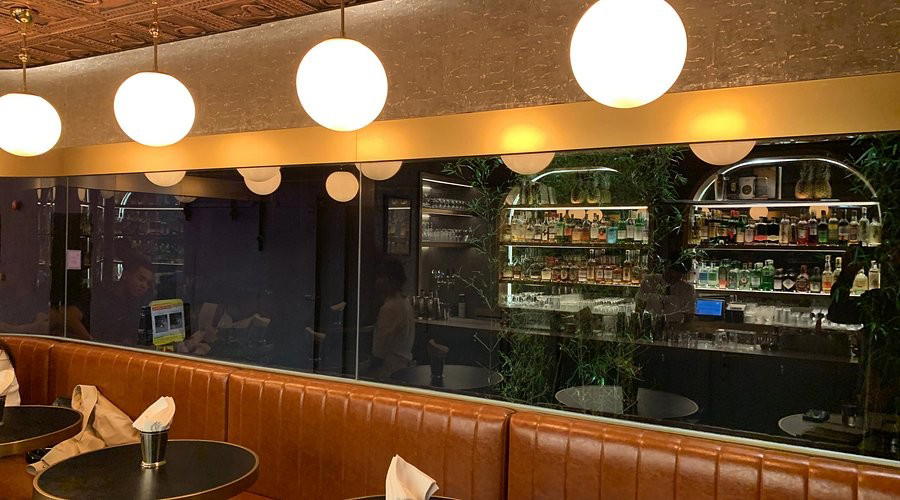
All bars in Hong Kong →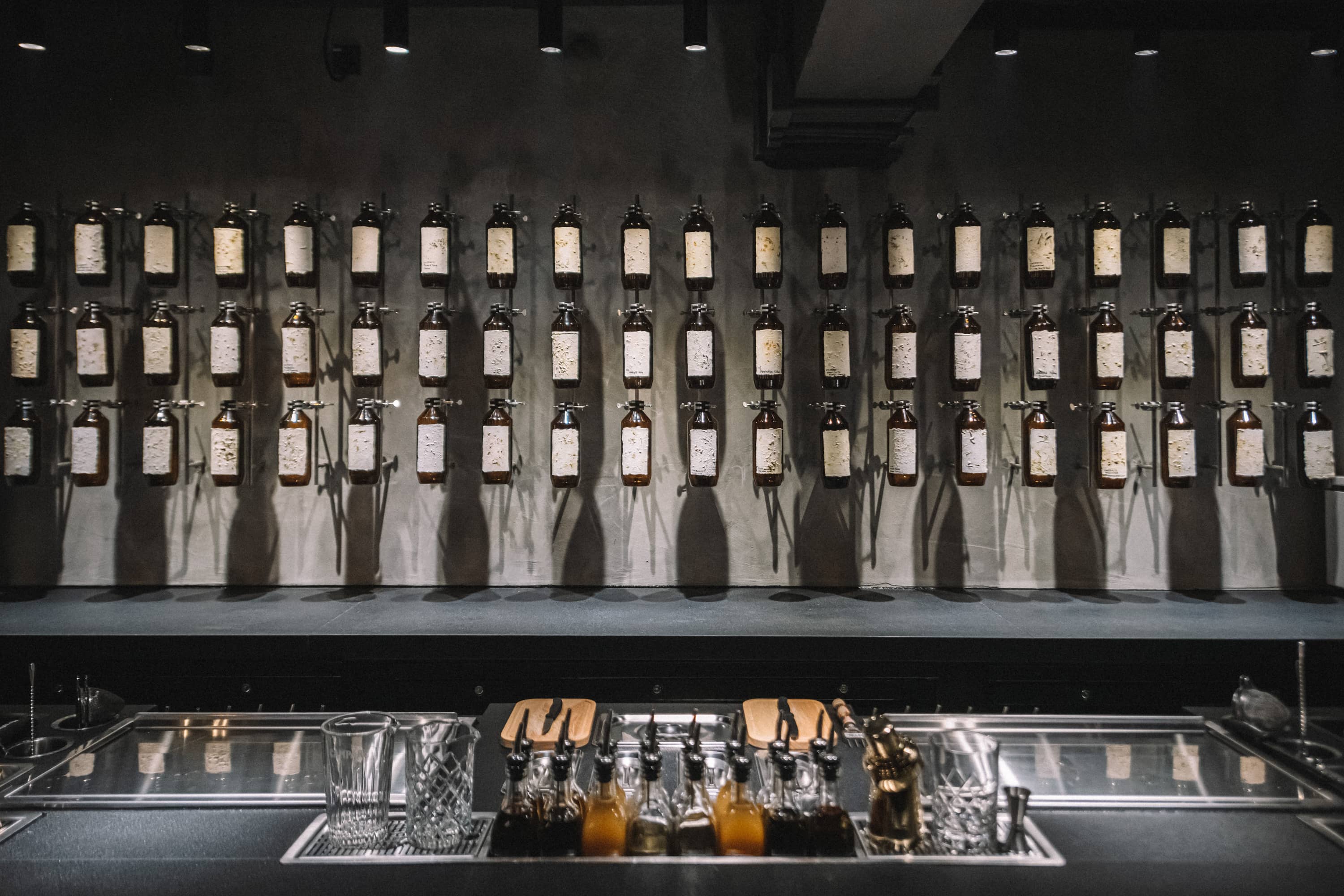
Hotels in Hong Kong
All hotels in Hong Kong →
Wineries in Hong Kong
All wineries in Hong Kong →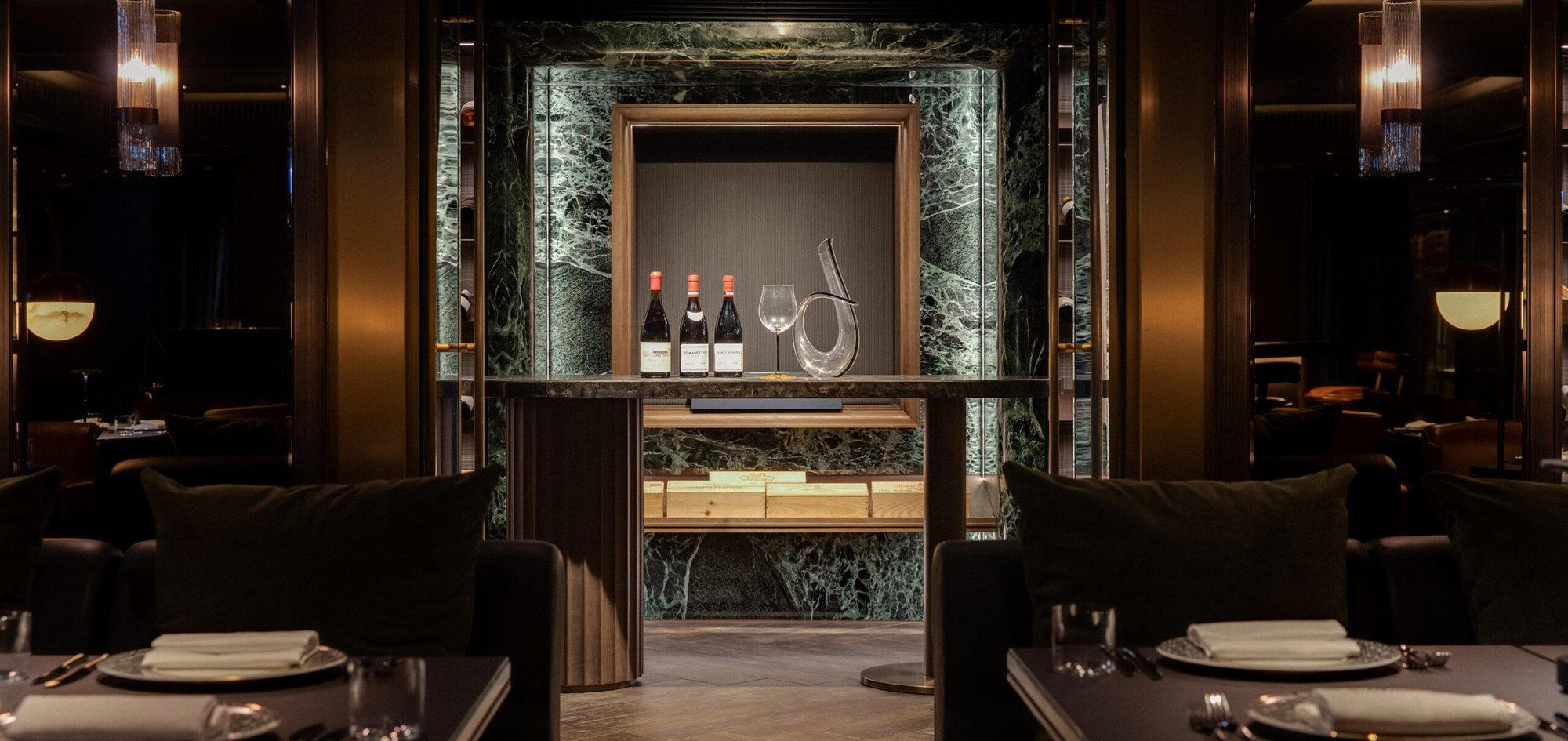
Details
- Intimate
- Modern
- Elegant
- Quiet
- Sophisticated
- Date Night
- Special Occasion
- Business Dinner
- Solo
- Chefs Counter
- Open Kitchen
- Design Destination
- Standalone
- Sake Program
- Sustainable Seafood
- Local Sourcing
- Omakase
- Counter Dining
- Tasting Menu
- Set Menu
- Sake
- Beer
- Tea
- Pescatarian Friendly
Current opening hours
- Monday
- 12–2:30 PM, 7–10 PM
- Tuesday
- 12–2:30 PM, 7–10 PM
- Wednesday
- 12–2:30 PM, 7–10 PM
- Thursday
- 12–2:30 PM, 7–10 PM
- Friday
- 12–2:30 PM, 7–10 PM
- Saturday
- 12–2:30 PM, 7–10 PM
- Sunday
- Closed
Hours can change for holidays and private events. Hours as of .
A small, quietly elegant counter-only room with a modern minimalist design, soft lighting and a calm, focused atmosphere where the interaction with the chef and the craftsmanship of the sushi are the central focus.