Thiptara
Our verdict
Thai Fine Dining at the Edge of Burj Khalifa Lake The approach to Thiptara sets up the meal before you reach the door. Seated at ground level within the Palace Downtown hotel on Sheikh Mohammed bin Rashid Boulevard, the restaurant looks directly...

Pearl is the En Primeur Club membership app — saves, bookings, and concierge access live there. Same editors, same standards.
- Address
- Ground Level, Palace Downtown 9770 - Sheikh Mohammed bin Rashid Blvd - Dubai - United Arab Emirates
- Phone
- +97144287961
- Hours
- Mon–Fri 6–11:30 PMSat 12:30–3:30 PM, 6–11:30 PMSun 6–11:30 PM
- Website
- palacehotels.com
- Directions
- Get directions
- Booking
- Book on the venue's website
The menu
What to order
- Pla Nuang Manow
- Tow Hu Phad Kraphow Krob
- Tom Yum Talay
Thai Fine Dining at the Edge of Burj Khalifa Lake
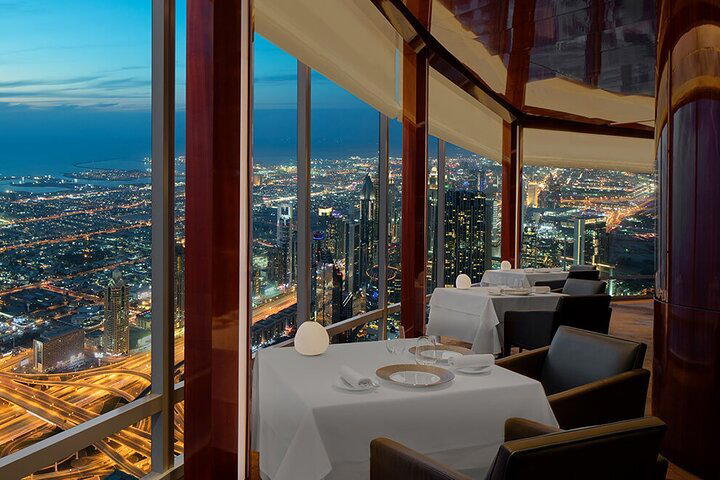
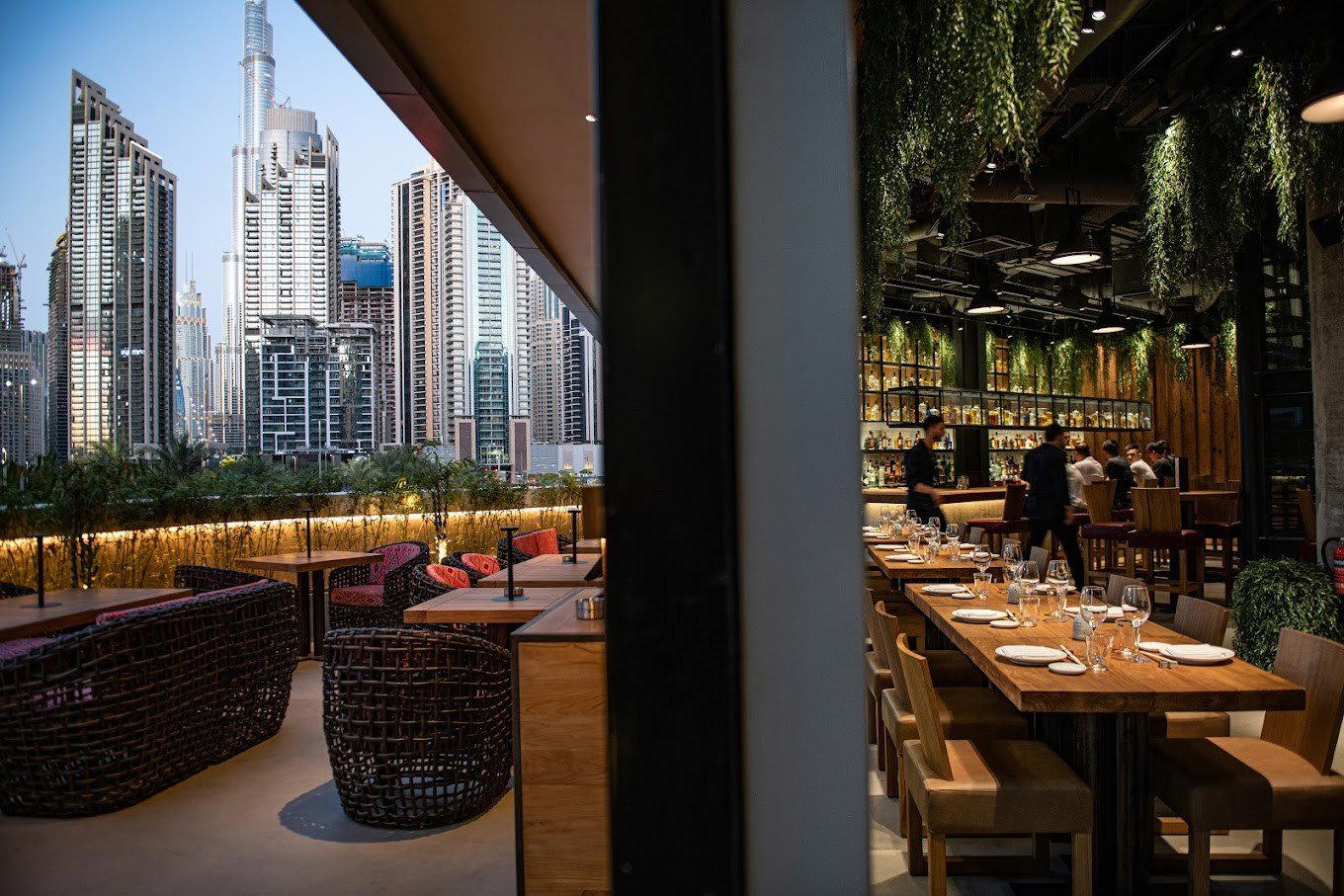
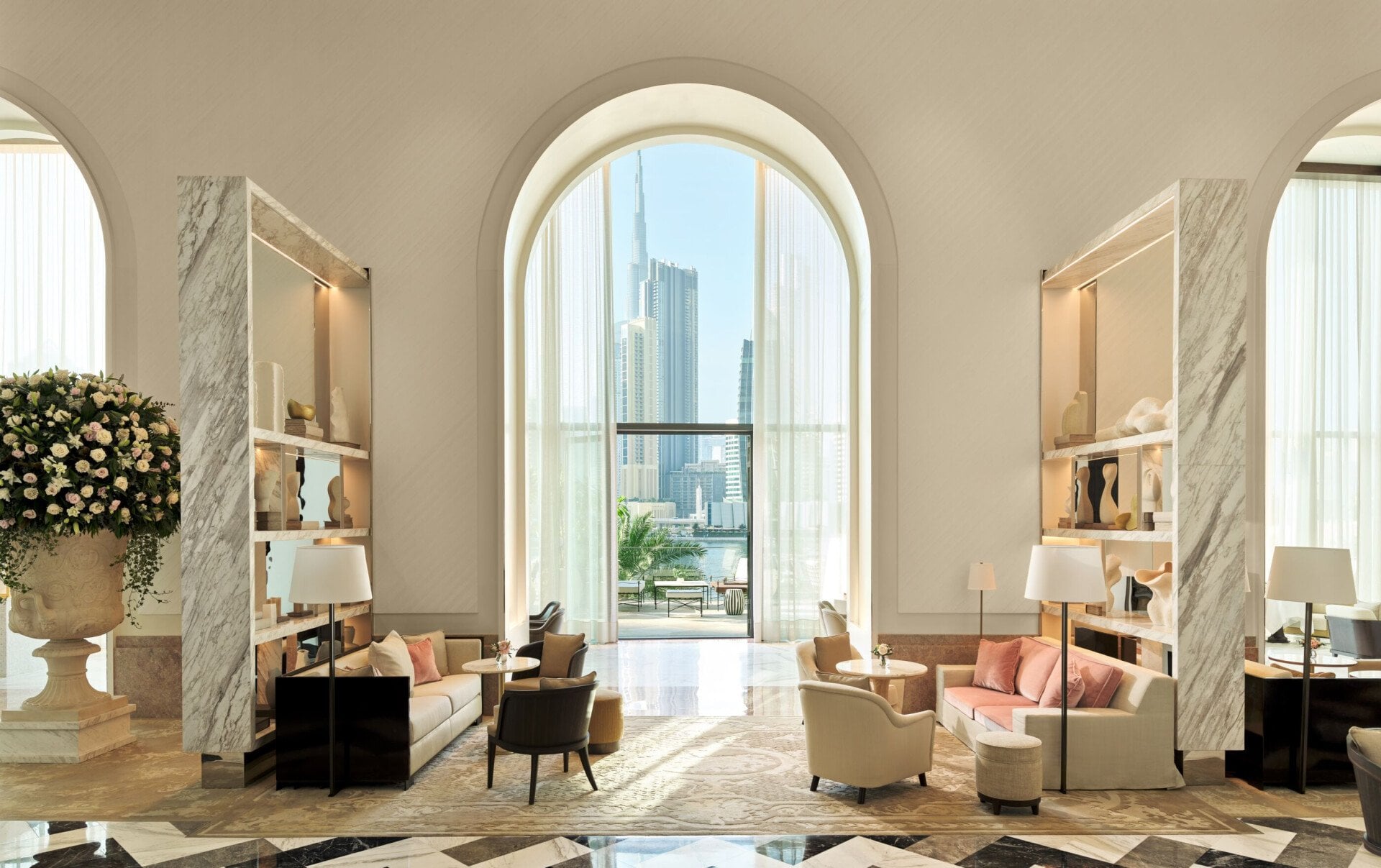
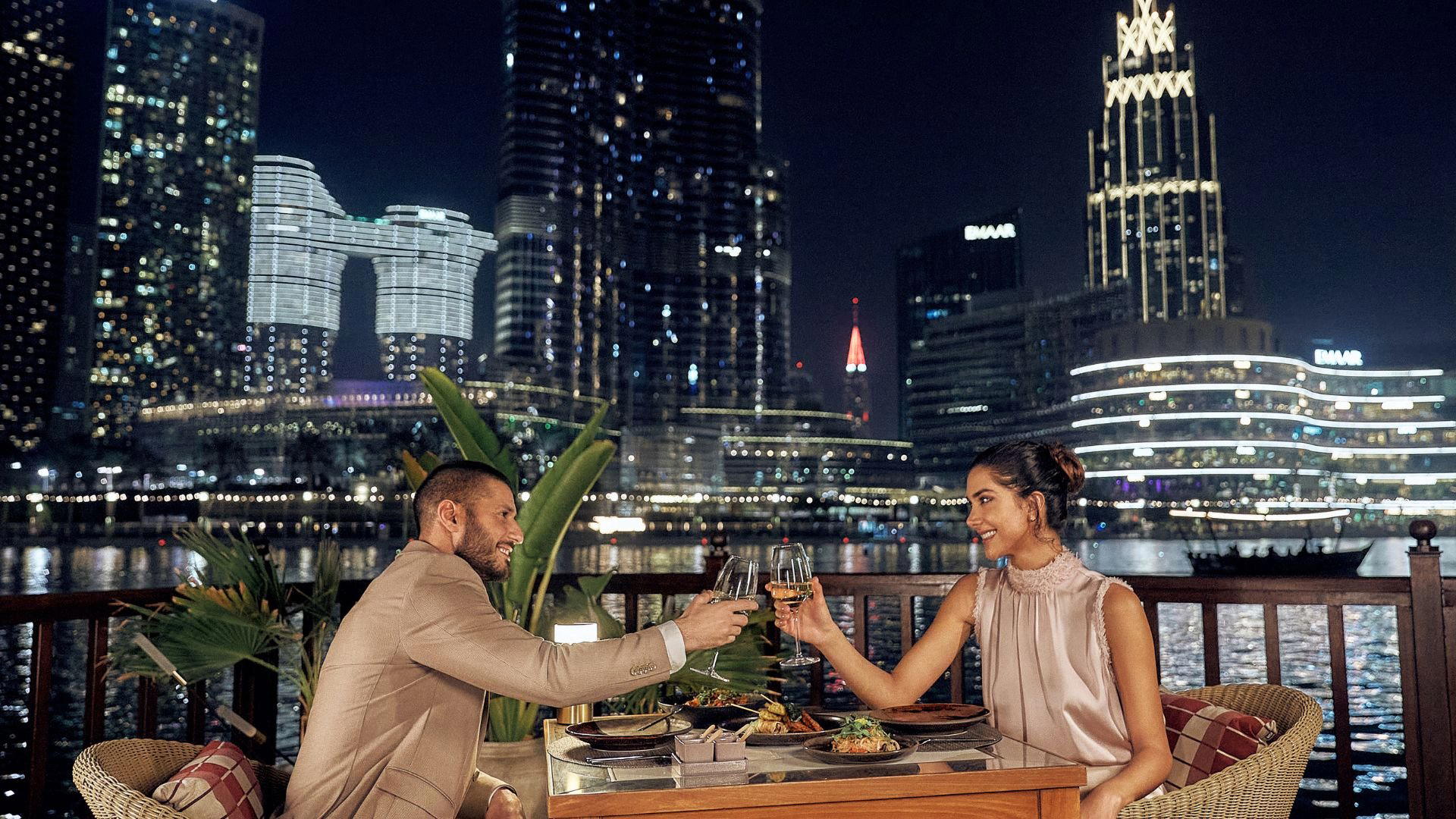
The approach to Thiptara sets up the meal before you reach the door. Seated at ground level within the Palace Downtown hotel on Sheikh Mohammed bin Rashid Boulevard, the restaurant looks directly across the water at the Burj Khalifa and the Dubai Fountain. That view is one of the most reproduced in the city, but the dining room turns it into a frame rather than a distraction: tables face outward, the fountain choreography becomes ambient rather than theatrical, and the light shifting off the lake at dusk gives the room a quality that changes every twenty minutes from sundown onward. Thai restaurants elsewhere in Dubai often position themselves in rooftop or high-rise formats to compete for skyline credentials. Thiptara works from lake level, and the stillness of that position is part of its argument.
Where Thai Tradition Meets Gulf Context
Thai cuisine in a city like Dubai occupies an interesting editorial position. The Gulf has absorbed Thai culinary traditions for decades through a substantial Southeast Asian expatriate population, which means many diners arrive with genuine reference points rather than novelty expectations. What a restaurant like Thiptara operates within is not an exotic format but a known cuisine being asked to perform at a fine-dining register. That shift, from familiar to formal, is where the tension and the interest live.
The approach that defines premium Thai cooking in international markets draws on two distinct inheritances: the classical central Thai kitchen, with its balance of sour, sweet, salty, and heat built through fresh aromatics and long-simmered pastes, and a growing body of technique imported from European fine-dining formats, including precision portioning, sauce reduction methods, and plating discipline. The editorial angle for any Thai restaurant operating at this price tier in a major international city is whether those two inheritances sit in conversation or in conflict. The strongest versions of this format let the classical structure lead and use technique as a delivery mechanism, not as a statement in itself. For context, restaurants across other cities have navigated this challenge in different ways: Atomix in New York City applies European fine-dining rigour to Korean culinary structures with notable coherence, and Amber in Hong Kong demonstrates how classical French technique can be reoriented around Asian produce and palate priorities. Thai cuisine at the fine-dining level faces analogous questions about where its technical centre of gravity sits.
Ingredients and the Dubai Sourcing Context
Dubai's geography creates a specific set of sourcing conditions that shape every serious kitchen in the city. Fresh aromatics central to Thai cooking, including galangal, kaffir lime leaf, lemongrass, and Thai basil, travel well and are available through established import channels serving the city's large Southeast Asian restaurant population. This is relevant because it means ingredient quality at the high end is not a compromise; the supply infrastructure exists. Where differentiation happens is in how kitchens deploy those ingredients alongside Gulf-regional produce, including high-quality seafood from the Arabian Gulf and date-derivative ingredients that have started appearing in premium cooking across the UAE.
The broader Dubai fine-dining scene has shown consistent interest in this kind of local-ingredient integration. Trèsind Studio applies it to Indian cuisine with considerable precision, and 11 Woodfire builds its modern cuisine program around the specific transformations that open-fire cooking produces from local and regional produce. Thai cooking has its own structural compatibility with Gulf ingredients: the cuisine's emphasis on freshness, acidity, and layered aromatics maps well onto seafood and vegetable-forward preparations that Gulf sourcing supports. For a point of comparison further afield, Aponiente in El Puerto de Santa María has built its entire program around what coastal geography dictates, a model that illuminates how a kitchen's sourcing philosophy can become its most coherent editorial statement.
Competitive Position in Dubai's Premium Dining Set
Dubai's premium dining tier has expanded significantly over the past decade, and it now includes a range of formats and cuisines that would have seemed unlikely in the city fifteen years ago. At the high end, the competitive set includes tasting-menu operations like Row on 45 and FZN by Björn Frantzén, each of which applies European or Nordic fine-dining frameworks to Dubai's cosmopolitan audience. At. Mosphere Burj Khalifa competes on altitude and occasion rather than culinary specificity. Al Mahara positions itself on seafood exclusivity and setting. Thiptara's position within this set is defined by its cuisine specificity and its setting: a Thai restaurant with a prime lakefront location is a relatively small niche in the market, which is both a distinction and a constraint. It draws diners who want Thai at a formal register, diners motivated by the Palace Downtown location, and diners for whom the fountain view is the organizing occasion.
For wider regional comparison, Erth in Abu Dhabi demonstrates how a restaurant anchored in a specific culinary tradition can hold its own identity within a luxury hospitality context, which is the strategic challenge every hotel restaurant at this level faces. The risk is that the hotel setting absorbs the restaurant's identity; the opportunity is that the setting amplifies occasions that might not have generated a reservation otherwise.
The View as a Structural Feature
It is worth being direct about the Dubai Fountain view, because it functions as a structural feature of the Thiptara experience rather than a bonus detail. The fountain runs at scheduled intervals during evening service, and reservations that align with that timing are sought after for a reason: the combination of Thai food, lakefront setting, and choreographed water and light produces an occasion format that is difficult to replicate elsewhere in the city. moonrise and other atmospheric Dubai venues compete on setting, but none occupy quite this specific position at water level with that particular sightline. Whether that setting is your primary reason to book or a secondary pleasure depends on what you're after, but it is a genuine differentiator, not a marketing convenience.
Planning Your Visit
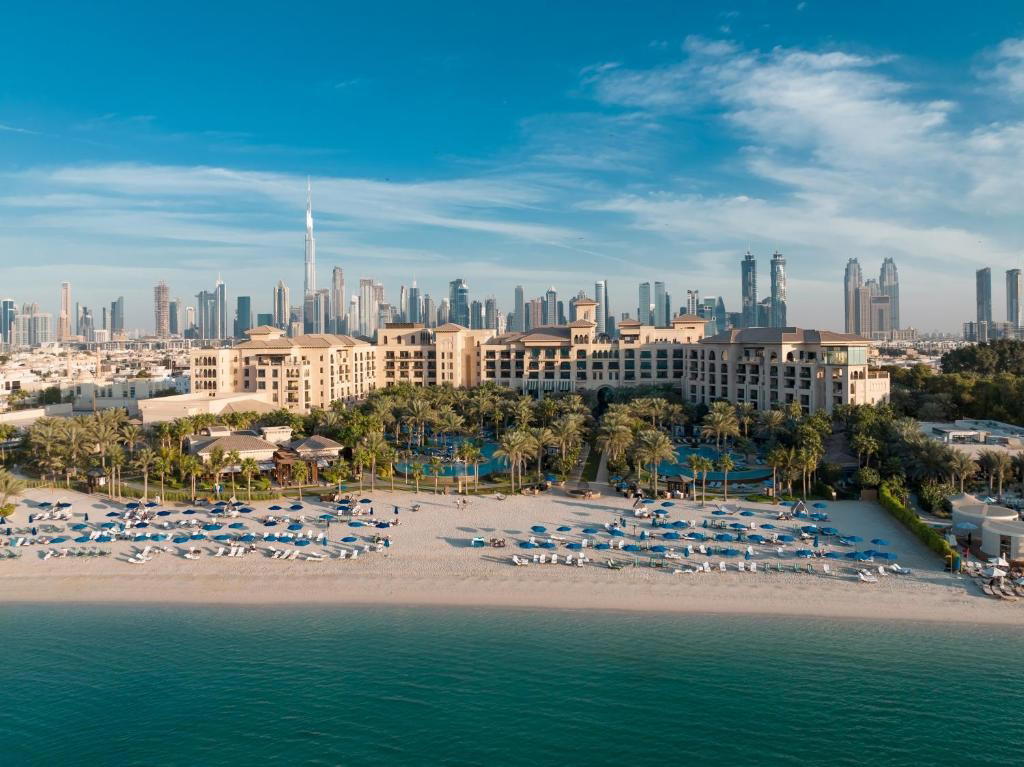
Thiptara sits at ground level within the Palace Downtown hotel, on Sheikh Mohammed bin Rashid Boulevard, placing it within walking distance of the Dubai Mall and the Burj Khalifa metro station on the Red Line. For visitors exploring the wider UAE dining scene, the combination of Dubai and Abu Dhabi makes for a productive two-city circuit: the UAE's premium restaurant scene is concentrated in both cities and well-served by the Abu Dhabi-Dubai highway. Regional food explorers might also note AL NAWAB RESTAURANT LLC in Sharjah as a point of contrast in the broader Emirates dining picture. For international context on how other fine-dining cities handle cuisine-specific premium formats, the EP Club coverage of Le Bernardin in New York City, Lazy Bear in San Francisco, Alinea in Chicago, Alléno Paris au Pavillon Ledoyen, Alain Ducasse at Louis XV in Monte Carlo, 8½ Otto e Mezzo Bombana in Hong Kong, and Emeril's in New Orleans provides useful calibration for premium-tier expectations across different culinary formats. See our full Dubai restaurants guide for a broader map of where Thiptara sits within the city's dining scene.
Frequently asked questions
What's the address for Thiptara?
Thiptara is located at Ground Level, Palace Downtown 9770 - Sheikh Mohammed bin Rashid Blvd - Dubai - United Arab Emirates, Dubai.
Is Thiptara a good option for dinner with a Dubai Fountain view?
Thiptara's ground-level position within the Palace Downtown, on Sheikh Mohammed bin Rashid Boulevard, places it directly at the edge of Burj Khalifa Lake, where the Dubai Fountain performs on a regular evening schedule. That puts it in a small category of Dubai restaurants where the fountain view is a structural part of the seating rather than a distant or partial one. For that specific combination of Thai fine dining and an unobstructed fountain sightline in Downtown Dubai, the address is one of the few that deliver both in the same room.
What dish is Thiptara famous for?
What the setting at Palace Downtown does confirm is a Thai fine dining format, where aromatic-led dishes typical of that tradition are served with the Dubai Fountain as a backdrop. For current menu specifics, contacting the restaurant directly is the reliable route.
Can I walk in to Thiptara?
Thiptara sits at ground level within the Palace Downtown hotel on Sheikh Mohammed bin Rashid Boulevard, which makes it physically accessible on foot from the Downtown Dubai retail and hotel corridor. Walk-in availability at a restaurant in this tier and location, particularly on evenings when the Dubai Fountain is operating, is not something to assume. Advance reservations are the practical standard here.
What's Thiptara best at?
The structural answer is positioning: Thiptara places Thai fine dining directly beside Burj Khalifa Lake, at a hotel address that carries the Palace Downtown's reputation in Dubai's premium accommodation tier. That combination of cuisine focus and lakeside setting is specific to this venue within the Downtown Dubai dining set. Whether the kitchen execution matches the address is a question that individual visits will answer differently.
How does Thiptara handle allergies?
No allergy policy is documented in the available venue data. Thai cooking routinely involves shellfish pastes, fish sauce, peanuts, and gluten-containing soy products, which creates meaningful considerations for diners with relevant allergies. The Palace Downtown's hotel kitchen infrastructure typically supports dietary communication at the reservation stage, and raising requirements at booking rather than at the table is the practical approach.
Recognition, Side-by-Side
Comparable venues nearby, for context on price, style, and recognition.
| Venue | Cuisine | Price | Awards | Notes |
|---|---|---|---|---|
| ThiptaraThis venue — the venue you are viewing | Royal Thai with Bangkok-style Seafood | $50–100 | Not listed | Not listed |
| China Tang Dubai | Cantonese Fine Dining | $100–150 | Gault & Millau UAE Selected Restaurant | Business Bay |
| Nammos | Mediterranean Seafood with Greek and Global Influences | $150–200 | Not listed | Jumeira |
| Sky View Bar Afternoon | Luxury European Afternoon Tea | $150–200 | Not listed | Jumeirah |
| Social by Heinz Beck | Modern Italian Fine Dining | $150–200 | Not listed | Palm Jumeirah |
| T STUDIO | Modern Indian Fine Dining | $150–200 | World's Best Wine Lists Awards WBWL 1-Star | Al Safa 1 |