China Tang Dubai

China Tang Dubai places Cantonese dining inside a city where Chinese restaurants often split between banquet polish, mall convenience, and high-design dining rooms. The draw is regional clarity: Cantonese technique, restrained seasoning, and a social format that suits Dubai’s hotel-led restaurant culture without reducing the cuisine to generic luxury cues.
Pearl is the En Primeur Club membership app — saves, bookings, and concierge access live there. Same editors, same standards.
- Address
- The Lana Promenade, Dorchester Collection - Marasi Dr - Business Bay - Dubai - United Arab Emirates
- Phone
- +971 4 295 7464
- Website
- chinatang.com
- Directions
- Get directions
 Saves & bookings on Pearl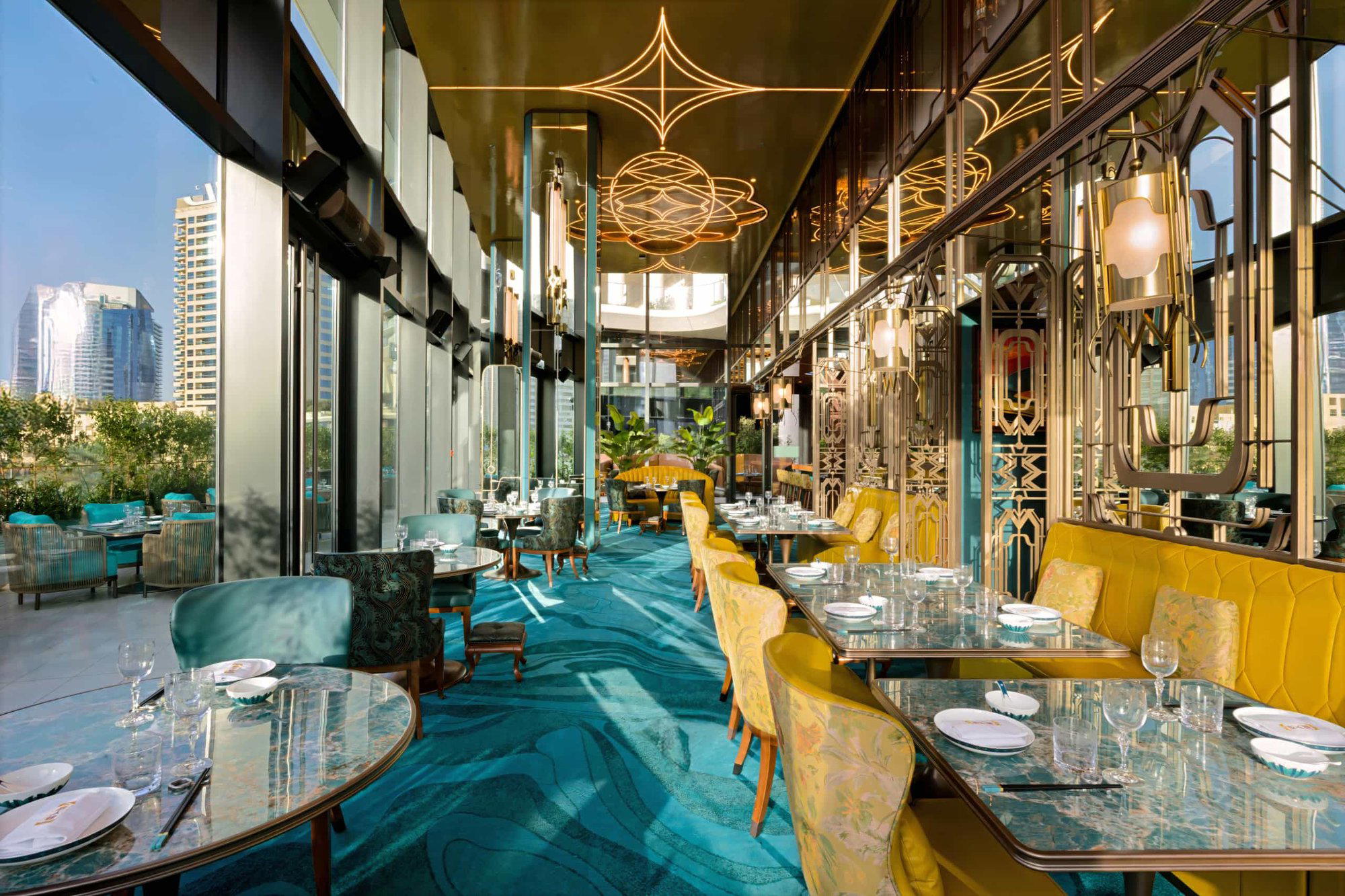
In Dubai, Chinese dining often announces itself through scale: polished rooms, private dining, and menus built for groups rather than solitary grazing. China Tang Dubai belongs to that formal register, where Cantonese cooking is read through service rhythm, table-sharing, and a room designed for occasion, not speed. The point is not novelty, but the older Cantonese promise of control: fast heat, clean sauces, seafood and roast meats as tests of precision, and the table as the unit of pleasure.
That matters in a city where Chinese restaurants can blur into broad pan-Asian dining. Cantonese food has its own grammar: less driven by chilli weight, less smoky and fermented than some regional Chinese styles, and less sweetly sauced than the shorthand often applied elsewhere. Its confidence comes from stock, steam, wok timing, carving, and texture. A Dubai Cantonese room works when it protects those distinctions rather than turning the menu into a greatest-hits circuit of regional China.
Cantonese dining in Dubai is about restraint, not spectacle
Dubai’s restaurant culture rewards visible theatre, but Cantonese cooking is strongest when the drama is structural rather than loud. The cuisine asks diners to notice crisp skin against soft flesh, a sauce that coats rather than clings, and dim sum as craft rather than dumpling filler. China Tang Dubai sits in that conversation because it gives Cantonese cooking a named identity in a market where “Chinese” is often stretched too far.
The restaurant’s recognition helps frame how it should be judged. China Tang Dubai has been noted as an acclaimed London Cantonese fine-dining debut in the Middle East, earning the HUNTR Seal of Approval for its theatrics and quality. This is still best read as a category decision: a Cantonese address in Dubai for diners who want a more regionally specific meal than the city’s general Asian circuit usually provides. For a broader read on where it sits, keep our full Dubai restaurants guide close; the city’s dining map changes fastest where hotels, imported concepts, and resident-led restaurants overlap.
That wider map is instructive. Dubai can move from fire-led modern cooking to comfort-led regional dining, then into polished all-day formats. Chinese dining occupies a different social lane: larger tables, shared ordering, and a premium on pacing. In that context, a Cantonese room must do more than look expensive; it has to argue for regional discipline.
The regional lens: Cantonese precision against the city's global appetite
Cantonese cuisine travels well because its luxury codes are legible across cultures. Roast meats, seafood traditions, dim sum, double-boiled soups, and wok-fried greens translate into formats Dubai diners understand: family meals, business dinners, private rooms, and late-evening dining. Yet the cooking can lose definition when menus chase every province at once. The stronger editorial read is to treat China Tang Dubai as part of a narrower Chinese regional conversation, not another broad Asian address.
That conversation extends beyond the UAE. In other major cities, Cantonese rooms often sit inside dining cultures where private rooms, seafood, banquet traditions, and ingredient hierarchy carry heavy weight. Dubai adds different pressure: an international audience, premium dining demand, and diners who may order across regions unless the restaurant’s identity holds firm.
For that reason, the useful ordering strategy is not breadth. Cantonese meals work best when the table balances textures and methods: steamed, roasted, wok-fried, braised, and something green. The pleasures are cumulative. A meal built only from rich dishes misses the point; too many regional detours lose the thread. Let the Cantonese structure lead, and treat heavier or spicier plates, if present, as accents rather than the centre.
How to read the room before committing a night
China Tang Dubai is better suited to a planned dinner than a casual refuelling stop. Cantonese food rewards groups because the table can cover more technique without becoming oversized individual plates. Couples can still eat well, but the format makes more sense with enough people to share across categories. In Dubai, that social logic is practical as much as cultural: premium dining rooms often function as business, family, and celebration spaces in the same sitting.
Readers building a full Dubai itinerary should separate restaurant choice from the rest of the evening. The city’s geography can make dinner, drinks, and sleep feel connected even when traffic says otherwise, so cross-check dining plans against our full Dubai hotels guide and our full Dubai bars guide. For visitors widening the trip beyond restaurants, our full Dubai experiences guide is the better planning companion; our full Dubai wineries guide is useful mainly for understanding how limited that category is in the emirate compared with dining and hotels.
The wider UAE restaurant map shows how quickly context shifts outside Dubai. Other dining rooms across the country may serve very different briefs, from city restaurants to inland and desert settings where the meal’s purpose changes with the trip. Dubai’s Cantonese dining sits at the cosmopolitan end of that spectrum: urban, group-friendly, and judged by how clearly it protects a regional Chinese identity inside a highly international market.
The verdict is category-specific. Choose China Tang Dubai when the brief is Cantonese rather than generic Asian, when the table wants a composed shared meal, and when regional clarity matters more than trend-chasing. Diners comparing Chinese options in the city may also look at other Dubai dining rooms, but the sharper question is simpler: does the evening call for Cantonese restraint, or another kind of Dubai spectacle?
Comparable Venues Nearby
Comparable venues nearby, for context on price, style, and recognition.
| Venue | Cuisine | Price | Notes |
|---|---|---|---|
| China Tang DubaiThis venue — the venue you are viewing | Cantonese Fine Dining | $$$$ | Not listed |
| Shanghai Me | Modern Pan-Asian Fusion | $$$$ | Za'abeel 2 |
| Shang Palace | Authentic Cantonese | $$$$ | Al Satwa |
| Armani/Ristorante | Contemporary Italian Fine Dining | $$$$ | Downtown Dubai |
| Signor Sassi | Classic Italian Trattoria | $$$$ | Palm Jumeirah |
Recognition history
Dated appearances from independent guides and award organizations, with the underlying list record or original source where available.
Gault & Millau UAE Selected Restaurant
Gault & Millau · Gault & Millau UAE 2026 - Selected Restaurant
At a Glance
- Elegant
- Sophisticated
- Well Known
- Modern
- Scenic
- Date Night
- Business Dinner
- Group Dining
- Celebration
- Special Occasion
- Panoramic View
- Design Destination
- Hotel Restaurant
- Craft Cocktails
- Extensive Wine List
- Skyline
- Waterfront
Current opening hours
- Monday
- 12–11:30 pm
- Tuesday
- 12–11:30 pm
- Wednesday
- 12–11:30 pm
- Thursday
- 12–11:30 pm
- Friday
- 12–11:30 pm
- Saturday
- 12–11:30 pm
- Sunday
- 12–11:30 pm
Hours can change for holidays and private events. Last verified .
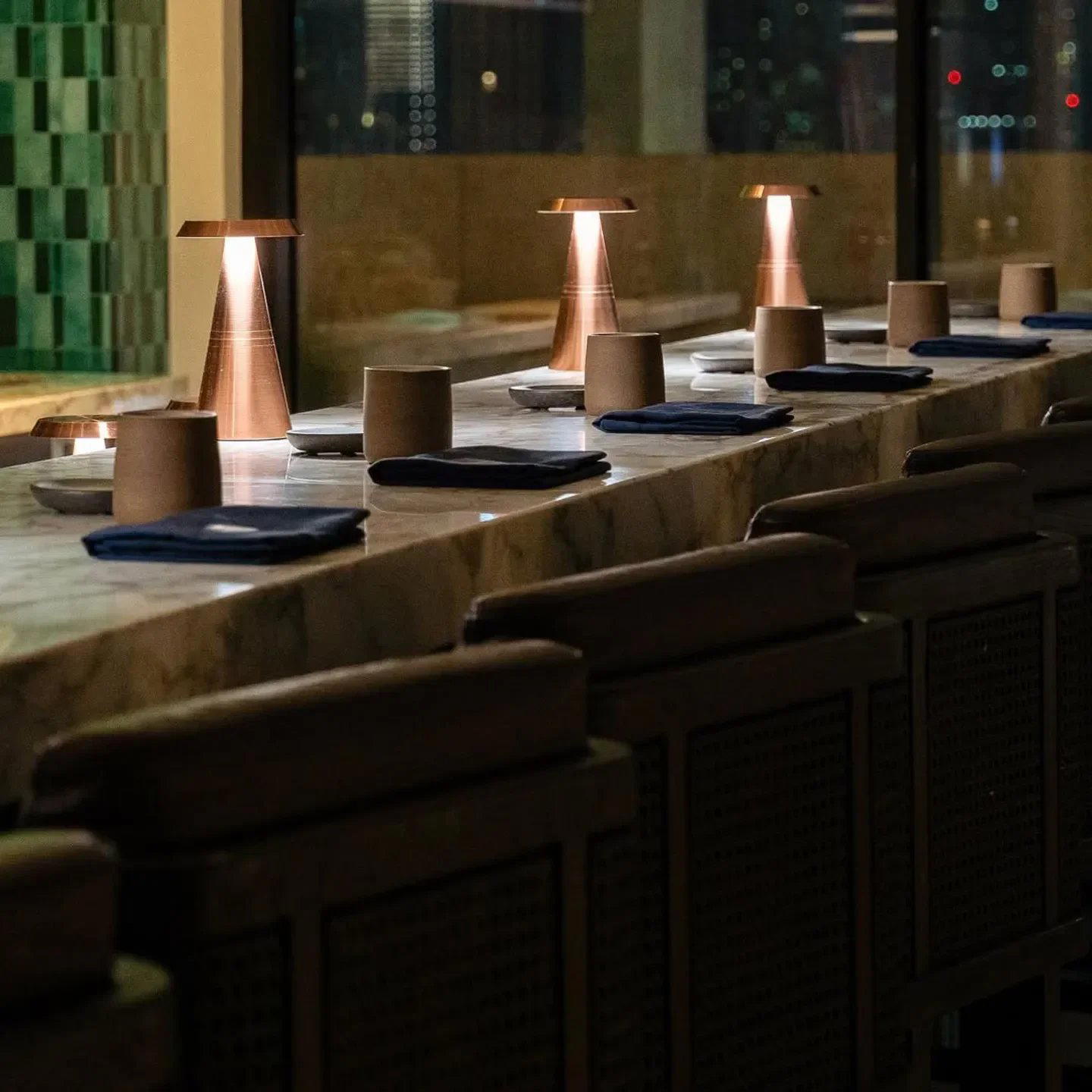
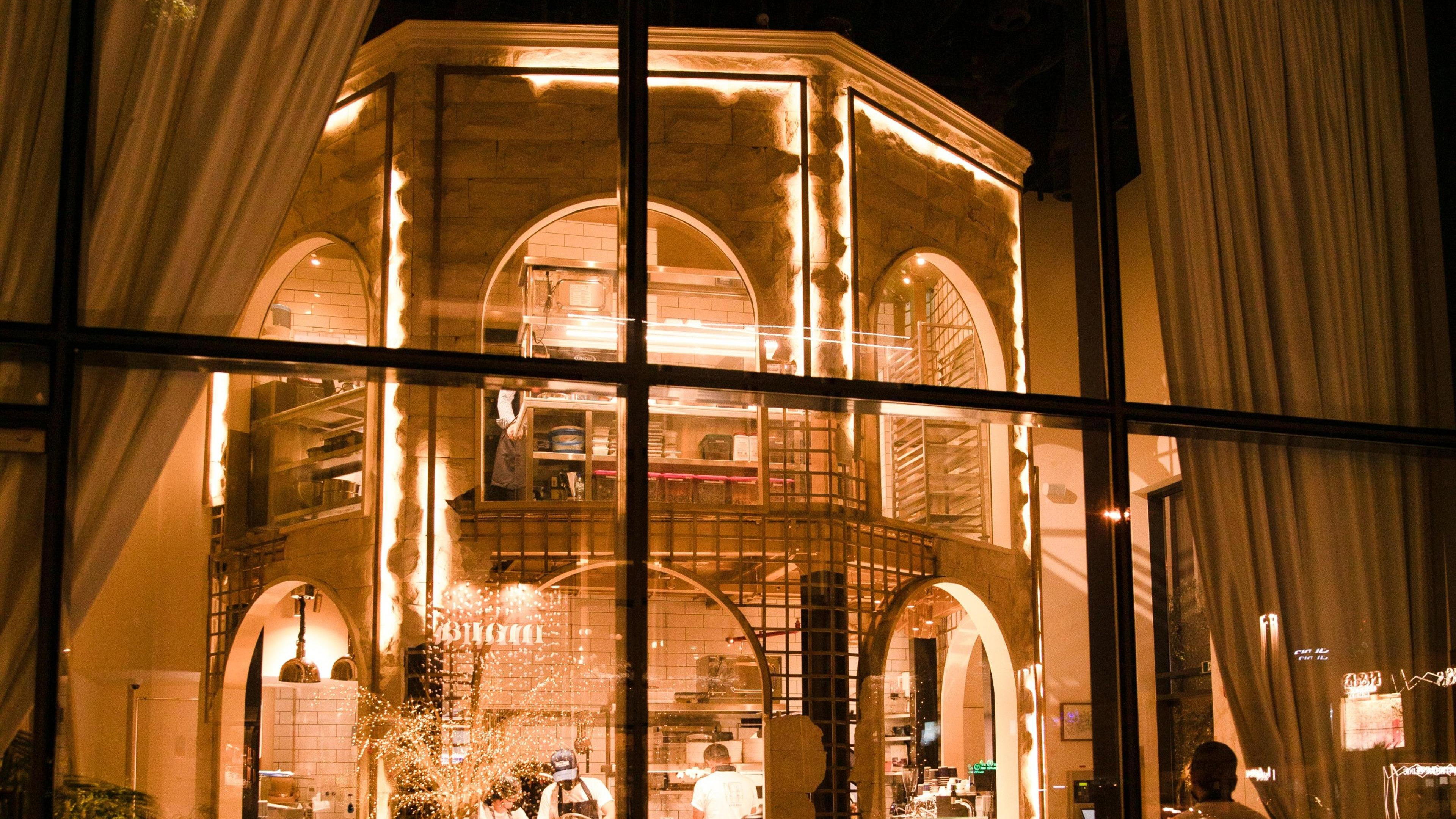
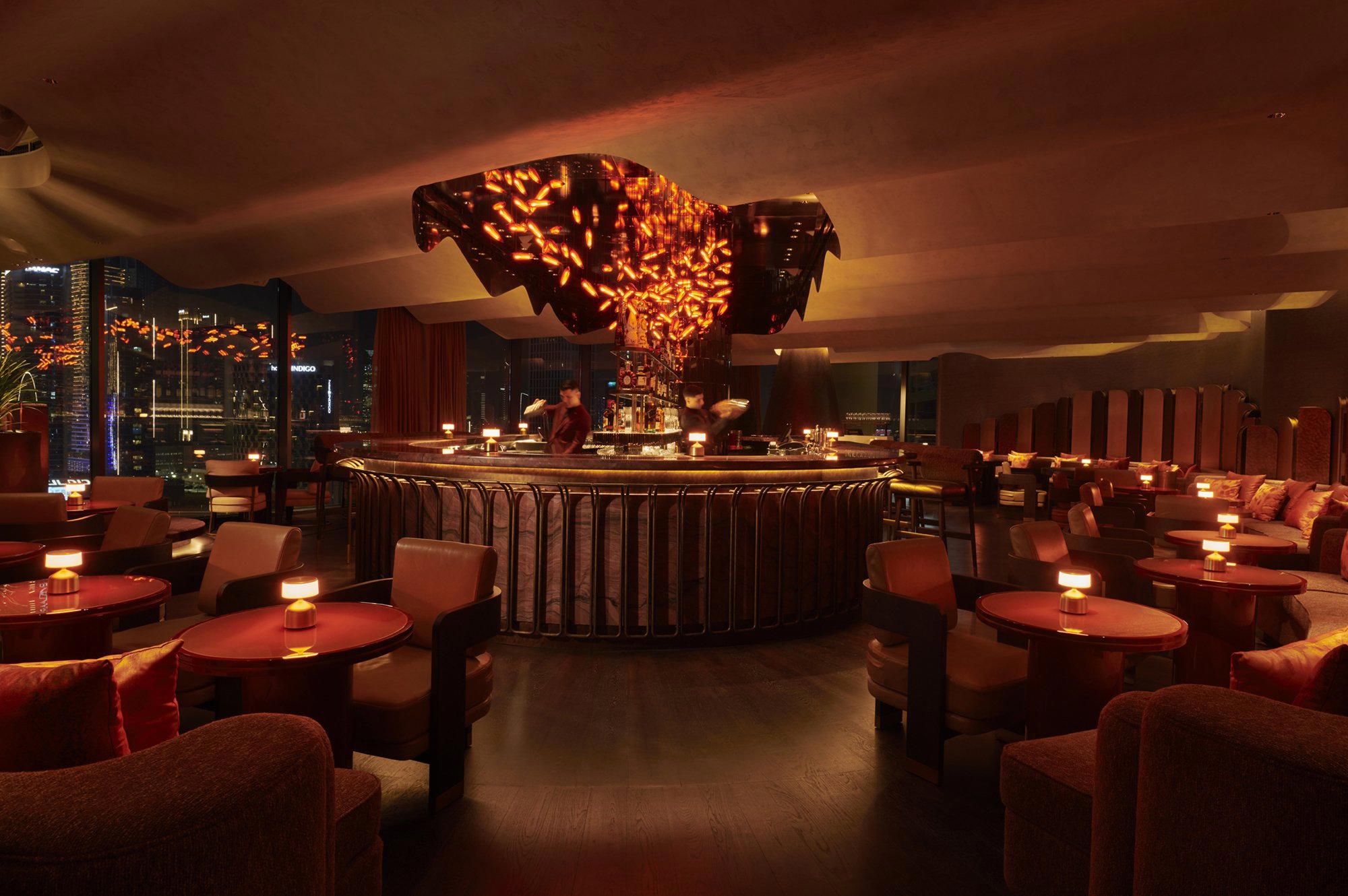
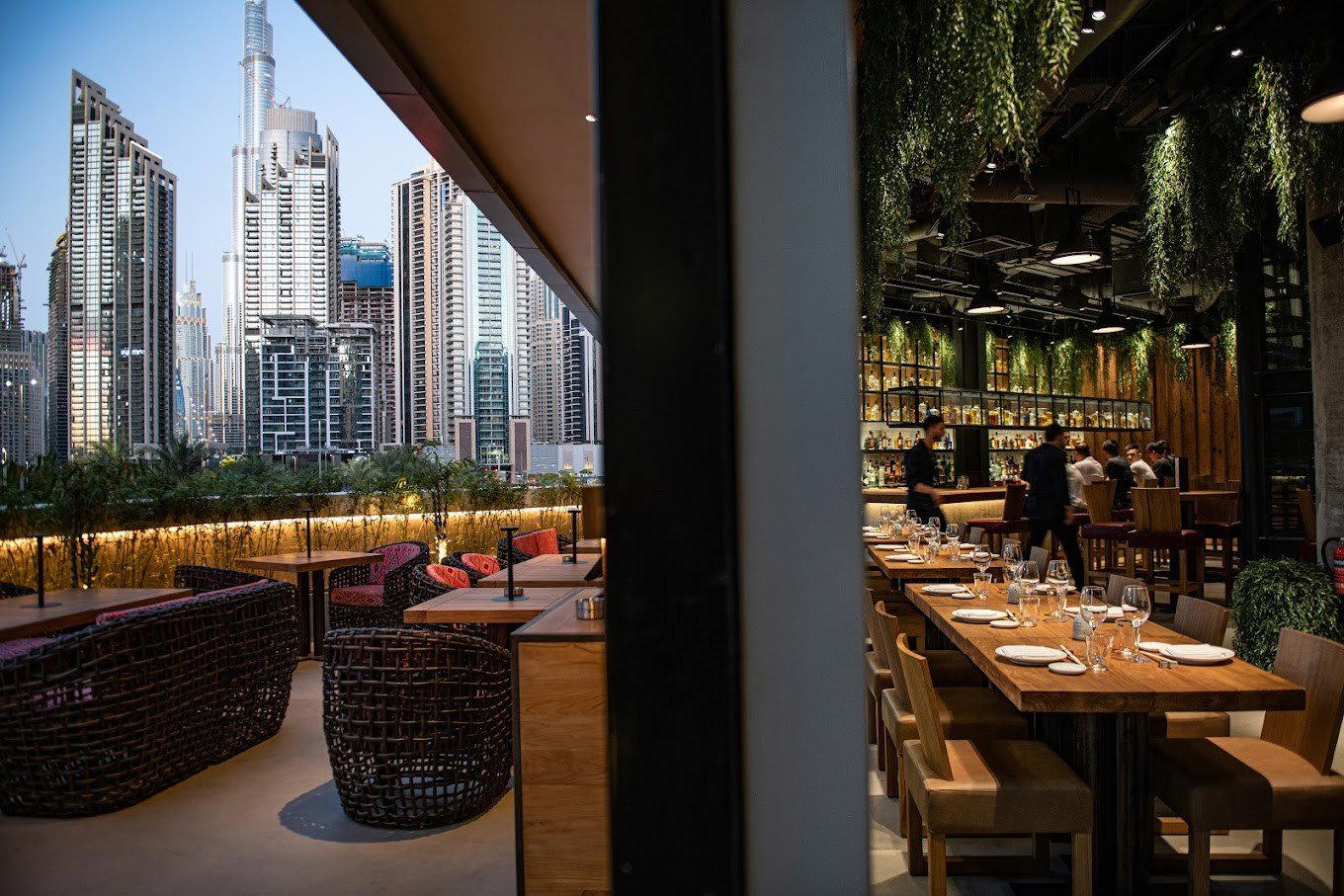
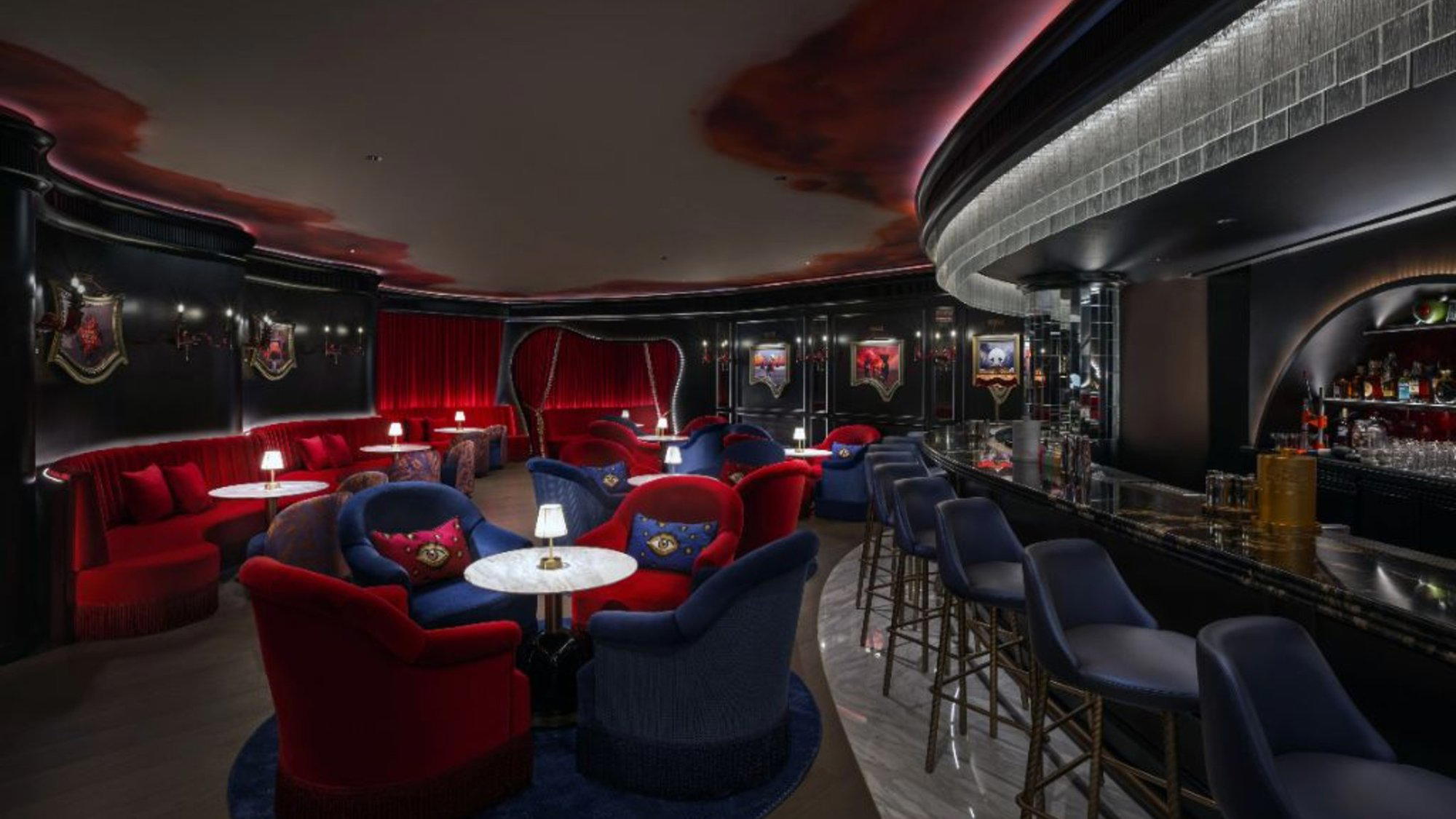
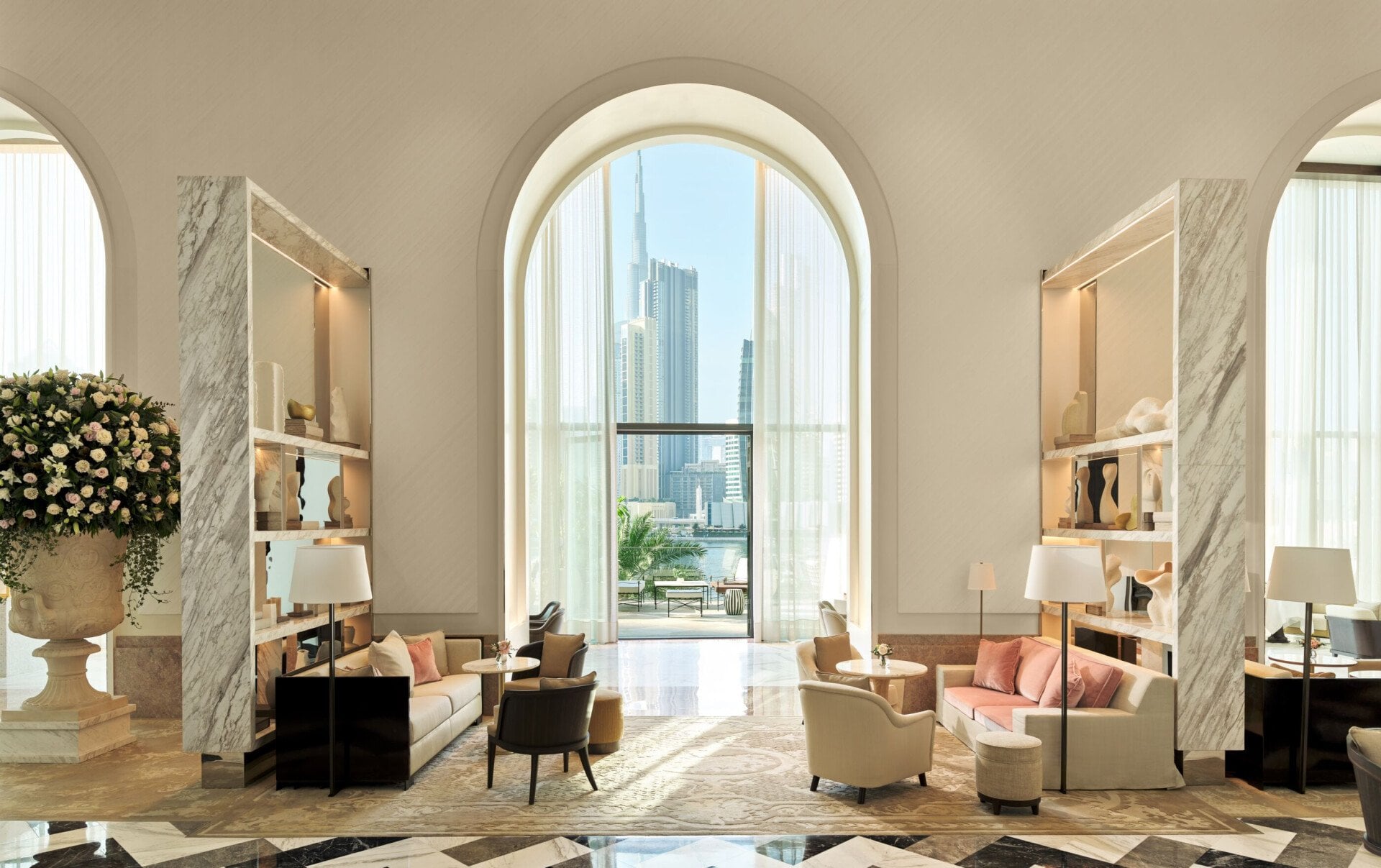
Refined, nostalgic, and atmospheric, with polished Art Deco interiors that create an elegant fine-dining mood.
Know Before You Go
- Reservations
- Recommended
- Dress code
- Smart casual