The Yacht Restaurant
On the Vlorë waterfront, The Yacht Restaurant positions itself at the intersection of Adriatic seafood tradition and Albanian coastal hospitality. The setting alone, facing open water in one of southern Albania's most historically layered port cities, frames the meal before the first dish arrives. For travellers moving through the Albanian Riviera, it registers as a practical and atmospheric stop in a region where waterfront dining still operates on local rather than international pricing.

Pearl is the En Primeur Club membership app — saves, bookings, and concierge access live there. Same editors, same standards.
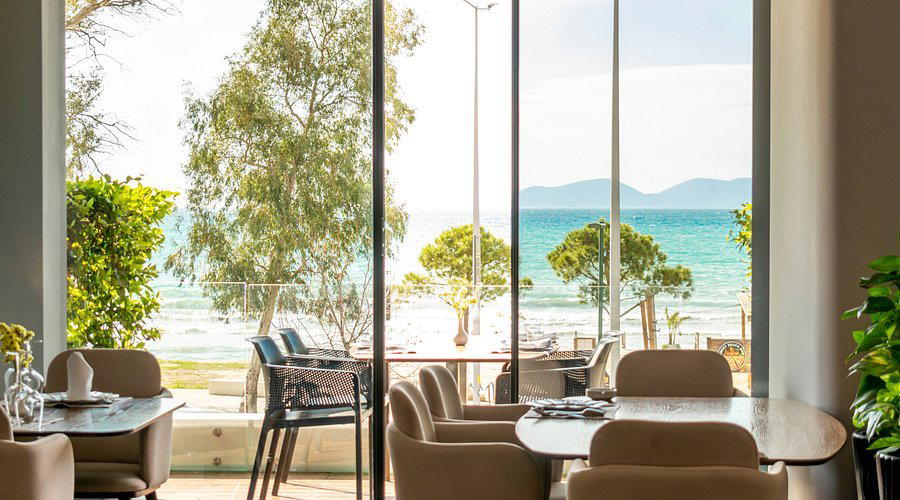
Vlorë and the Adriatic Table
Vlorë sits at a particular intersection in Albanian geography and history. The city declared Albanian independence in 1912, and its port has oriented local life toward the sea ever since. That coastal identity shapes how people eat here. Adriatic fish, grilled whole, dressed simply with olive oil and herbs, served with bread made to mop the plate, is not a menu concept in Vlorë; it is the baseline expectation. Restaurants along the waterfront compete on freshness and execution rather than concept, because the concept is already settled by centuries of practice.
The Yacht Restaurant operates within that tradition. Positioned on the Vlorë seafront, it draws from the same logic that governs Albanian coastal dining broadly: proximity to the catch, a format built around sharing, and a room that functions as an extension of the harbour rather than a retreat from it. In a country where waterfront dining still runs on local pricing rather than tourist premiums, that positioning carries weight for travellers calibrating what to expect from southern Albania's restaurant scene.
The Setting and What It Signals
Approaching a restaurant named for the sea, on a waterfront in a port city, the physical environment does preliminary editorial work. Vlorë's bay is wide and calm by Albanian standards, protected by the Karaburun Peninsula to the west. The light in the afternoon sits differently here than it does further up the Adriatic coast, flatter, warmer, with the peninsula framing the horizon. Waterfront restaurants in this stretch of Albania tend to use their geography rather than fight it: open facades, outdoor seating that extends toward the water, a dining rhythm tied to the early evening when the temperature drops and the bay goes still.
That atmospheric logic places The Yacht Restaurant in a category of venue where the room earns as much attention as the plate. Across Albanian coastal dining, from the northern riviera near Himarë down to the Sazan Island channel, the leading waterfront tables treat their geography as a structural part of the meal. The food arrives inside that frame.
Comparison with what waterfront dining looks like at the upper end of the global spectrum is instructive. Le Bernardin in New York City or Aponiente in El Puerto de Santa María represent the formalized, credentialed end of seafood-focused restaurant culture, precisely engineered, heavily awarded, priced accordingly. Vlorë operates at the opposite end of that spectrum, where informality and directness are features rather than gaps, and where the Adriatic itself is the primary credential.
Albanian Coastal Cuisine: What the Tradition Actually Looks Like
Albanian seafood cooking is Mediterranean in its bones but distinct in its restraint. The Ottoman period left a culinary vocabulary that includes slow-cooked preparations and generous use of legumes, but the coastal variant prioritized what came out of the water that morning over pantry complexity. Fish is grilled or baked with minimal intervention. Octopus is dried in the sun, then grilled. Mussels and sea urchin appear when in season. Olive oil sourced from the hills above the coast, particularly around Vlorë, which sits in one of Albania's most productive olive-growing regions, ties most dishes together.
The Albanian table is also structured around the concept of sofra: a spread of shared dishes rather than a linear progression of individually plated courses. Cold starters, salads, and small fish preparations arrive first, eaten communally before the main catch comes off the grill. That format suits the waterfront setting; it encourages lingering, ordering in rounds, and eating at the pace the evening allows rather than the pace a tasting menu demands.
Other Albanian restaurants across the country demonstrate how this tradition translates into different contexts. Temi Albanian Food in Berati applies the same shared-table logic in an inland mountain town. Mapo Restaurant in Gjirokastra frames it through the UNESCO-listed old city's Ottoman architecture. At Taverna E Miqësisë, also in the Vlorë prefecture, the format leans toward the traditional farmhouse model. Each context produces a different register of the same underlying hospitality structure.
The Vlorë Restaurant Scene in Broader Frame
Vlorë is not a single-restaurant city. The waterfront alone carries several competing tables, and the surrounding prefecture includes everything from simple family operations to restaurants that have drawn coverage in European travel publications as Albanian tourism has grown across the past decade. That growth has been steady rather than sudden: the Albanian Riviera attracted a sharply increasing number of visitors through the early 2020s as travellers from Italy, Germany, and the UK identified it as an accessible alternative to the more developed Adriatic coastlines of Montenegro and Croatia.
Within that expanding scene, waterfront restaurants in Vlorë occupy a specific tier. They are not positioned against international fine dining benchmarks in the way that a table like Alain Ducasse at Louis XV in Monte Carlo or Amber in Hong Kong would be. The competitive set is local: other port-city seafood restaurants operating on similar ingredient access and similar pricing, differentiated primarily by consistency, room quality, and service attentiveness.
For travellers who have covered the region's other dining options, the context sharpens quickly. Arti Zanave in Shkoder and Capital Restaurant Piceri in Tirana both represent how Albanian restaurant culture performs in northern and central urban settings. The Vlorë waterfront offers one direct version of what Albanian coastal eating looks like when the sea is the subject.
Planning a Visit
Vlorë is reachable by road from Tirana in approximately two hours, making it a viable day trip from the capital or a natural stop on a longer southern Albania itinerary that continues toward Sarandë and the border with Greece. The summer months from June through August concentrate tourist traffic heavily along the Albanian Riviera, and waterfront restaurants across Vlorë operate at capacity during that window. Visiting in May or September offers the same access to fresh Adriatic catch with considerably fewer logistical constraints.
The Yacht Restaurant is walk-in friendly. The broader waterfront strip in Vlorë is walkable, and the visual logic of the bay makes orientation direct once you reach the seafront.
For those building a wider Albania dining itinerary, Pizzeria Da Fabio in Lezha represents the Italian-Albanian culinary crossover that characterises the northern coast. The full Albanian picture rewards sequential visits rather than a single data point.
Cost Snapshot
Comparable venues nearby, for context on price, style, and recognition.
| Venue | Cuisine | Price | Notes |
|---|---|---|---|
| The Yacht RestaurantThis venue — the venue you are viewing | Rrethi I Vlores, Seafood Restaurant | Not listed | Not listed |
| Taverna E Miqësisë | Not listed | Not listed | :null,null |
| Capital Restaurant Piceri | Not listed | $$ | 21/Dhjetori, Albanian-Italian Pizzeria |
| Hayal Et | Not listed | $$ | Rruga Sami Frashëri, Turkish Grill & Steakhouse |
| Arti Zanave | Bashkia e Shkodrës, Traditional Albanian | $$ | Not listed |
| KOPE Steak House | Rruga E Bogdanëve, Italian Steakhouse | $$$ | Not listed |
Continue exploring
More in Rrethi I Vlores
Restaurants in Rrethi I Vlores
Browse all →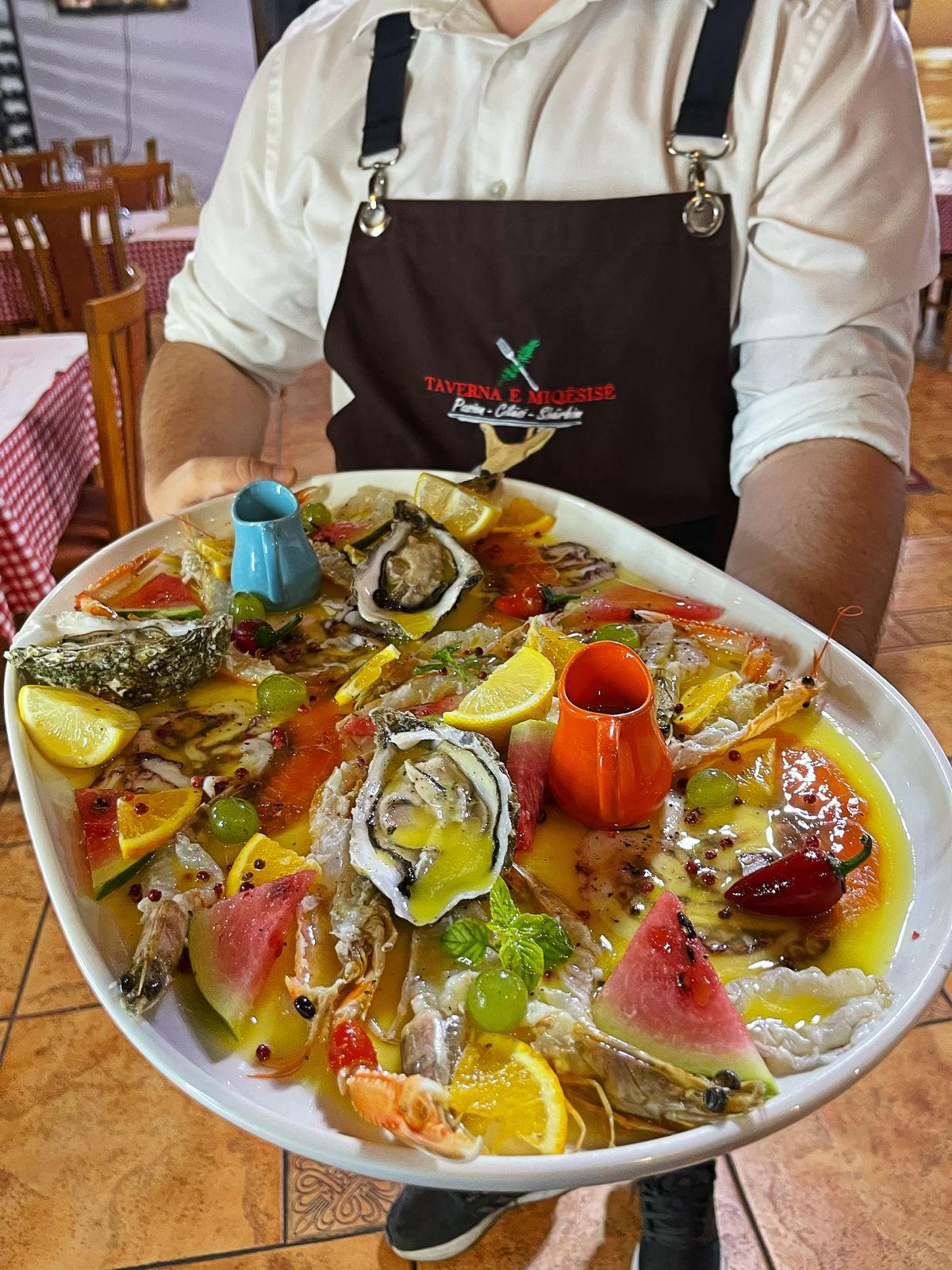
At a Glance
- Scenic
- Elegant
- Quiet
- Romantic
- Date Night
- Special Occasion
- Casual Hangout
- Waterfront
- Standalone
- Beer Program
- Local Sourcing
- Sustainable Seafood
- Waterfront
Relaxed, elegant, and quiet, with a fine-dining feel and a strong seaside atmosphere.