The Spaniel


On Bluewaters Island, The Spaniel brings British contemporary cooking to Dubai's Marsa Dubai waterfront, earning a Michelin Plate in 2025. The menu channels the kind of ingredient-focused, seasonally minded approach that has defined modern British restaurant culture, transplanted to one of the Gulf's most cosmopolitan dining scenes.
Pearl is the En Primeur Club membership app — saves, bookings, and concierge access live there. Same editors, same standards.
- Address
- The Spaniel - Marsa Dubai - Bluewaters Island - Dubai - United Arab Emirates
- Phone
- +971 4 554 3728
- Website
- thespanieldxb.com
- Directions
- Get directions
 Saves & bookings on Pearl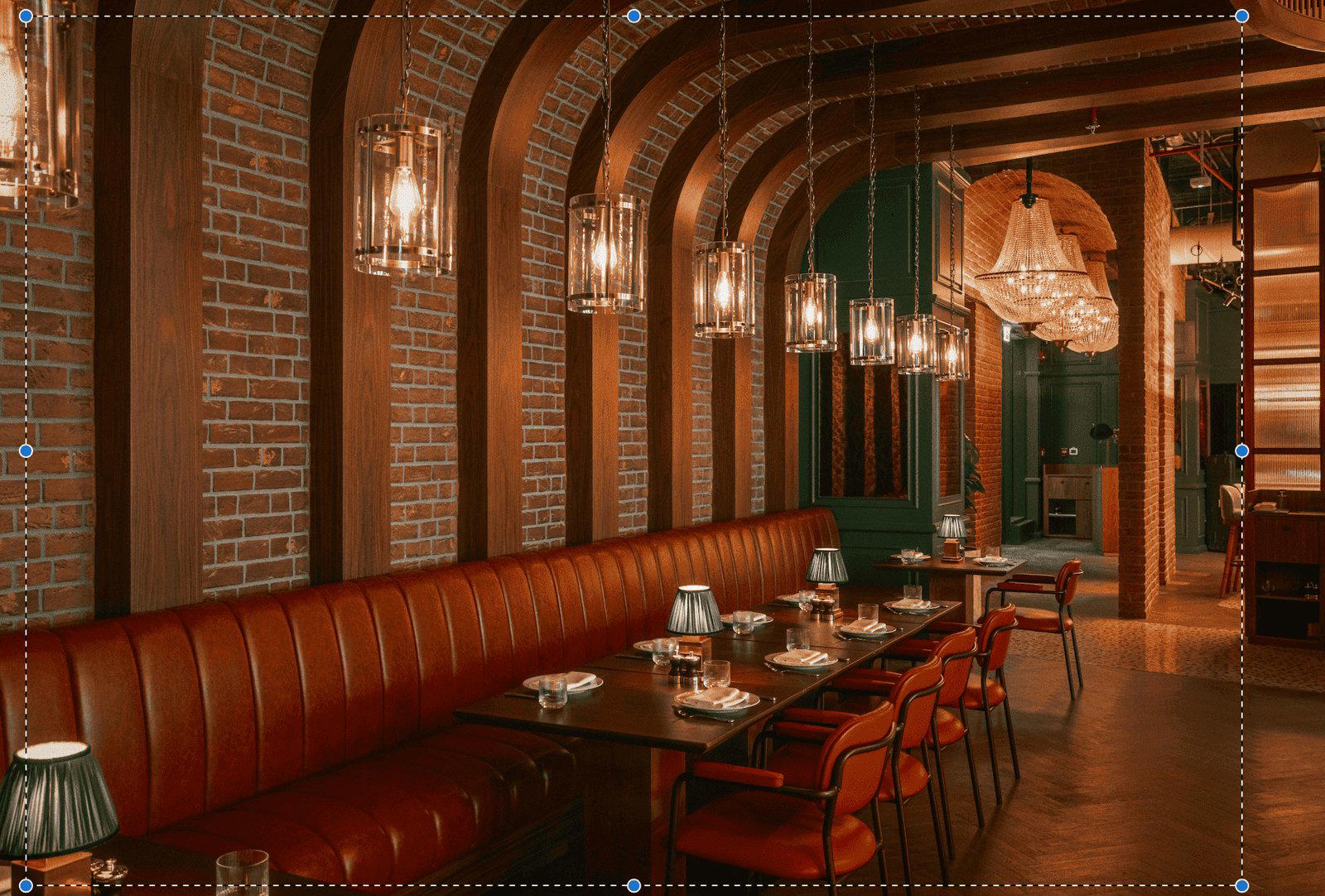
A British Tradition, Relocated
British contemporary cooking has spent two decades shedding its old reputation. What once read as a default option in the hierarchy of European cuisines now describes a distinct category: ingredient-led, technically precise, drawing on classical foundations while updating the register through modern technique and broader sourcing. The tradition travels. Jaan by Kirk Westaway in Singapore and properties like Chesil Rectory in Winchester or The Cross in Kenilworth represent different points on that same continuum, adapting the idiom to local context while keeping British produce and sensibility at the centre. The Spaniel, on Bluewaters Island in Dubai's Marsa Dubai district, makes a case that the idiom travels even further.
Dubai's fine dining scene has spent the last several years expanding its range of serious independent restaurants alongside the large international group openings that once dominated it. Michelin arrived in the city in 2022, and the Guide's subsequent annual editions have documented that shift, awarding stars and plates to venues across a broadening range of cuisines and price points. The Spaniel earned a Michelin Plate in 2025, placing it in the tier the Guide uses to recognise restaurants with cooking it considers good, sitting alongside a growing group of Dubai addresses receiving formal recognition for the first time.
Setting and Approach
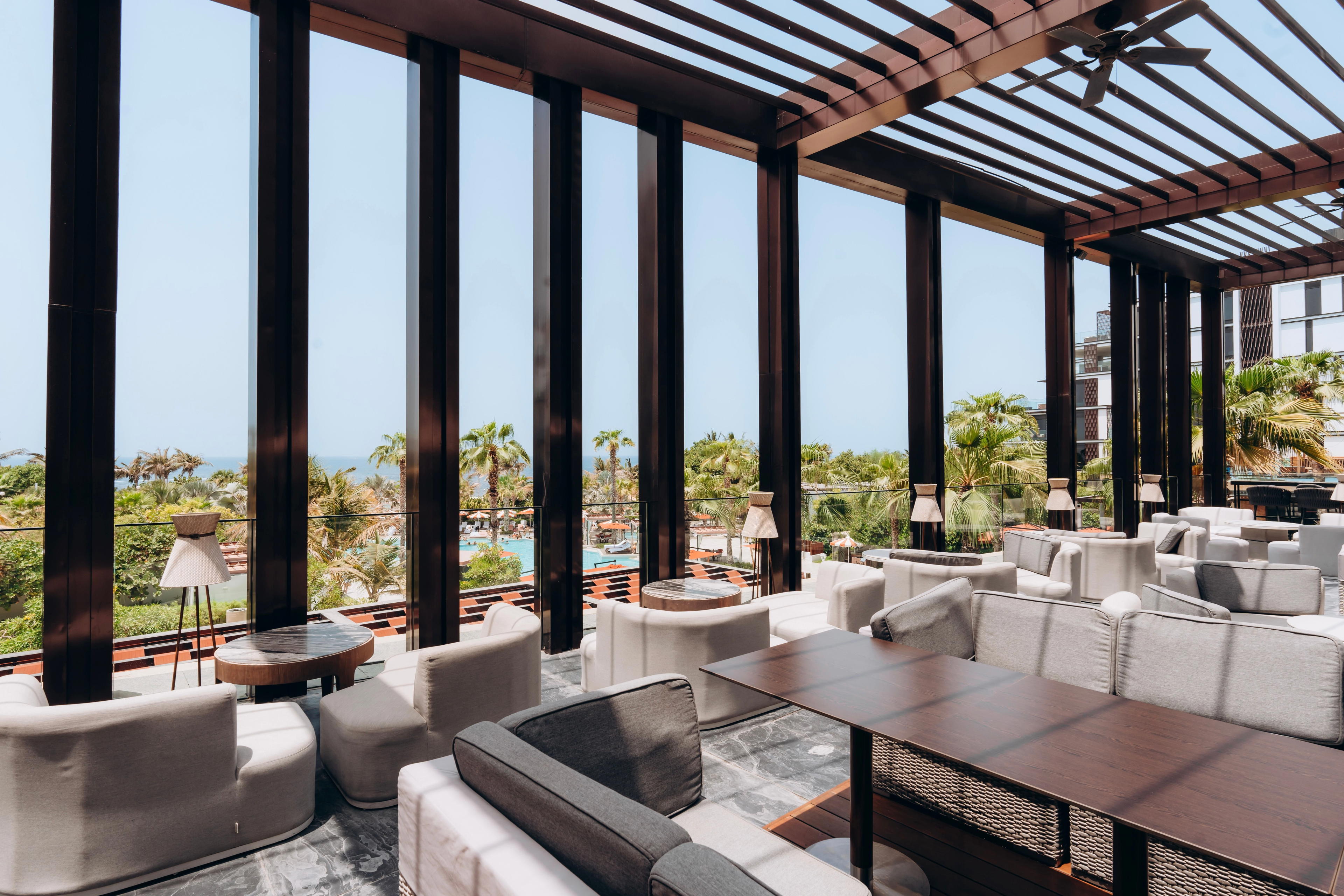
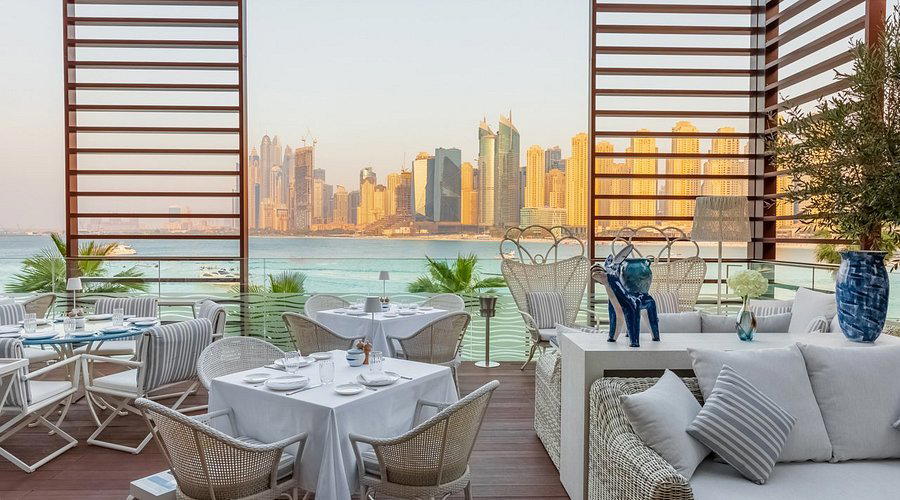
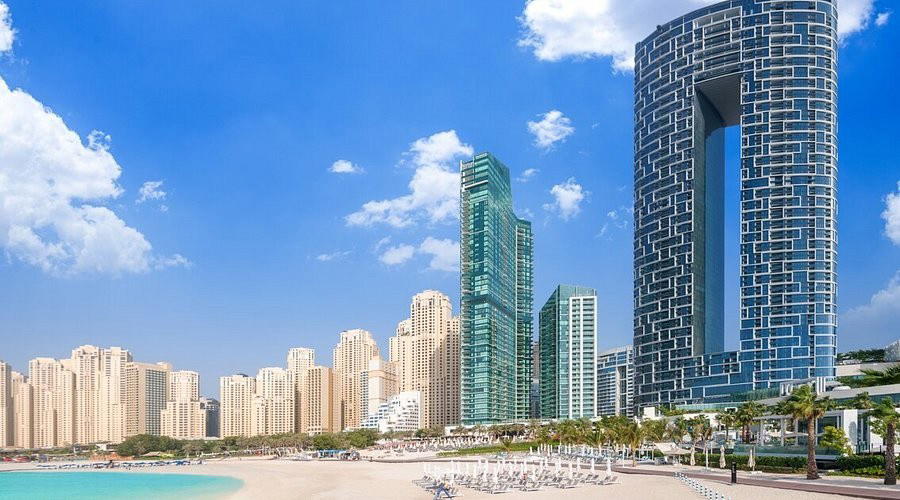
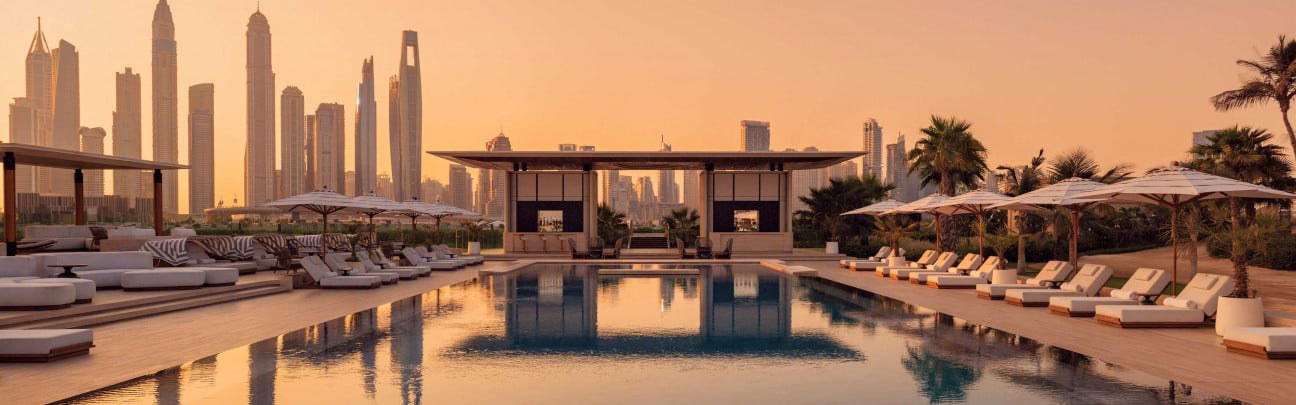
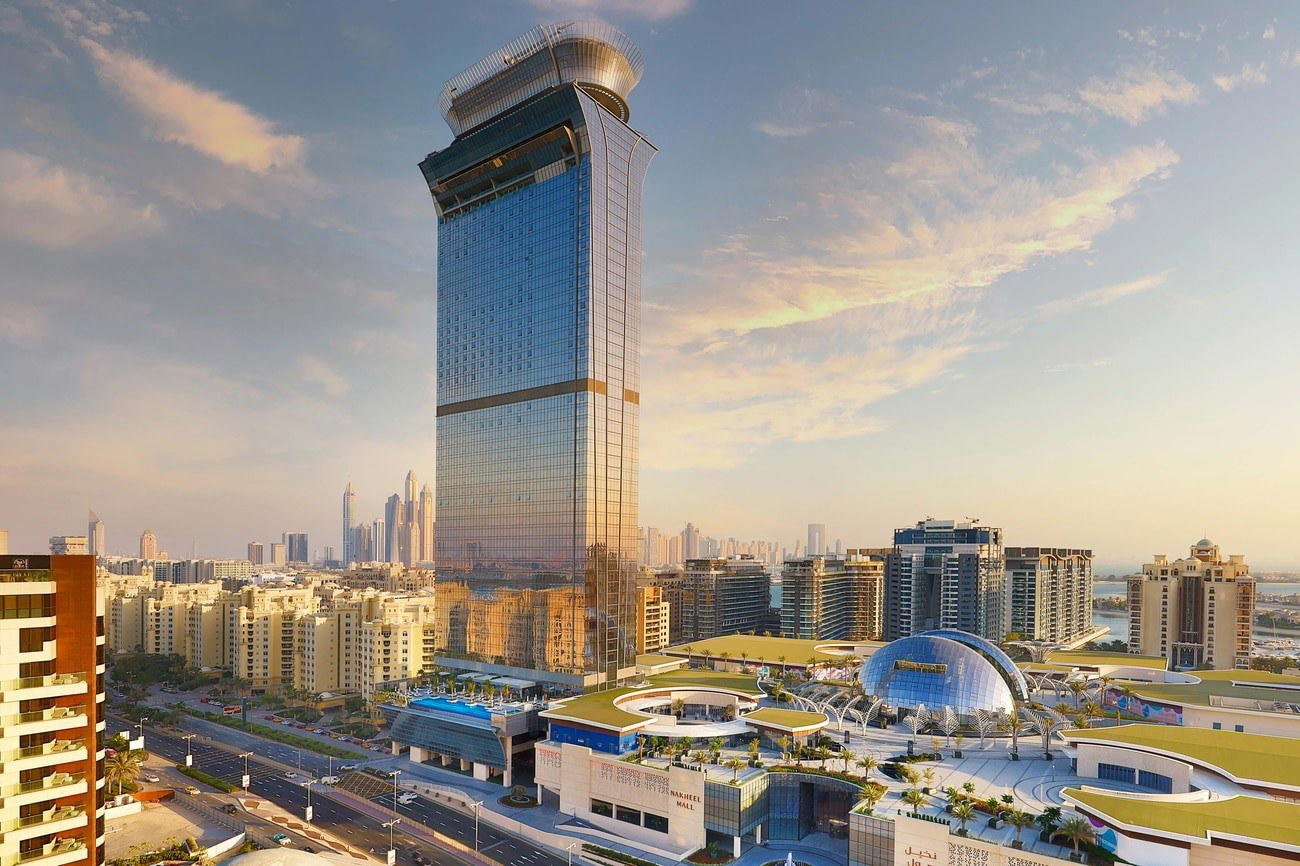
Bluewaters Island, the artificial development connected to the Dubai mainland by road and pedestrian bridge opposite Jumeirah Beach Residence, occupies a distinct position in Dubai's geography. It sits at a remove from the older fine dining corridors of Downtown and DIFC, which means The Spaniel draws guests who are either staying or eating on the island specifically rather than passing through a dense restaurant district. That physical specificity shapes the experience: the address has a destination quality that most neighbourhood restaurants in denser cities do not need to manufacture.
The name itself signals something deliberate about tone. British breed names carry associations with country-house comfort, with a kind of relaxed formality that sits differently from the aggressive luxury positioning of many Dubai restaurant openings. The register implied by the name, ease without informality, competence without theatre, aligns with what the better end of British contemporary cooking has historically delivered well.
The Afternoon Tea Frame
British culinary culture has always been partly organised around rituals as much as dishes, and the afternoon tea format represents particularly codified of those rituals: a layered progression of savoury and sweet, tiered presentations, a specific time window, and a set of expectations about what appears and in what order. Contemporary British restaurants working at a serious level have found ways to use that structure productively, updating the patisserie side with techniques borrowed from French and Japanese pastry traditions while keeping the savoury courses grounded in British produce and preparation logic.
In Dubai's context, that format carries additional weight. Afternoon tea has become one of the city's most competitive hospitality categories, with major hotels and licensed venues all fielding versions at various price points. What distinguishes the restaurant-led interpretation from the hotel banquet-hall version is the same thing that distinguishes serious cooking from service delivery at scale: the quality of the pastry work, the thoughtfulness of the savoury selections, and whether the format is being used as a vehicle for actual kitchen ambition or simply as a revenue-generating slot fill. A Michelin Plate recognition implies the former, situating The Spaniel's approach in a different bracket from the volume players in that market.
Ratings at that level, sustained over a substantial review count, suggest consistent execution rather than the spike that occasionally follows a high-profile opening before settling. It positions the restaurant alongside other Dubai addresses that have converted initial attention into a reliable guest experience.
Where It Sits in Dubai's British and Modern Cuisine Tier
The relevant comparable set for the restaurant spans both the British contemporary category specifically and the broader $$$ modern cuisine tier in Dubai. Rhodes w1 has long anchored the British end of Dubai's fine dining market, carrying Gary Rhodes's name and the associations that come with it. At the creative modern end of the spectrum, addresses like Row on 45 and 11 Woodfire occupy $$$ pricing with distinct technical identities. Further along the price and ambition curve, FZN by Björn Frantzén represents the city's international fine dining ceiling.
Against that backdrop, the restaurant occupies a specific position: a British contemporary address in Dubai at this price point and recognition level. For guests whose reference points include Anchor and Hope in London, Dog and Gun Inn in Skelton, or Dishes in Prestatyn, the category is familiar but the geographic context is not.
Comparison with Greyhound on the Test in Edinburgh is also instructive: British contemporary cooking has shown consistent adaptability across radically different urban contexts, and Dubai represents its most extreme transplant yet, a cuisine tradition defined by temperate-climate produce and pub-rooted sociability now operating in a desert city with no wine culture in its domestic tradition and a dining public drawn from across the globe.
Planning Context
Bluewaters Island is accessible by car via the bridge from JBR or by the pedestrian walkway. The island also connects to the Dubai tram network, making it reachable without a car from the JBR and Marina areas. The Ain Dubai observation wheel sits on the same island, which means weekend and evening foot traffic can be substantial. Booking ahead is advisable given the venue's review profile and Michelin recognition, both of which tend to concentrate demand. Specific hours and booking channels are best confirmed directly with the venue before visiting.
For broader exploration of where the restaurant sits in the Dubai dining ecosystem, see our full Dubai restaurants guide. For accommodation in the vicinity, our Dubai hotels guide covers the relevant waterfront options. Those extending the trip toward Abu Dhabi should note that Erth represents a contrasting and equally serious approach to rooting a cuisine identity in its regional context. Further reading on Dubai's bar and experience scene is available through our Dubai bars guide, our Dubai wineries guide, and our Dubai experiences guide.
For those interested in how Indian fine dining at the leading end compares within the same city, Trèsind Studio operates at a different cuisine register but the same tier of ambition and recognition.
Know Before You Go
- Location: Bluewaters Island, Marsa Dubai, Dubai, UAE
- Cuisine: British Contemporary
- Price range: $$$
- Recognition: Michelin Plate (2025)
- Guest rating: 4.9 from 482 Google reviews
- Getting there: By car via Bluewaters Bridge from JBR, or on foot from the Dubai Tram stop at JBR
What Do People Recommend at The Spaniel?
The restaurant's Michelin Plate recognition in 2025, with reviewers anchoring their recommendations in the British contemporary format: technically considered cooking, savoury courses with clear ingredient focus, and patisserie work that reflects the kitchen's ambition. Without specific dish data in the public record, particularly reliable steer remains the awards context: Michelin Plate status in Dubai's competitive 2025 selection indicates the kitchen is delivering at a level that justifies the visit. Guests familiar with the British contemporary tradition at venues like Chesil Rectory or The Cross will find the same category sensibility applied to a different urban setting.
Where It Fits
Comparable venues nearby, for context on price, style, and recognition.
| Venue | Cuisine | Price | Awards | Notes |
|---|---|---|---|---|
| The SpanielThis venue — the venue you are viewing | Modern British Brasserie | $$$ | Michelin Plate | Not listed |
| LOWE | Modern Fire-Cooked Contemporary | $$$ | Michelin Plate | Dubai Hills |
| The Artisan | Authentic Italian Fine Dining | $$$ | Michelin Plate | Za'abeel 2 |
| Rockfish | Modern Italian Seafood | $$$ | Michelin Plate | Umm Suqeim |
| 99 Sushi Bar | Modern Japanese Sushi and Robata | $$$$ | Michelin Plate | Downtown Dubai |
| Maison Revka | Modern Slavic with French Elegance | $$$$ | Not listed | Al Sufouh 2 |
Recognition history
Dated appearances from independent guides and award organizations, with the underlying list record or original source where available.
Gault & Millau UAE Selected Restaurant
Gault & Millau · Gault & Millau UAE 2026 - Selected Restaurant
Michelin Plate
Michelin
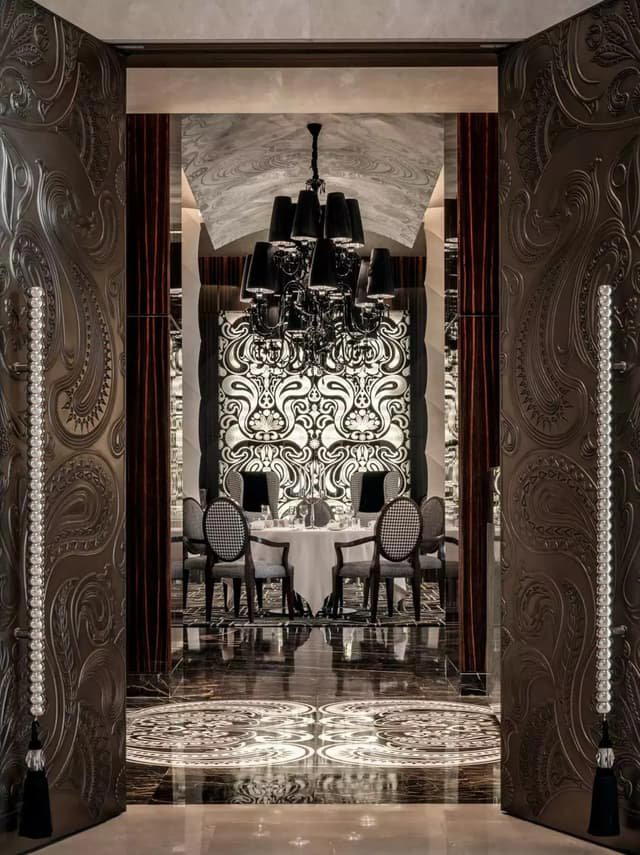
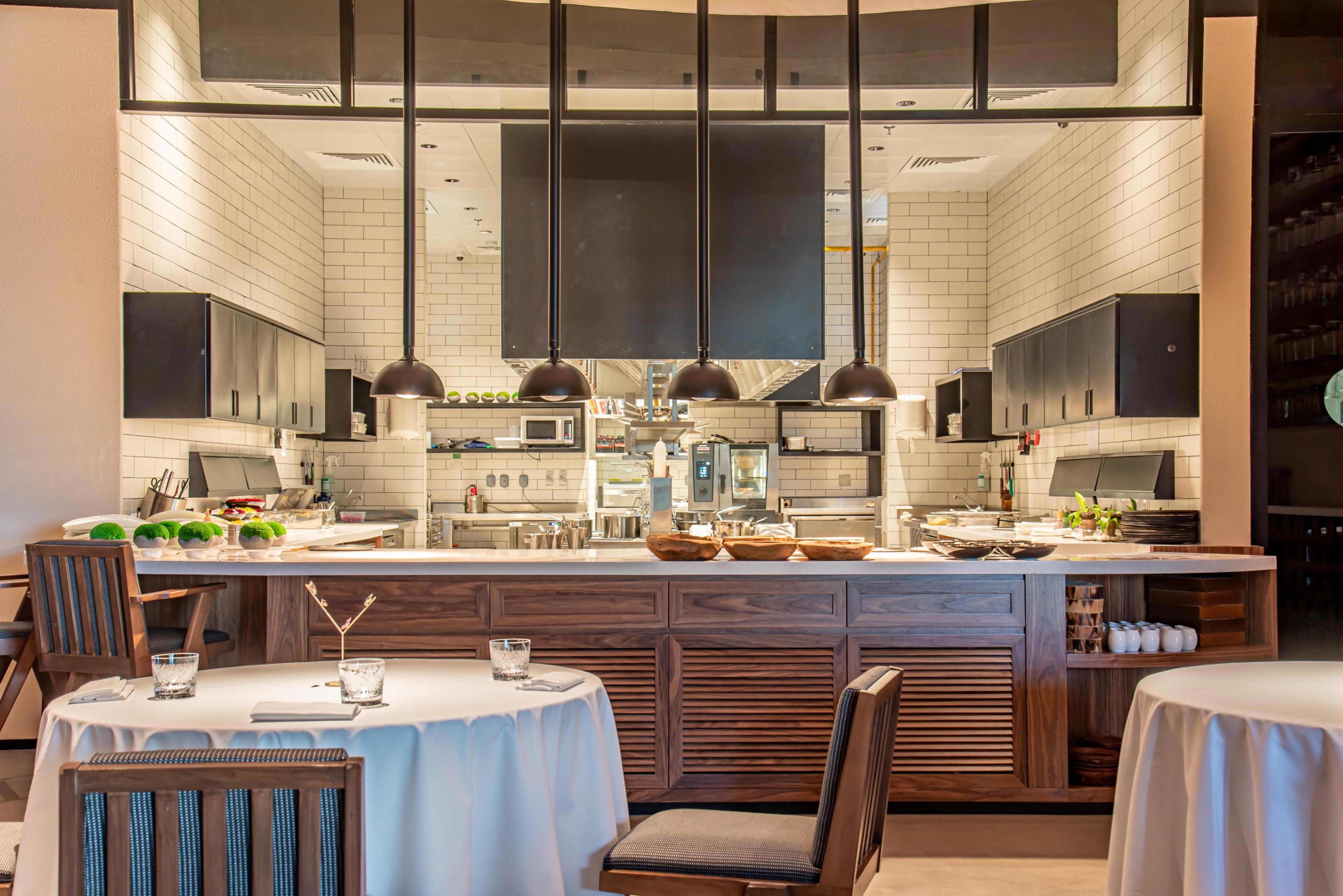
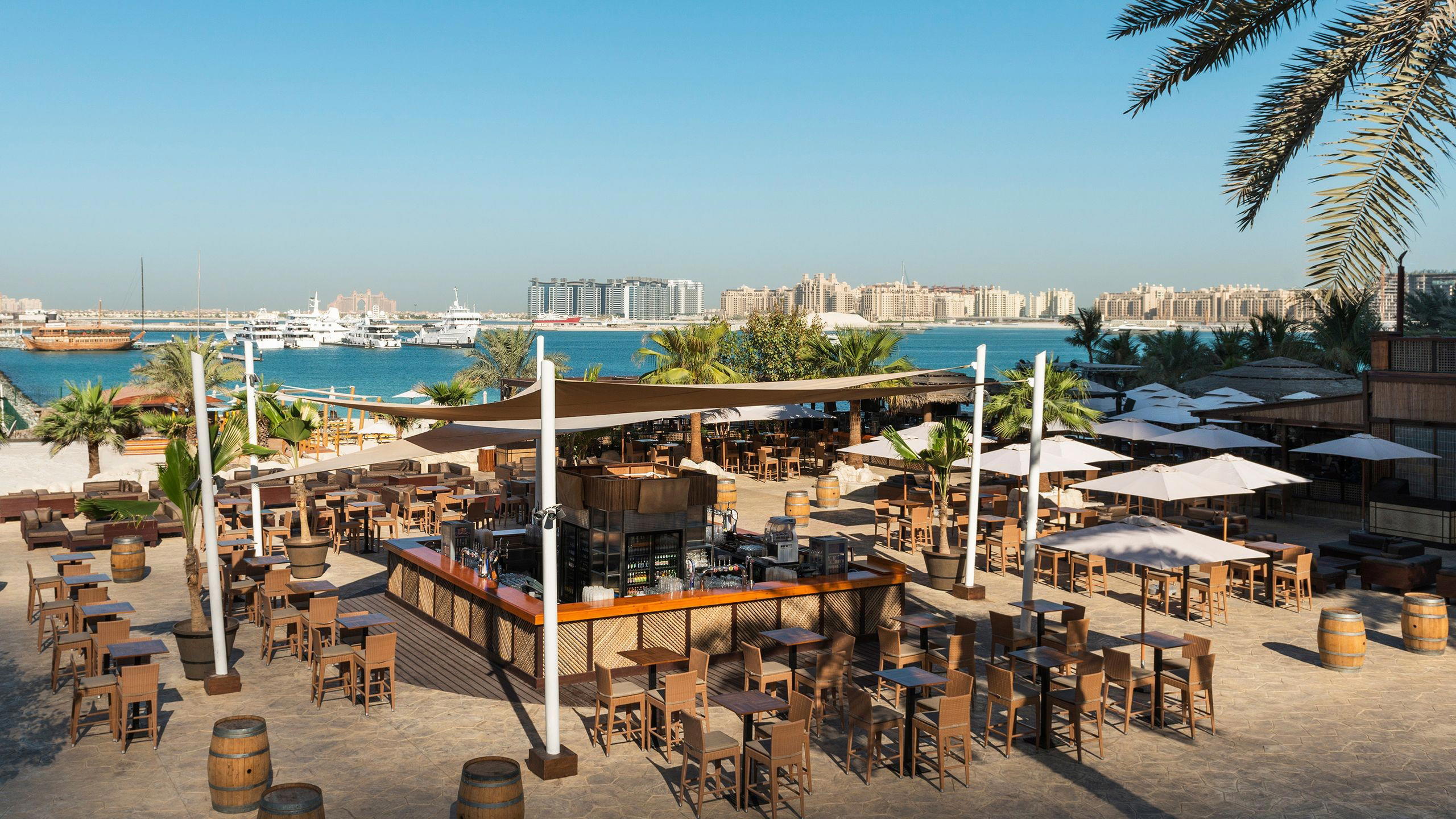
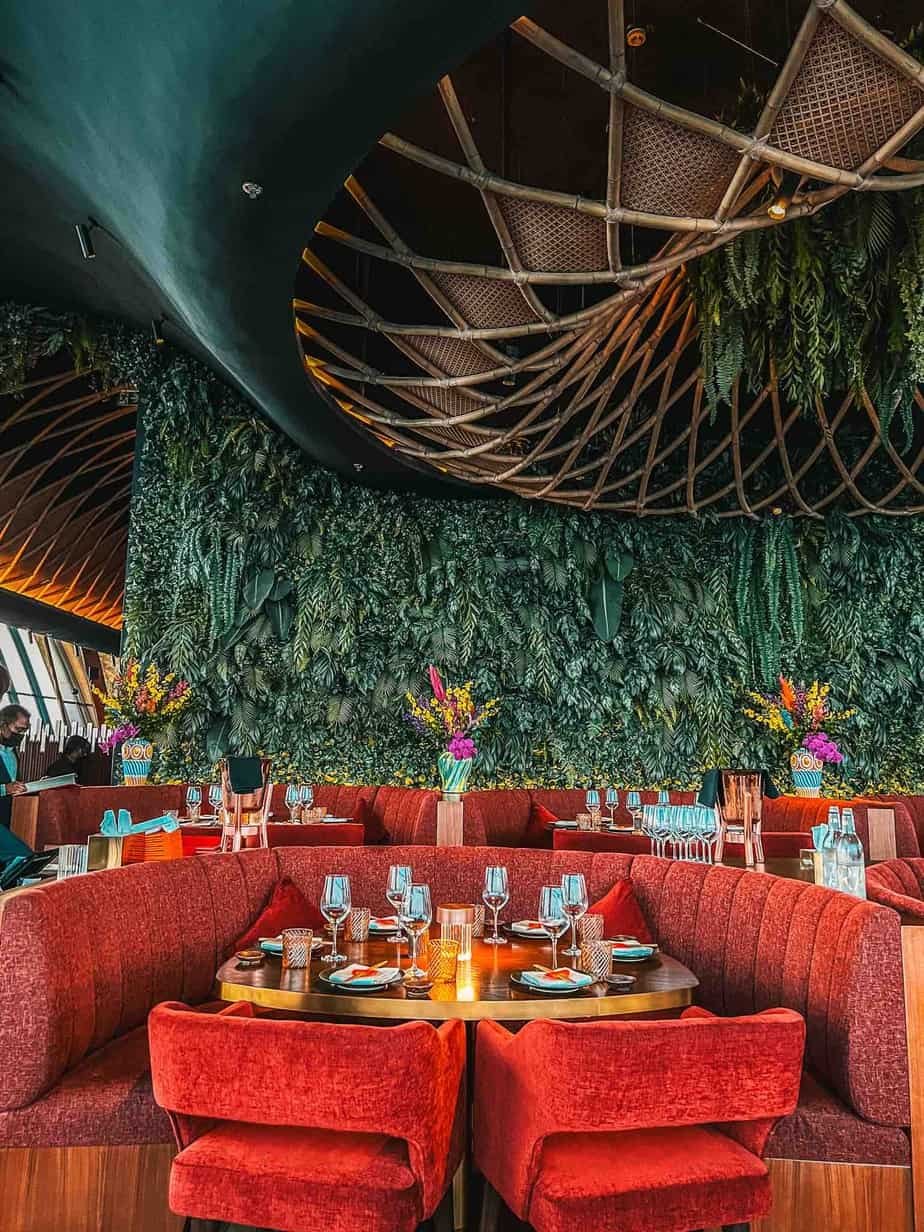
At a Glance
- Cozy
- Elegant
- Scenic
- Date Night
- Group Dining
- Brunch
- Celebration
- Terrace
- Open Kitchen
- Craft Cocktails
- Skyline
Current opening hours
- Monday
- 1 PM–12 AM
- Tuesday
- 1 PM–12 AM
- Wednesday
- 1 PM–12 AM
- Thursday
- 1 PM–12 AM
- Friday
- 1 PM–1 AM
- Saturday
- 12 PM–1 AM
- Sunday
- 12 PM–12 AM
Hours can change for holidays and private events. Last verified .
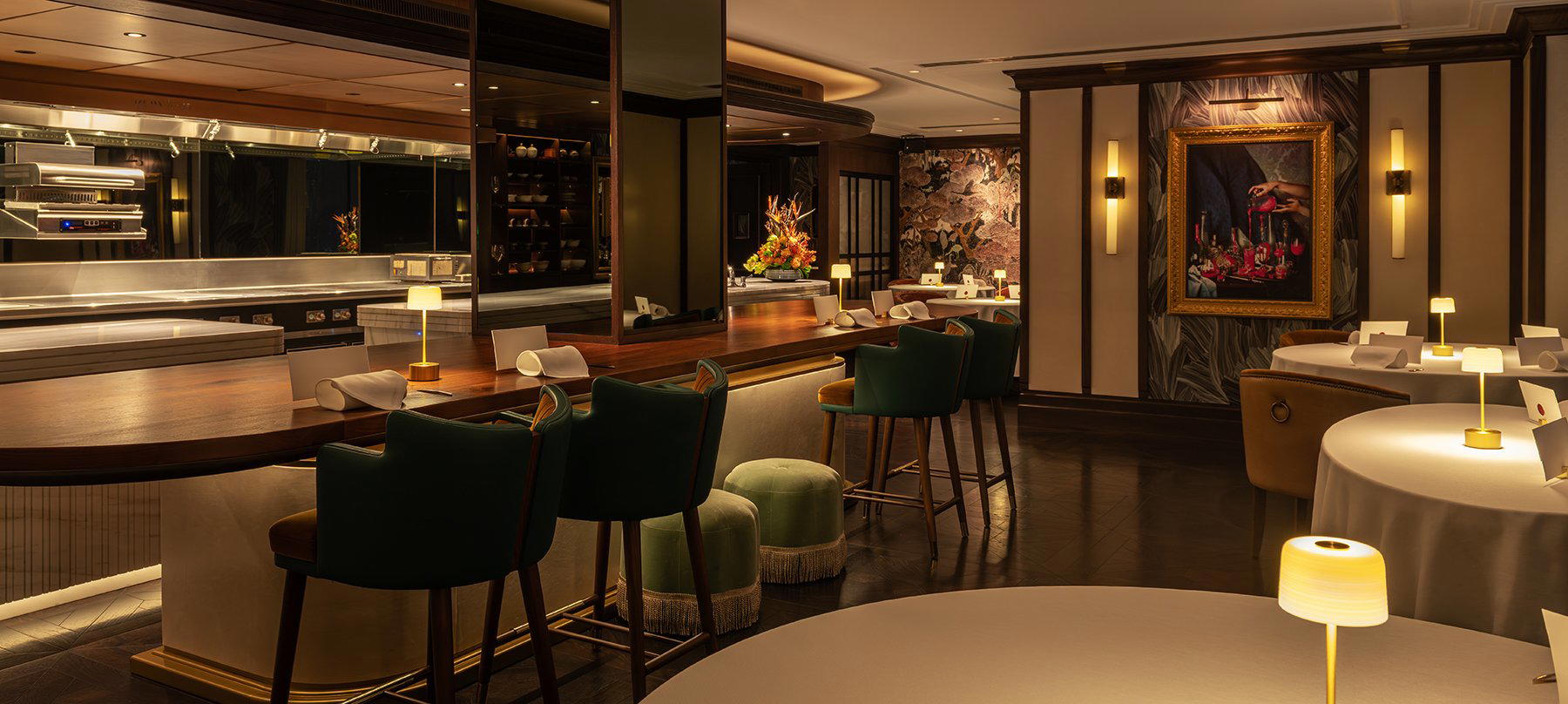
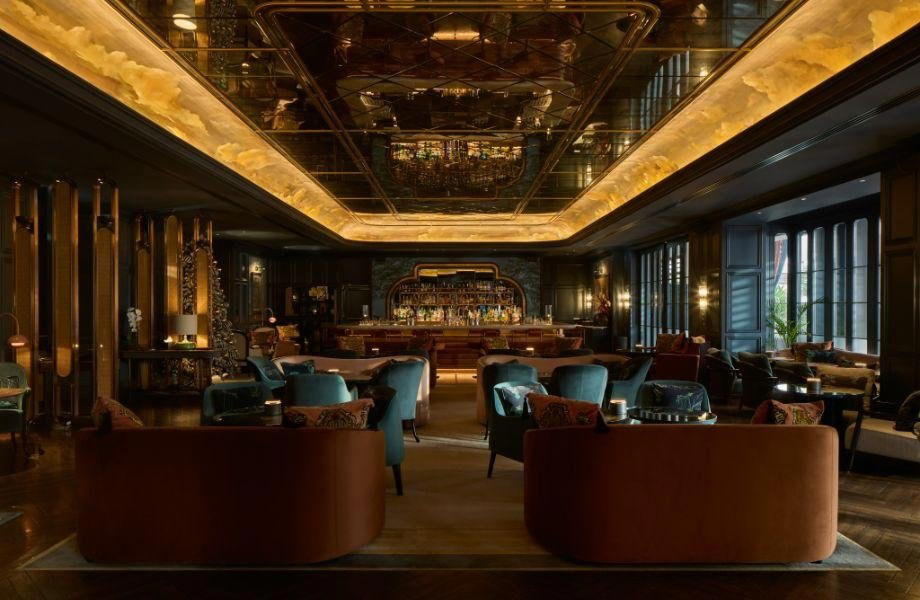
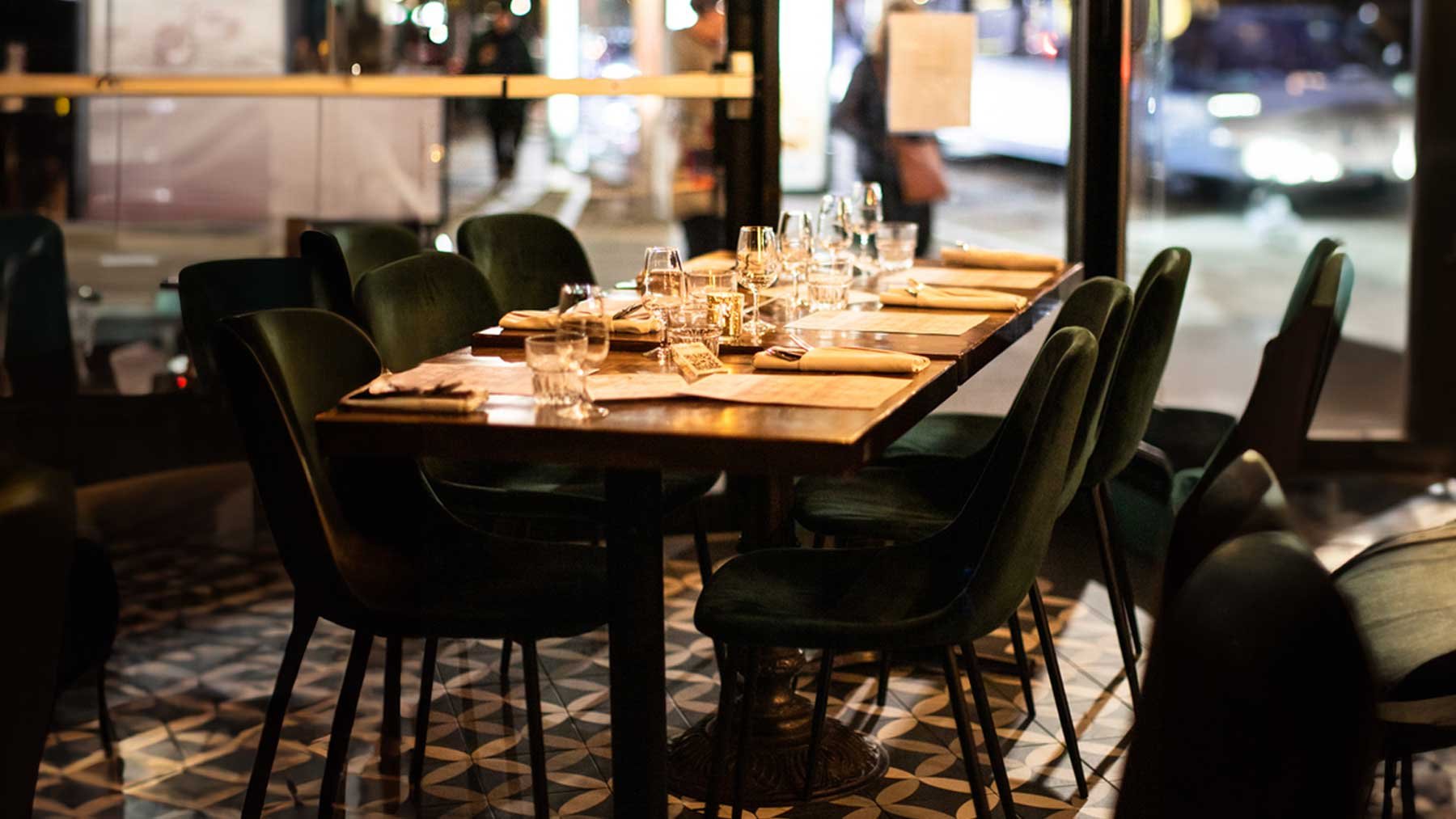
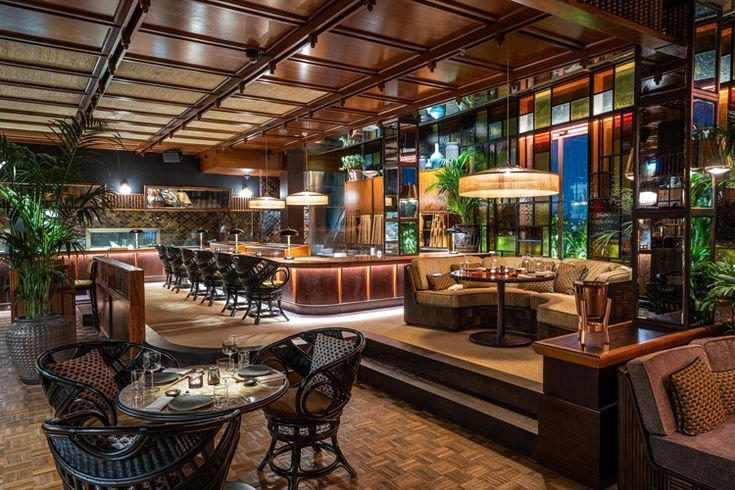
Cozy warmth with rich wood furnishings, leather seating, lively music, and an inviting atmosphere.