Chesil Rectory

A 15th-century wattle and daub building on Chesil Street houses one of Winchester's most consistent kitchens: Michelin Plate-recognised for both 2024 and 2025, with classically grounded cooking that draws on local, seasonal Hampshire produce. At the ££ price point, it sits in the mid-tier of British Contemporary dining where the setting does as much work as the menu.
Pearl is the En Primeur Club membership app — saves, bookings, and concierge access live there. Same editors, same standards.
- Address
- 1 Chesil St, Winchester SO23 0HU, United Kingdom
- Phone
- +44 1962 851555
- Website
- chesilrectory.co.uk
- Directions
- Get directions
 Saves & bookings on Pearl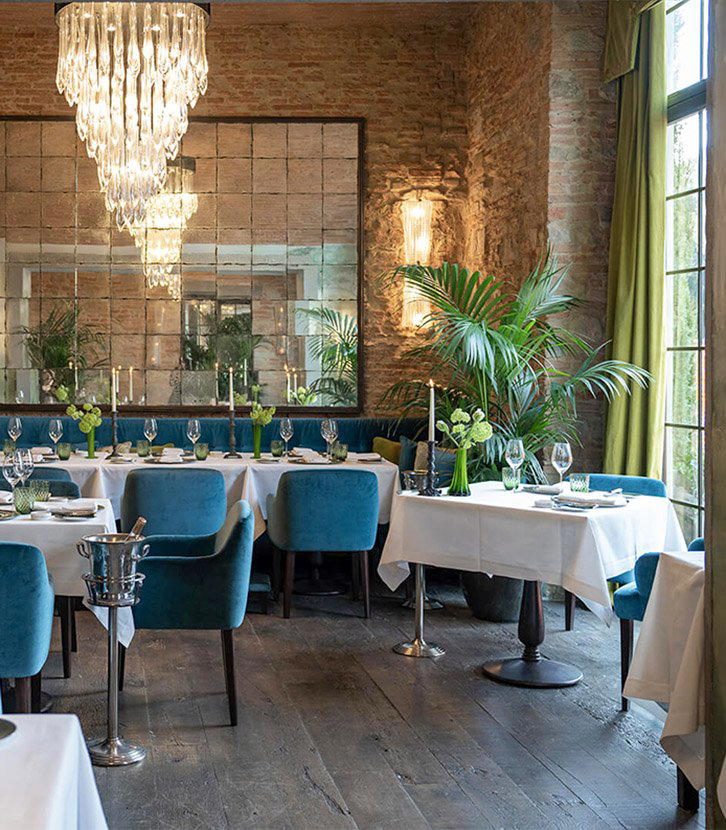
A Medieval Frame for Modern Hampshire Cooking
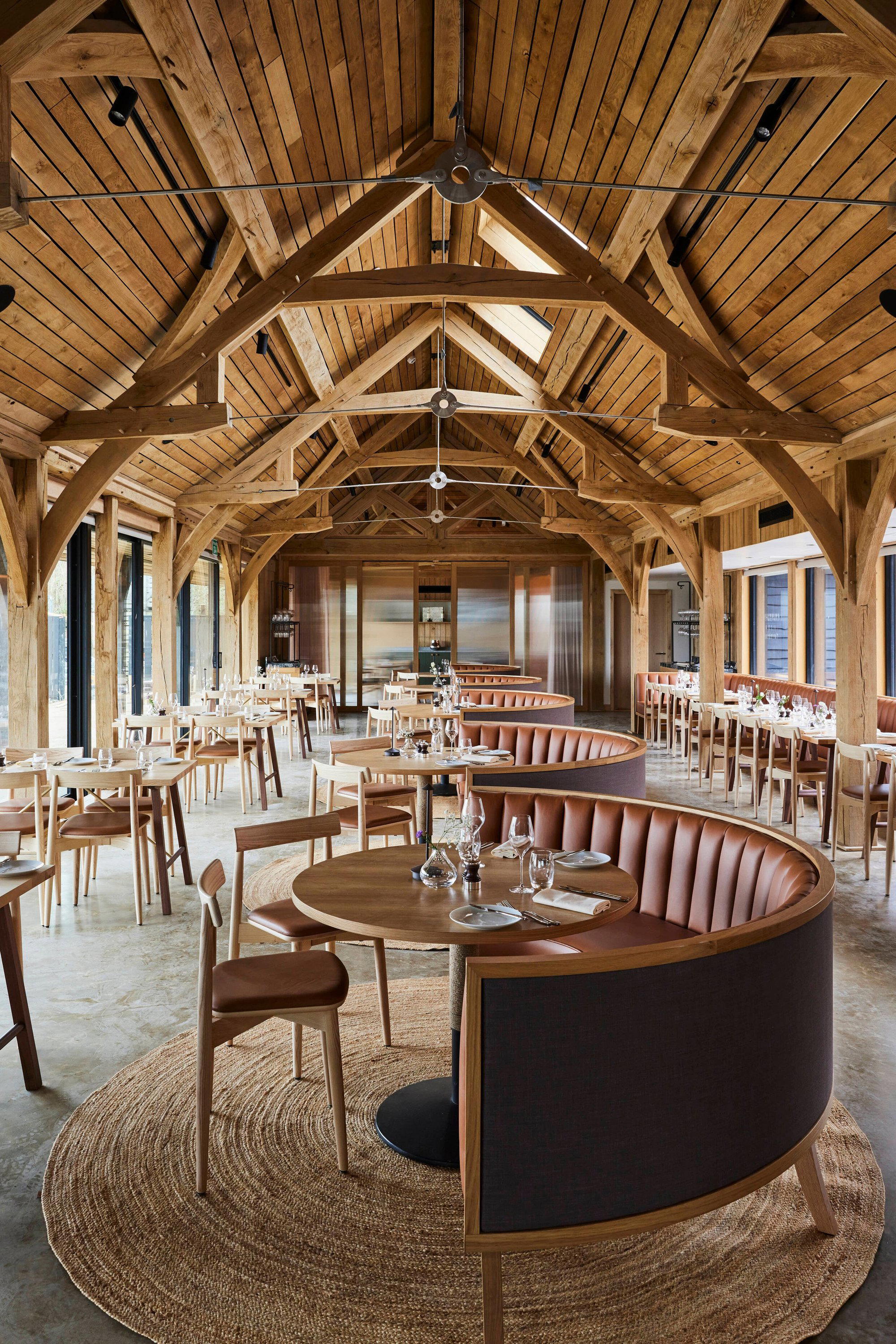
The double-gabled façade on Chesil Street announces itself before you reach the door. Heavy exposed beams, a large inglenook fireplace, and wattle and daub walls that date from the 15th century create a physical density that most modern dining rooms spend fortunes trying to approximate. Winchester has many historic architecture, but few buildings channel their age this directly into the experience of sitting down to eat. The atmosphere is produced by the structure itself, not by a designer working from mood boards.
That weight of setting matters when discussing what kind of restaurant Chesil Rectory is, because the British Contemporary genre in the 2020s tends to occupy one of two registers: the stripped-back urban dining room where technique does the talking, or the rooted, produce-led house where the environment and the food reinforce each other. Chesil Rectory belongs to the second category, and Winchester's character as a small cathedral city with serious agricultural hinterland in Hampshire gives that position particular credibility. The grain here is local rather than imported.
Where the Gastropub Revolution Actually Landed
The longer story of British dining over the past three decades is partly the story of what happened when skilled chefs decided that hushed fine-dining rooms were the wrong frame for serious food. The gastropub revolution of the 1990s and early 2000s produced a generation of kitchens that placed classical technique inside accessible, characterful spaces, and the results, at their leading, proved more durable than the white-tablecloth rooms they partially displaced. That tradition now has its own hierarchy. At one end, you have two-Michelin-star pubs like Hand and Flowers in Marlow. At the other, a broad layer of Michelin Plate-recognised restaurants where the ambition is honest cooking in honest surroundings rather than a sprint toward starred recognition.
Chesil Rectory sits in that second tier with Michelin Plate recognition in 2024 and 2025, which in the current Michelin framework signals a kitchen delivering good cooking at a consistent level. The Plate is not a star, but it is a positive recommendation from the guide's inspectors, a meaningful credential at the ££ price point where value for execution is the relevant measure. For context, the starred British Contemporary tier runs toward ££££ restaurants like CORE by Clare Smyth in London or destination properties such as L'Enclume in Cartmel. The restaurant is not competing in that bracket, and its pricing makes clear it is not trying to. The competitive set is the serious regional restaurant where the room, the sourcing, and the technique each carry equal weight.
That regional seriousness has a broader British expression worth noting. From hide and fox in Saltwood to Dog and Gun Inn in Skelton, the pattern of kitchens deploying classical foundations alongside strong local sourcing inside atmospheric spaces is well established across England. What varies is how explicitly each restaurant leans into its setting. At the restaurant, the 15th-century structure is not incidental; it sets the entire register of the visit.
The Cooking: Classical Foundations, Seasonal Hampshire Sourcing
The kitchen's approach, as documented by Michelin's description, is classically based with a contemporary inflection. Dishes draw on local, seasonal produce and are shaped by an experienced team rather than a marquee name. This is a meaningful distinction in the current British dining scene, where a number of particularly consistent regional restaurants derive their reliability from depth of team rather than a single chef's public profile. The experienced collective produces a more predictable output across services than a kitchen dependent on individual star presence.
Hampshire provides serious raw material. The county's farms, coast, and downland give a kitchen committed to seasonal sourcing consistent access to quality produce across the calendar year. Classically trained cooking applied to that sourcing produces dishes that are intelligible rather than conceptual, the kind of food that reads clearly on the plate and rewards attention without requiring a decoder. It is a different register from the technical innovation at restaurants like The Fat Duck in Bray or the Scandinavian-inflected rigour of Moor Hall in Aughton, and deliberately so.
British Contemporary as a genre has diversified considerably. The category now spans three-Michelin-star precision in urban settings, destination country houses like Le Manoir aux Quat' Saisons in Great Milton or Gidleigh Park in Chagford, city-based restaurants such as Midsummer House in Cambridge and Opheem in Birmingham, and internationally exported versions like Jaan by Kirk Westaway in Singapore. The restaurant proposition is rooted specifically in place: this food makes most sense in this building, in this city, sourced from this county. That particularity is a strength rather than a limitation.
Service and the Room
Michelin's own notes describe the service as friendly, which in the context of the guide's typically restrained language is a genuine plus. The inglenook fireplace and the beam-heavy interior create an environment that a formal service style would actively undermine. The match between space and tone is coherent: the room is characterful rather than grand, and the hospitality reflects that. For visitors coming from London's more theatrical dining rooms or from starred destination restaurants, the register shift is worth anticipating and welcoming.
Winchester as a city rewards a full day's visit structured around a meal here. The cathedral, the Great Hall, and the High Street constitute a compact historic centre, and Chesil Street sits within easy reach of all of it. For those building a broader Winchester itinerary,
Planning Your Visit
The ££ price point makes the restaurant accessible for a midweek lunch or a relaxed dinner. Given the,259 reviews, booking ahead is the sensible approach, particularly for weekend evenings when the atmosphere of the inglenook room is at its most pronounced. Seasonal menus mean that repeat visits across the year produce meaningfully different experiences as Hampshire's produce calendar turns.
In Context: Similar Options
Comparable venues nearby, for context on price, style, and recognition.
| Venue | Cuisine | Price | Awards | Notes |
|---|---|---|---|---|
| Chesil RectoryThis venue — the venue you are viewing | Classical British Fine Dining | $$$ | Michelin Plate | Not listed |
| Black Rat - Closed | Modern British Gastropub | $$$ | Not listed | Chesil Street |
| Black Rat | Dining | Not listed | Not listed | Winchester |
| Nathan Marshall Clarke House | Modern British Fine Dining | $$$ | Michelin Plate | Liss |
| The Greyhound | Modern British Fine Dining | $$$ | Michelin Plate | Beaconsfield Old Town |
| The Great Bustard | Modern British Gastropub | $$$ | Michelin Plate | Great Durnford |
Recognition history
Dated appearances from independent guides and award organizations, with the underlying list record or original source where available.
Michelin Plate
Michelin
Michelin Plate
Michelin
Michelin Plate
Michelin
Continue exploring
More in Winchester
Restaurants in Winchester
Browse all →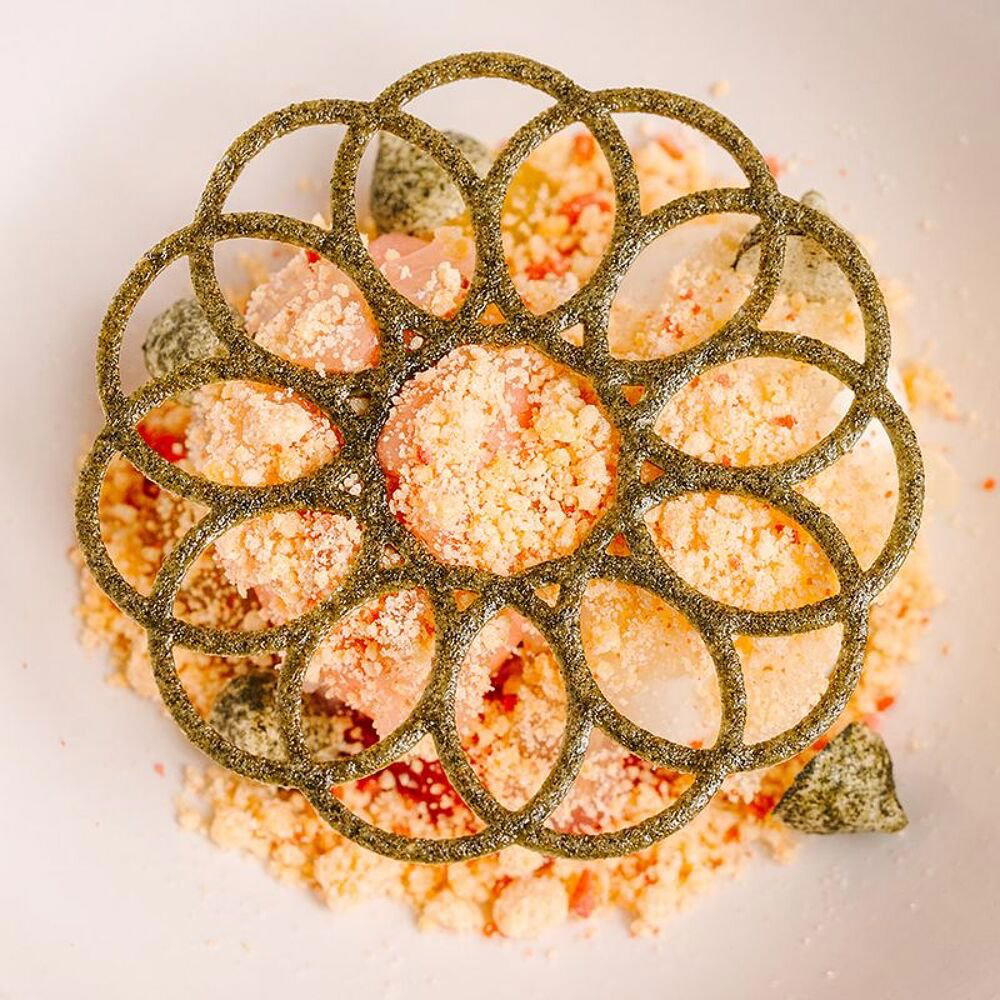
Bars in Winchester
Browse all →

Hotels in Winchester
Browse all →

At a Glance
- Romantic
- Cozy
- Elegant
- Historic
- Intimate
- Sophisticated
- Date Night
- Special Occasion
- Historic Building
- Extensive Wine List
- Local Sourcing
Current opening hours
- Monday
- 12–2:30 PM, 5:30–9 PM
- Tuesday
- 12–2:30 PM, 5:30–9 PM
- Wednesday
- 12–2:30 PM, 5:30–9 PM
- Thursday
- 12–2:30 PM, 5:30–9 PM
- Friday
- 12–2:30 PM, 5:30–9 PM
- Saturday
- 12–2:30 PM, 6–10 PM
- Sunday
- 12–3 PM, 6–8 PM
Hours can change for holidays and private events. Last verified .
Warm, cozy atmosphere in a characterful historic building with heavy beams, inglenook fireplace, and relaxing, conversational dining environment.