The Slanted Door

A fixture of San Francisco dining since the mid-1990s, The Slanted Door helped establish Vietnamese-American cuisine as serious restaurant fare, moving from its Mission District origins to a prominent position at the Ferry Building waterfront. The restaurant sits at the intersection of California produce and Southeast Asian technique, drawing a consistent following that spans decades of the city's evolving food culture.
- Address
- One Ferry Building #3, San Francisco
- Phone
- (415) 861-8032
- Website
- slanteddoor.com
- Directions
- Get directions
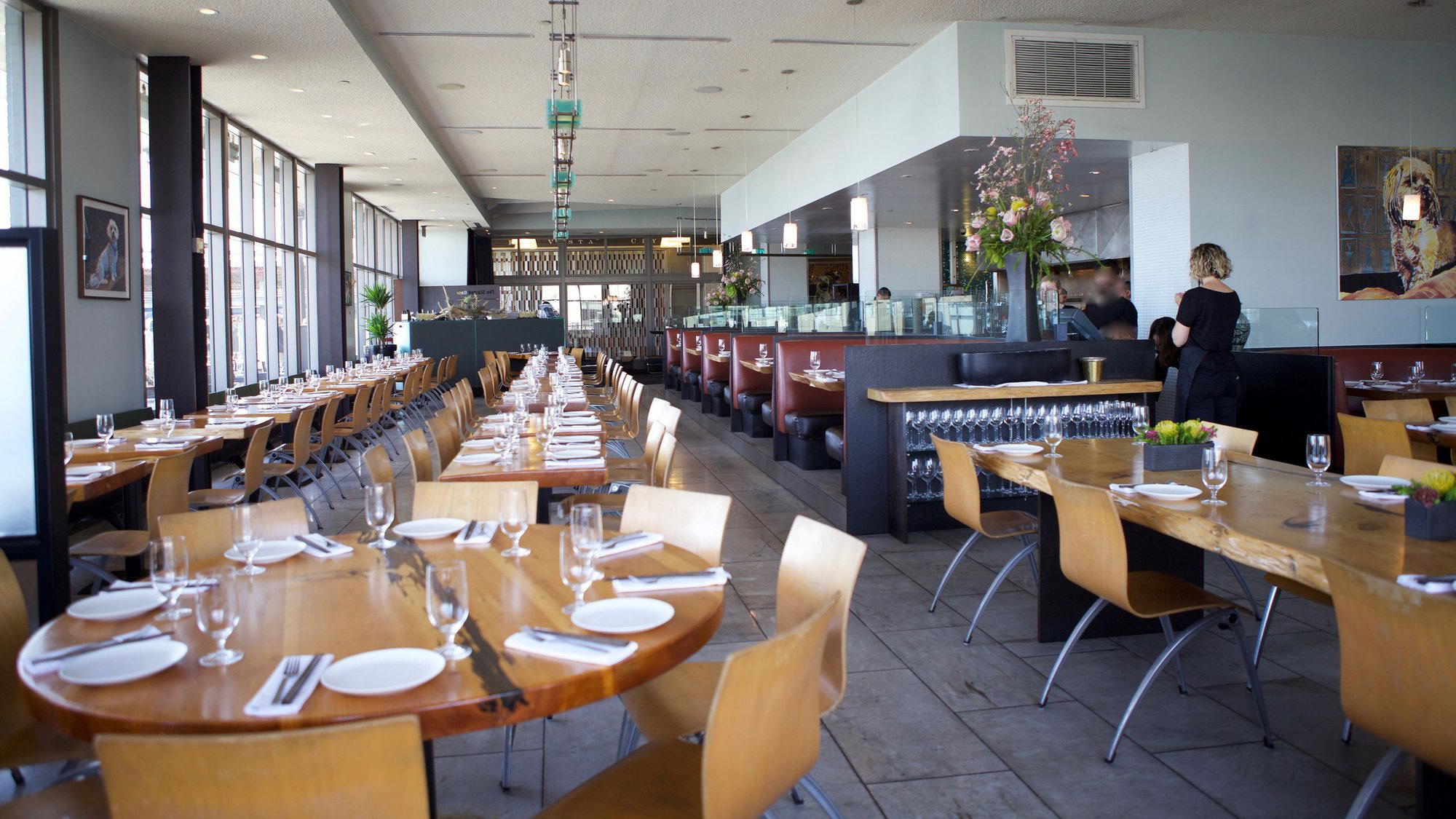
The Ferry Building as a Stage for Vietnamese-American Cuisine
The Slanted Door is a closed Modern Vietnamese-California restaurant at One Ferry Building #3 in San Francisco, with a price point around $75 per person. Arriving by foot along the waterfront promenade, the building announces itself before you enter it. Inside, the food vendors and restaurants that line the main hall operate under a kind of informal hierarchy, and The Slanted Door has long occupied one of its more visible addresses at One Ferry Building, Suite 3. The dining room faces the water, and on clear days the bay and its bridges form the backdrop to a meal that is, at its core, about how Vietnamese cooking translates into a California dining register.
That translation has never been incidental. San Francisco's Vietnamese restaurant scene spans a broad range, from the pho houses of the Tenderloin to the family-run kitchens of the Richmond District. The Slanted Door has always occupied a different position in that range: not an immigrant-tradition restaurant in the conventional sense, but one that built its reputation by taking Vietnamese flavors and structures seriously in a fine-dining context, with California ingredients and a wine list serious enough to compete with its non-Asian peers. For context, the comparable high-end restaurants in the city, Atelier Crenn, Benu, Quince, and Lazy Bear, all sit in the $$$$ tier and operate within European or fusion frameworks. The restaurant staked its identity on Vietnamese roots instead, which was, in the mid-1990s, a significant editorial claim about what American fine dining could look like.
From Mission District to Waterfront: A History in Two Locations
The restaurant's trajectory maps onto San Francisco's own restaurant evolution. It began in the Mission District in the mid-1990s, in a small space that placed it inside one of the city's most culturally layered neighborhoods at a moment when the Mission was both a working-class Latino district and an emerging restaurant destination. That origin matters because it shaped the restaurant's original audience: not the expense-account crowd, but diners who were already comfortable eating across cultural lines and looking for cooking with a genuine point of view.
The move to the Ferry Building repositioned it into a different economic and symbolic register. The Ferry Building Marketplace, renovated and reopened in 2003, became the anchor institution for the Bay Area's local food movement, drawing farmers' market vendors, artisan producers, and a small collection of destination restaurants. Relocating there aligned the restaurant with that movement and with the waterfront's broader tourism and professional dining circuit. It is a different kind of visibility than the Mission offered, and a different set of diners as a result.
The Cultural Stakes of Vietnamese Fine Dining
In the wider context of American restaurant history, the restaurant arrived at a period when Asian-American cuisines were beginning to claim the kind of critical and commercial attention that French and Italian restaurants had held for decades. Restaurants like Le Bernardin in New York City and Alinea in Chicago defined what seriousness looked like in European-derived terms. The French Laundry in Napa set the benchmark for Northern California's aspirational dining. The restaurant was making an argument in parallel: that Vietnamese cuisine, with its layered herb profiles, fermented sauces, and regional specificity, was as worthy of the same treatment as any French regional kitchen.
That argument has since been reinforced across the industry. Benu, which holds three Michelin stars in San Francisco, treats Korean and Chinese culinary traditions with the same technical rigor applied to French fine dining. Internationally, 8 1/2 Otto e Mezzo Bombana in Hong Kong and Alain Ducasse at Louis XV in Monte Carlo demonstrate how cuisine and place can reinforce each other at the summit of the market. The restaurant made an earlier, less institutionally supported version of that case, which explains much of its lasting significance in San Francisco's food history.
Placing It in the San Francisco Dining Map
San Francisco's restaurant geography divides broadly into neighborhood destination dining and landmark or destination restaurants that draw citywide and visitor traffic. Saison, in the SoMa neighborhood, operates at the apex of the Californian fine dining bracket. Single Thread Farm in Healdsburg, about an hour north, extends the Bay Area's farm-to-table ethos into an inn format. Providence in Los Angeles and Emeril's in New Orleans offer regional comparisons for how chef-led restaurants build institutional identity over multiple decades. The restaurant sits in San Francisco's landmark tier, drawing from the Ferry Building's foot traffic while maintaining a loyal repeat base that has followed the restaurant across its two major incarnations.
For visitors building a broader San Francisco itinerary, the Ferry Building address has practical utility: it is walkable from the Financial District, accessible via BART and Muni, and adjacent to the Saturday farmers' market, which draws one of the larger concentrations of Bay Area food producers in a single outdoor setting. The building's other tenants include a range of specialty food vendors that make it a logical half-day anchor for food-focused travel.
Planning a Visit
The Ferry Building location places the restaurant in a high-traffic setting, particularly on weekday lunches and weekend market days, when the Embarcadero draws a mix of commuters, tourists, and local regulars.
What The Slanted Door Represents in a Larger Conversation
Any serious account of how American dining changed between the 1990s and today has to engage with the role of immigrant-heritage restaurants that stepped into fine dining on their own terms. The restaurant is part of that account in San Francisco in a way that goes beyond its individual menu or address. It demonstrated that Vietnamese cuisine could sustain a wine program, command urban fine-dining prices, and attract the same critical attention as its European-derived peers, and it did that before most of the institutional frameworks for recognizing such restaurants were in place. That history is now embedded in the building, the neighborhood trajectory, and the city's broader dining identity.
Booking and Cost Snapshot
Comparable venues nearby, for context on price, style, and recognition.
| Venue | Cuisine | Price | Notes |
|---|---|---|---|
| The Slanted DoorThis venue — the venue you are viewing | Not listed | $$$$ | Not listed |
| Slanted Door, The | Embarcadero, Modern Vietnamese | $$$ | Not listed |
| Villon | Not listed | $$$$ | Tenderloin, Modern California Fine Dining |
| La Cigale | Glen Park, Occitan French Live-Fire | $$$$ | Not listed |
| Nobu Palo Alto | Not listed | $$$$ | Downtown Palo Alto, Japanese-Peruvian Fusion |
| Turtle Tower #3 | Not listed | $$ | Financial District, Authentic North Vietnamese Pho |
Recognition history
Dated appearances from independent guides and award organizations, with the underlying list record or original source where available.
Star Wine List
Star Wine List
Continue exploring
More in San Francisco
Restaurants in San Francisco
Browse all →
Bars in San Francisco
Browse all →
Hotels in San Francisco
Browse all →

At a Glance
- Well Known
- Lively
- Elegant
- Scenic
- Sophisticated
- Business Dinner
- Date Night
- Group Dining
- Special Occasion
- Waterfront
- Panoramic View
- Open Kitchen
- Private Dining
- Extensive Wine List
- Craft Cocktails
- Beer Program
- Farm To Table
- Local Sourcing
- Sustainable Seafood
- Waterfront
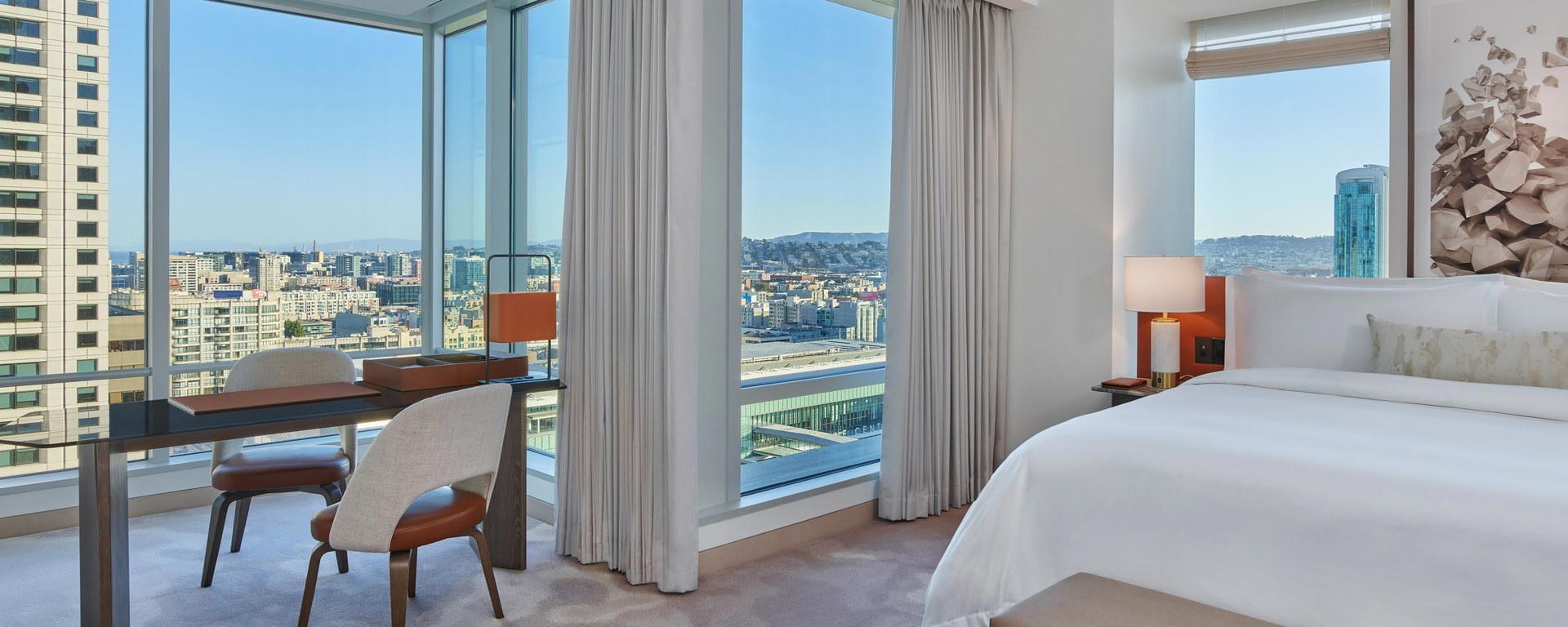
Trendy, busy energy with floor-to-ceiling windows overlooking the Bay and Golden Gate Bridge; nautical water-inspired design with a long bar and community cocktail tables creating a lively, sophisticated atmosphere.