
The Sunday Times Ireland’s 100 Best Restaurants
Our verdict
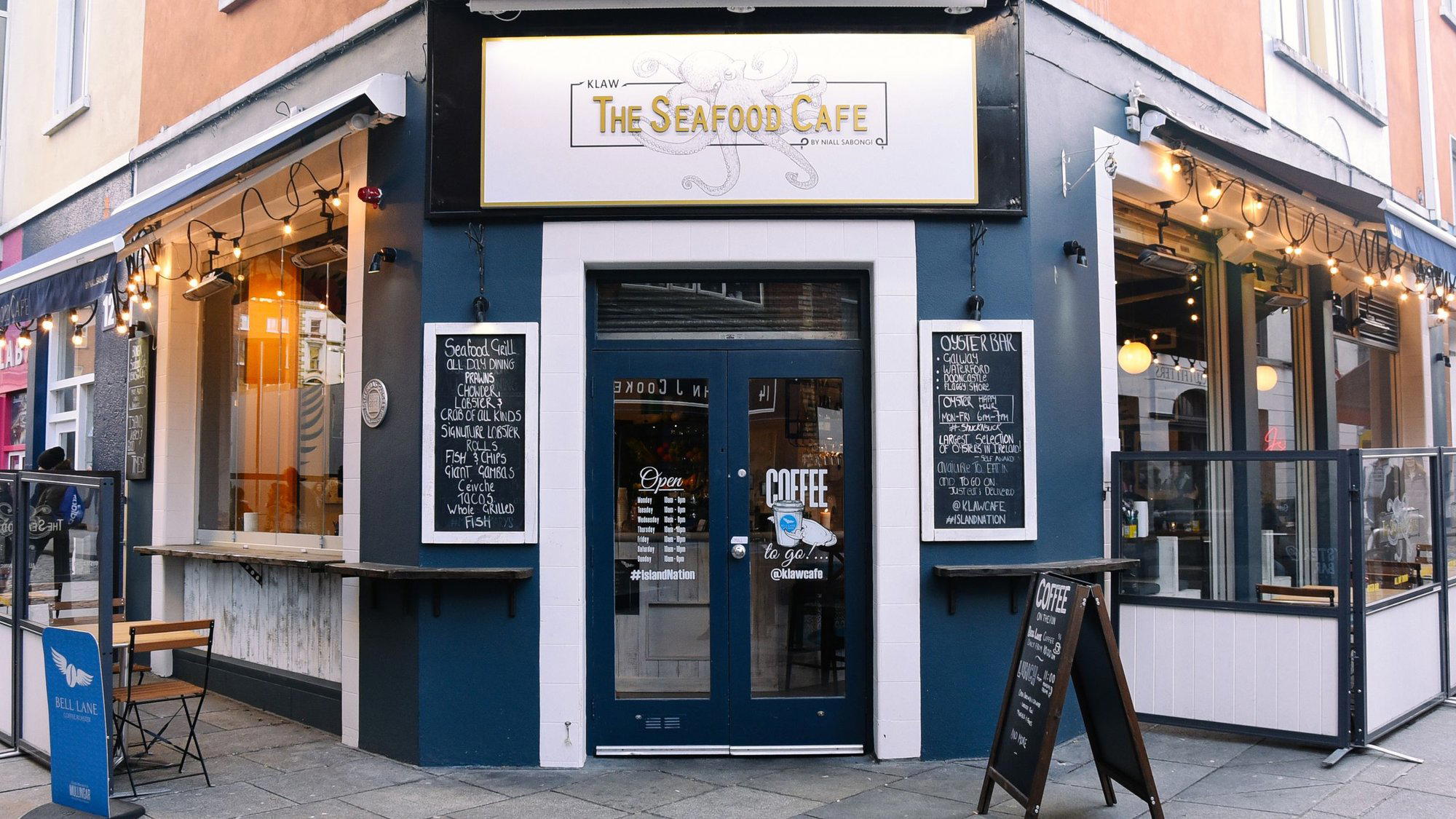
In Temple Bar, The Seafood Café applies fish butchery principles more commonly associated with meat cookery, trimming, shaping, and presenting seafood with the same structural intention a chef might bring to a rib of beef or a rack of lamb. The result is a menu that reframes Irish fish and shellfish as centrepiece rather than supporting act, with a selection of Irish oysters, classic seafood soup, and a seafood Sunday roast format that has drawn sustained critical attention.

Pearl is the En Primeur Club membership app, where members save venues, book tables and use the concierge.
The menu
What to order
- Irish oysters
- Lobster roll
- Dublin Bay prawns
Fish Butchery Comes to Temple Bar
Temple Bar has spent years fighting a reputation as Dublin's tourist corridor, a stretch of cobblestones more associated with hen parties and pints than with serious cooking. That reputation is not entirely unfair, which makes the presence of a seafood cafe dublin visitors and locals both return to for the cooking rather than the postcode something worth paying attention to. The Seafood Café, tucked into Sprangers Yard off Fownes Street Upper, is one of the clearer signs that the neighbourhood can sustain kitchens with a genuine point of view.
The broader context matters here. Irish seafood has long been treated as a secondary consideration in the country's restaurant culture, which has historically centred on beef, lamb, and dairy as its flagship products. Coastal and island traditions of fish preparation exist, but the idea of applying the same butchery logic to a fillet of halibut that a skilled meat cook would apply to a prime cut, shaping it, resting it, presenting it as a structural centrepiece, has been slow to reach the mainstream. What chef Niall Sabongi has built at The Seafood Café represents one of the more deliberate Irish responses to that gap.
The Butchery Argument, Made on the Plate
The critical reception to this approach has focused, rightly, on the halibut preparation. Critics have noted that Sabongi trims and presents the fillet so it resembles a cross between a roast rib of beef and a rack of lamb, a description that sounds theatrical until you understand the underlying logic. Fish butchery, as a discipline, is about removing the elements that compromise texture and presentation while preserving structural integrity during cooking. The result, served here with chicken butter and sautéed spinach, is a piece of fish that carries the visual authority of a meat course. Reviewers have used the phrase "gorgeous, and tastes better than it looks," which is a rare reversal of the usual fine dining equation.
This framing extends across the menu in ways that reward repeat visits. The seafood Sunday roast positions halibut en croute as a direct substitute for beef wellington, lobster and monkfish appear in pie format, and a fish schnitzel is designed for sharing rather than solo consumption. These are dishes built around a structural argument: that fish can anchor a meal the way meat does, and that Irish waters, among the most productive cold-water fisheries in Europe, deserve that level of ambition. For comparison, kitchens like Le Bernardin in New York City have made this case at the highest level for decades; The Seafood Café is making it in a Temple Bar yard, which is a different kind of achievement.
The Classics Hold Their Ground
The menu is not exclusively structured around the butchery concept. The Irish oyster selection draws consistent praise, Ireland's cold Atlantic waters produce shellfish with a salinity and mineral character that puts them among the more sought-after in Europe, and the range here reflects genuine curation rather than token inclusion. The seafood soup with rouille is described by critics as ageless, which in practical terms means it executes a Provençal-influenced format without overreaching or domesticating it. The squid à la plancha completes a classics section that would justify the restaurant's reputation even without the more conceptual dishes.
The coexistence of these two registers, the technically progressive butchery preparations and the unimpeachably classical soup and oyster service, is what gives the menu its coherence. This is not a kitchen trying to abandon tradition in favour of novelty. It is one that has decided both approaches belong on the same menu, which is a more confident editorial position than it might first appear. Other Irish restaurants working at a comparable level of ambition include Liath in Blackrock and Aniar in Galway, both of which have built sustained reputations around Irish produce treated with serious technique. The Seafood Café operates in that same broad category while occupying a more specific niche within it.
Where It Sits in Dublin's Dining Scene
Dublin's restaurant scene has matured considerably over the past decade, with the upper tier now anchored by kitchens like Chapter One by Mickael Viljanen and Patrick Guilbaud at the formal end, and places like Bastible, Glovers Alley, and D'Olier Street occupying a serious mid-tier. The Seafood Café does not compete directly with any of these; its category is more specific. It is the restaurant that has most clearly staked a claim for seafood as a primary rather than supplementary focus in an Irish city that sits on an island surrounded by some of the Atlantic's most productive fishing grounds. The gap between Ireland's fish supply and its fish cookery tradition has been noted by critics for years. The Seafood Café is one of the more direct attempts to close it.
Beyond Dublin, the Irish restaurant scene has produced kitchens worth tracking at the regional level: dede in Baltimore, Terre in Castlemartyr, Bastion in Kinsale, and Campagne in Kilkenny all represent the same broader trend toward technically serious cooking grounded in Irish produce. The Seafood Café is the Dublin outpost of that movement, which makes its Temple Bar address doubly surprising and doubly worth noting. If you are building an itinerary around serious Irish cooking, our full Dublin restaurants guide maps the broader scene; for accommodation context, the Dublin hotels guide and bars guide cover the surrounding logistics.
Planning Your Visit
The Seafood Café is located at Unit 11, Sprangers Yard, Fownes Street Upper, in the heart of Temple Bar. The yard setting provides a degree of separation from the street-level noise of the neighbourhood. Given the critical attention the kitchen has received and the relatively contained size of the space, booking ahead is advisable, particularly for the Sunday roast format, which operates as a specific service rather than a standard à la carte option. For a broader view of what Ireland's food scene is producing right now, the Dublin experiences guide and wineries guide round out the picture.
Frequently asked questions
What should I order at The Seafood Café?
What should I expect atmosphere-wise at The Seafood Café?
Does The Seafood Café work for a family meal?
Quick Comparison
| Venue | Cuisine | Price | Awards | Notes |
|---|---|---|---|---|
| The Seafood CaféThis venue (the venue you are viewing) | Irish Seafood Café | $50–100 | The Sunday Times Ireland’s 100 Best Restaurants | Not listed |
| Patrick Guilbaud | Modern French Fine Dining | $150–200 | 2 Michelin Stars · La Liste Top Restaurants | Irish - French, Modern French |
| Bastible | Modern Irish | $100–150 | 1 Michelin Star · The Sunday Times Ireland’s 100 Best Restaurants | Modern Cuisine |
| Host | Modern Italian | $50–100 | Michelin Plate | Nordic, Modern Cuisine |
| mae | Modern Irish Fine Dining | $50–100 | Michelin Plate · The Sunday Times Ireland’s 100 Best Restaurants | Southern, Modern Cuisine |
| Matsukawa | Authentic Edomae Omakase | $100–150 | Michelin Plate · La Liste Top Restaurants | Kaiseki, Japanese |
Recognition history
Dated appearances from independent guides and award organizations, with the underlying list record or original source where available.
The Sunday Times Ireland’s 100 Best Restaurants
The Sunday Times
Continue exploring
More in Dublin
Restaurants in Dublin
All restaurants in Dublin →
Bars in Dublin
All bars in Dublin →

Details
- Lively
- Cozy
- Trendy
- Date Night
- Casual Hangout
- Open Kitchen
- Craft Cocktails
- Sustainable Seafood
- Local Sourcing
- A La Carte
- Small Plates
- Wine
- Guinness
- Pescatarian Friendly
Current opening hours
- Monday
- 12–9:30 PM
- Tuesday
- 12–9:30 PM
- Wednesday
- 12–9:30 PM
- Thursday
- 12–10 PM
- Friday
- 12–10 PM
- Saturday
- 12–10 PM
- Sunday
- 12–9:30 PM
Hours can change for holidays and private events. Hours as of .
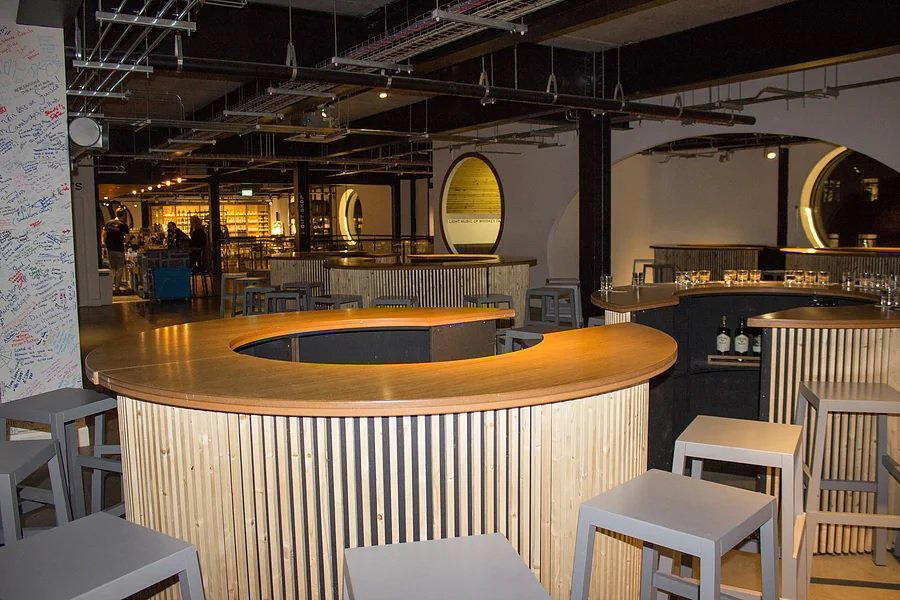
Relaxed and lively with a cool, cozy vibe, great music, and counter seating overlooking the chefs.