The Saap Avenue
On Piedmont Avenue in Oakland, The Saap Avenue occupies a stretch where neighborhood dining runs from casual to considered. The room positions itself within Oakland's growing appetite for Southeast Asian cooking done with intention, where the floor staff, kitchen, and service format work in concert to shape the experience as much as any single dish does.
Pearl is the En Primeur Club membership app — saves, bookings, and concierge access live there. Same editors, same standards.
- Address
- 4395 Piedmont Ave, Oakland, CA 94611
- Phone
- +15103616498
- Website
- thesaapavenue.com
- Directions
- Get directions
 Saves & bookings on Pearl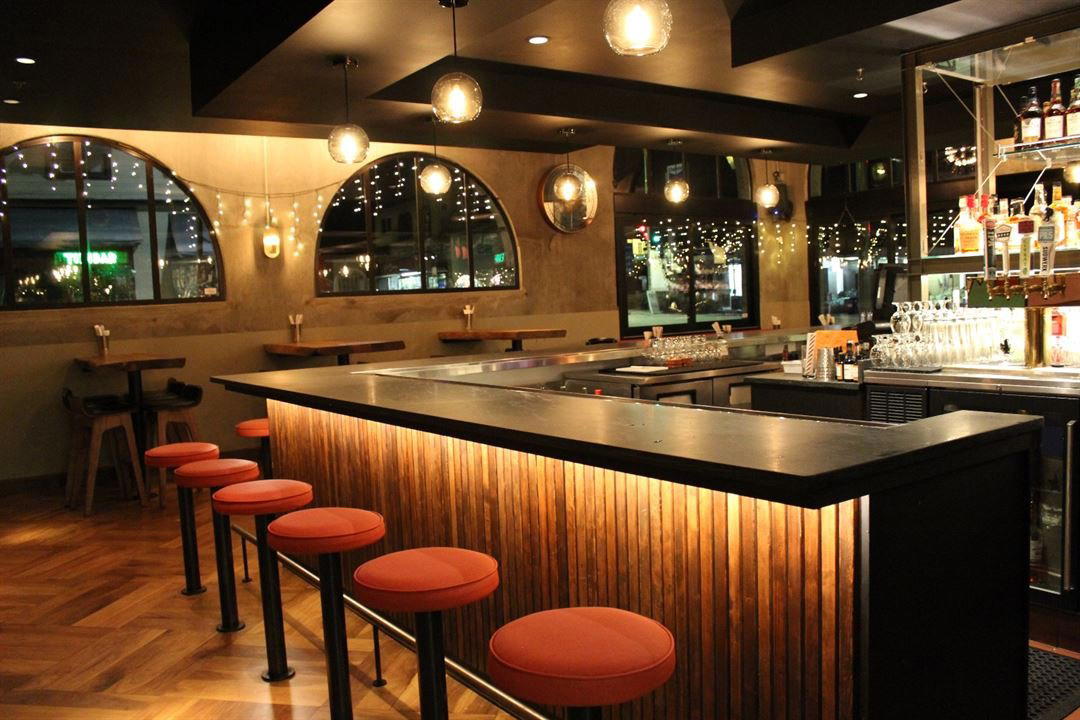
Piedmont Avenue and the Measure of a Neighborhood Restaurant
Piedmont Avenue has long functioned as one of Oakland's more self-contained dining corridors, a stretch where locals return weekly rather than reserving months ahead, where the measure of a restaurant is less about marquee credentials and more about whether the room holds together on a Tuesday. It is in this context that The Saap Avenue at 4395 Piedmont Ave sits: a casual, authentic Laotian restaurant in Oakland, priced around $25 per person, whose interest lies not in the headline, but in the particular way Oakland's dining culture rewards places that operate with coherence across the floor, the kitchen, and the table.
Oakland's restaurant scene as a whole has undergone a recognizable shift over the past decade. The city's dining identity moved from being framed almost entirely in relation to San Francisco, a cheaper, looser alternative, toward something with its own critical mass. That shift created space for a different kind of restaurant: one that doesn't need to position itself against a flagship across the Bay, but earns its reputation block by block. The Saap Avenue belongs to that generation of Oakland establishments. Nearby, venues like Agave Uptown and alaMar Dominican Kitchen represent the same pattern: kitchens with a point of view, rooms that reflect local character rather than imported templates.
When the Room Works as a System
The editorial angle most relevant to understanding a place like The Saap Avenue is not the menu in isolation, but how the different working parts of a restaurant come into alignment. In the strongest neighborhood dining rooms across American cities, what distinguishes a venue over time is rarely a single dish or a single hire. It is the degree to which the kitchen's intentions are legible through the front-of-house, where servers can articulate what is on the plate without reading from a script, where the pacing of courses reflects a conversation between the floor and the pass, and where the drink program (however modest) tracks with the food rather than running parallel to it.
This model of service coherence has become more visible as a differentiator across West Coast independent dining. At the higher end of the spectrum, restaurants like Lazy Bear in San Francisco and Single Thread Farm in Healdsburg have built national reputations partly on the precision of their team integration, where the Michelin recognition reflects not just cooking but a holistic approach to the guest experience. At the neighborhood level, the same principle applies at a different scale. The question for a room like The Saap Avenue is whether the collaboration between kitchen and floor produces an experience that feels considered rather than assembled.
That question matters especially in Oakland's competitive mid-market, where the diner has real alternatives. 3 Bottled Fish and 8th St Cafe 文記茶餐廳 both represent the depth of Oakland's current independent dining offer, covering different cultural registers but sharing a common feature: they reward return visits because the staff know the room and the kitchen knows its own language.
Southeast Asian Cooking in the Bay Area Context
Southeast Asian cuisines occupy an interesting position across Bay Area dining. The region has historically had strong Vietnamese and Filipino communities, with restaurants ranging from family-run counters in the Tenderloin to more format-conscious modern interpretations. What has changed in recent years is the degree to which Southeast Asian cooking is being taken seriously at a mid-to-upper price tier, not Americanized, but also not purely traditional. Restaurants in this space tend to succeed when the kitchen has both technical grounding and a clear sense of which dishes anchor the menu versus which ones are secondary.
For context on what that kind of ambition looks like at the highest level nationally, Atomix in New York City (two Michelin stars, a 50 Best ranking, and a tasting menu format built around Korean culinary tradition reinterpreted with precision) shows how a non-European cuisine can operate at the summit of the American fine dining tier when kitchen, floor, and concept are fully aligned. The gap between that model and a neighborhood spot on Piedmont Avenue is significant in scale, but the underlying principle, that cuisine with a distinct cultural identity requires a team that understands it to communicate it properly, holds across price points.
Closer to Oakland's own dining ecosystem, venues like Agave Uptown demonstrate how a specific culinary tradition can anchor a restaurant's identity in a way that resonates with a local audience without requiring fine dining overhead. The restaurant operates in a similar register: a kitchen with a cultural point of view, a neighborhood address, and the day-to-day test of whether the team delivers that point of view consistently.
The Coffee Culture Parallel
Oakland's broader hospitality character, the sense that independent operators have stayed independent longer than in many comparable cities, extends into its café and drinks culture. Alem's Coffee is one example of how the city's neighborhood service culture operates: specific in its sourcing, rooted in a cultural identity, and sustained by a regular clientele rather than tourist volume. The same model applies in dining. A restaurant on Piedmont Avenue is not building for Yelp spikes; it is building for the Thursday night regular who knows what to order without looking at the menu. That dynamic shapes how kitchens develop their menus over time and how front-of-house teams build their knowledge base.
Cuisine and Credentials
Comparable venues nearby, for context on price, style, and recognition.
| Venue | Cuisine | Price | Notes |
|---|---|---|---|
| The Saap AvenueThis venue — the venue you are viewing | Authentic Laotian | $$ | Not listed |
| Burma Superstar | Burmese | $$ | Temescal |
| Studio Estepan | Artisanal Bakery | $$ | West Oakland |
| Grocery Cafe | Home-style Burmese | $$ | Eastlake |
| Chilli Padi Malaysian Cuisine | Authentic Malaysian | $$ | Chinatown |
| On Luck Food To Go | Filipino Takeout | $$ | Fruitvale |
Continue exploring
More in Oakland
Restaurants in Oakland
Browse all →
Bars in Oakland
Browse all →
Hotels in Oakland
Browse all →


At a Glance
- Cozy
- Trendy
- Lively
- Casual Hangout
- Date Night
- Group Dining
- Open Kitchen
- Craft Cocktails
Current opening hours
- Monday
- 4–9:30 PM
- Tuesday
- 4–9:30 PM
- Wednesday
- 4–9:30 PM
- Thursday
- 4–9:30 PM
- Friday
- 4–10 PM
- Saturday
- 4–10 PM
- Sunday
- 4–9:30 PM
Hours can change for holidays and private events. Last verified .
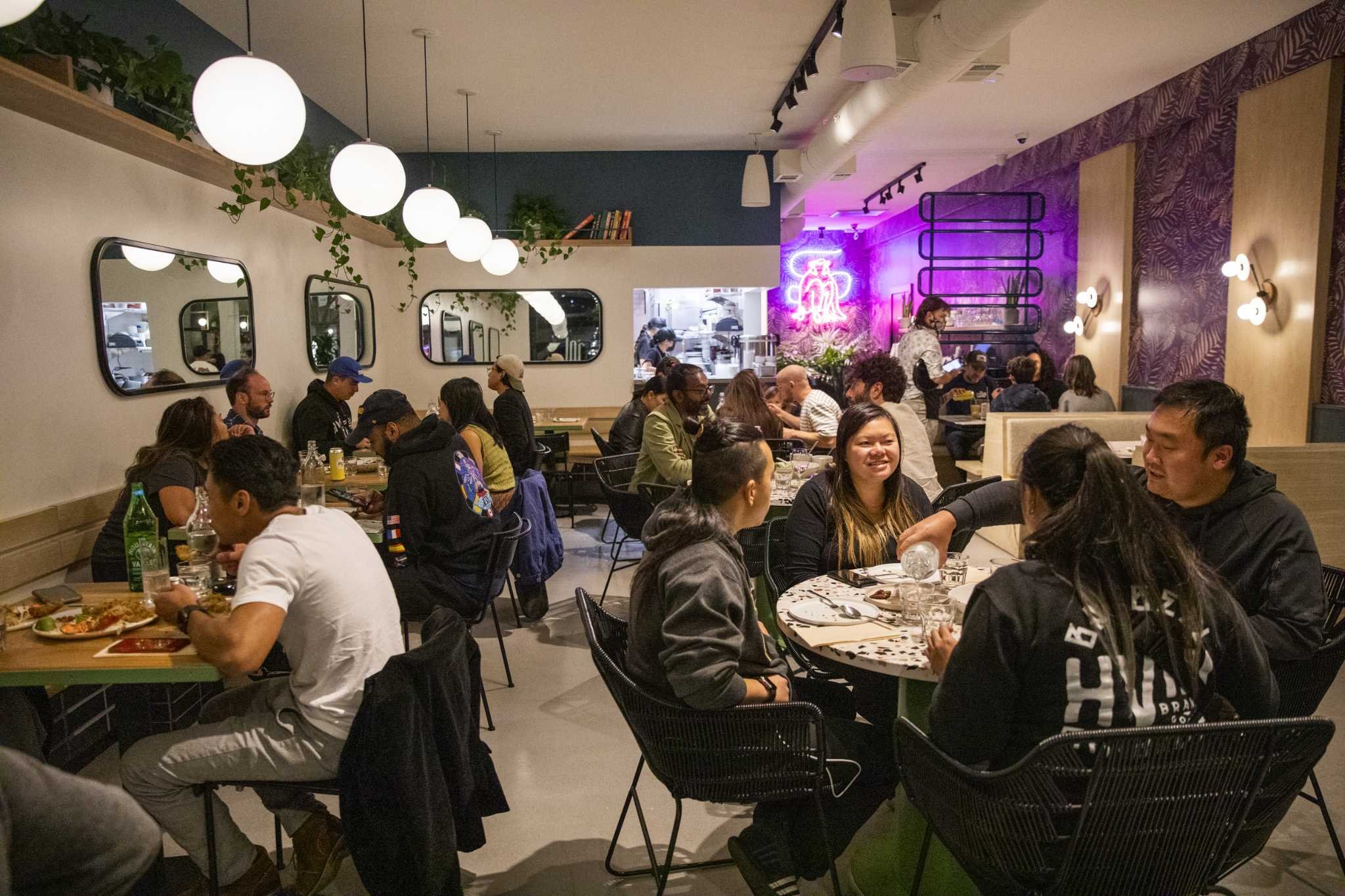
Humble and hip atmosphere with a cozy dine-in vibe and lively bar energy.