The Remedy
On Cleveland Street in Fitzrovia, The Remedy occupies a corner of London's dining scene where imported culinary technique meets British-sourced produce. The address places it within reach of the capital's broader fine-dining corridor, making it a reference point for those tracking how global methods are reshaping locally grounded cooking in W1.
Pearl is the En Primeur Club membership app — saves, bookings, and concierge access live there. Same editors, same standards.
- Address
- 124 Cleveland St, London W1T 6PG, United Kingdom
- Phone
- +442034893800
- Website
- theremedylondon.com
- Directions
- Get directions
 Saves & bookings on Pearl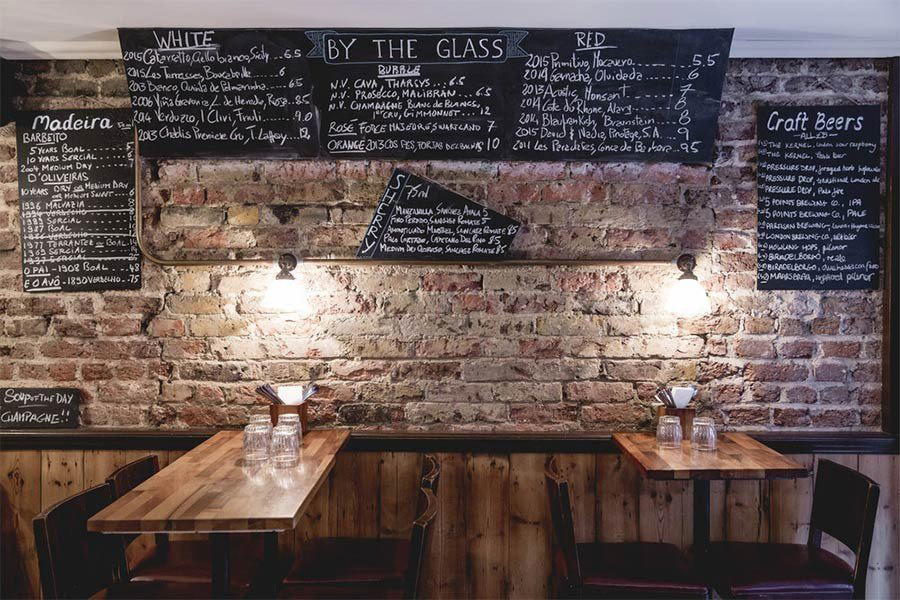
Fitzrovia and the Technique-Import Question
Cleveland Street sits at the quieter northern edge of Fitzrovia, a neighbourhood that has spent the last decade accumulating serious restaurants without becoming as loudly branded as Mayfair or Soho. The W1T postcode is now part of a recognisable dining band that runs from Charlotte Street northward, where smaller, less theatrical rooms tend to attract kitchens with something more specific to say. enprimeurclub.com/restaurants/core-by-clare-smyth-london-restaurant">CORE by Clare Smyth, Restaurant Gordon Ramsay, and Sketch, The Lecture Room and Library, but close enough in geography to share the same pool of informed diners.
The broader editorial question this neighbourhood keeps raising is one that defines a significant strand of contemporary British cooking: when technique is imported from France, Japan, or Scandinavia and applied to ingredients grown or raised in Britain, what actually emerges? Is it a coherent cuisine or a borrowing exercise? The Ledbury and Dinner by Heston Blumenthal have each answered that question differently, one through precision European modernism applied to British produce, the other through historical British recipes refracted through scientific method. The Remedy occupies a different position in that conversation, shaped by its Fitzrovia context rather than the grander hotel or destination-dining frameworks those venues work within.
The Technique-Ingredient Intersection at Work
The argument for London as a laboratory for global-technique, local-ingredient cooking rests on the city's access to both sides of the equation. British farming has undergone a credible rehabilitation over the past two decades: heritage breed meat, chalk-stream trout, coastal bivalves, and market garden produce from Kent and Suffolk now appear on menus that would once have sourced everything from France. Meanwhile, the training pipelines that move cooks through Michelin kitchens in Paris, Copenhagen, and Tokyo before returning them to British restaurants have created a generation fluent in multiple technical languages.
This pattern is visible across the country. L'Enclume in Cartmel pioneered hyper-local sourcing combined with modernist plating at a level that shifted expectations nationally. Moor Hall in Aughton applies classical French discipline to Lancashire produce. Hide and Fox in Saltwood brings Japanese-trained sensibility to Kent coastal ingredients. In London specifically, the density of trained cooks operating in smaller, less capital-intensive rooms than the flagship addresses has created space for this kind of cooking to develop without the overhead pressure that forces menu conservatism in larger operations.
At the international level, the same conversation plays out between venues separated by oceans. Le Bernardin in New York City built its identity on French classical rigour applied to American-sourced seafood. Atomix in New York City runs Korean technique and cultural reference through a tasting-menu format that has become its own argument about where tradition ends and synthesis begins. The Remedy, operating from a more modest Fitzrovia address, participates in this same broader conversation at a different scale.
Fitzrovia in the Wider British Dining Picture
Understanding where The Remedy sits requires placing it against the British fine-dining circuit as a whole, not just central London. The country's most-discussed rooms are now distributed well outside the capital: Waterside Inn in Bray has held three Michelin stars for decades, representing the French classical anchor of the British scene. Le Manoir aux Quat'Saisons in Oxford operates as both hotel and gastronomic destination. Gidleigh Park in Chagford and Hand and Flowers in Marlow demonstrate that serious cooking does not require a London postcode to attract national attention.
Within London itself, the geographic spread has widened. Midsummer House in Cambridge sits close enough to draw London diners for a day trip, while Opheem in Birmingham has repositioned the Midlands as a credible fine-dining destination. Scotland contributes Restaurant Andrew Fairlie in Auchterarder, the only two-Michelin-star room in Scotland, which runs French classical training through Scottish produce with results that have earned sustained recognition. Against this national context, a Fitzrovia address like The Remedy competes less on destination pull and more on the quality and specificity of what it delivers per cover.
Seasonal Timing and When to Go
London's restaurant calendar has distinct rhythms that affect rooms at every price point. The autumn and winter months, roughly October through February, tend to produce focused cooking in kitchens built around local sourcing, because British produce is at its most characterful: game from the highlands, root vegetables from established farms, shellfish from colder coastal waters. Spring brings asparagus, sea trout, and lamb, and most serious kitchens adjust their menus to reflect those arrivals. The summer months introduce soft fruits, courgette flowers, and heritage tomatoes but can also bring the distraction of tourism volume that shifts a kitchen's attention.
For a Fitzrovia room operating within a technique-led, local-ingredient framework, the colder months are generally when the tension between imported method and British raw material is most productively expressed. The produce demands more from the kitchen; there is less to hide behind when the ingredient is a heritage carrot or a piece of aged beef rather than a July strawberry that sells itself. Visitors planning a first visit to the restaurant, or to this tier of London dining generally, would do well to time it accordingly.
Know Before You Go
- Address: 124 Cleveland St, London W1T 6PG, United Kingdom
- Neighbourhood: Fitzrovia, north of Oxford Street
- Nearest Tube: Warren Street (Northern and Victoria lines) or Goodge Street (Northern line)
- Booking: Recommended
- Price range: About $50 per person
- Hours: Mon: 4 PM to 10 PM; Tue to Sat: 4 PM to 12 AM; Sun: Closed
- Dress code: Smart casual
Comparable Venues
Comparable venues nearby, for context on price, style, and recognition.
| Venue | Cuisine | Price | Notes |
|---|---|---|---|
| The RemedyThis venue — the venue you are viewing | Italian-Inspired Small Plates | $$$ | Not listed |
| Il Baretto | Authentic Italian with Robata Grill | $$$ | Marylebone |
| Agrodolce London | Roman Italian Trattoria | $$$ | Fitzrovia |
| Il Pampero | Authentic Italian Trattoria | $$$ | Belgravia |
| 64 Old Compton St | Authentic Italian Pasta | $$ | Soho |
| C London | Classic Italian Trattoria | $$$$ | Mayfair |
Continue exploring
More in London
Restaurants in London
Browse all →
Bars in London
Browse all →
Hotels in London
Browse all →


At a Glance
- Cozy
- Intimate
- Trendy
- Date Night
- Casual Hangout
- After Work
- Wine Cellar
- Natural Wine
Current opening hours
- Monday
- 4–10 PM
- Tuesday
- 4 PM–12 AM
- Wednesday
- 4 PM–12 AM
- Thursday
- 4 PM–12 AM
- Friday
- 4 PM–12 AM
- Saturday
- 4 PM–12 AM
- Sunday
- Closed
Hours can change for holidays and private events. Last verified .
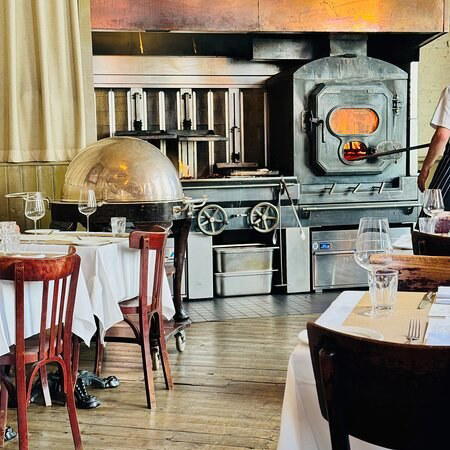
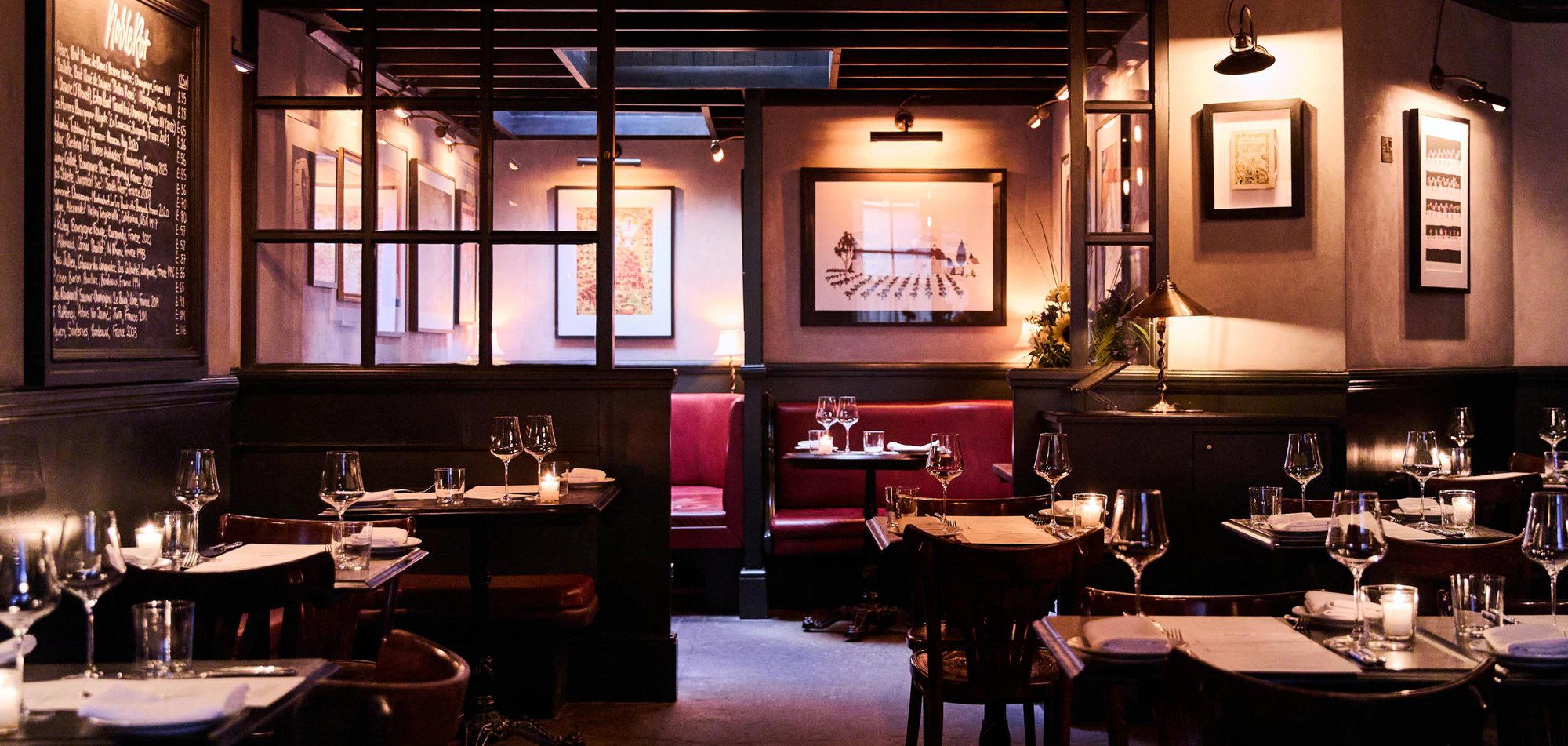
Cozy and relaxed with warm lighting, exposed brick walls, and an inviting wine bar atmosphere.