The Prairie Whale
A Main Street fixture in Great Barrington, The Prairie Whale sits where Berkshire farm culture meets the American tavern tradition. The kitchen draws on regional sourcing and a New England sensibility that reflects the town's position as a year-round destination for food-focused visitors from New York and Boston. It occupies a specific niche in the Berkshires dining scene: serious enough for a special occasion, grounded enough for a Tuesday.
Pearl is the En Primeur Club membership app — saves, bookings, and concierge access live there. Same editors, same standards.
- Address
- 178 Main St, Great Barrington, MA 01230
- Phone
- +1 413 528 5050
- Website
- prairiewhale.com
 Saves & bookings on Pearl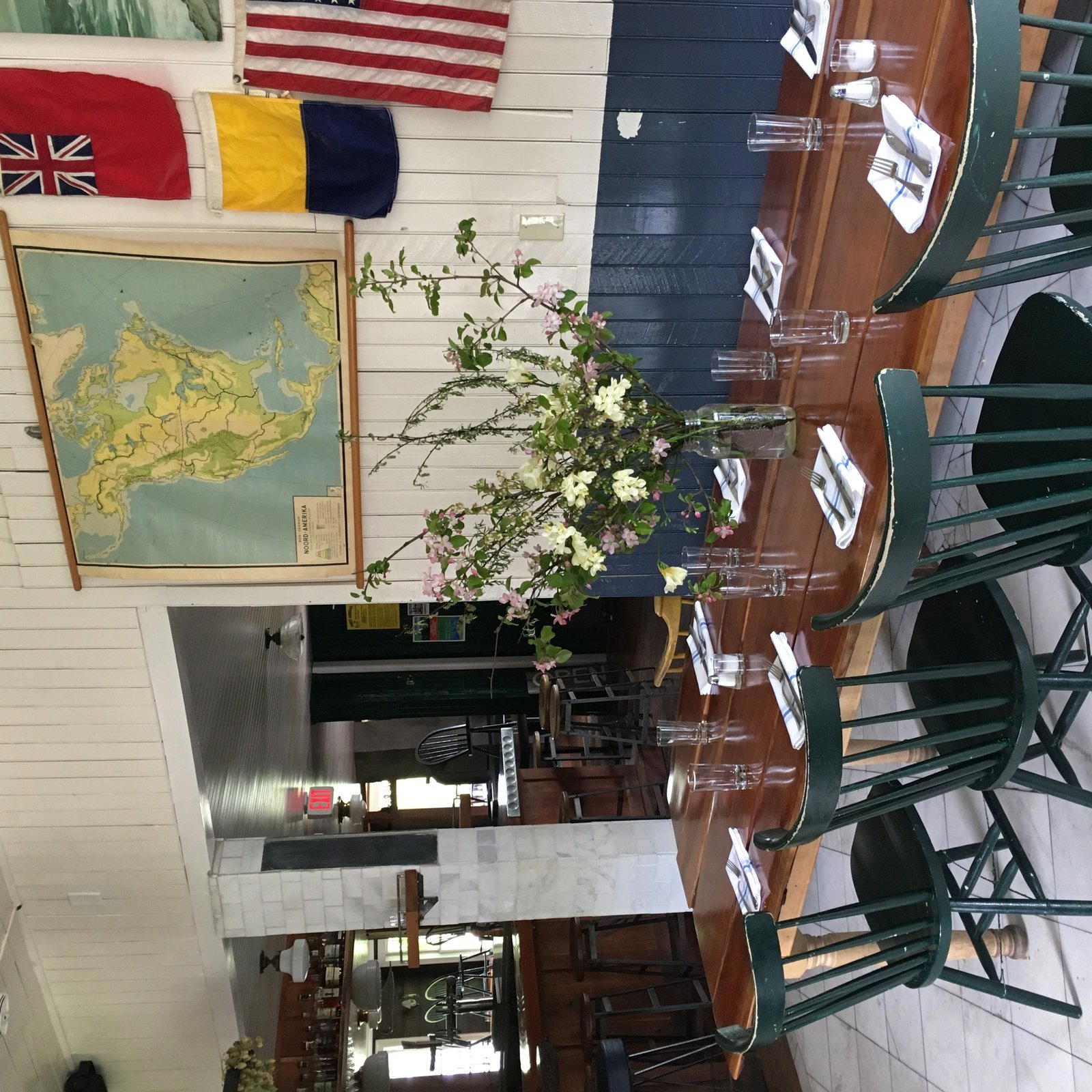
Where the Berkshires Meets the American Table
The Prairie Whale is a restaurant in Great Barrington, Massachusetts, serving modern American farm-to-table cooking with a smart casual dress code and recommended reservations. The town sits at the southern tip of the Berkshires, close enough to New York City to draw weekend visitors with serious dining expectations, yet rooted firmly in the rhythms of western Massachusetts farm life. That tension, between urban appetite and agrarian supply, defines what the leading kitchens here are trying to do. The Prairie Whale, at 178 Main St, lands squarely inside that conversation.
The American tavern tradition has a longer and more complicated history than its current revival suggests. At its leading, it was never about comfort food nostalgia. It was about the relationship between a place's agricultural output and what appeared on the plate that week, driven by proximity rather than concept. The farm-to-table framing that became marketing shorthand in the 2000s has, in the intervening years, separated into two distinct tiers: kitchens that use regional sourcing as a talking point, and kitchens that let it actually determine the menu. Great Barrington, with its density of small farms, CSA operations, and artisan producers across Berkshire and Litchfield counties, gives a motivated kitchen real material to work with. The Prairie Whale operates in a town where that material is genuinely available, which puts it in a different position than urban restaurants making the same claim from a greater logistical distance.
The Berkshires Dining Scene and Where This Kitchen Fits
To understand The Prairie Whale's position, it helps to map the broader Berkshires dining context. Great Barrington has grown into the county's most food-dense corridor, a concentration that reflects both the town's year-round population and its draw as a cultural hub, home to Mahaiwe Performing Arts Center and a steady stream of visitors from May through October, with a secondary peak around ski season. The dining options here range from quick counter service to more considered sit-down rooms, and the restaurant occupies a middle register that the Berkshires does particularly well: convivial, seasonally attentive, and not requiring a special occasion to justify the trip.
Regionally sourced American cooking of this kind has found fertile ground in towns like Great Barrington partly because the alternative, driving an hour-plus to a major city for a comparable meal, has become less appealing to a generation of visitors who moved partly to escape that calculus. Kitchens at Blue Hill at Stone Barns in Tarrytown or Single Thread Farm in Healdsburg have set a high bar for what farm-driven fine dining can achieve at the prix-fixe level. The restaurant operates at a different register of formality and price, closer in spirit to the neighborhood anchor than the destination-dining pilgrimage, but it participates in the same conversation about place-based cooking.
Across the United States, a number of kitchens have made regional identity the organizing principle of serious cooking. Lazy Bear in San Francisco does it through a communal, multi-course format. Smyth in Chicago anchors its tasting menu explicitly to Midwest terroir. The Wolf's Tailor in Denver and Frasca Food and Wine in Boulder each demonstrate how a single region can support serious, committed kitchens without defaulting to coastal reference points. The restaurant sits in this broader movement, though at a more accessible and informal end of the spectrum, making the argument that a Main Street tavern in a small Massachusetts town can take its ingredients as seriously as any destination restaurant.
For other approaches to American dining with strong regional grounding, Oyster Oyster in Washington, D.C. and Emeril's in New Orleans each illustrate how different geographies shape kitchen philosophy. At the highest formal tier, The French Laundry in Napa, Le Bernardin in New York City, Addison in San Diego, Providence in Los Angeles, and The Inn at Little Washington represent a different category entirely, where the commitment to place takes on a more architectural formality. The restaurant makes no claim to that tier, and doesn't need to. Its argument is about what a well-run neighborhood restaurant can accomplish when it takes its geography seriously.
The Atmosphere and What to Expect
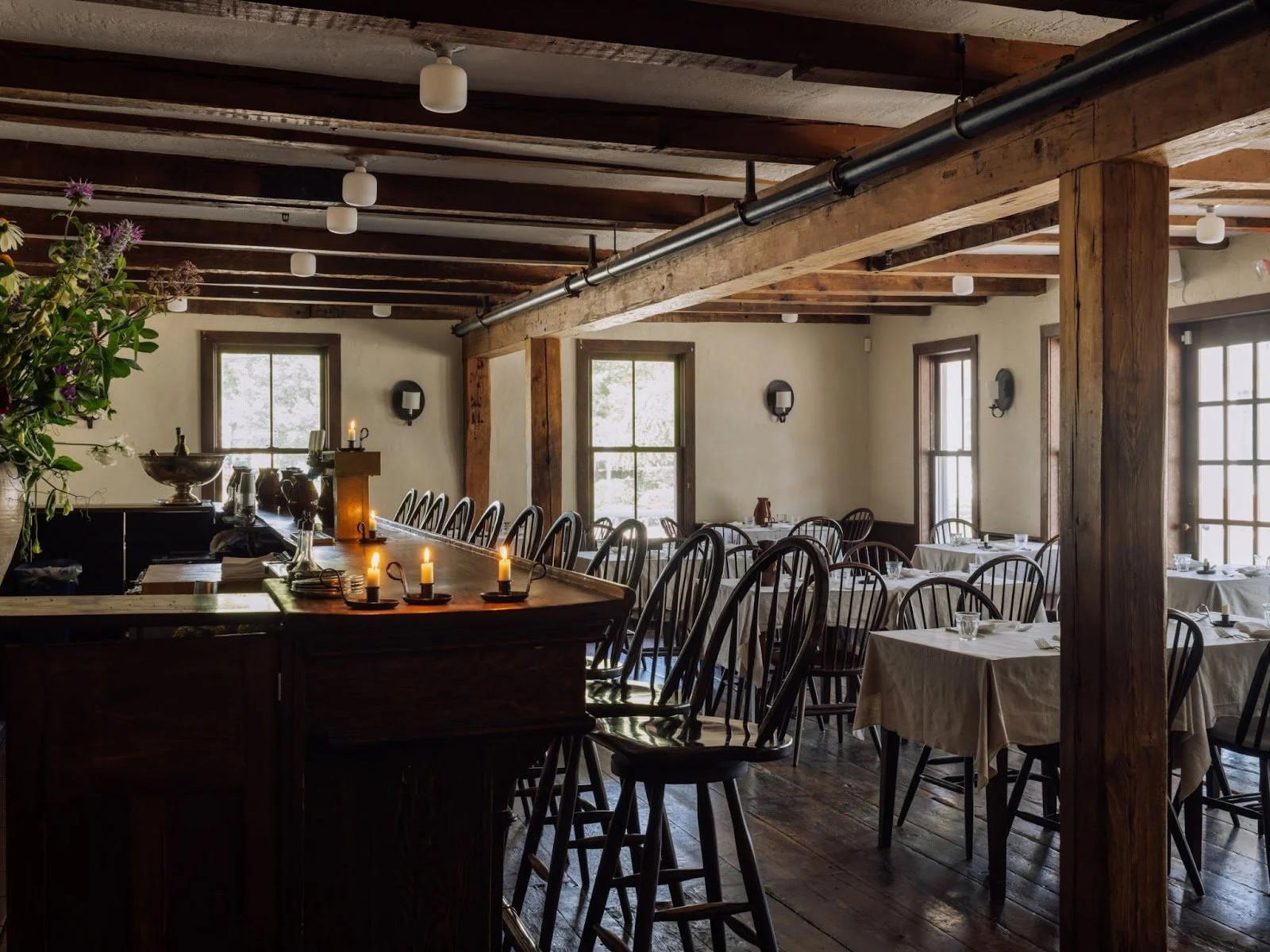
The building on Main Street situates the restaurant in Great Barrington's commercial core, within walking distance of most of the town's independent retail and cultural venues. The room reads as a New England tavern updated with contemporary sensibility rather than wholesale reimagined, the kind of space where the physical environment reinforces the food's point of view rather than competing with it. For the broader context of what's happening on this stretch of Main Street, the nearby STEAM noodle cafe gives a sense of how diverse the immediate dining corridor has become.
The Berkshires dining scene rewards visitors who arrive without rigid expectations about formality. This is not a room where dress codes govern entry or where the occasion needs to be declared in advance. It functions as a serious kitchen operating inside a genuinely casual social format, which is a harder thing to pull off than it appears. Restaurants at the more rarefied end of American contemporary dining, places like Atomix in New York City or ITAMAE in Miami, solve the formality question by leaning into structure. A tavern-format kitchen solves it by refusing to let the room become the point.
Seasonality drives the menu calendar in ways that matter here more than in urban contexts. The Berkshires has a genuine four-season rhythm, and kitchens rooted in local supply feel that rhythm through their sourcing as much as through the calendar. Summer brings the full range of New England farm output. Autumn leans into root vegetables, game, and preserves. Winter pares things back. Spring signals a reset. The experience of eating at the restaurant in July is meaningfully different from February, which is precisely the point.
Planning Your Visit
Great Barrington is reachable by car from New York City in approximately two to two and a half hours via the Taconic State Parkway or Route 22, making it a logical choice for a weekend with cultural programming at Tanglewood or the Clark Art Institute alongside dinner. From Boston, the drive runs roughly two hours through the Pioneer Valley. For European parallels in destination dining rooted in mountain and farm landscapes, Atelier Moessmer Norbert Niederkofler in Brunico represents the upper register of what that approach can achieve.
Price and Recognition
Comparable venues nearby, for context on price, style, and recognition.
| Venue | Cuisine | Price | Notes |
|---|---|---|---|
| The Prairie WhaleThis venue — the venue you are viewing | Not listed | $$$ | Not listed |
| STEAM noodle cafe | Not listed | $$ | Barrington Place, Pan-Asian Fusion Noodles |
| Ten Tables | Jamaica Plain, Seasonal American Bistro | $$$ | Not listed |
| Brassica Kitchen | Not listed | $$$ | Jamaica Plain, New American Fermentation-Forward |
| Eastern Standard | Kenmore, New England Brasserie | $$$ | Not listed |
Continue exploring
More in Great Barrington
Restaurants in Great Barrington
Browse all →
Bars in Great Barrington
Browse all →
Hotels in Great Barrington
Browse all →
Wineries in Great Barrington
Browse all →
At a Glance
- Cozy
- Rustic
- Intimate
- Date Night
- Special Occasion
- Group Dining
- Open Kitchen
- Extensive Wine List
- Farm To Table
- Local Sourcing
Current opening hours
- Monday
- 5–9:30 PM
- Tuesday
- Closed
- Wednesday
- Closed
- Thursday
- 5–9:30 PM
- Friday
- 5–10 PM
- Saturday
- 5–10 PM
- Sunday
- 5–9:30 PM
Hours can change for holidays and private events. Last verified .
Cozy interior with reclaimed wood paneling and zinc bar, offering warm and welcoming atmosphere.