The Prado at Balboa Park
Our verdict
Set inside Balboa Park's Spanish Colonial Revival buildings, The Prado at Balboa Park occupies one of San Diego's most architecturally distinctive dining rooms. The restaurant draws visitors and locals alike who pair a meal with the park's museums and gardens. Its location at 1549 El Prado places it at the cultural center of a park that draws millions of visitors annually.

Pearl is the En Primeur Club membership app, where members save venues, book tables and use the concierge.

The menu
What to order
- Prado Paella
- Spicy Calamari Fries
- Seared Prime Beef Sushi Roll
Dining Inside San Diego's Cultural Core
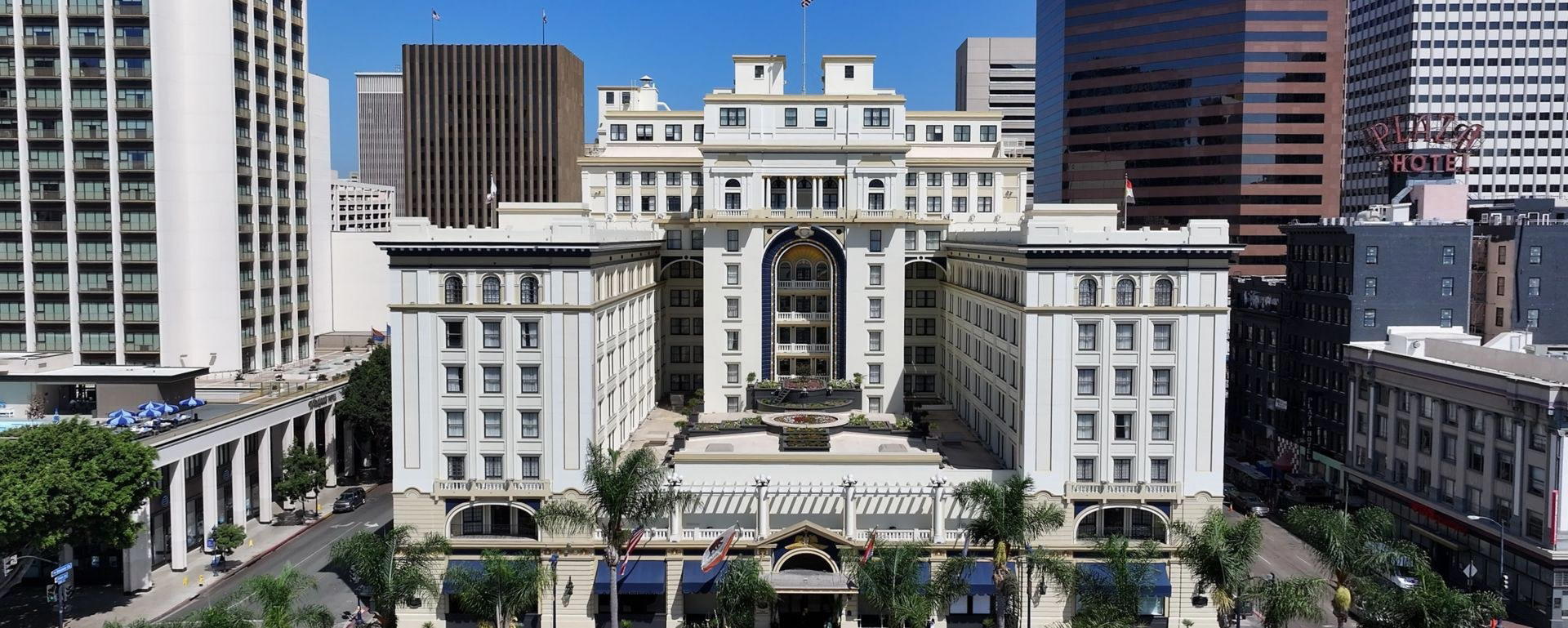
Balboa Park is not incidental backdrop for the restaurants that operate within it. It is the reason they exist. The 1,200-acre park, established in 1868 and developed for the 1915 Panama-California Exposition, contains a cluster of Spanish Colonial Revival buildings whose tiled roofs, arcaded walkways, and ornamental facades form one of the most coherent architectural ensembles in the American West. The Prado at Balboa Park sits at 1549 El Prado, directly inside that envelope, which shapes every aspect of what dining here means before a plate arrives. In a city with strong contenders across multiple price tiers, from the contemporary French precision of Addison to the counter-format Japanese cooking at Soichi, The Prado occupies a different register entirely: it is a park-anchored dining room where setting and cultural context carry as much weight as what arrives from the kitchen.
That positioning is relatively rare among American park restaurants. Comparable experiences tend toward the institutional: cafeteria formats, limited menus, or venues that operate as afterthoughts to the surrounding attractions. The Prado has historically operated at a step above that bracket, offering table service within an architectural shell that would draw attention even if the food were unremarkable. The challenge for any park restaurant in this mold is sustaining kitchen ambition against the gravitational pull of captive-audience complacency, a tension visible at similar venue types across the country.
The Architecture Does Significant Work
Spanish Colonial Revival as a style reached its American apex in San Diego precisely because of the 1915 Exposition, which used Balboa Park as its canvas. The buildings that house The Prado and its neighbors along El Prado were designed to create a sense of civic grandeur through ornamental plasterwork, colonnaded courtyards, and ceramic tile detailing. Dining rooms inside these structures inherit that vocabulary whether the kitchen earns it or not. The result is that The Prado operates as a kind of layered proposition: the room makes a statement that few urban restaurants in San Diego can replicate through interior design alone, and the question for a visitor is whether the table experience extends or merely coexists with that environment.
The nearby 1450 El Prado operates in closely adjacent territory, both literally and conceptually. Both venues share the park's foot traffic and the logistical profile of a destination that visitors often reach through the park's internal pathways rather than conventional street access. This proximity makes the competitive dynamic between park-area venues more immediate than it would be in a standard neighbourhood restaurant cluster. For visitors already committing to an afternoon in Balboa Park, the choice of where to eat within or adjacent to the park is genuinely consequential, and understanding the differences between these options matters.
Booking and Planning at a Park-Adjacent Venue
The editorial angle most useful for anyone considering The Prado is logistical, because park-anchored restaurants operate on rhythms that differ from conventional urban dining rooms. Balboa Park draws approximately 5 million visitors annually, concentrating demand on weekends, holiday periods, and days when the park's 17 museums run simultaneous programming. That demand pattern means that weekend bookings at The Prado, particularly for lunch, which aligns naturally with museum visits, carry different lead-time requirements than a comparable Saturday reservation at a standalone restaurant in the Gaslamp Quarter or Little Italy.
Anyone planning to combine The Prado with a specific Balboa Park museum visit, a common use case, should treat the reservation as a logistics anchor rather than an afterthought. Booking the table first and scheduling museum time around it tends to produce a more coherent afternoon than building the meal plan in reverse. This approach applies broadly to park-destination dining at venues like Blue Hill at Stone Barns in Tarrytown, where the surrounding estate drives visitor behavior and table access requires planning well in advance. The Prado operates on a less extreme version of that same principle.
For visitors arriving from outside San Diego, Balboa Park sits northeast of downtown, accessible by car with parking available within the park, and by public transit via multiple bus routes connecting to the broader regional network. The park's walkable interior means that once you arrive, The Prado is reachable on foot from most of the major museum buildings without needing to move the car. That logistical convenience is not trivial for a multi-stop afternoon in the park.
Where The Prado Sits in San Diego Dining
San Diego's restaurant scene has diversified considerably over the past decade. The city now sustains venues across a range of seriousness and price points that would have been difficult to assemble fifteen years ago. At the upper end, Addison holds Michelin recognition and prices against peer fine-dining rooms nationally. The Japanese counter format, exemplified locally by Soichi, commands premium pricing commensurate with its omakase structure. Broader options including 777 G St and 94th Aero Squadron fill the mid-tier with distinct settings and concepts.
The Prado operates in a different bracket from the high-end omakase or Michelin-adjacent rooms. Its appeal is setting-driven rather than kitchen-credential-driven, which positions it alongside destination restaurants where location and architecture are primary draws. That is not a criticism: the category has its own logic, and at the right moment, a lunch table inside a Spanish Colonial Revival courtyard in a park of this scale delivers something that no amount of kitchen ambition in a conventional dining room can replicate. Comparable setting-forward restaurants nationally, including Emeril's in New Orleans and The Inn at Little Washington, demonstrate that context and environment can be legitimate primary drivers of a dining decision without the venue needing to compete on purely culinary grounds.
For those building a broader California itinerary, San Diego slots naturally between Los Angeles and coastal destinations to the south. Providence in Los Angeles, The French Laundry in Napa, and Single Thread Farm in Healdsburg represent the upper tier of California dining for visitors building a longer trip. The Prado sits at a different register but fills a specific gap: the meal that belongs to a day in the park rather than a dedicated dining pilgrimage. Our full San Diego restaurants guide maps the broader options across neighborhoods and price points.
Planning Your Visit
The Prado is located at 1549 El Prado, Suite 12, within Balboa Park. Given the park's visitor volume, particularly on weekends when museum programming concentrates foot traffic, advance reservations are the practical approach for anyone with a fixed schedule. Lunch service aligns with peak park hours and tends to be more heavily demanded than evening seatings. The park environment and its internal walkability make The Prado a workable anchor for a longer afternoon that includes museum visits, with the meal serving as a midpoint rather than a separate logistical event.
Frequently asked questions
What's the leading thing to order at The Prado at Balboa Park?
Should I book The Prado at Balboa Park in advance?
What do critics highlight about The Prado at Balboa Park?
Is The Prado at Balboa Park a good option for large groups or events?
How The Prado at Balboa Park compares with similar nearby venues.
| Venue | Cuisine | Price | Awards |
|---|---|---|---|
| The Prado at Balboa ParkThis venue (the venue you are viewing) | Spanish-Influenced California | $50–100 | Not listed |
| Artifact at Mingei | Global Folk Art-Inspired Fusion | $30–50 | Michelin Plate |
| 1450 El Prado | American Gastropub | $20–30 | Not listed |
| Albert's Restaurant | International American Zoo Dining | Not listed | Not listed |
| IMPERIAL STEAKHOUSE | Classic Prime Steakhouse | $50–100 | Not listed |
| Cucina Urbana | California-Italian | $30–50 | Michelin Bib Gourmand |
Continue exploring
More in San Diego
Restaurants in San Diego
All restaurants in San Diego →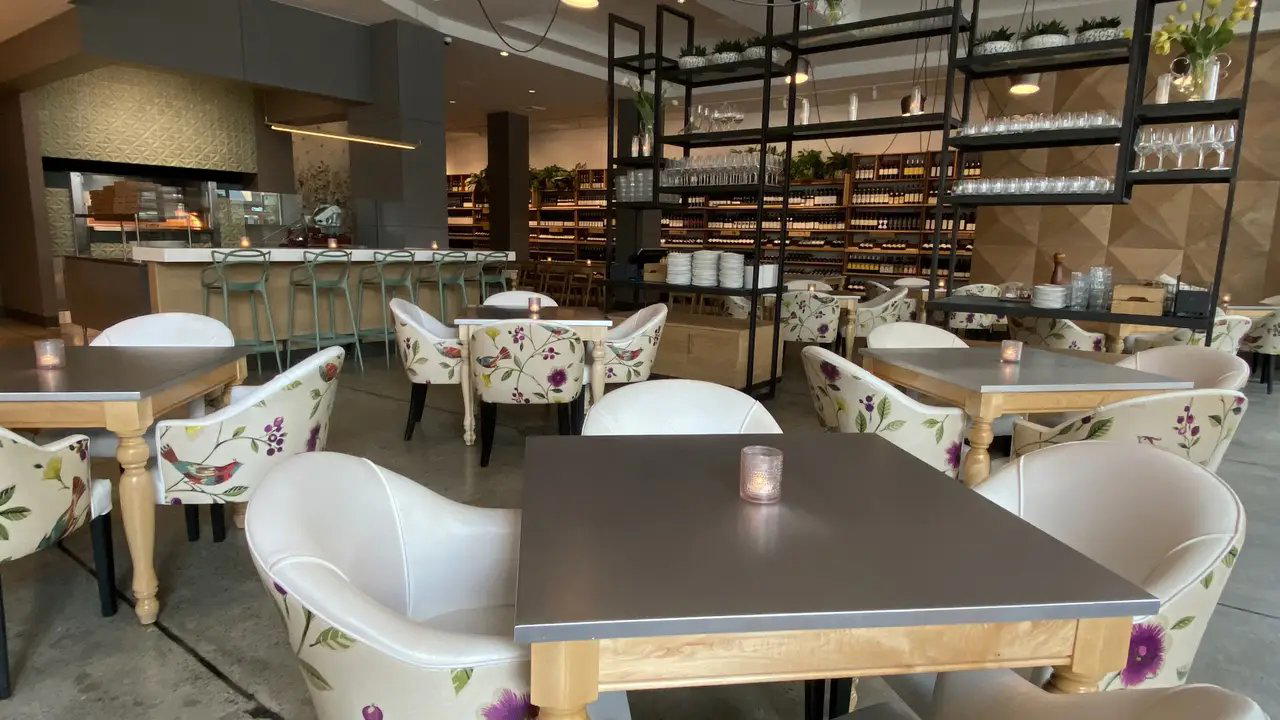
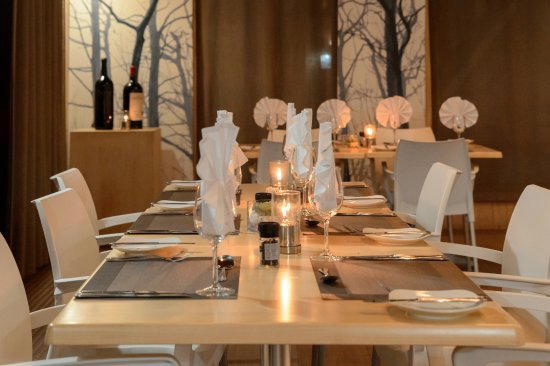
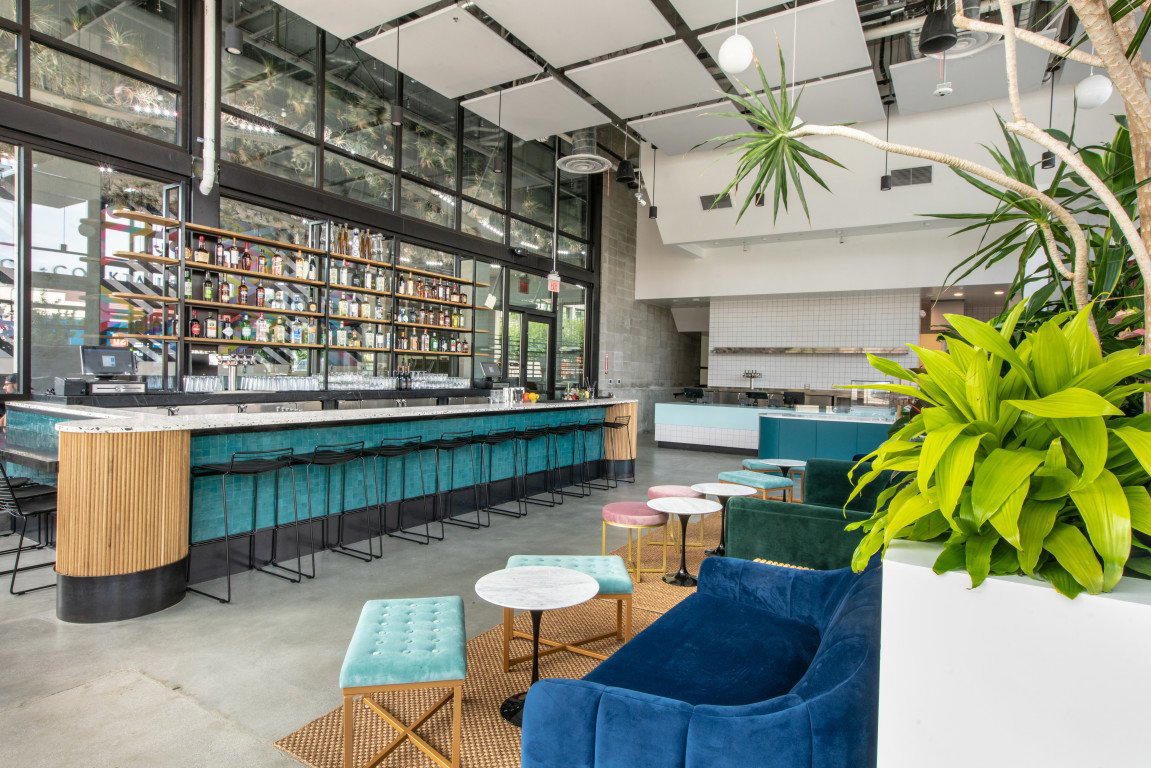
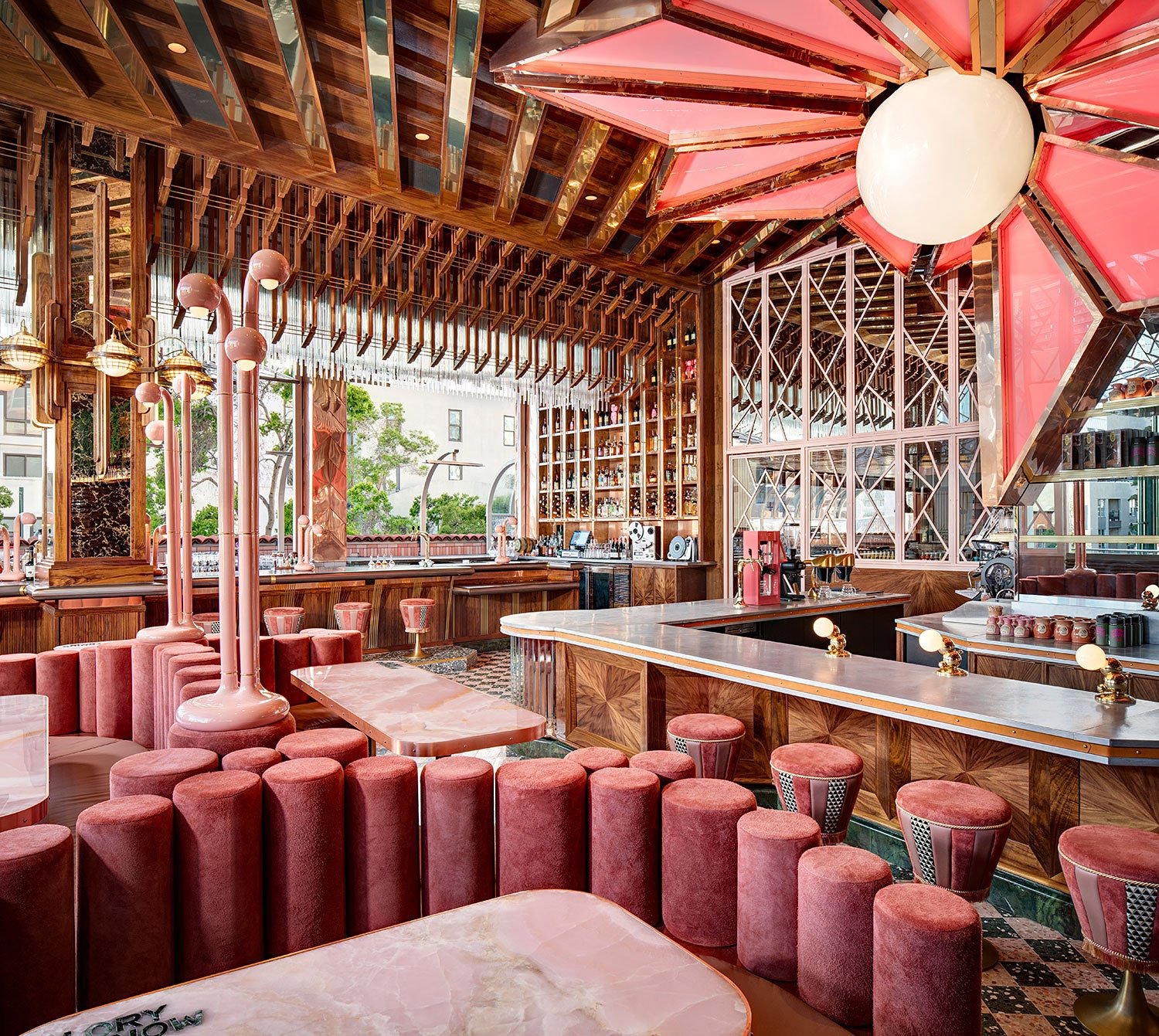
Bars in San Diego
All bars in San Diego →
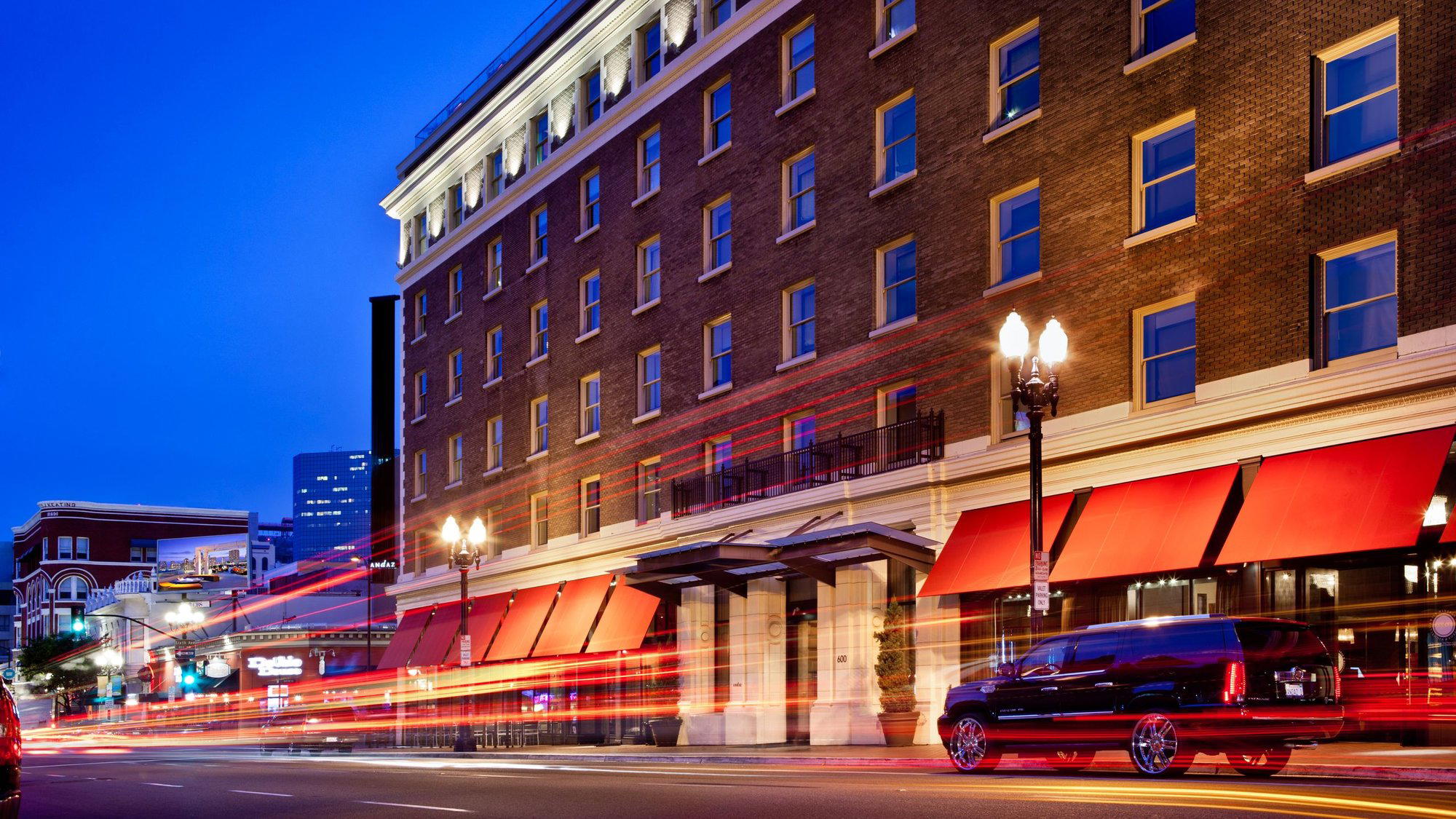
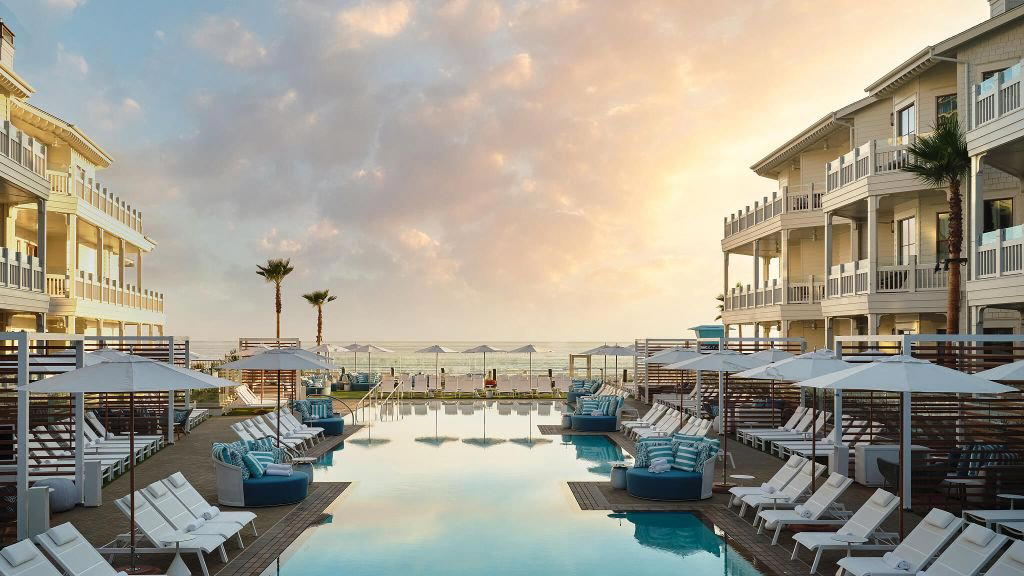
The Prado at Balboa Park
The wine
- Extensive wine list
- Craft cocktails
Details
- Elegant
- Historic
- Scenic
- Sophisticated
- Special Occasion
- Celebration
- Brunch
- Terrace
- Historic Building
- Garden
- Craft Cocktails
- Extensive Wine List
- Garden
- A La Carte
- Small Plates
- Sangria
- Vegetarian Friendly
Current opening hours
- Monday
- Closed
- Tuesday
- 11:30 AM–8 PM
- Wednesday
- 11:30 AM–8 PM
- Thursday
- 11:30 AM–8 PM
- Friday
- 11:30 AM–8 PM
- Saturday
- 11:30 AM–8 PM
- Sunday
- 11:30 AM–7:30 PM
Hours can change for holidays and private events. Hours as of .
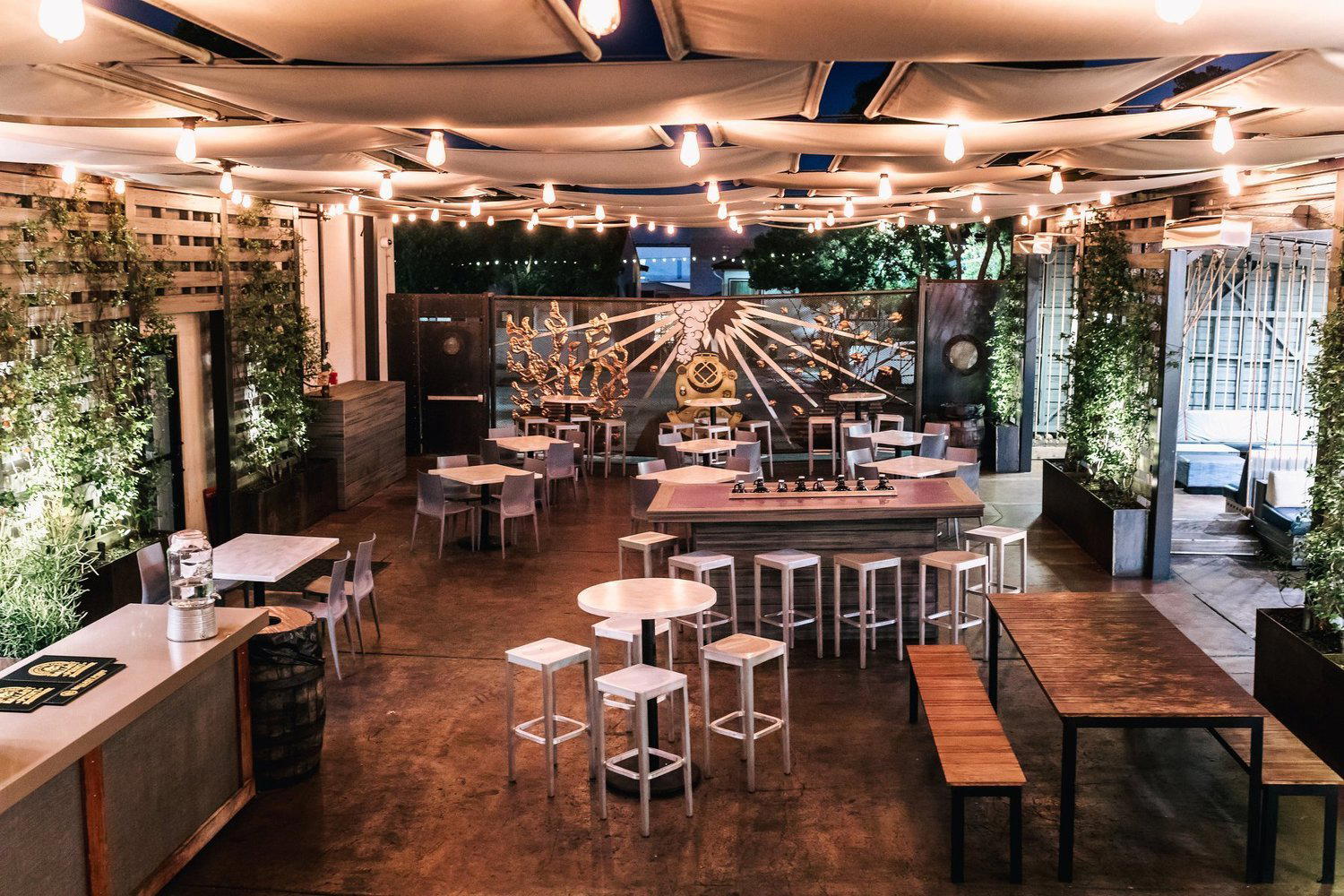
Elegant historic setting with eclectic furnishings, hand-stenciled ceilings, floor-to-ceiling windows, soft lighting, and al fresco terrace overlooking manicured gardens.