Skip to Main Content
← Collection
New York City, United States

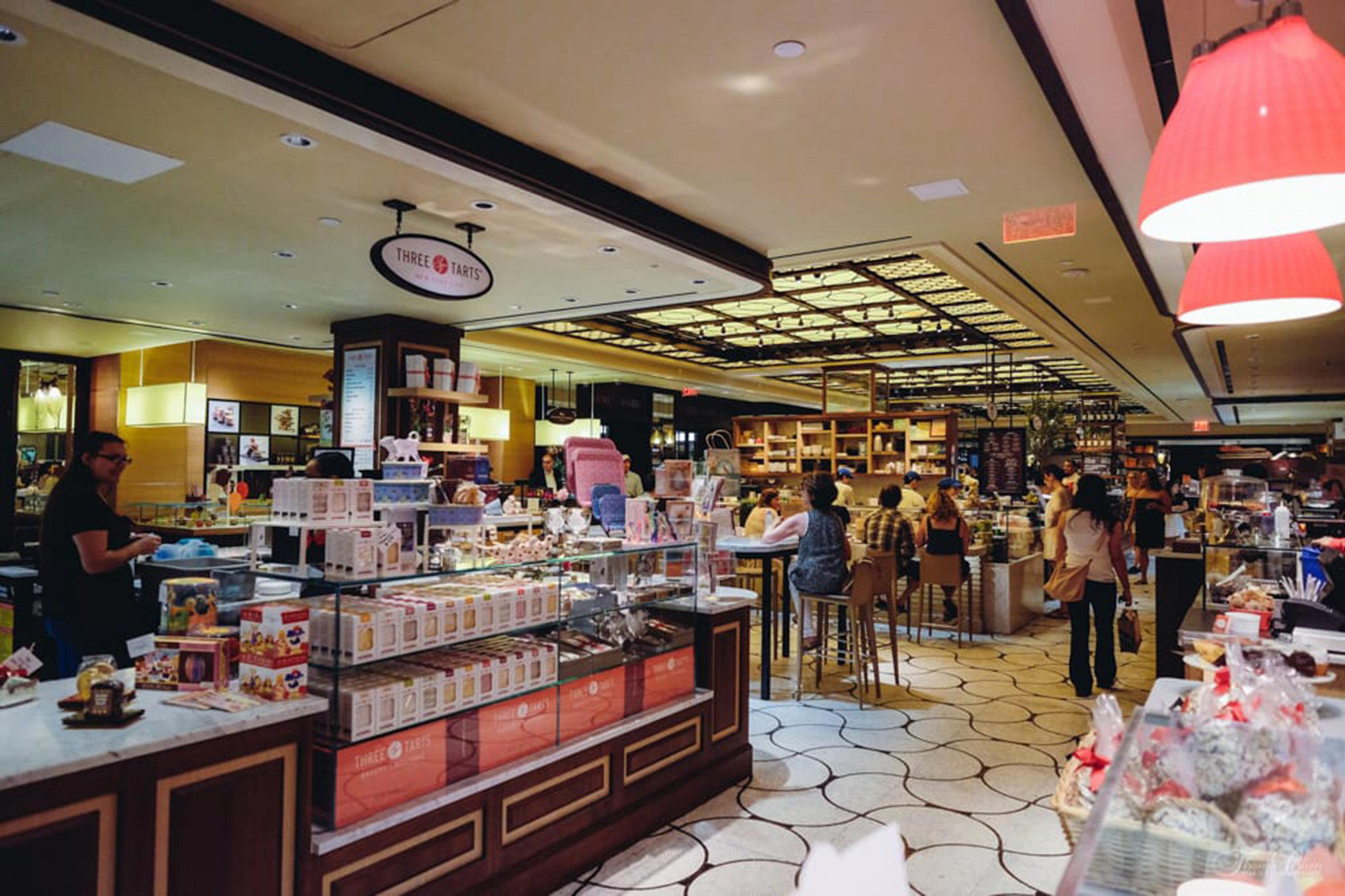
The Plaza Food Hall

LocationNew York City, United States

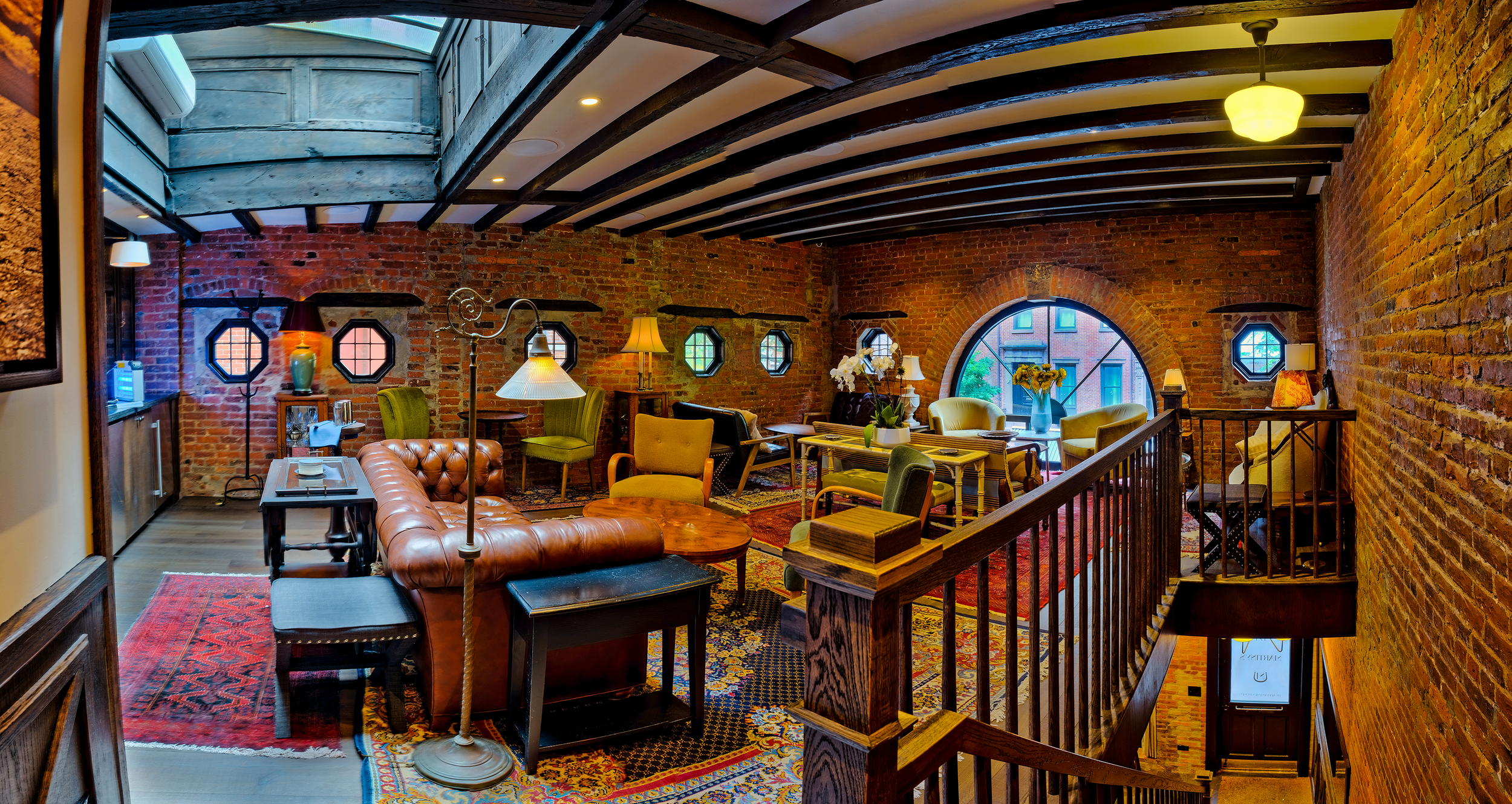
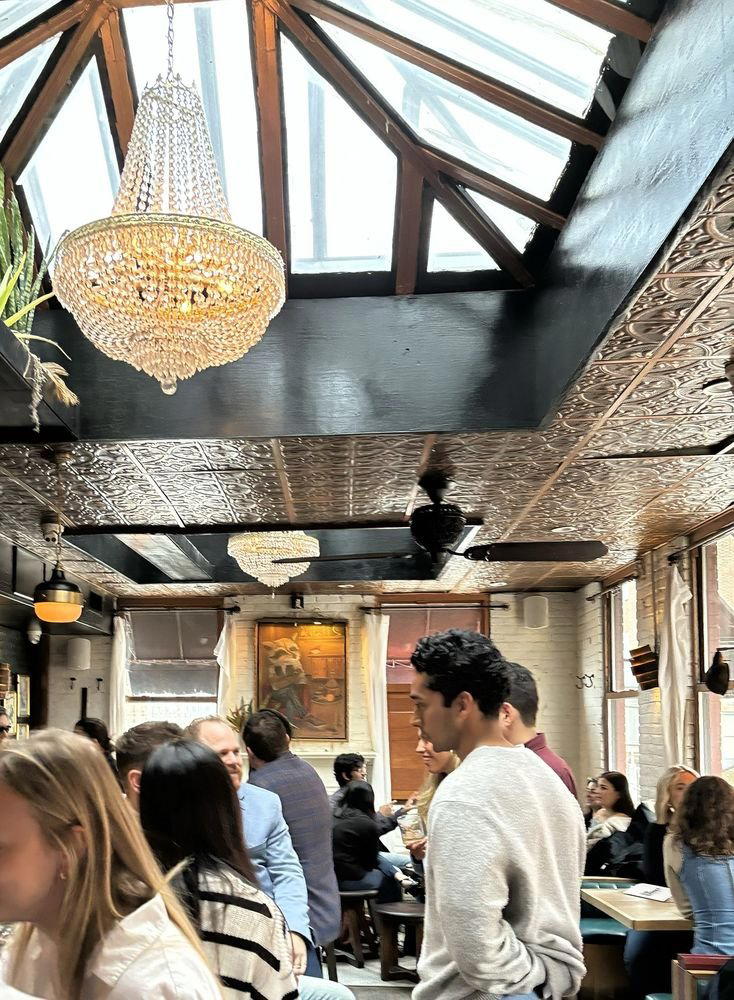
Occupying the lower level of The Plaza Hotel on Fifth Avenue, The Plaza Food Hall draws from a long tradition of European-style market halls and grand hotel provisioning. The space brings together a range of food vendors and counter seating formats under one address, making it a reference point for casual dining adjacent to Central Park South and Midtown's more formal restaurant tier.

The Plaza Food Hall restaurant in New York City, United States
About

Grand Hotel Provisioning, American Style

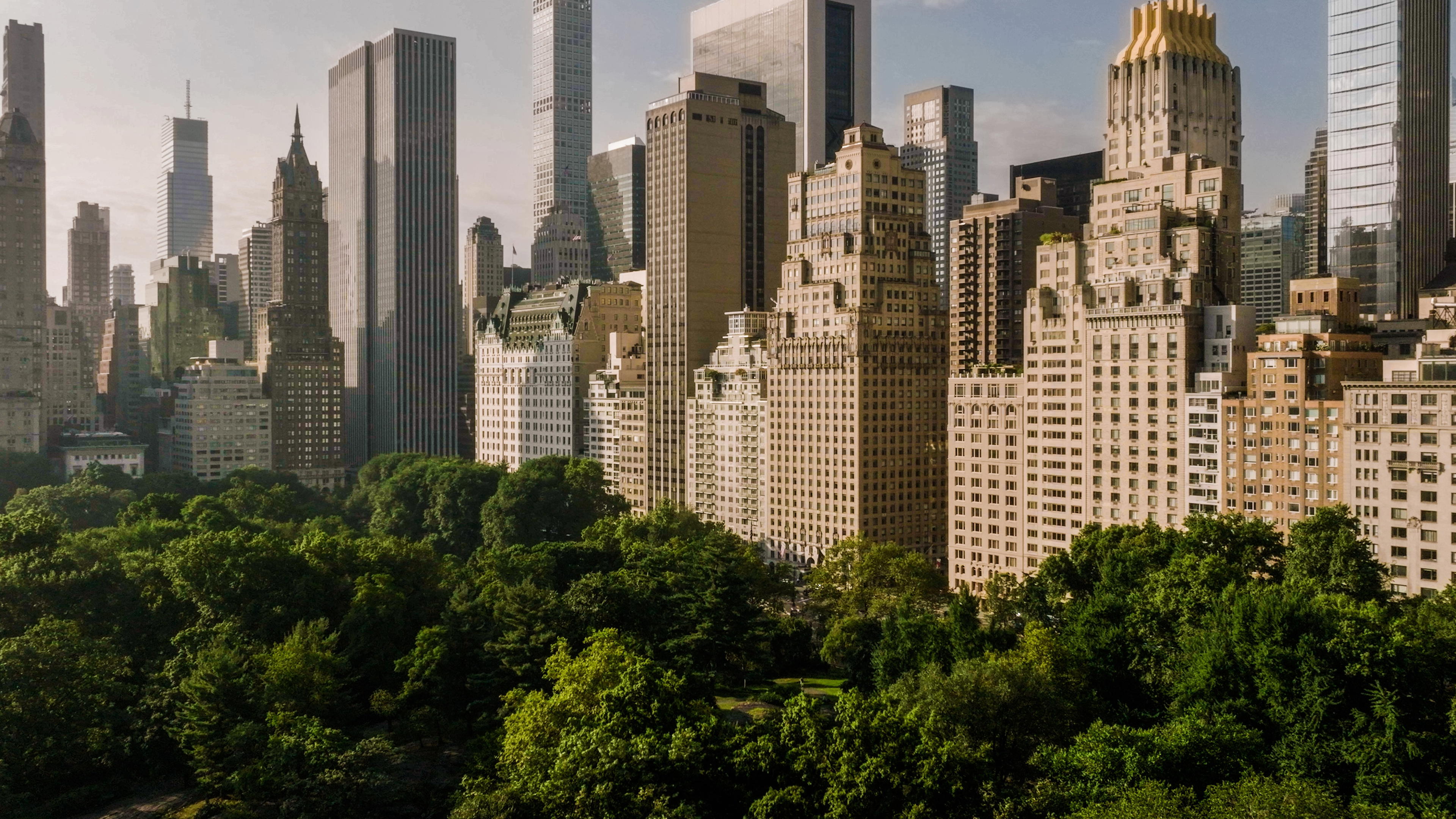
The food hall as a format has deep roots in European tradition: the galeries marchandes of Paris, London's Victorian-era covered markets, the basement food floors of Tokyo department stores. What each shares is the logic of consolidation — bringing specialty producers, prepared foods, and counter dining under one roof, attached to a larger commercial anchor. In New York, that anchor has often been retail or transit. At The Plaza Food Hall, it is one of the most recognized hotel addresses in the country, situated at Fifth Avenue and Central Park South, a corner that has functioned as a social and commercial fulcrum for Midtown Manhattan since the early twentieth century.

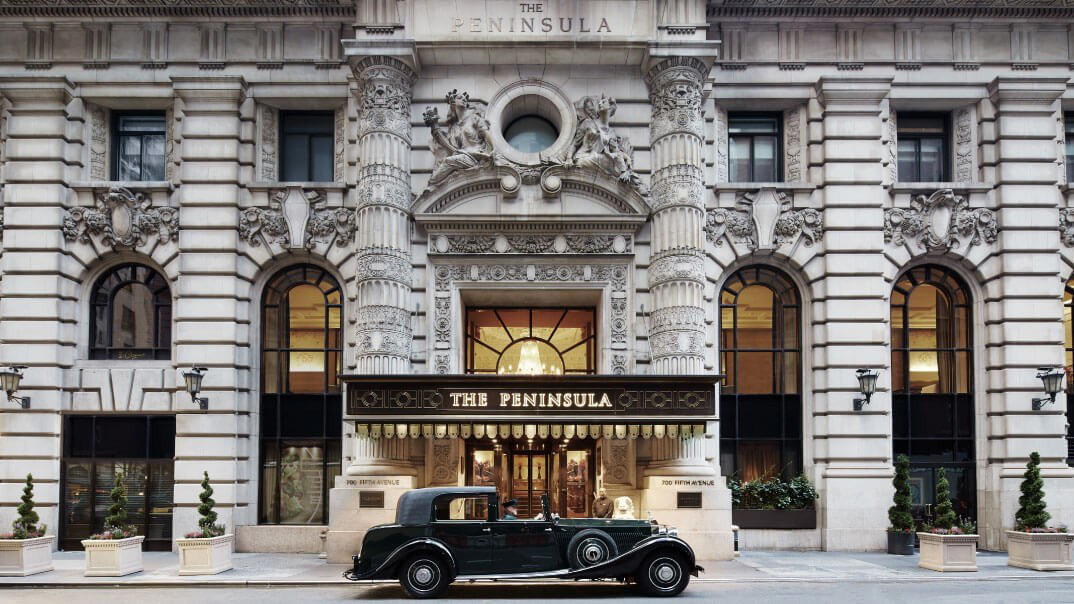
The Plaza Hotel itself opened in 1907, and the address has carried significant cultural weight through successive eras of New York life. The food hall occupying its lower level operates within that inherited context, drawing visitors who arrive not just for a specific counter or vendor, but because the address itself carries meaning. That is a different kind of gravitational pull from what draws diners to a destination restaurant, and it shapes how the space functions in the city's broader dining ecosystem.

Where the Food Hall Sits in New York's Dining Tier

New York's restaurant scene at the formal end of the spectrum is anchored by a cluster of multi-star addresses concentrated in Midtown and the adjacent neighborhoods. Le Bernardin holds three Michelin stars and operates at the leading of French seafood dining in the city. Masa occupies an equivalent position in Japanese omakase. Per Se, Eleven Madison Park, and Atomix represent different formal traditions operating at comparable commitment levels in terms of price, format, and advance booking requirements.

The Plaza Food Hall operates in a different register entirely. It is not competing with that tier, and understanding where it sits requires recognizing the function it serves: accessible, multi-format, drop-in dining at a prestigious address, with a wider price spread and a format built around choice rather than a single composed experience. For visitors to our full New York City restaurants guide, the food hall fits into a separate planning category from tasting-menu destinations.

That positioning mirrors what food halls do in other American cities. Lazy Bear in San Francisco represents the opposite end of the format spectrum — a fixed, ticketed communal dinner that requires advance commitment. Smyth in Chicago operates a tasting-menu format with similar structural demands. A food hall removes those constraints deliberately, which is itself a curatorial choice about who the space is for and how it should be used.

The Cultural Logic of the Hotel Food Hall

Hotel food halls in particular carry a distinct set of cultural expectations. The model draws from European precedent , the food halls of Harrods in London or the Galeries Lafayette Gourmet in Paris , where proximity to luxury retail and hotel accommodation creates a specific consumer mix: travelers, local office workers, shoppers, and hotel guests who want quality without the formality of a restaurant reservation. The cultural logic is one of democratic access to a prestigious address.

In the American context, that model arrived later and has been applied unevenly. What distinguishes The Plaza Food Hall from a transit-hub food court or a mall-adjacent vendor cluster is the specificity of its location and the associations that come with it. Fifth Avenue at Central Park South places it within walking distance of some of the most visited cultural and commercial territory in the country. The footfall is international, the price expectations are calibrated accordingly, and the range of vendors reflects a curated rather than purely commercial logic.

That curatorial approach to food halls has parallels across the country. Emeril's in New Orleans built its reputation partly through a similar logic of accessible quality anchored by a prestigious address. Providence in Los Angeles operates at the formal end, but the underlying principle of location-as-signal applies across format types. Even at the agricultural end of the spectrum, venues like Blue Hill at Stone Barns in Tarrytown and Single Thread Farm in Healdsburg demonstrate how deeply place-identity shapes the dining proposition.

What the Format Delivers

Food halls at this tier succeed or fail on the quality of individual vendors rather than on a unified kitchen or menu. The format's strength is variety and flexibility; its risk is inconsistency. In a space attached to a hotel of The Plaza's standing, the expectation is that vendor selection reflects the address. Whether that expectation is consistently met depends on specific counters and the day of visit, which is why regulars tend to develop preferences for particular stations rather than approaching the space as a uniform whole.

That behavior pattern is consistent across food hall formats internationally. At the better-performing examples , whether in New York, Napa, or cities like San Diego , visitors who know the space navigate by vendor reputation rather than by the hall's overall brand. That knowledge is acquired through repeat visits or reliable editorial guidance, which is part of what makes a space like this a different kind of planning exercise from booking a tasting menu at The Inn at Little Washington or Frasca Food and Wine in Boulder.

For international visitors in particular, the multi-format food hall offers a useful entry point into a city's food culture without requiring the advance planning that formal restaurants demand. European destinations like Atelier Moessmer Norbert Niederkofler in Brunico and Dal Pescatore in Runate represent the opposite planning calculus: months-ahead bookings, fixed menus, single-sitting commitments. The food hall format is, by design, the alternative to all of that.

Know Before You Go

  • Address: 5th Avenue at Central Park South, New York, NY 10019
  • Location context: Lower level of The Plaza Hotel, Midtown Manhattan
  • Format: Multi-vendor food hall with counter seating; no reservation required for most vendors
  • Booking: Walk-in for the majority of counters; specific vendors may have their own policies
  • When to visit: Midday and early afternoon tend to be busiest given the tourist and hotel-guest footfall on this block; earlier morning and late afternoon see lighter crowds
  • Getting there: Steps from the Fifth Avenue/59th Street subway station (N, R, W lines); directly adjacent to Central Park South

Frequently Asked Questions

What do regulars order at The Plaza Food Hall?
Regulars at multi-vendor food halls generally develop preferences for specific counters rather than treating the space uniformly. At a hotel-attached hall of this address tier, seafood preparations, charcuterie, and baked goods tend to anchor the strongest vendor offerings. First-time visitors are leading advised to walk the full floor before committing, as the range of cuisine types means the most relevant counter depends on what you are looking for at a given time of day.
Can I walk in to The Plaza Food Hall?
The food hall format is structured for walk-in access, which is one of the primary distinctions between this kind of venue and the formal reservation-required restaurants that dominate Midtown's upper price tier. Unlike tasting-menu destinations where advance booking of weeks or months is standard practice in New York, The Plaza Food Hall does not require reservations for the majority of its counters. During peak midday hours and on weekends, counter seating can fill quickly, but the multi-vendor layout means waiting for one station while another is available is a workable approach.
What do critics highlight about The Plaza Food Hall?
Critical attention to food halls tends to focus on vendor curation and consistency rather than on the space as a unified dining experience. The Plaza Food Hall's most noted attribute in editorial coverage is its location and the inherited prestige of the hotel address, which sets a context that individual vendors either fulfill or fall short of. The format's openness , no dress code, no fixed menu, no single cuisine type , positions it as a counterpoint to the structured formality of the Michelin-starred addresses that define New York's upper dining tier.
Is The Plaza Food Hall a good option for a quick meal between Midtown sightseeing and an evening restaurant reservation?
The food hall's walk-in format and multi-counter variety make it a practical stop for travelers with time constraints between daytime Midtown activity and a formal evening booking at one of New York's tasting-menu restaurants. The location at Fifth Avenue and Central Park South places it within easy reach of major museum and shopping corridors. Portion sizes across food hall vendors typically allow for lighter eating, which is a practical consideration if a multi-course dinner is planned for later in the evening.

Cost Snapshot

A quick peer reference to anchor this venue in its category.

Collector Access

Need a table?

Our members enjoy priority alerts and concierge-led booking support for the world's most difficult tables.

Get Exclusive Access