The Orangery Restaurant at The Moat House

The Orangerie at The Moat House brings a quietly considered kitchen to a rural Staffordshire setting, with vegetable-forward cooking that holds its own against the county's more celebrated dining rooms. The restaurant's handling of plant-based preparations, candied baby eggplant, spiced dhal, chickpea tagine, reflects a genuine commitment to ingredient-led cooking rather than afterthought accommodation. For diners willing to leave the motorway corridor behind, it rewards the detour.
Pearl is the En Primeur Club membership app — saves, bookings, and concierge access live there. Same editors, same standards.
- Address
- The Moat House, Lower Penkridge Rd, Acton Trussell, Stafford ST17 0RJ, United Kingdom
- Phone
- +44 1785 712217
- Website
- moathouse.co.uk
 Saves & bookings on Pearl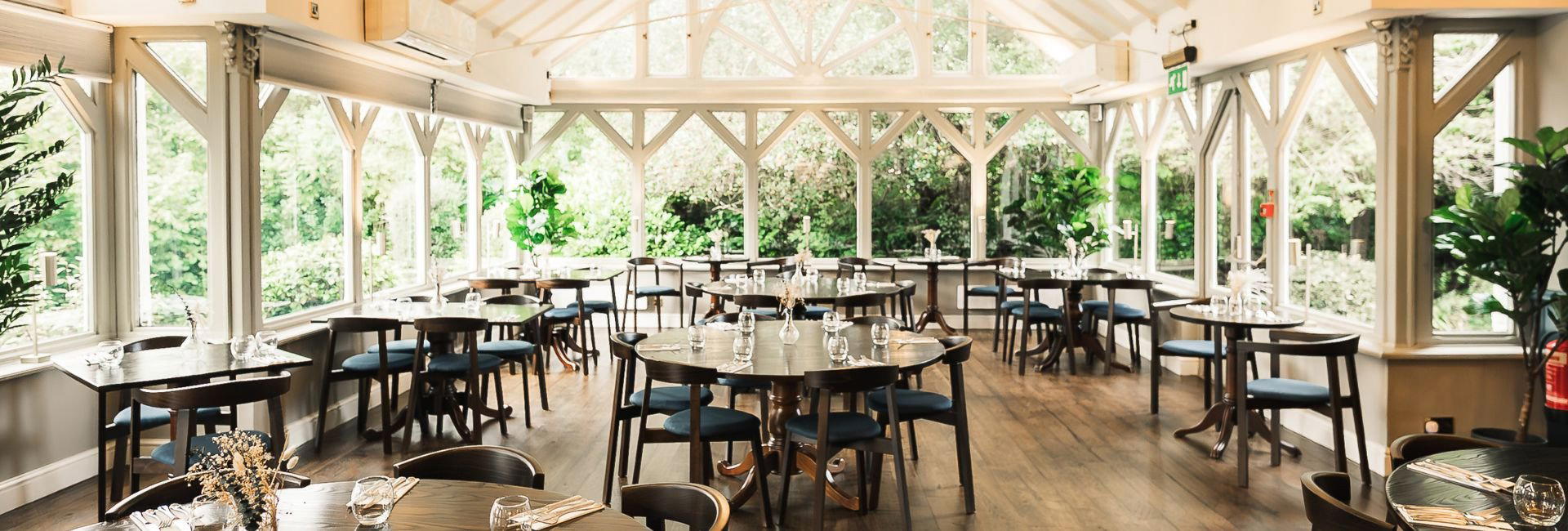
Rural Staffordshire and the Case for Ingredient-Led Cooking
England's dining geography has long been organised around a handful of gravitational centres: London's postcode-driven prestige, the Lake District's produce-led ethos at places like L'Enclume in Cartmel, the Northwest's growing ambition as demonstrated by Moor Hall in Aughton. Staffordshire sits outside most of those circuits. It doesn't carry the brand weight of the Cotswolds, nor does it generate the food-press attention that keeps tables at Le Manoir aux Quat' Saisons or The Ledbury in London occupied. That relative quietness is, depending on your priorities, either a drawback or the point entirely.
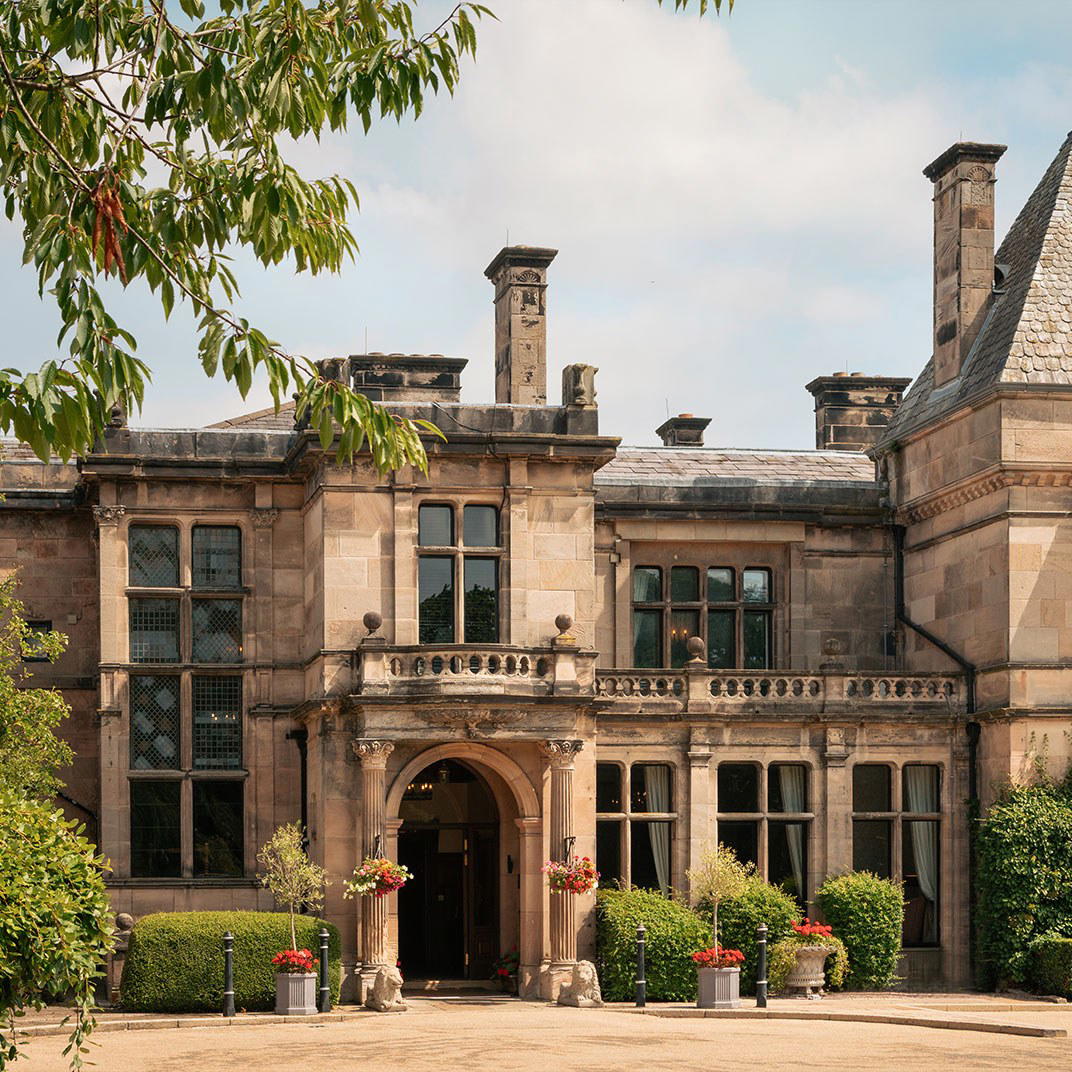
The Orangerie at The Moat House operates in that gap. The restaurant sits within a country house hotel on Lower Penkridge Road in Acton Trussell, a village south of Stafford that registers as little more than a lane junction to most passing drivers. The building itself frames the experience before a single dish arrives: a moat-encircled property with the kind of proportions that English country houses accumulate over centuries rather than construct by design. The Orangerie adds a lighter, more transparent volume to that setting, the glass-and-stone contrast doing what good architectural interventions do in old buildings, making the garden present without diminishing the solidity of what surrounds it.
What Vegetable-Forward Cooking Looks Like When It's Done Seriously
The broader context here matters. British restaurant culture has spent the better part of a decade debating how seriously to treat plant-based cooking. At one end of that debate sit tasting-menu operations where vegetables are framed as technically equivalent to protein, the kind of approach you find at Restaurant Sat Bains in Nottingham or, at higher ambition levels, at Midsummer House in Cambridge. At the other end, vegetarian options at hotel restaurants remain an exercise in tokenism: a mushroom risotto, a stuffed pepper, something warm and beige.
Orangerie occupies a position worth noting in that spectrum. The vegetable preparations documented by reviewers are not safety-net dishes. Candied baby eggplant with lime-flavoured couscous, chickpeas, apricot and tagine sauce is a construction that requires confident sourcing and technique in equal measure: the sweetness of candied aubergine only works when the fruit is at the right stage of ripeness, the tagine sauce needs depth that comes from properly bloomed spice, and the couscous needs acid, in this case, lime, to hold its own against the richer elements. The dish draws on North African flavour architecture without reducing itself to pastiche.
Dhal preparation tells a similar story. Yellow split peas cooked with onions, cardamom, carrot, and spiced pumpkin seeds is a dish that rewards restraint rather than complexity. Cardamom in a dhal is a specific choice, one that pushes the dish toward a more aromatic, northern Indian register rather than the earthier pulse-led versions more common in British curry-house tradition. The pumpkin seeds add texture and a secondary layer of spice that a kitchen thinking carefully about the dish's architecture would include; a kitchen filling a vegetarian slot on the menu would not. For reference on what that more ambitious approach to spice-led cooking looks like at a higher price point and with more critical attention, Opheem in Birmingham sits roughly forty minutes south and represents the upper tier of that conversation in the Midlands.
Sourcing in the Staffordshire Context
Editorial angle worth holding onto is sourcing rather than technique. Staffordshire's agricultural character is mixed, arable and livestock country, with the kind of market-town supply chains that were once standard across rural England and have since eroded in many places. The county sits close enough to the Welsh Marches that seasonal produce from that direction is viable, and the canal network that once made this part of the Midlands a commercial hub has left a range of smallholdings and kitchen gardens that larger hotel restaurants in more visible counties tend to ignore in favour of consolidated wholesale supply.
What the documented dishes do suggest is a kitchen that treats vegetable ingredients as primary rather than supporting. The combination of apricot and chickpea in a tagine sauce, for instance, requires dried fruit of reasonable quality; cheap apricots produce a one-dimensional sweetness that overwhelms the chickpea's earthiness. The flavour balance described in the record implies someone in that kitchen is making sourcing decisions at the ingredient level, not just the category level. That distinction matters more than it sounds at the hotel-restaurant tier, where economies of scale routinely flatten that kind of discrimination.
Where The Orangerie Sits in the Regional Picture
Country house hotel restaurants in England operate across a wide quality range. At the leading sits the model established by places like Gidleigh Park in Chagford or Waterside Inn in Bray, where the hotel context supports a kitchen with independent critical standing. Further down, the category includes restaurants that function primarily as dining rooms for hotel guests, where the kitchen's ambition is calibrated to comfort rather than distinction. The Orangerie appears to sit between those poles: not a destination kitchen drawing diners from outside the county purely on food grounds, but not a kitchen content to default to generic hotel catering either.
Finding such a selection in a rural part of Staffordshire is a notable surprise. Staffordshire is not a county where vegetable-forward cooking of this specificity is the norm. That the kitchen produces it in a hotel restaurant, in a village outside Stafford, places it in a different category from comparable properties in more curated food destinations. For travellers staying in the area rather than passing through, that distinction is worth understanding.
Planning Your Visit
Acton Trussell is most easily reached by car; the property sits off Lower Penkridge Road and the surrounding lane network is not well served by public transport. Stafford railway station is the nearest rail connection, with services from Birmingham New Street running regularly and journey times under thirty minutes. From London Euston, Stafford is approximately an hour on West Coast Main Line services, making the Moat House a plausible base for a night's stay rather than a same-day return. Booking ahead is advisable for weekend dinner, particularly for larger tables; the country house context and the hotel's event capacity mean Friday and Saturday evenings can fill with private bookings. The restaurant is recommended for reservations, and its regular opening hours are Monday closed; Tuesday 6:30 to 9 PM; Wednesday 6:30 to 9 PM; Thursday 1 to 3 PM and 6:30 to 9 PM; Friday and Saturday 12 to 3 PM and 6:30 to 9 PM; Sunday 12 to 3 PM.
Comparable Spots, Quickly
Comparable venues nearby, for context on price, style, and recognition.
| Venue | Cuisine | Price | Notes |
|---|---|---|---|
| The Orangery Restaurant at The Moat HouseThis venue — the venue you are viewing | Modern British Fine Dining | $$$ | Not listed |
| Bread Street Kitchen & Bar | Modern British restaurant & bar by Gordon Ramsay | $$$ | City of London |
| Fold | Modern British Seasonal Bistro | $$$ | Marple Bridge |
| Chapter | Modern British Brasserie | $$$ | Edgbaston |
| The Old Crown Coaching Inn | Modern British Gastropub | $$$ | town centre |
| The Terrace | Modern British Small Plates | $$$ | Masham |
Recognition history
Dated appearances from independent guides and award organizations, with the underlying list record or original source where available.
We're Smart World 2 Radishes
We're Smart World
Continue exploring
More in Staffordshire
Restaurants in Staffordshire
Browse all →
Bars in Staffordshire
Browse all →
At a Glance
- Elegant
- Romantic
- Sophisticated
- Scenic
- Date Night
- Special Occasion
- Celebration
- Business Dinner
- Group Dining
- Waterfront
- Garden
- Private Dining
- Terrace
- Historic Building
- Hotel Restaurant
- Extensive Wine List
- Sommelier Led
- Local Sourcing
- Farm To Table
- Waterfront
- Garden
Current opening hours
- Monday
- Closed
- Tuesday
- 6:30–9 PM
- Wednesday
- 6:30–9 PM
- Thursday
- 1–3 PM, 6:30–9 PM
- Friday
- 12–3 PM, 6:30–9 PM
- Saturday
- 12–3 PM, 6:30–9 PM
- Sunday
- 12–3 PM
Hours can change for holidays and private events. Last verified .
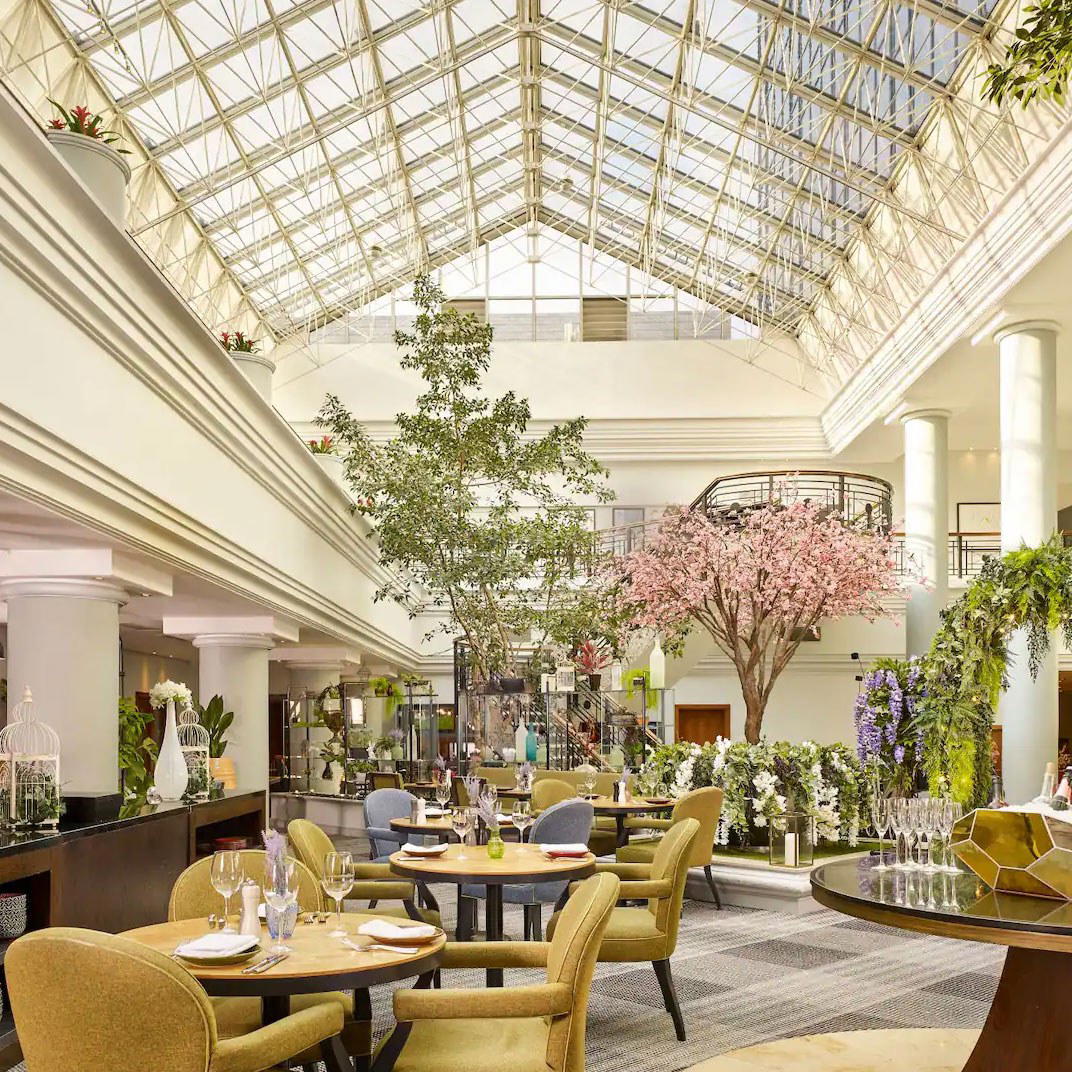
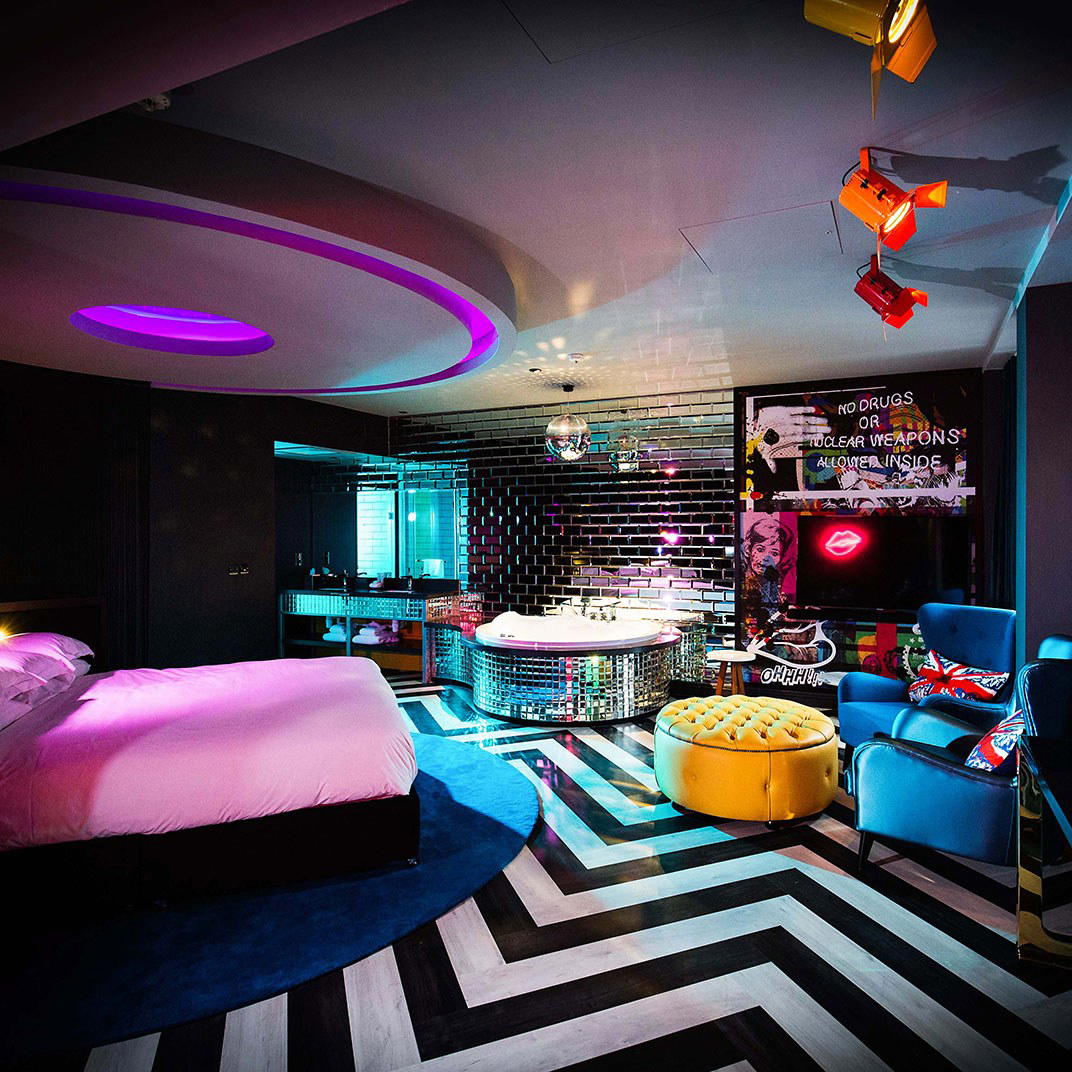
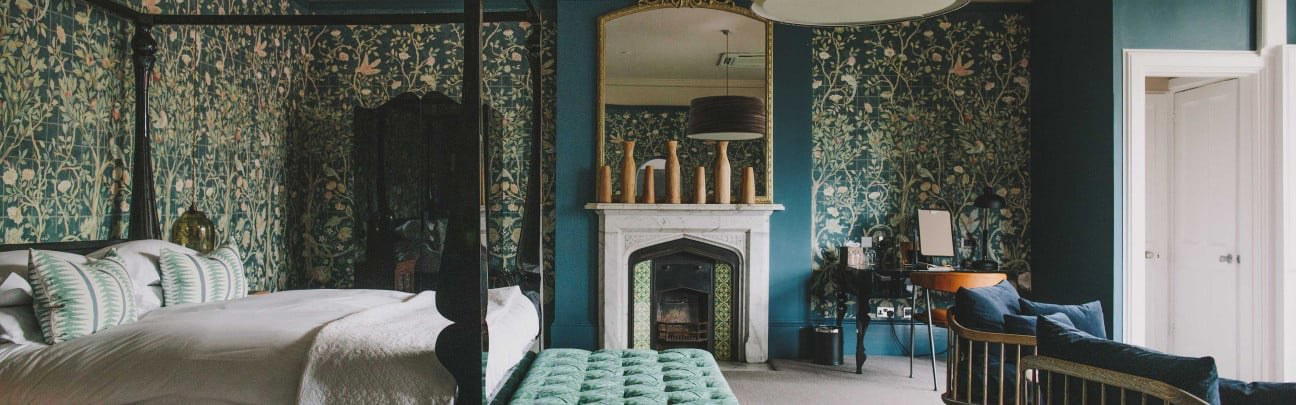
Bright and airy conservatory setting with views of the lake and grounds; elegant yet relaxed atmosphere with warm, welcoming service.