Chapter

Chapter operates from the Artisan Market in Edgbaston, running a full-day programme from weekend breakfasts through cocktails to dinner in a room defined by op-art banquettes and an open kitchen. The menu moves through modern brasserie territory, smoked mackerel Caesar, ham hock rarebit, Sunday dry-aged beef rump, with Drappier Champagne anchoring a by-the-glass wine list that keeps things approachable rather than academic.
Pearl is the En Primeur Club membership app — saves, bookings, and concierge access live there. Same editors, same standards.
- Address
- 5 Greenfield Cres, Birmingham B15 3BE, United Kingdom
- Phone
- +44 121 200 3020
- Website
- chapteredgbaston.co.uk
- Directions
- Get directions
 Saves & bookings on Pearl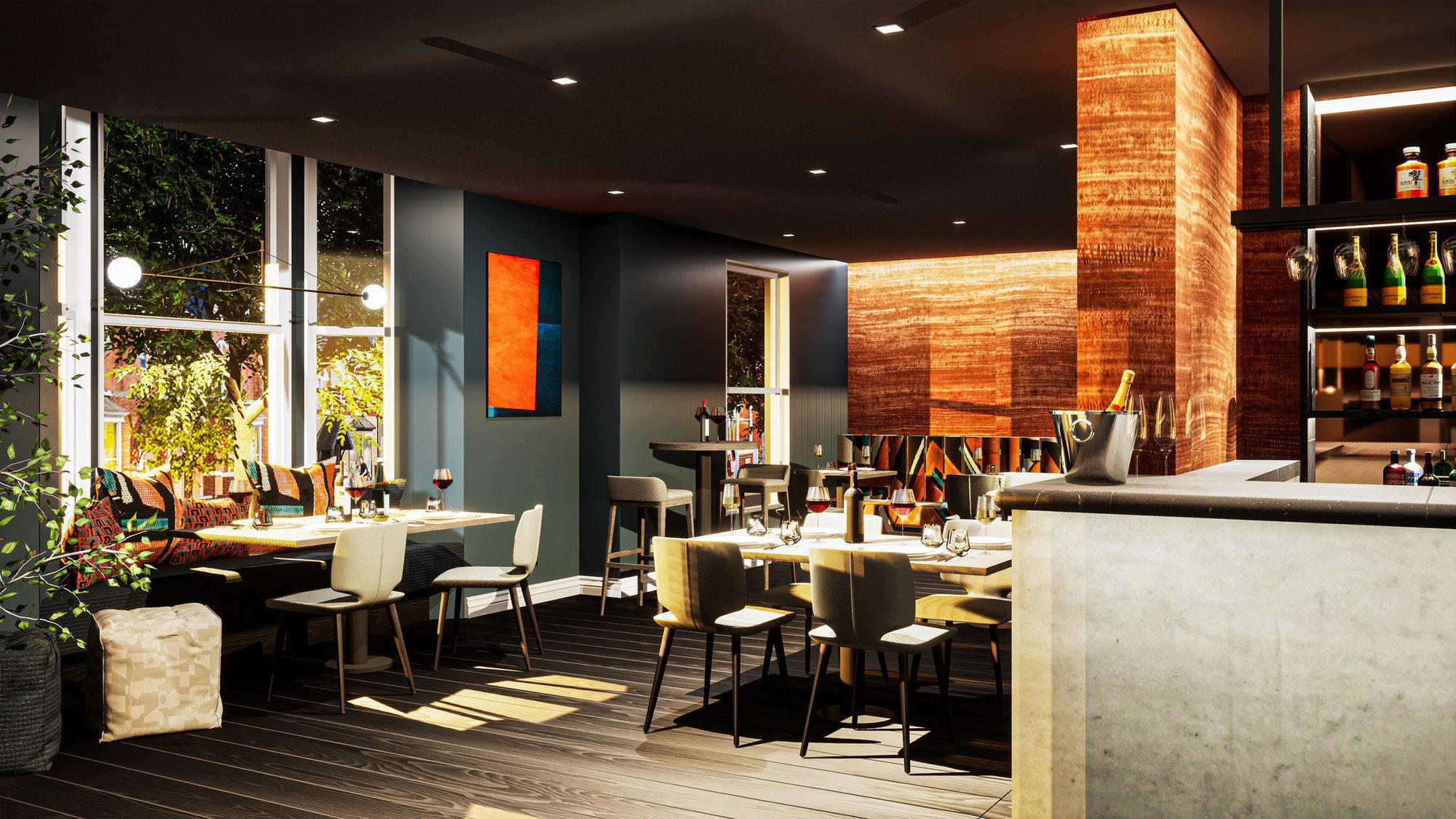
Edgbaston's All-Day Format, and Why It Works
Chapter, set within the Artisan Market development on Greenfield Crescent in Edgbaston, occupies a middle register that few venues in the city manage convincingly: a genuinely all-day operation where the format holds up across breakfast, drinks, and dinner without any one of those modes feeling like an afterthought.
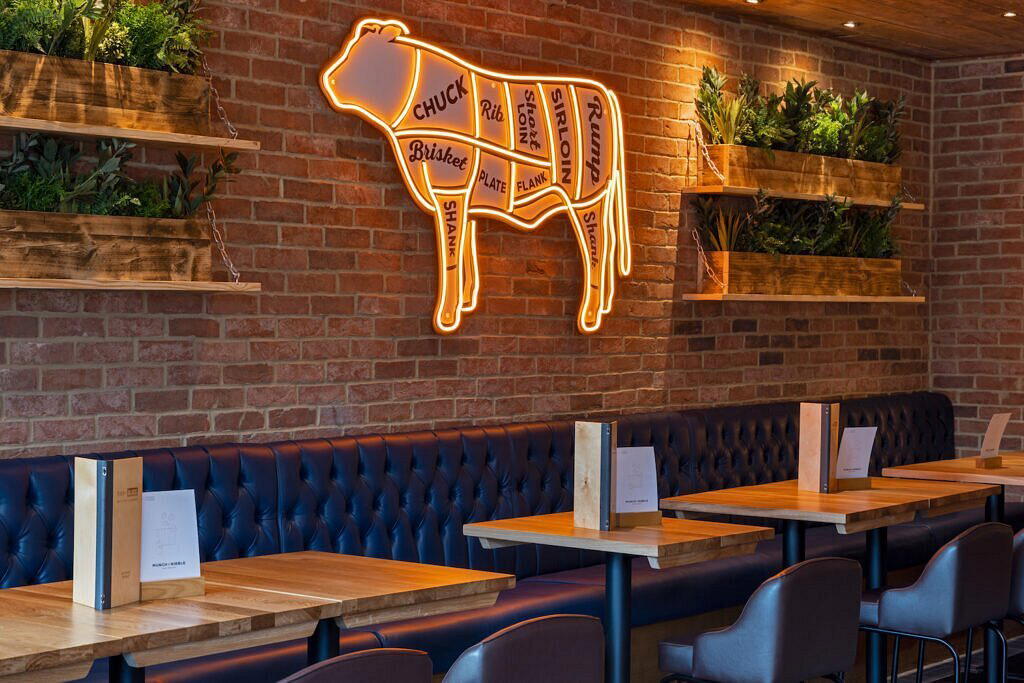
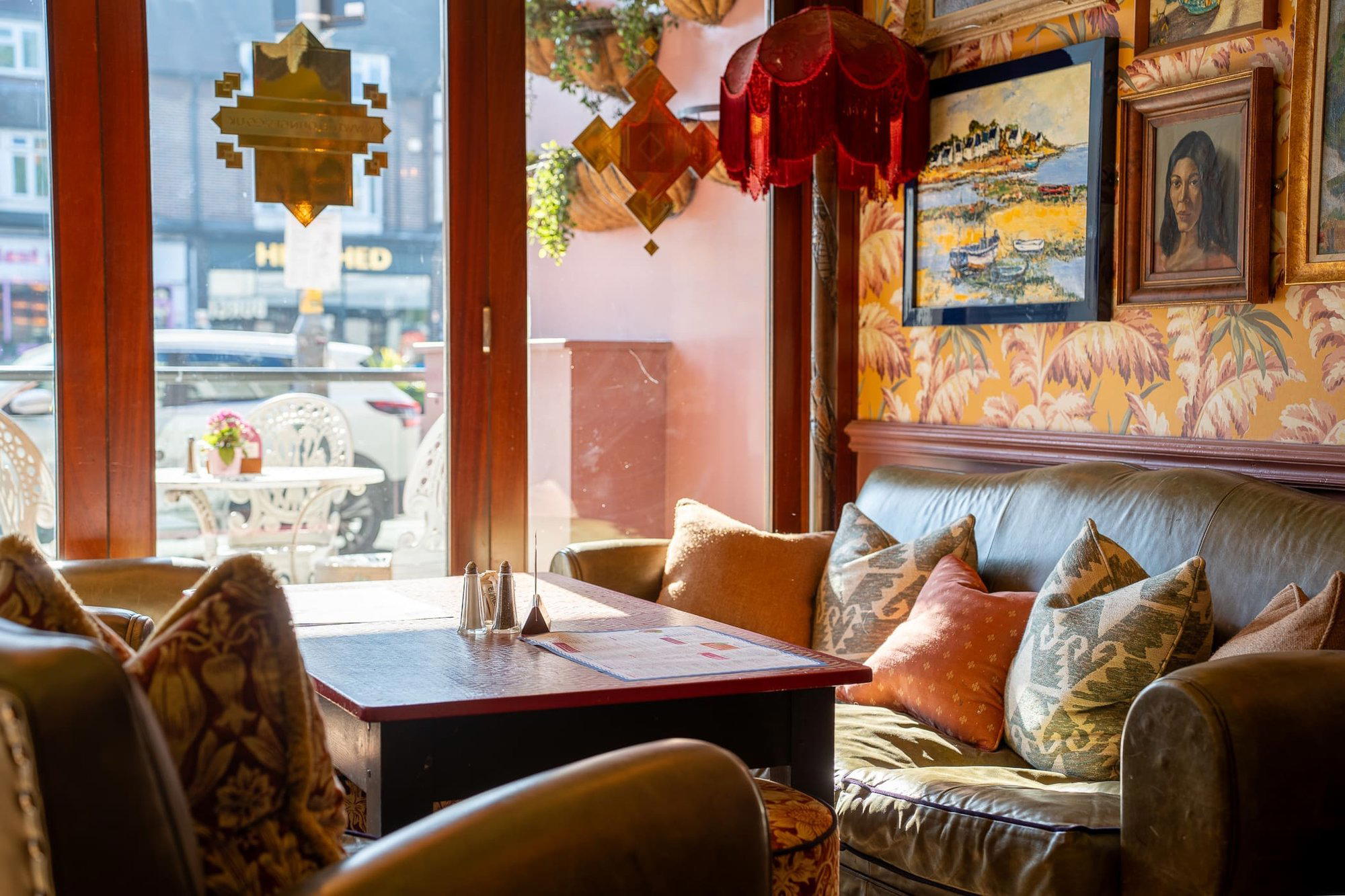
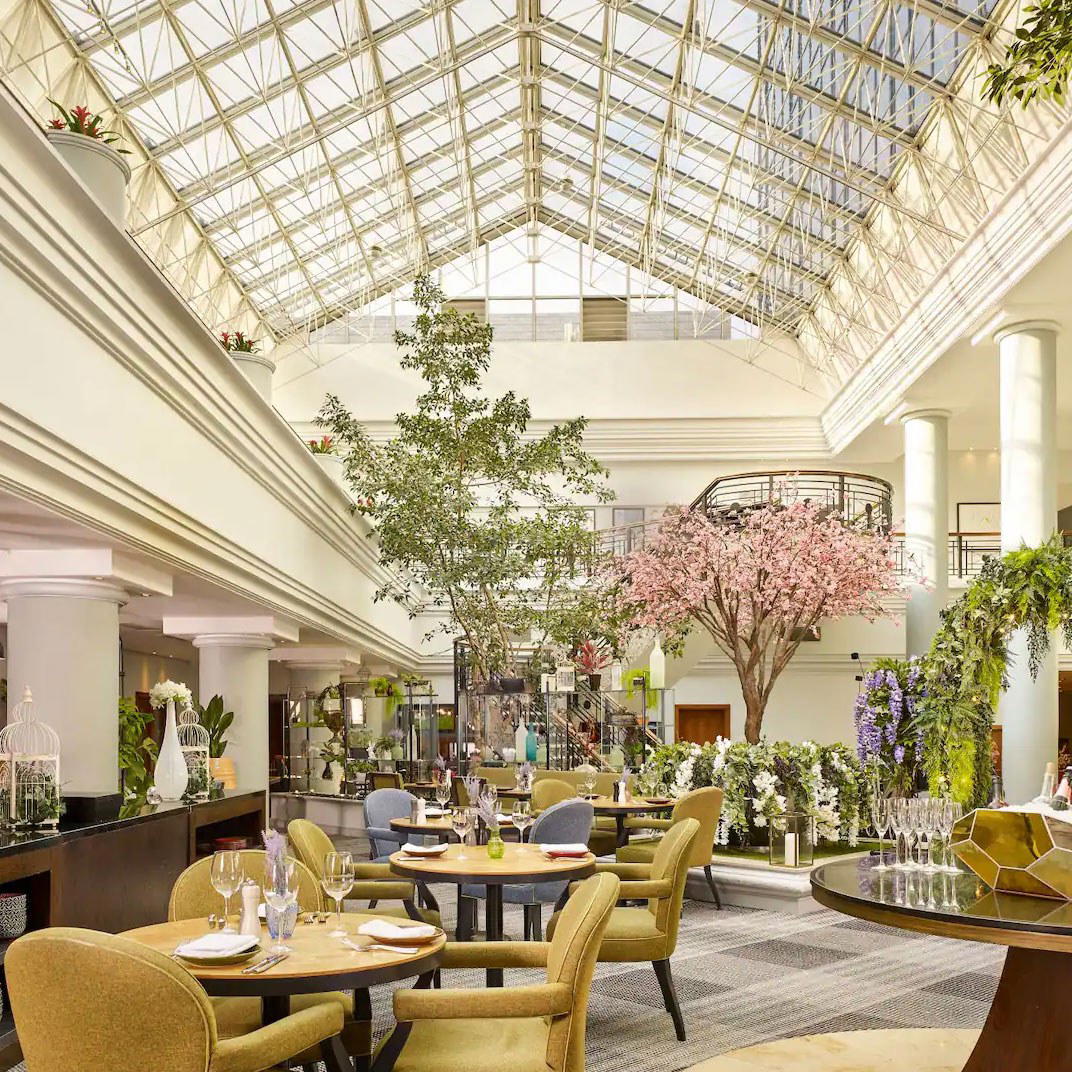
The design signals its intentions immediately. Op-art banquettes line a smartly attired dining room, and an open kitchen makes the production visible from most seats, a layout that communicates confidence without demanding theatre. The terrace off the bar extends the operation outward when Birmingham's weather permits. It photographs well, too; the comment that it's "annoyingly photogenic" says something about a space that earns its visual attention without the hollow styling that plagues many post-pandemic openings.
What the Kitchen Reaches For
Modern brasserie cooking in British cities has converged around a recognisable grammar: familiar proteins treated with just enough technique to signal ambition, sourcing vocabulary that gestures toward provenance, and portion sizes calibrated for urban appetites. Chapter works within that grammar but executes it with enough specificity to hold interest. A Caesar salad built on smoked mackerel rather than anchovy dressing places the kitchen's interest in British smoking and curing traditions at the front of the menu. Ham hock rarebit is a similar move: two working-class British ingredients brought together in a format that acknowledges both their origins and their compatibility.
The provenance question matters here. The market fish preparation, offered in curried cream or lemon and caper butter depending on what the day's catch supports, reflects the kind of ingredient-led flexibility that only makes sense if the kitchen is actually responding to what comes through the door rather than running a fixed spec. Chicken ballotine with couscous and chimichurri reaches further geographically, but the combination reads as confident cross-pollination rather than unfocused fusion.
Sunday roasts carry particular weight in the Edgbaston context, where the residential character of the neighbourhood means weekend trade is built on repeat local custom rather than passing tourists. Crackled pork rack and dry-aged beef rump with Yorkshire pudding and cauliflower cheese are not inventive additions to the roast tradition, but they don't need to be. The value of a Sunday roast to a neighbourhood venue is reliability: that the kitchen respects the format enough to source the beef properly and cook the pork skin to order. Dry-aged rump, specifically, signals a working relationship with a supplier running aged-beef programmes rather than a kitchen defaulting to commodity cuts.
At Opheem or at destination restaurants like Moor Hall, L'Enclume, or Gidleigh Park, sourcing is an explicit part of the narrative, credited on the menu and discussed at the table. Chapter's approach is quieter but not absent: it surfaces in the dish architecture rather than the language around it.
Drinks, Format, and the Wine List Question
The bar at Chapter runs glitzy cocktails by design, the word is theirs, and it's accurate in the sense that the drinks programme suits the room's visual energy rather than competing with it. Drappier Champagne heads the by-the-glass list, which is a credible anchor: Drappier is a grower house from the Aube, known for pinot noir-dominant blends and a house style that skews toward richness over citric precision, which works in an all-day setting where the drinks span aperitif through dinner.
The wine list's decision not to include vintage dates, even for reds, will frustrate some diners and pass unnoticed by most. It's a pragmatic choice for a brasserie-format operation, where list turnover and approachability matter more than collector signalling. Venues where vintage depth is part of the offer, places like Waterside Inn or The Ledbury, operate in a different context entirely. For a Birmingham neighbourhood brasserie, a by-the-glass list anchored by a recognisable Champagne house and priced for repeat visits is the correct call.
Both fixed-price and à la carte formats are available at dinner, which extends the venue's utility: the fixed-price option suits weeknight diners managing a budget, while carte suits tables that want to linger across several courses. This dual format is increasingly common at the mid-market level in British cities, Hand and Flowers runs a comparable structure at a higher price point, and it reflects a sensible read of how urban diners actually plan and spend.
Desserts and the Case for Simplicity
Strawberry pavlova and a chocolate-and-pistachio mousse with raspberries and a brandy snap are not testing the pastry section's technical limits. They are, however, the right desserts for this room. Brasserie diners in this category respond to familiar formats executed cleanly: the pavlova works because the kitchen can source good fruit and manage sugar levels, not because the format is novel. The pistachio-chocolate combination with brandy snap is slightly more considered, the crunch of the snap against mousse texture requires timing discipline, but it still operates in a register that doesn't demand explanation at the table.
Planning a Visit
Chapter sits at 5 Greenfield Crescent, Birmingham B15 3BE, within the Artisan Market in Edgbaston, roughly two miles southwest of Birmingham city centre. Weekend breakfast is a reasonable starting point for new visitors: it establishes the room and the service standard without the full commitment of an evening reservation. For dinner, the format and pricing place Chapter in a comparable bracket to neighbourhood-anchored rooms. Reservations are recommended.
Fast Comparison
Comparable venues nearby, for context on price, style, and recognition.
| Venue | Cuisine | Price | Awards | Notes |
|---|---|---|---|---|
| ChapterThis venue — the venue you are viewing | Modern British Brasserie | $$$ | Not listed | Not listed |
| Carters of Moseley | Modern British Fine Dining | $$$ | Not listed | Moseley |
| Jiya's Restaurant & Sweets | Indian Vegetarian | $$ | Not listed | Handsworth |
| Harborne Kitchen | Dining | Not listed | Michelin Plate | Birmingham |
| Rajdoot | Traditional Punjabi Indian | $$$ | Not listed | Jewellery Quarter |
| Rustic Table | Mediterranean Tapas | $$ | Not listed | Harborne |
Recognition history
Dated appearances from independent guides and award organizations, with the underlying list record or original source where available.
The Good Food Guide GFG Good
The Good Food Guide
Continue exploring
More in Birmingham
Restaurants in Birmingham
Browse all →
Bars in Birmingham
Browse all →
At a Glance
- Modern
- Elegant
- Sophisticated
- Lively
- Date Night
- Business Dinner
- Group Dining
- Celebration
- Brunch
- Special Occasion
- Open Kitchen
- Terrace
- Standalone
- Extensive Wine List
- Craft Cocktails
- Sommelier Led
- Farm To Table
- Local Sourcing
Current opening hours
- Monday
- Closed
- Tuesday
- 11:30 AM–2:30 PM, 5–8 PM
- Wednesday
- 11:30 AM–2:30 PM, 5–8 PM
- Thursday
- 11:30 AM–2:30 PM, 5–8 PM
- Friday
- 11:30 AM–2:30 PM, 5–8 PM
- Saturday
- 11:30 AM–8 PM
- Sunday
- 11:30 AM–3:30 PM
Hours can change for holidays and private events. Last verified .
Bright and modern with op-art banquettes, an open kitchen visible from the dining room, and a warm, welcoming atmosphere that feels busy without being crowded or noisy.