The Mule Hamilton serves gluten-free Mexican tacos with craft cocktails and signatures like guacamole and pork belly taco; standard pacing suits lunch, dinner, or brunch.
Pearl is the En Primeur Club membership app — saves, bookings, and concierge access live there. Same editors, same standards.
- Address
- 41 King William St, Hamilton, ON L8R 1A2, Canada
- Phone
- +12893892555
- Website
- themule.ca
- Directions
- Get directions
 Saves & bookings on Pearl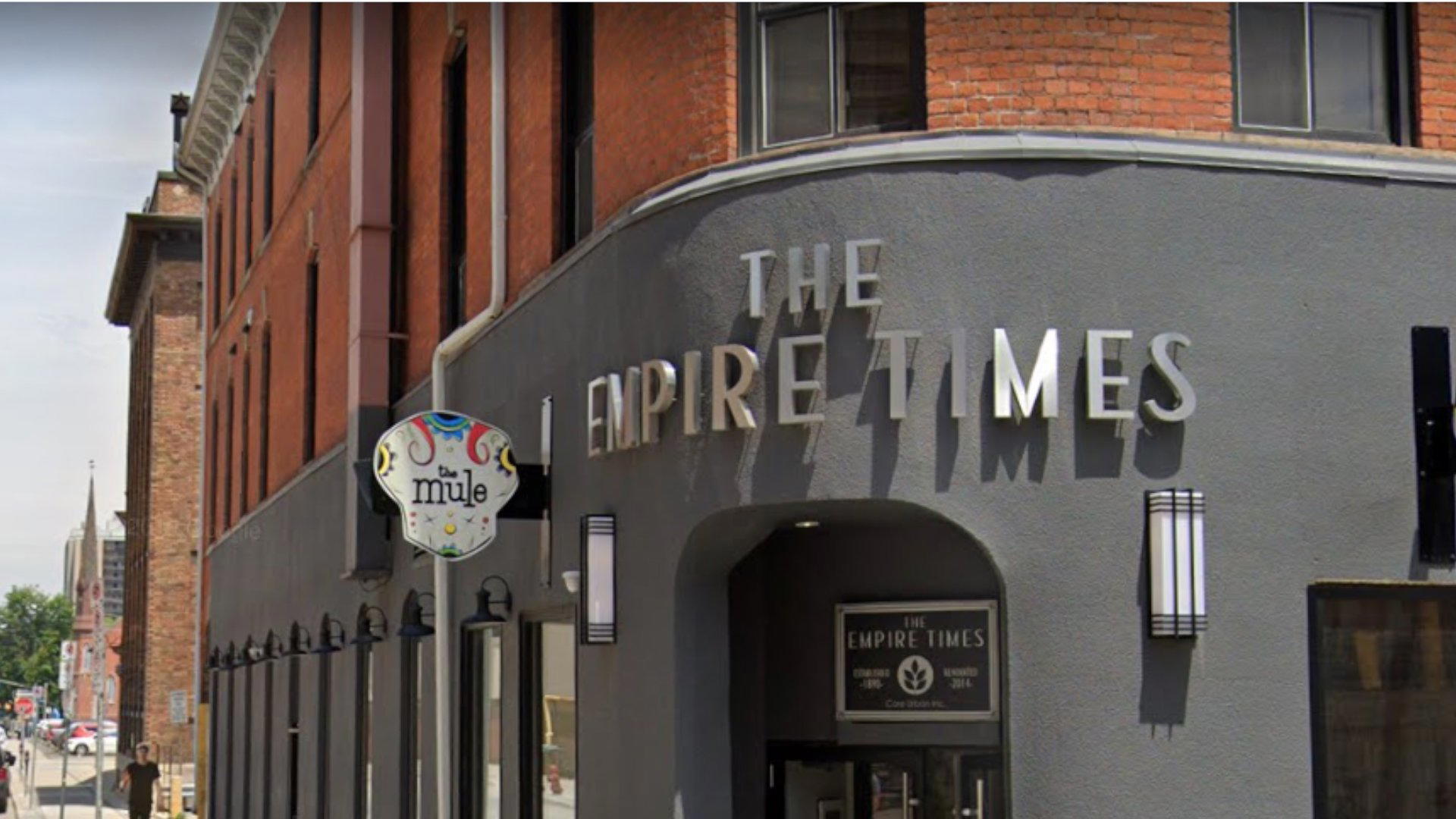
Hamilton's Independent Dining Scene and Where The Mule Sits Within It
Hamilton has spent the better part of a decade repositioning itself in the Ontario dining conversation, moving from a city that visitors passed through on the way to Niagara to one that sustains a genuine local food culture. King William Street sits at the centre of that shift. The stretch running through the downtown core has accumulated an increasingly serious collection of independent venues, not the kind that announce themselves with press releases, but the kind that build regulars through consistency and a clear sense of place. The Mule, at 41 King William St, is a restaurant serving gluten-free Mexican tacos in Hamilton, Ontario, with a casual dress code and a recommended reservation policy.
The broader Ontario independent dining tier that Hamilton represents has a particular logic. In cities where Michelin attention has not yet arrived and formal ranking systems operate at a remove, venues tend to earn their standing through neighbourhood loyalty rather than critical apparatus. That dynamic shapes how restaurants operate: menus that reflect what's available rather than what's aspirational, sourcing relationships that develop organically with regional producers, and a pricing register that stays accessible enough to sustain repeat visits. Across the province, this model has produced some of the more interesting dining in Canada, places like Eigensinn Farm in Singhampton or The Pine in Creemore built reputations on exactly this kind of local-first, low-ceremony approach.
Sustainability as Operating Logic, Not Marketing
Across the independent restaurant tier in mid-sized Canadian cities, environmental consciousness has increasingly moved from a front-of-house talking point to a back-of-house operating principle. Venues that treat sustainability as operating logic make different decisions: they build supplier relationships that require seasonal flexibility, they design menus around what those relationships yield rather than what a fixed recipe demands, and they accept the operational complexity that comes with both.
Hamilton sits in a geographically fortunate position for this kind of approach. The Niagara Peninsula lies roughly an hour to the south, producing one of Canada's most concentrated zones of fruit, vegetable, and wine agriculture. The regional food network that extends from Niagara through the Golden Horseshoe creates a supply infrastructure that independent restaurants in Hamilton can draw on without the freight costs or quality compromises that come with longer supply chains. For comparison, Restaurant Pearl Morissette in Lincoln has built an entire operating model around proximity to Niagara's agricultural output, a more formal and celebrated version of the regional sourcing logic that smaller Hamilton venues can adapt at their own scale.
Nationally, the template for this kind of ethical sourcing framework has been set by venues such as Tanière³ in Quebec City, which has used Quebec's regional terroir as the organising principle for an entire tasting format, and AnnaLena in Vancouver, where the kitchen's relationship with BC producers shapes menu decisions at a granular level. The gap between those formally recognised venues and an independent like The Mule is less about intention than about scale and critical infrastructure, the scrutiny that produces formal recognition requires a certain density of critics and awards bodies that Hamilton's dining scene hasn't yet fully attracted.
The King William Street Context
Understanding The Mule's position requires understanding what King William Street has become in the broader Hamilton dining map. The street sits in the International Village district, a neighbourhood that has historically drawn a mix of independent retail, bars, and restaurants serving Hamilton's downtown residential population. It operates at a different register than the more polished venue clusters around James Street North, where the arts-driven gentrification wave that remade parts of Hamilton in the 2010s produced a more curated and higher-price-point dining corridor.
King William's character is more functional: the venues here tend to serve the neighbourhood rather than destination diners making a trip from Toronto or Niagara. That local-service orientation creates a different set of quality signals. Consistency matters more than spectacle. Pricing tends to stay within a range that supports regular visits rather than occasional events. The comparable set on this street includes venues like Bardo Locke and B-Side Social, which operate within similar neighbourhood-rooted frameworks. Further afield in Hamilton's dining circuit, Berkeley North and Bermuda Bistro represent the slightly more formal contemporary tier, while Apllada Greek Fusion Restaurant charts a different cuisine-specific path.
For visitors arriving from outside Hamilton, the street is accessible from the downtown core on foot, and the broader King William area remains one of the more walkable concentrations of independent dining in the city. Barra Fion in Burlington represents how the regional dining tier just to the west operates, while the Toronto fine dining bracket, including Alo and the broader scene documented by venues like Jérôme Ferrer - Europea in Montreal, sets the formal ceiling against which Hamilton's independents operate at a deliberate remove.
Planning a Visit
The practical approach is to visit the venue directly at 41 King William St, Hamilton, or to check current operating details through local listings before making a trip. The King William Street corridor is leading visited on evenings when the broader downtown is active, which tends to align with mid-week through Saturday service patterns common across this tier of Hamilton independent dining.
Those interested in understanding the regional dining tier more broadly, and how Hamilton sits within it, will find useful comparisons in venues across Ontario and Quebec that have formalised the local-sourcing and low-intervention approaches that Hamilton independents pursue at smaller scale. Aux Anciens Canadiens in Quebec and Narval in Rimouski each represent distinct Canadian regional dining traditions that provide context for how place-rooted restaurant culture develops outside the country's major metropolitan centres. At the international reference point, the fish-focused rigour of Le Bernardin in New York City and the precision tasting format of Atomix in New York City mark the formal upper bracket against which all of this regional independent dining operates as a deliberately different proposition.
The Short List
Comparable venues nearby, for context on price, style, and recognition.
| Venue | Cuisine | Price | Notes |
|---|---|---|---|
| The Mule HamiltonThis venue — the venue you are viewing | Not listed | $$ | Not listed |
| Seasoned Restaurant | downtown, Modern French-Italian Bistro | $$ | Not listed |
| Apllada Greek Fusion Restaurant | East End, Greek Fusion | $$ | Not listed |
| East Side Mario's | Not listed | $$ | Upper James St, Italian-American Pasta & Pizza |
| Chicago Style Pizza | Not listed | $$ | Hamilton Mountain, Chicago-Style Stuffed Pizza |
| Rapscallion & Co. | Not listed | $$ | James Street North, Contemporary Canadian Nose-to-Tail |
Continue exploring
More in Hamilton
Restaurants in Hamilton
Browse all →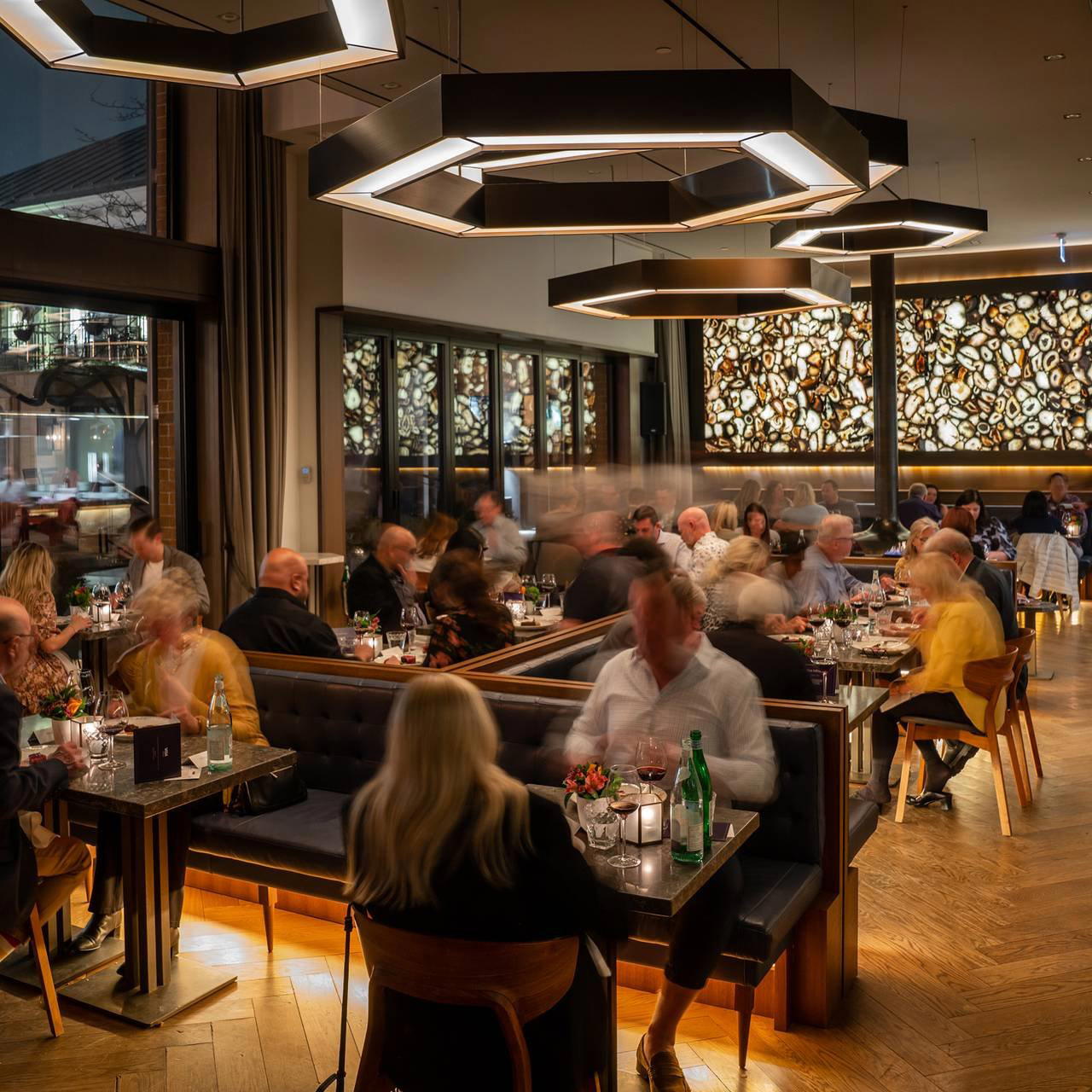
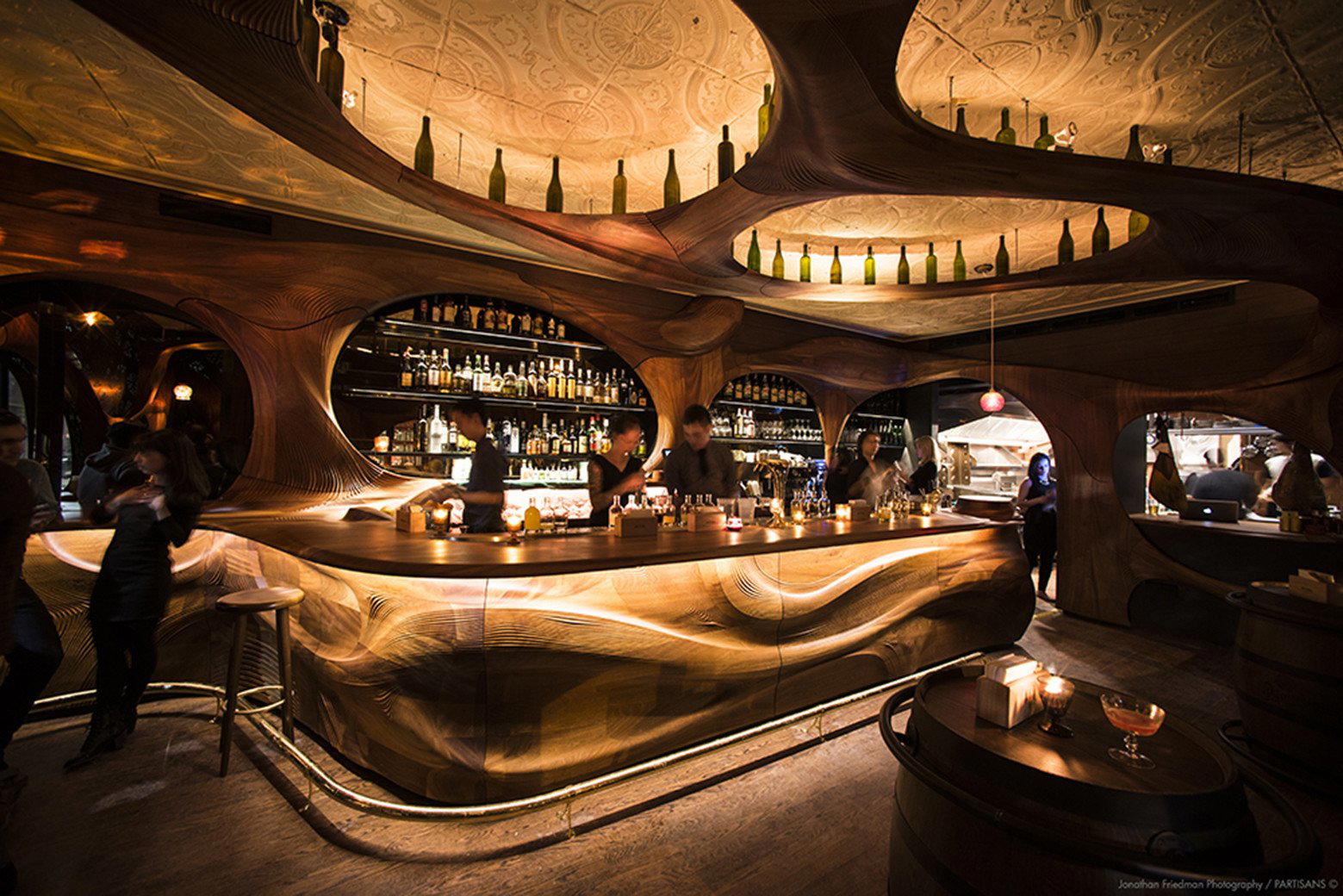
Bars in Hamilton
Browse all →

Hotels in Hamilton
Browse all →

At a Glance
- Trendy
- Lively
- Industrial
- Casual Hangout
- Group Dining
- Brunch
- Late Night
- Open Kitchen
- Craft Cocktails
Current opening hours
- Monday
- 11:30 AM–2 AM
- Tuesday
- 11:30 AM–2 AM
- Wednesday
- 11:30 AM–2 AM
- Thursday
- 11:30 AM–2 AM
- Friday
- 11:30 AM–2 AM
- Saturday
- 11 AM–2 AM
- Sunday
- 11 AM–2 AM
Hours can change for holidays and private events. Last verified .
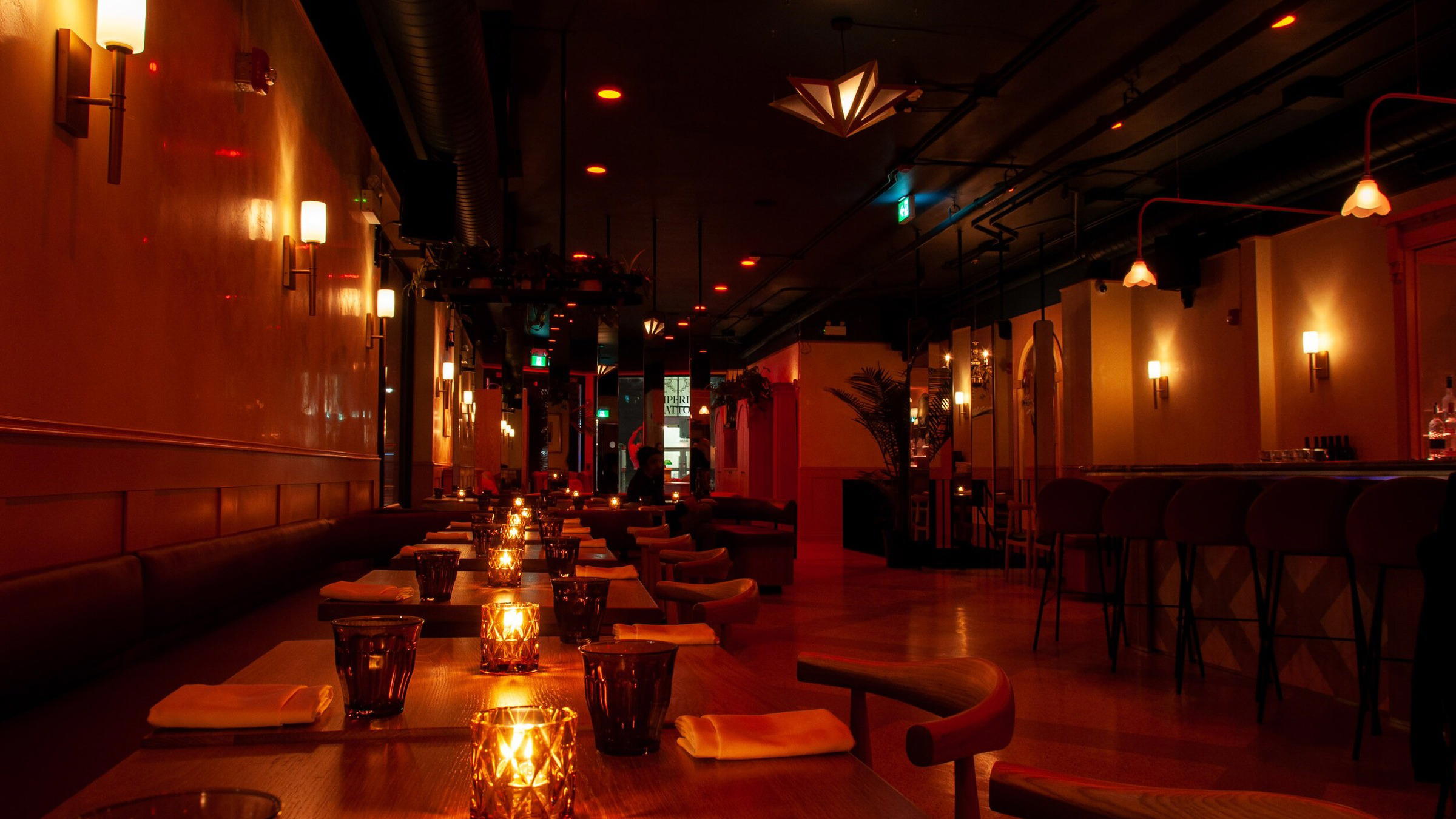
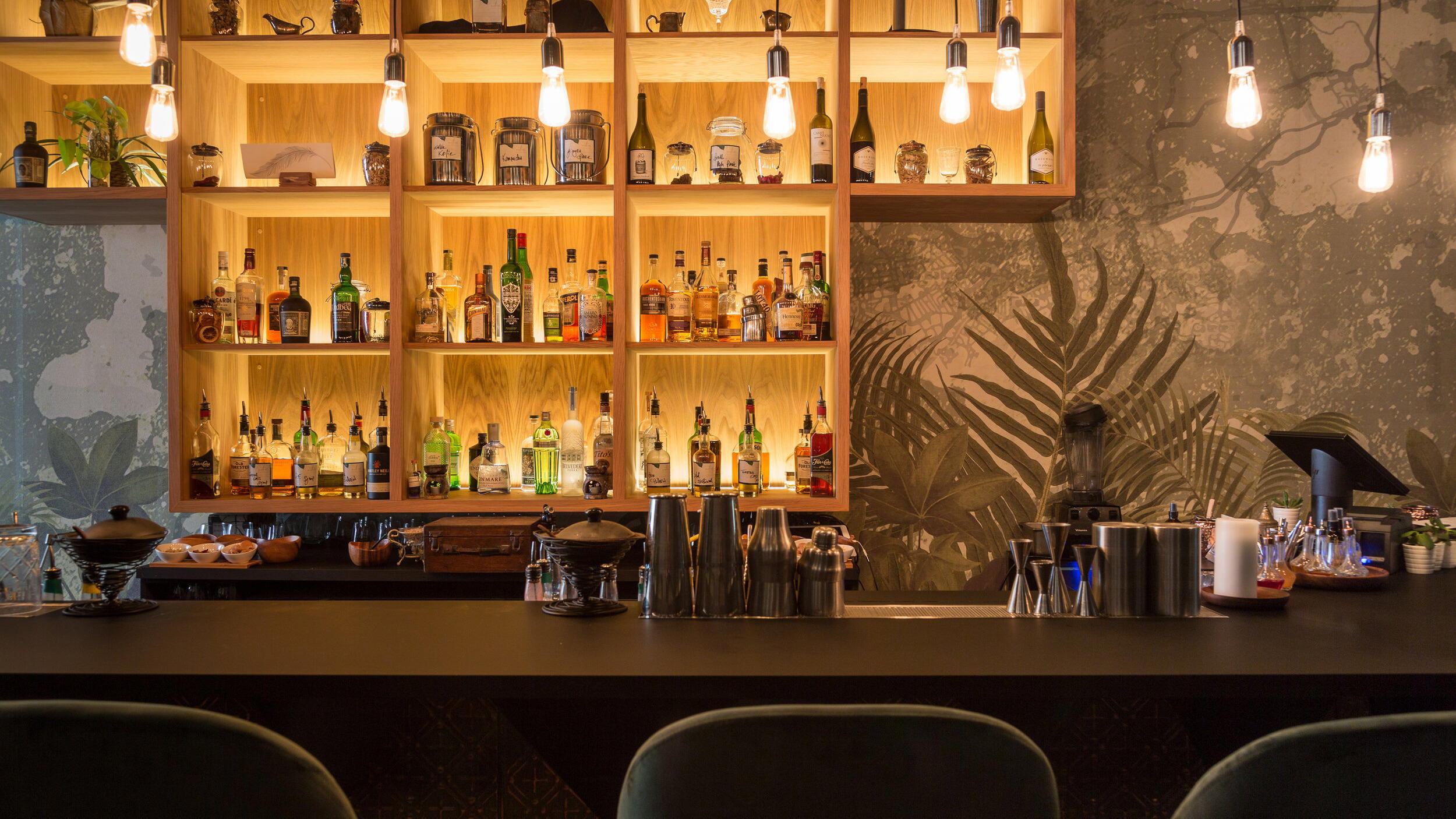
Stylish, grown-up atmosphere in an edgy, hip downtown setting with a buzzy vibe, funky retro vinyl sounds late night, and moderate noise levels.