On Locke Street South, Hamilton's most wine-serious neighbourhood strip, Bardo Locke occupies a position that rewards the kind of diner who arrives with questions about the cellar rather than the menu. The room sits inside a corridor that has quietly become one of Ontario's more interesting dining destinations, where independent operators work closer to the edge of their ambitions than the city's commercial strips ever allowed.
Pearl is the En Primeur Club membership app — saves, bookings, and concierge access live there. Same editors, same standards.
- Address
- 258 Locke St S, Hamilton, ON L8P 4B9, Canada
- Phone
- +19055222999
- Website
- bardorestaurants.ca
- Directions
- Get directions
 Saves & bookings on Pearl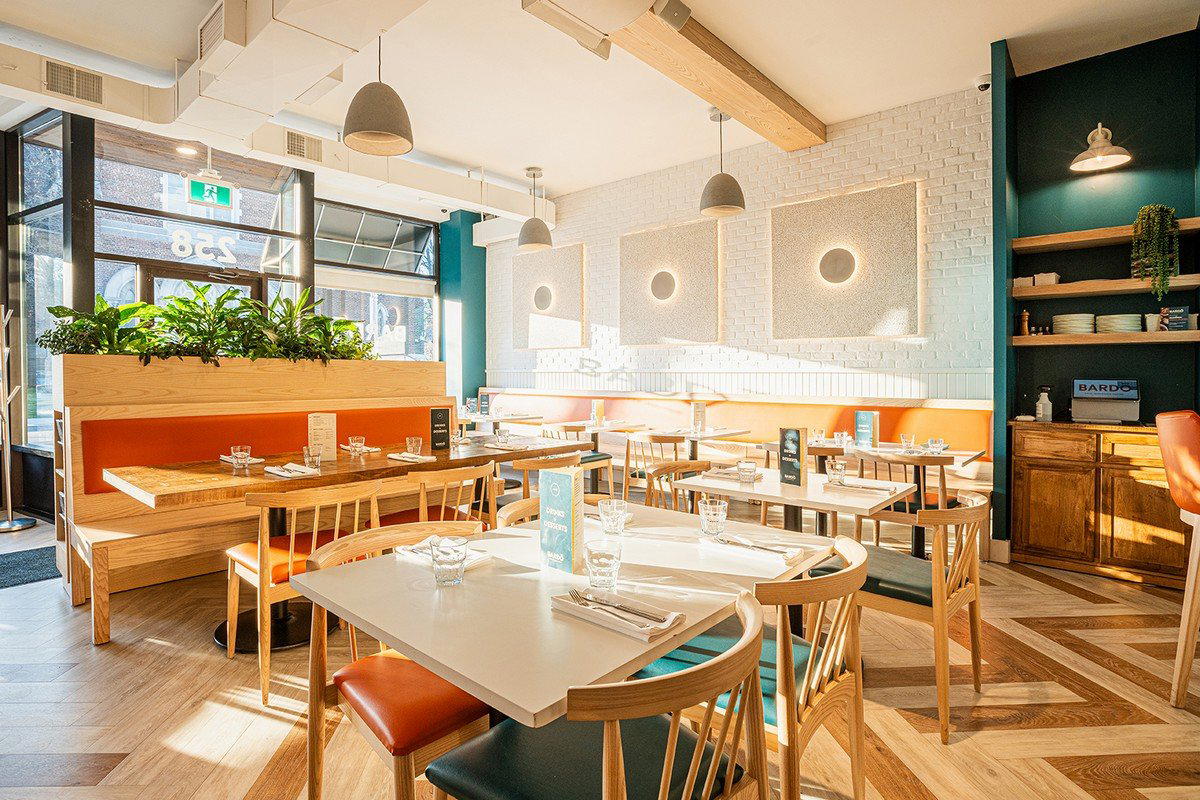
Locke Street and the Wine-First Restaurant
Bardo Locke is a restaurant in Hamilton, Ontario, with a casual dress code, a recommended reservation policy, and a price tier around $25 per person. What was once a quiet residential strip with a few cafes has developed into a concentration of independently run rooms where the operator's specific obsessions, with provenance, with small producers, with the relationship between glass and plate, drive the offer rather than follow it. Bardo Locke, at 258 Locke St S, sits inside that movement. It is the kind of address that makes more sense if you understand what the street has become: a corridor where ambition tends to be narrow and genuine rather than broad and commercial.
Across Ontario, the wine-forward independent restaurant has found its footing in mid-sized cities faster than many expected. Restaurant Pearl Morissette in Lincoln showed that a serious cellar paired with a serious kitchen could anchor a destination experience outside Toronto entirely. The Pine in Creemore demonstrated that small-town Ontario could support a room built around considered sourcing and an operator's clear point of view. Hamilton, with a lower cost base and a population increasingly drawn from Toronto's spillover, has created conditions where that model can work at street level, a neighbourhood restaurant with the ambitions of a destination one.
The Cellar as Editorial Statement
One useful way to read a wine list is as an argument. It tells you what the people behind the room believe about how wine should be made, sourced, and matched to food, and whether those beliefs are consistent or assembled from trend. In rooms that have matured past the natural-wine novelty phase, the list has become more legible: the producer choices reflect a genuine position on intervention, farming practice, and regional identity rather than simply marking a category.
This matters more in Hamilton than it might in a city where sommelier culture is well-established and diners arrive already literate. On Locke Street, the cellar is often doing the work of educating its audience in real time, which puts a premium on a list that can function at multiple levels, accessible enough to bring newcomers in, specific enough to hold the attention of someone who has already worked through the conventional canon. The wine programs that do this well in Ontario tend to combine depth in a few focused regions with breadth at the entry tier, and they tend to work with importers whose catalogues have a consistent philosophical coherence rather than assembled from whichever allocations were available.
For context on what a genuinely serious Canadian wine program looks like at the summit of its register, Alo in Toronto operates one of the country's most scrutinised cellars, with a list that functions as a decade-long curatorial statement. Tanière³ in Quebec City has built around Quebec's own emerging wine identity alongside deep French regional selections. Jérôme Ferrer's Europea in Montreal and AnnaLena in Vancouver each represent cities where the wine offer has become as central to the restaurant's identity as the kitchen. These are the rooms that set the frame for what serious wine curation means in Canadian dining, and they are the comparable set against which ambitious neighbourhood rooms in cities like Hamilton are implicitly measured, even if they are operating at a different scale and price point.
The Neighbourhood and Its comparable set
Locke Street rewards comparison shopping in a way that few Hamilton strips do. Berkeley North brings a contemporary format to the area's dining offer, sitting at the mid-tier price point and drawing a crowd that has largely graduated from the city's more casual options. Bermuda Bistro occupies a different register, lighter and more casual, useful as a before or after option. Brothers Grimm Bistro and Apllada Greek Fusion Restaurant extend the strip's range further, demonstrating how varied independent Hamilton dining has become. B-Side Social handles the more social, bar-forward end of the equation.
What this concentration creates is the conditions for a serious restaurant to function. Diners on Locke Street are already in the habit of making considered choices between operators with distinct identities. That is a more sophisticated environment than a strip where one format dominates. It means a room like Bardo Locke can assume a level of engagement from its guests that a restaurant in a more commercially homogeneous area could not.
For those building an Ontario dining itinerary around rooms that operate from a specific point of view, the province offers useful anchors at both ends of the formality spectrum. Eigensinn Farm in Singhampton remains one of the country's most singular destination experiences, built entirely around a single operator's vision. Fogo Island Inn's dining room in Newfoundland works at the far edge of Canadian ingredient sourcing. Closer to Hamilton, Narval in Rimouski demonstrates what hyper-local commitment looks like in a small-city context. These are not competitive comparisons, they are useful markers for understanding where Bardo Locke fits inside a broader Canadian dining conversation that has grown substantially more sophisticated over the past decade.
Planning Your Visit
The restaurant is at 258 Locke St S in Hamilton's Kirkendall neighbourhood, a short drive or taxi from downtown Hamilton and accessible from Toronto via the GO rail corridor to Hamilton Centre, with the restaurant a manageable distance from the station by rideshare. Locke Street itself is a walkable strip, which makes a pre- or post-dinner exploration direct. Those approaching the city from the west or coming specifically for wine-focused dining should also consider whether the Lincoln and Niagara corridor, anchored by rooms like Pearl Morissette, merits an extension of the trip, as that region now operates at a level that warrants the detour on its own terms.
For international reference points on what a wine-first room can achieve, Le Bernardin in New York City and Lazy Bear in San Francisco both demonstrate how a specific curatorial position, held consistently over time, becomes inseparable from a room's identity. The comparison is not about scale, it is about the discipline required to build a wine program that means something, in any city, at any size.
A Quick Peer Check
Comparable venues nearby, for context on price, style, and recognition.
| Venue | Cuisine | Price | Notes |
|---|---|---|---|
| Bardo LockeThis venue — the venue you are viewing | Locally Sourced Pizza and Entrees | $$ | Not listed |
| radius® on Hess | Modern Canadian Gastropub | $$$ | Hess Village |
| HAMBRGR King William | Gourmet American Burgers | $$ | Downtown Hamilton |
| lobby Hamilton | Americana with Italian Influences | $$ | Corktown |
| The Mule Hamilton | Gluten-Free Mexican Tacos | $$ | Downtown Hamilton |
| Apllada Greek Fusion Restaurant | Greek Fusion | $$ | East End |
Continue exploring
More in Hamilton
Restaurants in Hamilton
Browse all →
Bars in Hamilton
Browse all →

Hotels in Hamilton
Browse all →

At a Glance
- Lively
- Cozy
- Trendy
- Brunch
- Casual Hangout
- Open Kitchen
- Craft Cocktails
- Local Sourcing
Current opening hours
- Monday
- 9 AM–8:30 PM
- Tuesday
- 9 AM–8:30 PM
- Wednesday
- 9 AM–8:30 PM
- Thursday
- 9 AM–8:30 PM
- Friday
- 9 AM–10 PM
- Saturday
- 9 AM–10 PM
- Sunday
- 9 AM–8:30 PM
Hours can change for holidays and private events. Last verified .
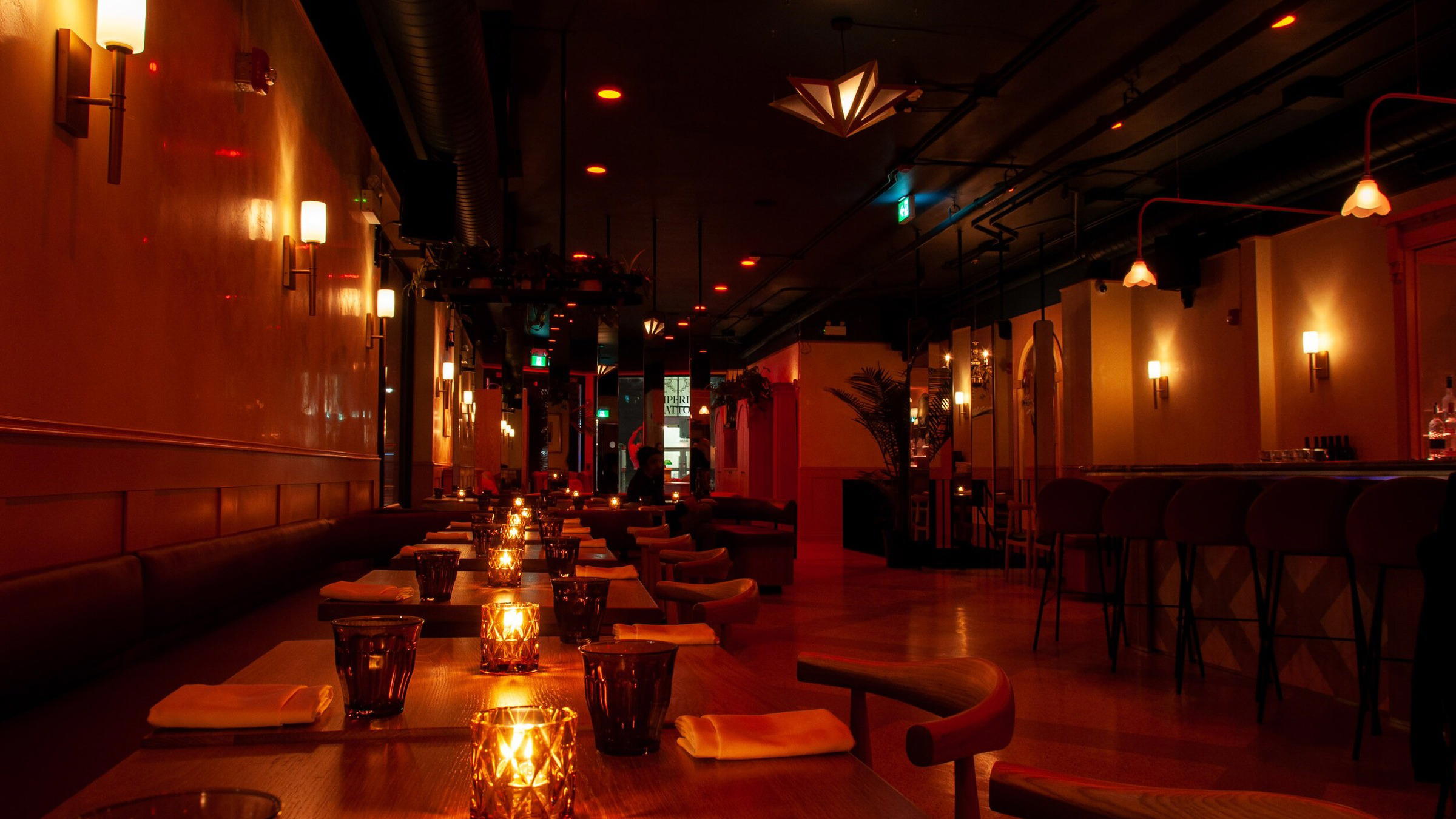
Lively and cozy with tables placed close together, moderate noise level, and a lively atmosphere.