The Mill on the River
Our verdict
The Mill on the River sits along Ellington Road in South Windsor, Connecticut, where New England's agricultural calendar has long shaped what lands on the plate. The restaurant draws from the region's farm and river traditions, positioning itself within a tier of Connecticut dining that prioritizes sourced ingredients over imported spectacle. For the Hartford area, it represents a considered alternative to the metro dining circuit.

Pearl is the En Primeur Club membership app — saves, bookings, and concierge access live there. Same editors, same standards.
- Address
- 989 Ellington Rd, South Windsor, CT 06074
- Phone
- (860) 289-7929
- Hours
- Mon ClosedTue–Thu 12–8:30 PMFri–Sat 12–9:30 PMSun 11 AM–8 PM
- Website
- themillontheriver.com
- Directions
- Get directions
- Booking
- Book on OpenTable
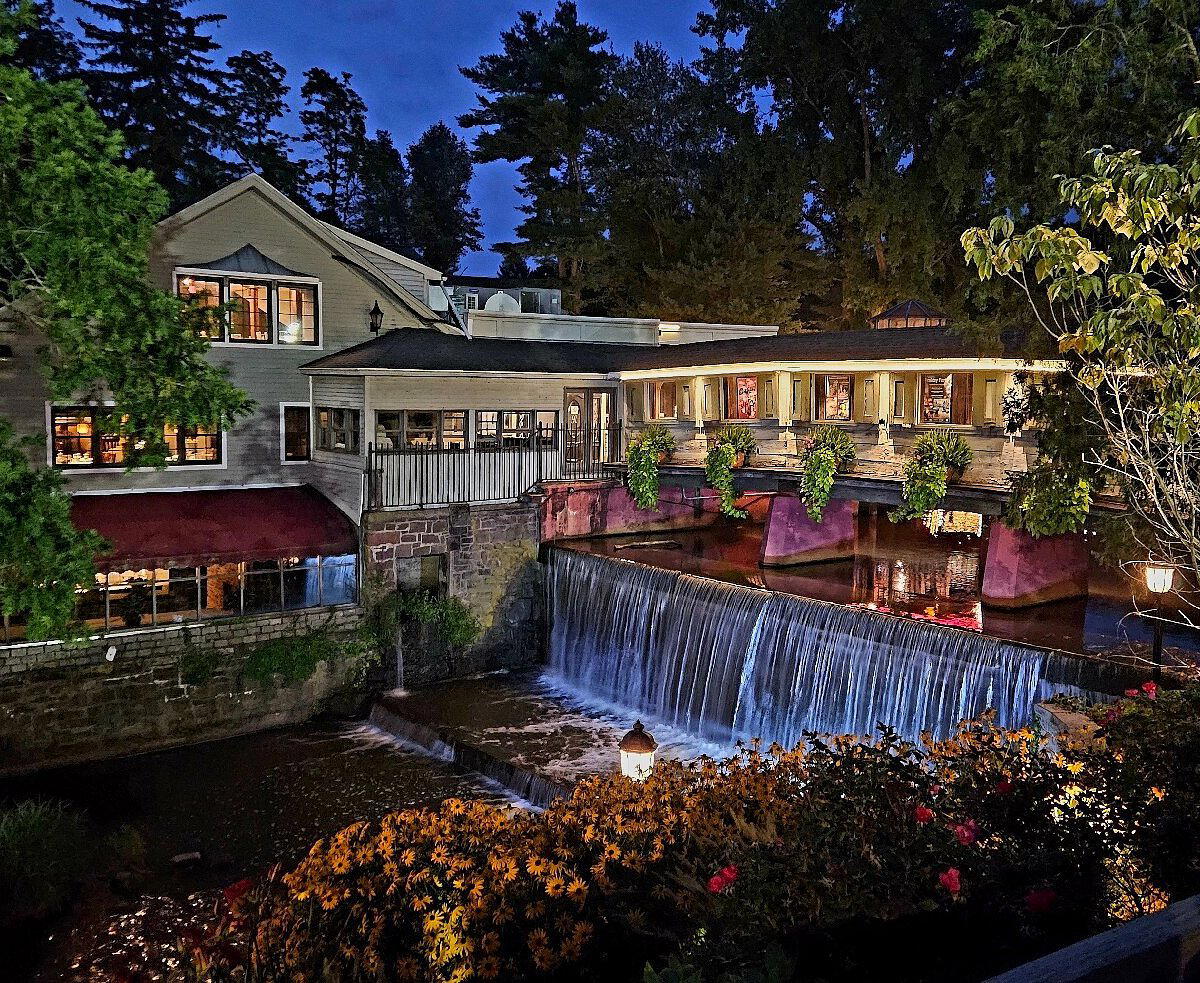
Where the River and the Field Meet the Plate
Connecticut's Connecticut River Valley has been feeding kitchens since before there were menus to put the produce on. The alluvial soil running south from the Massachusetts border produces some of the most productive farmland in New England, and the towns along the valley's edge, South Windsor among them, have historically been as agricultural as they are residential. A restaurant positioned on Ellington Road, close to that working landscape, inherits a context that the leading farm-to-table operations in the country have learned to use as structure rather than decoration. At The Mill on the River, the address alone signals an orientation toward the land and water that surrounds it.
This is a different register than the high-concept tasting counter formats that have come to define prestige American dining in coastal cities. Places like Lazy Bear in San Francisco or Alinea in Chicago operate at a remove from the ingredient's origin, transforming sourcing into technique and technique into theater. The Mill on the River's setting points toward something more grounded: a dining experience where the distance between farm and fork is measured in miles rather than supply-chain tiers.
The Sourcing Argument in New England Dining
Ingredient sourcing has become the defining debate in American restaurant culture over the past two decades, but the conversation plays out differently in Connecticut than it does in, say, California's Sonoma County or the Hudson Valley of New York. In those regions, farm-restaurant relationships have been formalized into marketing infrastructure. Connecticut's version is quieter and less publicized, which means kitchens that do it well tend to do it because the supply chain genuinely supports it, not because a press release requires it.
The Connecticut River Valley corridor, running through towns like South Windsor, Glastonbury, and East Haddam, offers year-round access to dairy, vegetables, and heritage proteins from farms that have been operating continuously for generations. For a kitchen positioned in South Windsor, the question is not whether regional sourcing is available, but how deliberately a menu is built around its rhythms. The seasonal constraint that makes winter menus challenging is the same constraint that makes summer and autumn menus genuinely expressive of place. Compare this to operations like Single Thread Farm in Healdsburg, where the farm-to-table relationship is vertically integrated and the restaurant controls its own agricultural supply. That model requires significant capital and scale. The alternative, practiced by kitchens across New England, is a network of relationships with independent producers, which introduces variability but also genuine seasonality.
Restaurants that have built national recognition around this philosophy, including Blue Hill at Stone Barns in Tarrytown, demonstrate that sourcing discipline can anchor a dining identity as effectively as any particular technique or cuisine category. The distinction is that Blue Hill operates within a functioning farm estate. A restaurant in South Windsor operates within a region, which requires a different kind of institutional knowledge about which producers are worth building a menu around and which seasonal windows matter most.
The Physical Setting and What It Implies
The mill-on-a-river format carries specific architectural and atmospheric associations in New England. These structures, typically built from the eighteenth century onward to harness water power for grinding or textile production, were eventually repurposed as the industrial economy shifted. When a restaurant occupies that kind of space, the physical fabric of the building becomes part of the dining proposition: exposed beams, stone or brick construction, proximity to moving water. The sensory experience of such a setting is structurally different from a purpose-built dining room. Sound behaves differently in spaces with heavy timber and masonry. The light shifts with the time of day and season in ways that a climate-controlled interior cannot replicate.
For a restaurant audience accustomed to the studied minimalism of high-end urban dining, this kind of setting represents a counter-argument. The atmosphere at The Mill on the River sits within a New England tradition of converted spaces that trade architectural novelty for historical weight. The Ellington Road address places it outside South Windsor's commercial center, which means the visit requires intention. That geographic remove from convenience-dining proximity tends to filter the audience toward guests who are making a specific choice rather than a default one.
South Windsor in the Connecticut Dining Context
South Windsor is not a dining destination in the way that Hartford or New Haven are. New Haven's pizza culture is nationally documented. Hartford's restaurant scene has been evolving around its Colt Gateway and Parkville neighborhoods. South Windsor occupies a different register: a suburban town with a productive agricultural edge, where dining options range from casual to occasion-appropriate without reaching into the metropolitan fine-dining tier that cities like New York sustain. For reference, Le Bernardin in New York City or Atomix in New York City represent the kind of sustained, formal dining investment that requires a dense, high-income urban catchment area to support. South Windsor's version of a considered dining experience is necessarily more local in scale and more tied to the community it serves.
That localism is not a limitation. It is the condition under which ingredient-led cooking in smaller American markets actually functions. Restaurants like Bacchanalia in Atlanta and Frasca Food and Wine in Boulder have demonstrated that regional markets outside the major coastal cities can sustain serious, sourcing-committed restaurants when the kitchen builds genuine relationships with its local supply base. The Mill on the River sits within that broader American pattern, even if its scale and recognition operate at a different level than those named examples.
For visitors coming from the Hartford metro area or from along the I-84 and Route 5 corridors, The Mill on the River at 989 Ellington Road represents a destination that rewards advance planning rather than spontaneous arrival. The surrounding area offers limited alternative dining of similar caliber, so treating the visit as the primary evening commitment rather than one option among several reflects how the restaurant's position in the local market actually works. For context on what this kind of regional commitment to sourced American cooking looks like at a national level, the editorial profiles at Providence in Los Angeles, Addison in San Diego, and The French Laundry in Napa provide useful comparative framing for where ingredient-driven American restaurants sit across the national market. Our full South Windsor restaurants guide covers the wider dining picture in the area.
Planning Your Visit
The restaurant's address at 989 Ellington Road, South Windsor, CT 06074 places it in a semi-rural stretch of town accessible by car from Hartford in under twenty minutes via Route 5 or I-291. Given the mill setting and the regional positioning, this is a table worth confirming well in advance rather than assuming walk-in availability on a given evening.
Frequently asked questions
Would The Mill on the River be comfortable with kids?
Connecticut's mid-range occasion restaurants in converted mill settings tend to accommodate families more readily than urban fine-dining formats do. The physical architecture of a mill property — multiple rooms, varied seating arrangements, and outdoor adjacency — typically provides more flexibility for families than a single-room dining room would. South Windsor's suburban character also means the surrounding area draws a mixed clientele rather than a purely destination-dining crowd.
What is the atmosphere like at The Mill on the River?
Mill conversions in New England carry a recognizable character built from the original construction: heavy timber framing, stone or brick walls, and proximity to moving water create an atmosphere that urban restaurant builds rarely replicate. At 989 Ellington Road, South Windsor, the setting sits in a semi-rural stretch of town rather than a commercial corridor, which shapes the pace and feel of a visit. That context positions it closer to destination-occasion dining than to a quick neighborhood stop.
How far is The Mill on the River from downtown Hartford, and is it worth the drive from the city?
The restaurant's address at 989 Ellington Road places it in South Windsor, roughly 10 miles northeast of downtown Hartford — under 20 minutes by car in normal traffic. For Hartford diners, that distance puts it in a different register than the city's walkable restaurant blocks: you go deliberately, not spontaneously. The mill setting and Connecticut River Valley context give it a reason to make that trip that a standard suburban dining room would not.
What's the must-try dish at The Mill on the River?
What is documented is the restaurant's positioning within the Connecticut River Valley, a region whose alluvial farmland has supplied New England kitchens for generations. Dishes grounded in that local sourcing tradition are the logical starting point when consulting the menu on arrival.
Where is The Mill on the River located?
The Mill on the River is located at 989 Ellington Rd, South Windsor, CT 06074, South Windsor.
In Context: Similar Options
Comparable venues nearby, for context on price, style, and recognition.
| Venue | Cuisine | Price | Notes |
|---|---|---|---|
| The Mill on the RiverThis venue — the venue you are viewing | Modern American Steakhouse & Seafood | $50–100 | Not listed |
| Max Downtown | Contemporary American Steakhouse | $50–100 | Downtown |
| Match | Seasonal New American with Global Influences | $50–100 | South Norwalk (SoNo) |
| Millwright's | Inspired New England Farm-to-Table | $50–100 | Simsbury |
| PRIME BGR | Gourmet Burgers & Craft Beer Gastropub | $20–30 | Downtown New Haven |
| Fresh Salt | New England Seafood | $50–100 | Old Saybrook |
Continue exploring
More in South Windsor
Restaurants in South Windsor
Browse all →
Bars in South Windsor
Browse all →
Details
- Romantic
- Elegant
- Scenic
- Classic
- Date Night
- Special Occasion
- Private Event
- Group Dining
- Waterfront
- Private Dining
- Historic Building
- Extensive Wine List
- Waterfront
- A La Carte
- Vegetarian Friendly
- Vegan Options
- Gluten Free Options
Current opening hours
- Monday
- Closed
- Tuesday
- 12–8:30 PM
- Wednesday
- 12–8:30 PM
- Thursday
- 12–8:30 PM
- Friday
- 12–9:30 PM
- Saturday
- 12–9:30 PM
- Sunday
- 11 AM–8 PM
Hours can change for holidays and private events. Last verified .
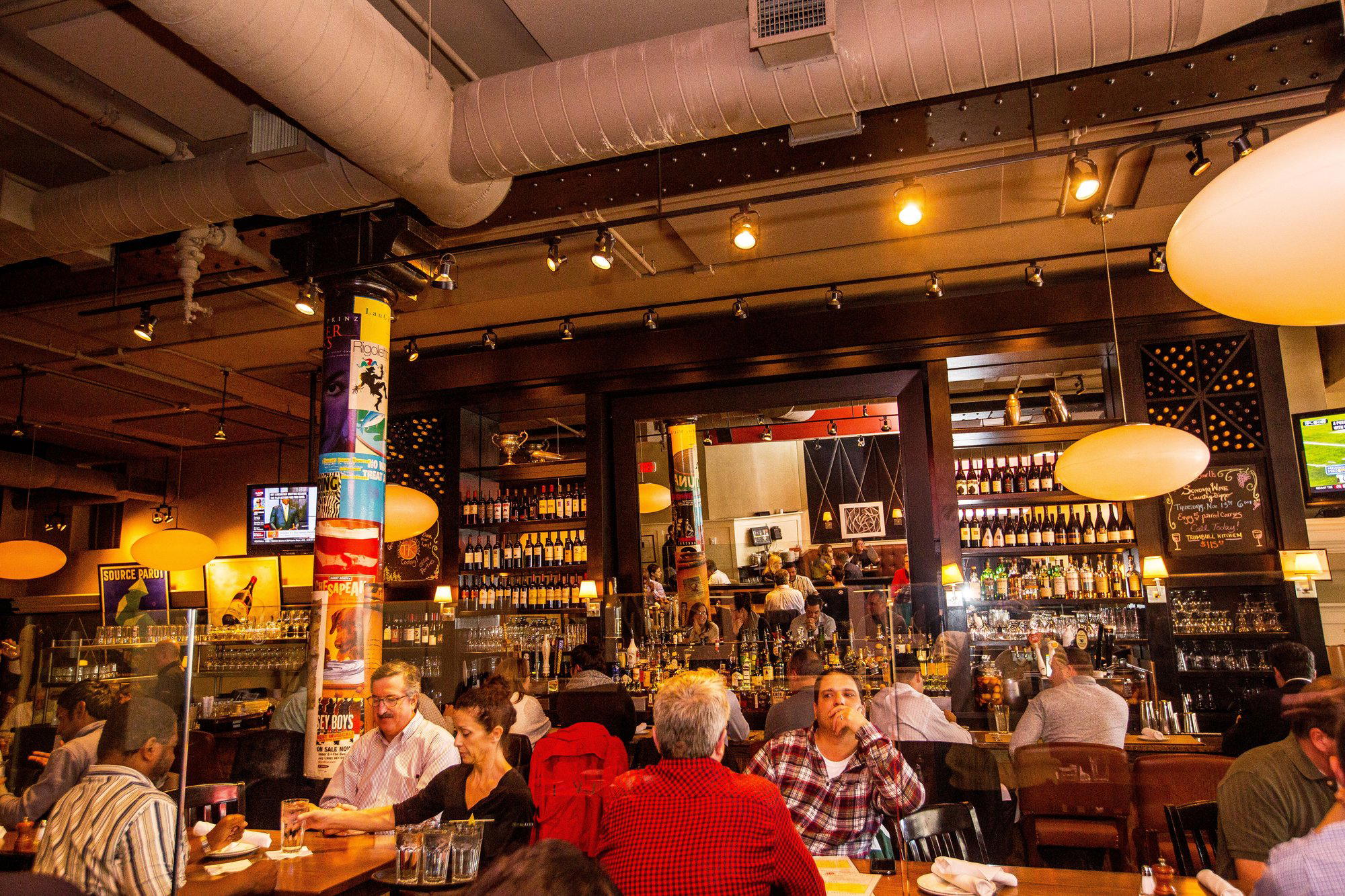
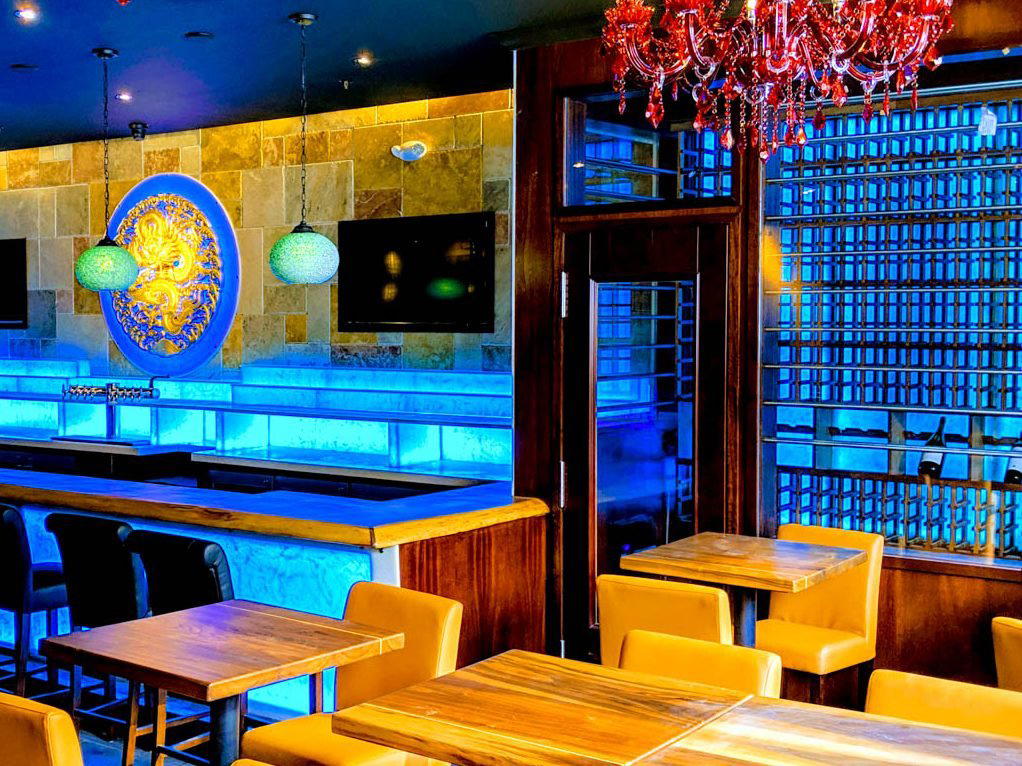
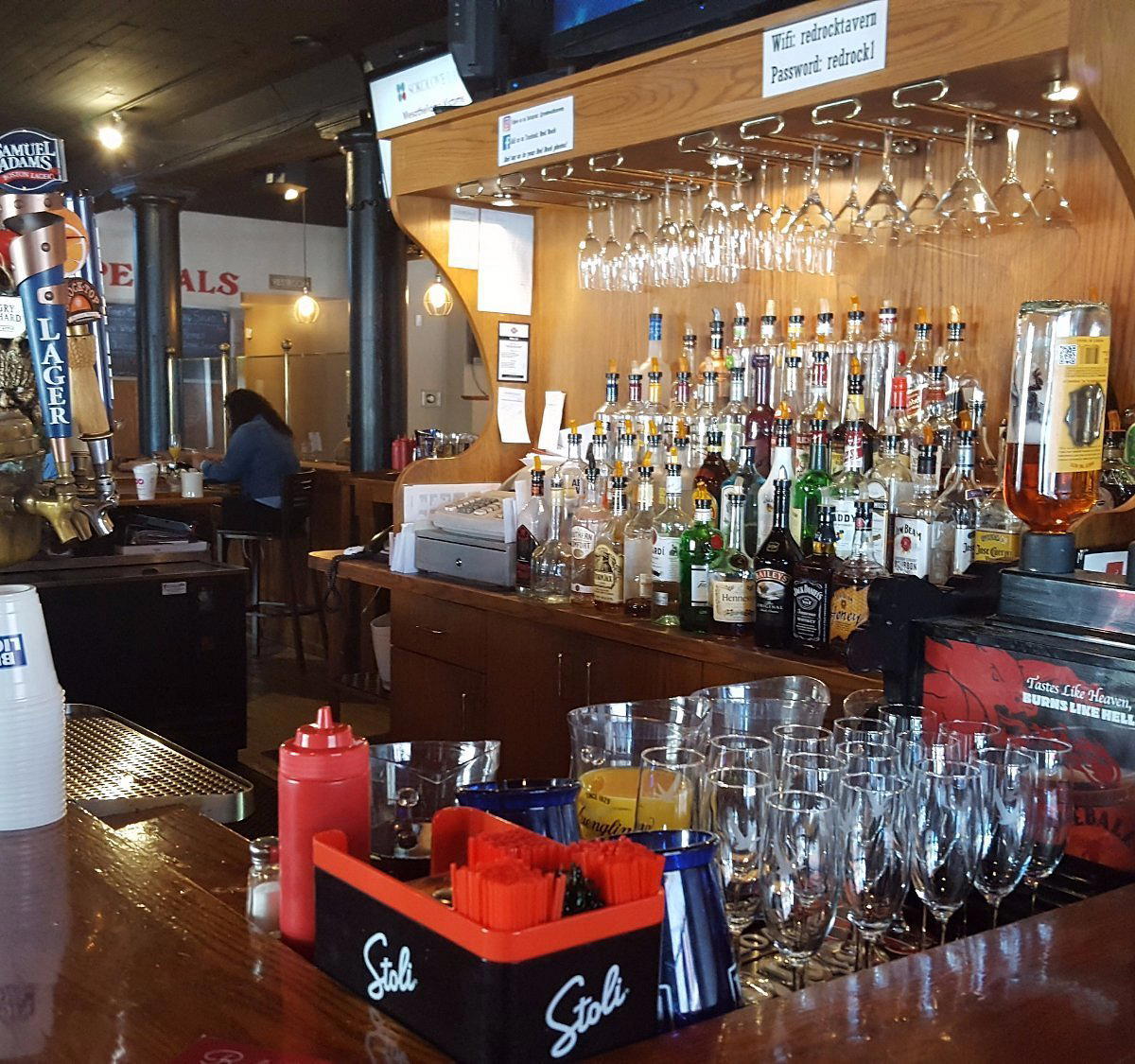
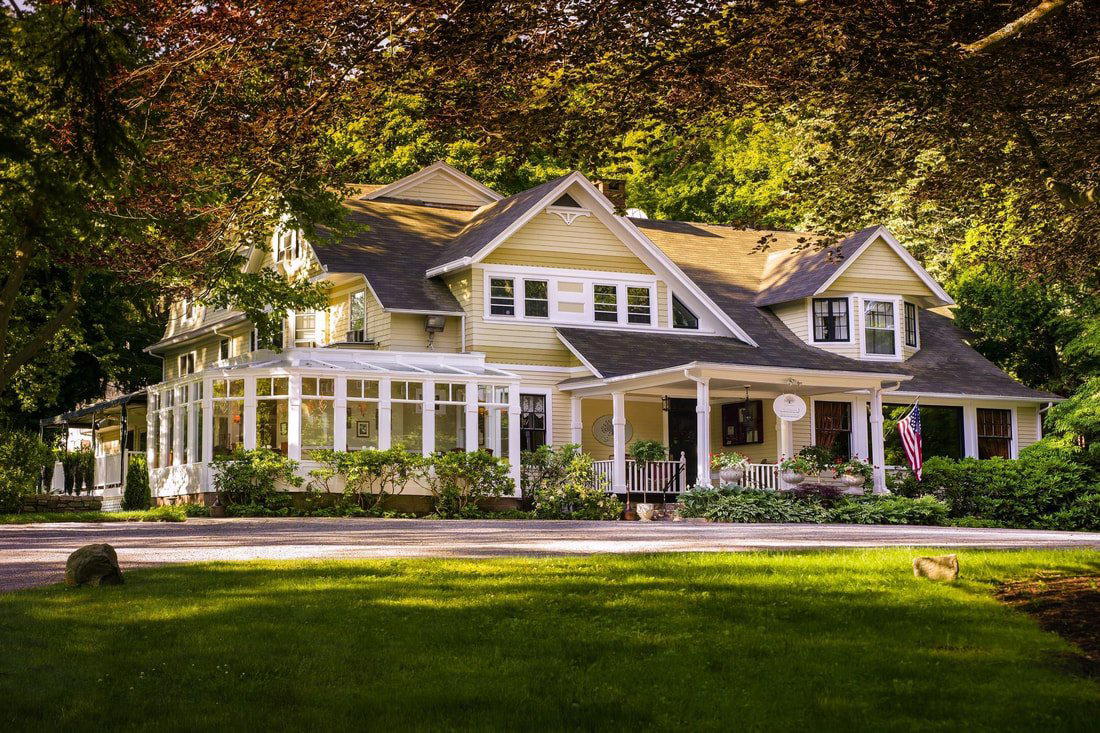
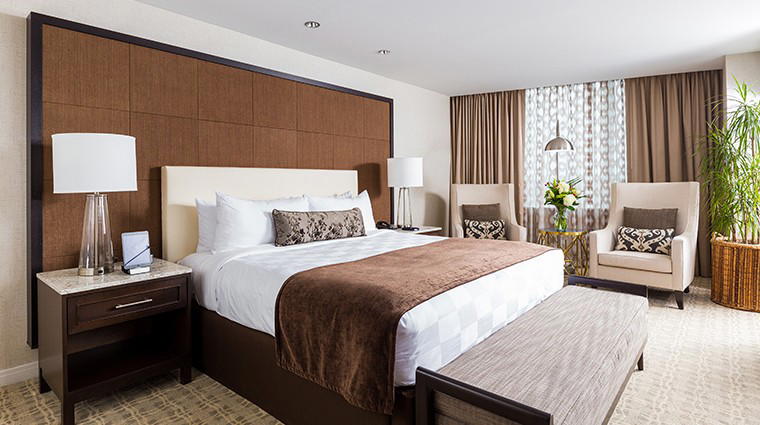
Charming interior with traditional New England comfort, elegant upscale atmosphere, and outdoor patio overlooking the water.