Max Downtown
Our verdict
Max Downtown occupies a commanding position on Asylum Street in Hartford's downtown core, where it has served as a benchmark for the city's upscale American dining scene. The kitchen leans into regional sourcing in a way that separates it from casual competitors, and the room's scale and polish make it a reliable choice for business dinners and occasion meals alike. For Hartford, it represents the upper tier of independent fine dining.

Pearl is the En Primeur Club membership app — saves, bookings, and concierge access live there. Same editors, same standards.
- Address
- 185 Asylum St, Hartford, CT 06103
- Phone
- (860) 522-2530
- Hours
- Mon–Thu 11:30 AM–9 PMFri 11:30 AM–10 PMSat 4–10 PMSun 4–9 PM
- Website
- maxdowntown.com
- Directions
- Get directions
- Booking
- Book on OpenTable
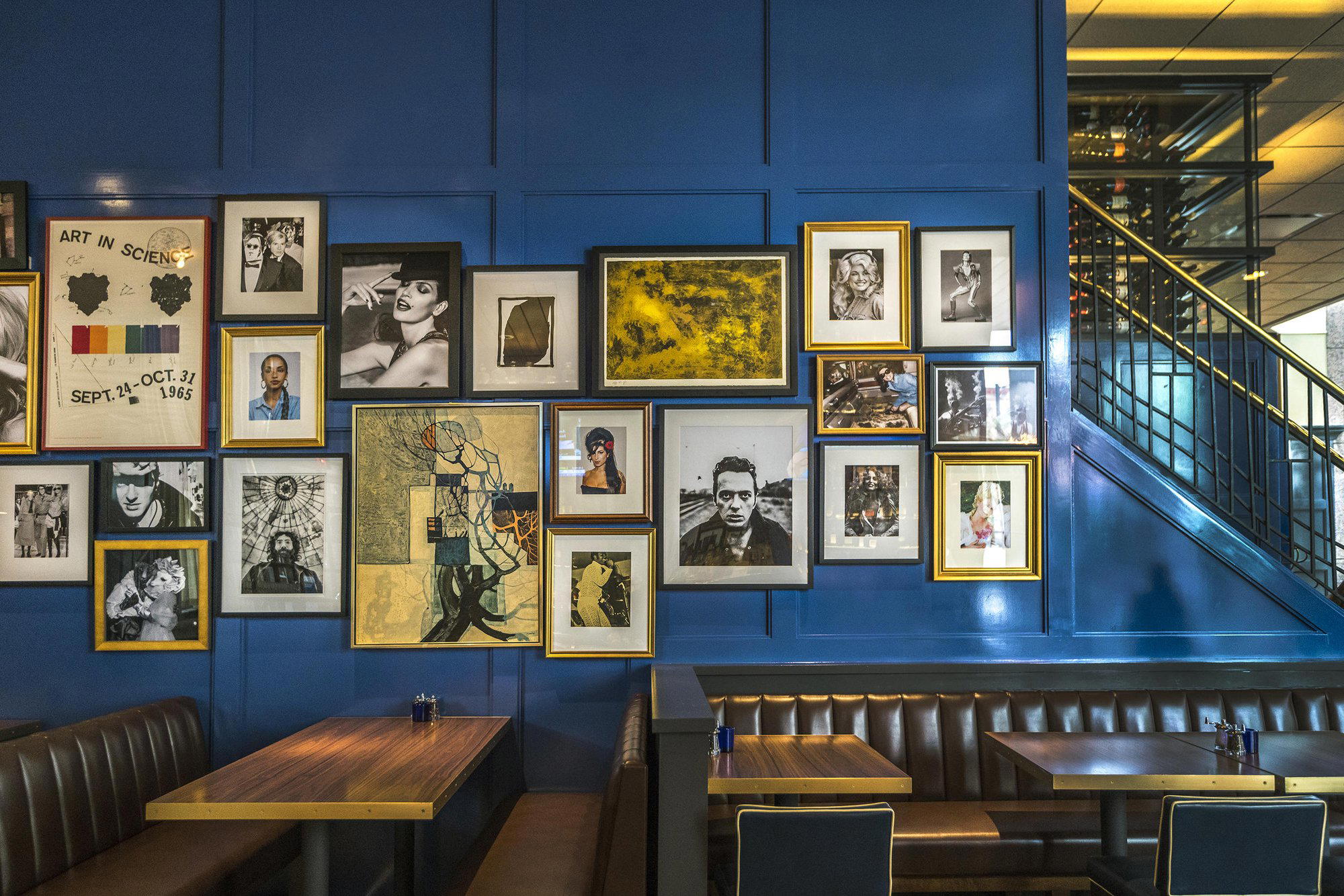
Downtown Hartford's Upscale Dining Benchmark
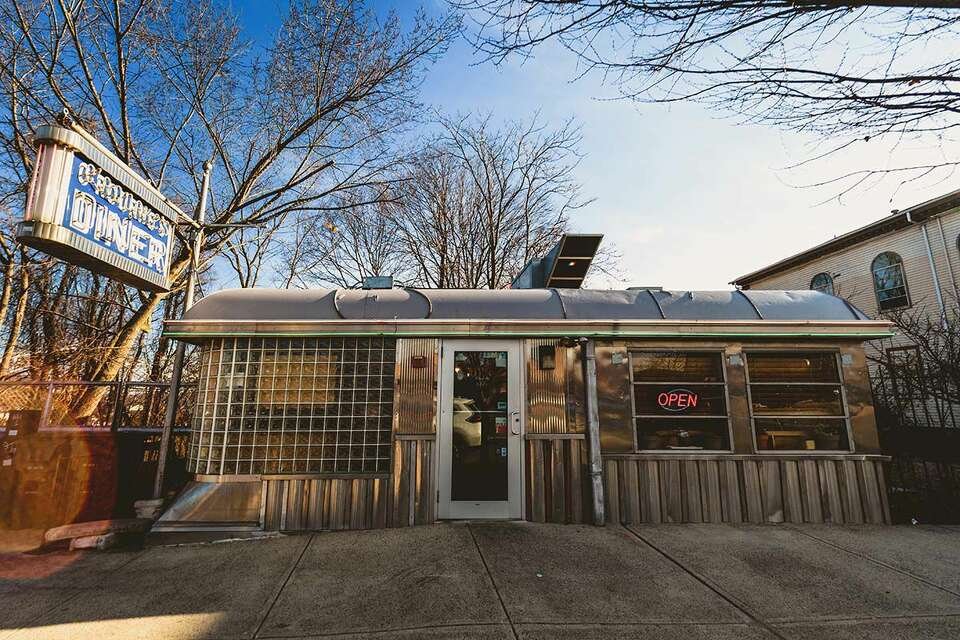
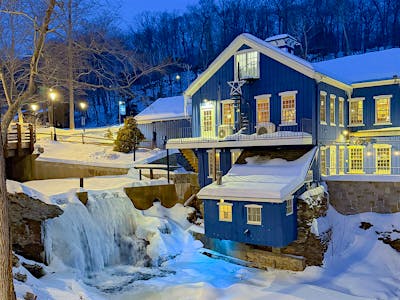
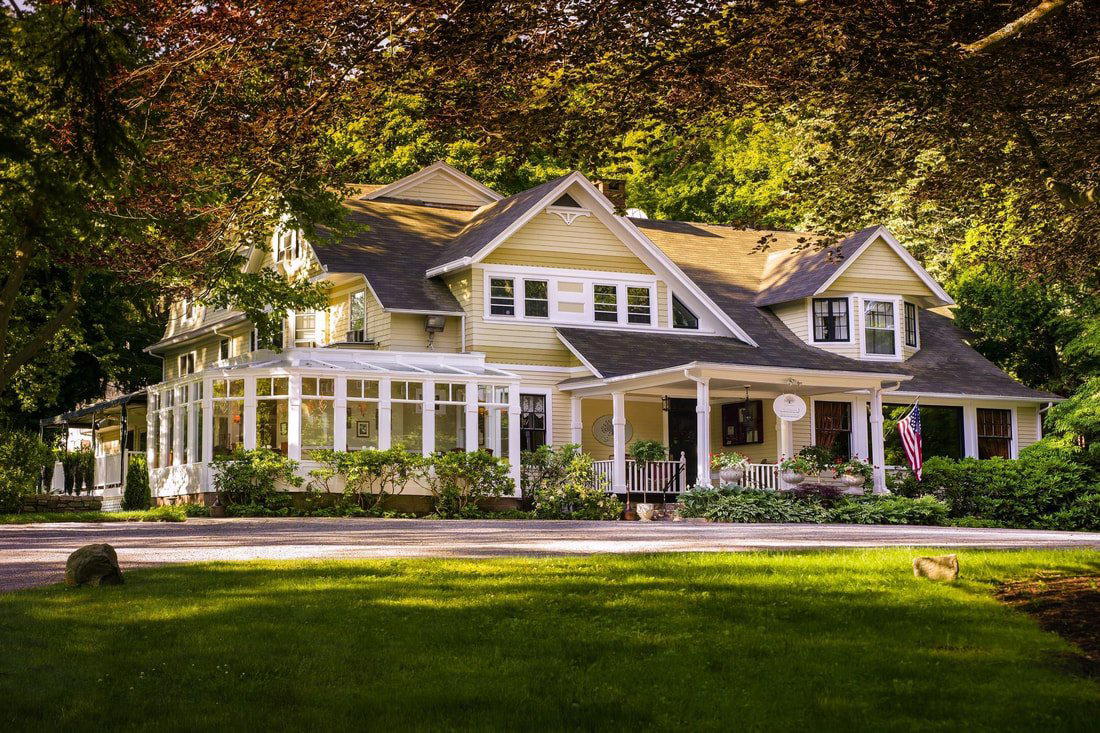
Asylum Street in Hartford's central business district carries a particular kind of dining energy: professional, purposeful, and occasionally formal. The blocks around it host the city's law firms, insurance headquarters, and civic institutions, and the restaurants that survive here do so by serving a clientele that measures a dinner against others it has had in New York, Boston, or further afield. Max Downtown, at 185 Asylum Street, sits inside that environment and has built its identity around meeting it. The room is scaled for business — broad, well-lit without being bright, the kind of space where a conversation can stay private across a table without requiring effort. Approaching from the street, the impression is of deliberate restraint: a facade that signals seriousness without theatrics.
Hartford's restaurant scene is genuinely stratified. At the casual end, places like Agave Grill, Coyote Flaco, and El Sarape anchor the mid-market with regional Mexican cooking, while First & Last Tavern and Franklin Giant Grinder Shop hold the city's comfort-food tradition. Max Downtown operates in a different register entirely. It represents the bracket where Hartford's upscale independent dining concentrates — a smaller, more competitive tier where sourcing decisions, wine depth, and execution consistency are what separate one kitchen from another. For a broader orientation to where Max Downtown sits within the city's dining options, see our full Hartford restaurants guide.
Sourcing as Editorial Statement
In American fine dining, ingredient sourcing has shifted from a marketing point to a structural kitchen decision. The restaurants that have made sourcing central to their identity, from Blue Hill at Stone Barns in Tarrytown and Single Thread Farm in Healdsburg at the farm-integrated extreme, to The French Laundry in Napa and Providence in Los Angeles at the luxury tier, tend to use provenance as a filter that shapes the entire menu rather than a footnote on a dish description. Max Downtown operates within this broader shift at a regional level. Connecticut and the surrounding New England states offer meaningful agricultural and coastal resources: oysters and shellfish from Long Island Sound, dairy and produce from the Connecticut River Valley, and a short-season approach to vegetables that forces menu rotation.
For a downtown Hartford kitchen serving a business-oriented clientele, this regional sourcing argument matters in a specific way. The guest arriving from a day of meetings in the city is not always looking for an exploratory tasting menu; they want something well-executed and substantive. When sourcing is handled well, it provides that substance without requiring the kitchen to over-explain itself. The dish speaks through the quality of the primary ingredient rather than through technique flourishes. This is a different model from the maximalist ambition of venues like Alinea in Chicago or the tightly conceptual formats of Atomix in New York City, and it is a more appropriate one for the dining context Max Downtown serves.
The Room and Its Logic
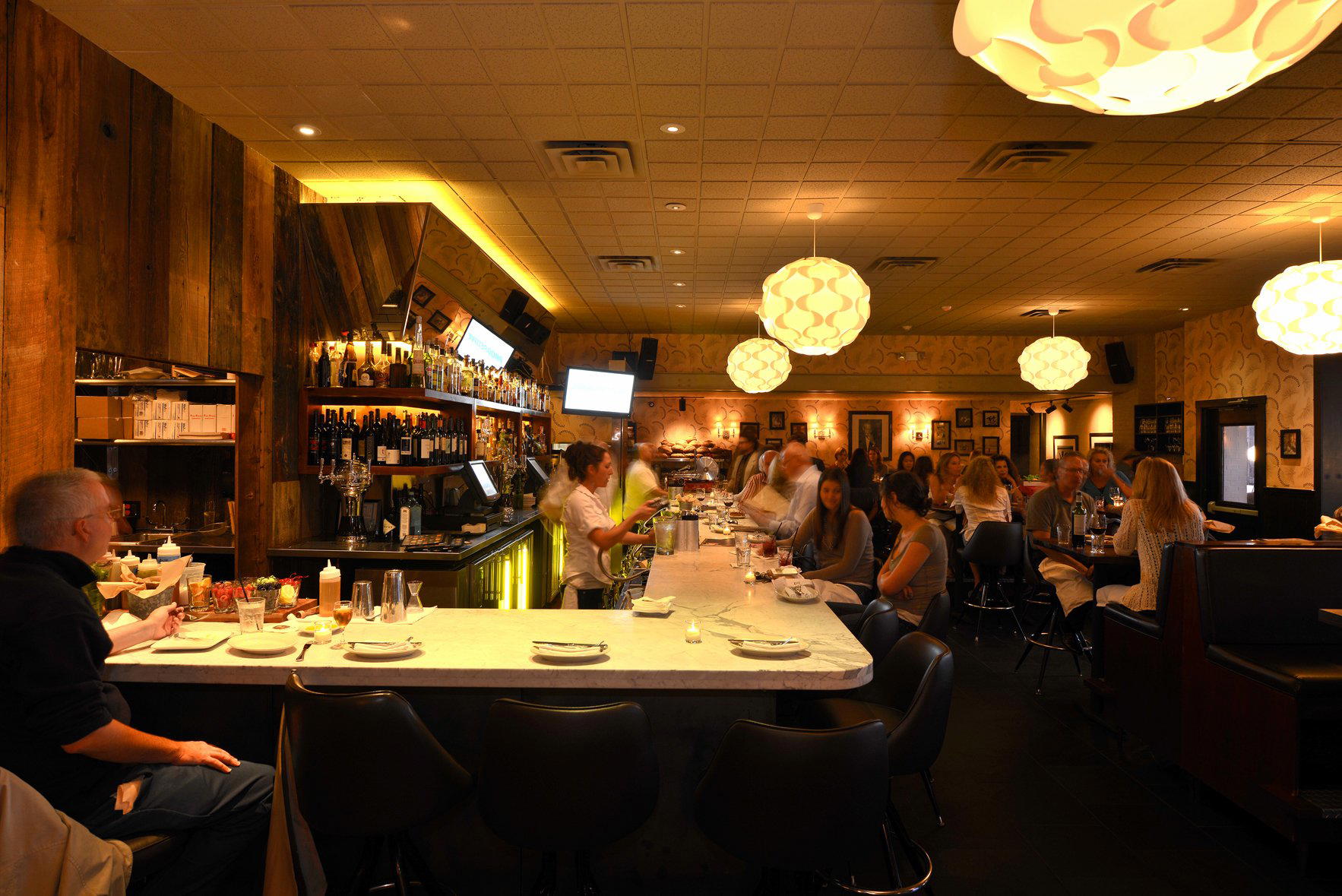
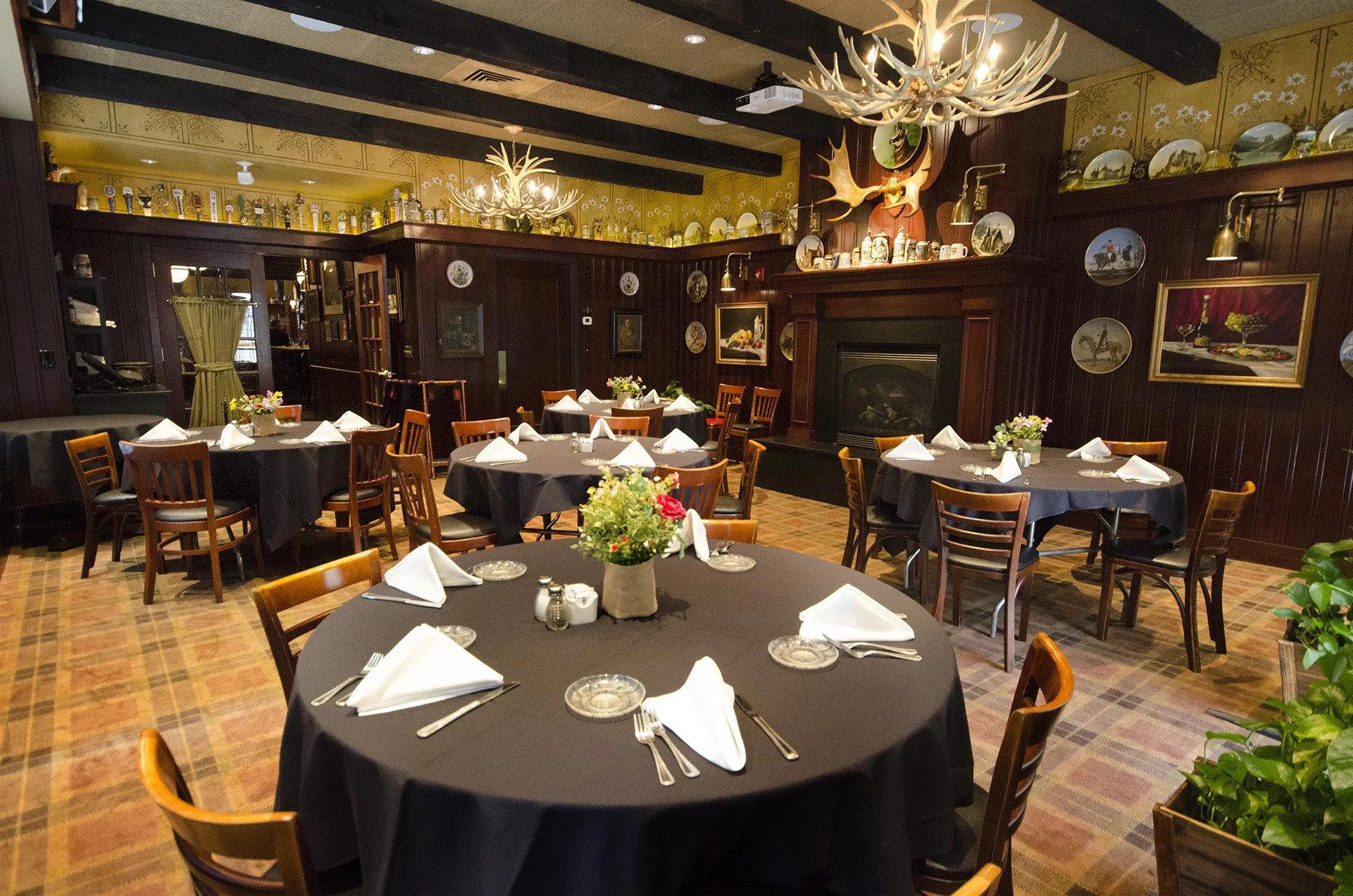
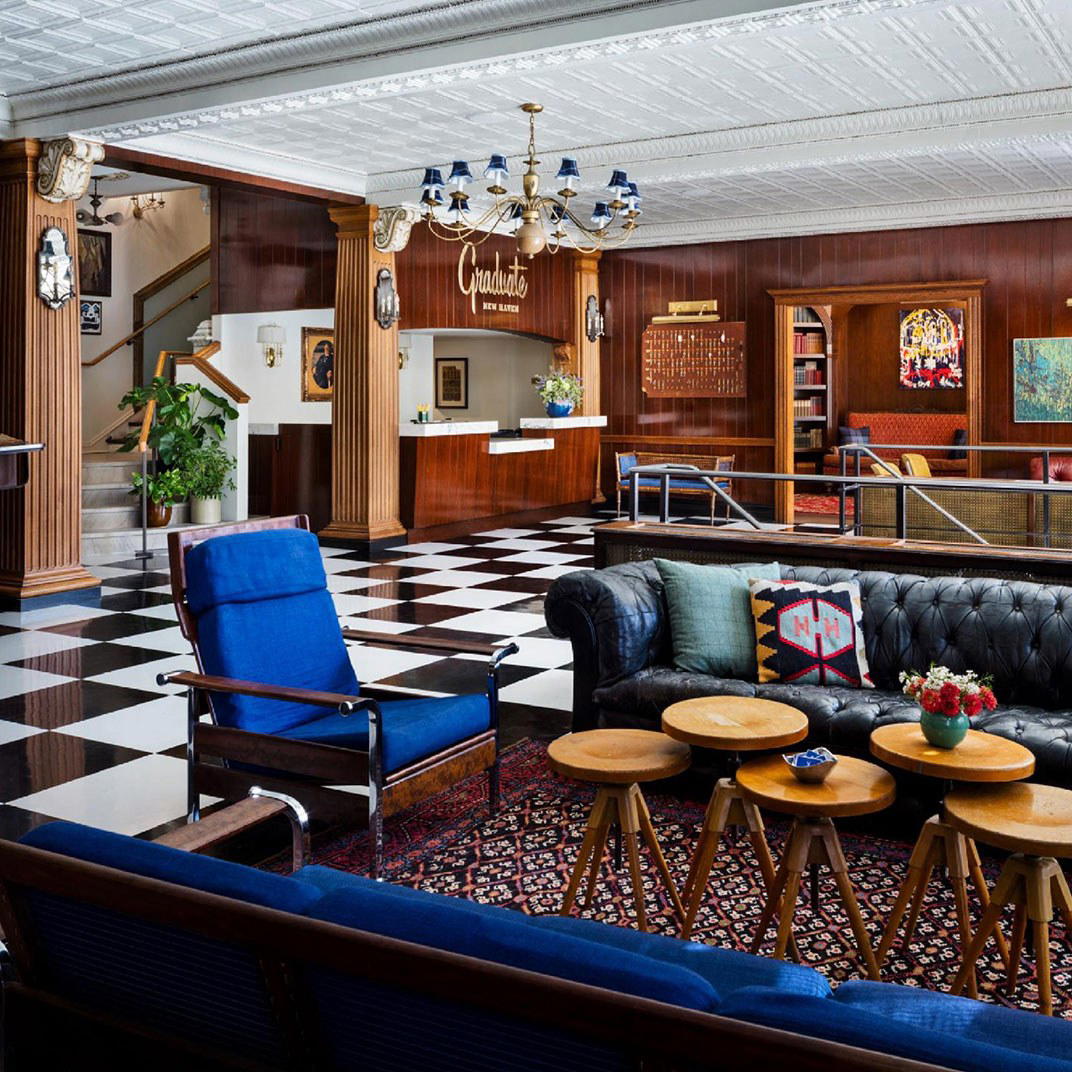
The physical environment at Max Downtown reflects a design logic that was common in American upscale dining through the 1990s and 2000s and has aged better than many of its contemporaries. Large rooms with good acoustic management, banquette seating for longer parties, and a bar section that functions independently of the dining room, this configuration works for Hartford's business dining demand in a way that a more intimate or conceptually driven format would not. The bar area in particular plays a distinct role: a place where the single business traveler or the early-arrival group can settle without the formality of a seated table. This dual-function layout is a structural feature, not an afterthought.
The wine program at a restaurant of this tier is as much a trust signal as the food. In the context of American steakhouse-adjacent upscale dining, the category Max Downtown most closely resembles in its approach to protein-led menus, wine depth is an expectation rather than a differentiator. What matters is whether the list was assembled with real knowledge or simply populated from a distributor catalog. The distinction shows in pour-by-the-glass selections and in whether the sommelier conversation goes anywhere useful. The leading rooms in this bracket, from Le Bernardin in New York City to Emeril's in New Orleans, treat wine as a co-equal part of the meal rather than a margin exercise.
How Max Downtown Compares to the National Fine Dining Spectrum
Venues like Lazy Bear in San Francisco, Addison in San Diego, or The Inn at Little Washington in Washington operate in markets with larger luxury dining populations and accordingly carry heavier Michelin and press attention. That is not a disadvantage for Max Downtown specifically, it is simply the operating environment. Internationally, the bar for comparison shifts further: a room like 8 1/2 Otto e Mezzo Bombana in Hong Kong occupies a different tier entirely. Within the Northeast regional market, Max Downtown competes on consistency, sourcing credibility, and service reliability rather than on conceptual novelty.
Planning a Visit
Max Downtown is located at 185 Asylum Street in Hartford's downtown core, within walking distance of the Connecticut Convention Center and most of the city's major hotels. For business travelers, this address is a practical advantage: it sits close enough to the insurance and financial district offices that a dinner reservation can follow a meeting without requiring a car. Tables at this level of Hartford dining are generally available with a few days' notice outside of convention season; during major events at the Connecticut Convention Center, the downtown dining inventory tightens and advance booking becomes more important. The restaurant's format suits groups of two to six comfortably, and the room's acoustic design makes it reasonable for conversation-dependent meals where the agenda extends past the appetizers.
Frequently asked questions
Is Max Downtown child-friendly?
Max Downtown operates within Hartford's central business district on Asylum Street, where the dining room skews toward a professional and formal crowd. The setting is better suited to adults seeking a composed meal than to families with young children. That said, nothing in the venue's profile explicitly excludes younger diners, so context matters: a weekend dinner will read differently than a weekday lunch.
What's the overall feel of Max Downtown?
The atmosphere at 185 Asylum Street lands in purposeful, professional territory — the kind of room that has long anchored Hartford's expense-account and special-occasion circuit. The design reflects the American upscale dining aesthetic of the 1990s and 2000s, which has held up in function even as trends elsewhere have shifted toward more casual formats. It's formal without being stiff.
Is Max Downtown a good option for a business dinner in Hartford?
For business dining in Hartford, Max Downtown's location at 185 Asylum Street is a practical asset: it sits within walking distance of the Connecticut Convention Center and the downtown hotel cluster, reducing logistics for out-of-town guests. The room's formal-leaning design and professional atmosphere have made it a consistent choice for that purpose over many years. Reservations in advance are advisable during convention and conference periods.
What do people recommend at Max Downtown?
What the restaurant's position in Hartford's downtown dining scene consistently signals is a kitchen oriented around ingredient sourcing as a structural priority rather than a decorative one. Checking the restaurant directly at 185 Asylum Street for current seasonal offerings is the most reliable approach.
Where exactly is Max Downtown?
Max Downtown is located at 185 Asylum St, Hartford, CT 06103, Hartford.
How hard is it to get a table at Max Downtown?
Max Downtown holds a durable position as one of Hartford's upscale dining benchmarks, which puts it in consistent demand among the city's business and convention crowd, particularly given its proximity to the Connecticut Convention Center. Weekend reservations and peak business-dining periods tend to book ahead. Exact lead times are best confirmed with the restaurant directly.
What is Max Downtown known for?
Max Downtown has established itself as the reference point for upscale American dining in Hartford's downtown core, occupying a category in Connecticut's restaurant scene that sits above casual but below destination-tasting-menu territory. Its address on Asylum Street places it at the center of the city's professional dining circuit, making it a default for business meals, pre-convention dinners, and formal occasions in the Hartford area.
In Context: Similar Options
Comparable venues nearby, for context on price, style, and recognition.
| Venue | Cuisine | Price | Notes |
|---|---|---|---|
| Max DowntownThis venue — the venue you are viewing | Contemporary American Steakhouse | $50–100 | Not listed |
| Ichiban | Japanese & Korean | $20–30 | West End |
| Agave Grill | Modern Mexican | $20–30 | downtown |
| Trumbull Kitchen | Modern American Eclectic | $30–50 | downtown |
| El Sarape | Authentic Mexican (Puebla & Oaxaca) | $10–20 | Frog Hollow |
| Coyote Flaco | Authentic Mexican | $20–30 | Southwest Hartford |
Details
- Elegant
- Sophisticated
- Classic
- Business Dinner
- Date Night
- Special Occasion
- Private Dining
- Open Kitchen
- Craft Cocktails
- Extensive Wine List
- A La Carte
- Whiskey
- Cocktails
- Vegetarian Friendly
- Vegan Options
- Gluten Free Options
Current opening hours
- Monday
- 11:30 AM–9 PM
- Tuesday
- 11:30 AM–9 PM
- Wednesday
- 11:30 AM–9 PM
- Thursday
- 11:30 AM–9 PM
- Friday
- 11:30 AM–10 PM
- Saturday
- 4–10 PM
- Sunday
- 4–9 PM
Hours can change for holidays and private events. Last verified .
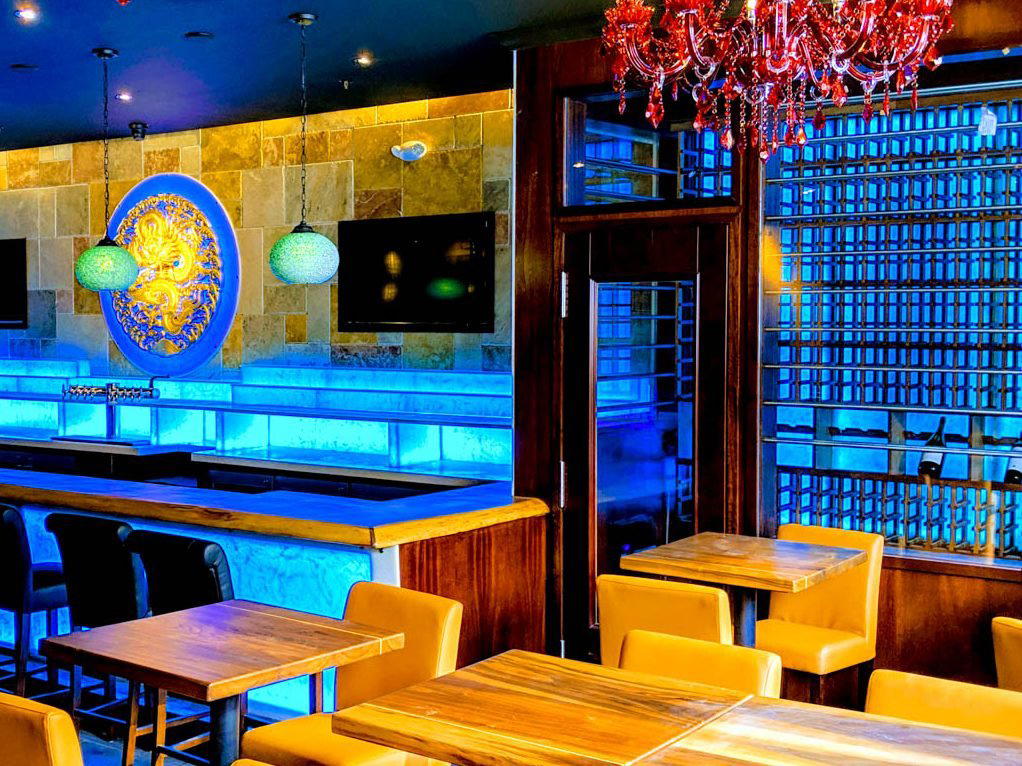
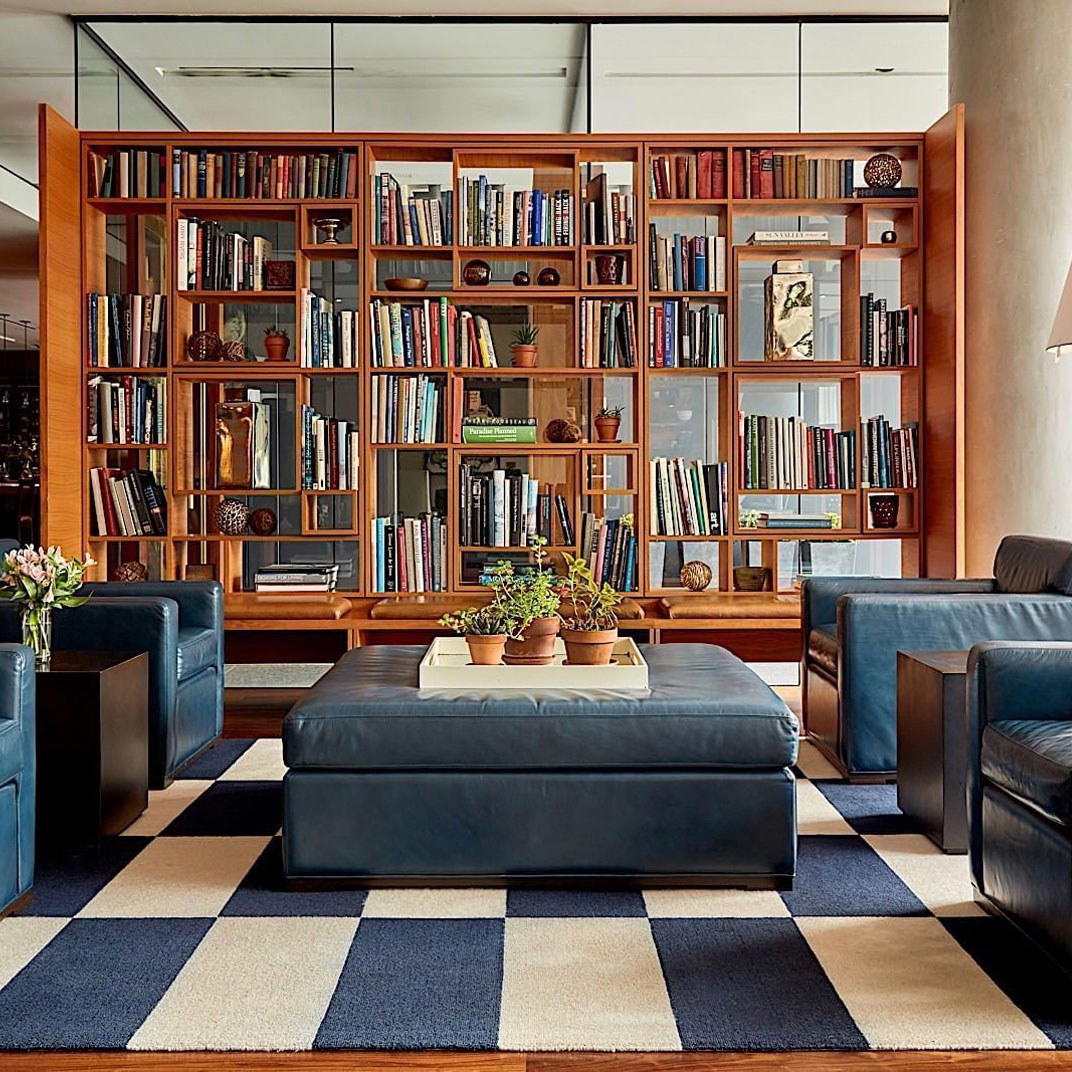
Stylish decor with lively atmosphere, high ceilings, artisan chandeliers, wine mezzanine, and walls with wine racks, books, and pictures.