Fresh Salt
Fresh Salt sits at the mouth of the Connecticut River in Old Saybrook, where the shoreline tradition of pulling ingredients directly from surrounding waters shapes the menu. The address alone — Bridge Street, steps from the river — signals an operation built around proximity to source. For travelers moving through coastal Connecticut, it occupies a practical and pleasurable stop in a town with more culinary seriousness than its size suggests.
Pearl is the En Primeur Club membership app — saves, bookings, and concierge access live there. Same editors, same standards.
- Address
- 2 Bridge St, Old Saybrook, CT 06475
- Phone
- +18603881111
- Website
- saybrook.com
- Directions
- Get directions
 Saves & bookings on Pearl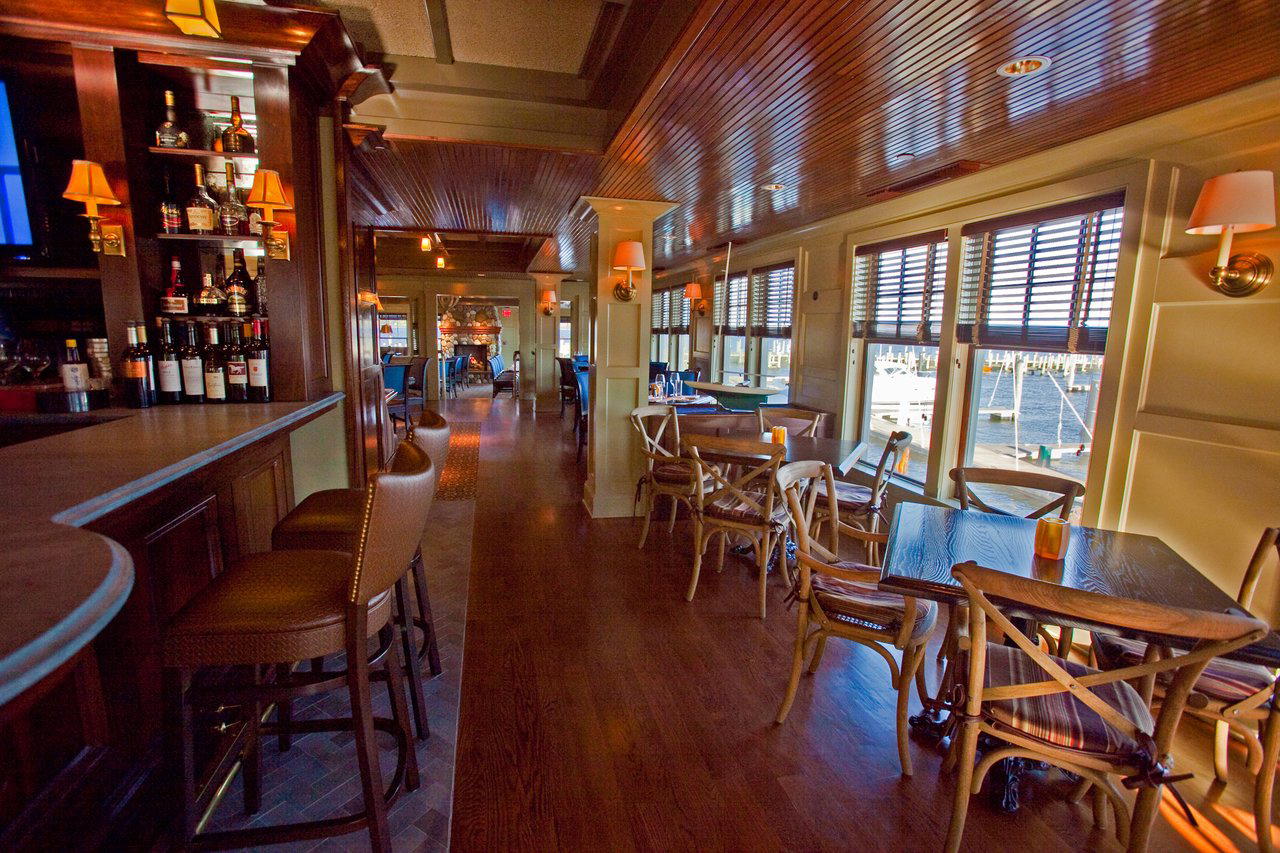
Where the River Meets the Table
Old Saybrook sits at one of the more consequential geographic junctures in coastal New England: the point where the Connecticut River empties into Long Island Sound. That confluence has driven the town's economy and identity for centuries, and it continues to shape what ends up on the plate at waterfront tables along Bridge Street. Fresh Salt occupies that address directly, at 2 Bridge St, in a position that makes proximity to source less a marketing claim than a simple description of the logistics involved. The water that supplies the kitchen is, in the most literal sense, visible from the dining room.
Coastal Connecticut operates within a wider regional tradition of seafood-forward eating that runs from the oyster shacks of the Sound's north shore to the clam chowder institutions of New Haven. What distinguishes the stretch around Old Saybrook is its access to two distinct water bodies at once: the colder, fresher river current and the tidal saltwater of the Sound. That dual sourcing geography gives local kitchens an ingredient range that single-coast operations simply do not have — from freshwater species moving through the river corridor to bivalves and fin fish pulled from the Sound's more saline waters.
The Sourcing Logic of a River-Mouth Address
The editorial argument for ingredient-led dining has been made persuasively at far grander scales. Operations like Single Thread Farm in Healdsburg and Blue Hill at Stone Barns in Tarrytown have built their entire identities around controlling the supply chain from soil or water to service. Smyth in Chicago applies similar sourcing discipline within a tasting menu format. What those operations demonstrate, and what the broader industry has absorbed as received wisdom, is that geographic specificity in sourcing produces a kind of flavor that is not reproducible through wholesale channels. The Connecticut River estuary is not a branded provenance in the way that, say, a specific oyster bed in the Pacific Northwest has been commodified into a narrative. It is simply a place where certain things grow or migrate, and kitchens that understand that geography can cook with a precision that reflects it.
That context matters for understanding why a restaurant at this address in Old Saybrook carries a different set of expectations than comparable waterfront dining in, say, a beach town where the nearest fish arrives on a refrigerated truck from a regional distributor. The Sound's oyster tradition alone — spanning Wellfleet, Blue Point, and multiple Connecticut appellations, gives local menus a bivalve vocabulary that is difficult to replicate elsewhere. The region's soft-shell crab season, the bluefish runs, the striped bass that move through the river corridor: these are not romantic abstractions but concrete, seasonal facts that shape what a kitchen at this location can responsibly put on a menu at different points in the year.
Coastal Connecticut's Dining Position
Connecticut's shoreline has long existed in the culinary shadow of New York and Boston, which is partly a function of proximity and partly a function of the state's unusual geography, a dense concentration of wealthy suburbs that historically exported their dining dollars to Manhattan rather than developing a local fine dining infrastructure at scale. That pattern has been shifting. The lower Connecticut River Valley, anchored by towns like Essex and Old Saybrook, has developed a small but coherent set of serious restaurants over the past decade, working within the seasonal and ingredient logic that the geography supports rather than trying to replicate the tasting menu formats of Le Bernardin in New York City or The French Laundry in Napa.
That distinction matters. The restaurants that have found lasting traction in coastal Connecticut tend to operate with a format that acknowledges the seasonal rhythms of the region rather than working against them. The most compelling argument for eating in Old Saybrook is not that the town can replicate what a $$$$ tasting counter in a major metropolitan area delivers, but that it offers something those operations by definition cannot: the specific, unrepeatable flavor of a place defined by the intersection of a major river and a tidal sound, cooked by people who have reason to understand it.
For comparison, operations like Oyster Oyster in Washington, D.C. and Providence in Los Angeles have demonstrated that serious, ingredient-driven seafood can carry its own critical weight outside the traditional fine dining tier. ITAMAE in Miami applies similar sourcing discipline to a regional coastal tradition. The organizing principle in each case is the same: understand where the ingredient comes from, work within the constraints that geography imposes, and let those constraints generate the menu rather than fighting them with imported product.
Planning a Visit
Old Saybrook is accessible from New Haven via Route 95 East, roughly 35 miles along the coast, and from Hartford via Route 9 South, a drive of around 30 miles through the Connecticut River Valley. The town's rail station sits on the Shore Line East commuter corridor, which connects to New Haven and, through transfers, to New York Penn Station, making a day trip from the city a workable proposition for those who prefer not to drive. Bridge Street itself is compact enough that parking near the waterfront is manageable outside peak summer weekends, when shoreline traffic along the Sound can back up considerably. Summer and early fall represent the period when local sourcing is at its most varied, with soft-shell crab, striped bass, and Sound oysters all in concurrent season; late fall and winter menus narrow accordingly, reflecting what the estuary actually provides rather than what an annual menu template might prefer. For travelers building a wider Connecticut itinerary, our full Old Saybrook restaurants guide covers the broader dining context of the town and the lower river valley.
Given the sparse publicly available detail on Fresh Salt's specific format, pricing, and current kitchen team, contacting the restaurant directly via its Bridge Street address or searching current booking platforms for availability is the most reliable approach. Waterfront tables in this part of the Sound book well ahead during July and August; shoulder season visits in May, June, or September tend to offer more flexibility without meaningful sacrifice in ingredient quality.
How Fresh Salt Old Saybrook compares with similar nearby venues.
| Venue | Cuisine |
|---|---|
| Lobster Landing | Seafood Cuisine |
Continue exploring
More in Old Saybrook
Restaurants in Old Saybrook
Browse all →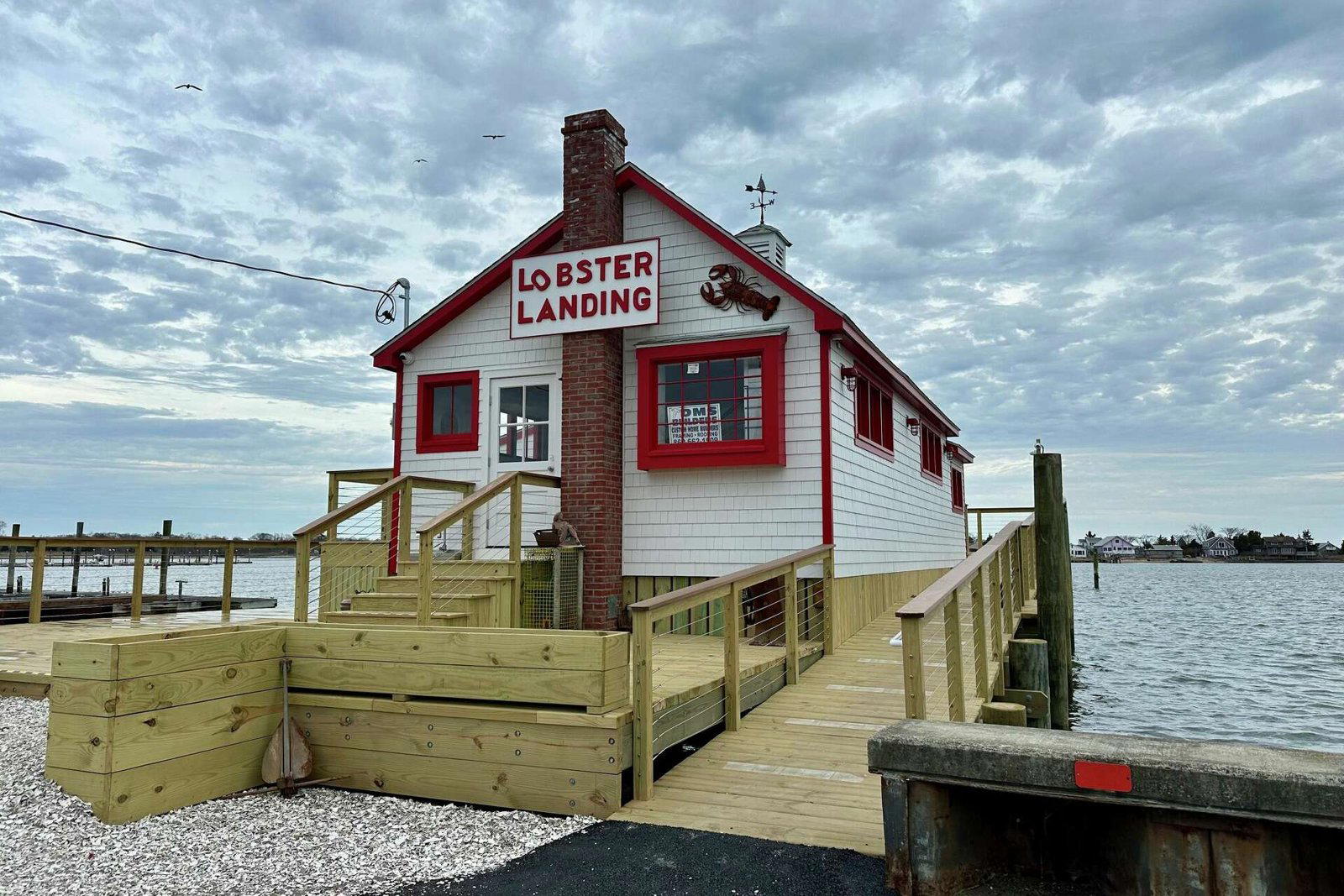

Bars in Old Saybrook
Browse all →

Hotels in Old Saybrook
Browse all →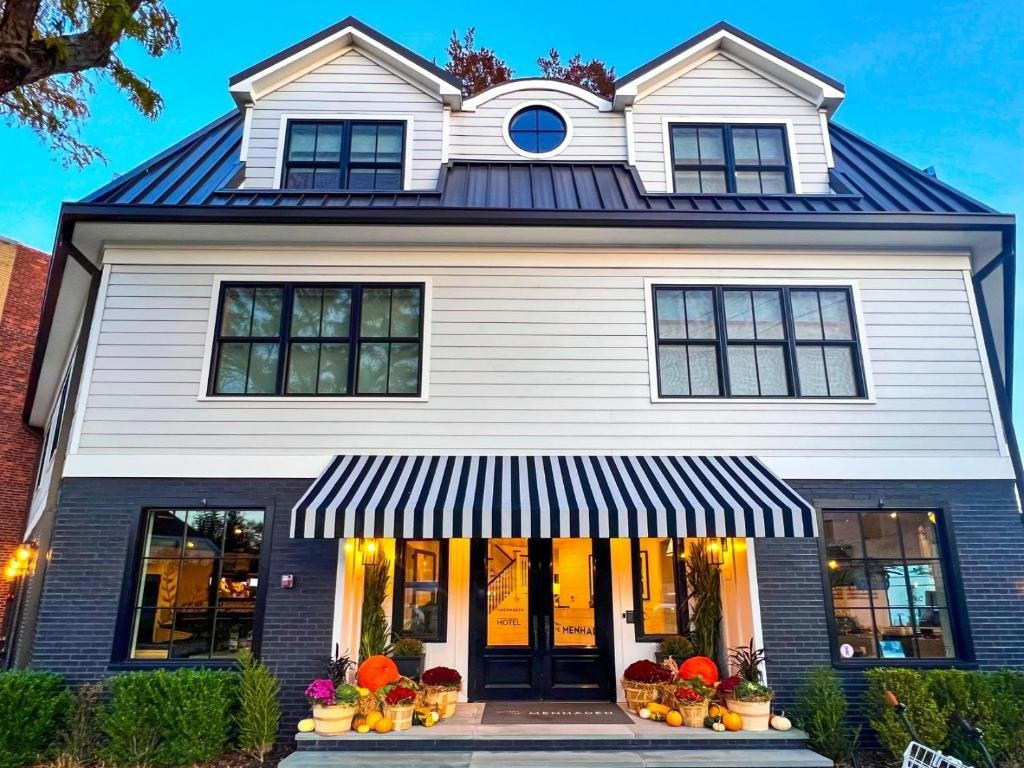


At a Glance
- Scenic
- Elegant
- Sophisticated
- Brunch
- Special Occasion
- Waterfront
- Hotel Restaurant
- Terrace
- Craft Cocktails
- Farm To Table
- Local Sourcing
- Sustainable Seafood
- Waterfront
Current opening hours
- Monday
- 7:30 AM–8 PM
- Tuesday
- Closed
- Wednesday
- Closed
- Thursday
- 11:30 AM–8 PM
- Friday
- 7:30 AM–9 PM
- Saturday
- 7:30 AM–9 PM
- Sunday
- 8 AM–8 PM
Hours can change for holidays and private events. Last verified .
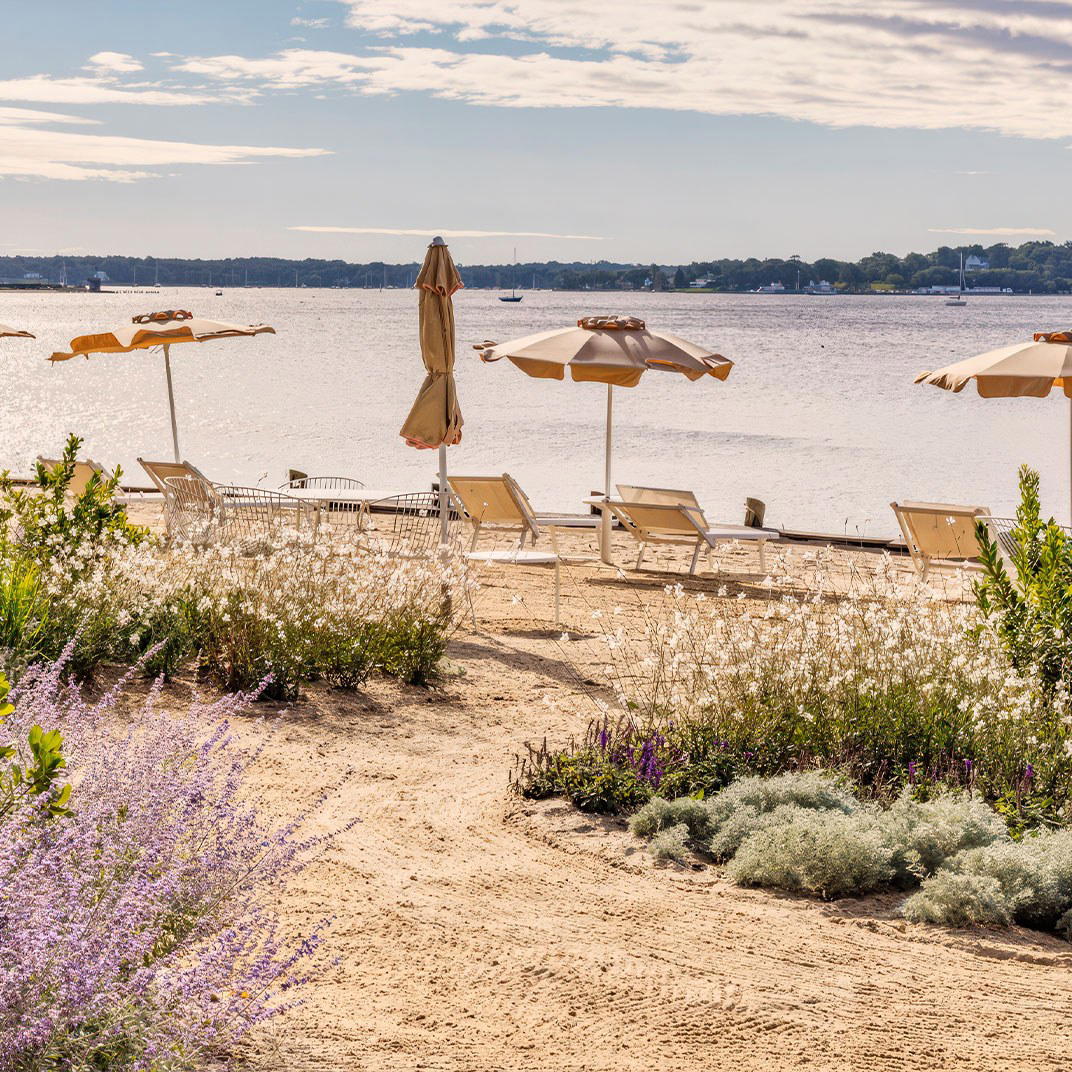
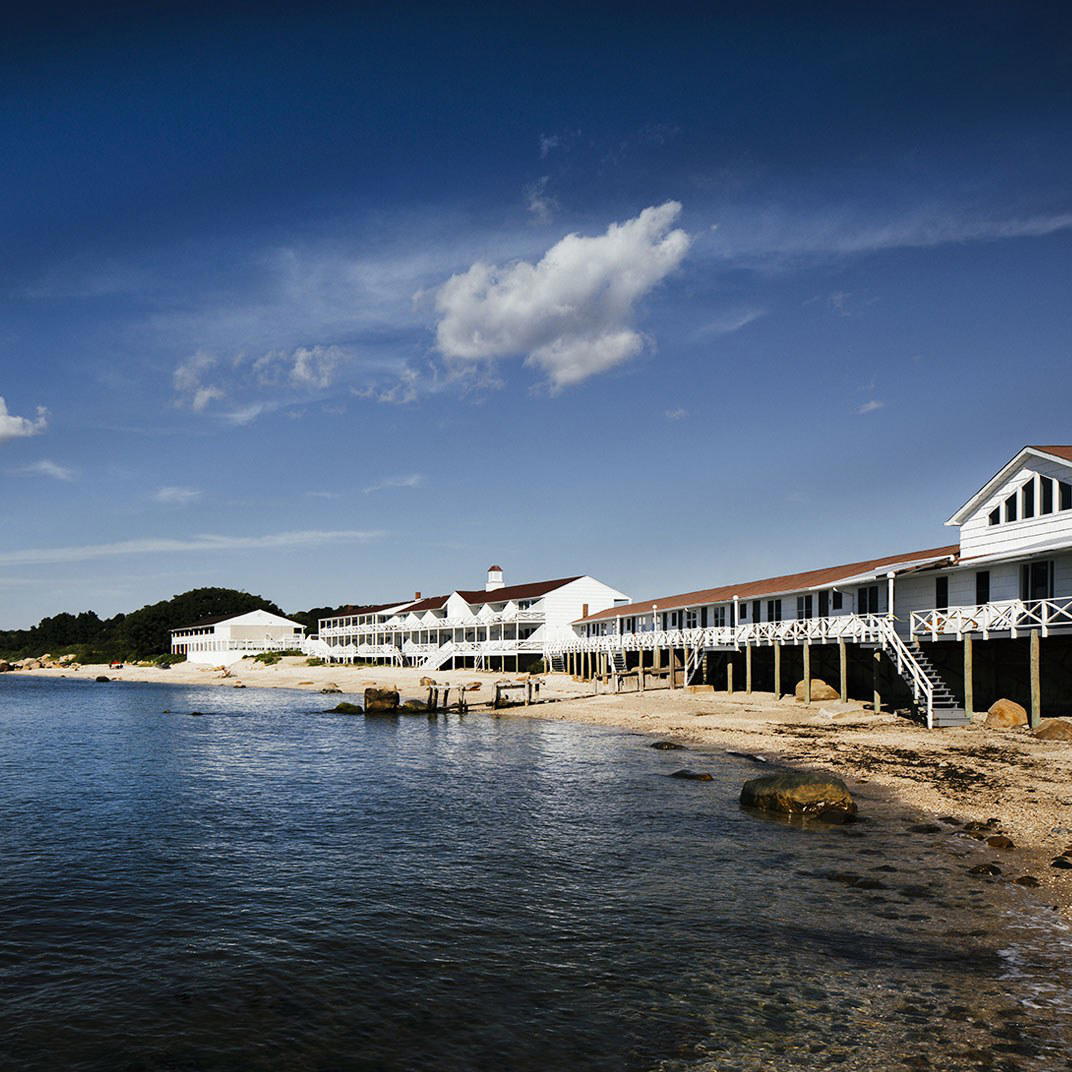
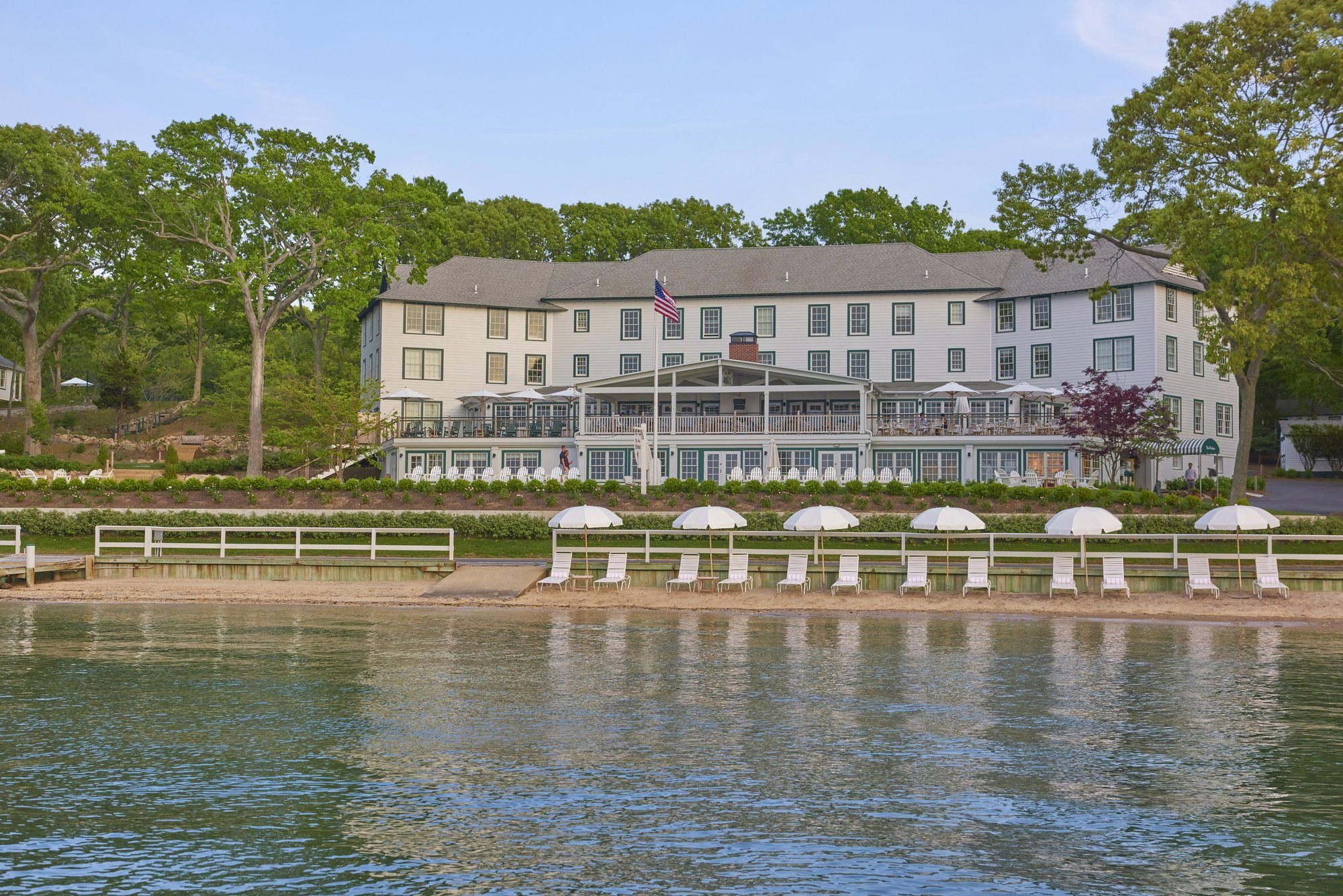
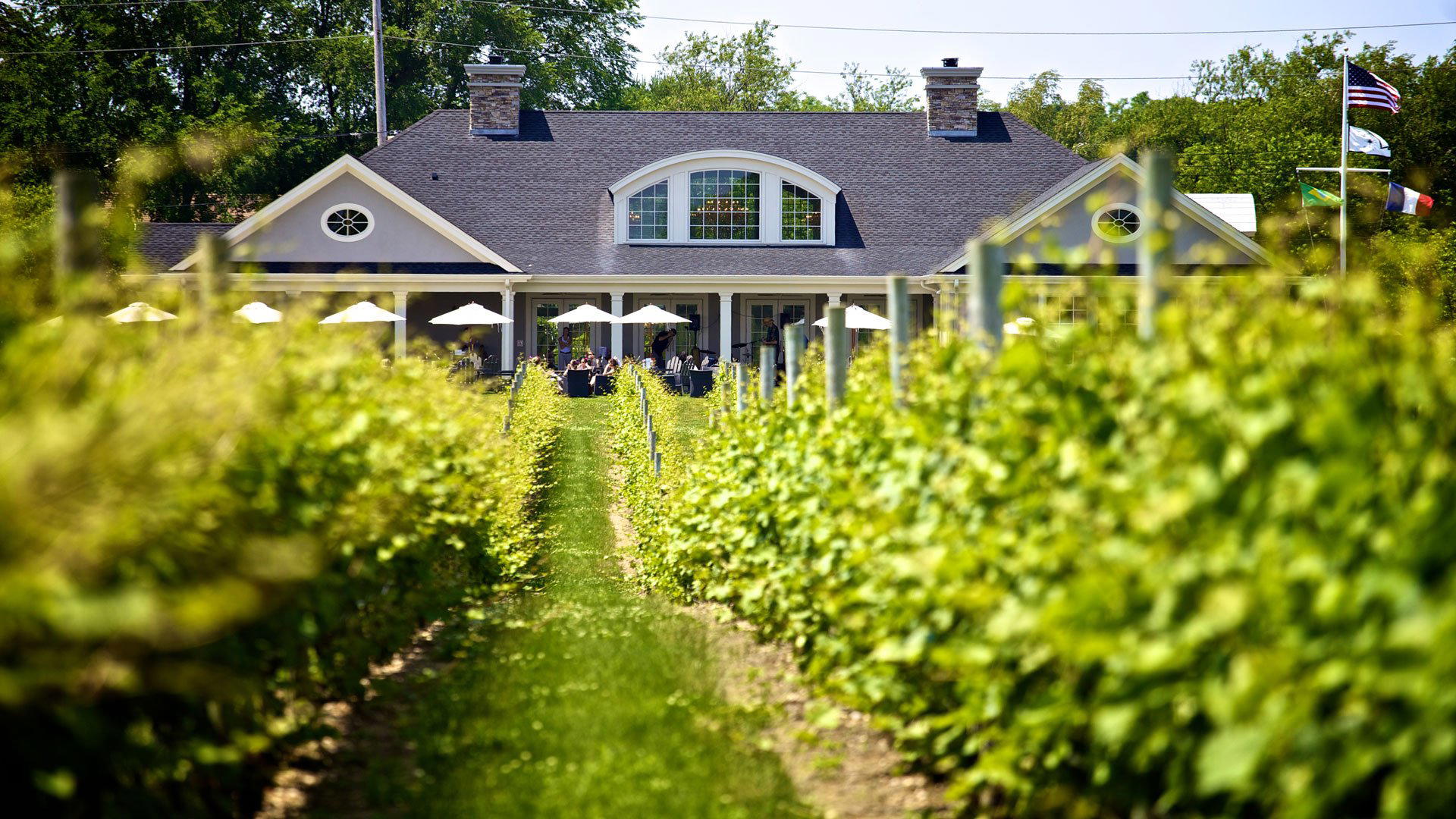
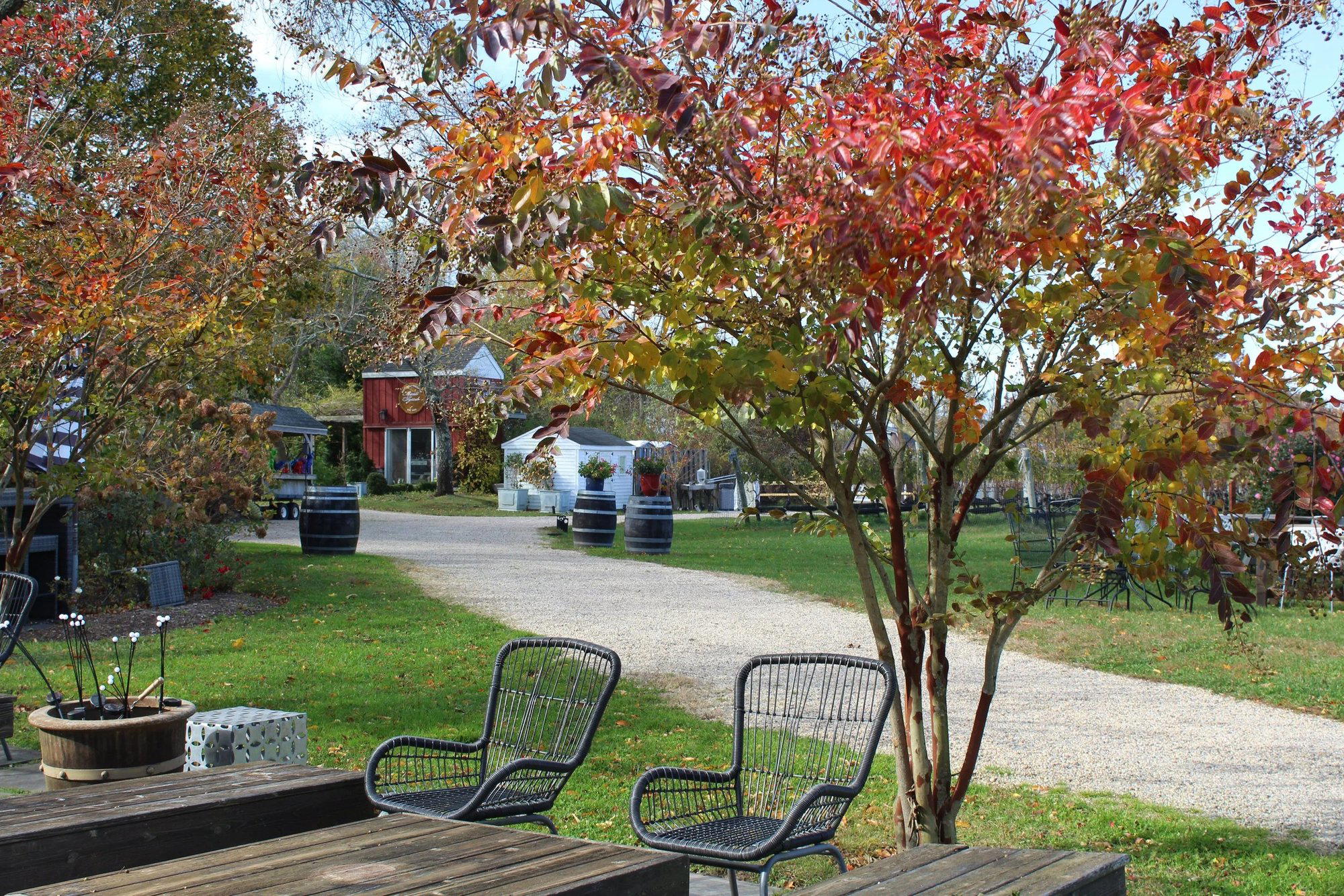
Dramatic shoreline ambience with far-reaching waterside views, complemented by indoor and outdoor seating including a porch and terrace.
Know Before You Go
- Getting there
- 2 Bridge St, Old Saybrook, CT 06475